Your search Vil·la romana dels Munts gave 370 results.
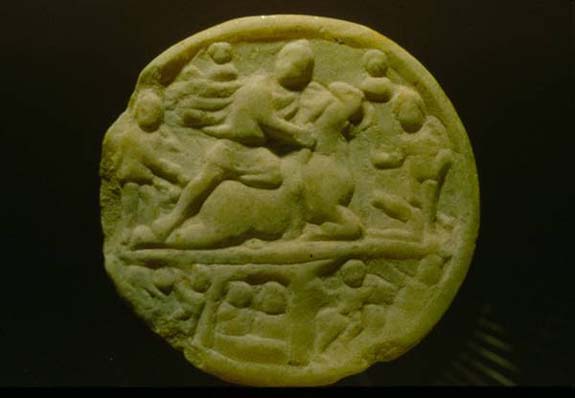
The small medallion depicts three scenes from the life of Mithras, including the Tauroctony. It may come from the Danube area.
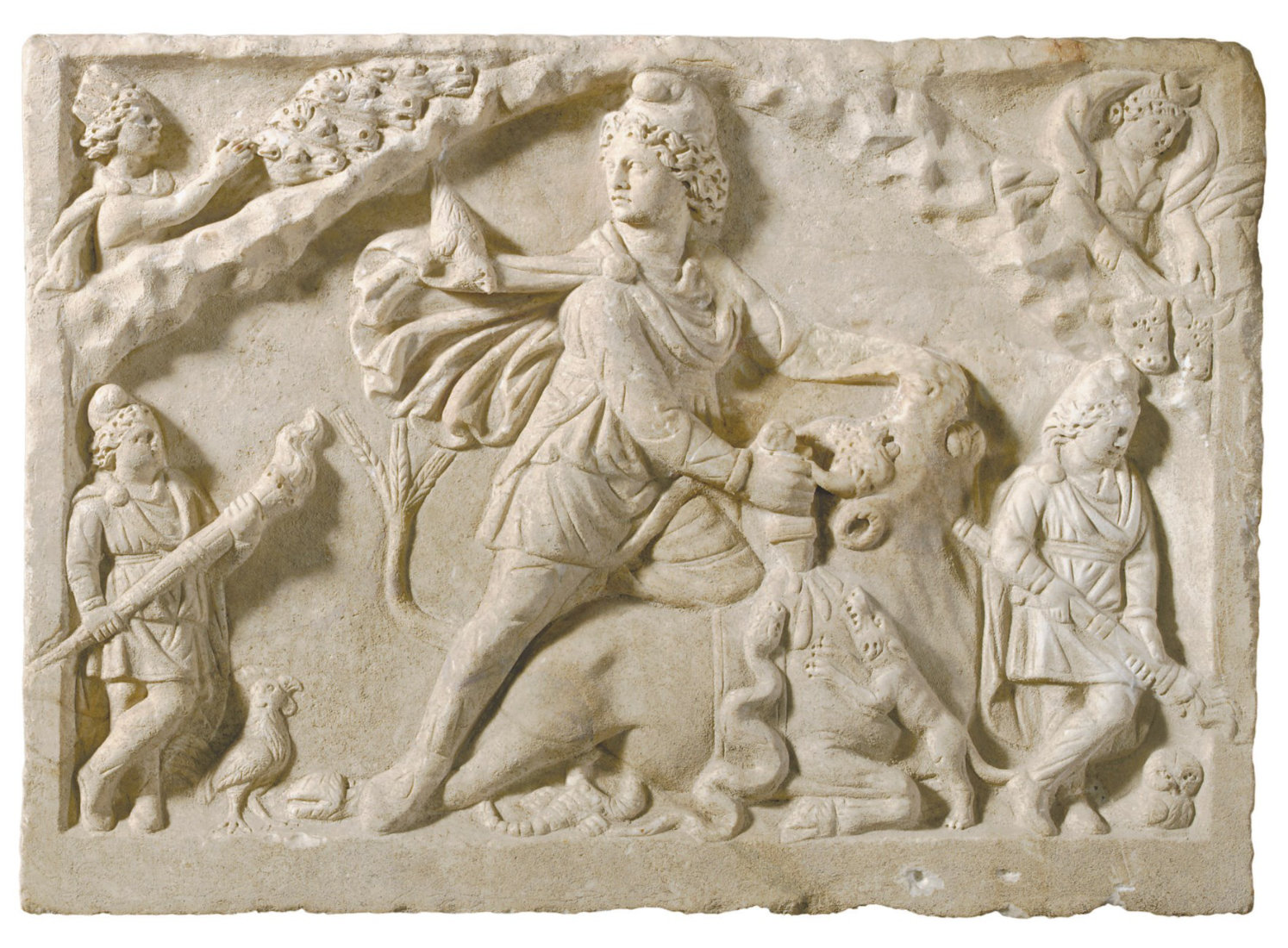
This relief of Mithras killing the bull includes an unusual owl at the feet of Cautopates and a cock next to Cautes.
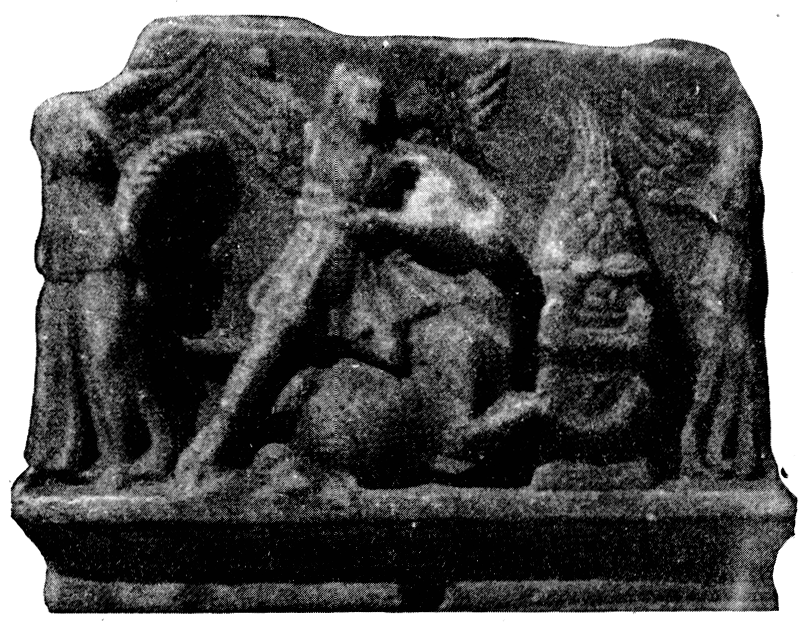
The Mithraic relief from Baris, in present-day Turkey, shows what appears to be a proto-version of the Tauroctony, with a winged Mithras surrounded by two Victories.
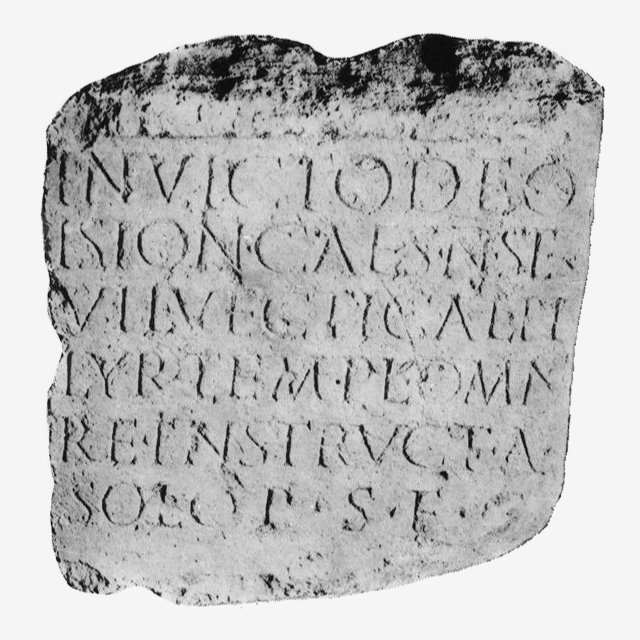
In this monument, the imperial slave Ision claims the completion of a new temple to Mithras in Moesia.
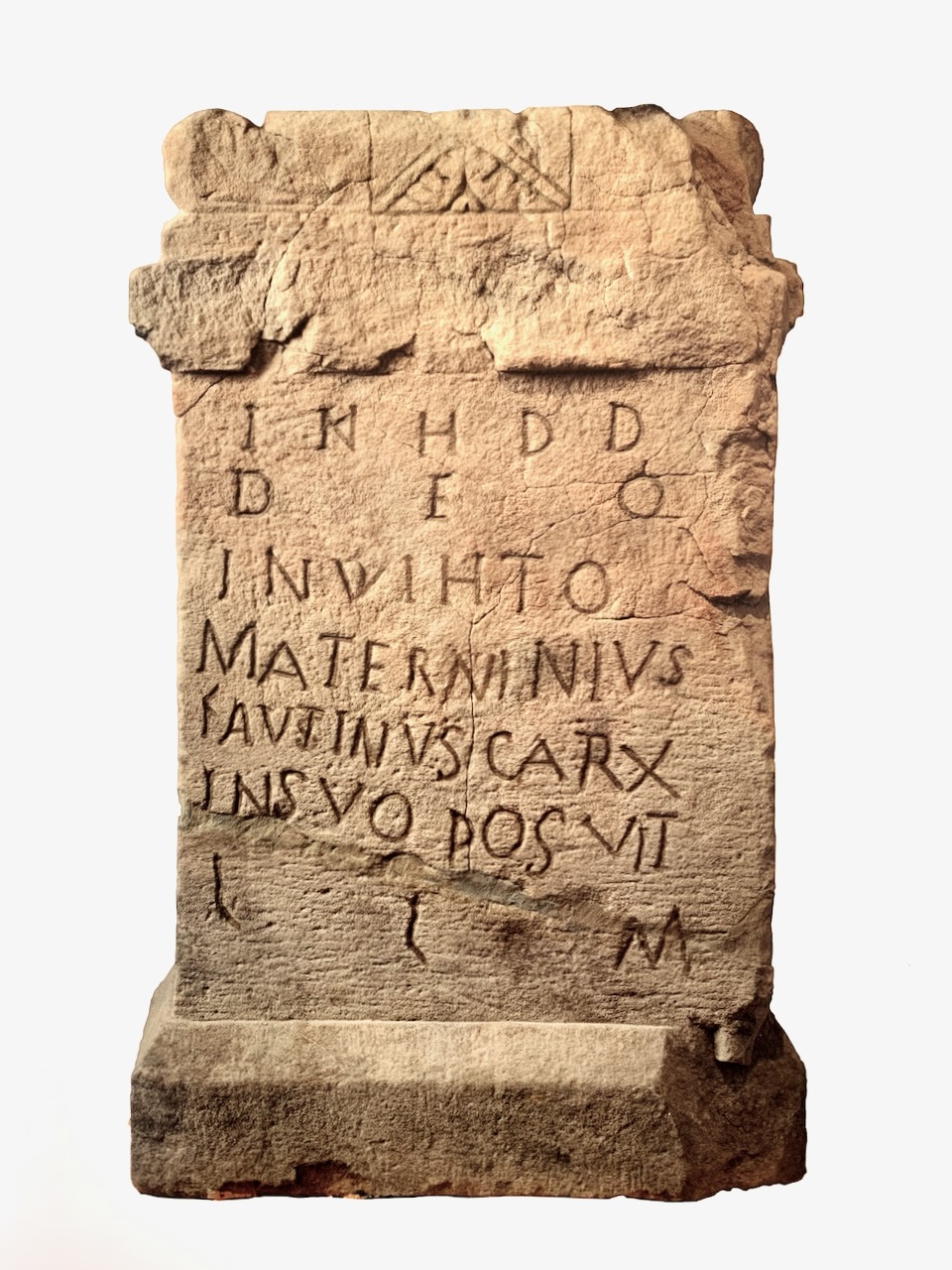
Corax Materninius Faustinus dedicated other monuments found in the same Mithraeum in Gimmeldingen.

Two marble statues of Cautes and Cautopates discovered in the Mithraeum of Rusicade, accompanied by symbolic animals including a lion, scorpion, dolphin and bird.
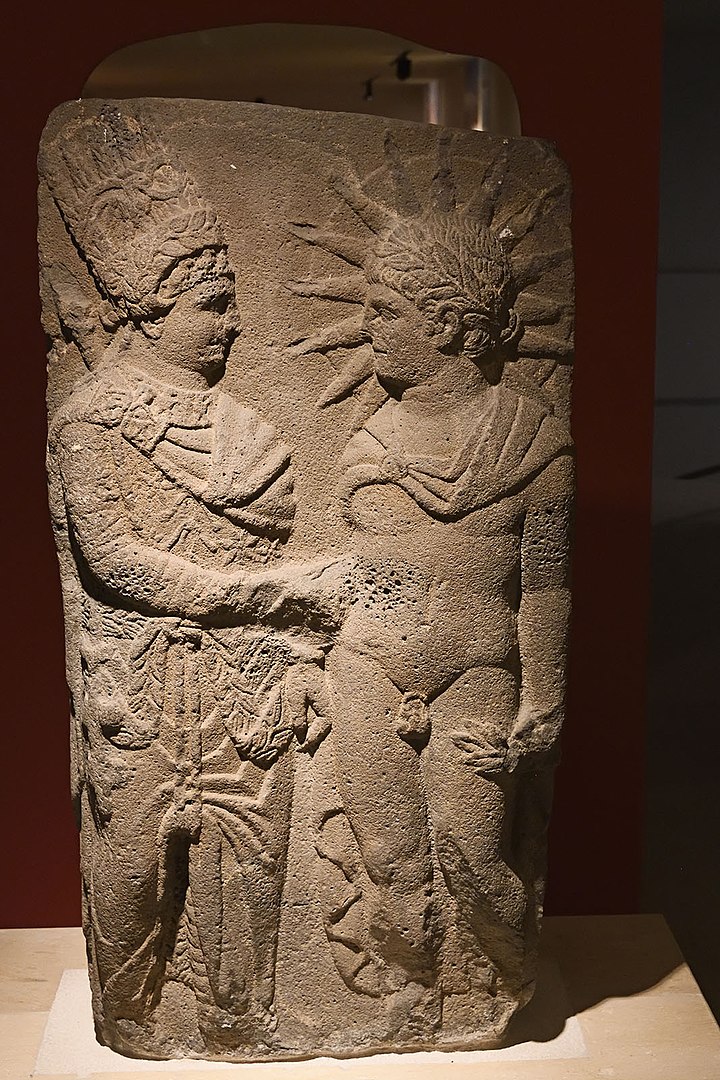
Stele representing Apollo-Mithras-Helios in a Hellenistic nude fashion, shaking hands with Antiochus I.
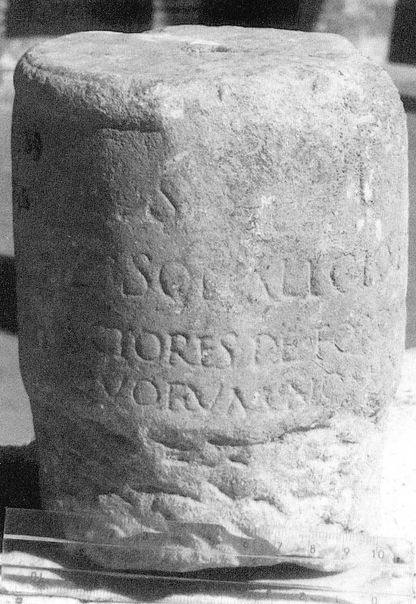
The inscription included the names of the brotherhood, which are now lost.
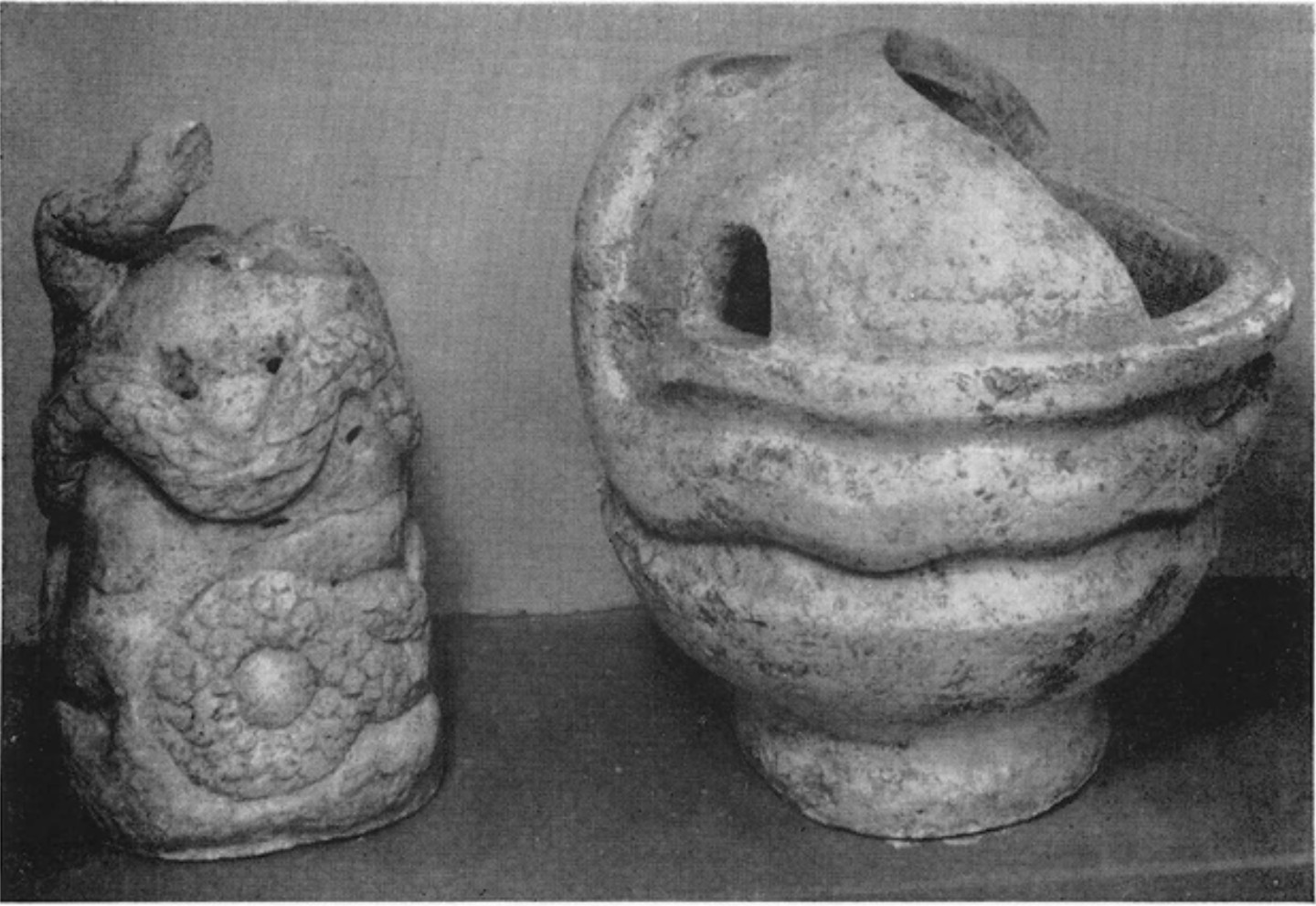
Both objects have a snake winding itself around them.
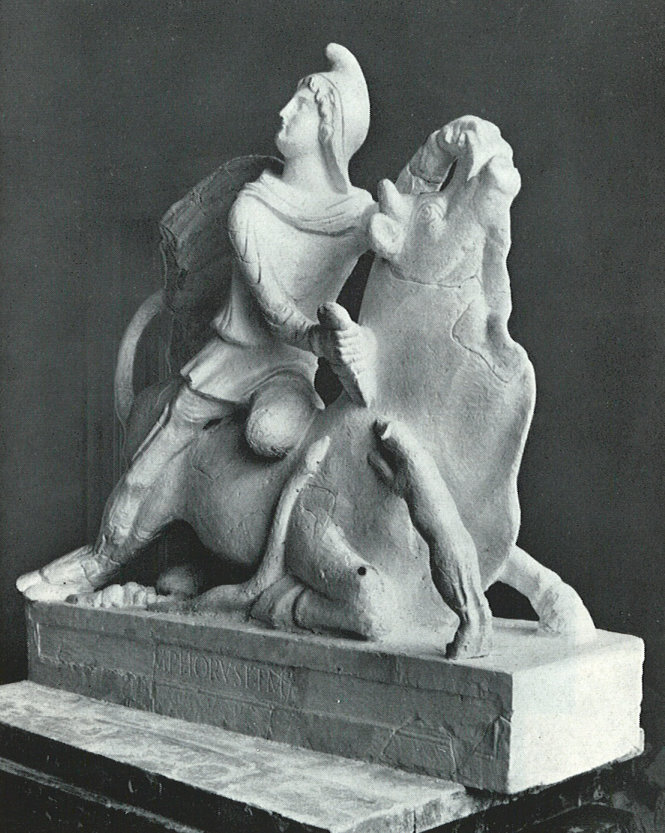
This sculpture of Mithras killing the sacred bull bears an inscription that mentions the donors.
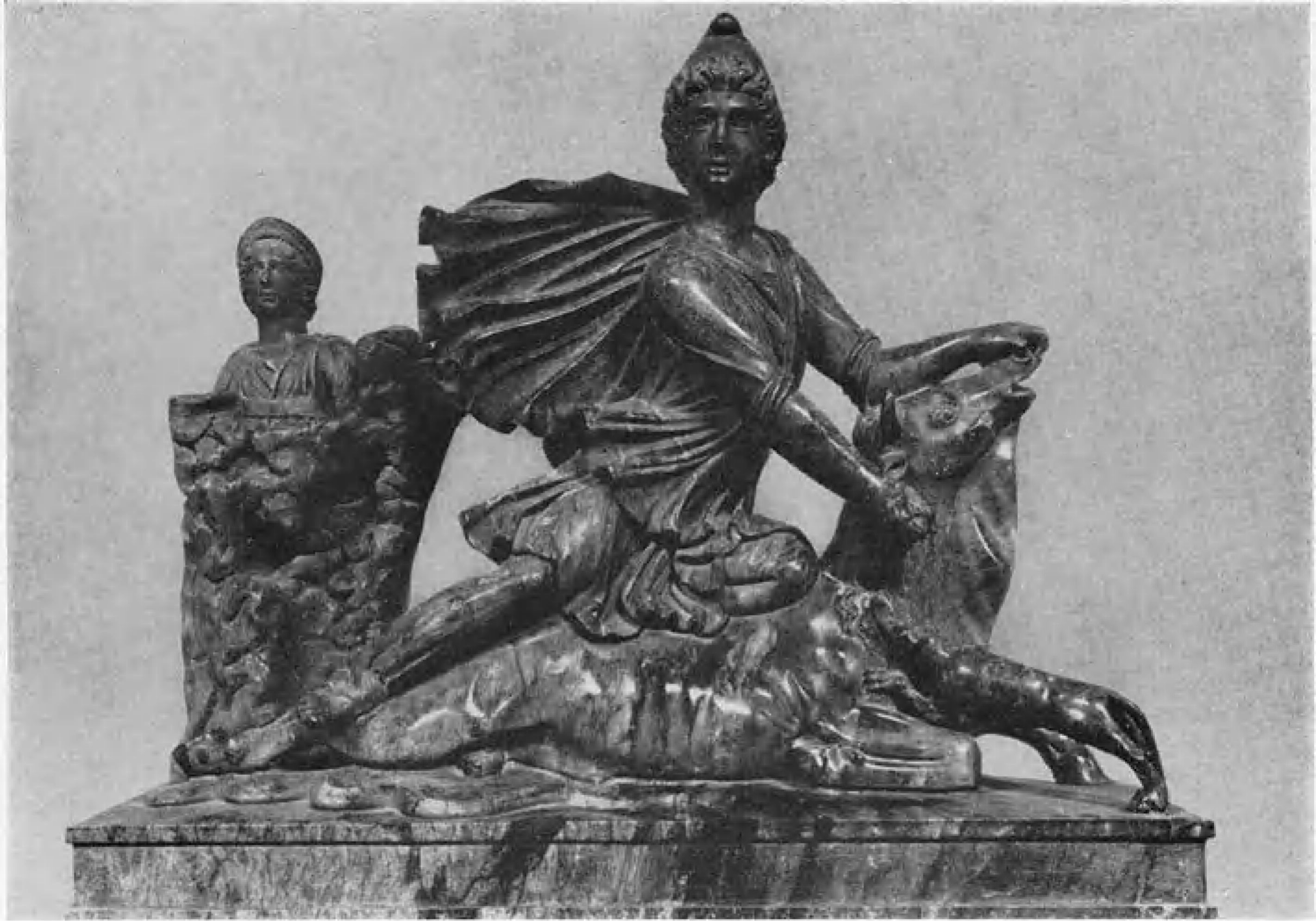
This black marble of Mithras killing the Bull has belonged to the sculptor Carlo Albacini.
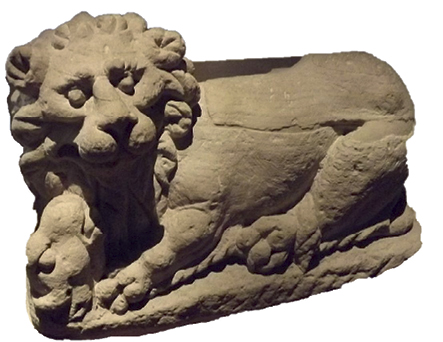
Exceptional sculpture of a lion devouring a bull’s head founded in 1894 in Carnuntum, Pannonia.
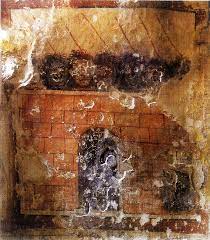
The City of Darkness unique fresco from the Mithraeum of Hawarte shows the tightest links between the western and eastern worship of Mithras in Roman Syria.
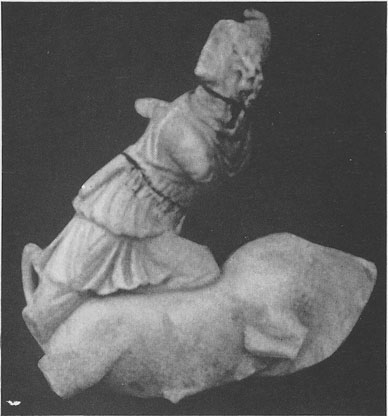
Fragment of a white marble statue of Mithras killing the bull from Rusicade, today Skikda, Algeria.
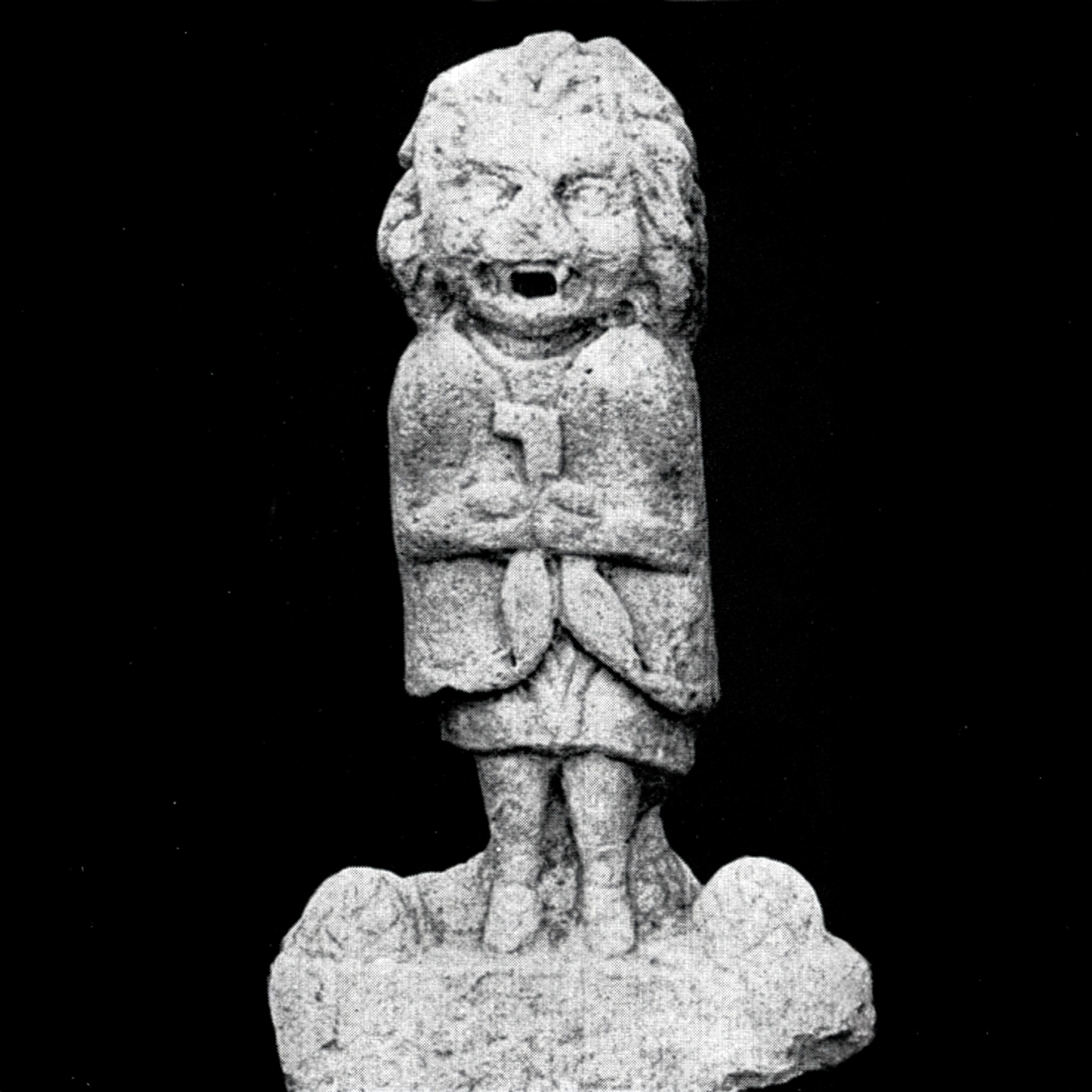
The lion-headed figure from Rusicade, now Skikda, holds a key in both hands and features a pine cone beside his feet.
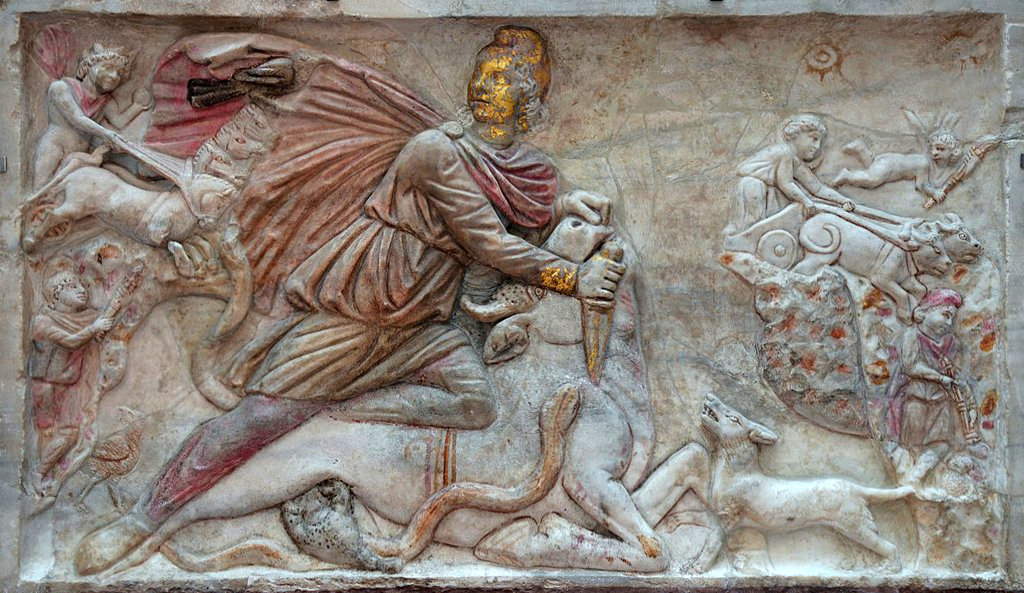
The relief of Mithras killing the bull of Stefano Rotodon preserves part of his polycromy and depicts two unusual figures: Hesperus and an owl.
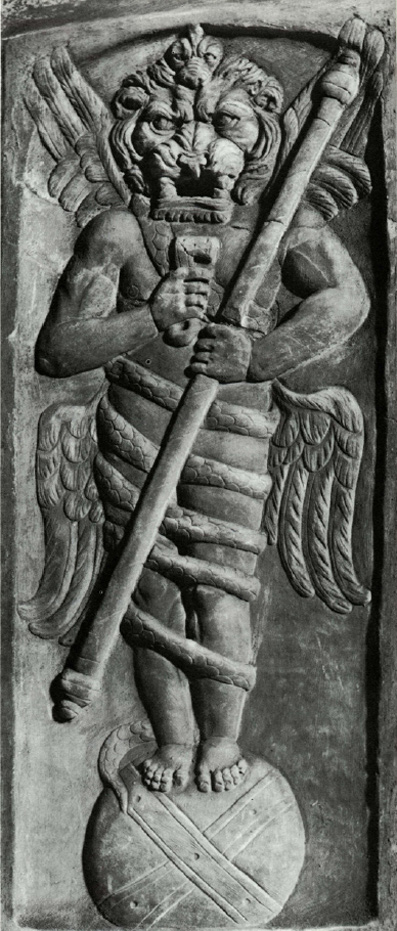
The lion-headed god is standing on a globe encicled by two crossed bands on which five pearls.

Around the relief with Mithras as a bullkiller, a number of scenes from the Mithras Iegend have been painted in the Mithraeum of Dura Europos.
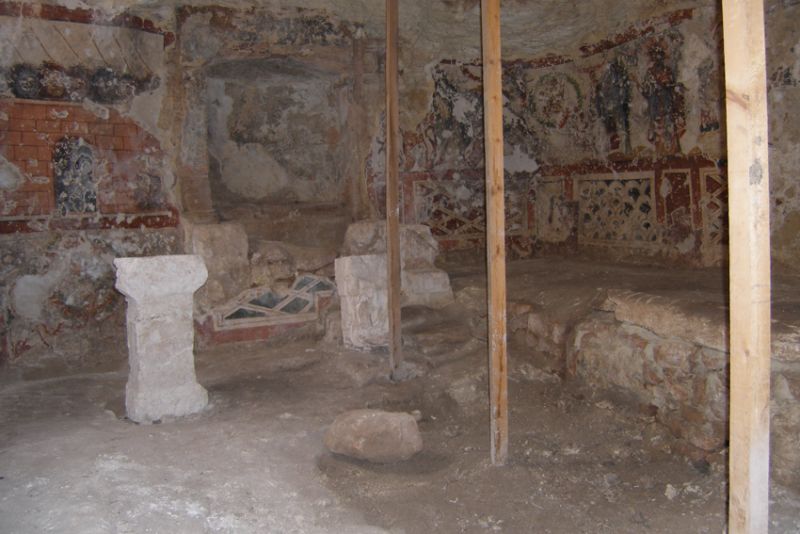
The Mithraeum of Hauarte or Hawarte, which preserves colourful frescoes, it’s the latest know and used.
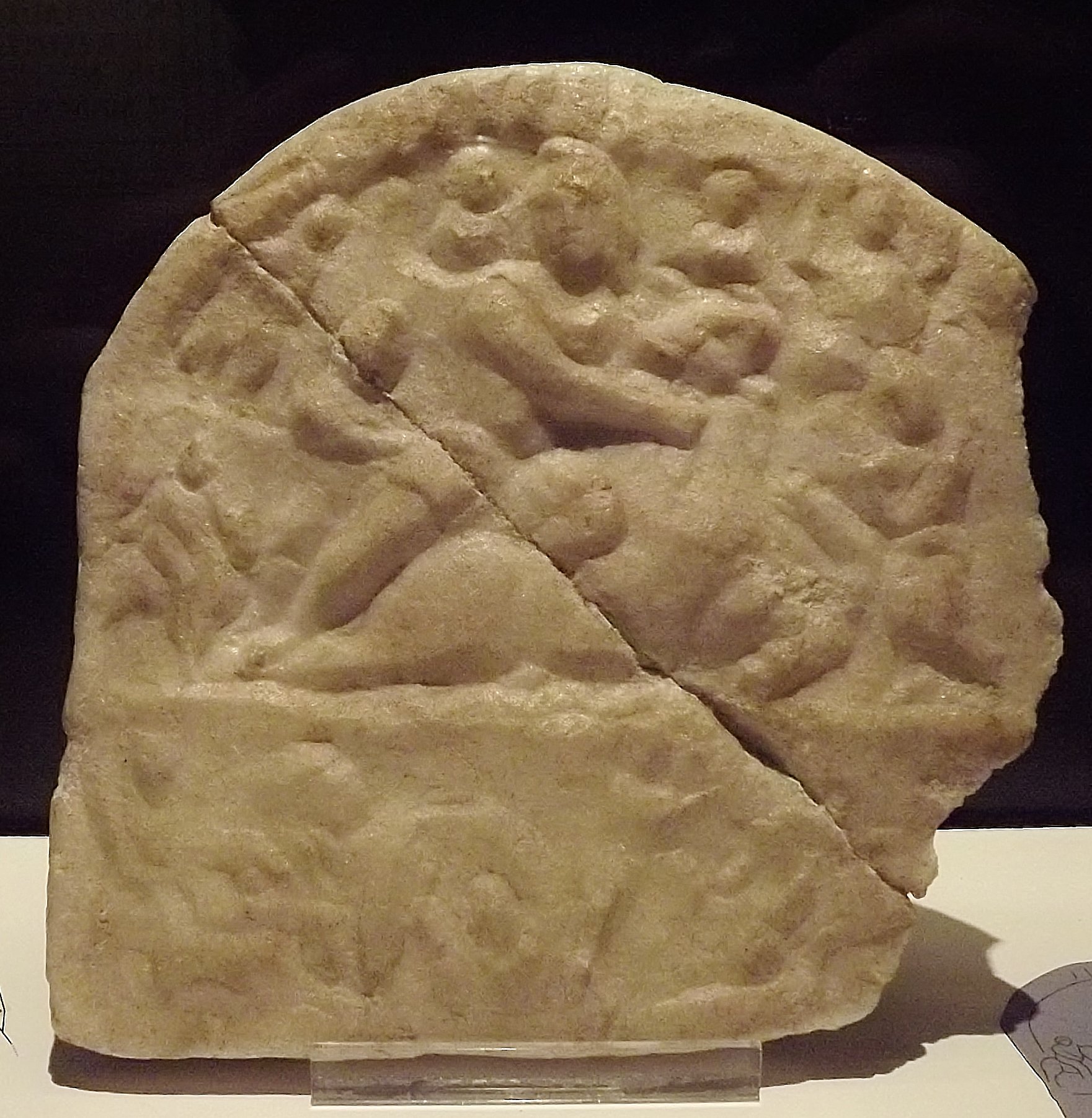
This small white marble relief of Mithras as a bullkiller was found in the Botanical Gardens of Vienna in 1950.
