Your search Villa dei Quintili gave 359 results.

Excerpted from Mushroom, Myth and Mithras, this passage elaborates on the Mithraic ritual and the degree of Nymphus.
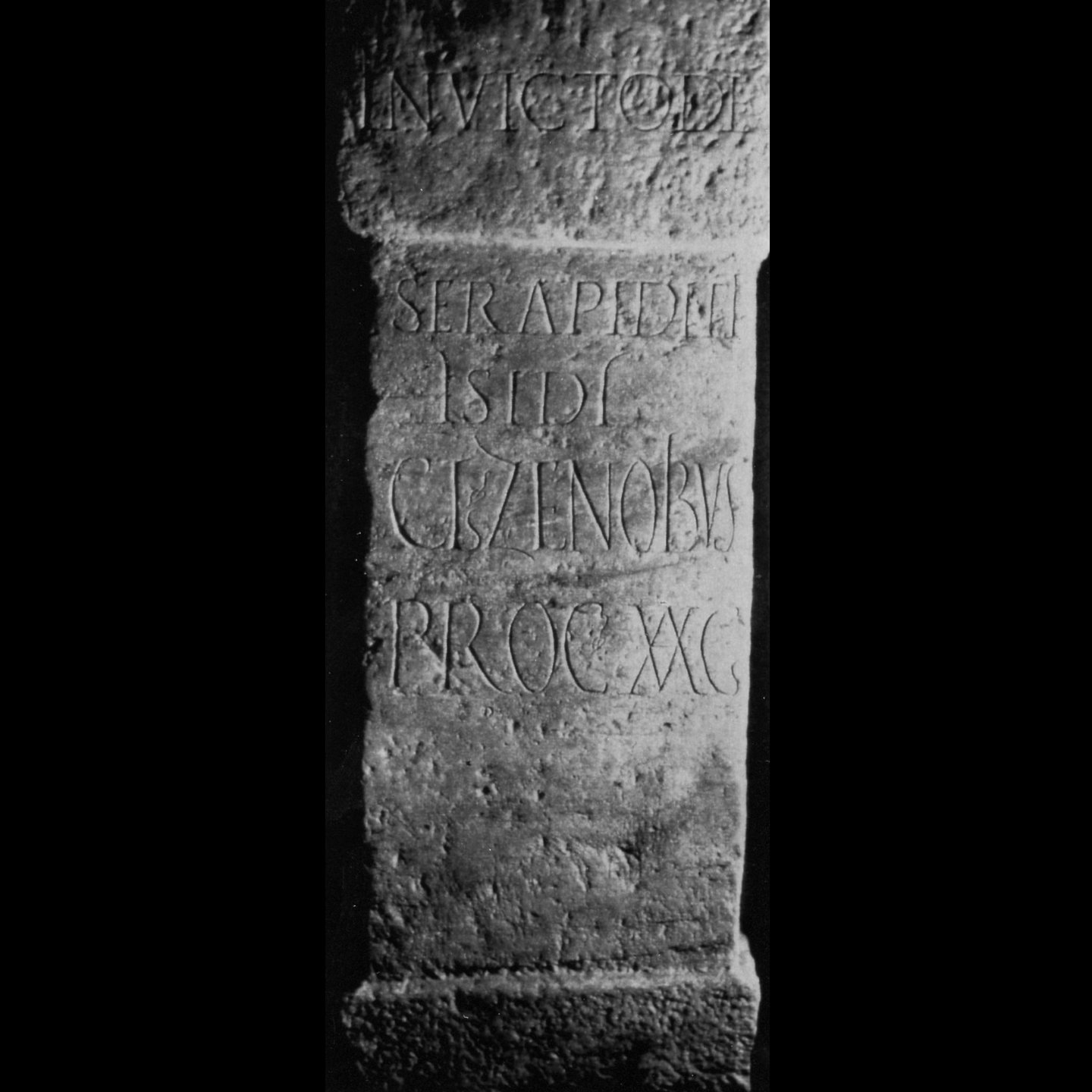
This slab dedicated to the invincible god, Serapis and Isis by Claudius Zenobius was found in 1967 in the walls of the city of Astorga, Spain.

For the launch of our YouTube channel, we chat with the author, poet, essayist and friend Peter Mark Adams about the Sola-Busca tarot, a Renaissance masterpiece, uncovering ties to the Mithras cult.
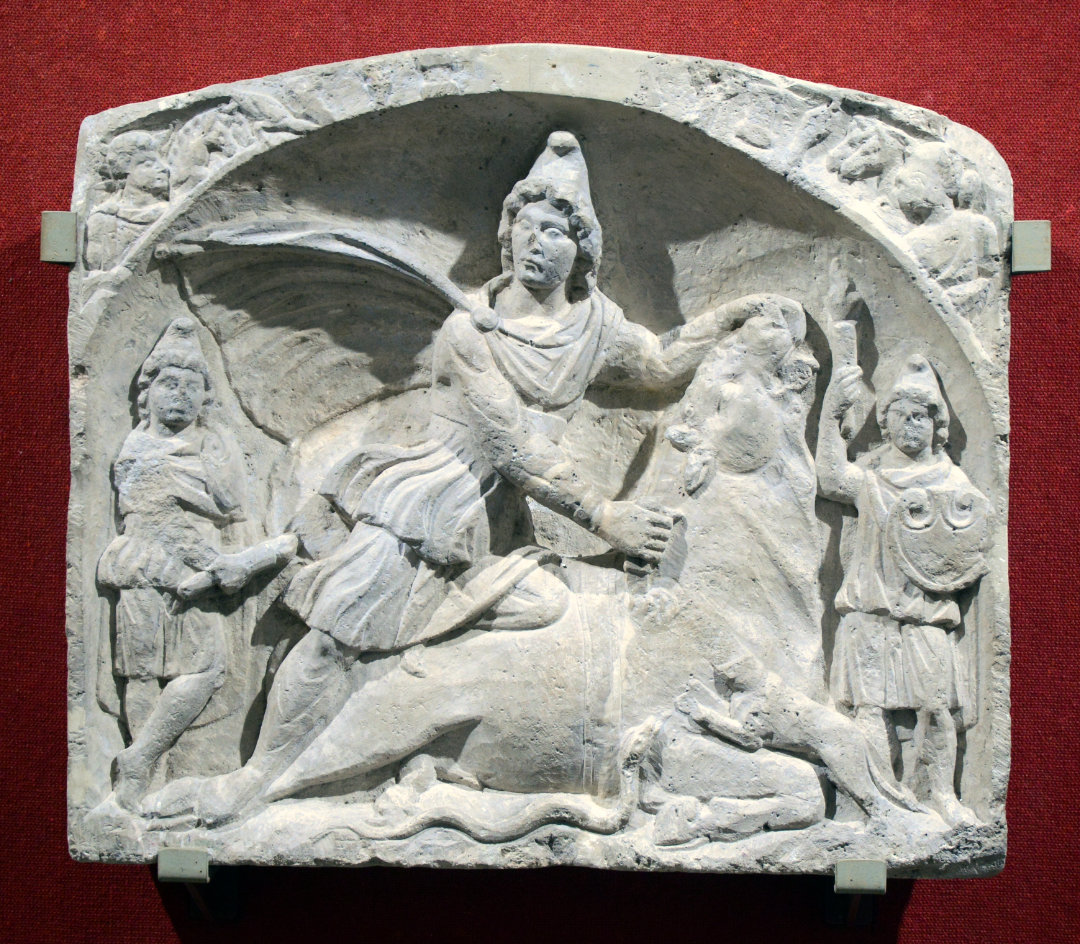
In this relief found in the Sárkeszi Mithraeum, Cautes and Cautopates hold an Amazon shield.
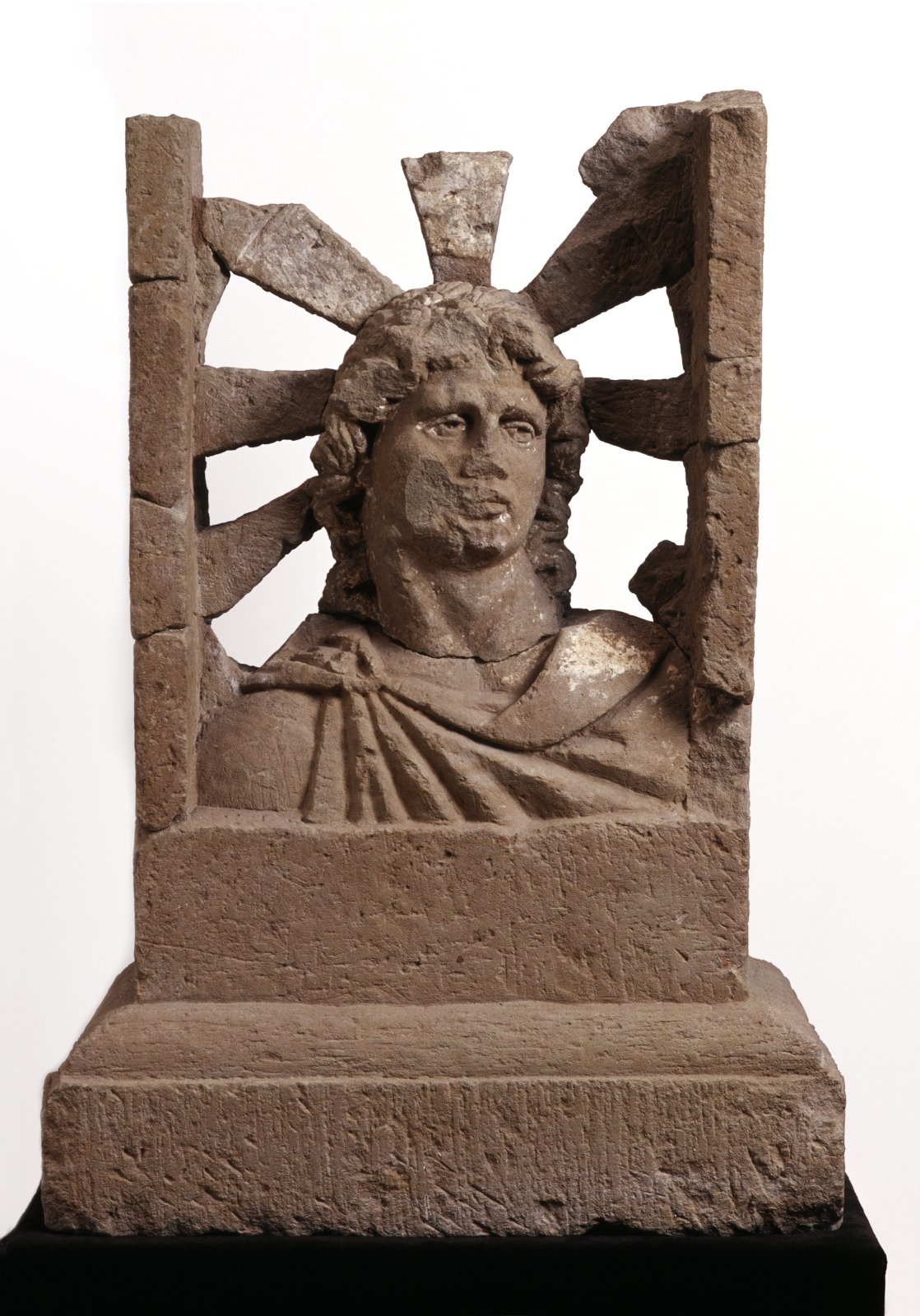
The altars of the gods of the Sun and Moon found in the Mithraeum of Mundelsheim wear openwork segments that could be lighten from behind.

The site of Orbe-Boscéaz, Switzerland, also known as Boscéay, is renowned for its mosaics and mithraic temple.
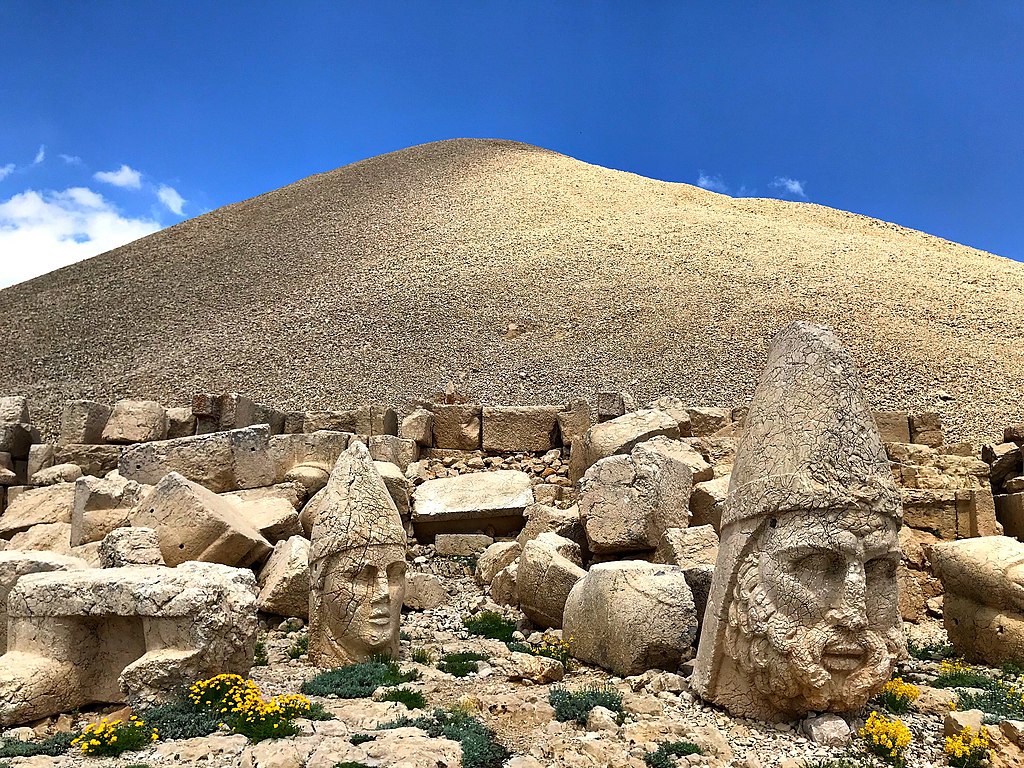
Mount Nemrut or Nemrud is one of the highest peaks in the eastern Taurus Mountains, southeastern Turkey. On its summit large statues stand around what is supposed to be a royal tomb from the 1st century BC.

Mithraeum I in Güglingen, Landkreis Heilbronn (Baden-Württemberg).
This limestone altar dedicated to Mithras by a certain Veturius Dubitatus was found in Dalj, Croatia, in 1910.
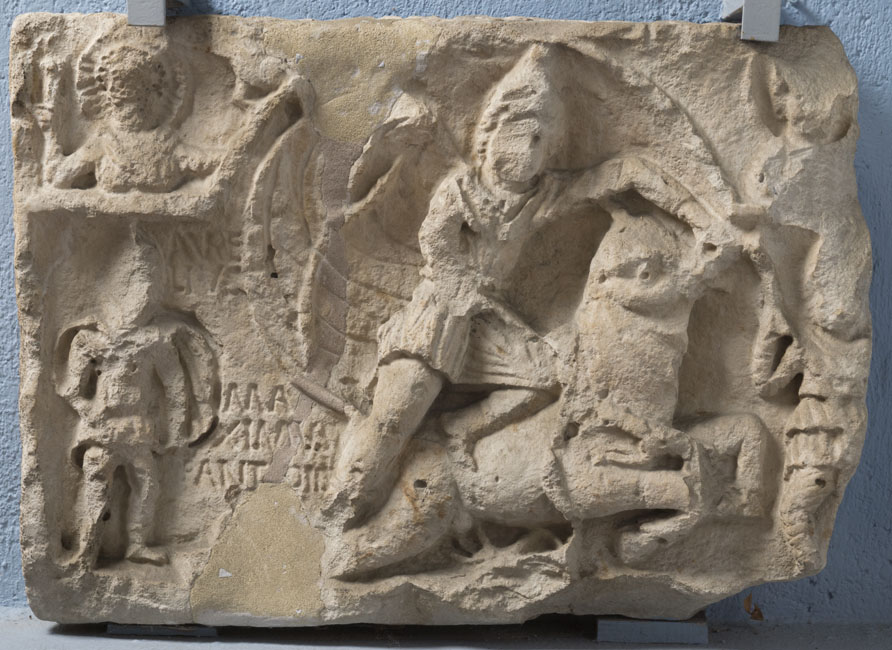
This relief of Mithras as a bullkiller was found in Golubić, Bosnia and Herzegovina, near a cementery.
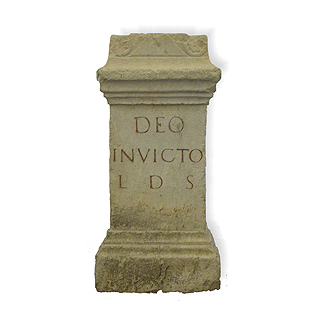
This altar to Deo Invicto was found during the excavation of the Monastero Delle Benedettine di Santa Grata in Bergamo, with a bronze calf’s head on top.
This marble of Cautes was found together with his partner Cautopates in Ostia in 1939.
In the altar that Titus Tettius Plotus dedicated to the invincible God, he called himself pater sacrorum.
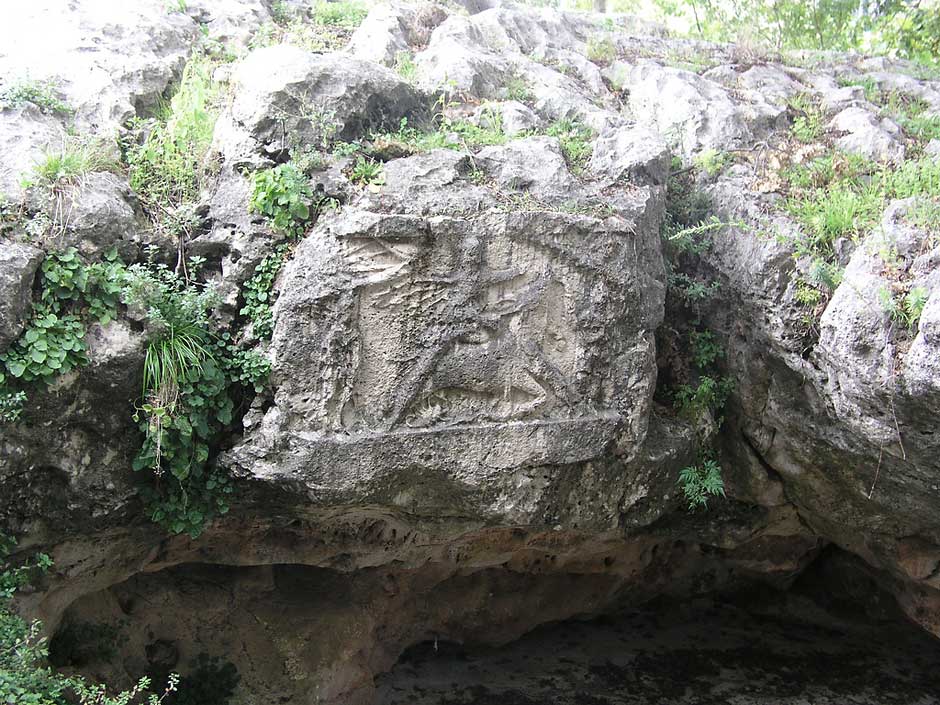
The Mithraeum of Mocici was situated in a grotto at one hour's walk fomr the ancient Epidaurum.
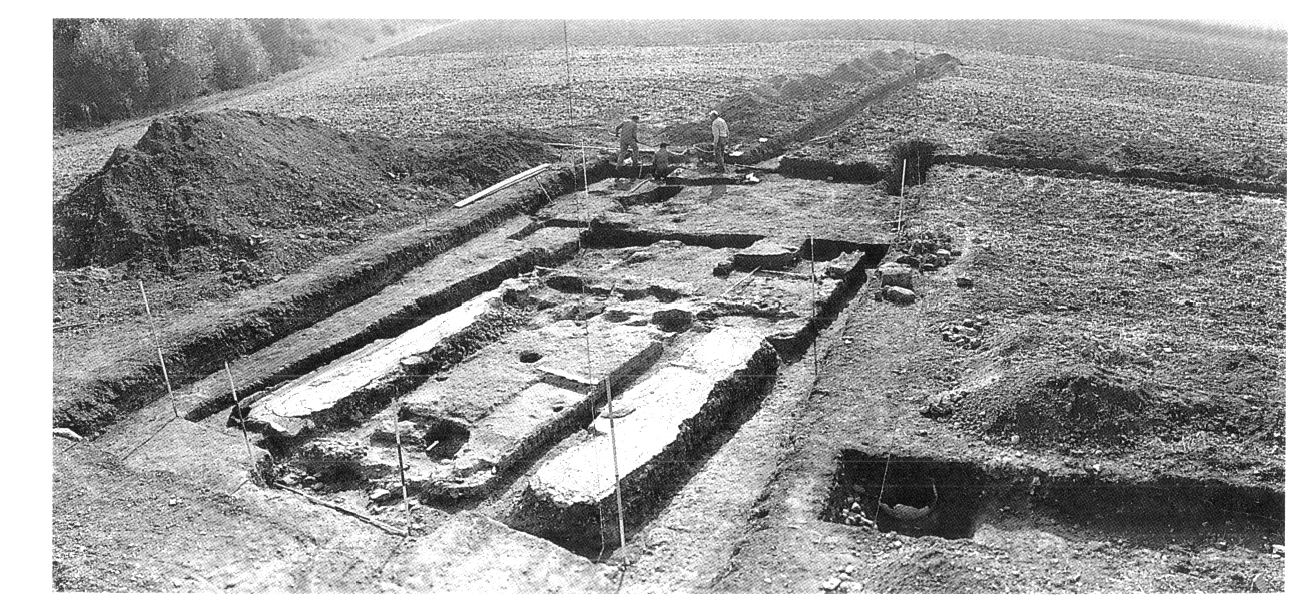
The Mithraeum of Biesheim-Kunheim is located near the ancient village of Altkirch, near the Rhin.
This temple of Mithras has been discovered under the Church in Vieux-en-Val-Romey, in 1869.
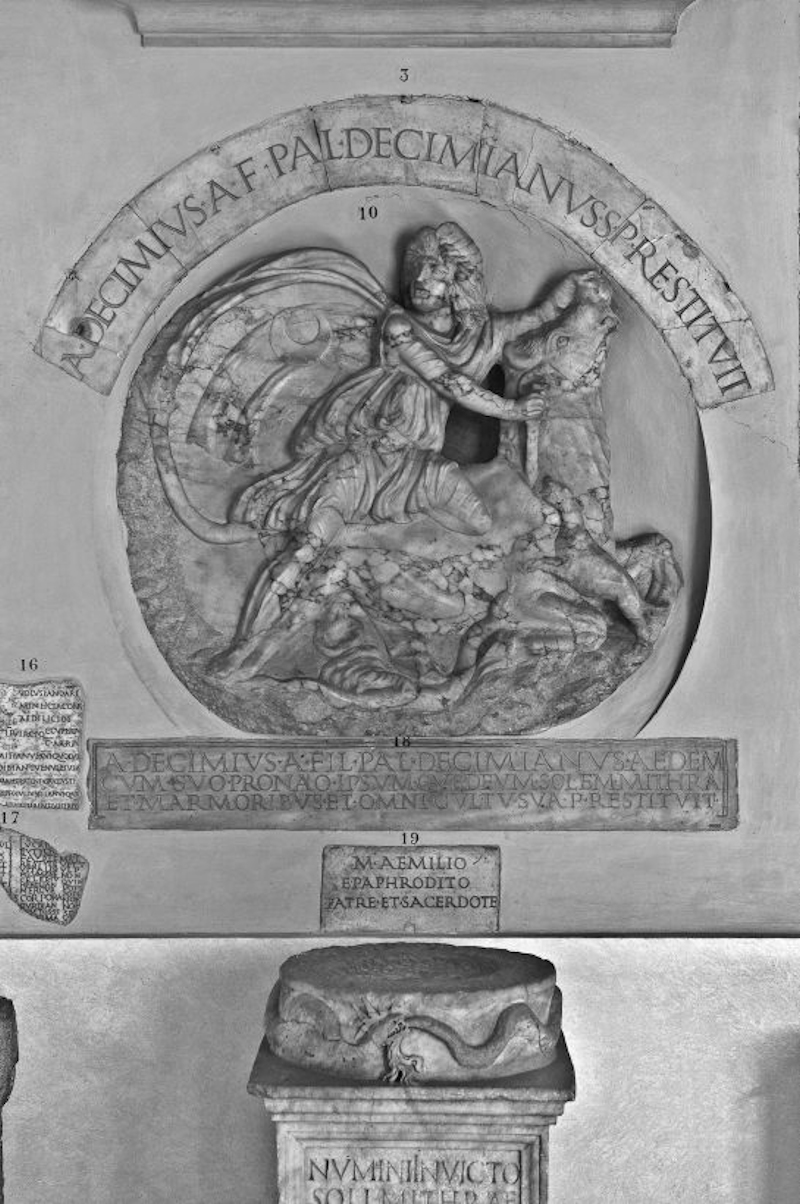
The relief of Mithras slaying the bull from the Mithraeum of the Seven Spheres was discovered in 1802 by Petirini by order of Pope Pius VII.
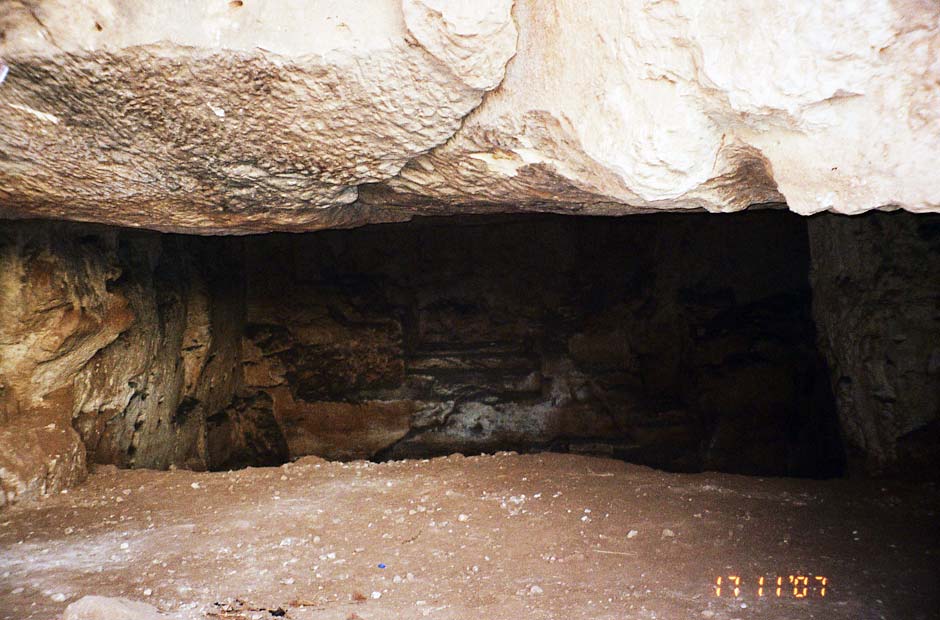
The Mithraea of Doliche, ancient Dülük, Turkey, are unique in that they represent two distinct shrines on the same site.
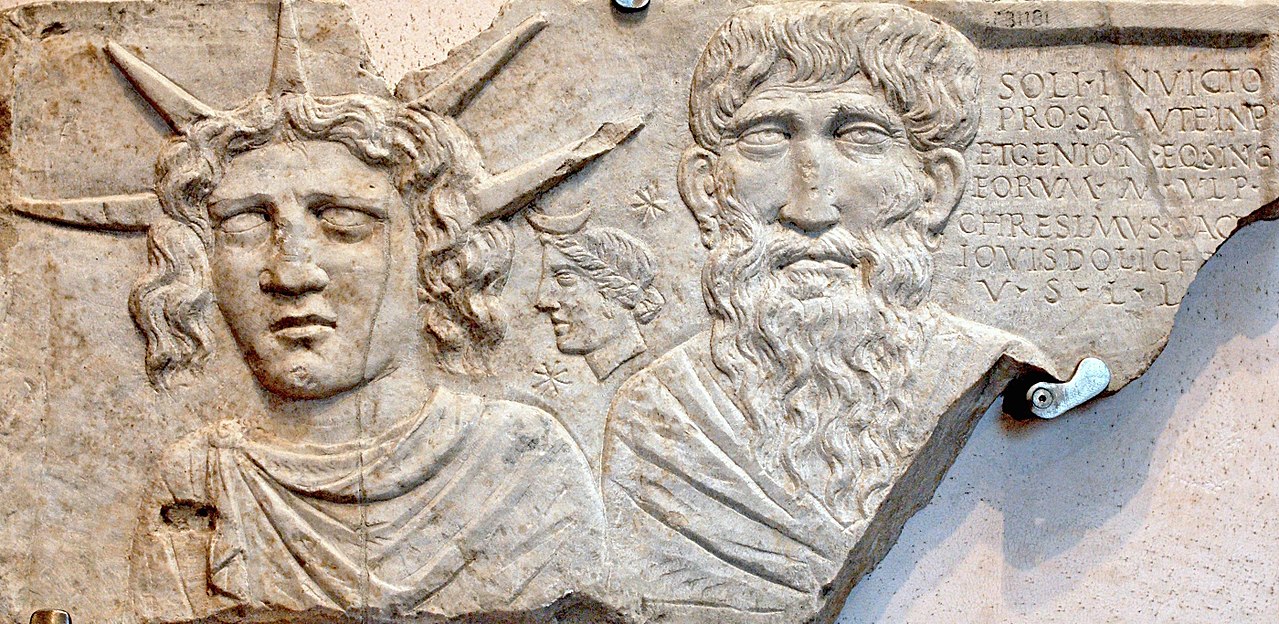
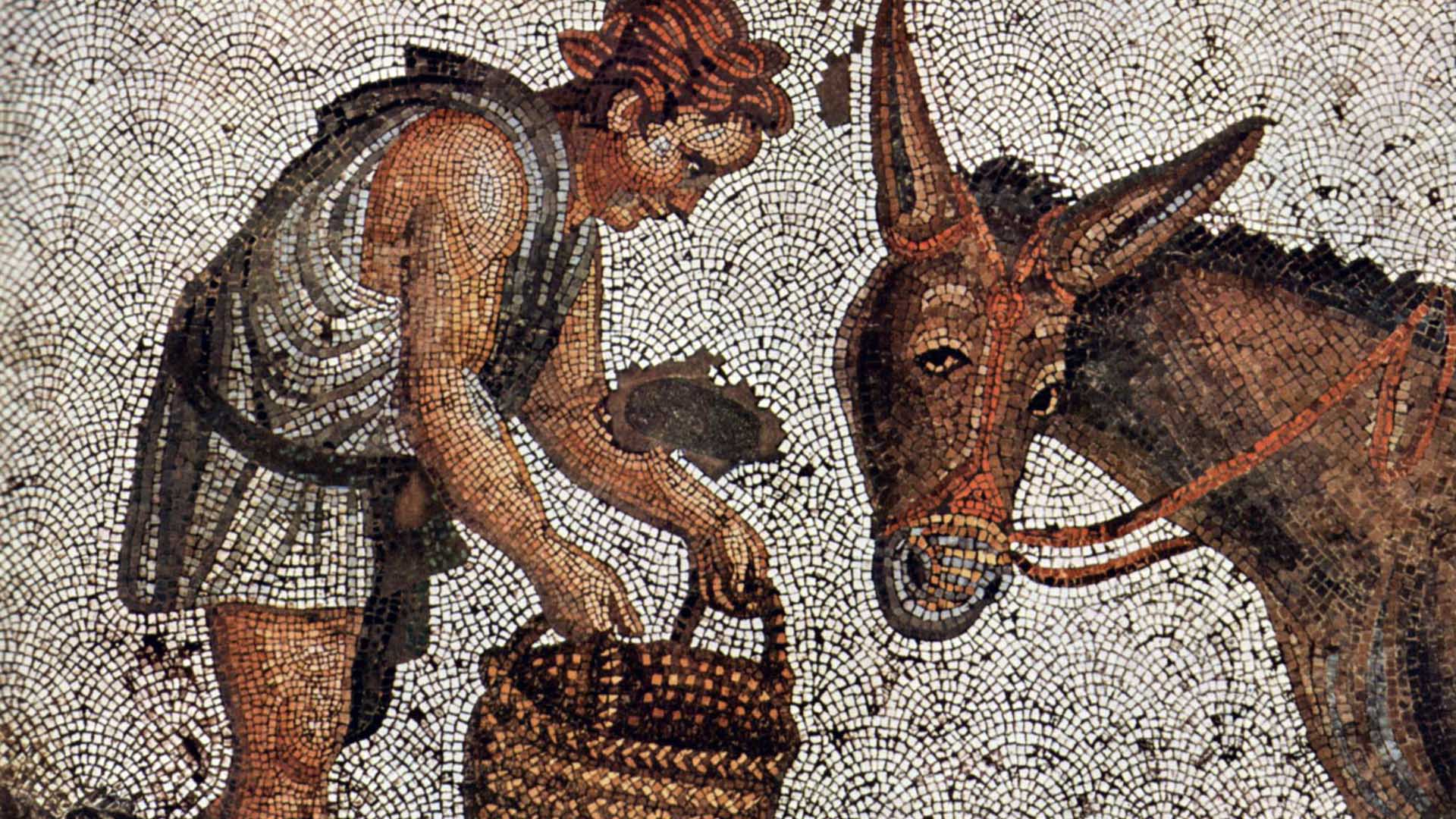
The concluding book of Apuleius’ Golden Ass (or Metamorphoses), where Lucius, the story’s protagonist, undergoes initiation into the mysteries of Isis and Osiris.
