Your search Villa of Domitian at the Castel Gandolfo gave 3678 results.

Roman Aegyptus preserves a distinctive body of Mithraic evidence shaped by Alexandria and the religious diversity of the eastern Mediterranean.
Achaea preserves some of the earliest and most culturally complex evidence for Mithraic activity in the Greek-speaking eastern Mediterranean.

Hector erected an altar to Mithras in Emerita Augusta by means of a ‘divine vision’.

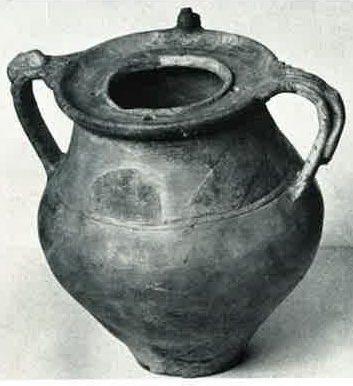
This fragment of pottery depicting Mithras may have come from Gallia.
Sepulchral limestone inscription from the vicinity of the Mithraeum at Colonia Agrippina (Germania Inferior), mentioning the Mithraic grade Corax.
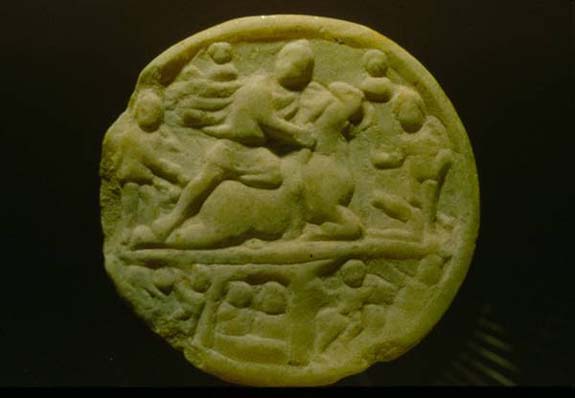
The small medallion depicts three scenes from the life of Mithras, including the Tauroctony. It may come from the Danube area.
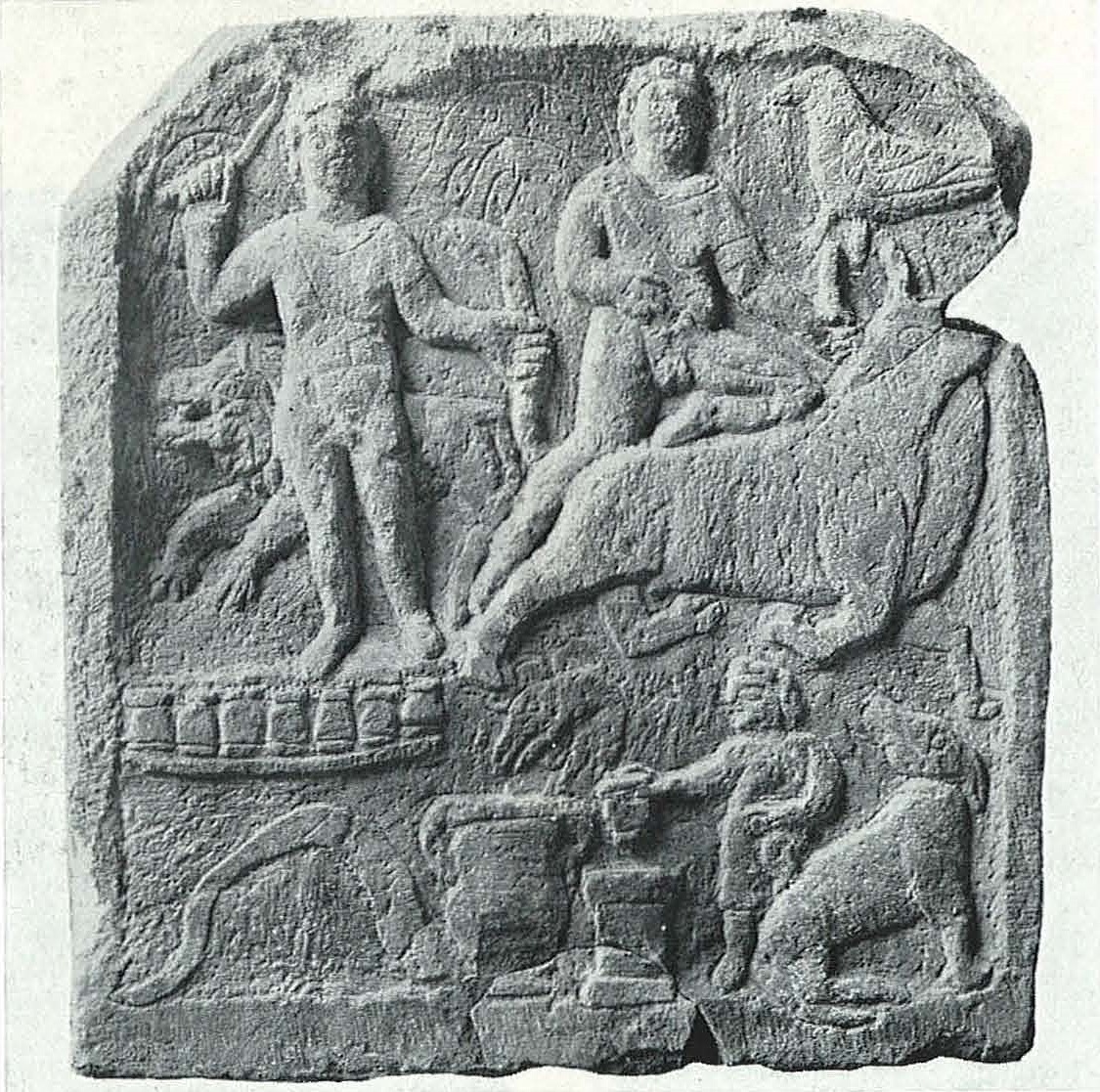
The Tauroctony from Landenburg, Germany, shows a naked Mithras only accompanied by his fellow Cautes.
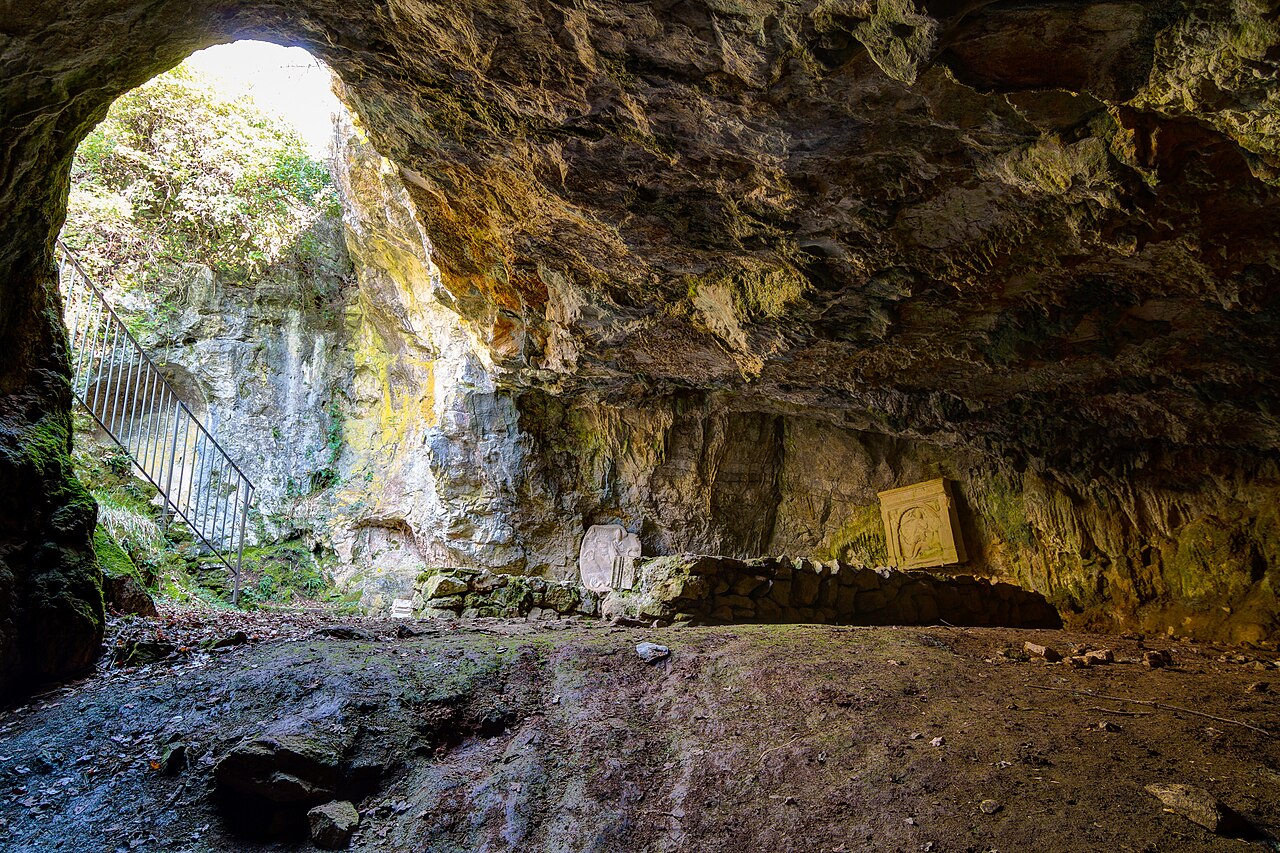
The site was destroyed in the 5th century but some elements, including the benches, can still been seen.
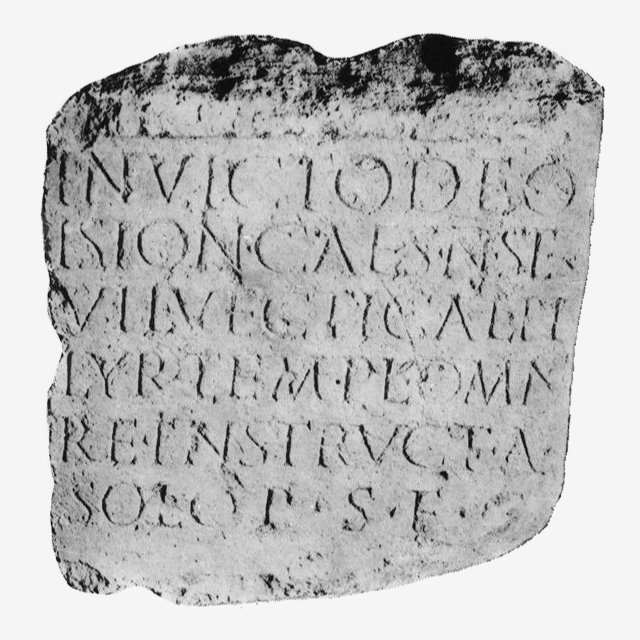
In this monument, the imperial slave Ision claims the completion of a new temple to Mithras in Moesia.
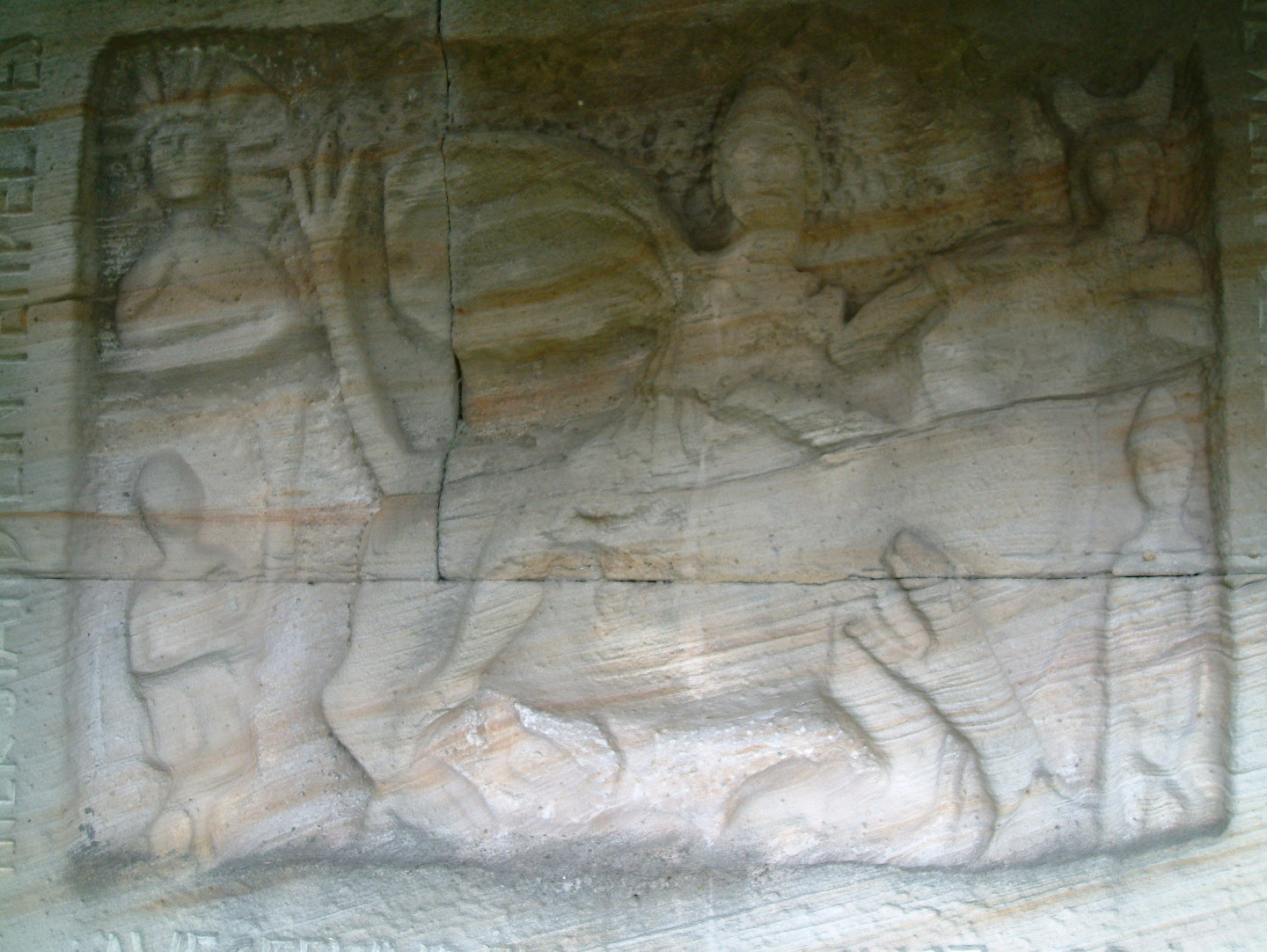
This relief of Mithras killing the bull found in Gimmeldingen, Germany, lacks the usual raven.
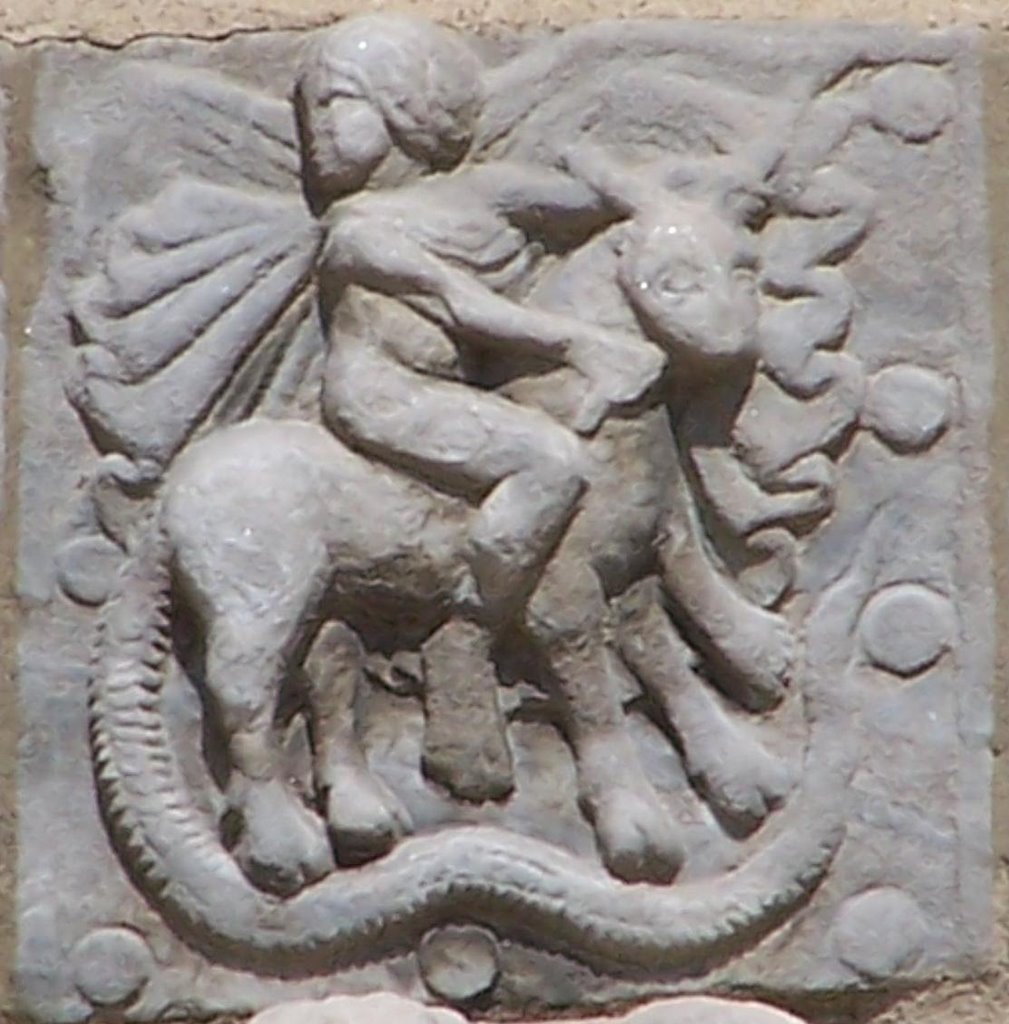
Mithras slaying the bull appears as the sign of Capricorn in a zodiacal sequence on the Pórtico del Cordero of the Abbey de Santo Domingo de Silos, Burgos, Spain.

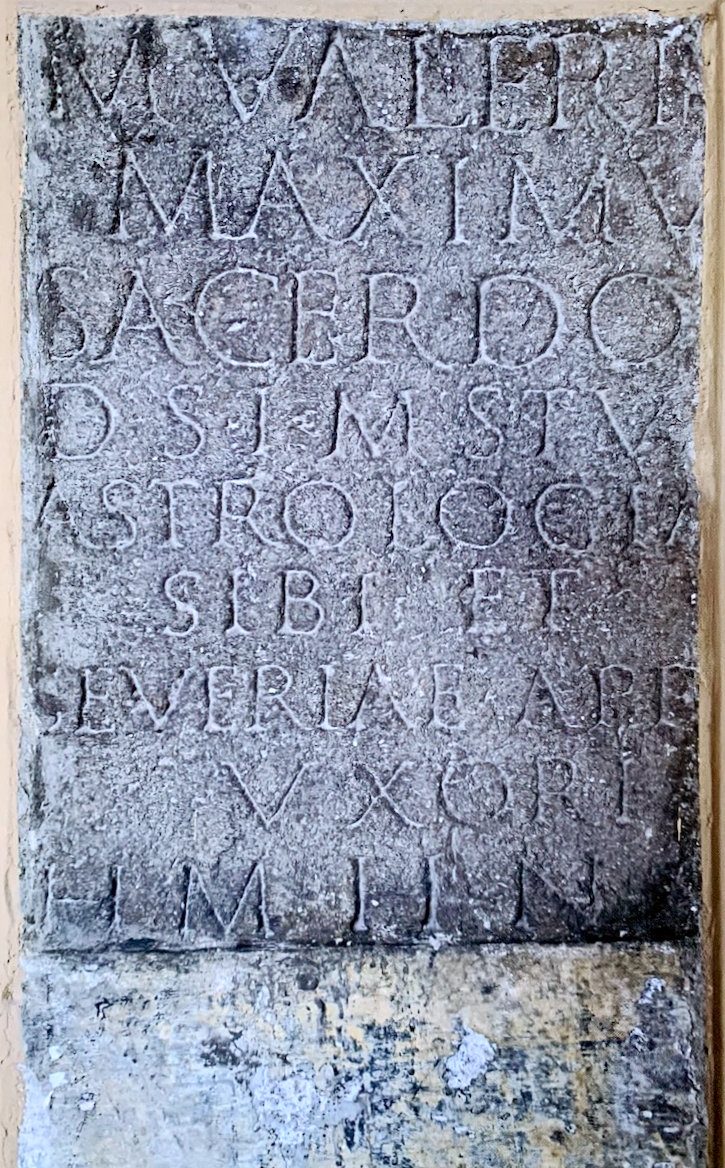
Marcus Valerius Maximus records in this inscription his knowledge of astrology as well as the name of his wife.
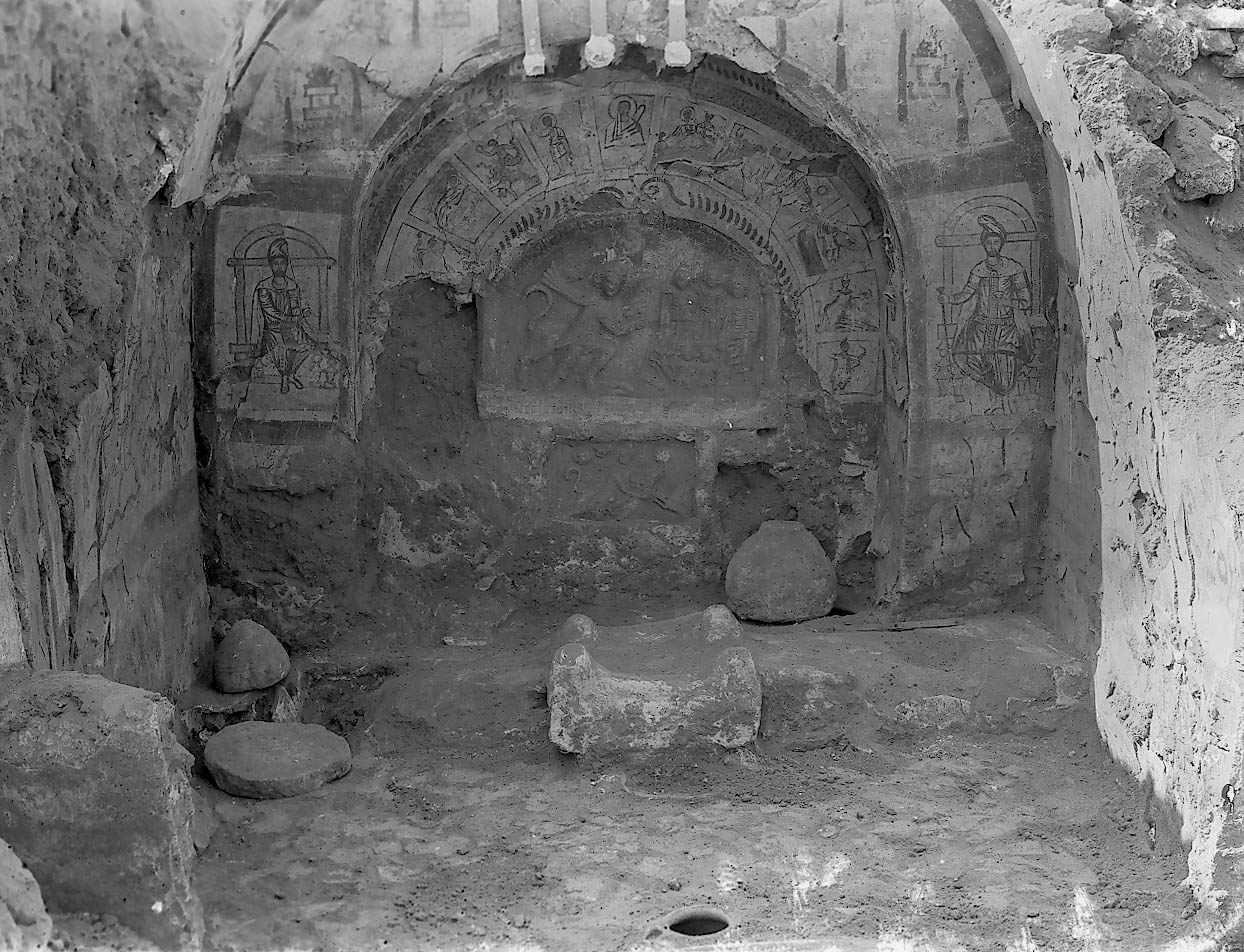
Three plaster altars within the main altar of the Mithraeum of Dura Europos, two of them with traces of fire and cinders.

This altar, found in Tazoult تازولت, Algeria, was dedicated to the god Sol Mithras by a certain Florus.
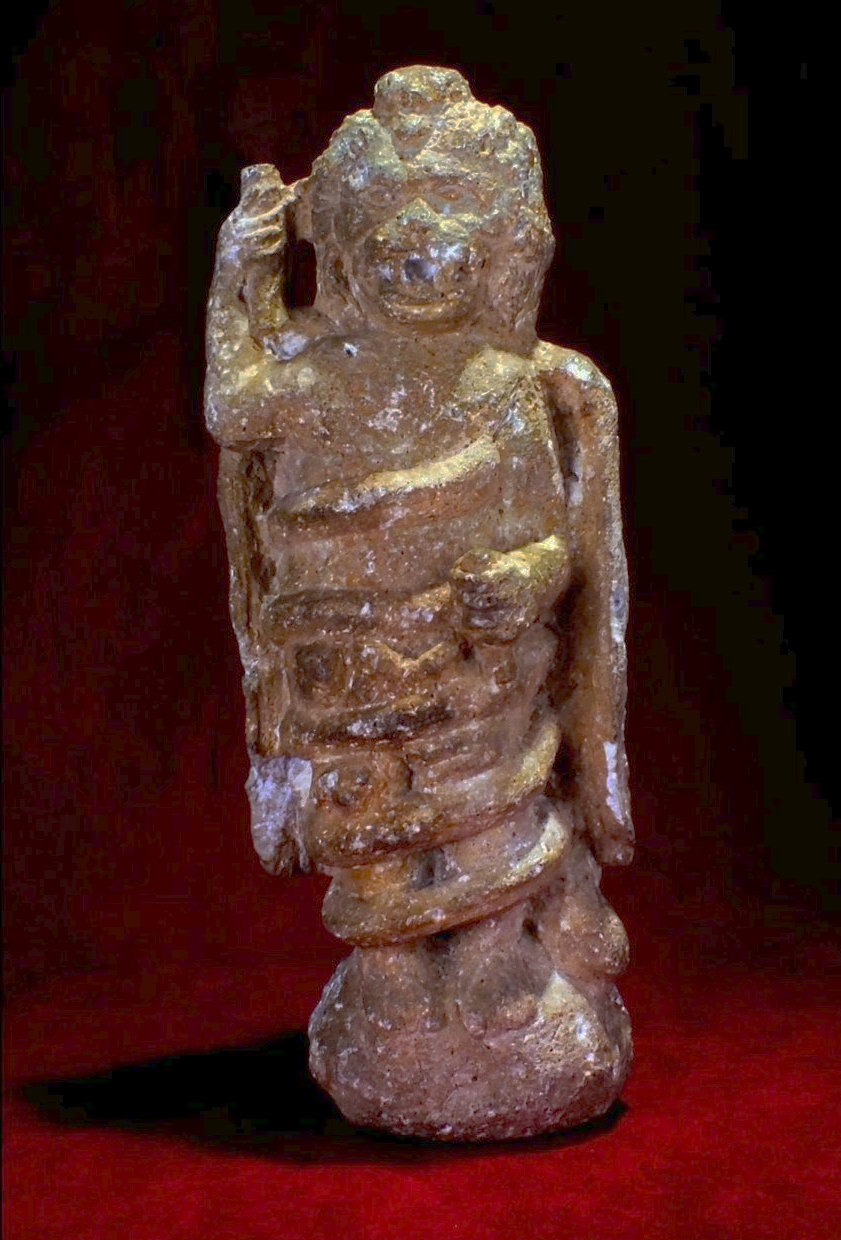
Its base is partially broken, so it is unclear if the figure was standing on a globe, an expected position, or not.
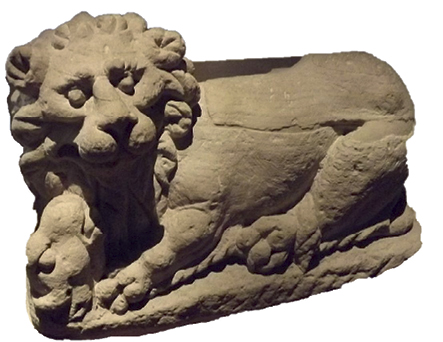
Exceptional sculpture of a lion devouring a bull’s head founded in 1894 in Carnuntum, Pannonia.
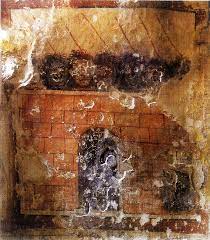
The City of Darkness unique fresco from the Mithraeum of Hawarte shows the tightest links between the western and eastern worship of Mithras in Roman Syria.

White marble relief, found near Aix "a la Torse dans un enclos ayant appartenu à la famille de Colonia".