Your search Villa of Domitian at the Castel Gandolfo gave 3663 results.

Stabiae was an ancient city situated near the modern town of Castellammare di Stabia and approximately 4.5 km southwest of Pompeii.
Macerata is a city and comune in central Italy, the county seat of the province of Macerata in the Marche region.
Lambaesis, Lambaisis or Lambaesa, is a Roman archaeological site in Algeria, 11 km southeast of Batna and 27 km west of Timgad, located next to the modern village of Tazoult.
Centum Prata is the name of a Roman vicus, whose remains are located on the eastern Zürichsee lakeshore in Kempraten, a locality of the municipality Rapperswil-Jona in the canton of St.

Neapolitan senator who dedicated a tauroctonic relief to Mithras tauroctonus to the Almighty God Mithras.

A Mithraic initiate attested in Pannonia Superior during the late 2nd or early 3rd century CE.

Tribune of the First Cohort of Vardulli, he erected a mithraeum at Bremenium together with his consacranei.

Garlic merchant, probably from Lusitania, who dedicated an altar to Cautes in Tarraconensis.
Latium formed the political and religious centre of the Roman world where some of the most important Mithraic communities developed.
Galatia occupied the central Anatolian crossroads through which military movement and eastern provincial networks intersected.
Dalmatia connected the Adriatic world to the Balkan interior through maritime routes, military mobility and provincial urban networks.

One of the most eminent representatives of late antique pagan religiosity, combining high civic authority with deep initiation into multiple mystery traditions, including the cult of Mithras.
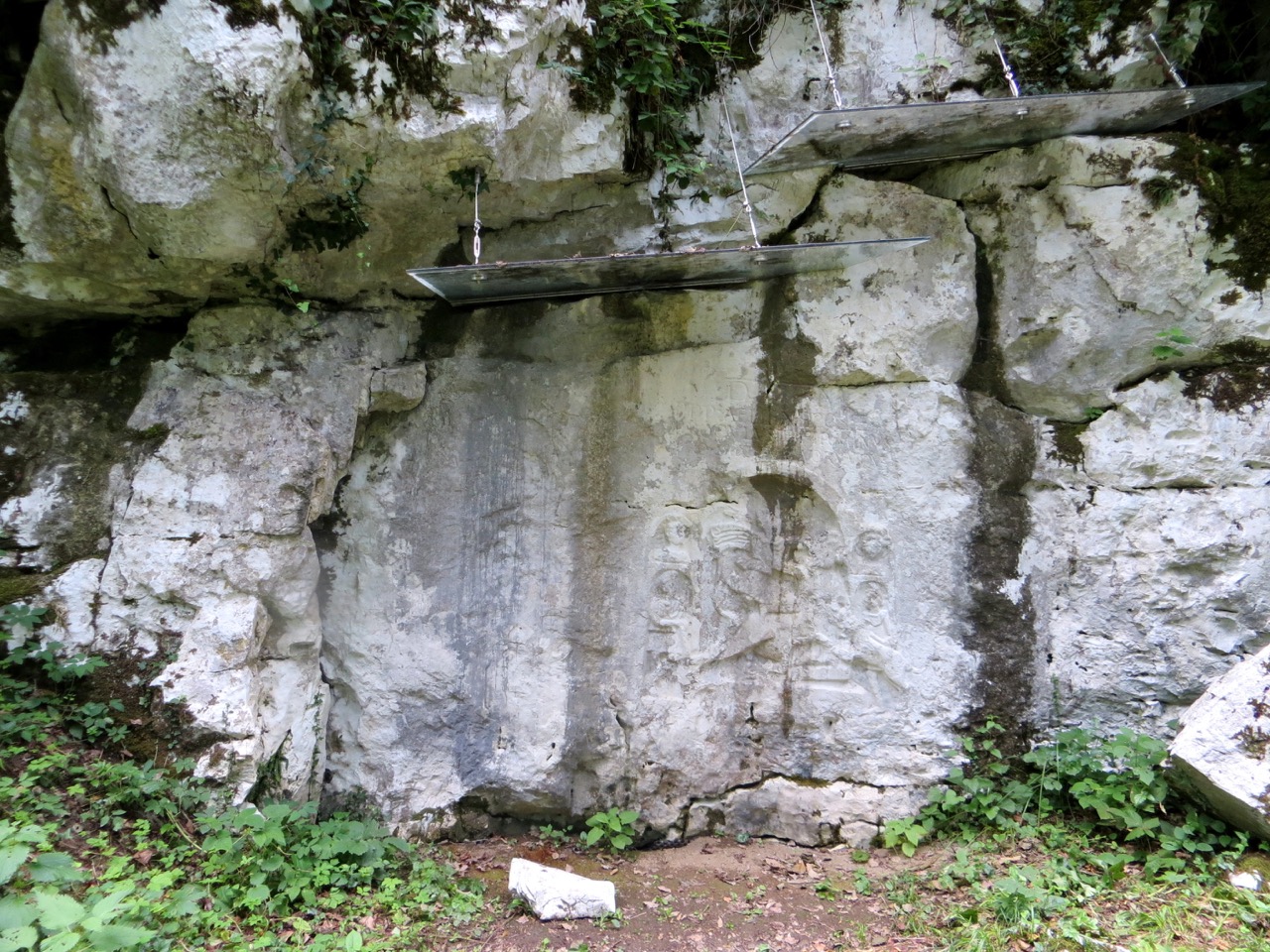
According to Hitzinger remnants of animal bones were found in front of the relief of the Mithraeum at Rozanec.

This small inscription from Termini Himeraeae in Sicily was dedicated to Sol Invictus as protector of the emperor Antoninus Augustus.
Galatia preserves Mithraic evidence shaped by central Anatolian routes and eastern provincial networks.
Dalmatia preserves Mithraic evidence shaped by Adriatic routes, military movement and provincial urban centres.
Inscription from Hamadan where the ’great king’ Artaxerxes mentions Ahuramazda, Anahita, and Mithra as guardians.
This inscription probably belonged to the fourth mithraeum of Poetovio and records the restoration of a Mithraic temple by the dux Aurelius Iustinianus.

Late Roman senator, public augur and Mithraic pater active in the second half of the fourth century CE.
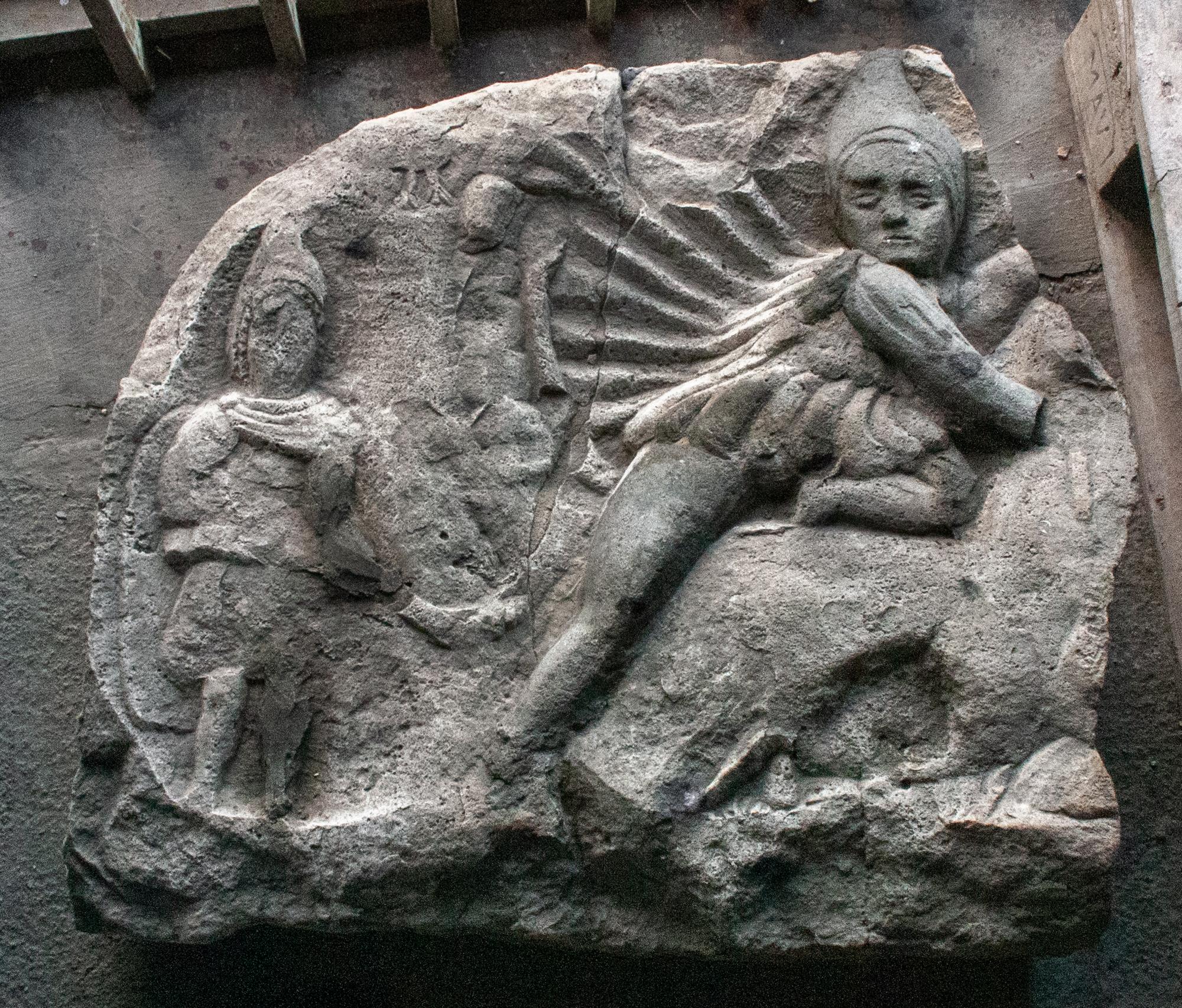
This limestone tauroctony from Aquincum preserves Mithras slaying the bull together with Cautopates, the serpent, the scorpion, and the legs of the raven.
