Your search farid ud din attar gave 1817 results.

Clarissimus knight and legate born in Poetovio that helped to disseminate the cult of Mithras in the African provinces.

Tribune of the First Cohort of Vardulli, he erected a mithraeum at Bremenium together with his consacranei.

This supposed Mithraic altar from Soulan in the Pyrenees was later identified as a modern forgery, including both the inscription and the alleged cave context in which it was said to have been discovered.
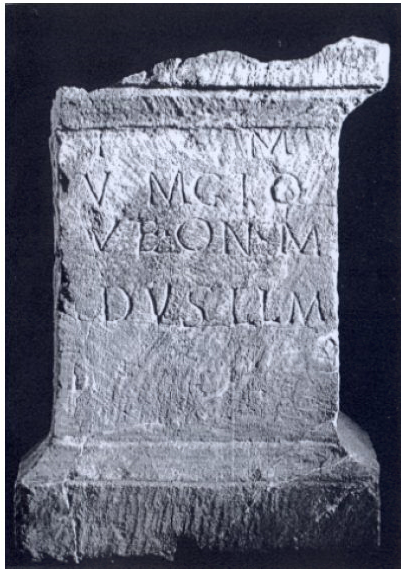
This fragmented monument bears an inscription of a certain veteran named Valerius Magio.
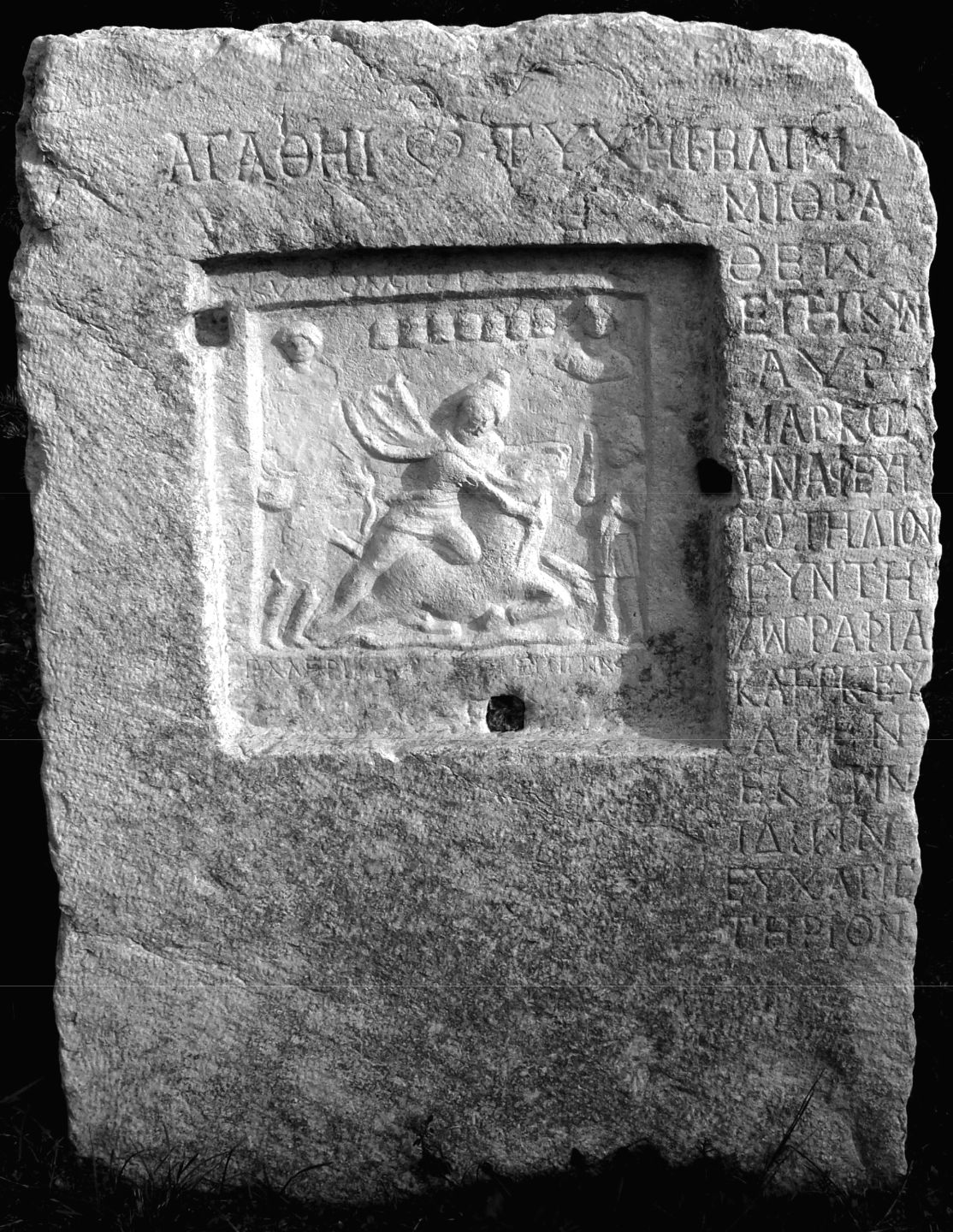
The Tauroctony of Nicopolis ad Istrum is unique as it is the only Mithraic stele befitting a Greek donor.
This lost Mithraic relief, formerly kept near the church of the Santissima Annunziata in Naples, was probably a large tauroctony associated with the area of Puteoli or Pausilypon.
A probable Mithraic sanctuary at Poetovio, identified by Vermaseren as the so-called Mithraeum IV on the basis of four associated inscriptions.

Late Roman senator, public augur and Mithraic pater active in the second half of the fourth century CE.
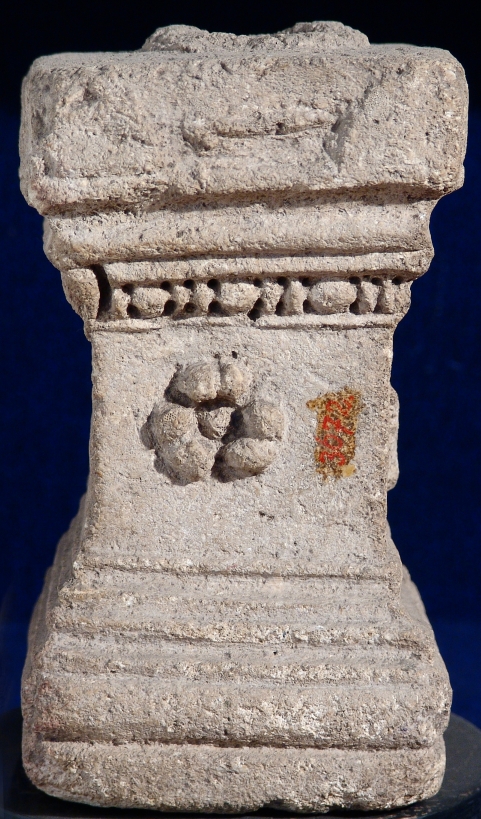
This limestone altar from Roman Dacia preserves a dedication to Mithras by a commander of the Ala II Pannoniorum.
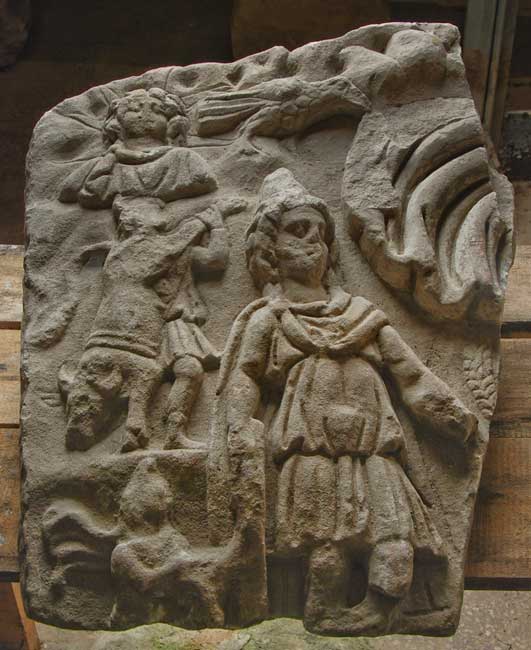
This marble fragment from Roman Dacia preserves part of a tauroctony with Sol, the raven, and Mithras dragging the bull.
This fragment of pottery depicting Mithras may have come from Gallia.
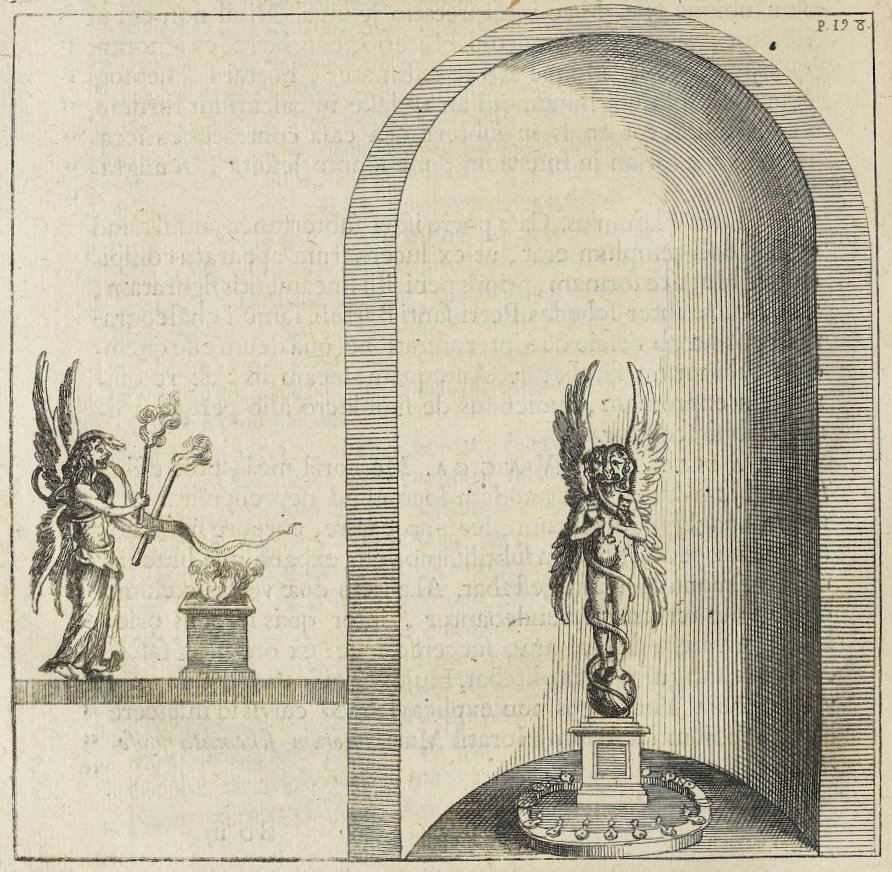
This monument has been identified from ’Memorie di varie antichità trovate in diversi luoghi della città di Roma’, a book by Flaminio Vacca of 1594.
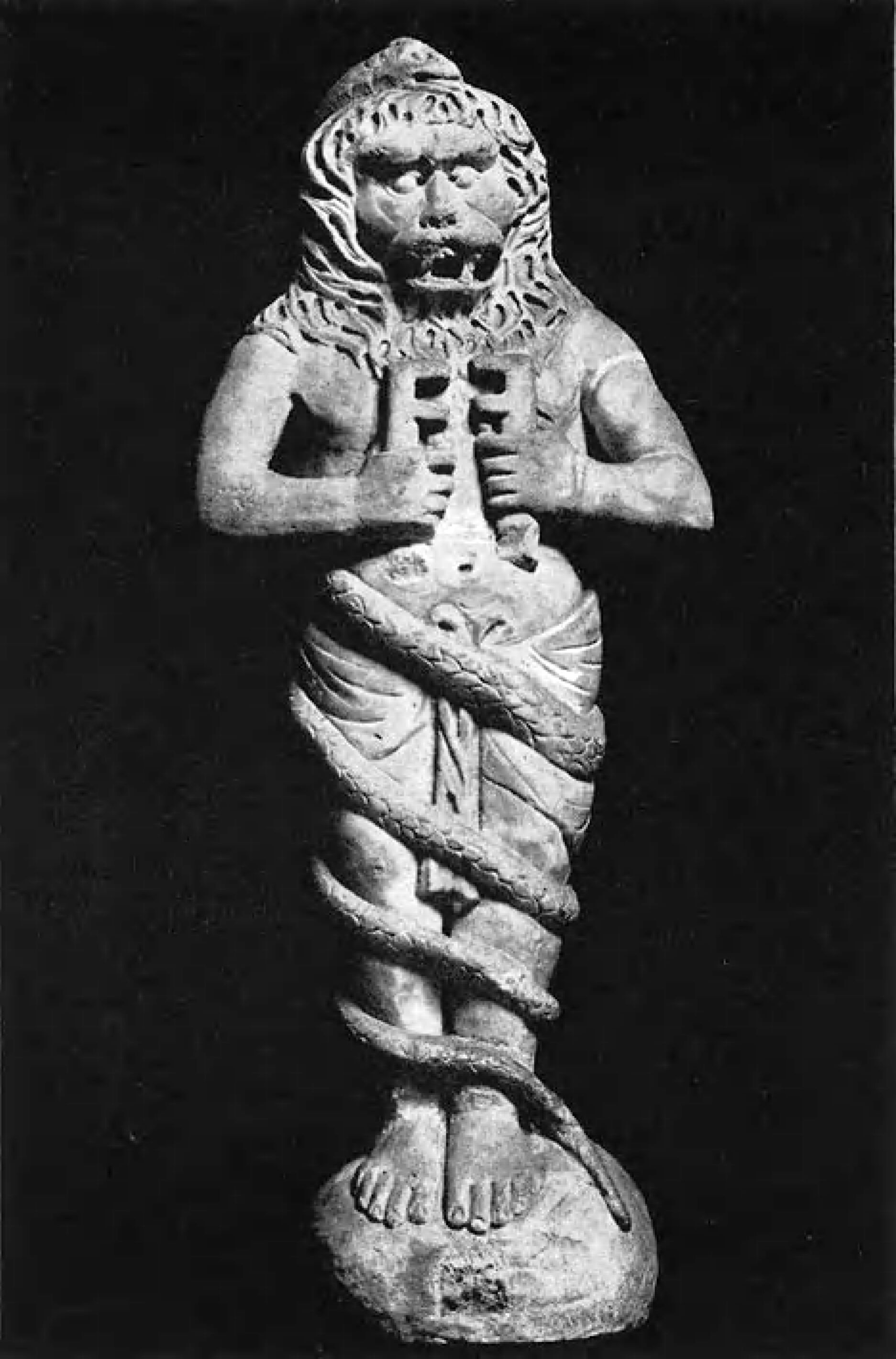
The lion-headed marble from Muti's gardens has a serpent entwined in four coils around his body.
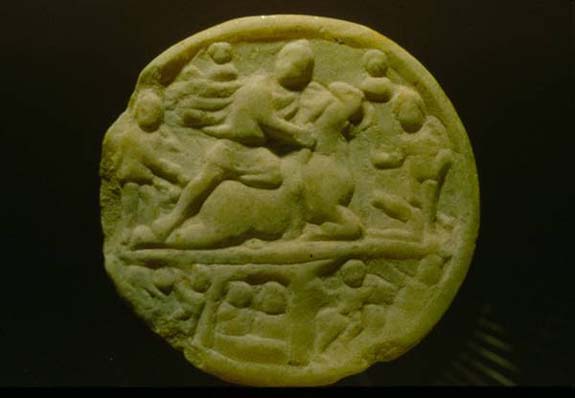
The small medallion depicts three scenes from the life of Mithras, including the Tauroctony. It may come from the Danube area.
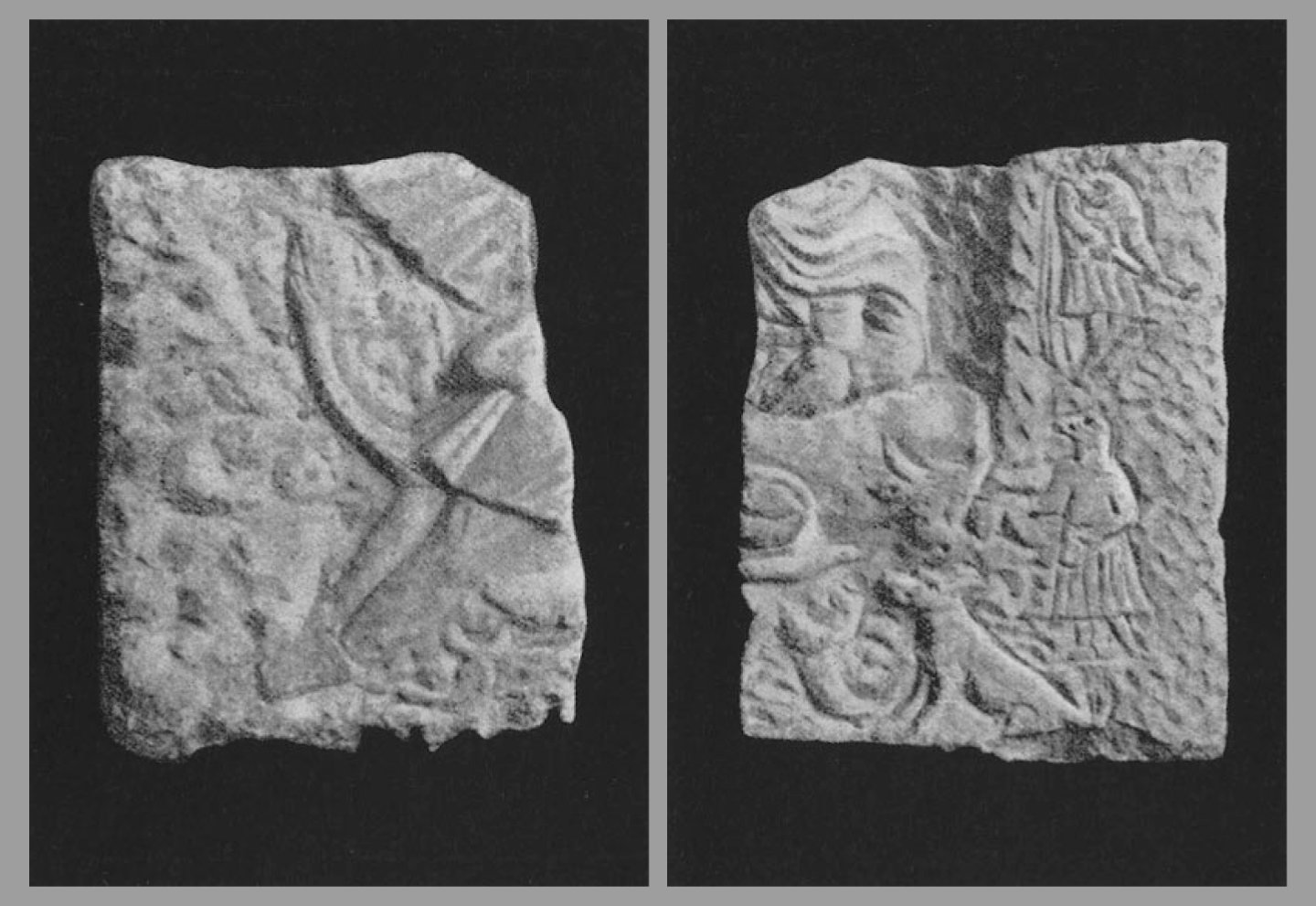
This fragment of a double relief shows a tauroctony on one side and the sacred meal, including a serving Corax, on the other.
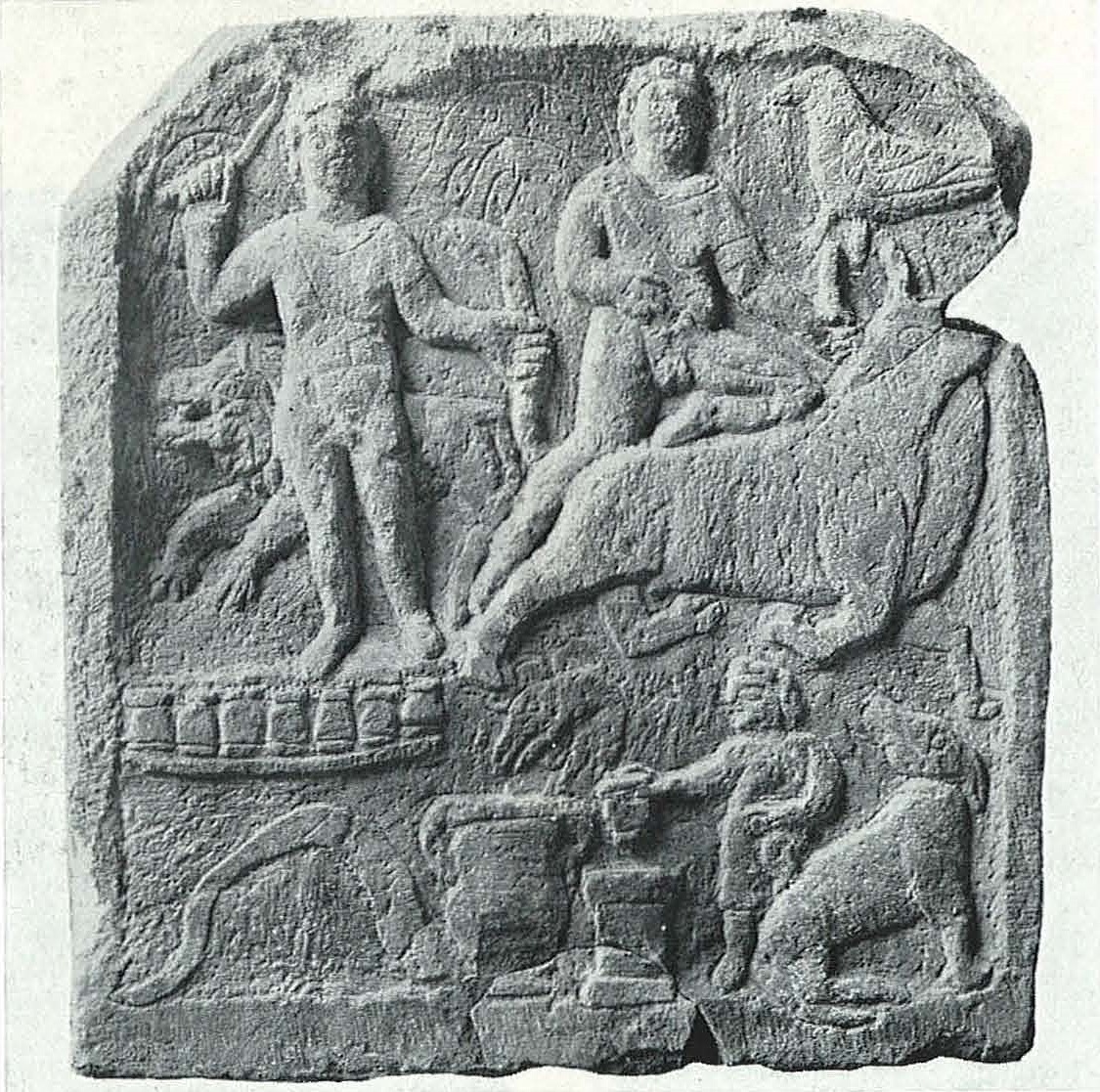
The Tauroctony from Landenburg, Germany, shows a naked Mithras only accompanied by his fellow Cautes.
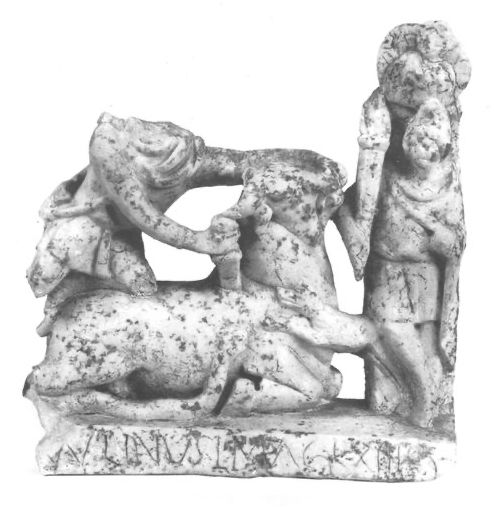
This relief of Mithras killing the bull was dedicated by the bearer of the imperial standard of Legio XIII Gemina, Marcus Ulpius Linus.

This marble relief depicting Mithras killing the bull, found at Porto d’Anzio in 1699 and now lost, is known from a engraving by del Torre.
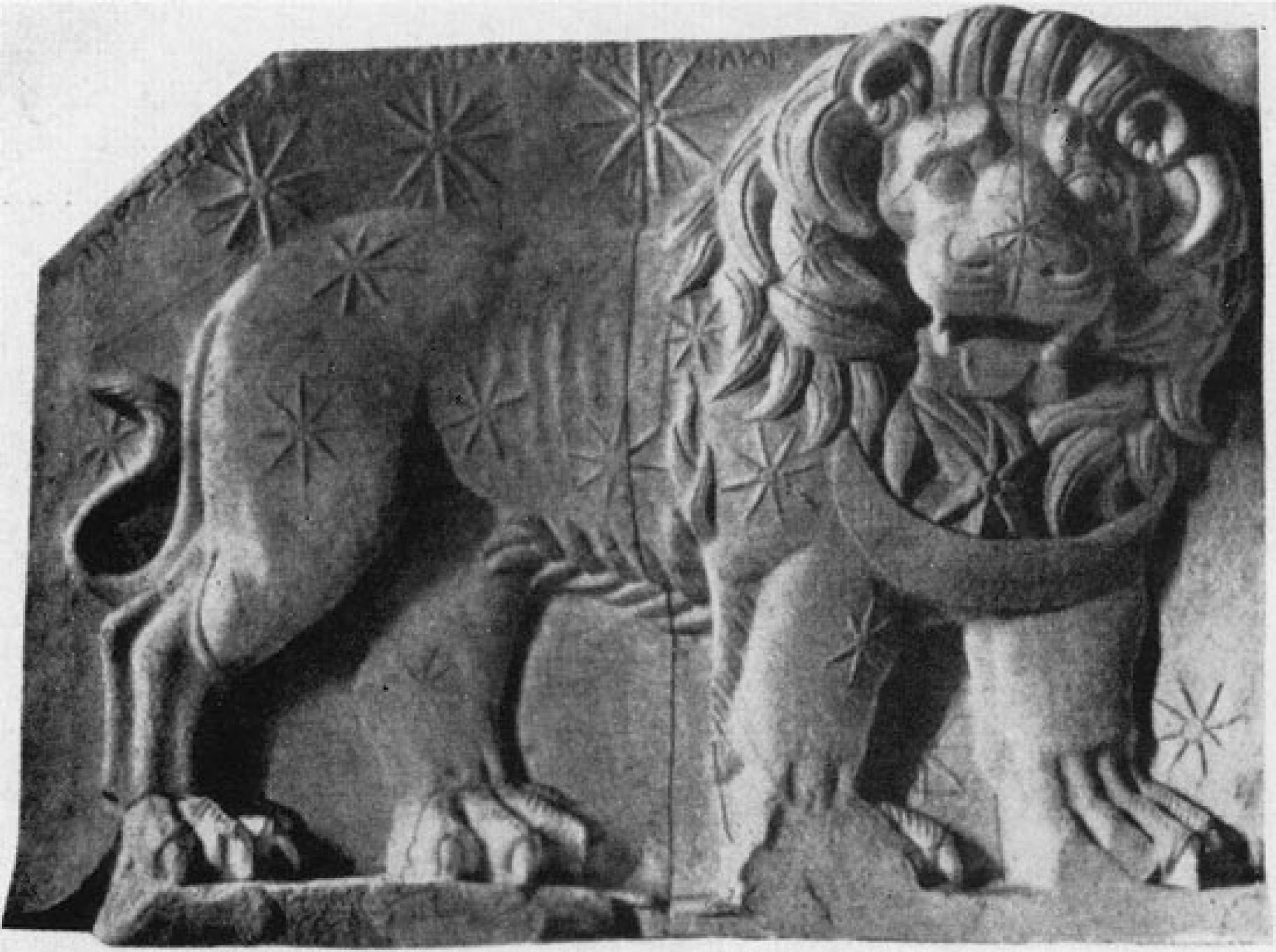
The lion relief from Nemrut Dag has the moon and several stars over his body.
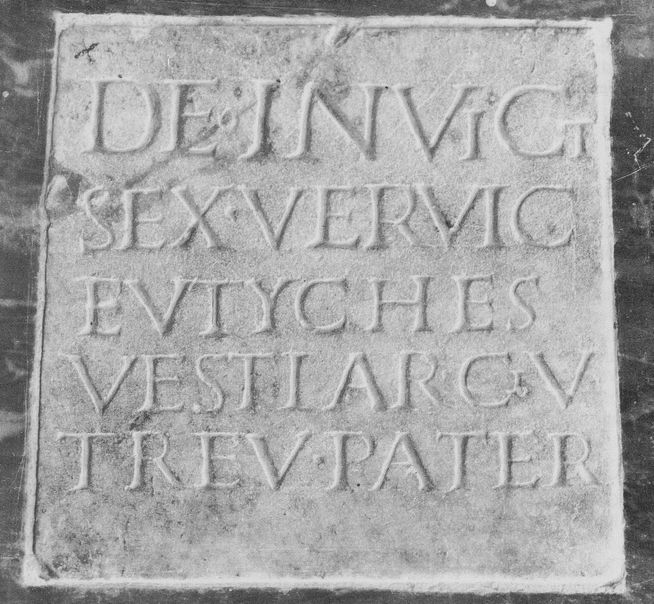
Several inscriptions dedicated to Mithras have been found in Eauze, including these two by a certain Pater Sextus Vervicius Eutyches, discovered in 1768.
