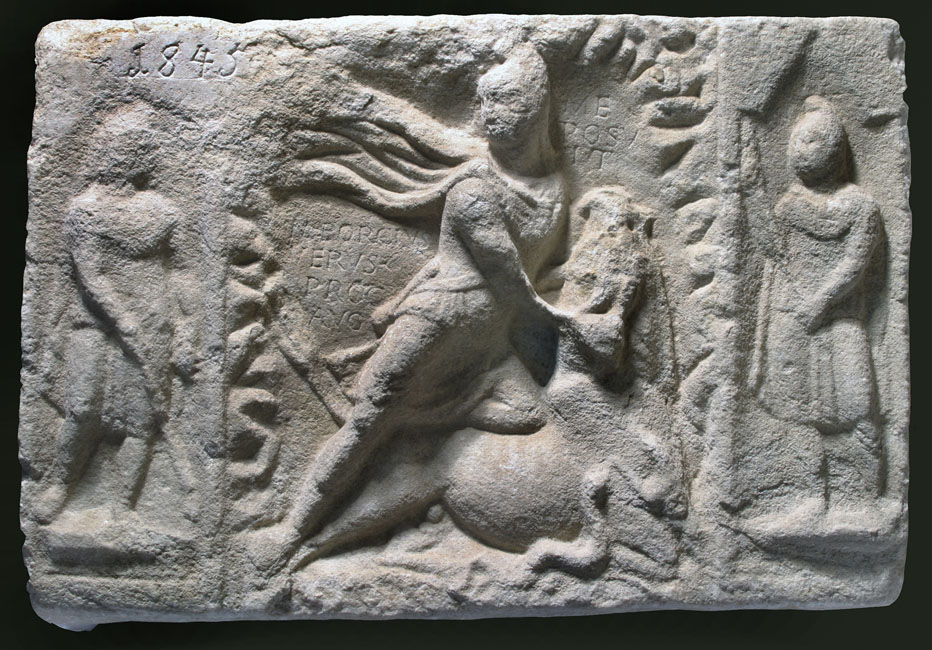
This relief of Mithras tauroctonus and other finds were discovered in 1845 in Ruše, where a Mithraeum probably existed.
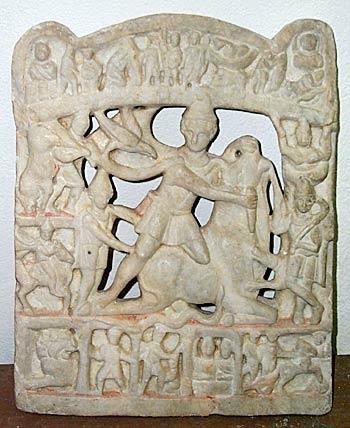
This Mithraic relief of the Danubian type was found in 1940 in the old town of Plovdiv.

The sculpture of the birth of Mithras in Florence included the head of Oceanus.
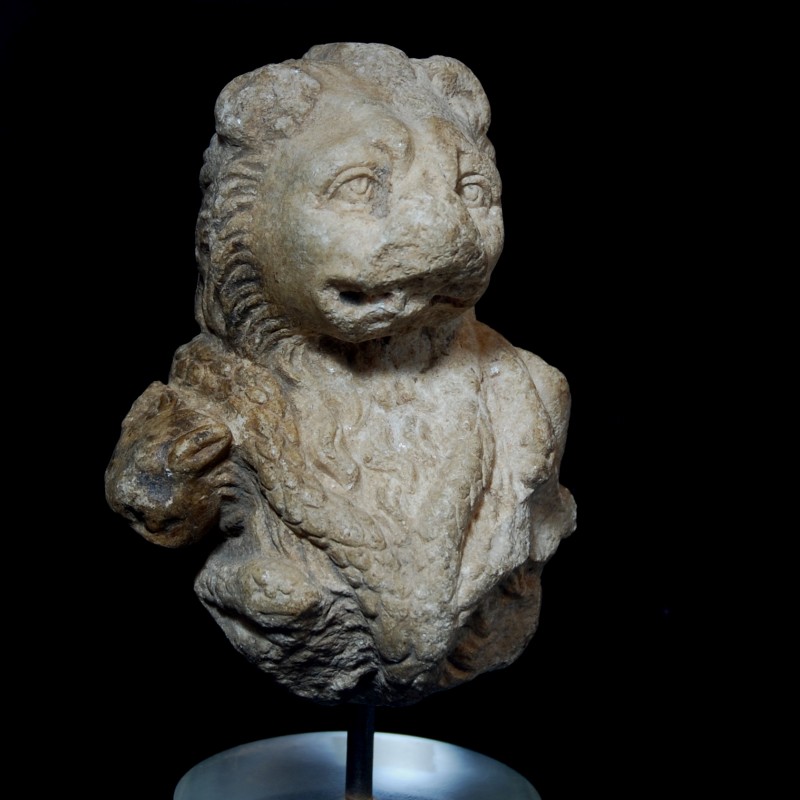
This bust of a lion-headed figure has been was part of a French private collection.
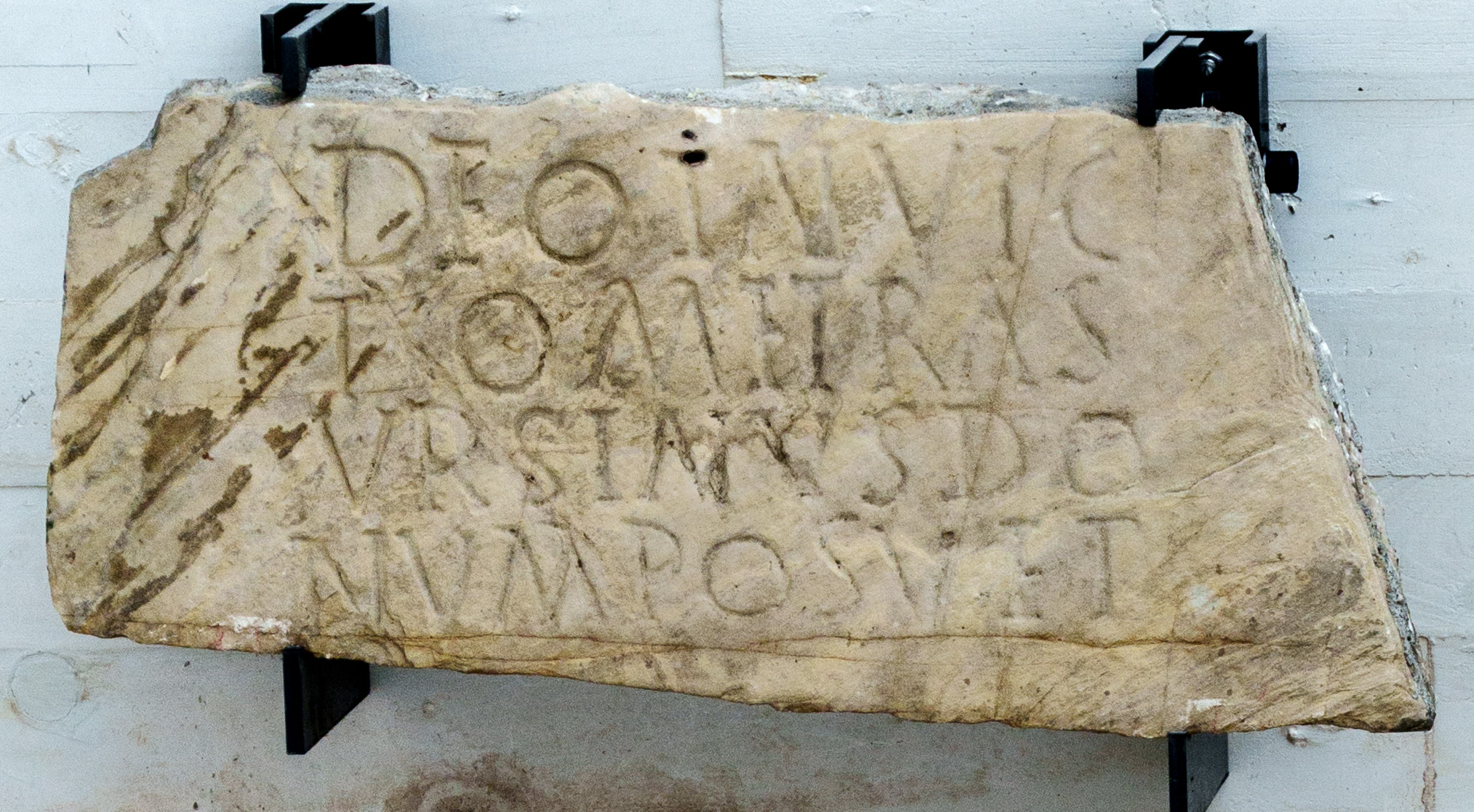
Marble plaque with inscription by a certain Ursinus found in Virunum in 1838.
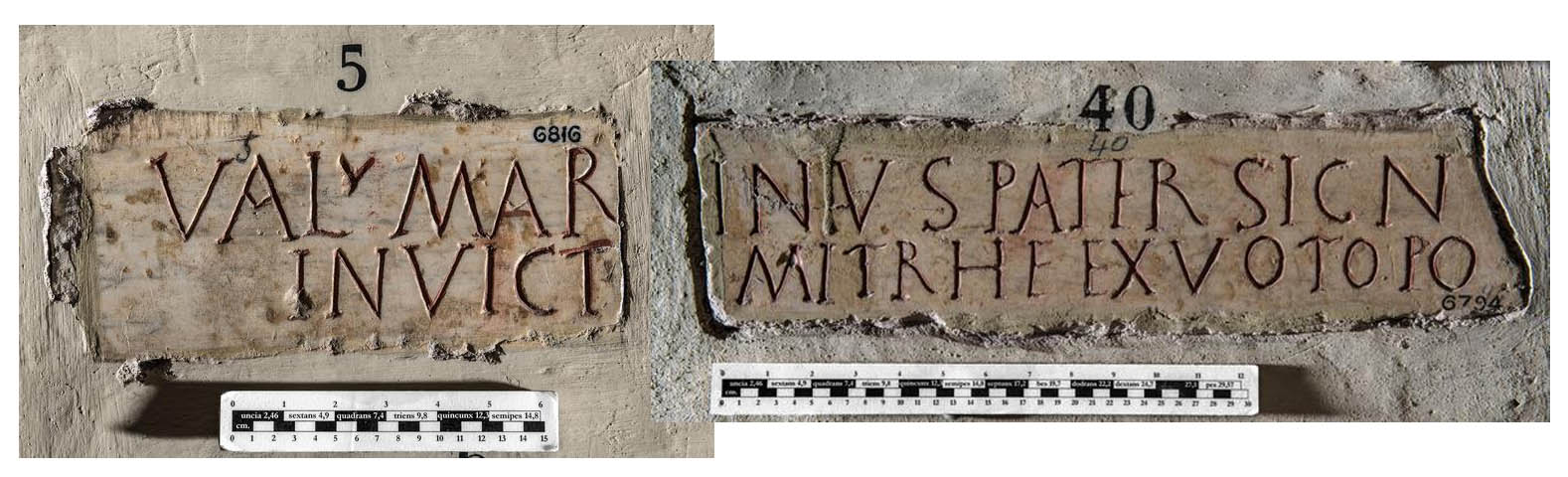
Marble inscription recording the dedication of a cult image to the unconquered Mithras by a certain pater Valerius Marinus from Rome.
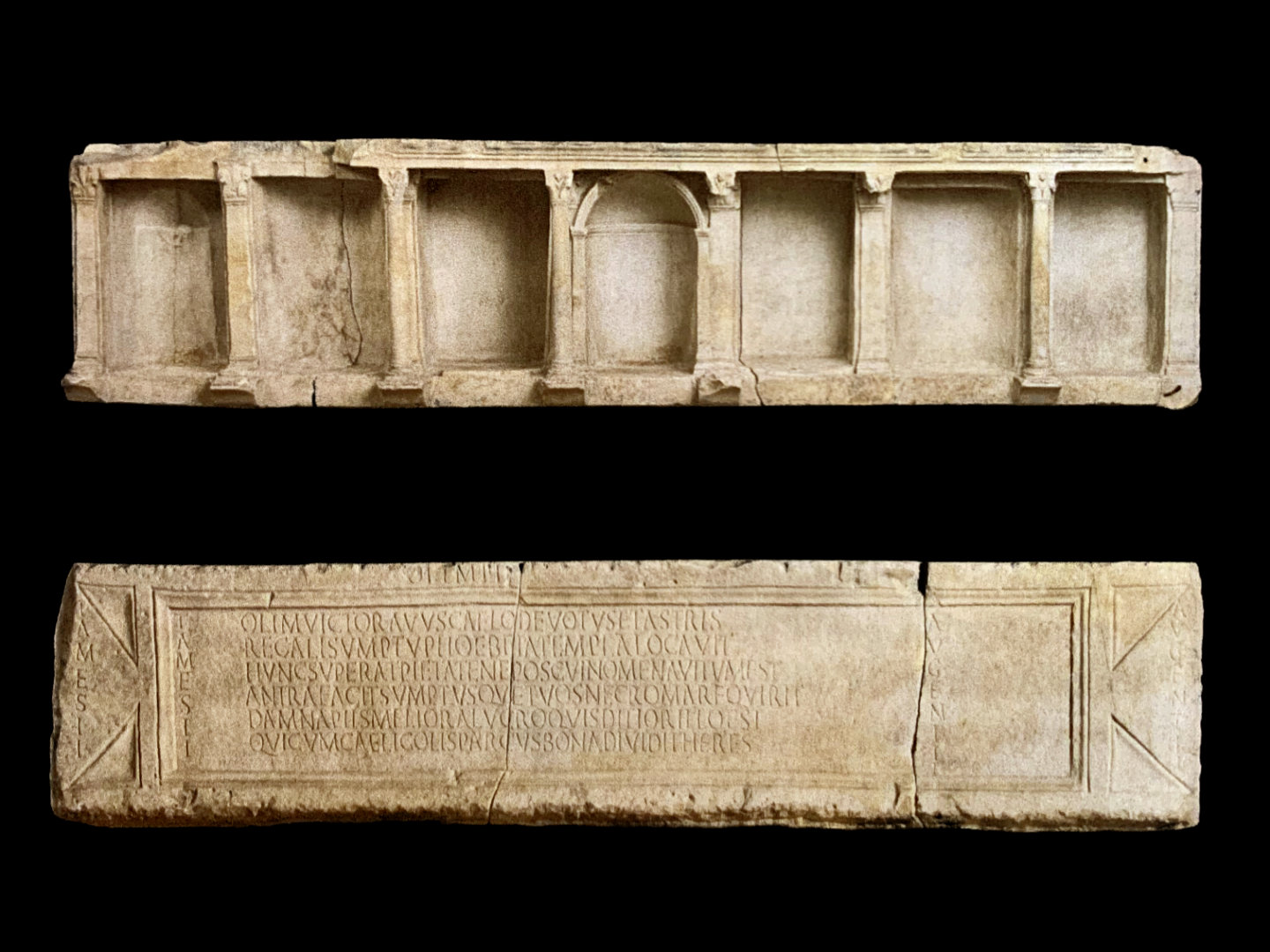
This monument is the only one still available from the disappeared Mithraeum in Piazza S. Silvestro in Capite.
This tauroctony may have come from Hermopolis and its style suggests a Thraco-Danubian origin.
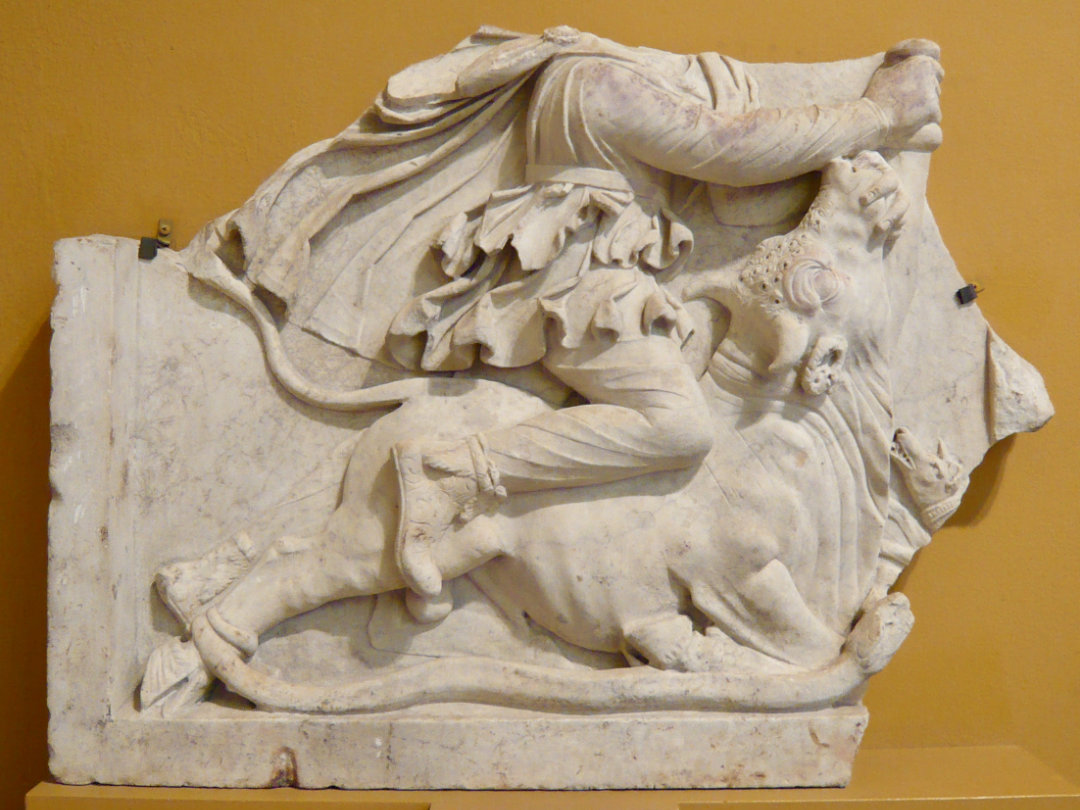
This fragmentary relief depicts Mithras killing the bull in the usual manner, remarkably dressed in oriental attire.
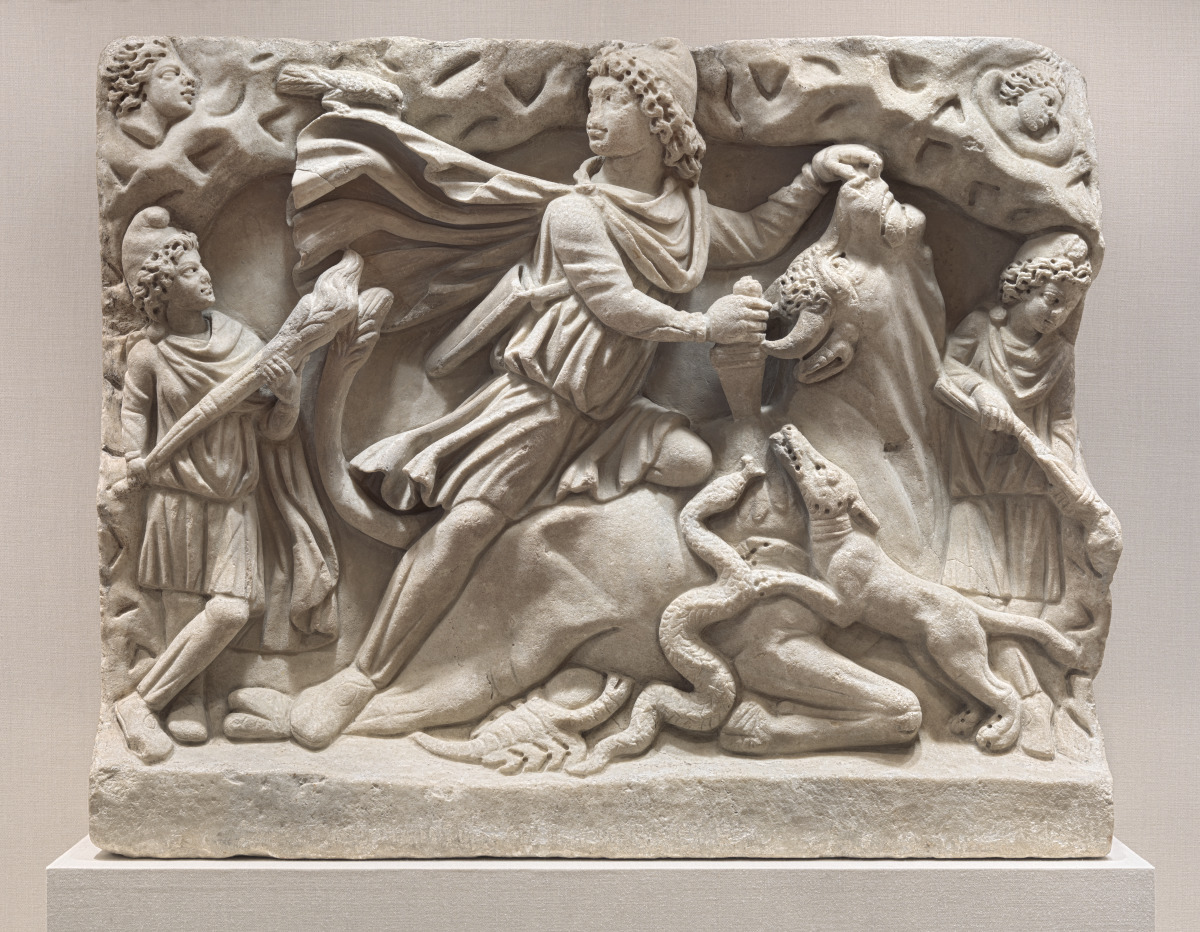
Rich relief on display at the Virginia Museum of Fine Art showing Mithras sacrificing the bull accompanied by Cautes and Cautopates.
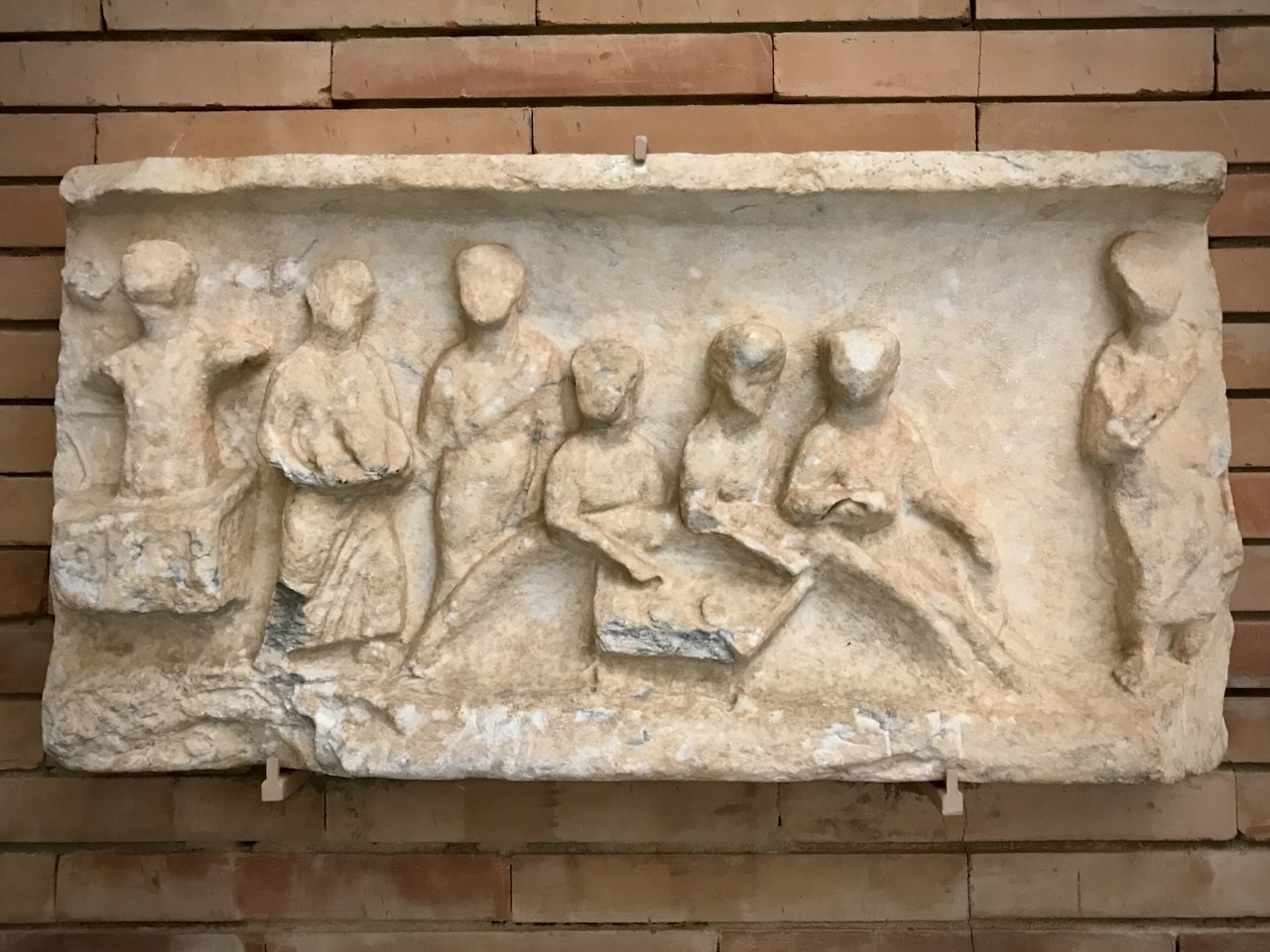
This scene of a feast from Mérida shows three persons at a table with other people standing beside them, one holding a bull’s head on a plate.

Fragment of a marble relief (H. 0.27 Br. 0.38 D. 0.045).
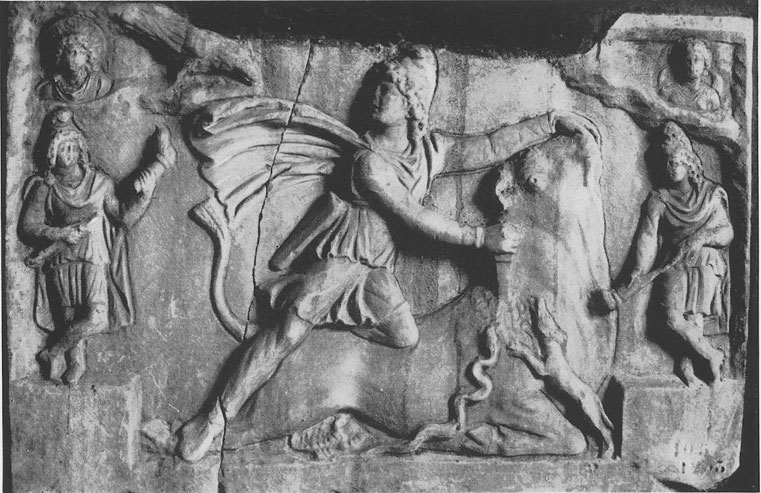
White marble relief depicting Mithras killing the bull, found broken in two parts in 1872 near Salita delle Tre Pile in Rome.

This remarkable marble statue of Mithras killing the bull from Apulum includes a unique dedication by its donor, featuring the rare term signum, seldom found in Mithraic contexts.
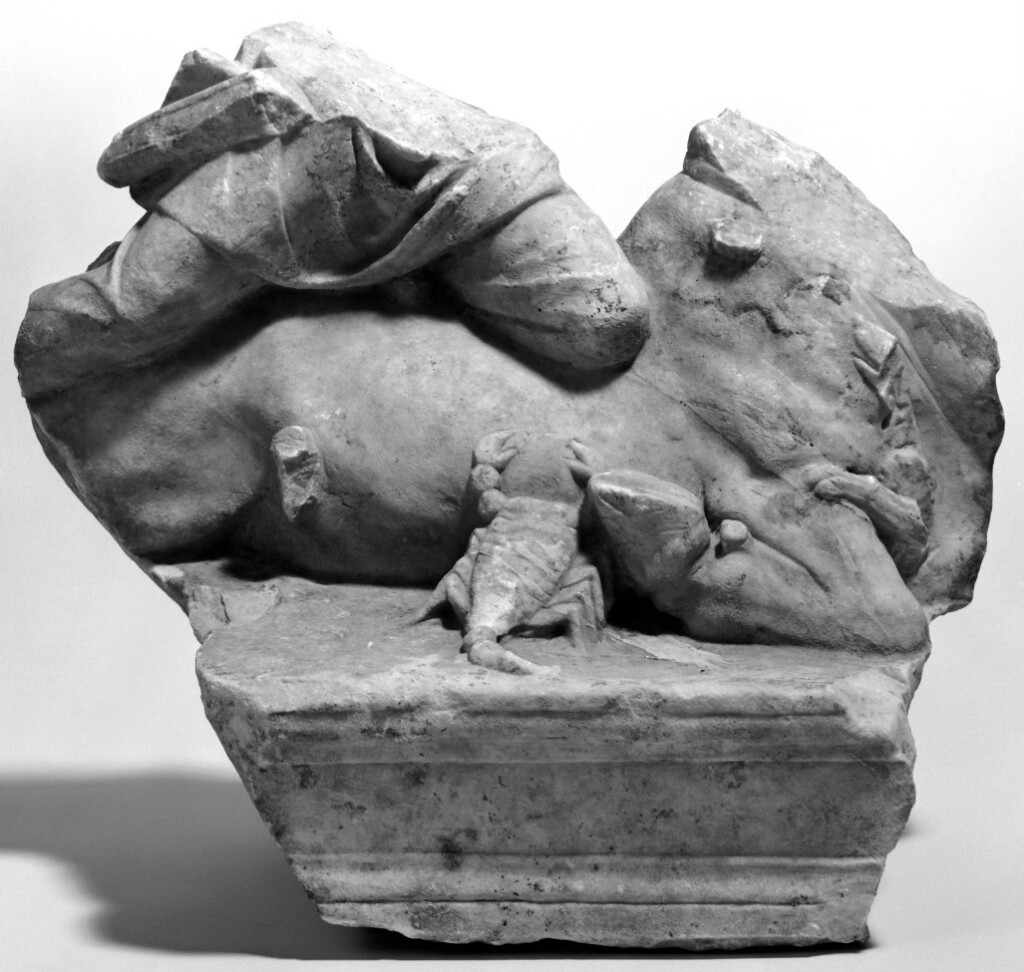
This fragmentary scupture of Mithras killing the bull belongs to the Getty Museum, Los Angeles, USA.
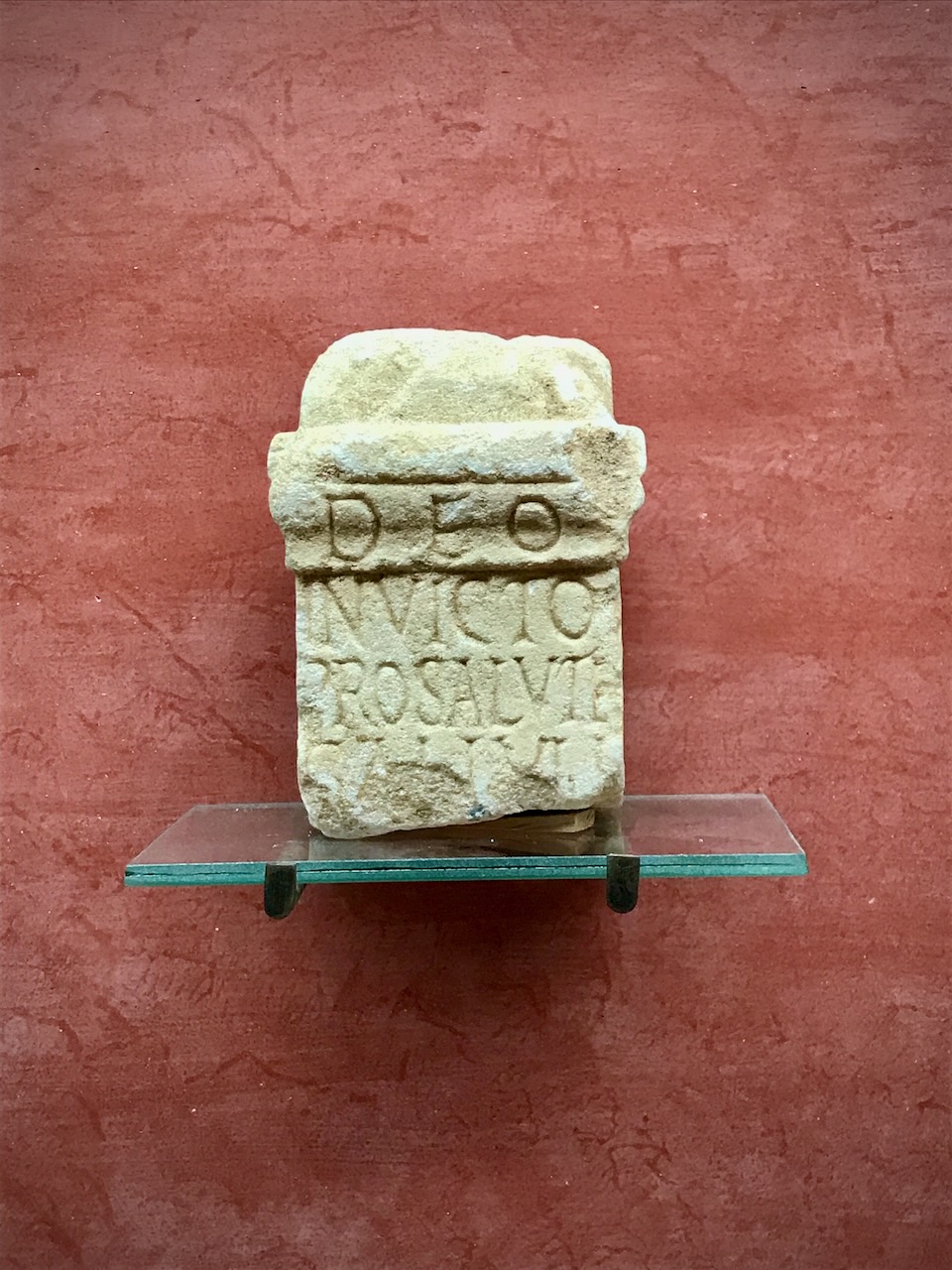
The small Mithraic altar found at Cerro de San Albin, Merida, bears an inscription to the health of a certain Caius Iulius.

This cylindrical marble altar was dedicated by the same Pater Proficentius as the slab, both monuments found in the Mithraeum beneath the Basilica of San Lorenzo.
This inscription found in the Mithraeum Aldobrandini informs us of certain restorations carried out in the temple during a second phase of development.
This marble monument was dedicated in Rome by the slave Fructus and his son Myro.
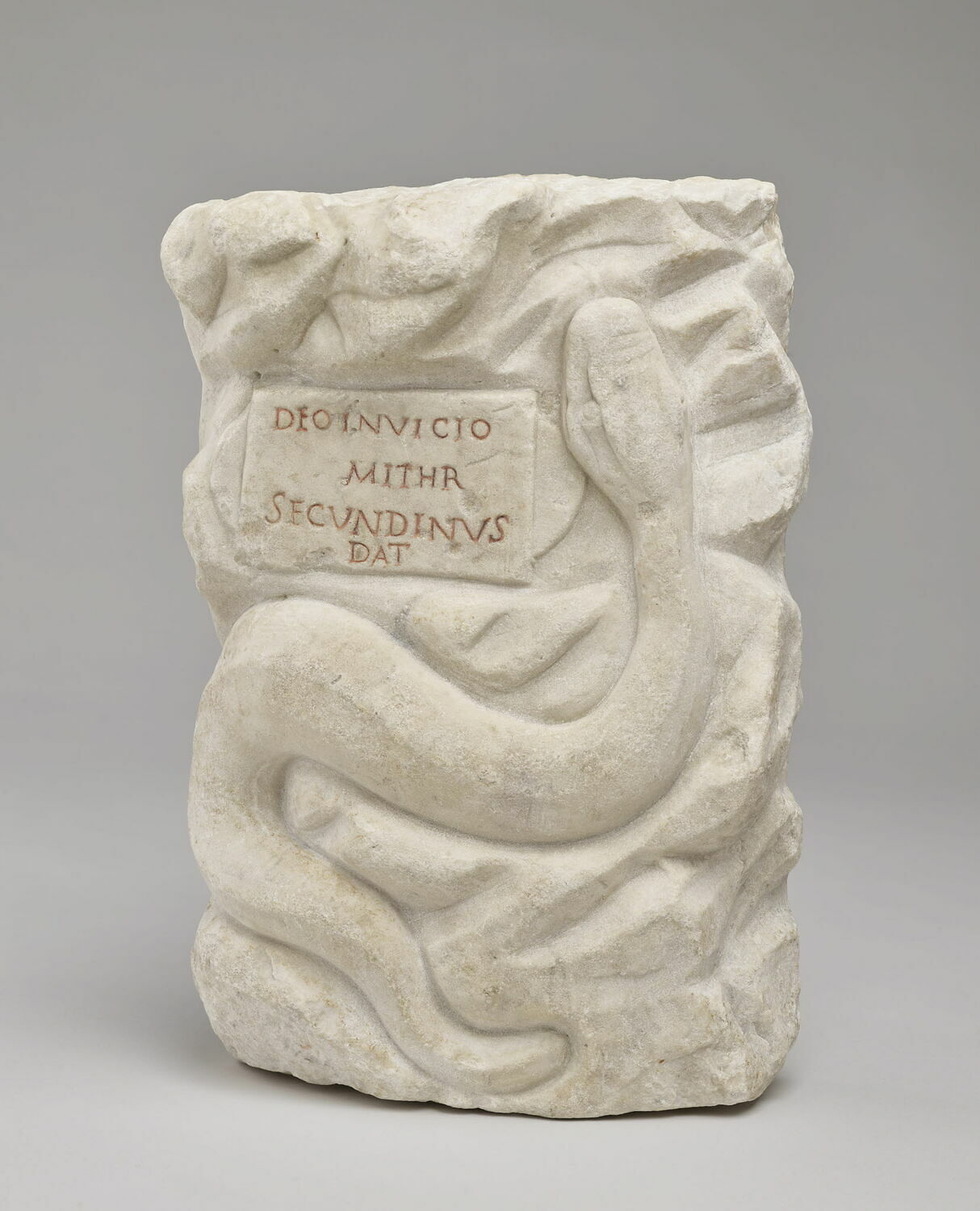
There is no consensus on the authenticity of this monument erected by a certain Secundinus in Lugdunum, Gallia.
