
Son of the Palmyrene archer commander Iarhiboles and dedicator of the 170–171 CE tauroctony relief from Dura-Europos.

One of the few Mithraists whose progression from Nymphus to Miles and eventually to Pater may be traced epigraphically at Dura Europos.

Roman senator, public augur and Mithraic pater attested among the aristocratic dedications associated with the Vatican Phrygianum in 376 CE.

One of the clearest examples of the late Roman aristocracy’s involvement in the mysteries of Mithras and other initiatory cults during the fourth century.

Physician and Pater Patrum of the Mithraic community of Vieu, known from an altar dedicated by his son Gaius Rufius Virilis.

Known from an altar dedicated to his father Gaius Rufius Eutactus, Pater Patrum of the Mithraic community of Vieu.

Pater patrum and magister of the Mithraic community associated with the Esquiline Mithraeum.

Equestrian pater patrorum whose dedication to Cautes attests the involvement of Rome’s elite in Mithraism.

Roman centurion who supervised the Severan reconstruction and expansion of the Mithraeum of Dura-Europos.

Pater who consecrated the Mithraeum of Gimmeldingen during the final phase of Mithraic worship in the Rhineland.

Imperial slave who, together with Successus, fulfilled a vow to Cautes, providing one of the earliest possible attestations of Mithraic worship in Hispania.

Pater nominos in Sidon, he consecrated a number of sculptures, including a Hecataion.

Lifelong pater of Mithras in Anazarbus, holding the civic title Father of the Homeland.

Senator, imperial legate and commander from Poetovio, whose dedications to Mithras link the Danubian and African diffusion of the cult.

Dedicator of a rare altar jointly honouring Mithras and Silvanus at Emona, whose ambiguous name has fuelled debate over whether the dedicant was a man or a woman.
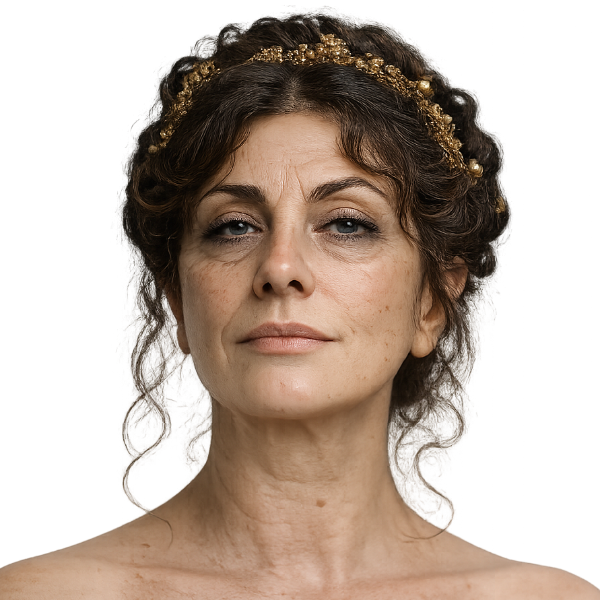
Junia Zosime is known from an inscription discovered at Ostia recording the donation of a silver statue of the Virtus of the dendrophori.

A Romano-Germanic woman whose inscription became central to debates on female participation in the Mithraic cult.

Known from a disputed inscription discovered near Mediolanum, she has been tentatively linked to a Mithraic dedication, although the interpretation remains controversial.

Occupant of a richly decorated tomb at Oea once interpreted as evidence for female Mithraic initiation.

Ostian sacerdos remembered through his participation in the dedication of the monumental leontocephalic image erected under Commodus in 190 CE.
