Your selection in monuments gave 306 results.
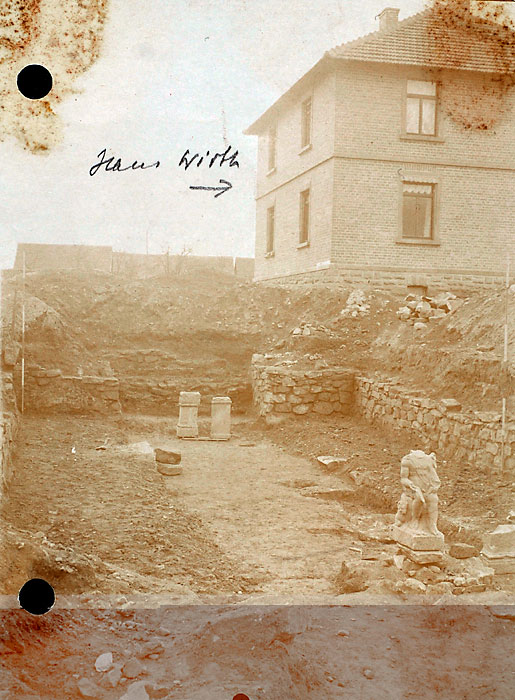
The Mithraeum I in Stockstadt contained images of Mithras but also of Mercury, Hercules, Diana and Epona, among others.

A fragmentary red sandstone relief preserves the upper part of three-headed Hekate holding a long object in her left hand.
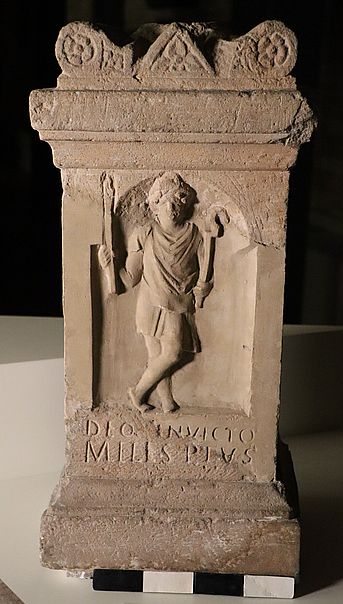
Small votive altar in white limestone from Aquae Mattiacae, dedicated to Deo Invicto by a miles pius. The top preserves the head of Cautes with his raised torch.
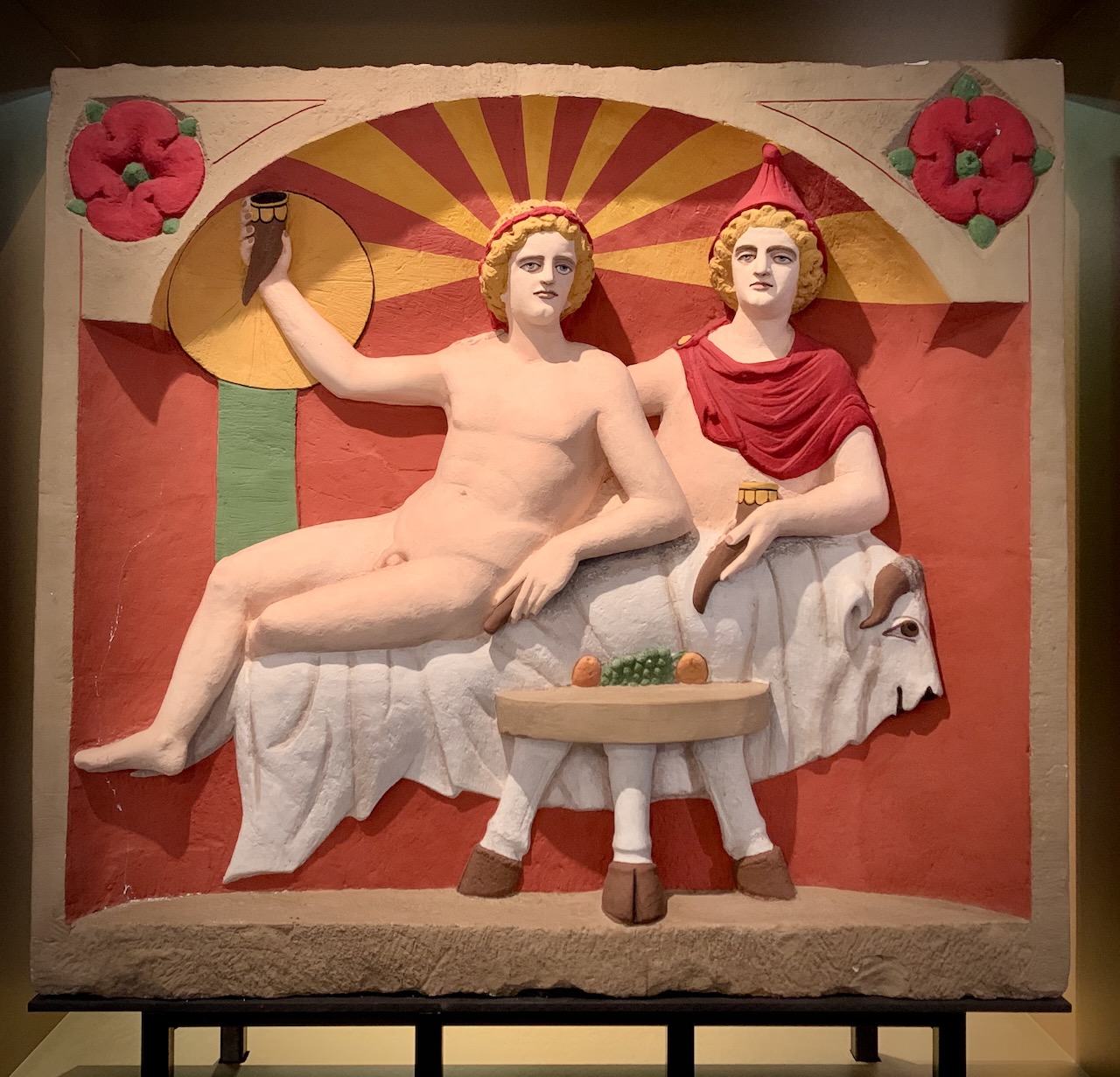
Bas-relief depicting a naked Sol leaning over his fellow Mithras while raising a drinking horn during the sacred feast.
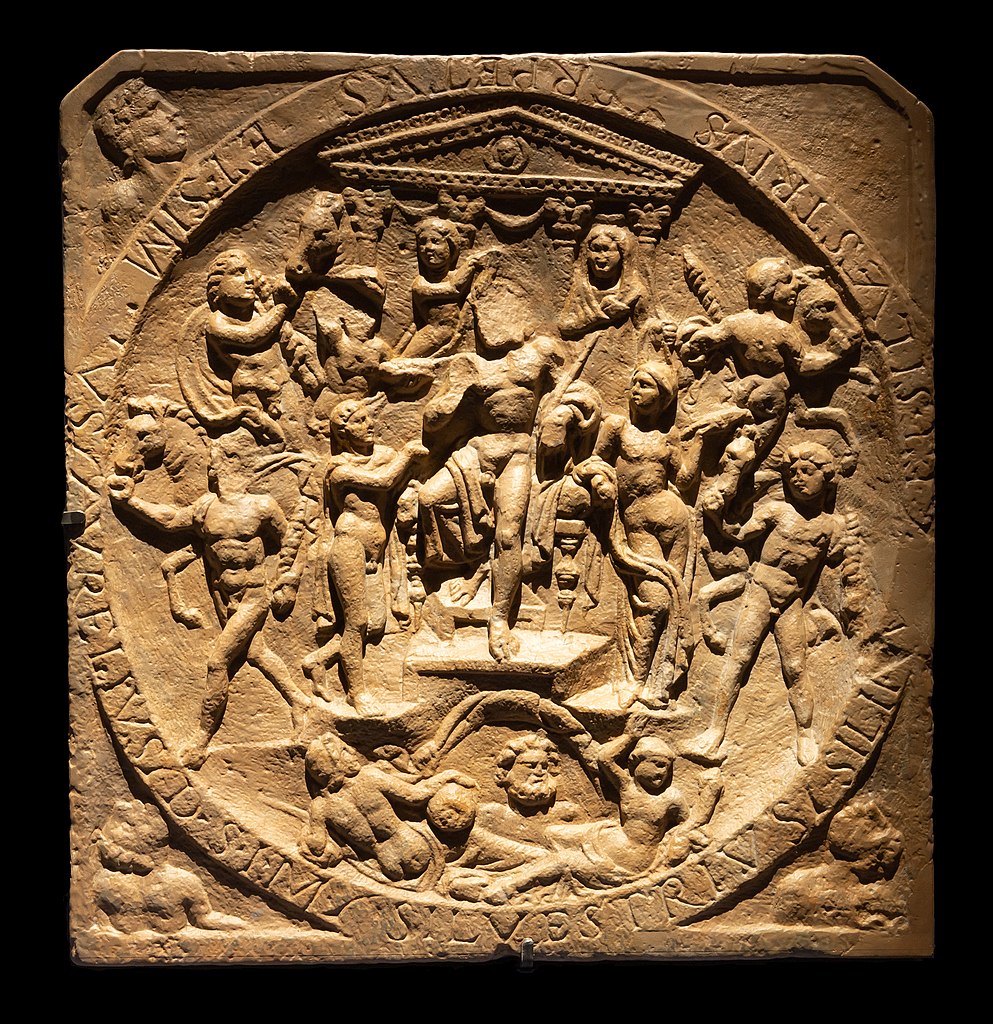
The relief of Dieburg shows Mithras riding a horse as main figure, surrounded by several scenes of the myth.
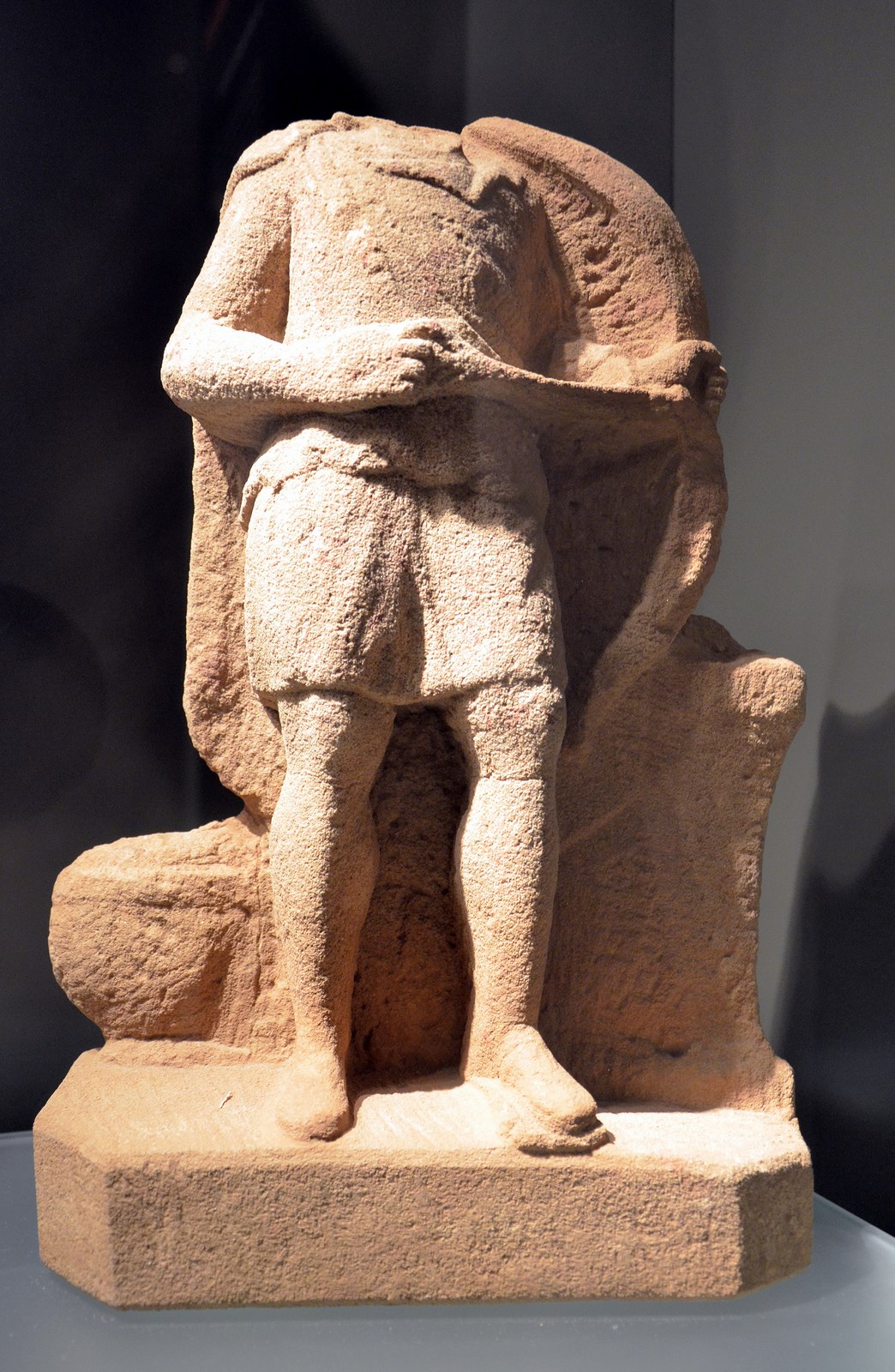
Statue in yellow sandstone found in the pit of the Mithraeum of Dieburg, showing Mithras standing beside an altar with bow and arrow, accompanied by a vase and associated with the water miracle.
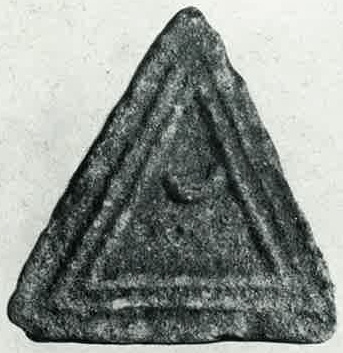
Triangular relief in yellow sandstone showing a crescent in relief.
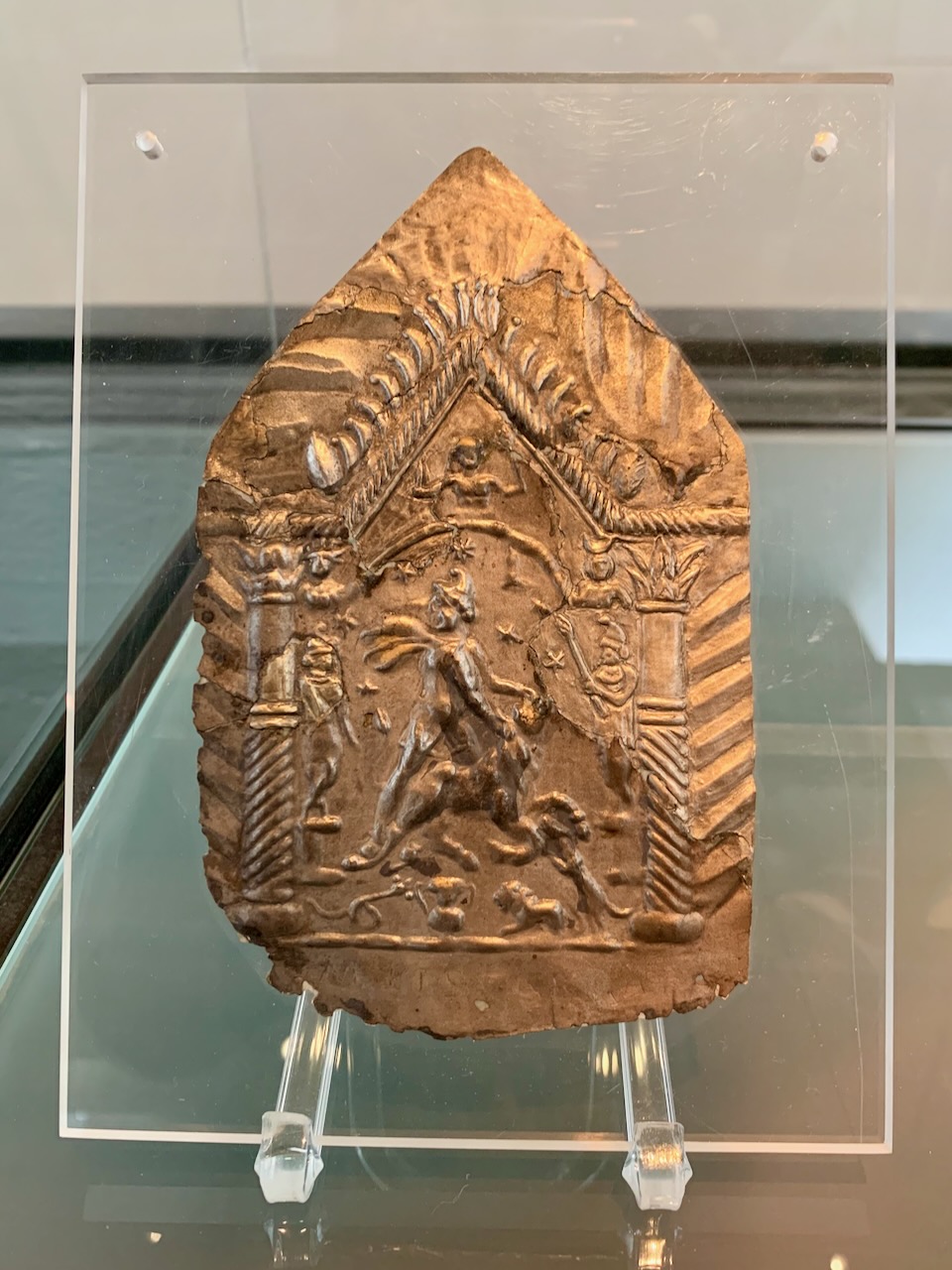
This plaque was found in Mithraeum I at Stockstadt broken into pieces inserted between the blocks of the socle of the cult relief, in the manner of a votive deposit.
The Mithraeum II in Stockstadt was in fact the first one known built in the vicus. It was destroyed by fire around 210.
Red sandstone altar from Stockstadt, featuring a square cavity in the front that contained a fragment of crystal and a small lamp.
Sandstone relief depicting the god Aion, standing with wings, a staff and a key, accompanied by a lion and a serpent-entwined vessel.
Sandstone statue of Cautopates holding two downward-pointing torches, from the Ober-Florstadt Mithraeum.
Fragmentary sandstone relief from Rückingen showing a male figure walking right and holding a kantharos. Traces on the chest may indicate a torques or shoulder-cape.
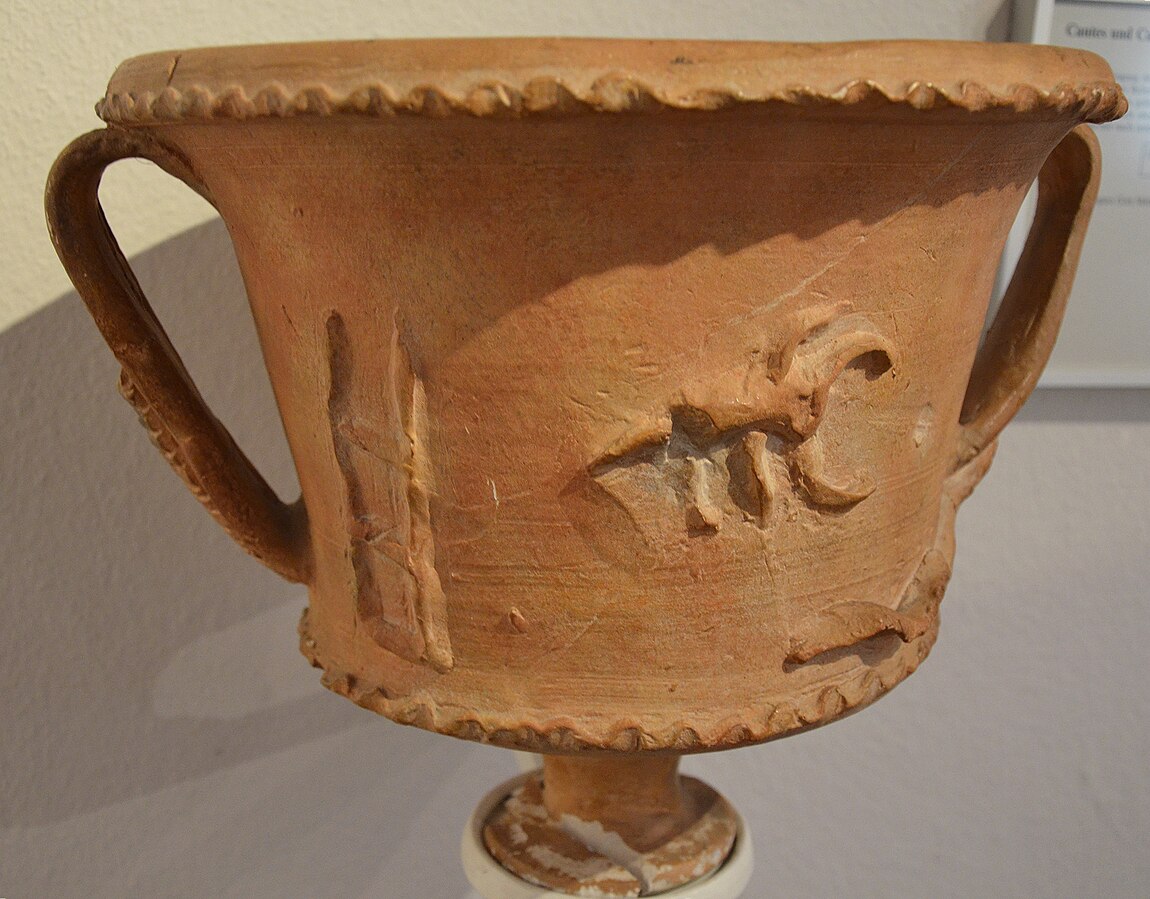
Terracotta krater from the southern part of the Friedberg Mithraeum, discovered in 1849. The vessel is decorated in relief with serpents, a scorpion and a ladder-like motif.
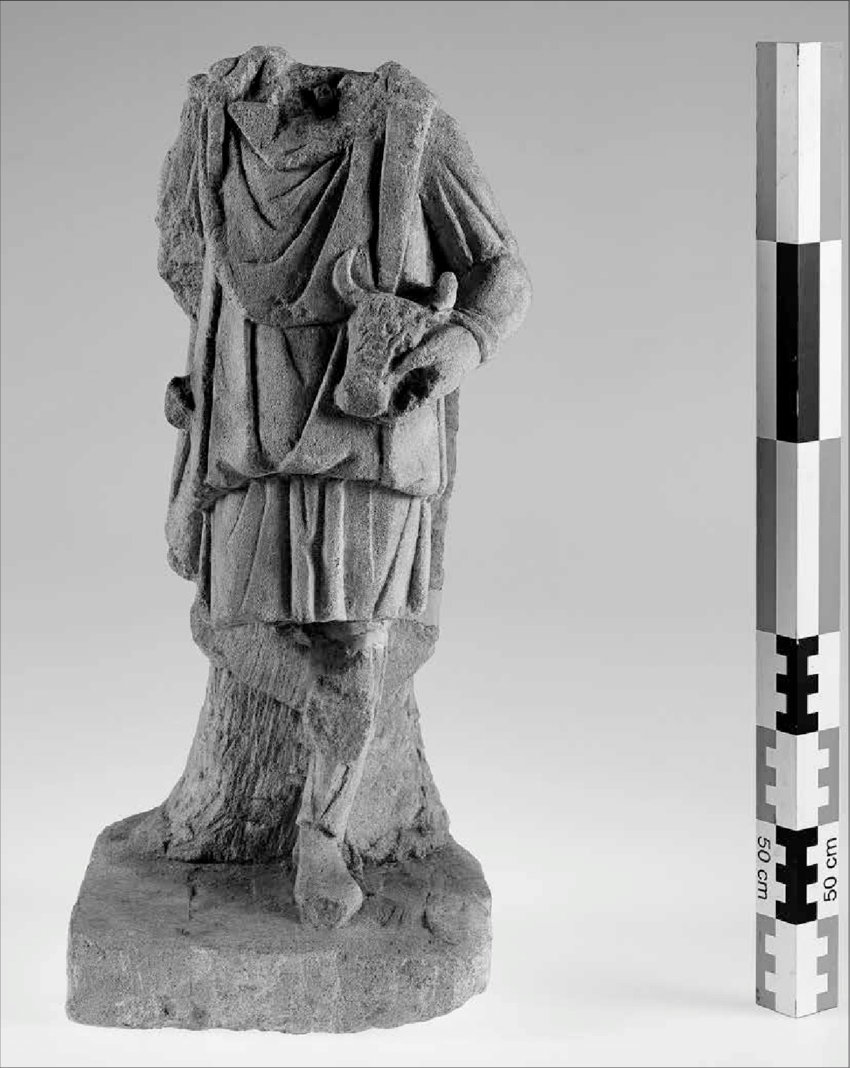
Statue of Cautes from Bodobrica, discovered around 1940, depicting the torchbearer standing before a tree or rock and associated with a bucranium.
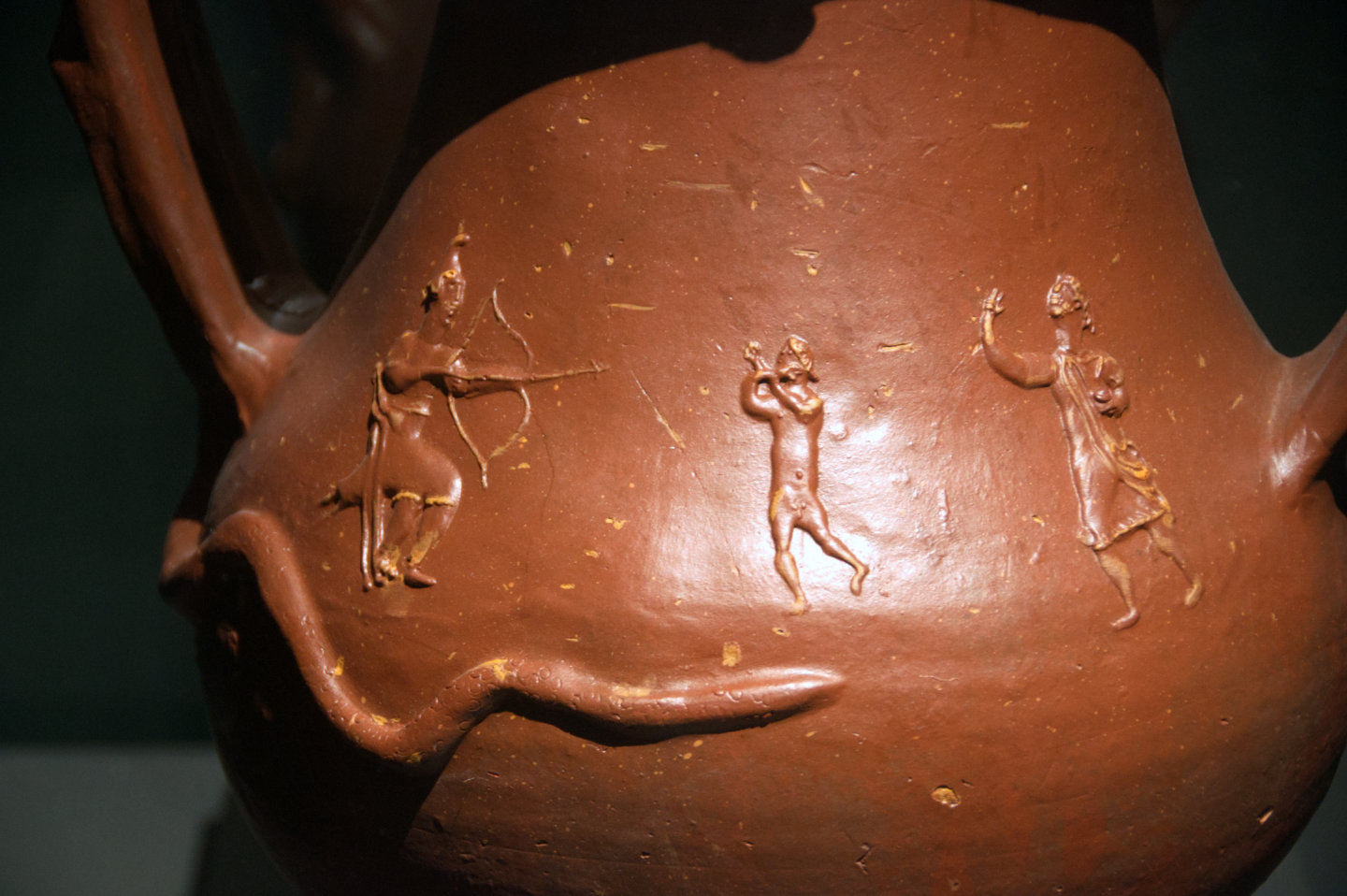
The Mithraic vase from Ballplatz in Mainz depicts seven figures arranged in two narrative sequences, commonly interpreted in relation to initiation rites.
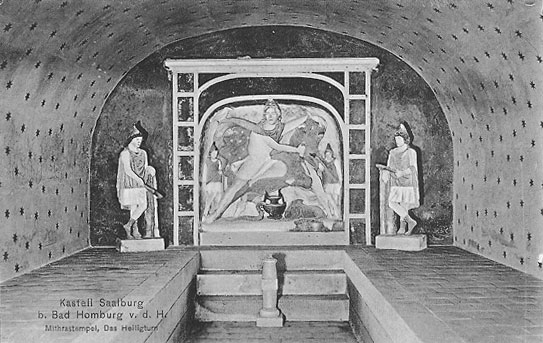
In the 1900s a model Mithraeum was built in Saalburg in the mistaken belief that there was an original temple of Mithras in an ancient Roman building.
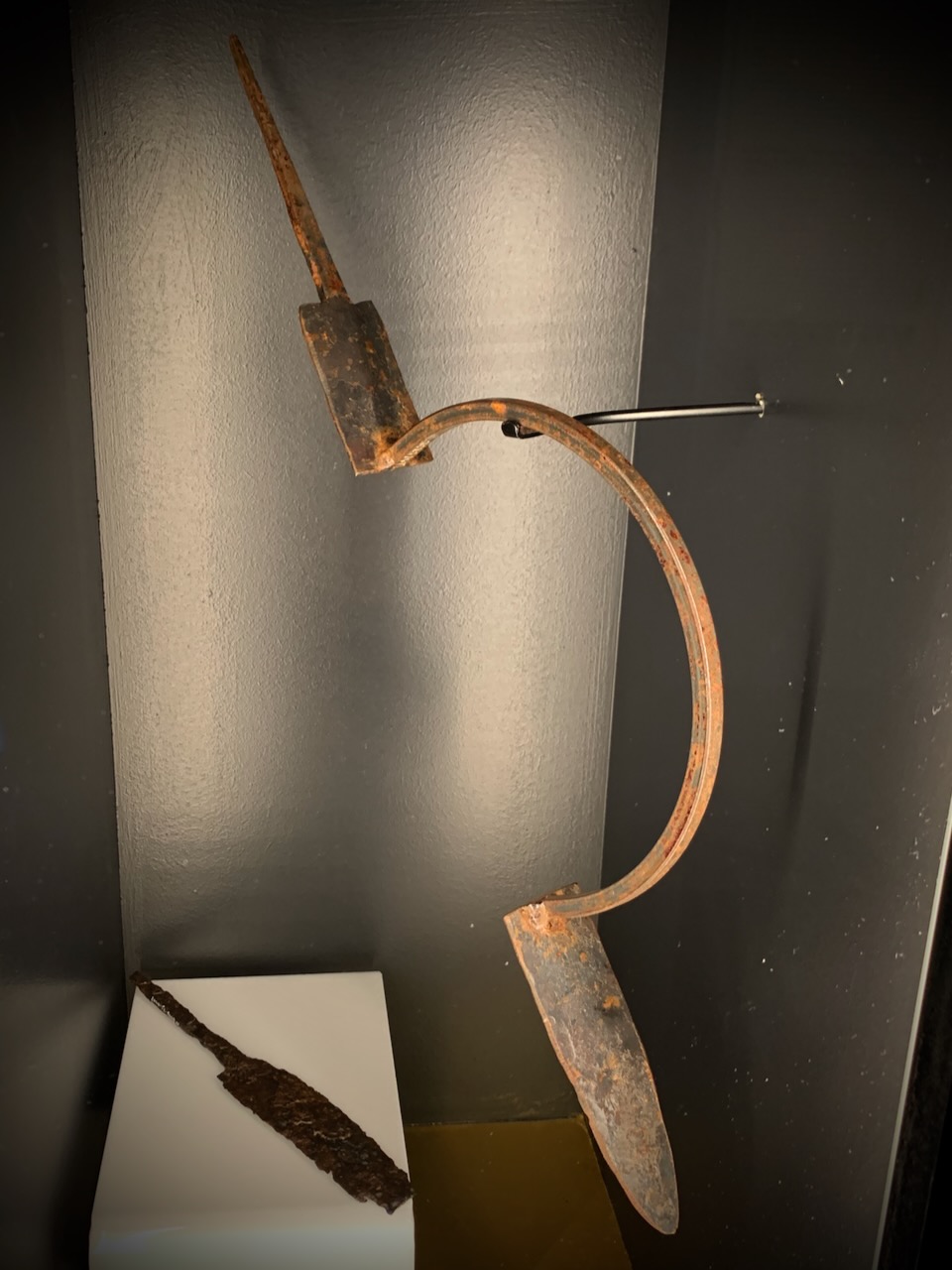
Several iron fragments found in the second mithraeum of Güglingen may have been used during mithraic ceremonies.
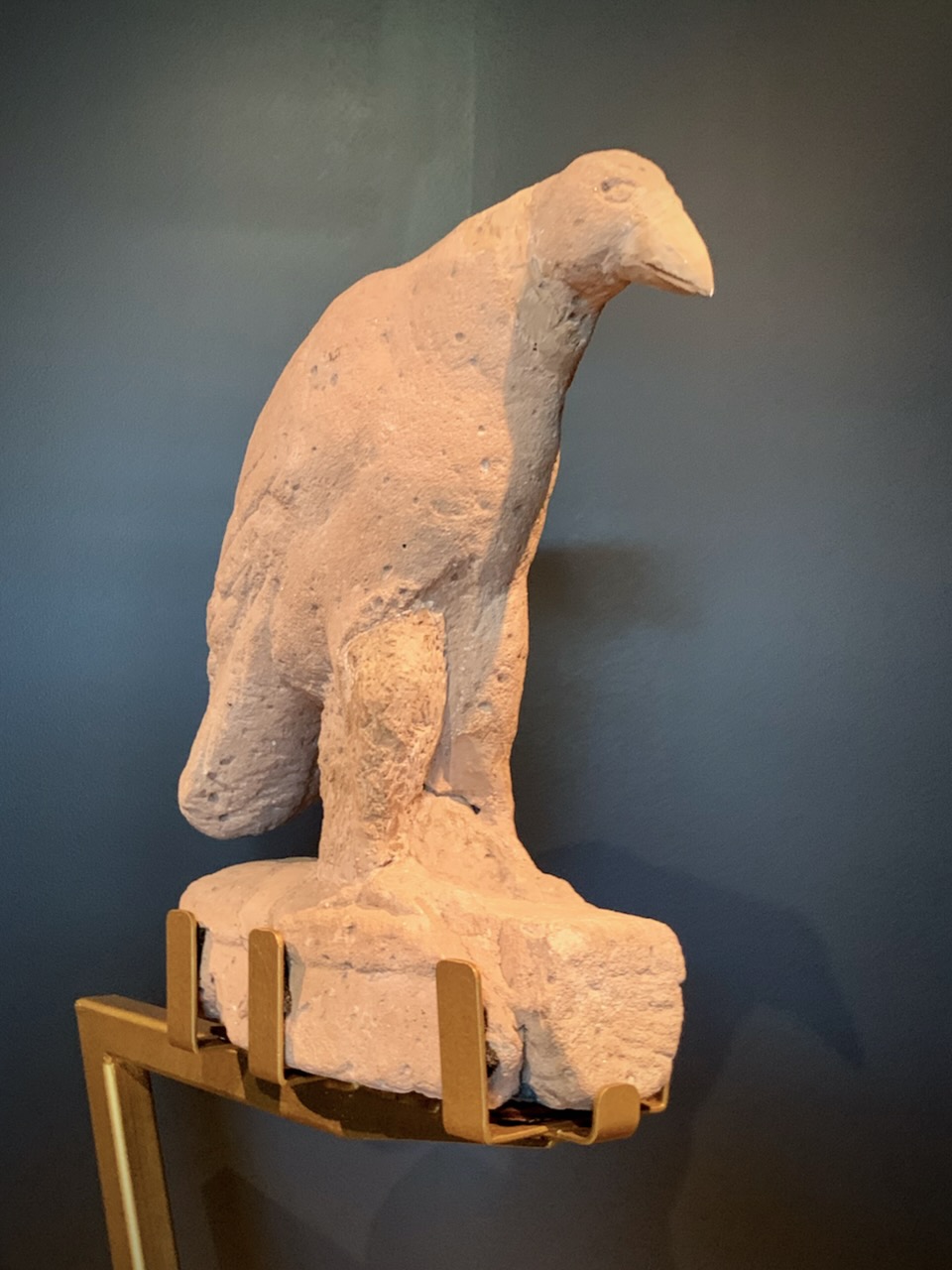
The Stockstadt Raven is one of only two standing-alone sculptures of this bird to be found in Mithraic statuary.
