Your selection gave 313 results.
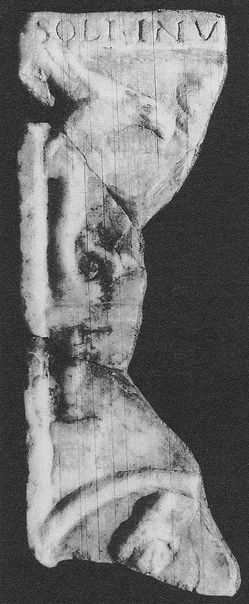
This marble fragment from Apulum preserves the head of Mithras beneath an arch together with a raven and the remains of Sol’s radiate crown.
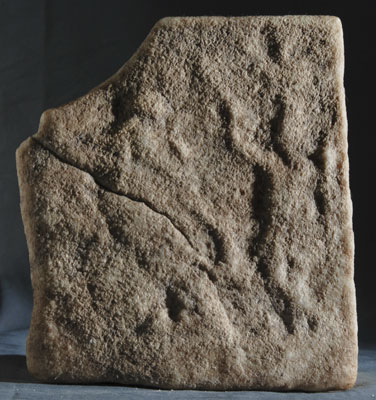
This small weathered marble fragment preserves part of a tauroctony with Cautes, Luna, the serpent, and a leaping dog.
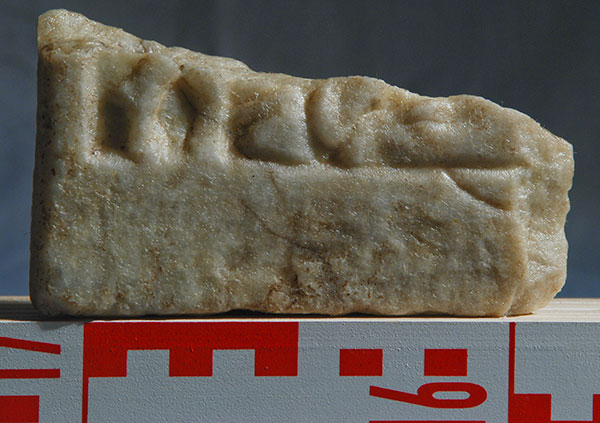
This small marble fragment preserves the crossed legs of a torchbearer, probably Cautopates, beside the hoof of the bull and the foot of Mithras.
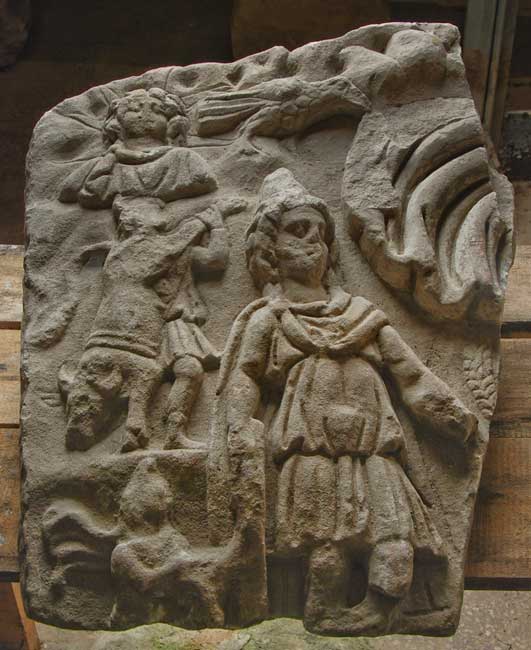
This marble fragment from Roman Dacia preserves part of a tauroctony with Sol, the raven, and Mithras dragging the bull.
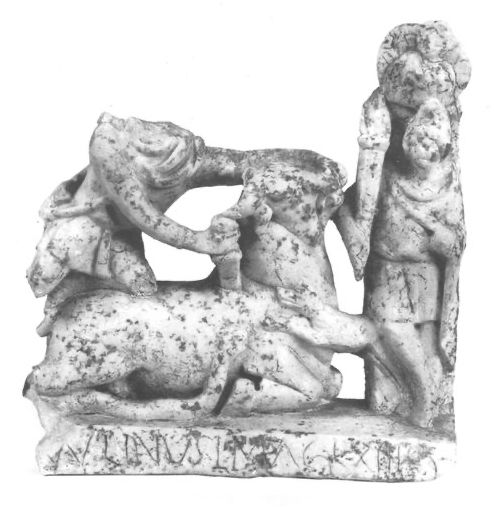
This relief of Mithras killing the bull was dedicated by the bearer of the imperial standard of Legio XIII Gemina, Marcus Ulpius Linus.
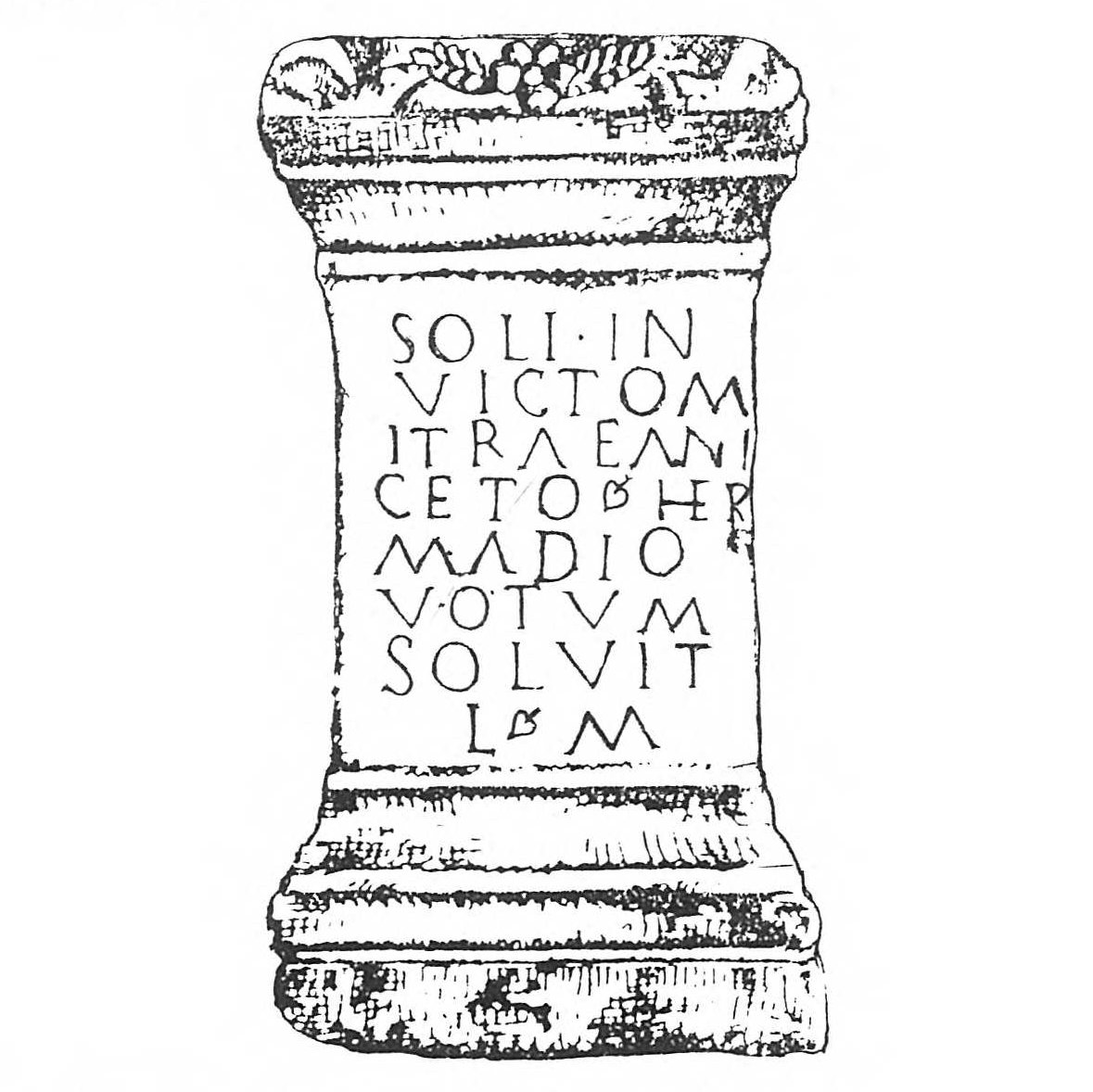
This altar was erected by Hermadio, who also signed other monuments in Dacia and even in Rome.
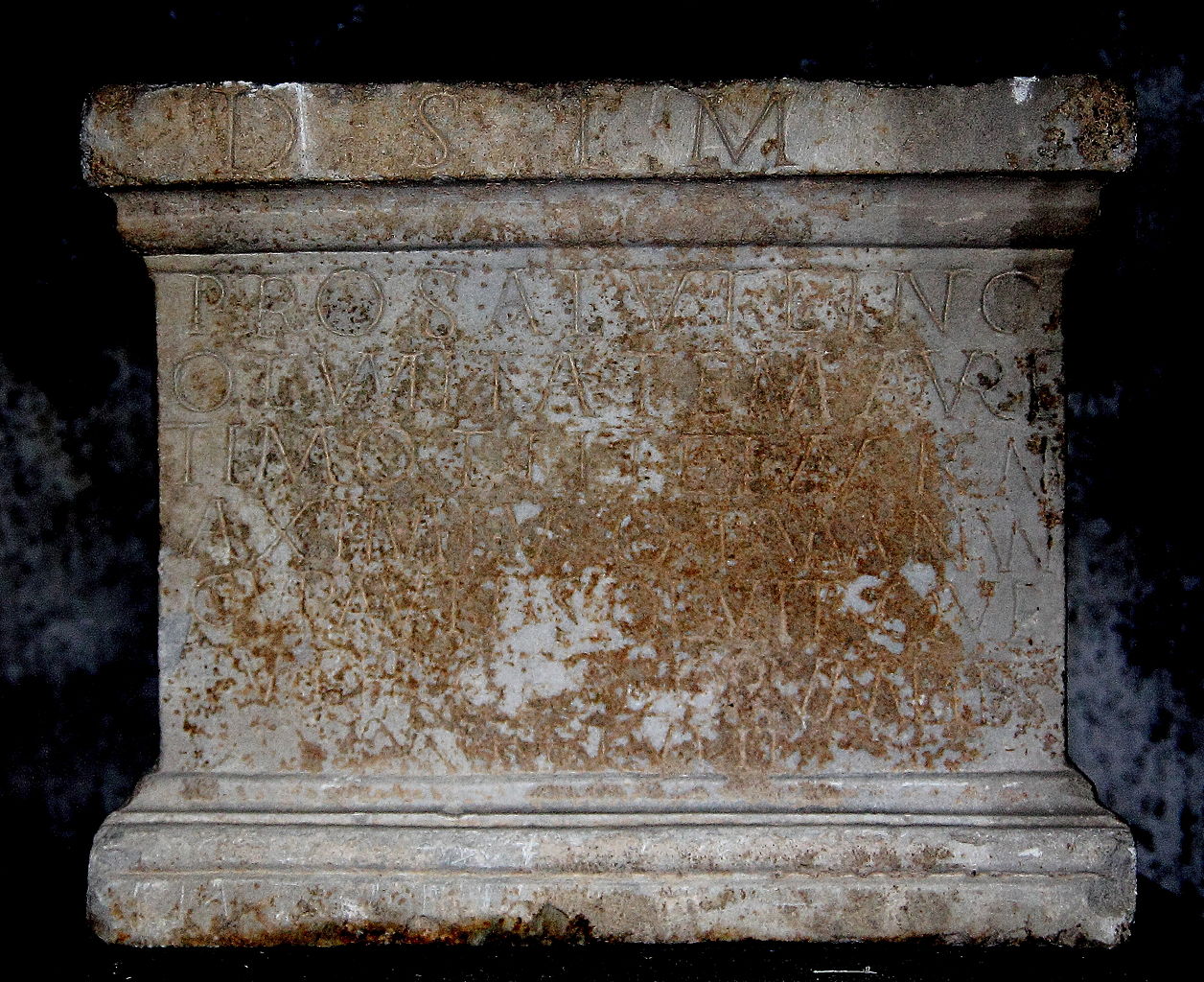
Mithraic stele, from Alba Iulia, Romania, with inscription.
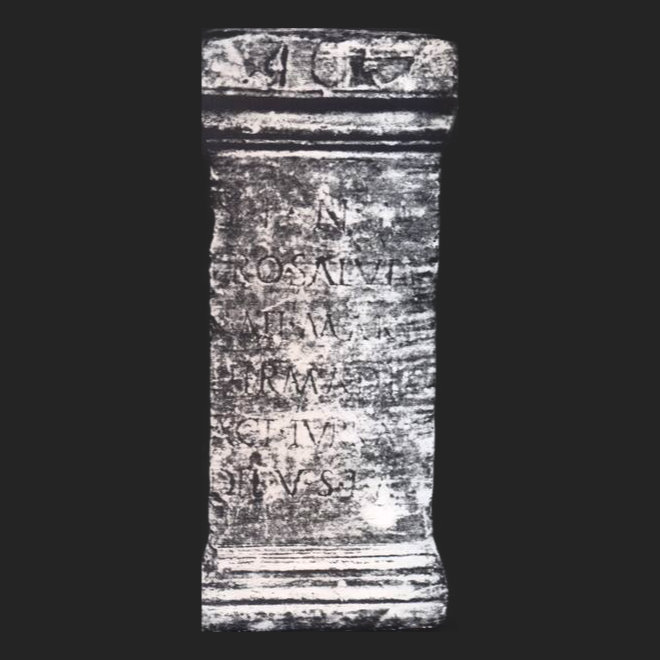
This altar was erected by Hermadio, who also signed other monuments in Dacia and even in Rome.

This is one of the at least three inscriptions of Dioscorus, servant of Marcus to Mithras Invictus found in Alba Iulia, Romania.

This altar to Invictus Mythra (sic) was found in 1867 in ancient Maros Portum, now Sighișoara, Romania.
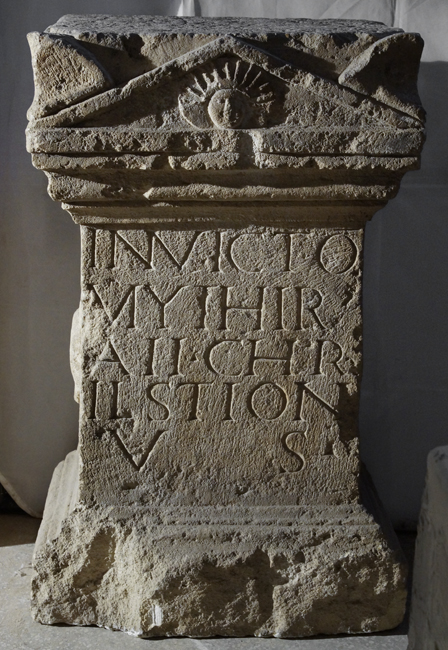
In 1852, Károly Pap, a naval captain, unearthed several Mithraic monuments in his garden at Marospartos, including this altar.

Aelius Maximus identifies himself as a soldier of the Legio V Macedonica on a relief found in ancient Potaissa.


Greek-speaking member of the community of Mithras followers from Apulum in the 2nd century.

Freedman from Greek-speaking origin who dedicated an altar to the invincible Mythra.

Account's assistant and slave, Synethus dedicated a Cautopates with a scorpion in Sarmizegetusa.




Hyacinthus, like Hermadio, seems to have been one of the profets of Mithraism in the Dacian region.
