Your selection in monuments gave 431 results.
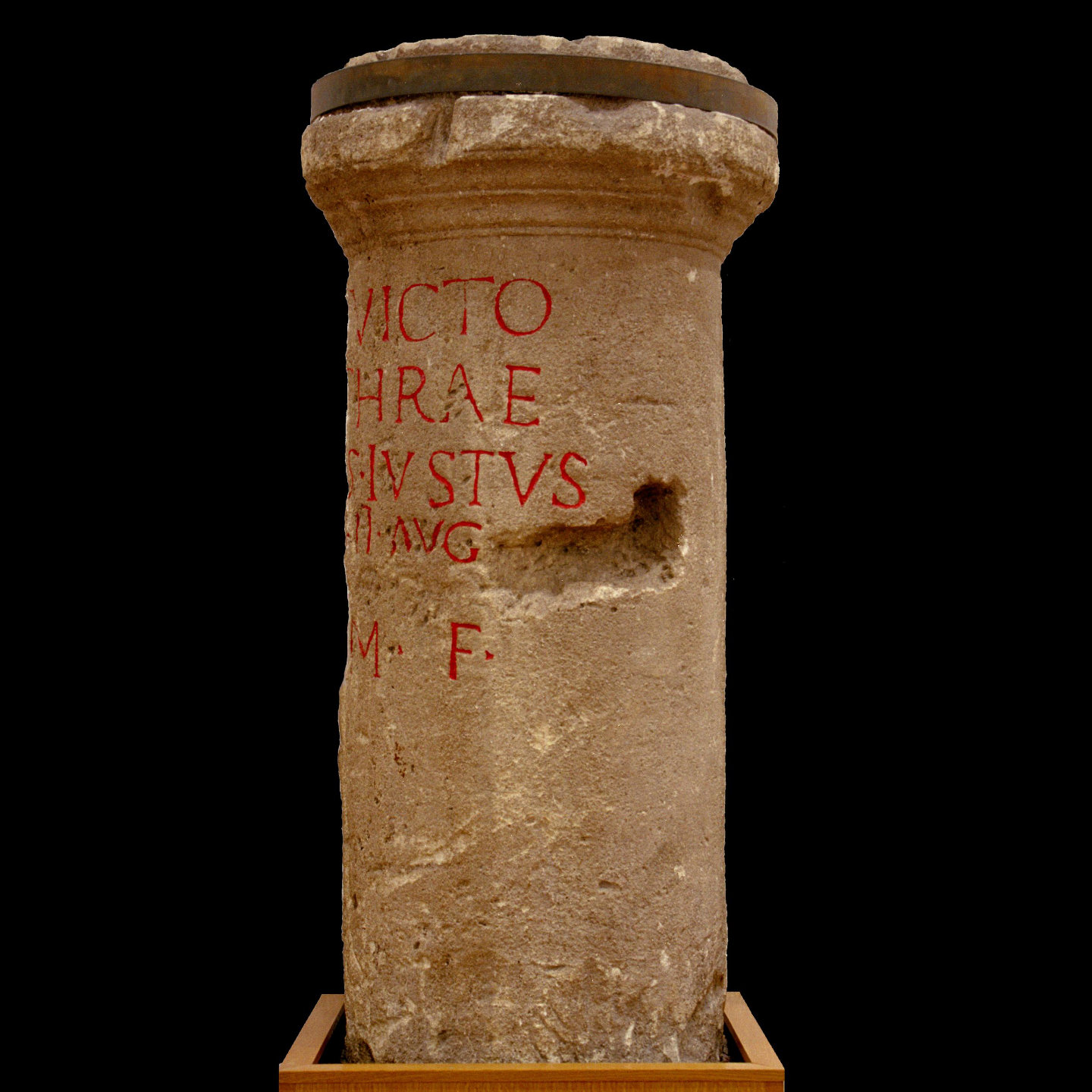
This oolite base, dedicated to the invincible Mithras, was found in the baths of the Villa de Caerleon, Walles.
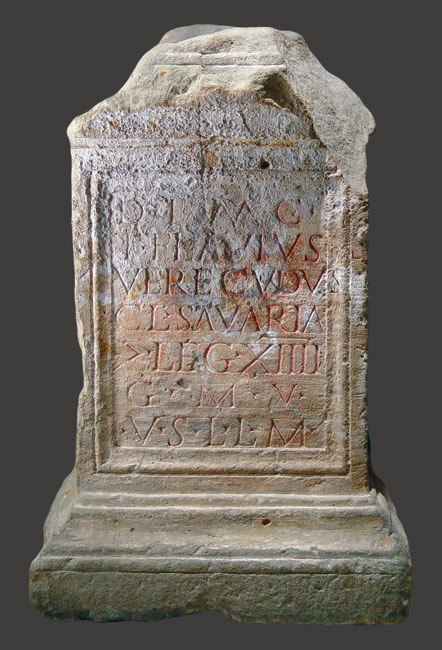
This monument to Mithras and Cautes (or Cautopates) was erected in Carnuntum by the centurion Flavius Verecundus of Savaria.

This marble slab, found in the Mithraeum of San Clemente, bears an inscription by a certain Aelius Sabinus for the health of the Emperor Antoninus Pius and his sons.
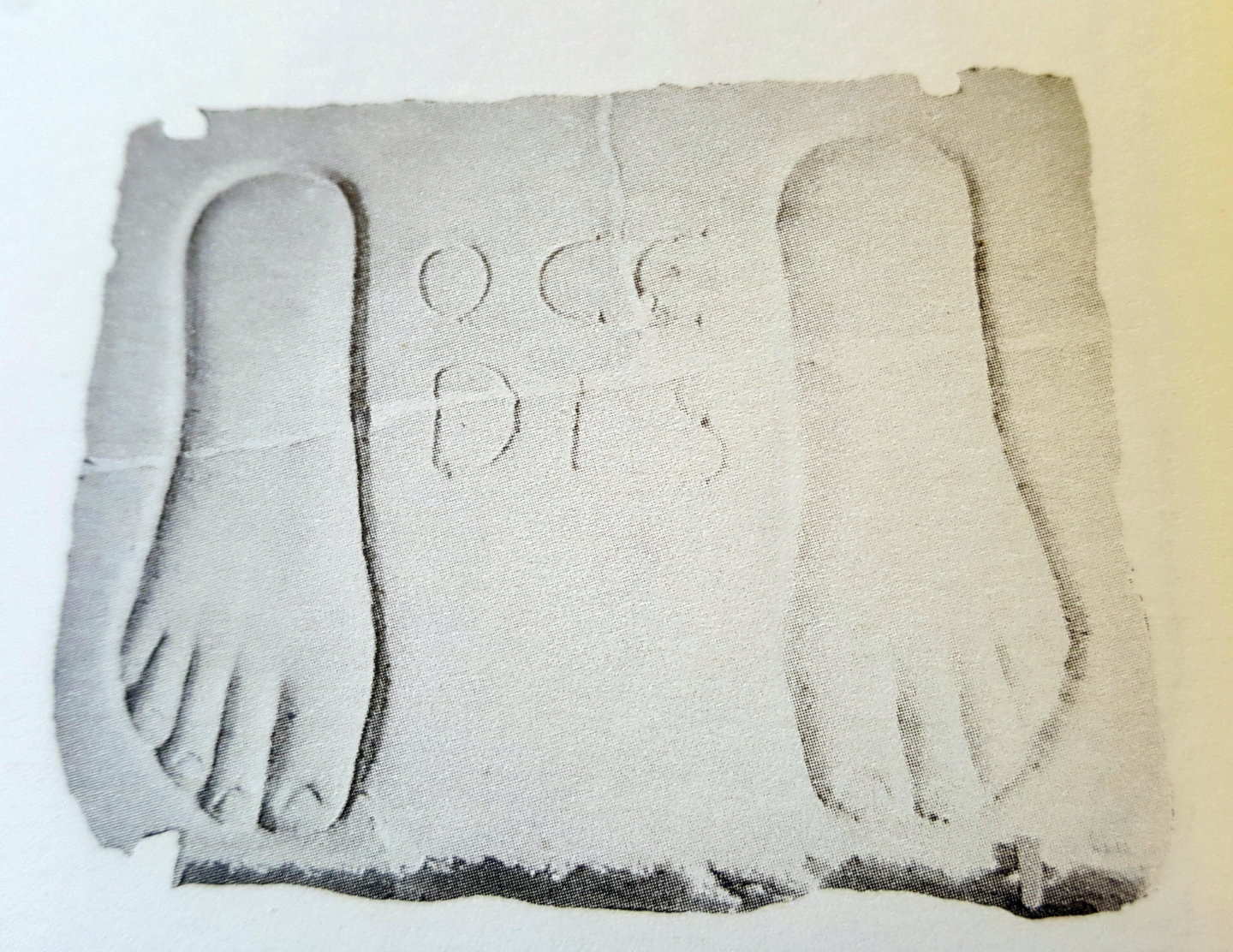
Recent interpretations link this marble inscription to the cult of the goddess Nemesis.
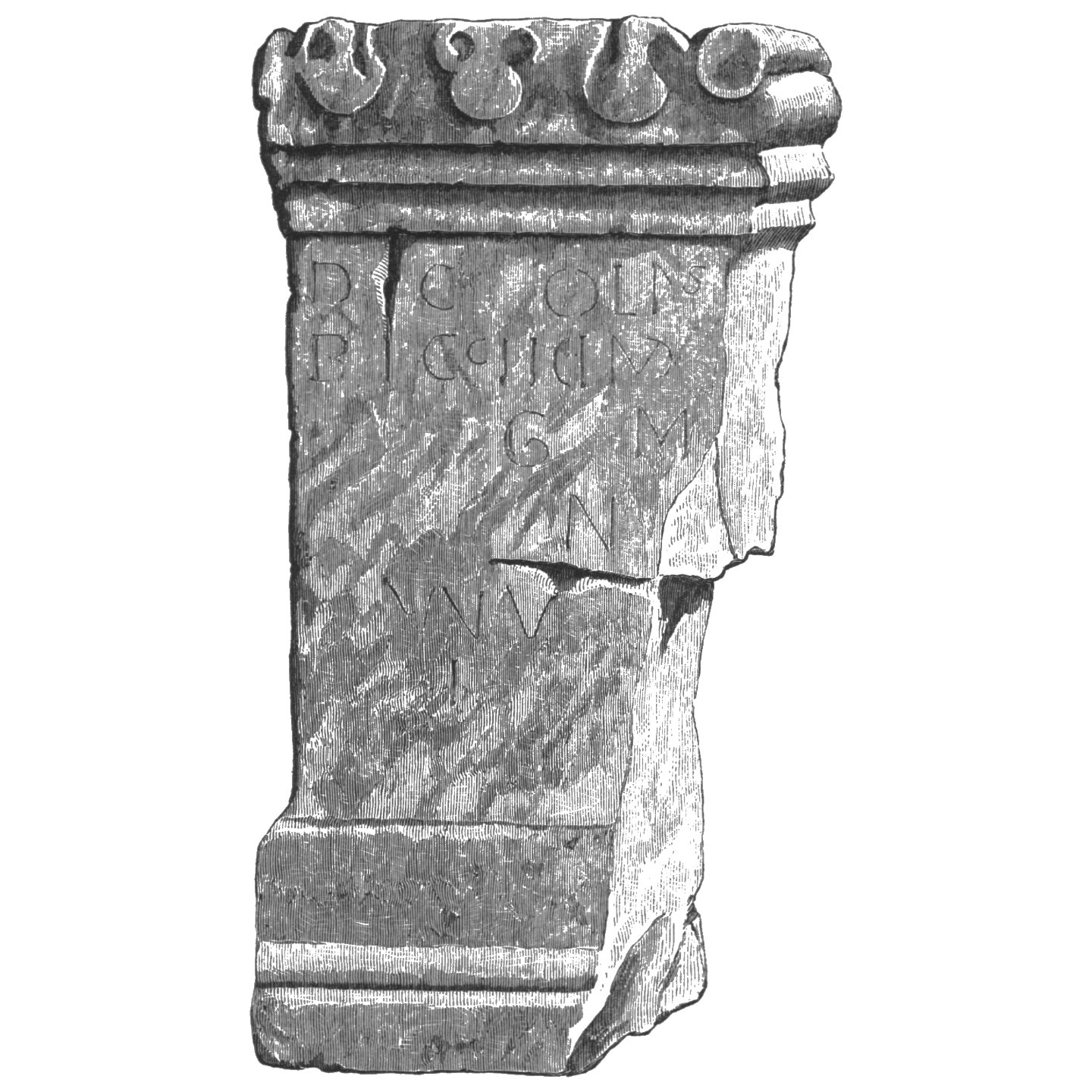
Horsley thought that, like some other inscriptions in the Naworth Collection, this altar also had come from Birdoswald.
This inscription was dedicated to God Cautes by a certain Flavius Antistianus, Pater Patrorum in Rome.
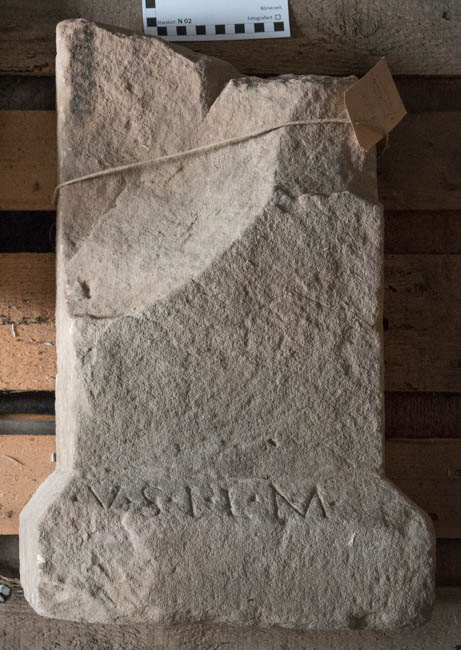
These fragmentary monuments, one with an inscription, were found in the Gimmeldingen mithraeum.
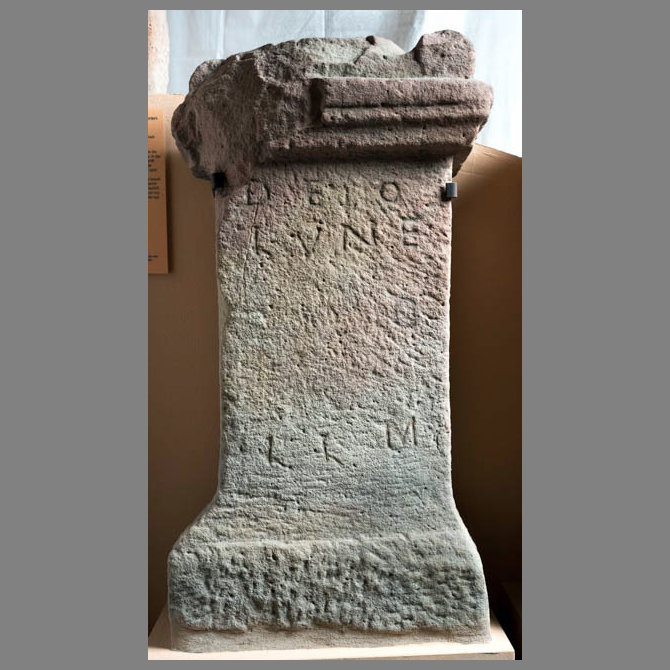
This sandstone altar was dedicated to Luna, who is mentioned as a male deity.
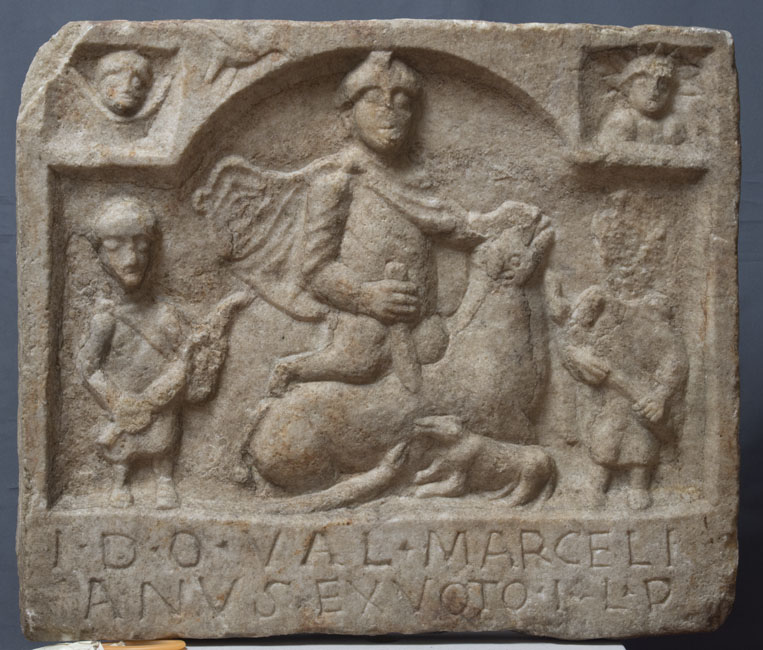
This primitive relief of Mithras as a bullkiller is signed by a certain Valerius Marcelianus.
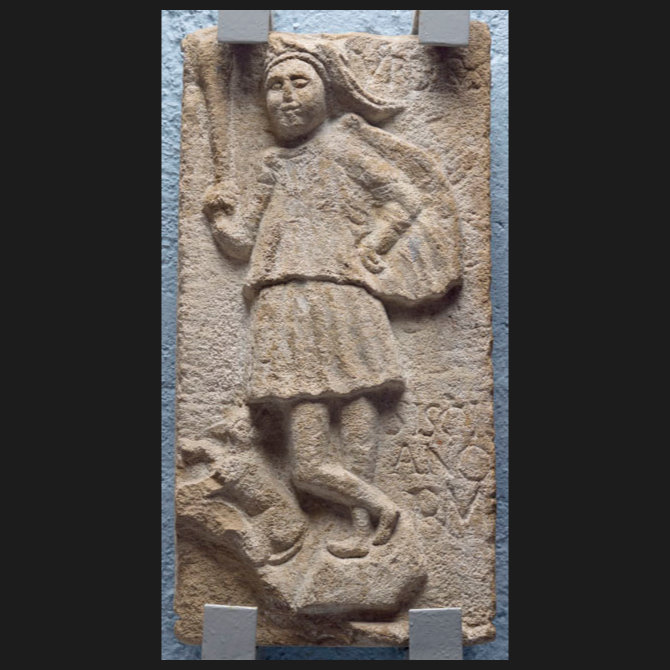
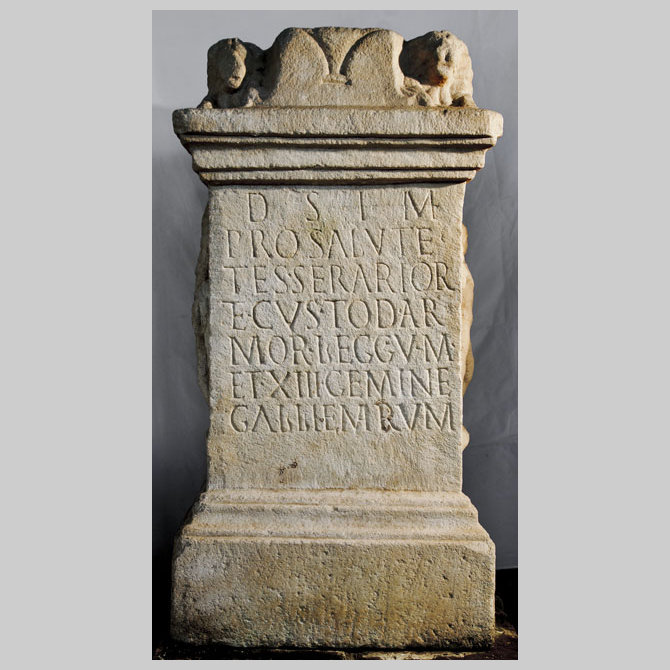
This altar, found in the 3rd mithraeum of Ptuj, bears an inscription and a relief of Sol and a person with a cornucopia.
This base was found in the 18th century and bears an inscription to the god Arimanius.
Three small limestone altars were found in the Jajce Mithraeum, one of which bears the inscription ’Invicto’.
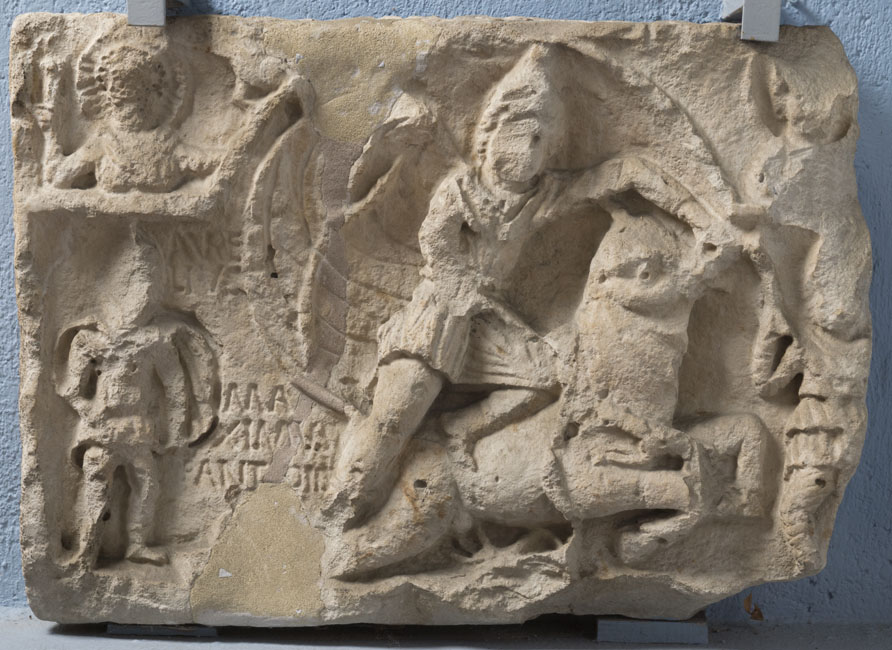
This relief of Mithras as a bullkiller was found in Golubić, Bosnia and Herzegovina, near a cementery.
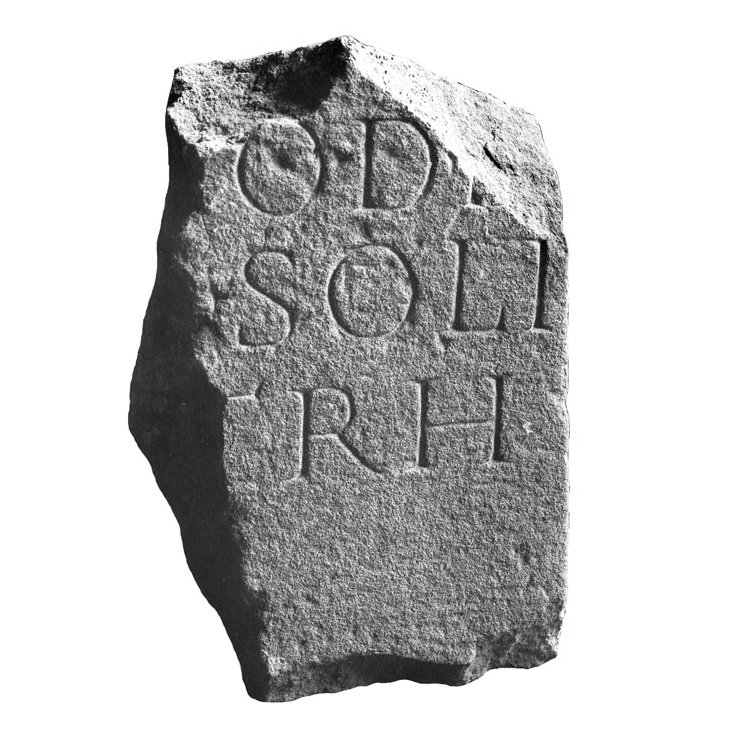
This monument with an inscription to the god Sol Mithras was found in front of the cathedral of Speyer during some sewer works.
In the cult niche of the Mitreo del Caseggiato di Diana there is a list of words that could indicate names and measurements.
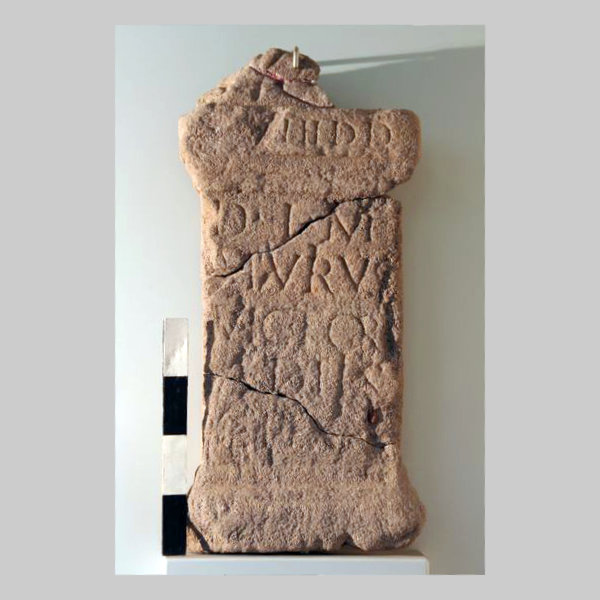
Marius Victor, according to the inscription on the monument, erected this monument to Mithras ’when Philip and Titianus were consuls’.
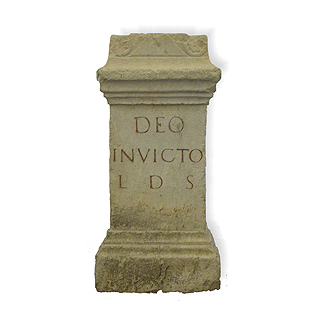
This altar to Deo Invicto was found during the excavation of the Monastero Delle Benedettine di Santa Grata in Bergamo, with a bronze calf’s head on top.
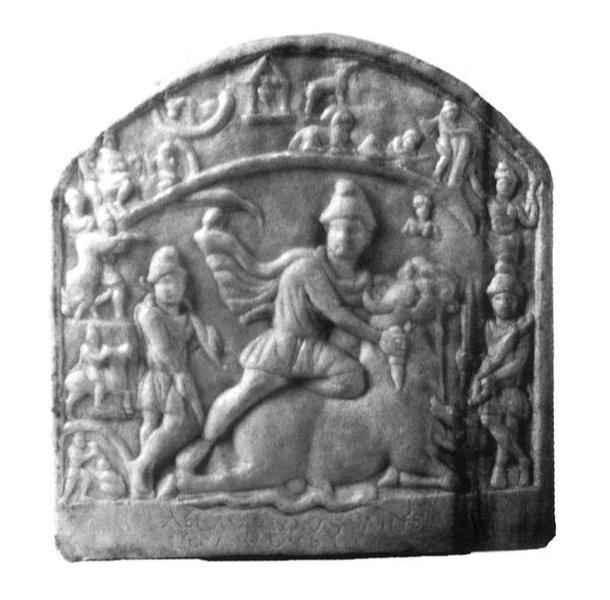
This small relief of Mithras killing the bull was found in 1859 in Turda, in the Cluj region of Romania.
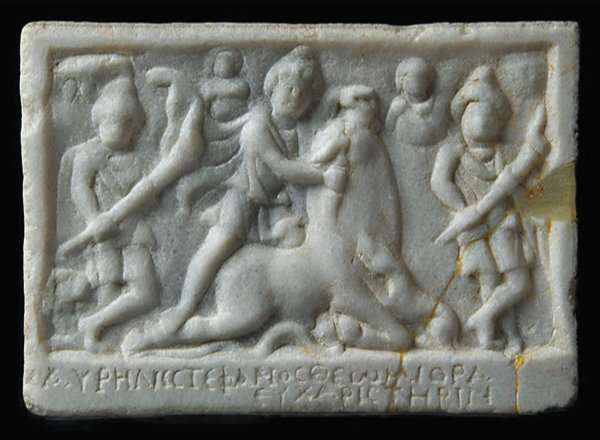
This relief of Mithras killing the bull is unique in the Apulum Mithraic repertoire because of its inscription in Greek.
