Your selection in monuments gave 63 results.
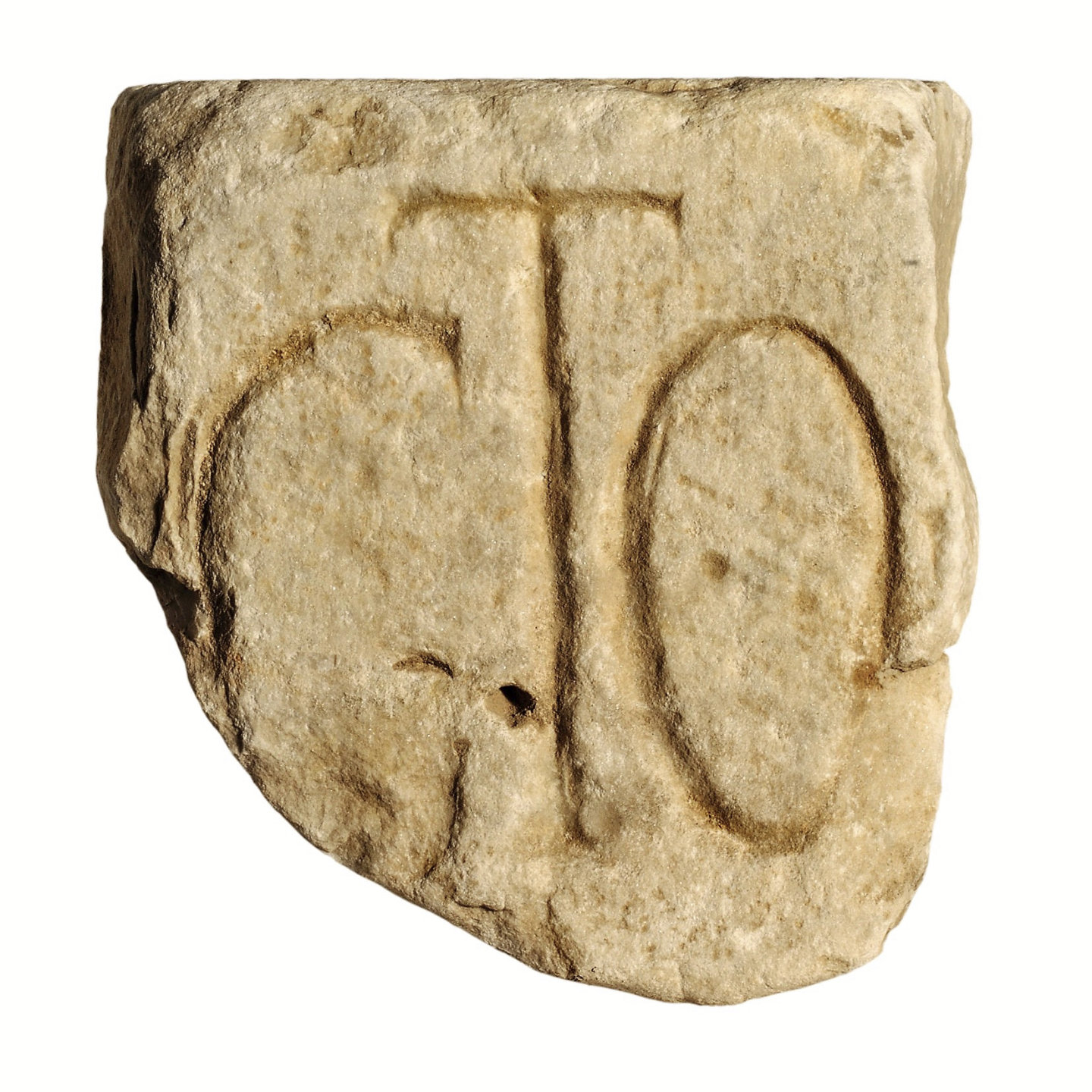
This fragment of the base of a statue from Tarragona, Spain, bears an inscription which appears to be dedicated to the invincible Mithras.
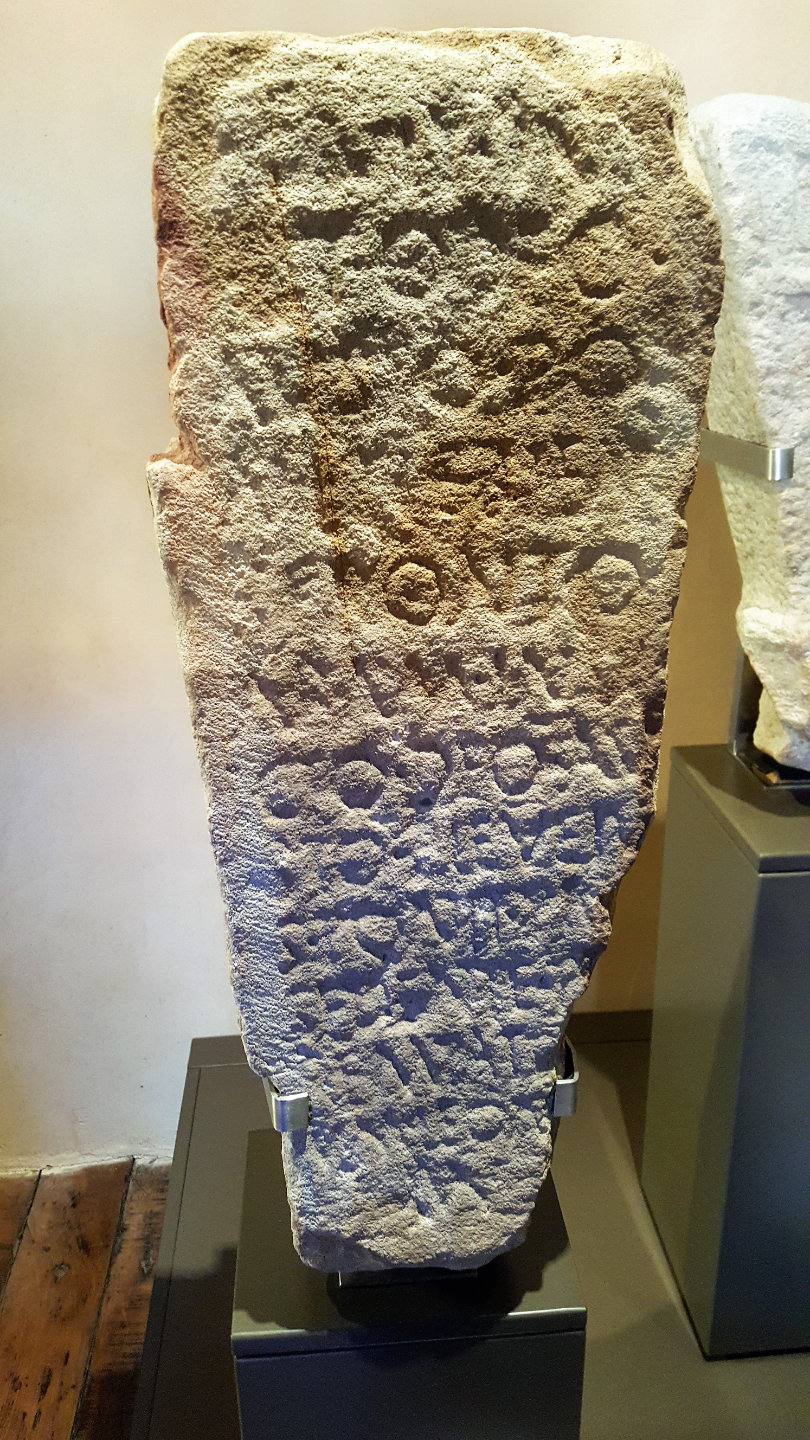
The monument of San Juan de la Isla (Asturias) devoted to Mithras was preserved in the portico of the main church until 1843.
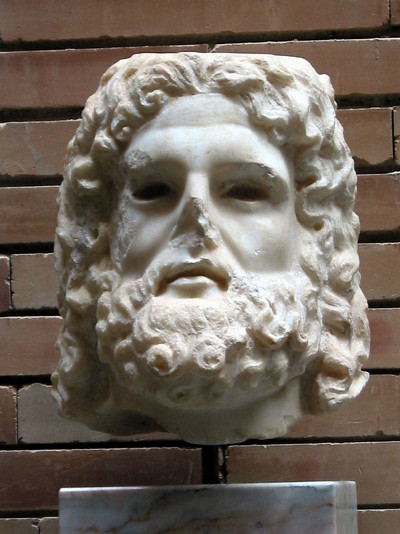
This head of Serapis from Cerro de San Albín may be unrelated to Mithras worship.
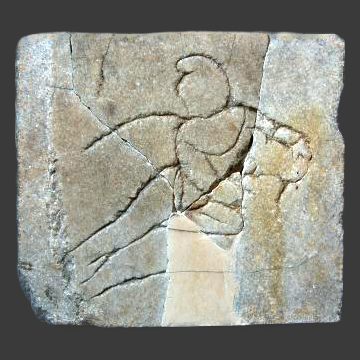
This unfinished Mithras tauroctonos without the usual surrounding animals was found in 1923 in Italica, near Seville, Spain.

Bearded nude statue formerly claimed to be Mithraic but later rejected as a seventeenth-century sculpture unrelated to the cult.
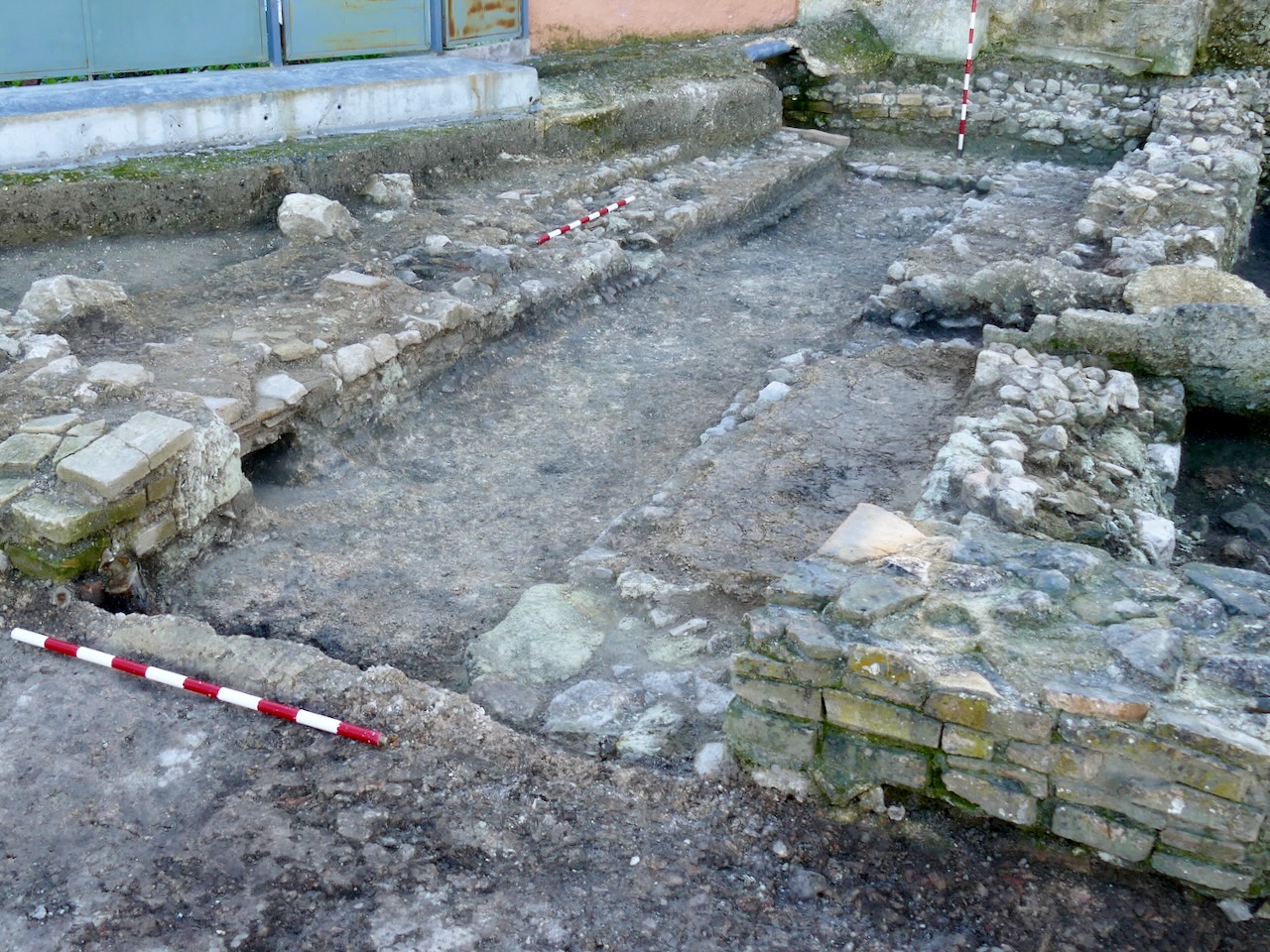
The Mithraeum of Cabra is located in the Villa del Mitra, which owes its name to the discovery in 1951 of a Mithras tauroctonus in the remains of the Roman villa.
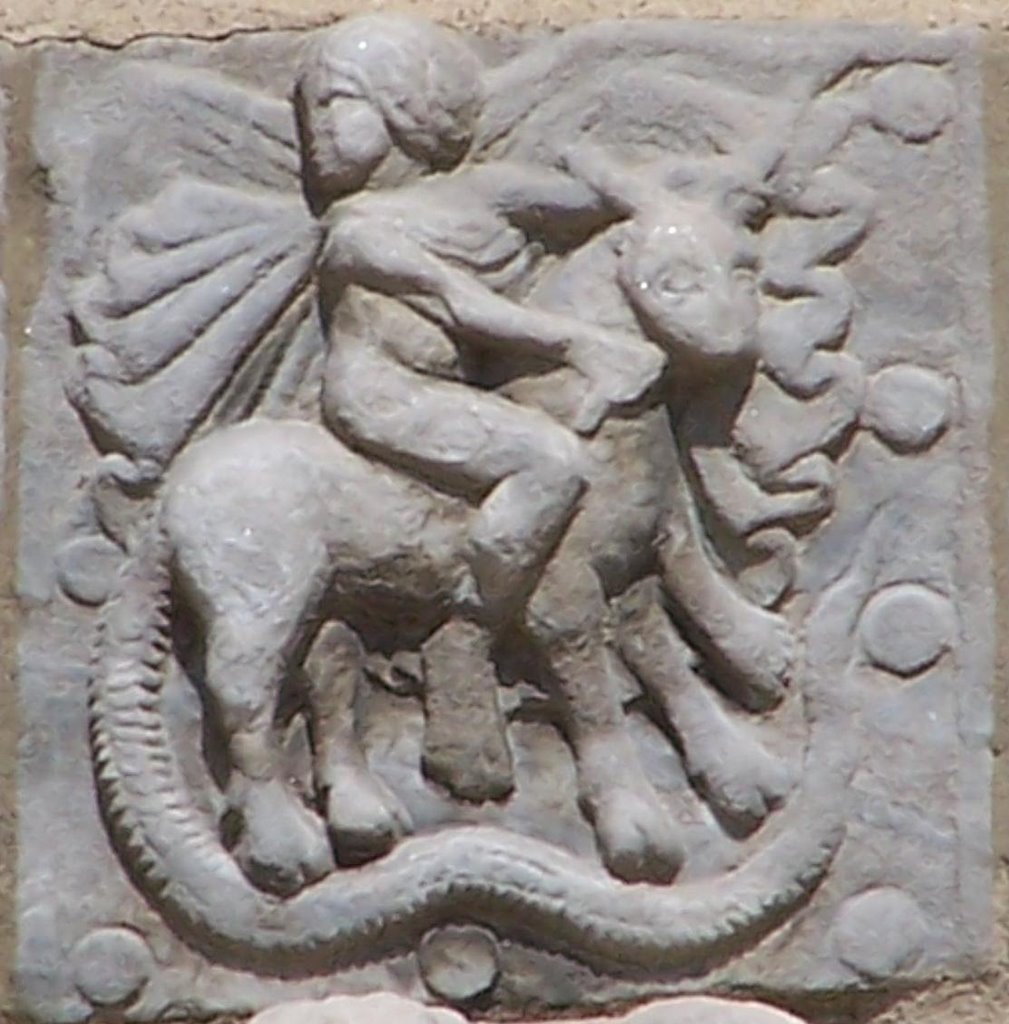
Mithras slaying the bull appears as the sign of Capricorn in a zodiacal sequence on the Pórtico del Cordero of the Abbey de Santo Domingo de Silos, Burgos, Spain.

These fragments of a monumental tauroctony found in the Cerro de San Albín must have decorated the Gran Mitreo de Mérida, which has not yet been found.
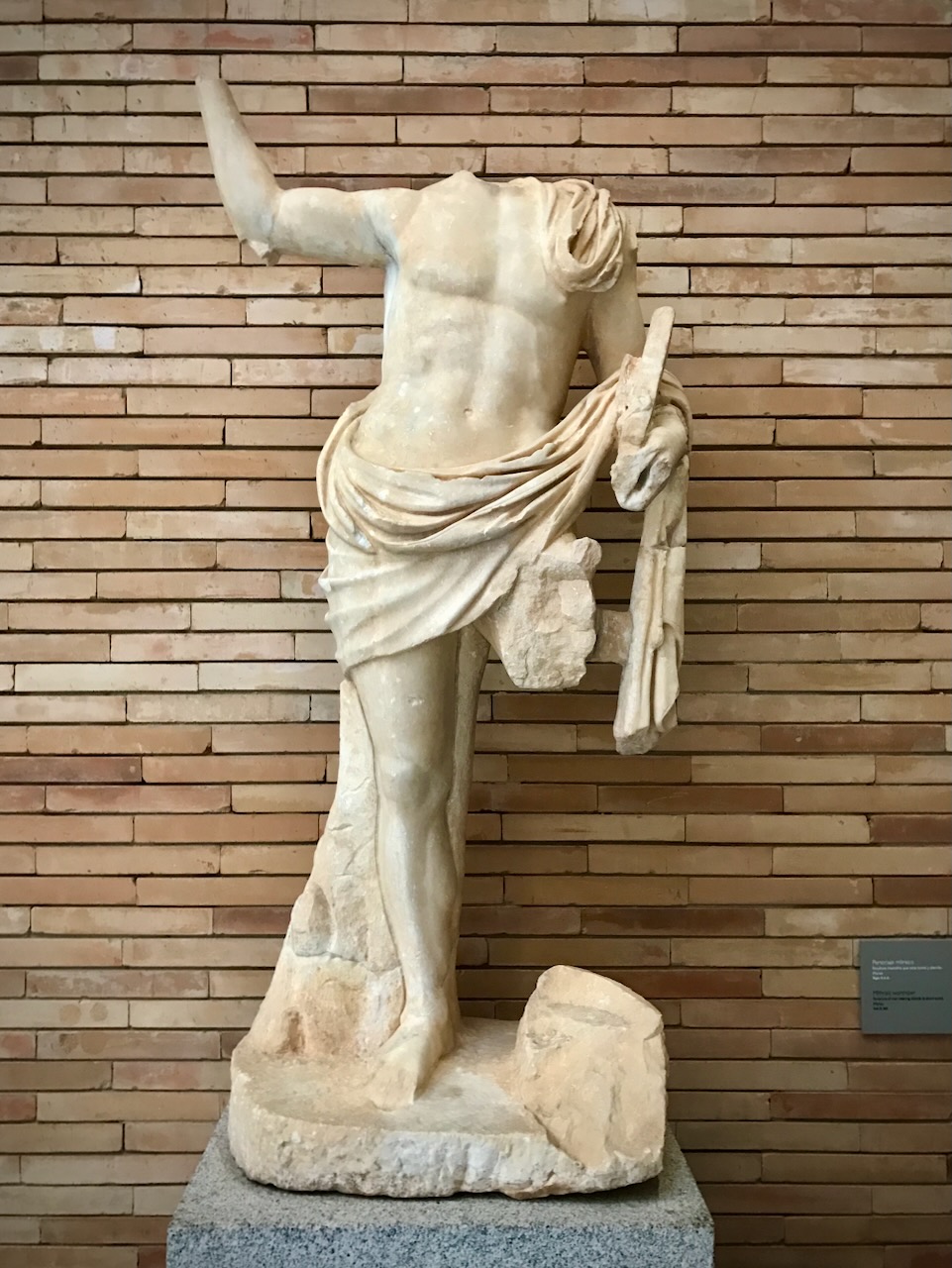
This nude male figure, found at Cerro de San Albín, Mérida, has been identified as Cautes.

The name of this domus comes from the fact that some authors once associated one of its mosaics with the cult of Mithras, a connection that has since been dismissed.
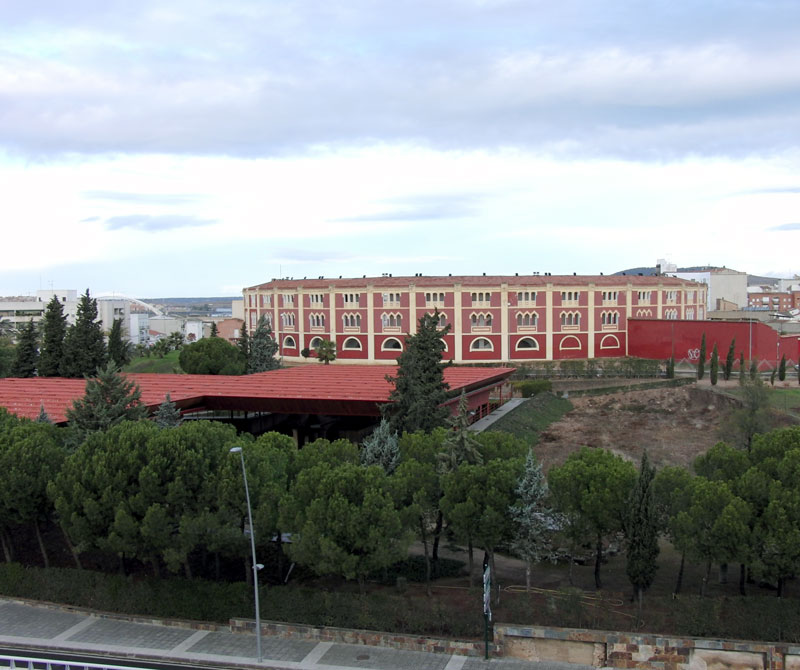
Although the site at Cerro de San Albín is not a Mithraeum, archaeologists have found several monuments related to the cult of Mithras.
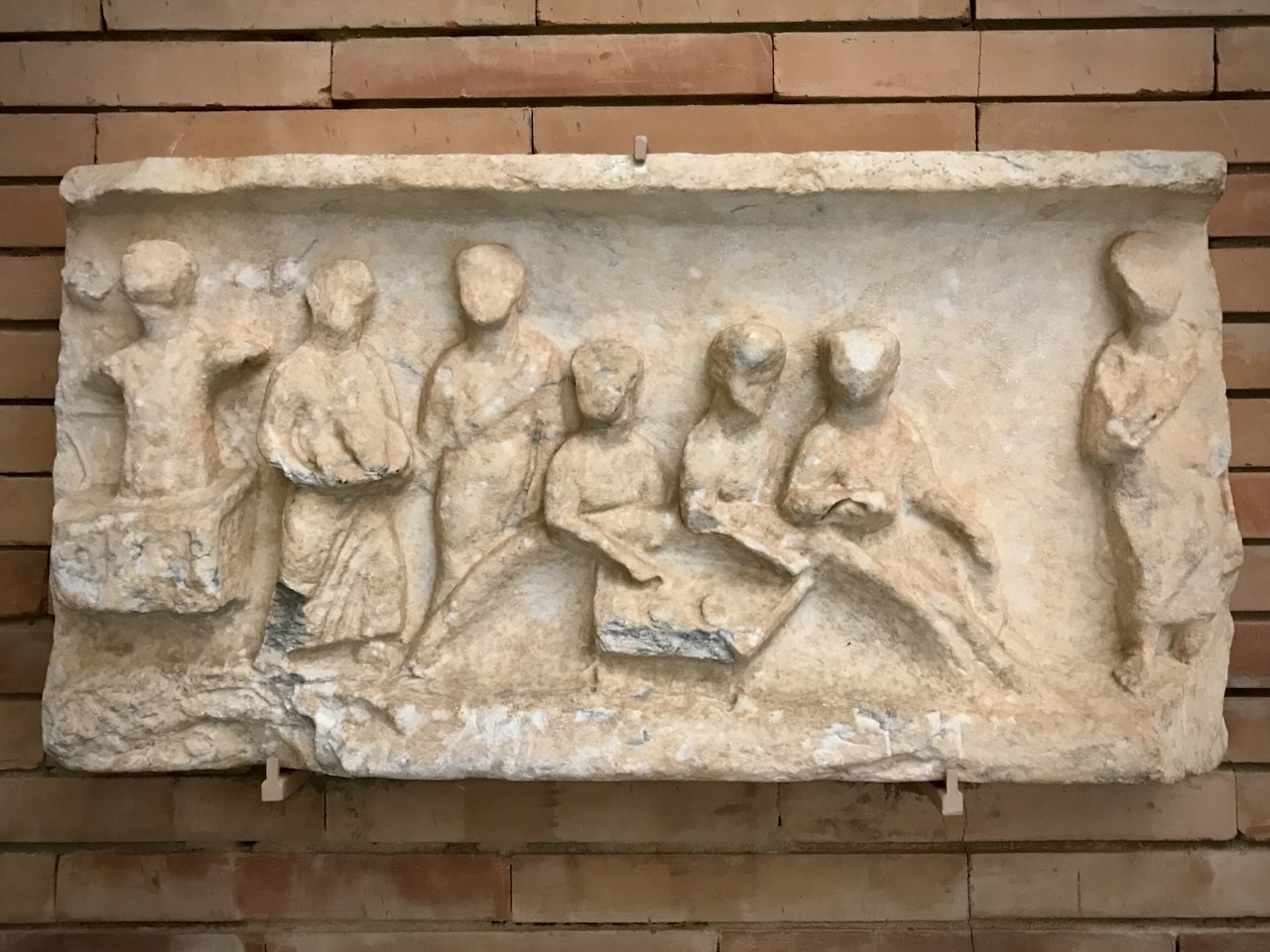
This scene of a feast from Mérida shows three persons at a table with other people standing beside them, one holding a bull’s head on a plate.

Jaime Alvar speculates that the Gran Mitreo de Mérida could have been located in this area, based on a series of materials unearthed by Mélida during the excavations of 1926 and 1927.
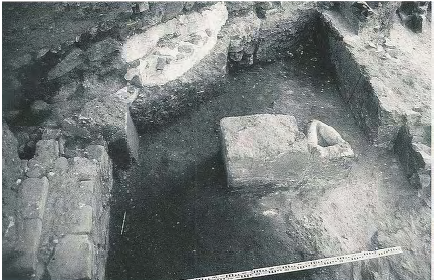
The Mithraeum at Espronceda Street, in Merida, was discovered in 2000. It is a semi-subterranean temple.

The exploration of an old pazo, a manor house, near the Roman wall, in Lugo, led to the discovery of a Roman domus, which existed continuously from the beginnings of the Christian Era until the Late Empire.
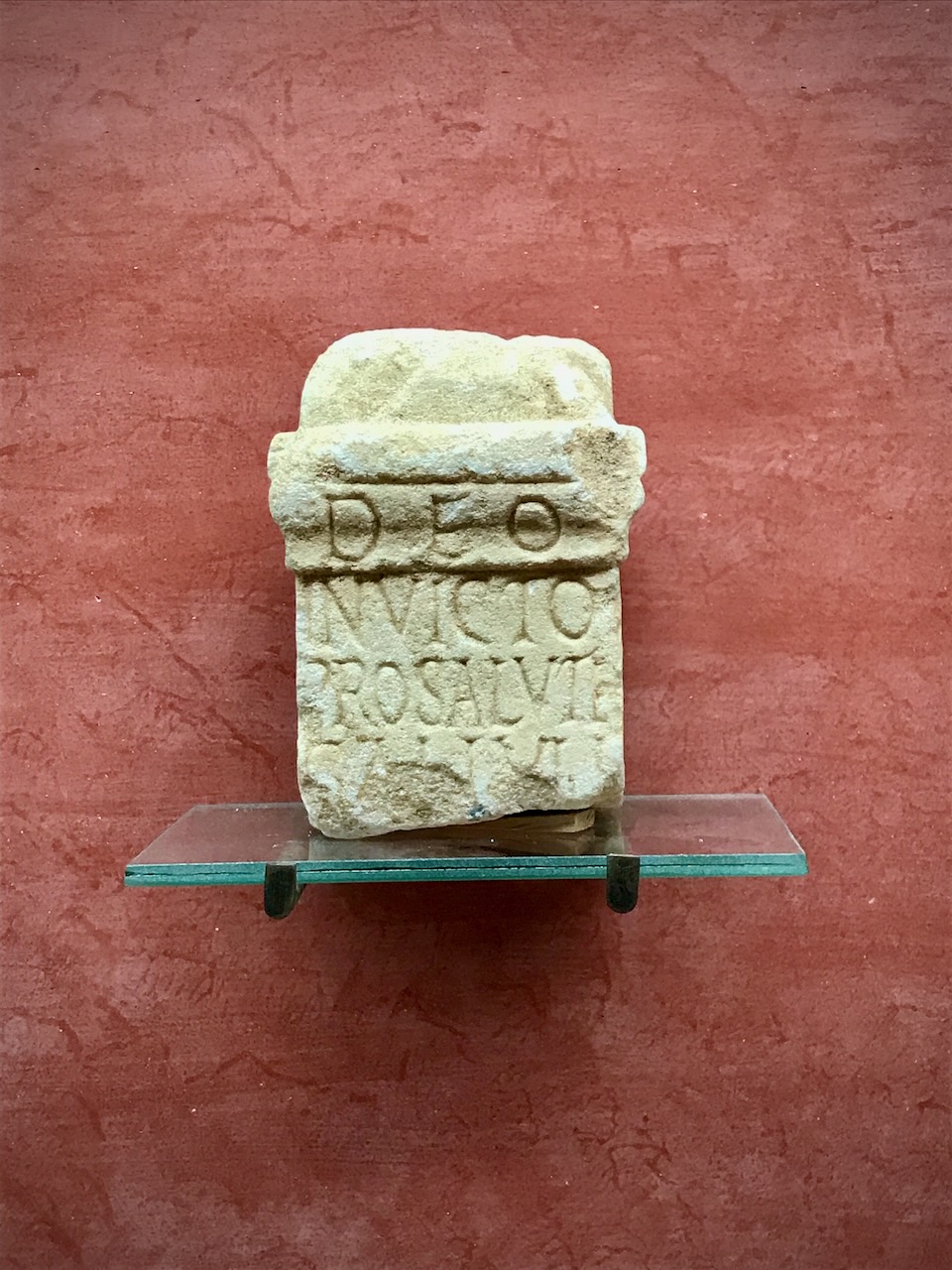
The small Mithraic altar found at Cerro de San Albin, Merida, bears an inscription to the health of a certain Caius Iulius.
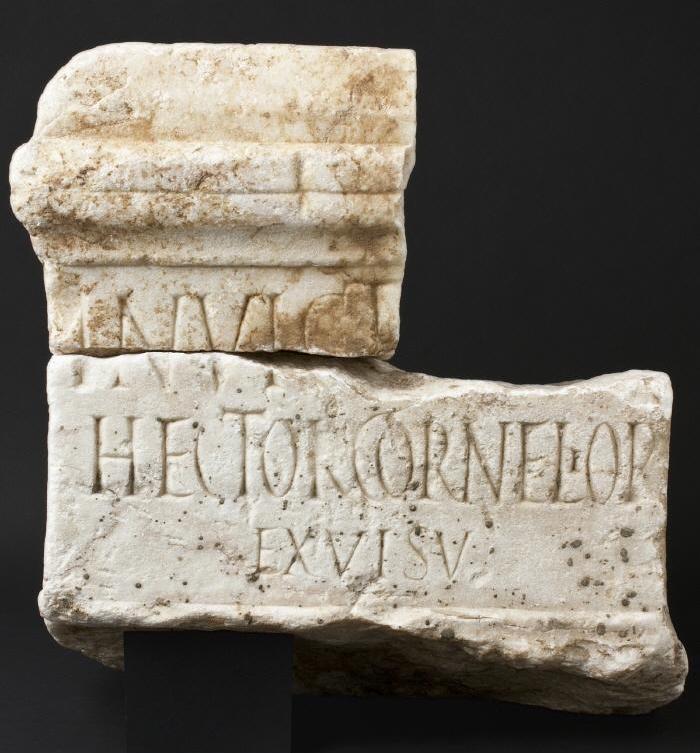
This fragmented altar was found in two pieces that Ana Osorio Calvo has recently brought together.
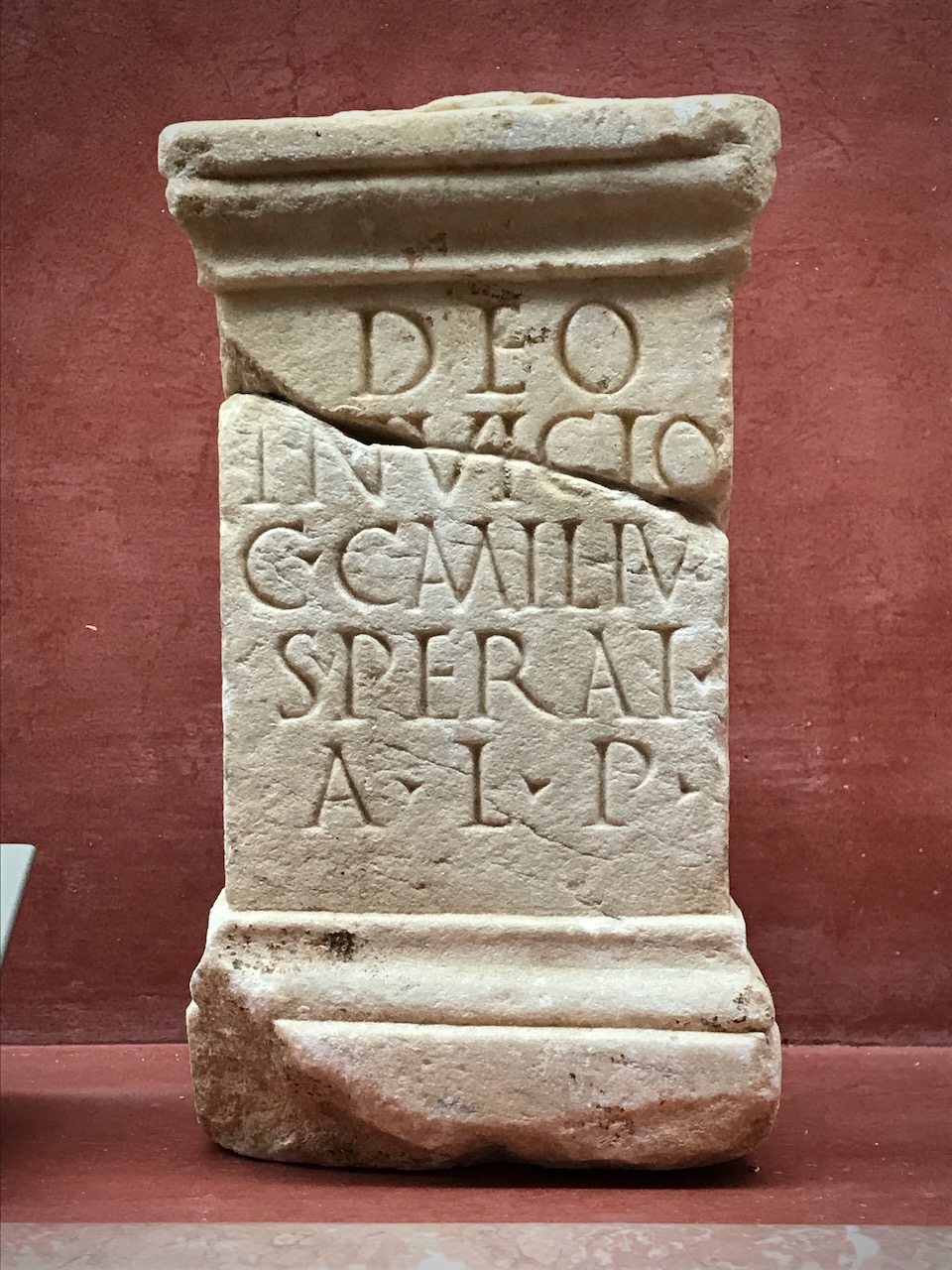
Small white marble altar made in honour of Mithras found at San Albín, Mérida.
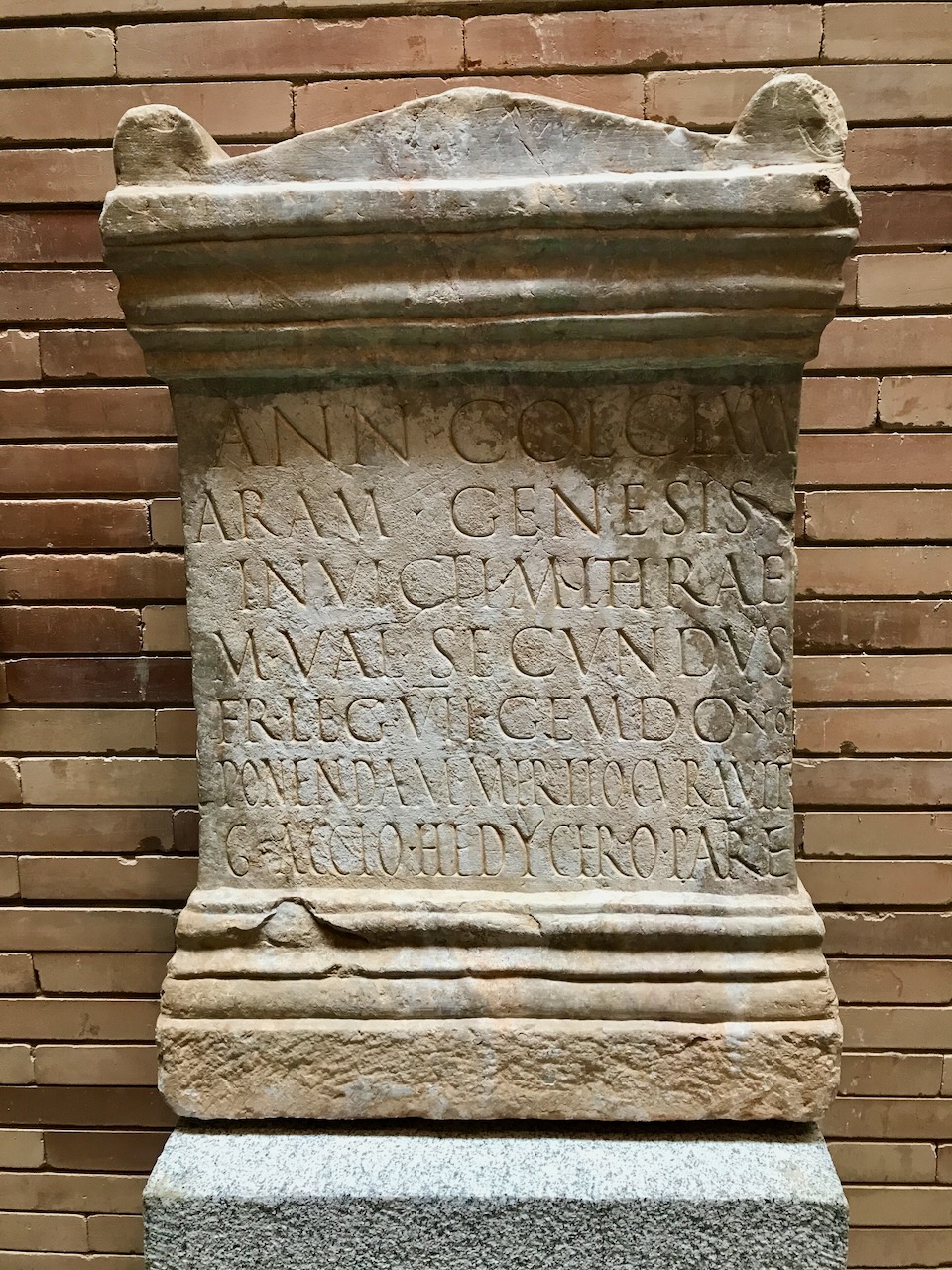
This altar is dedicated to the birth of Mithras by a frumentarius of the Legio VII Geminae.
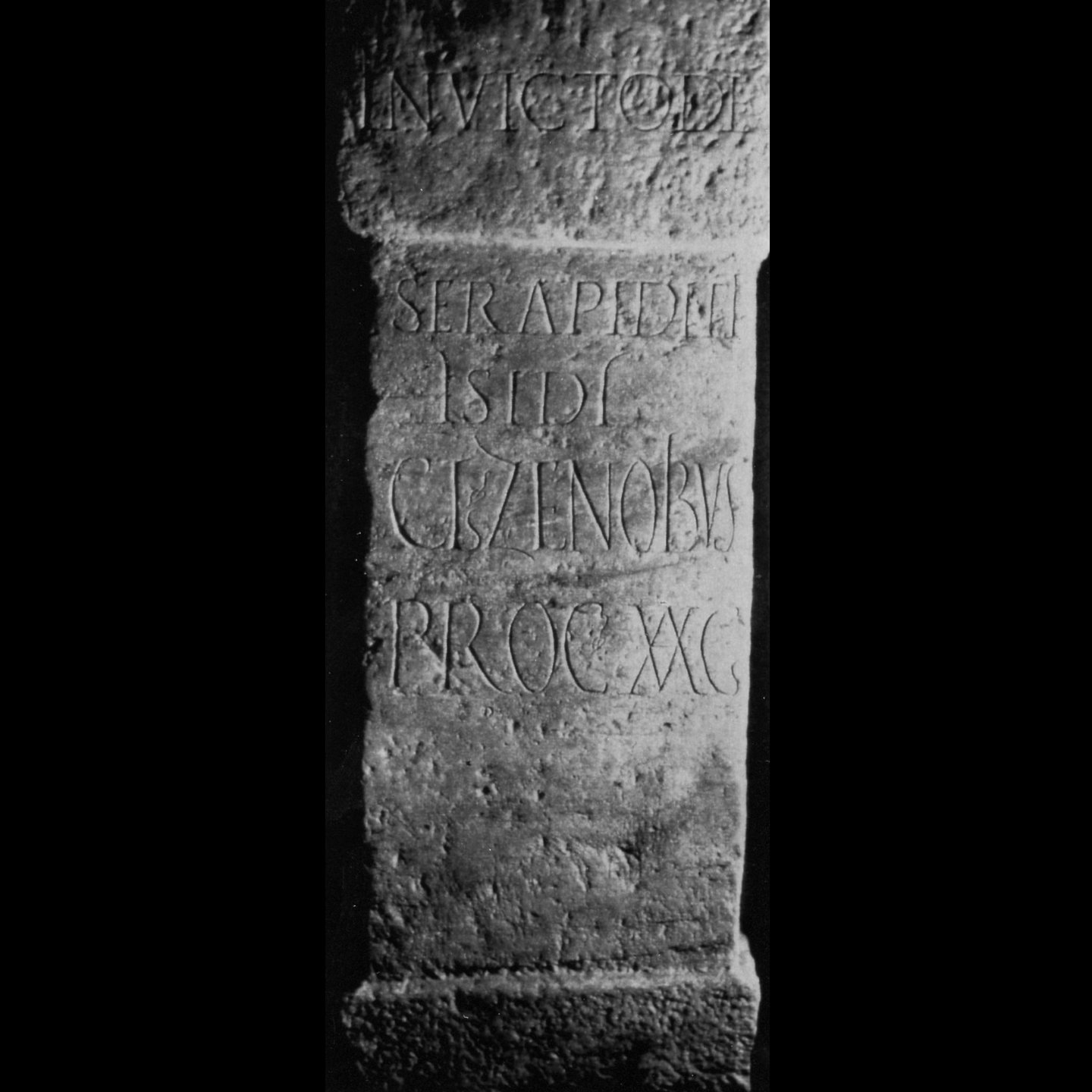
This slab dedicated to the invincible god, Serapis and Isis by Claudius Zenobius was found in 1967 in the walls of the city of Astorga, Spain.
