Your selection in monuments gave 60 results.

This fragmentary inscription from Zuccabar, reused in the wall of the Sidi Abd-el-Kader mosque at Affreville, preserves a dedication to Sol Invictus.
This inscription shows that Publilius Ceionius, most distinguished man, dedicated a temple to Mithras at Mila, in the modern Constantina, Algeria.
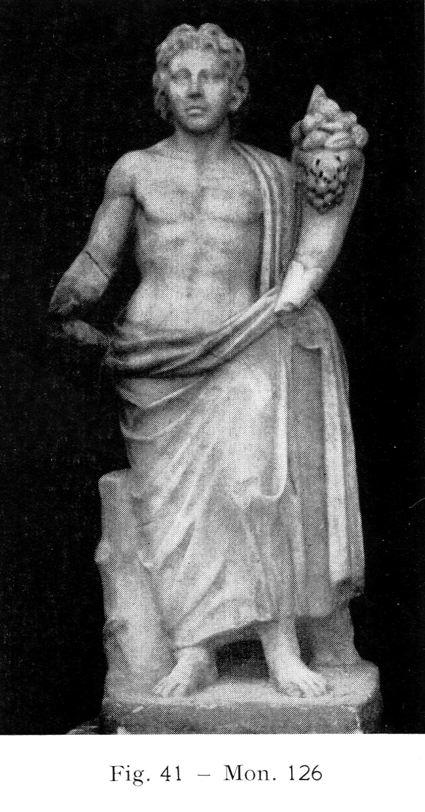
The statue of Skikda has seven holes in his hair for fastening rays.

Two marble statues of Cautes and Cautopates discovered in the Mithraeum of Rusicade, accompanied by symbolic animals including a lion, scorpion, dolphin and bird.

This altar, found in Tazoult تازولت, Algeria, was dedicated to the god Sol Mithras by a certain Florus.
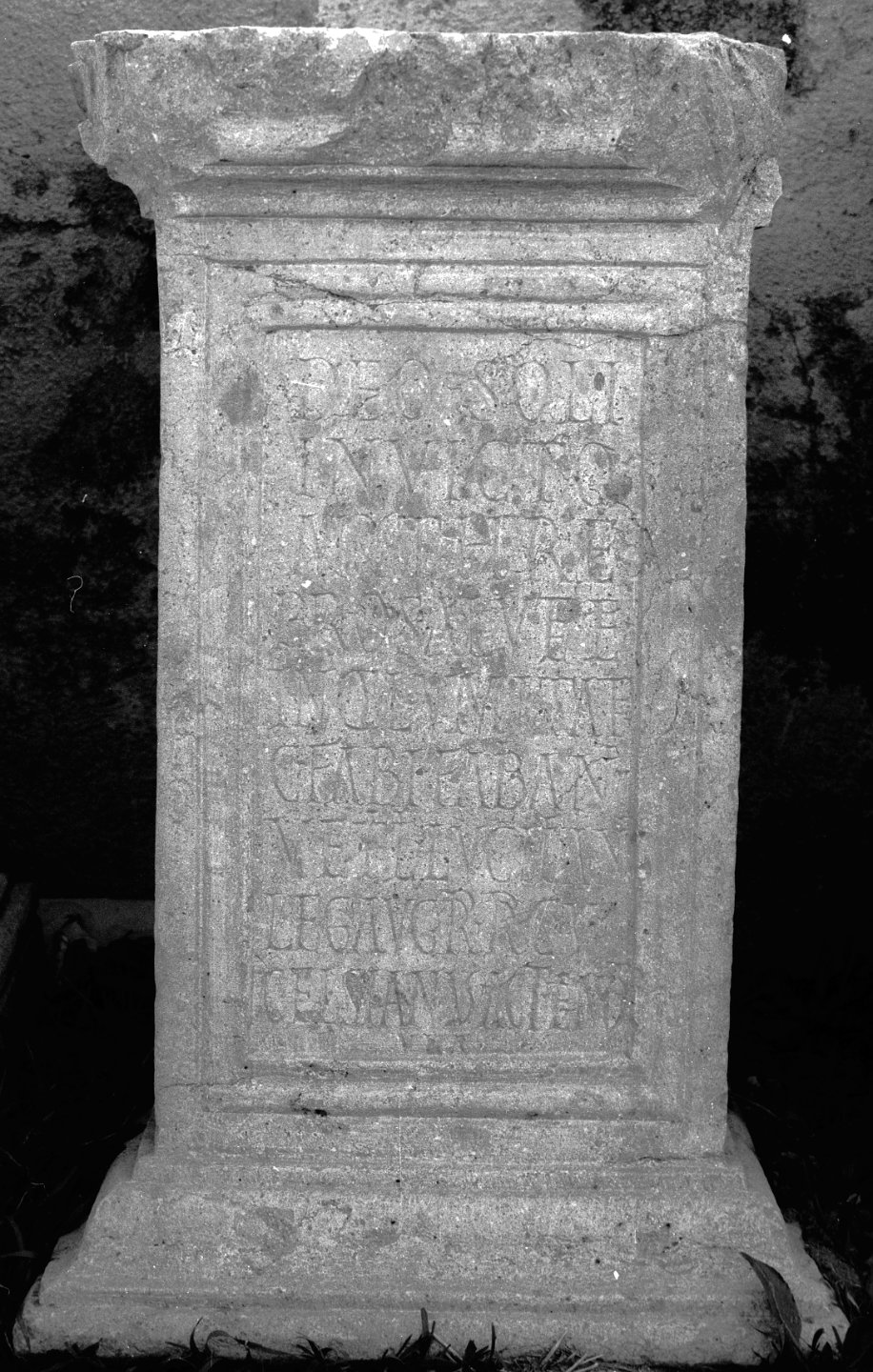
This altar found in Lambèse, now Tazoult, Algeria, bears the inscription of a certain Celsianus for the health of two men to the god Sol Unconquered Mithras.
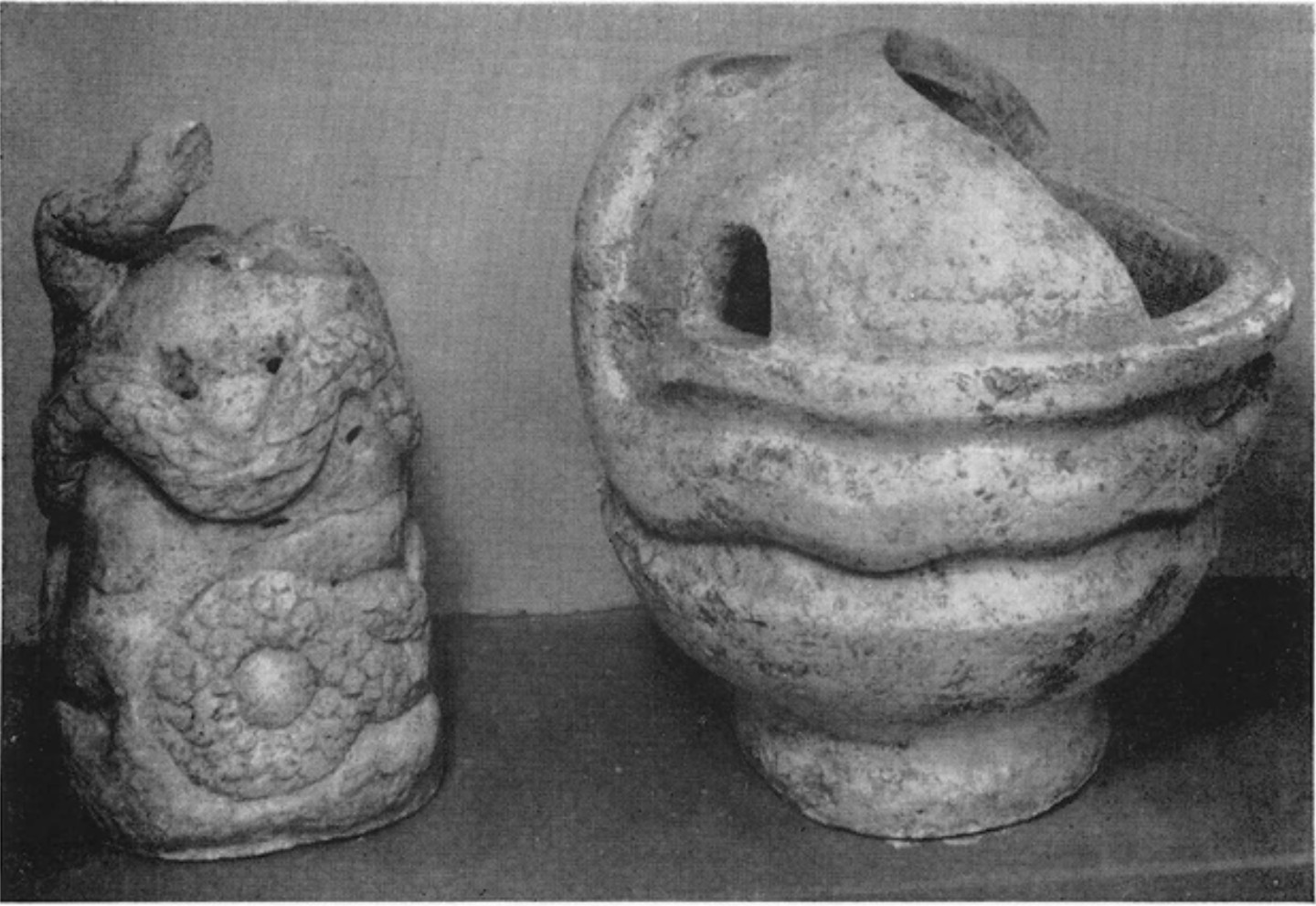
Both objects have a snake winding itself around them.

This altar was dedicated by a certain Marcus Aurelius Decimus to Sol Mithras and other gods in Diana, Numibia, present Argelia.

Slab found at Tazoult-Lambèse dedicated to the Unconquered god Sol Mithras by the governor of Numidia Marcus Aurelius Decimus.
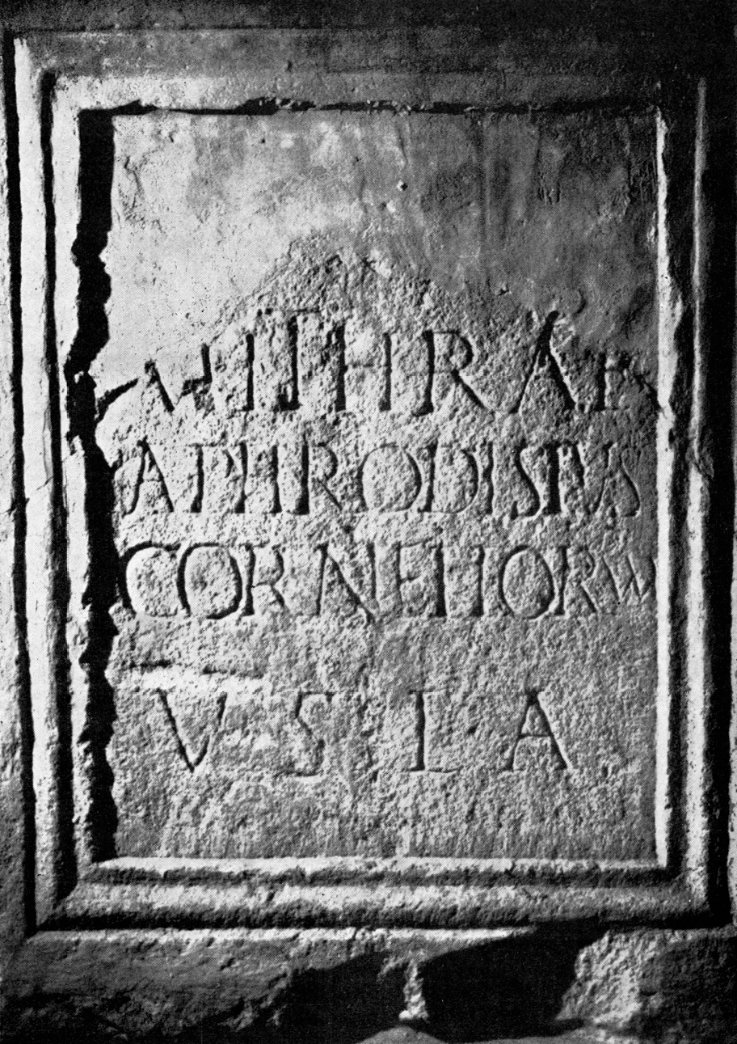
This inscription by a certain Aphrodisius was found under the old city hall of Algiers.
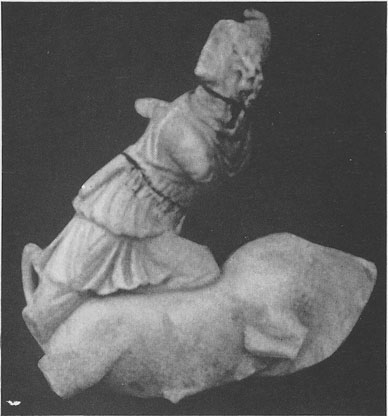
Fragment of a white marble statue of Mithras killing the bull from Rusicade, today Skikda, Algeria.
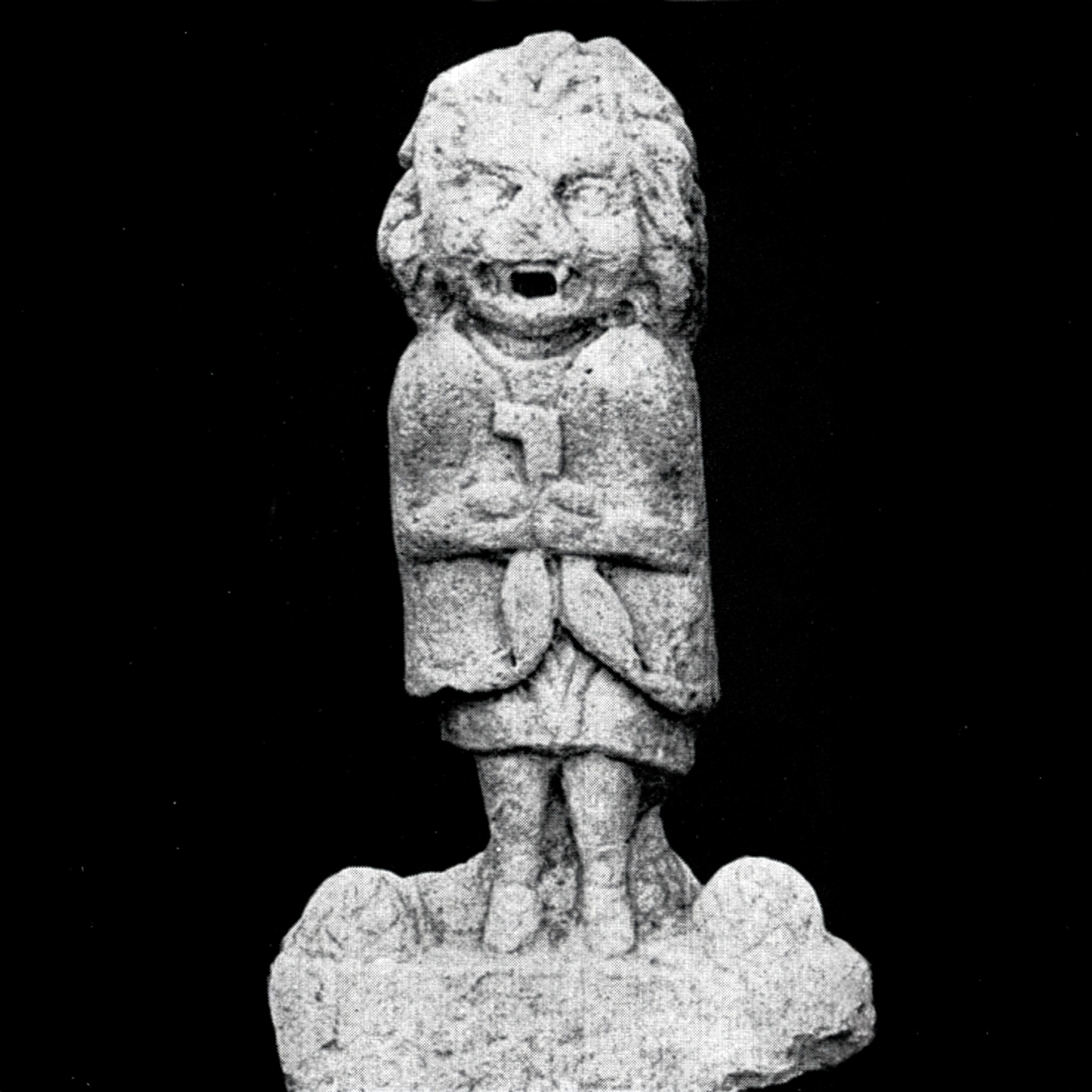
The lion-headed figure from Rusicade, now Skikda, holds a key in both hands and features a pine cone beside his feet.

This second relief depicting a phallus from Tiddis, Algeria, has been positioned alongside its counterpart atop pillars that greet visitors to the Mithras shrine.
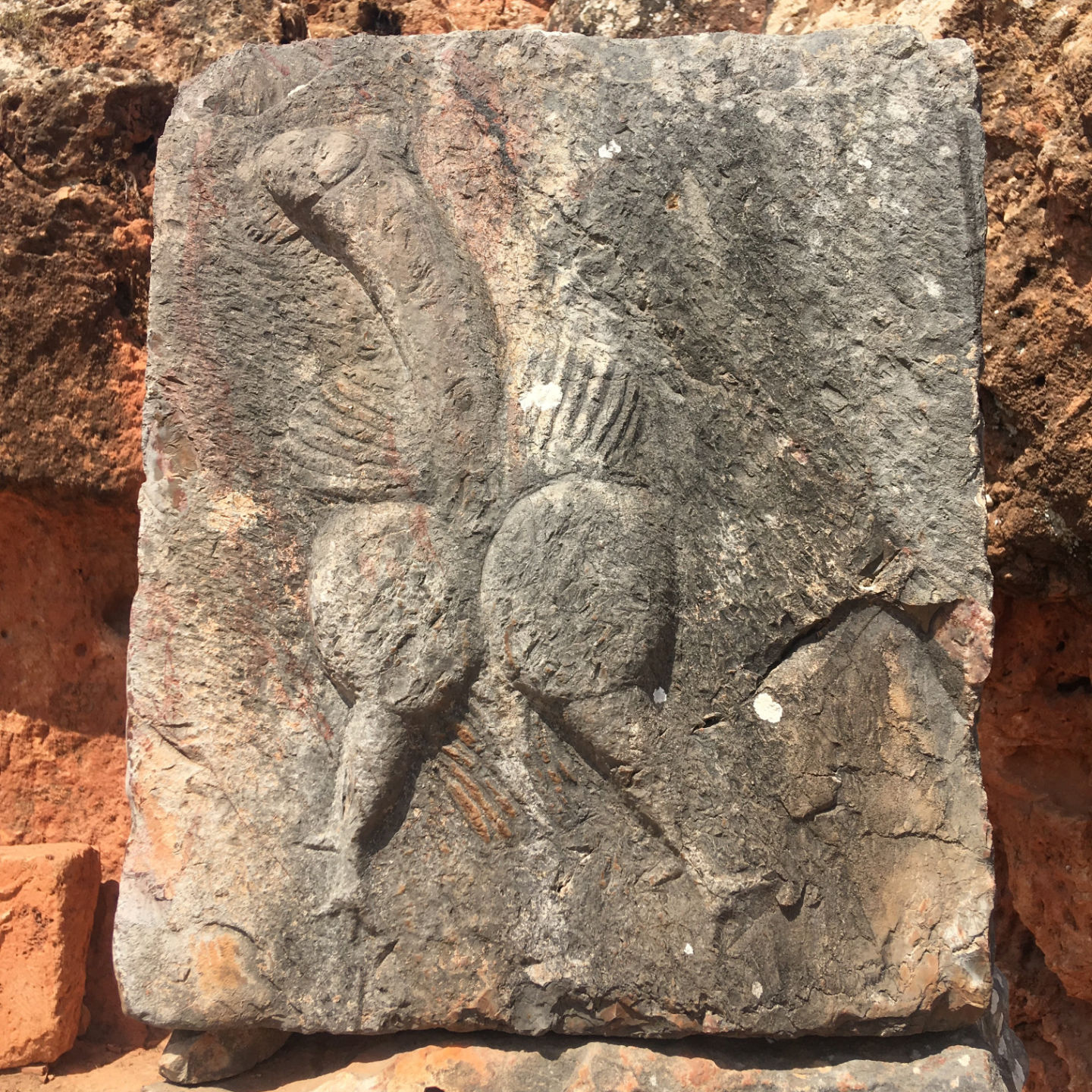
The phallus from Tiddis, Algeria, has been represented as a cock.
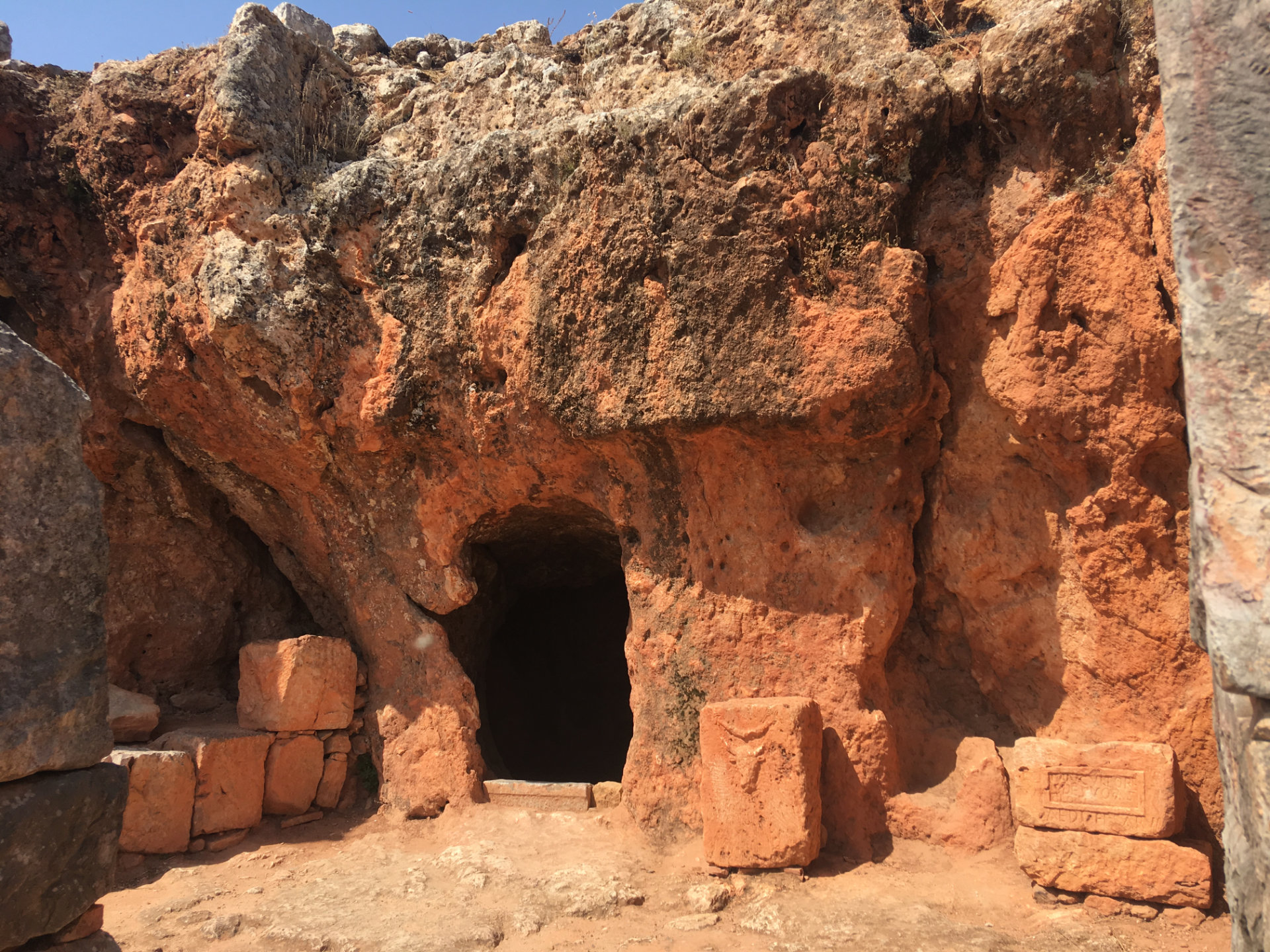
The Mithraeum was housed in a cave. The vault is almost dome-shaped and in front of the cave there is enough space for a possible adjacent temple.
Small marble head probably of Mithras tauroctonus from Leptis Magna, now Khoms.
Statue of a standing person in eastern attire in red, local limestone with inscription.
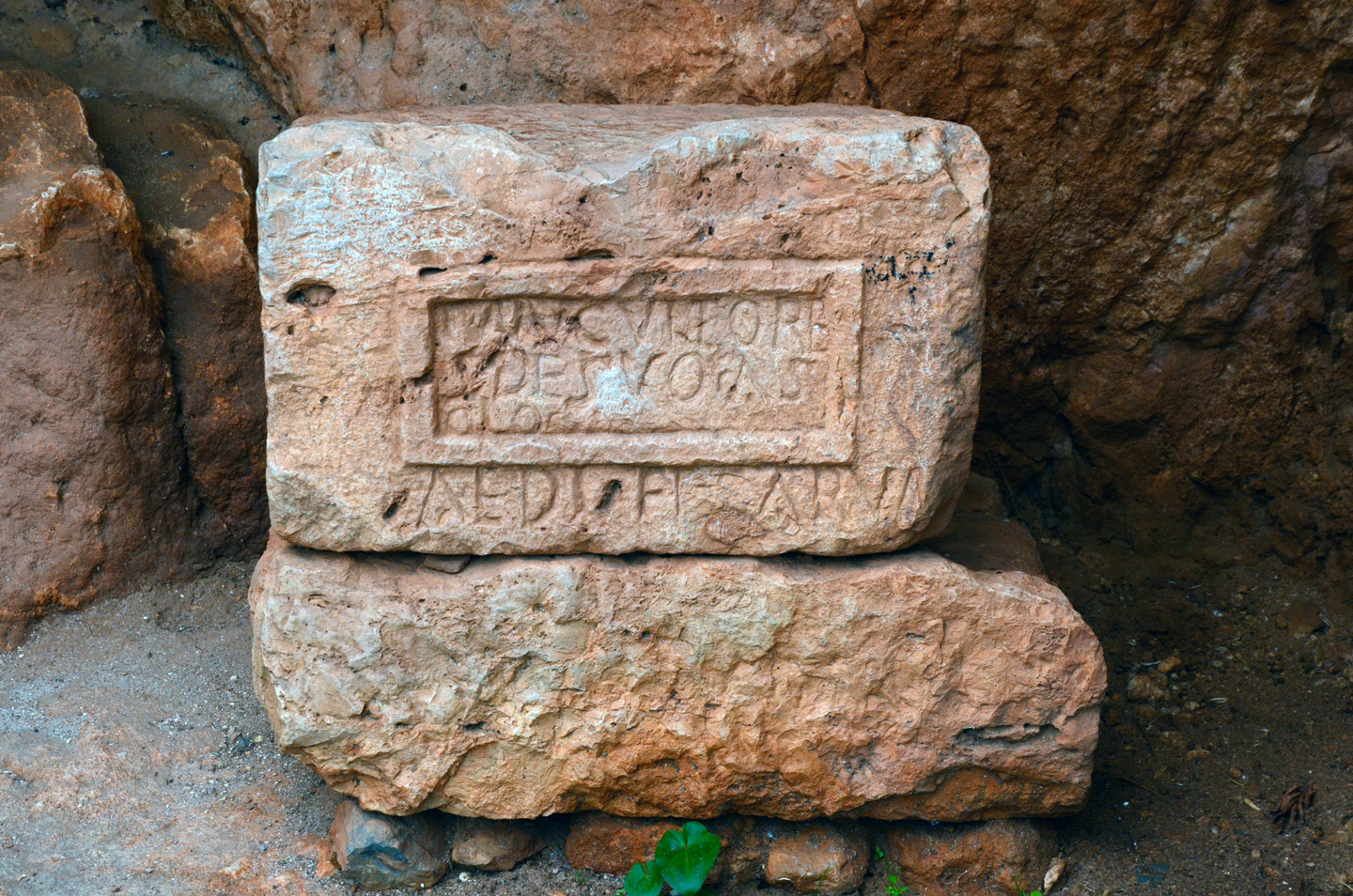
Inscription recording the dedication of a mithraeum at Tiddis by a group of cultores who built the sanctuary at their own expense.

An inscription mentioning a speleum decorated by Publilius Ceionius suggests the location of a mithraeum in Cirta, the capital of Numidia.
Dedication from Simitthus mentioning the restoration of a monument and a vow fulfilled to Cautes and Cautopates during the reign of Caracalla and Julia Maesa.
