Your selection in monuments gave 176 results.
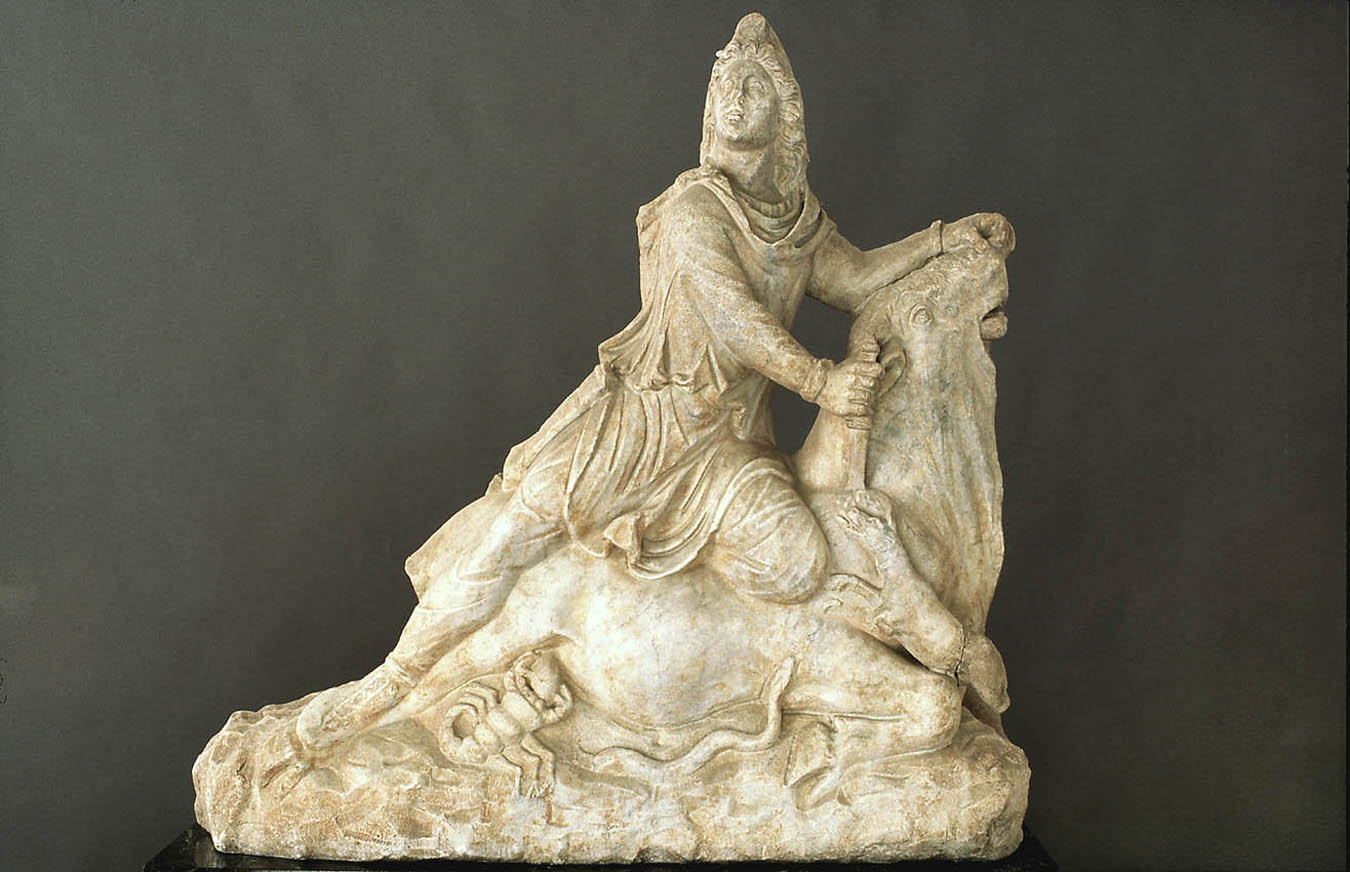
The Mithras of Cabra is the only full preserved Tauroctony sculpture found in Spain yet.
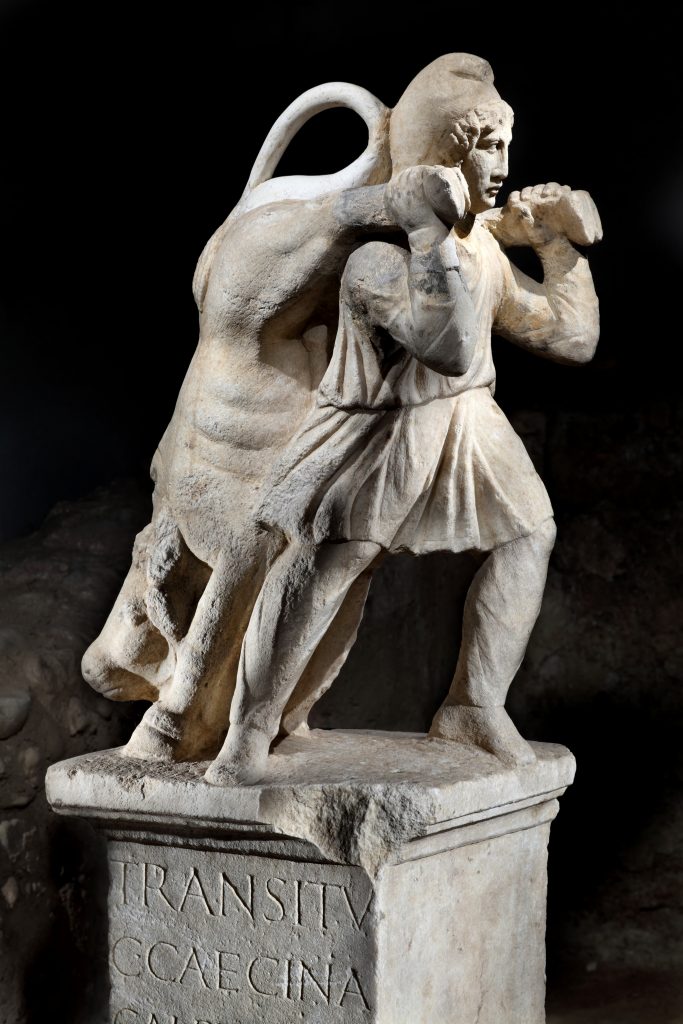
The sculpture of Mithras carrying the bull includes an inscription on its base.
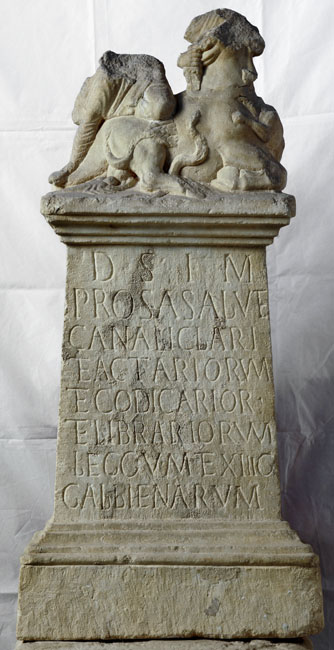
Remarkable fragmentary sculpture of Mithras slaying the bull on an inscribed altar found in Mithraeum III at Ptuj.
The statue of Mercury in Merida bears a dedication from the Roman Pater of a community in the city in 155.
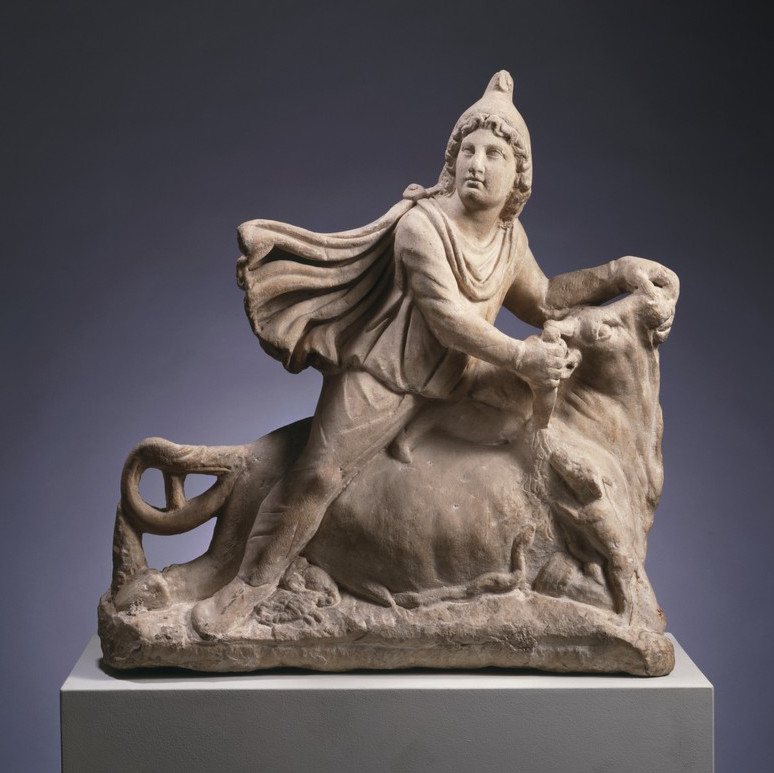
This sculpture of Mithras killing the bull may come from Rome, probably found in 1919.
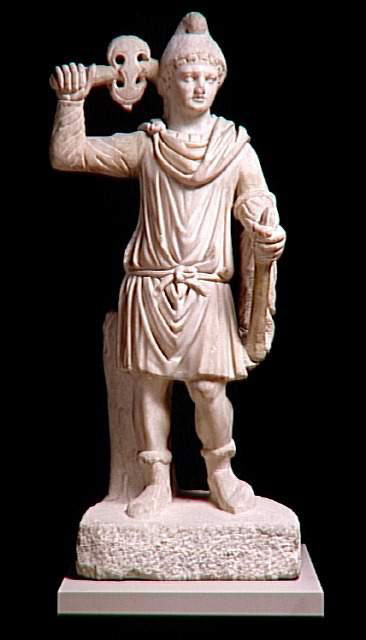
The Cautes of Sidon who wields an axe also wears a piece of cloth on his left arm.
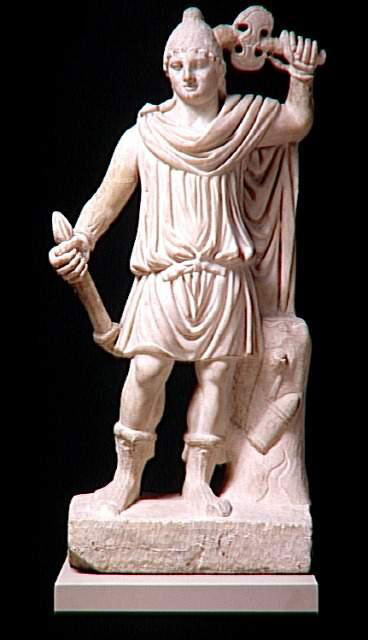
In this case, a quiver has been attached to the tree-stump behind the torchbearer.
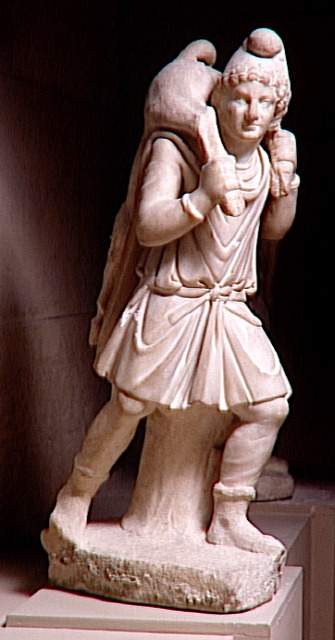
Sculpture depicting Mithras carrying a young bull on his shoulders.
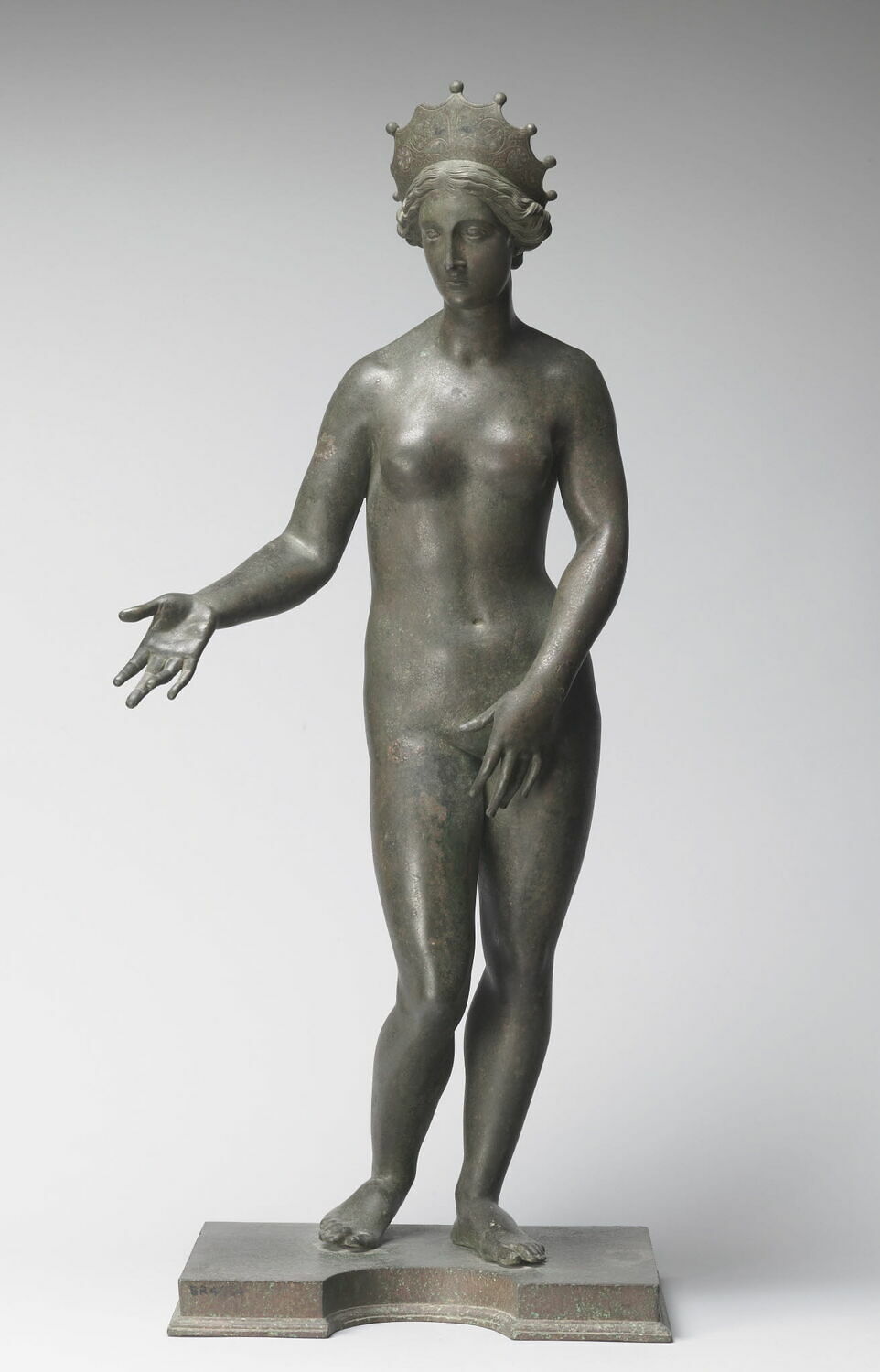
There are two Venus from the Mithraeum of Sidon, one in bronze and the other in Parian marble.
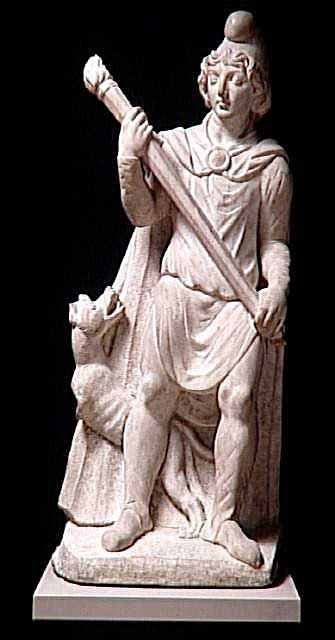
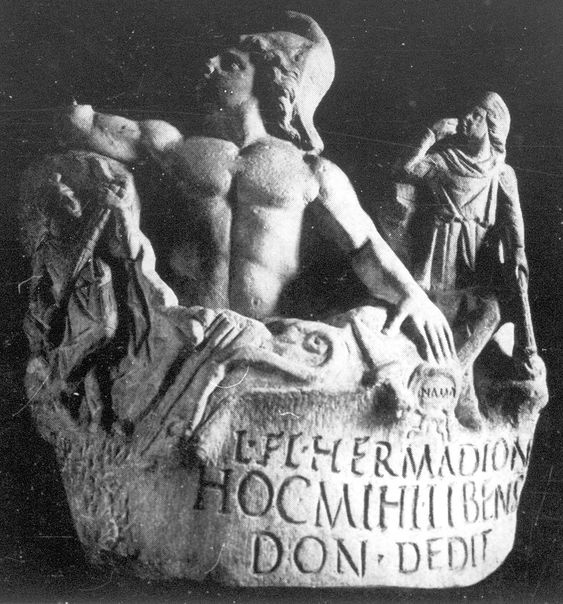
Mithras rock-born from Villa Giustiniani was holding a bunch of grapes in its raised right hand instead of a torch, probably due to a restoration.
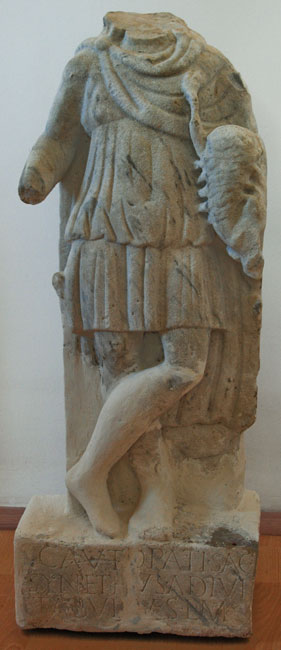
The Cautopates with scorpion found in 1882 in Sarmizegetusa includes an inscription of a certain slave known as Synethus.
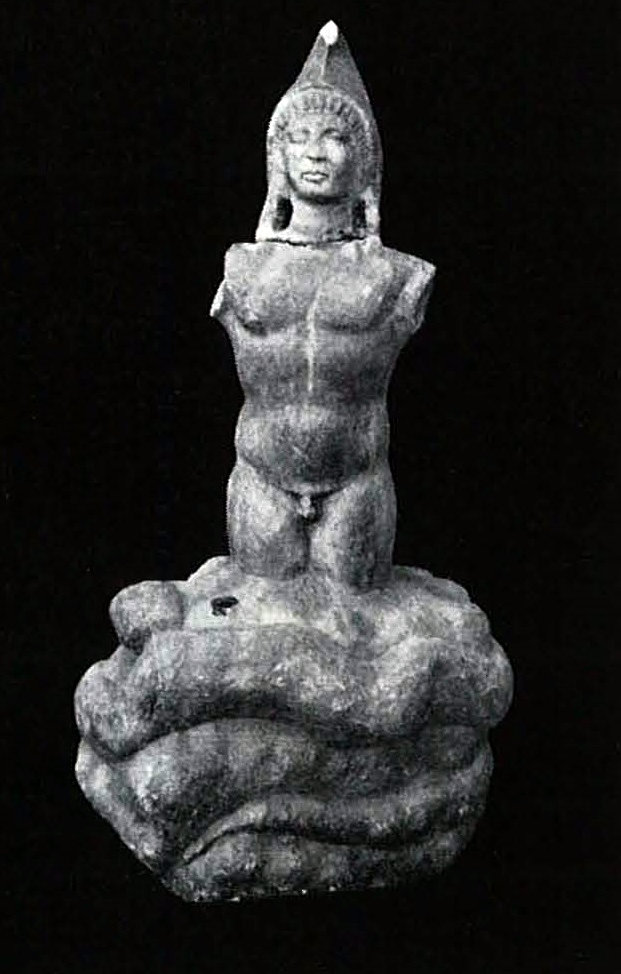
The rock of Mithra's birth in the Petrogenia of Sarmizegetusa is surrounded by a snake.
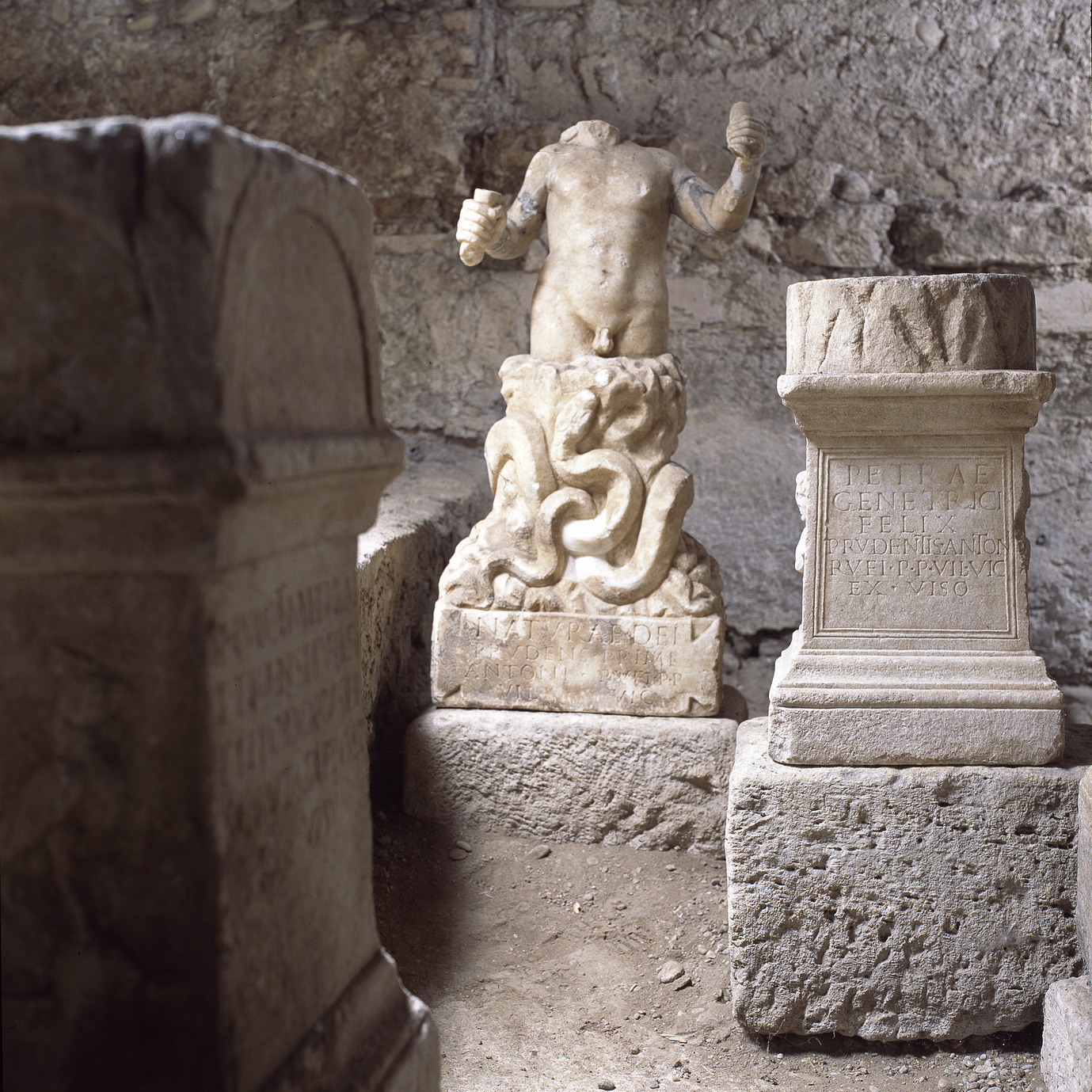
The sculpture includes a serpent climbing the rock from which Mithras is born.
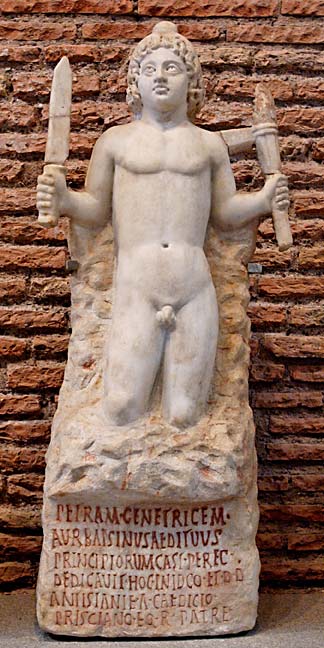
The sculpture of Mithras rock-birth from Santo Stefano Rotondo bears an inscription of Aurelius Bassinus, curator of the cult.
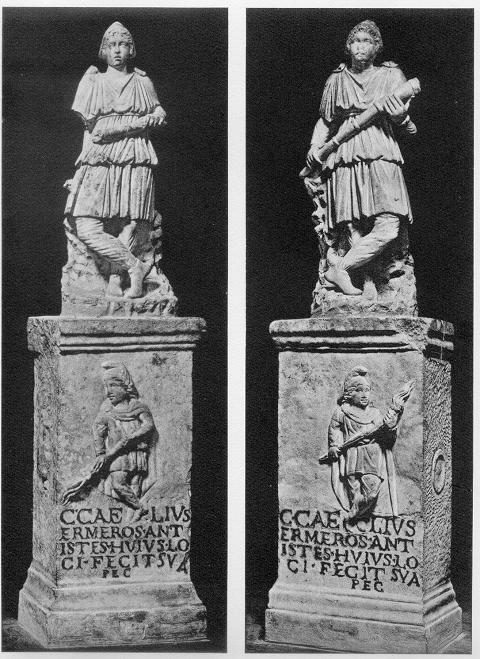
The sculptures of Cautes and Cautopates from the Mitreo del Palazzo Imperiale may have been reused from an older mithraeum in Ostia.
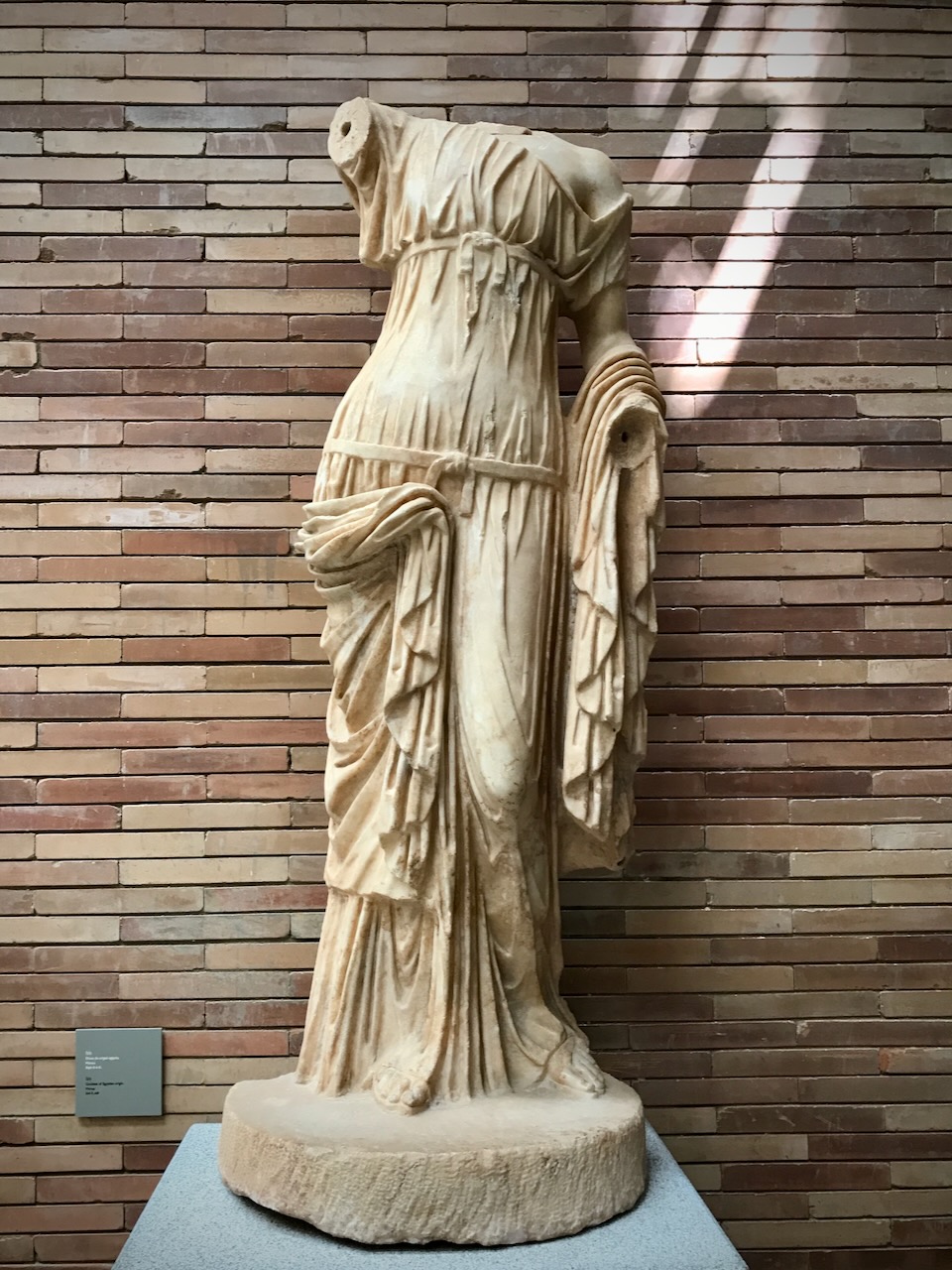
The Isis of Merida is covered by a long dress that reaches down to her feet.
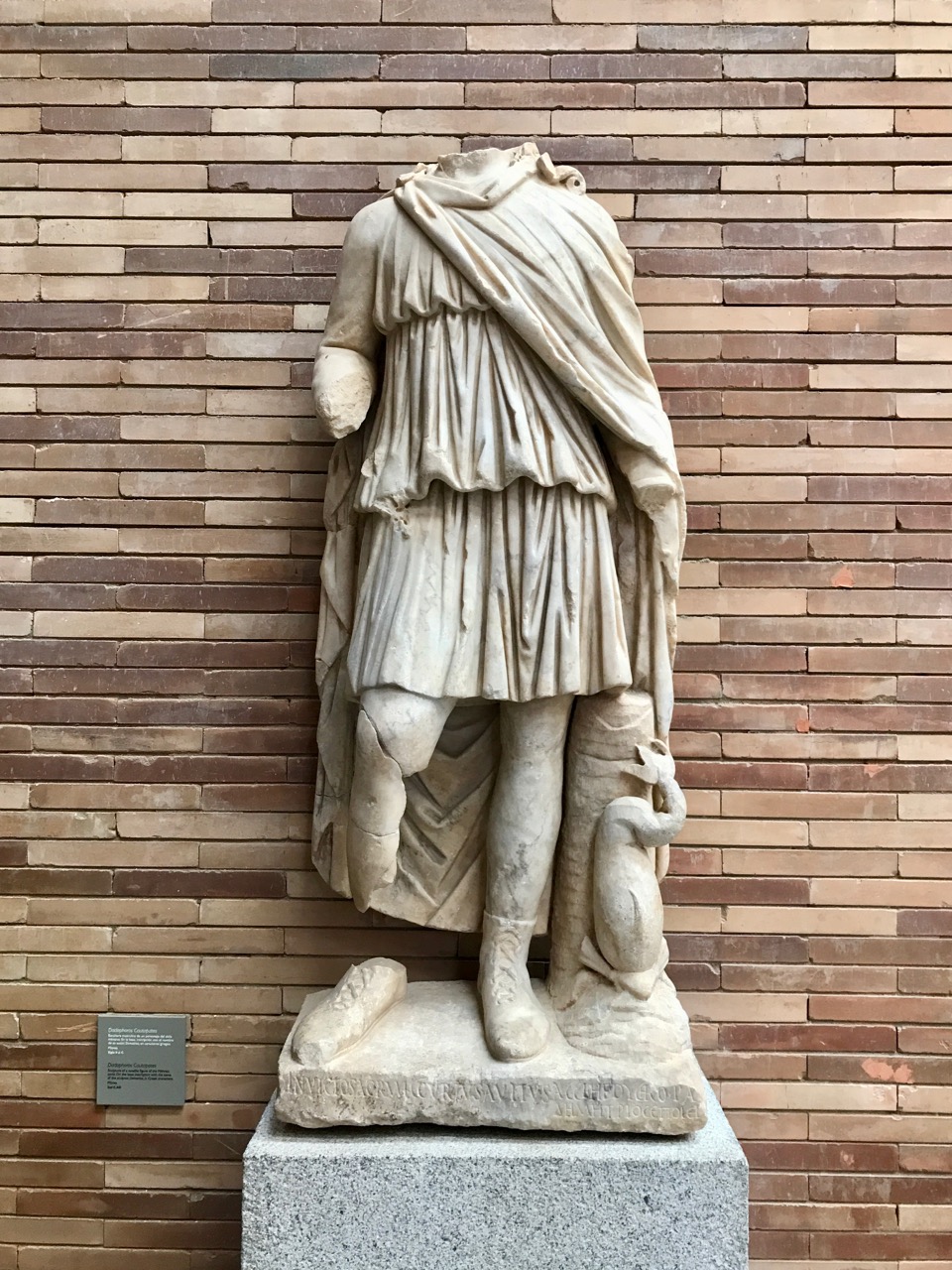
The sculpture of the solar god is signed by its author, Demetrios.
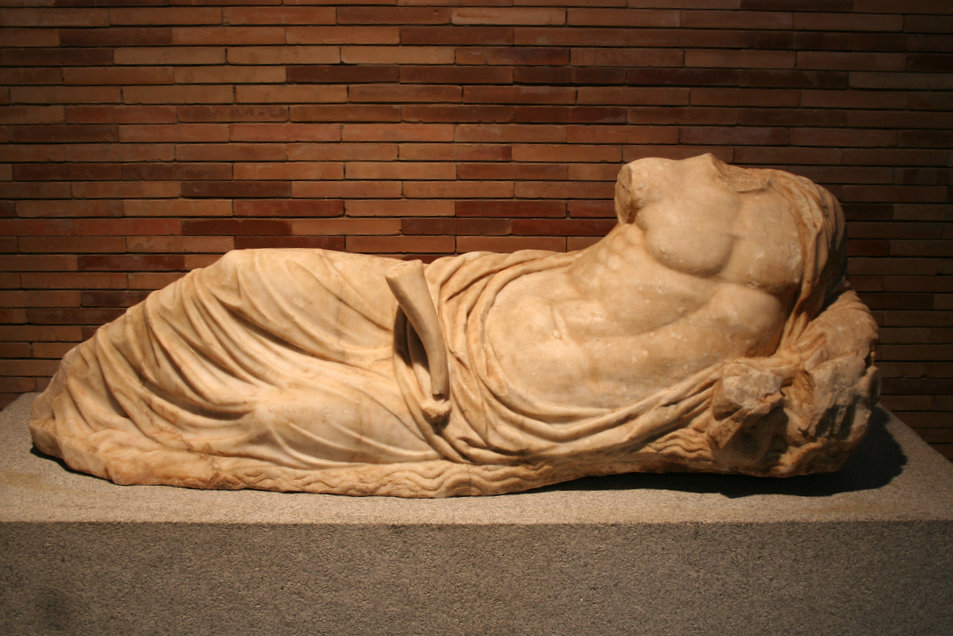
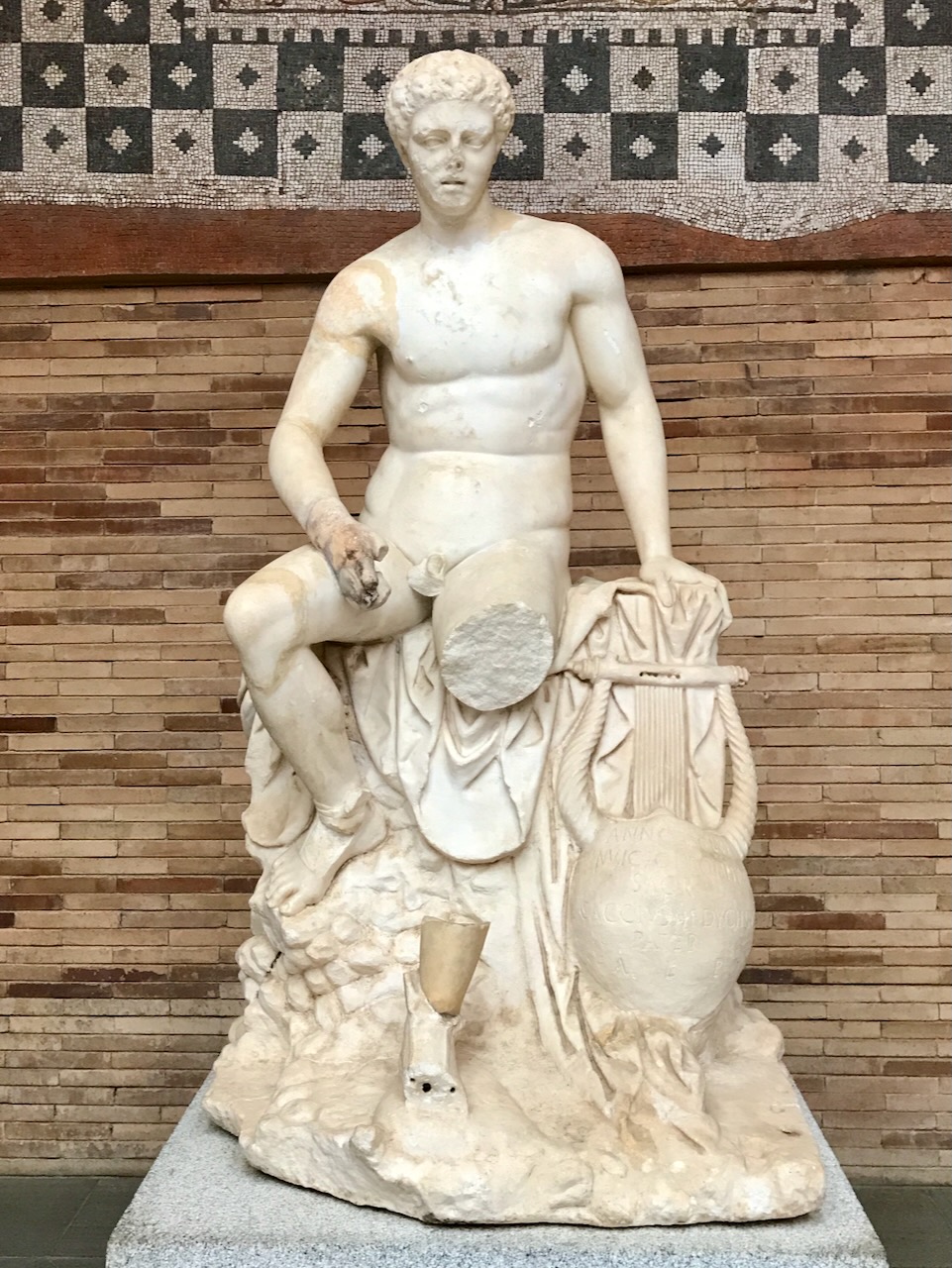
The sculpture of Oceanus in Merida bears an inscription by the Pater Patrorum Gaius Accius Hedychrus.
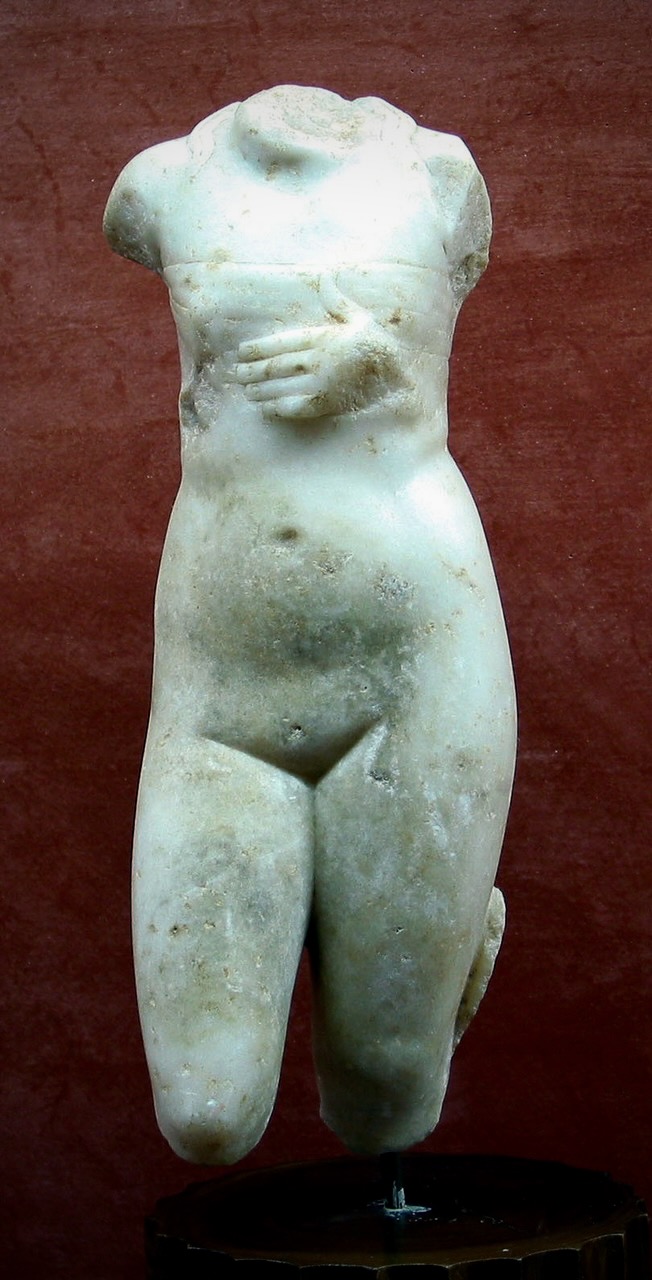
The lack of attributes and its decontextualisation prevent us from attributing a specific Mithraic attribution to this small Venus pudica from Mérida.
