Filtering by Mithraeum in monuments gave 193 results.
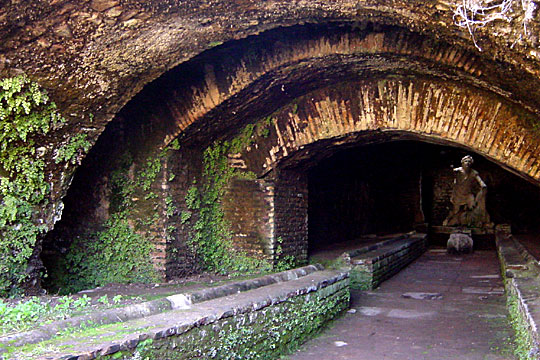
The Mithraeum of the terms of Mithras takes its name from being installed in the service area of the Baths of Mithras.
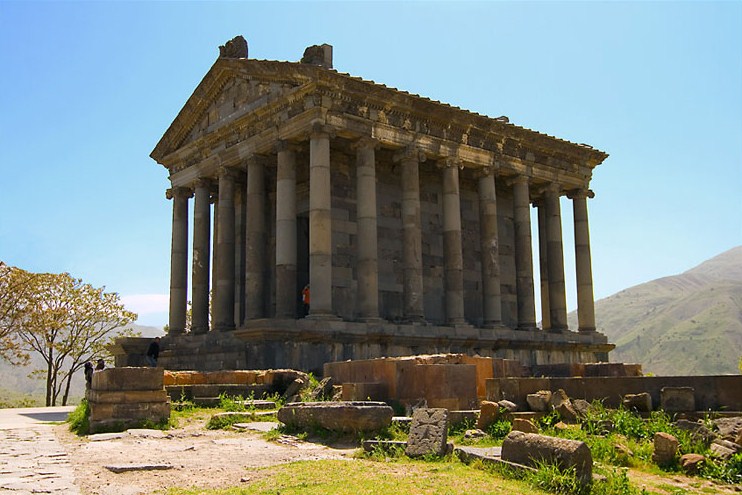
After Christianity was adopted, most pagan monuments were destroyed or abandoned. Garni, however, was preserved at the request of the sister of King Tiridates II and used as a summer residence for Armenian royalty.
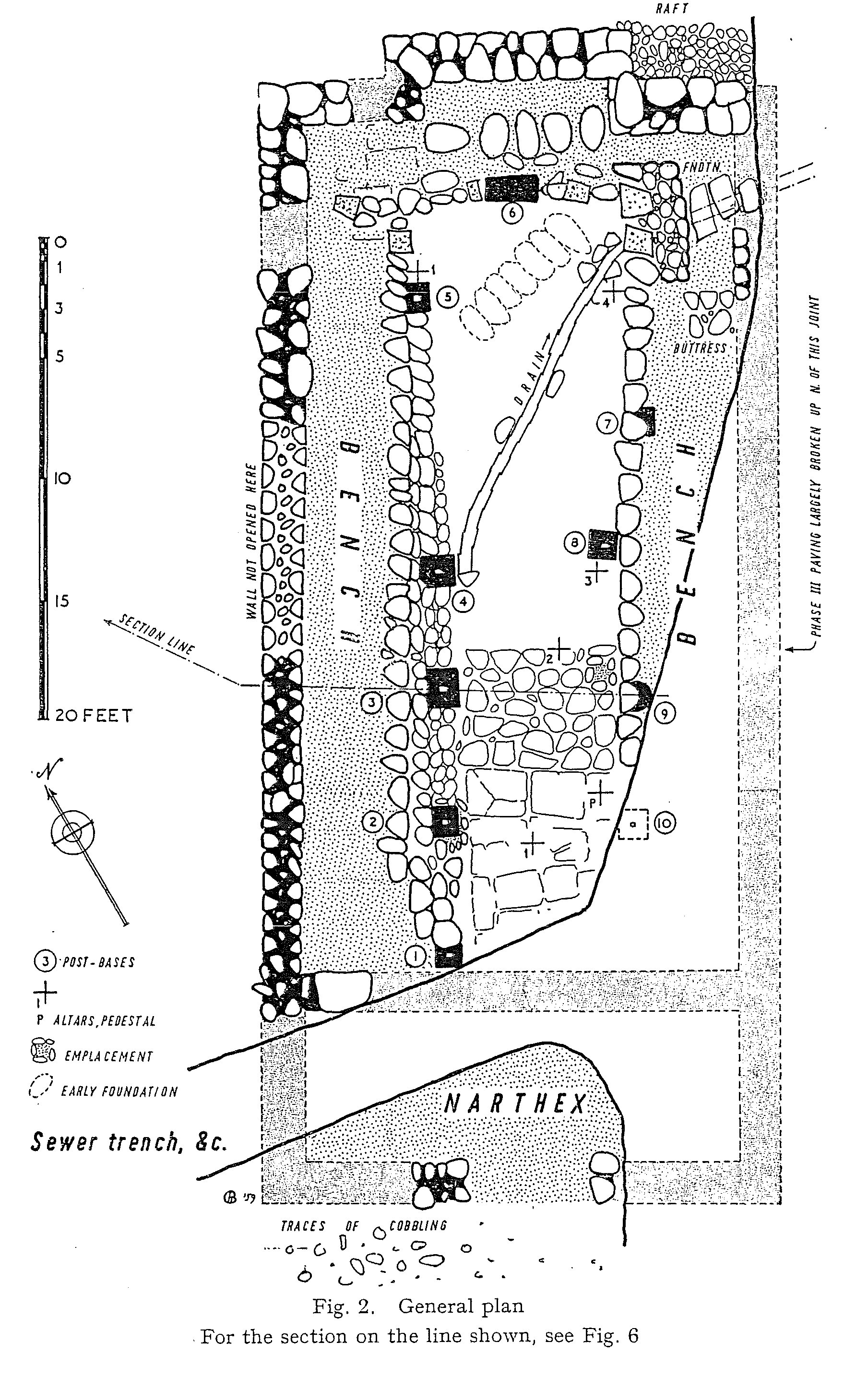
Mithraeum near the Roman fort of Segontium at Caernarfon, built around AD 200 and refurbished twice before being desecrated and burnt in the later 4th century.

Poorly documented Mithraic sanctuary discovered near the amphitheatre at Aquincum, identified from a group of five altars.
A small sanctuary at Neuenheim associated with a richly decorated Jupiter column and a nearby well.
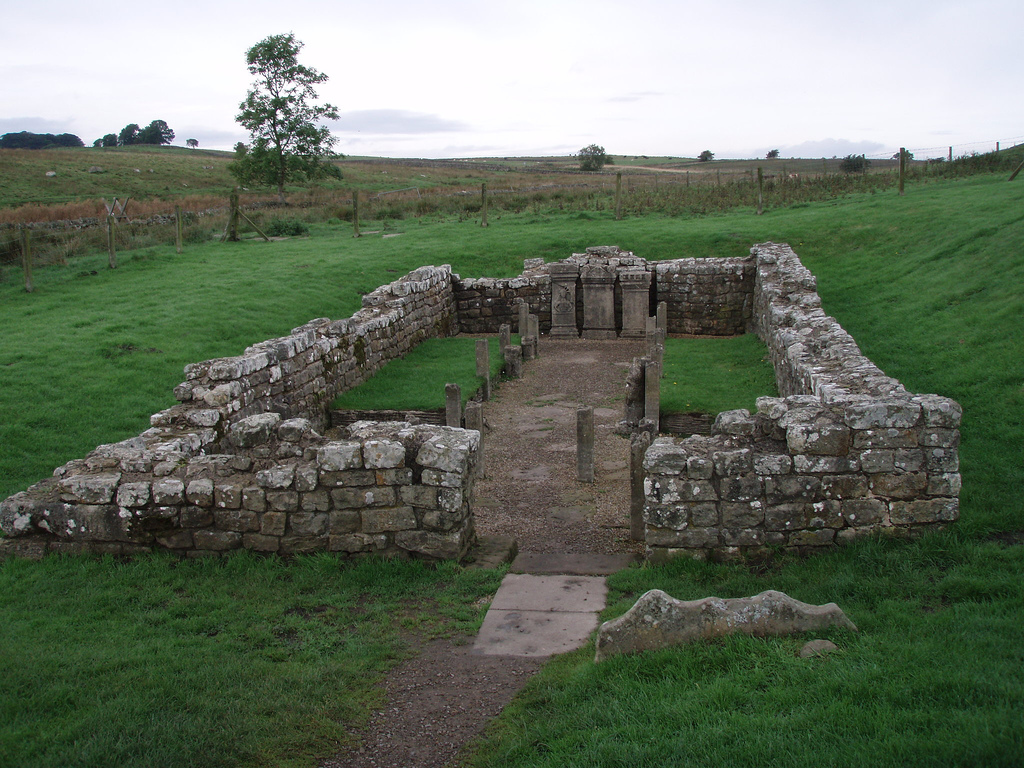
The temple of Mithras of Carrawburgh, Brocolita, disclosed three main stages of development, the second exhibiting two reconstructions.
The Mithraeum of Pamphylia was cut back into the rock to form a cave, with a separate relief of Mithras killing the bull.
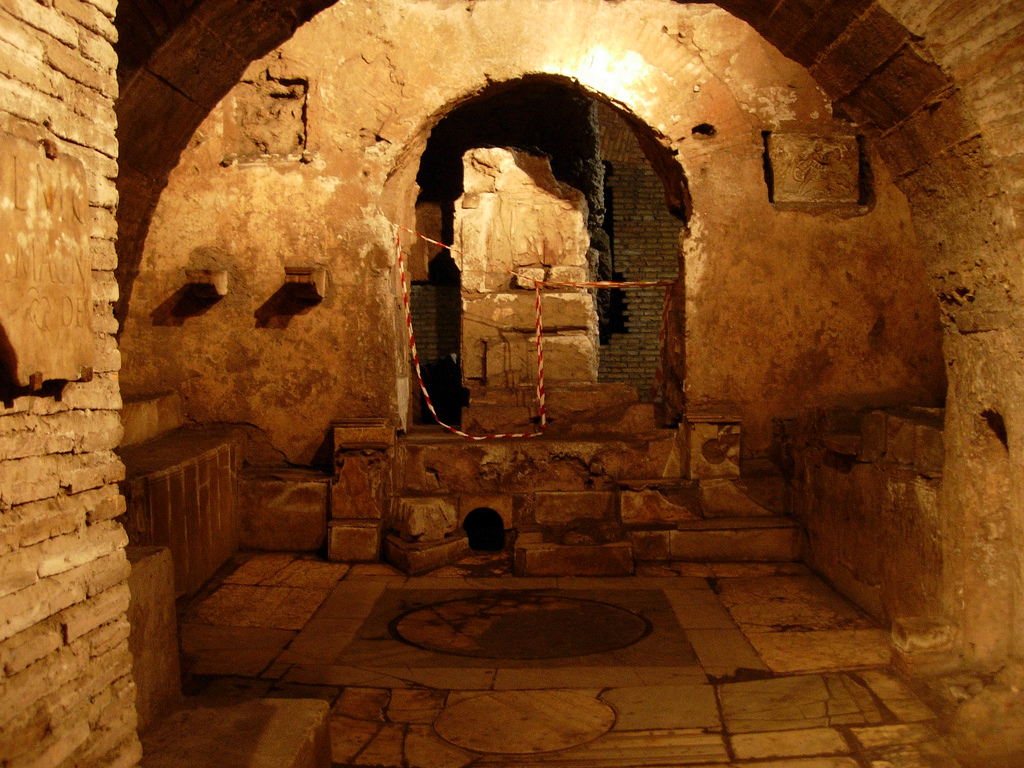
The Mithraeum near the Circus Maximus was discovered in 1931 during work carried out to create a storage area for the scenes and costumes of the Opera House within the Museums of Rome building.
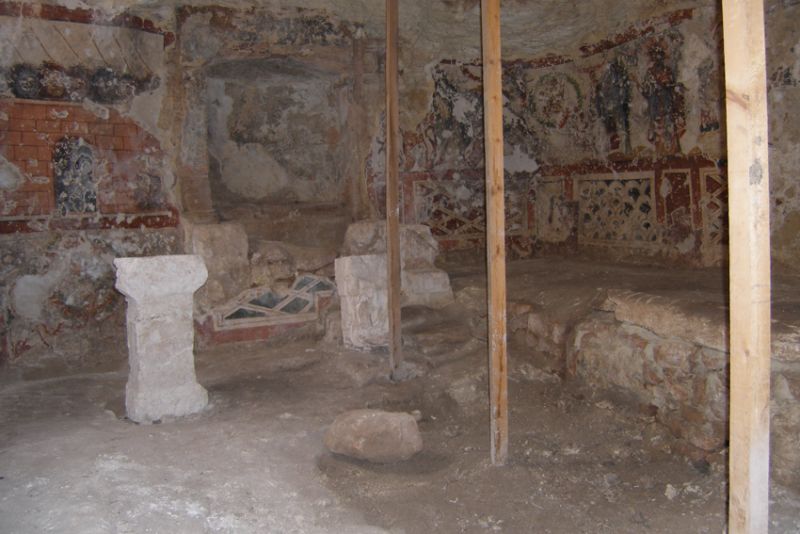
Late Roman Mithraeum beneath a fourth-century church, preserving one of the most extensive cycles of Mithraic wall paintings ever discovered.
Ptolemaic sanctuary of the Iranian god Mithra, probably located at ancient Memphis and known exclusively through third-century BCE Greek papyri.
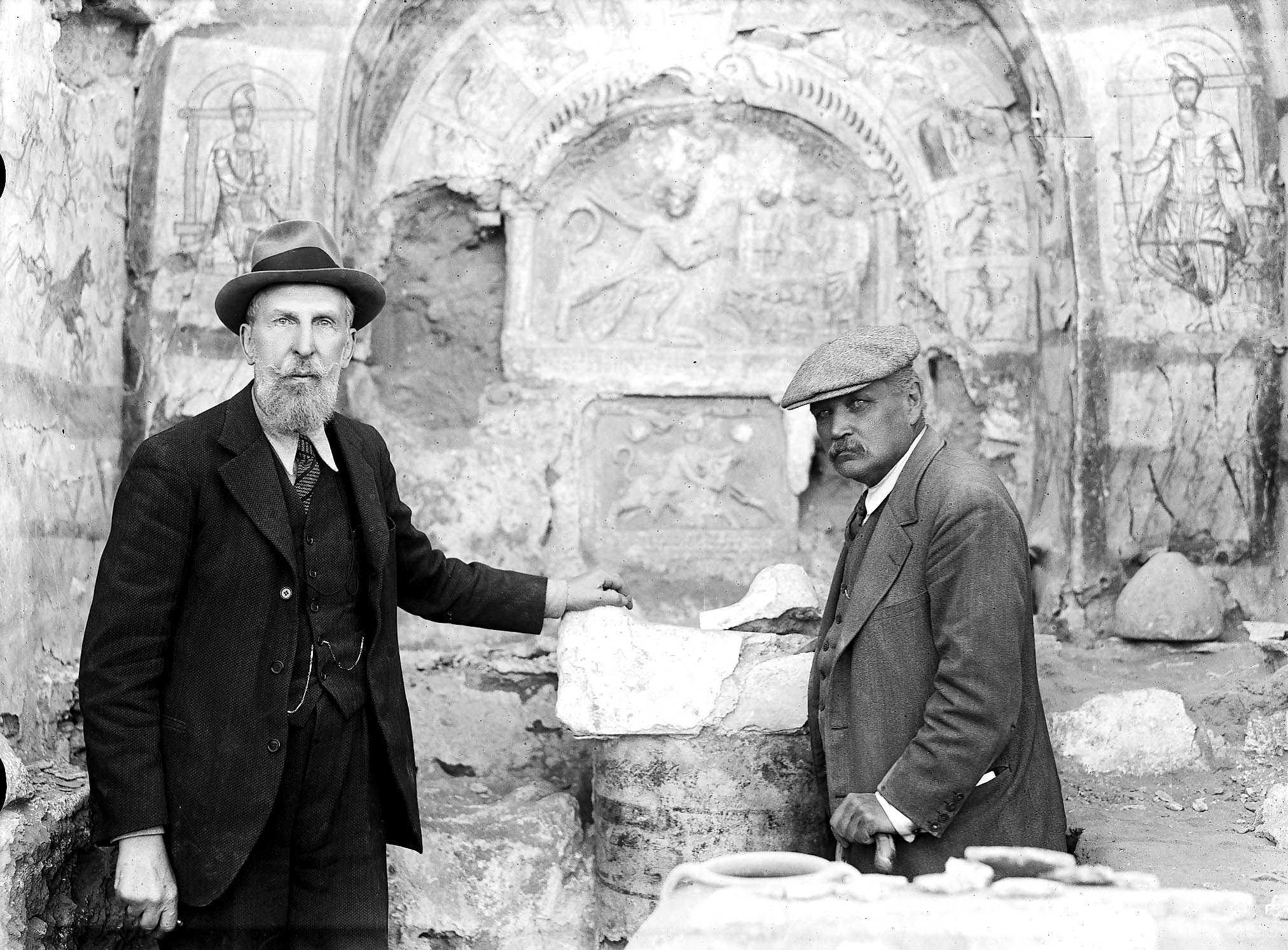
The most emblematic of the Syrian Mithraea was discovered in 1933 by a team led by the Russian historian Mikhaïl Rostovtzeff.
Roman Mithraeum at Kom Dafbaby, near ancient Memphis, poorly documented archaeologically but known through the remarkable group of Mithraic sculptures and reliefs recovered from the site.
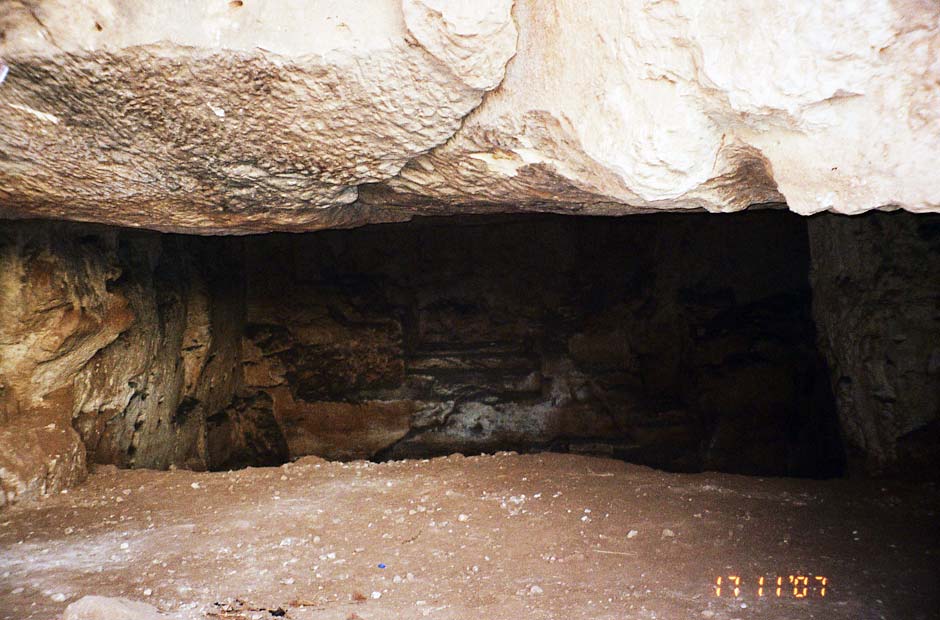
The Mithraea of Doliche, ancient Dülük, Turkey, are unique in that they represent two distinct shrines on the same site.
Discovered beneath the church of Vieu-en-Valromey in 1869, this Mithraeum formed part of the monumental religious centre of ancient Venetonimagus.
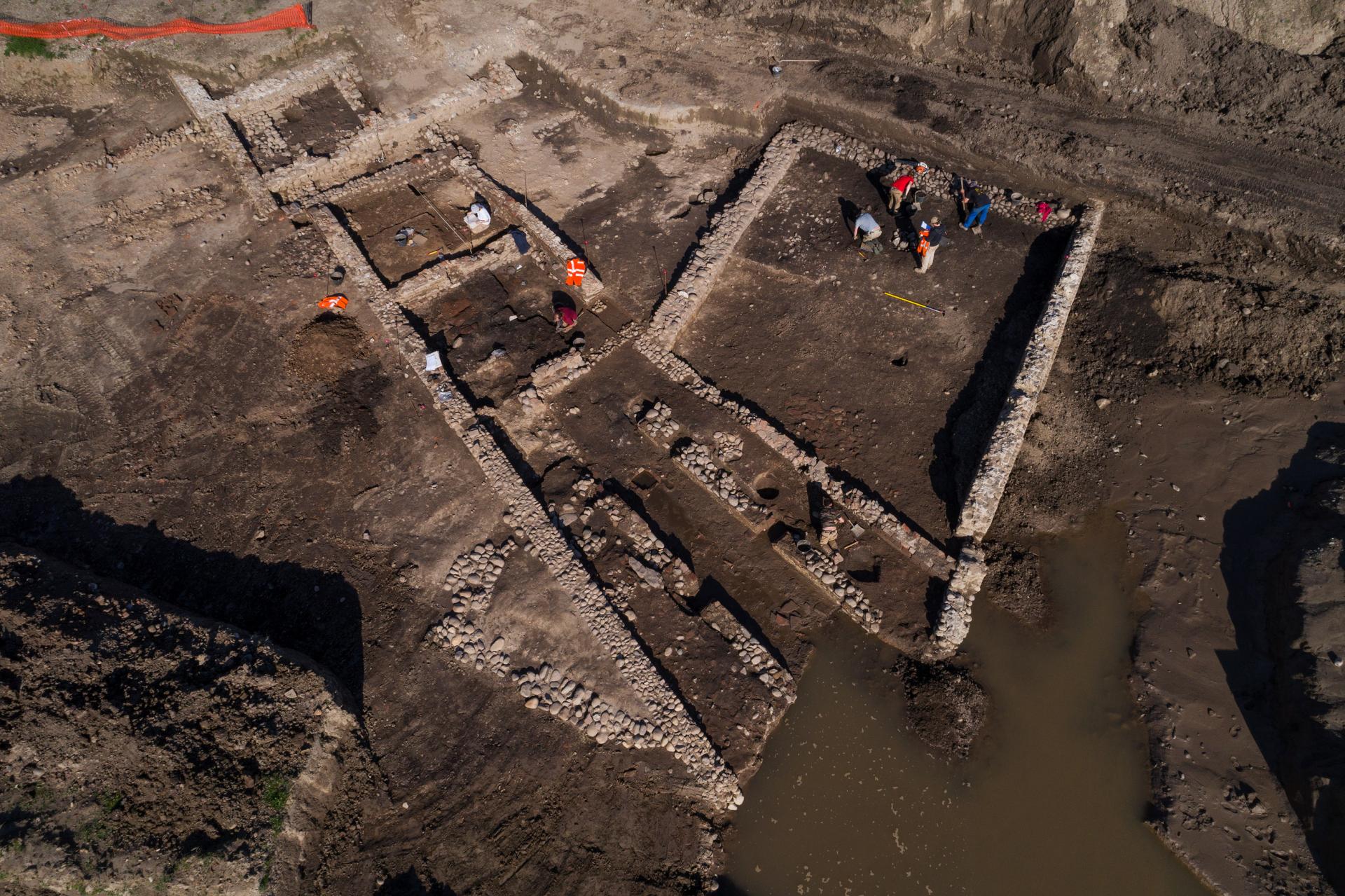
For the first time, a Mithraeum has been discovered in Corsica, at the site of Mariana, Lucciana (Haute-Corse).
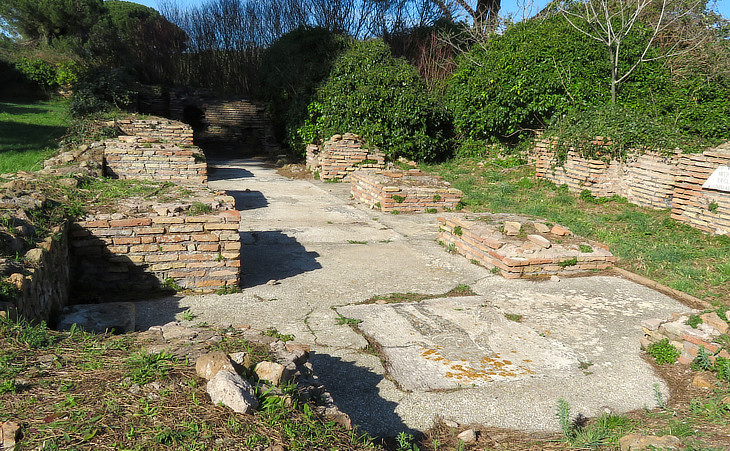
The Mithraeum of the Animals was decorated with a mosaic depicting a naked man, a cock, a raven, an scorpion, a snake and the head of the bull.
The Fagan Mithraeum, also known as the Mithraeum of Tor Boacciana, yielded remarkable sculptures of lion-headed deities, several of which are now preserved in the Vatican Museums.
The Sacello delle Tre Navate near the Therms of the Sette Sapienti at Ostia, whose identification as a Mithraeum remains uncertain, with a decorated cult-niche but lacking typical Mithraic iconography.
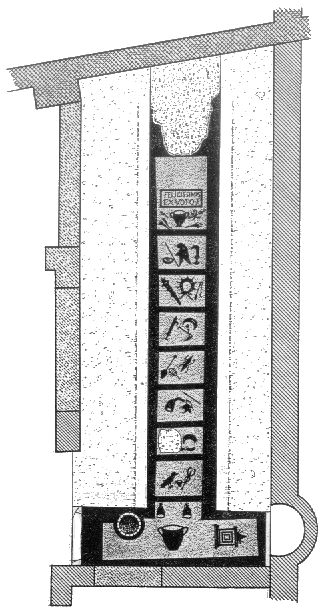
The Mithraeum Felicissimus has a floor mosaic depicting the seven mithraic grades.
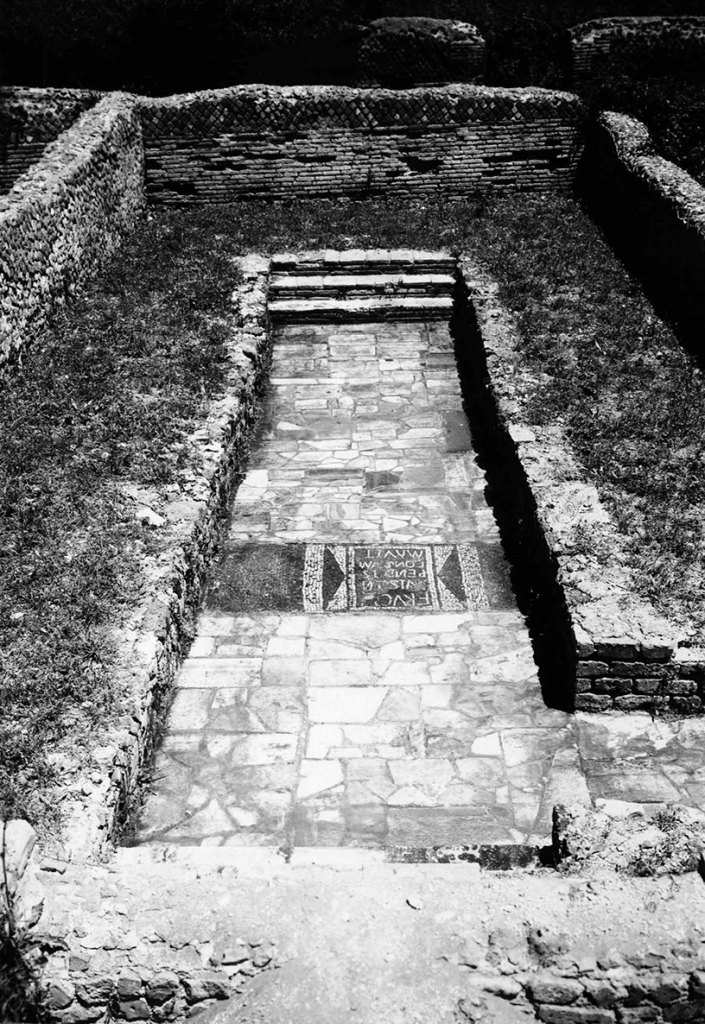
The Mithraeum of Sabazeus was found in one of the rooms of the Horrea built in the years 120 - 125 AD. The installation of the shrine may have taken place in the first half of the third century.
