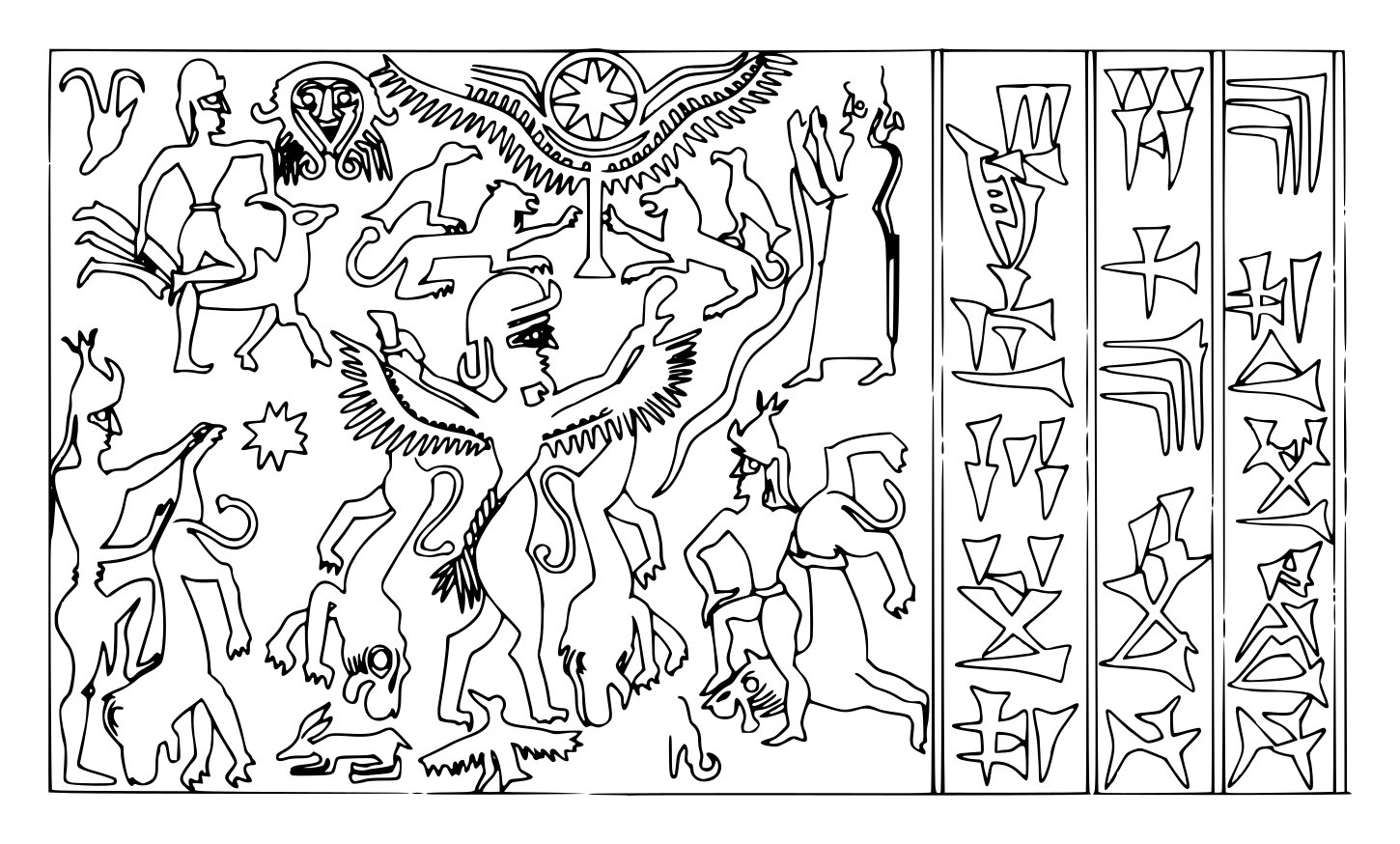
The scholiast Lactantius Placidus comments on Statius’ passage identifying the Sun as Titan, Osiris, and Mithras, interpreting the Persian cave figure with the bull.
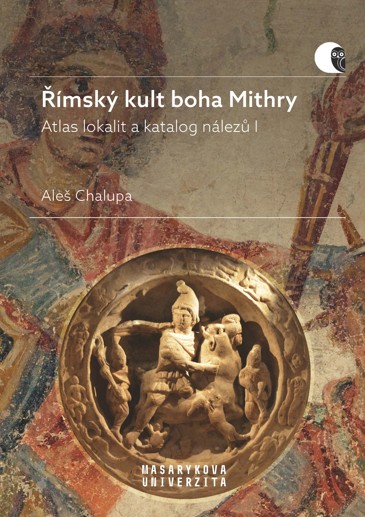
A study of Roman Mithraism that combines historical evidence with a symbol-centred interpretive approach, exploring Mithraic iconography, ritual experience, and the cult’s encounter with Christianity in the Late Empire.
A study that re-examines Roman Mithraism through epigraphic evidence and comparative analysis, exploring its links with Orphism, Platonism, and Iranian traditions, and presenting the cult of Mithras as a solar path of individual spiritual awakening between East and West.
A philosophical study of Iranian civilization that explores its spiritual foundations, including the legacy of Mithraic and Zoroastrian traditions, in order to reflect on Iran’s historical continuity and civilizational meaning.
Standing stone statuette of Cautopates, the downward-torch bearer, found at Bordeaux and kept in the city’s museum of antiquities (musée d’Aquitaine ?).
Hmmm… Vermaseren says the figure "points the torch downwards with both hands", so that would mean Cautopates. But this one actually looks like it’s doing the opposite? Maybe the missing head (which Vermaseren doesn’t mention) makes the gesture harder to read?
Anyway, I’ll check my photo collection and see if I can find a better pic for the frame!
Francesco Massa examines how the concept of mysteria was transformed in the Roman Empire, as Christian authors from the mid-second century CE adopted the language of mysteries to articulate their own rituals and beliefs, reshaping understandings of both Christian and traditional cults.
Stockstadt mithraeum is not located at Saalsburg Kastell. Stockstadt is at least 30 Kilometers from Saalburg to the southeast. Stockstadt had its own fort (kastell) on the Limes. I wrote an article on Stockstadt fot Our Common Sun about ten years ago. I have been to Stockstadt and there is an excellent museum there.
BSc Econ in Political Science and Intelligence Studies, born in Warsaw, PL, Researcher of Cults and Mysteries, a practicing Heathen since the age of 12.
The Mithraeum of Angers, excavated during a preventive operation and subsequently dismantled in 2010, yielded numerous objects, including coins, oil lamps, and a ceramic vessel bearing a votive inscription to the invincible god Mithras.
The Mithraic vase from Colonia Claudia Ara Agrippinensium in Germany includes Sol-Mithras between Cautes and Cautopates, as well as a serpent, a lion and seven stars.
Fragmentary sandstone relief from Rückingen showing a male figure walking right and holding a kantharos. Traces on the chest may indicate a torques or shoulder-cape.
Now we need a better picture of that tauroctony.... 😉
Anyway, I’ll check my photo collection and see if I can find a better pic for the frame!
https://archive.org/details/recueilgnral02espuoft/page/138/mode/2up