Support The New MithraeumThe New Mithraeum is an independent, non-profit project dedicated to Mithraic studies, ancient religions and classical culture.Developed and maintained independently since 2007, the site exists without advertising, paywalls or institutional funding. If you have found value in its articles, interviews, photographs or database, please consider supporting the project with a contribution.Every contribution helps keep The New Mithraeum open, free and alive.Thank you.
Often neglected or considered too transgressive, the Priapeia, with its blend of Roman and Hellenistic influences, offers a complex view of ancient customs, especially homosexuality, combining literary tradition with sociological insight.
This volume collects the first results of the extensive and articulated research project dedicated to the Mithraeum of the Circus Maximus, the result of the Research Agreement stipulated in 2016 between the Capitoline Superintendence and the University of Trieste.
The present volume reconstructs the history of the mithraea of Güglingen. In addition, rich finds provide insight into hitherto unknown areas of the liturgical practice of the cult of Mithras.
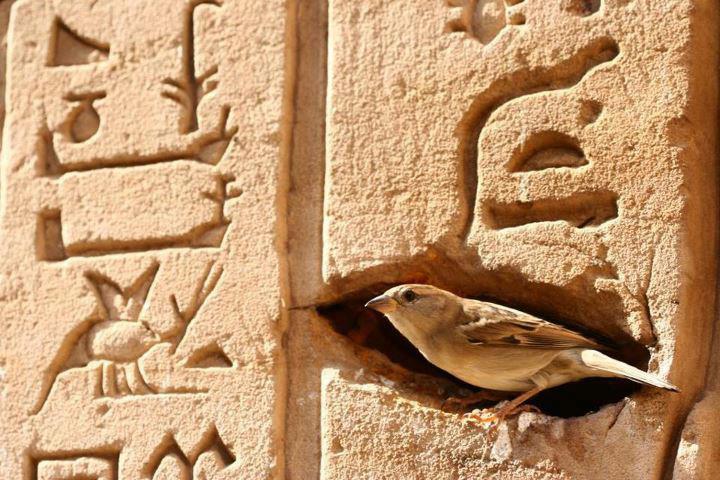
The links between Egypt and Greece are strong and far-reaching, and although the zoomorphic gods frightened Herodotus, the fact remains that the two cultures continued to influence each other.