This site uses cookies to offer you a better browsing experience.
Find out more on how we use cookies in our privacy policy.

 
Acta diurna

#6

Acta diurna is our Mithraic social stream for keeping up to date with what is happening in The New Mithraeum.

avatar
 
Jun 2026
NewScriptum
"Numerous are the bones of swine."

CIMRM 346

I love this statement.
avatar
May 2026
Syndexios

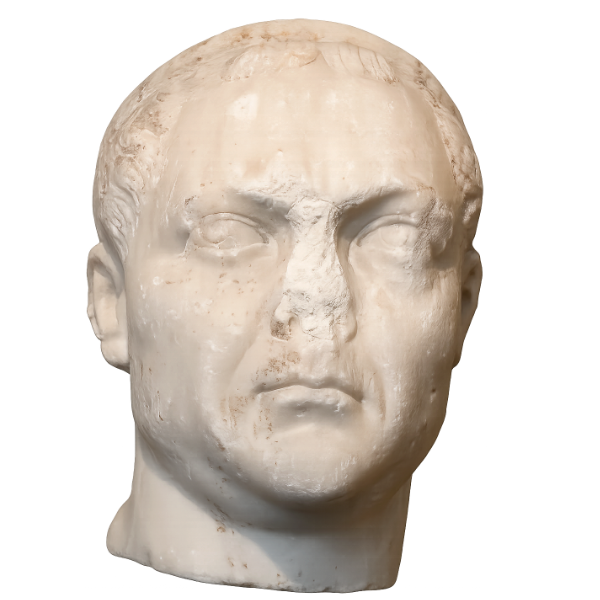
Valerian

Roman emperor from 253 to 260, he was taken captive by Shapur I of Persia. He was thus the first emperor to be captured as a prisoner of war.
avatar
May 2026
NewMonumentum

Mithäum II von Heddernheim

Second Mithraic sanctuary discovered in 1826 some 150 metres west of Mithraeum I at Heddernheim, ancient Nida, with finds in the Wiesbaden museum.
avatar
May 2026
NewMonumentum

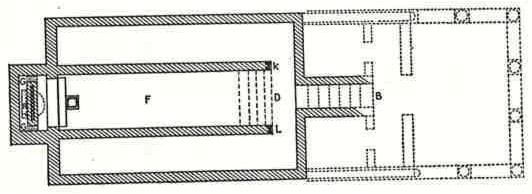
Mithräum I von Heddernheim

First Mithraic sanctuary discovered at Heddernheim (ancient Nida) in 1826, with finds preserved in the Städtisches Museum at Wiesbaden.
avatar
May 2026
NewVideo

Mithra en dialogue (1) - Frantz Grenet (2025-2026)

Séminaire du 5 mai 2026 : The Lord of the Covenant: Mihr the judge and the celebration of Mihragān.
avatar
May 2026
Textus

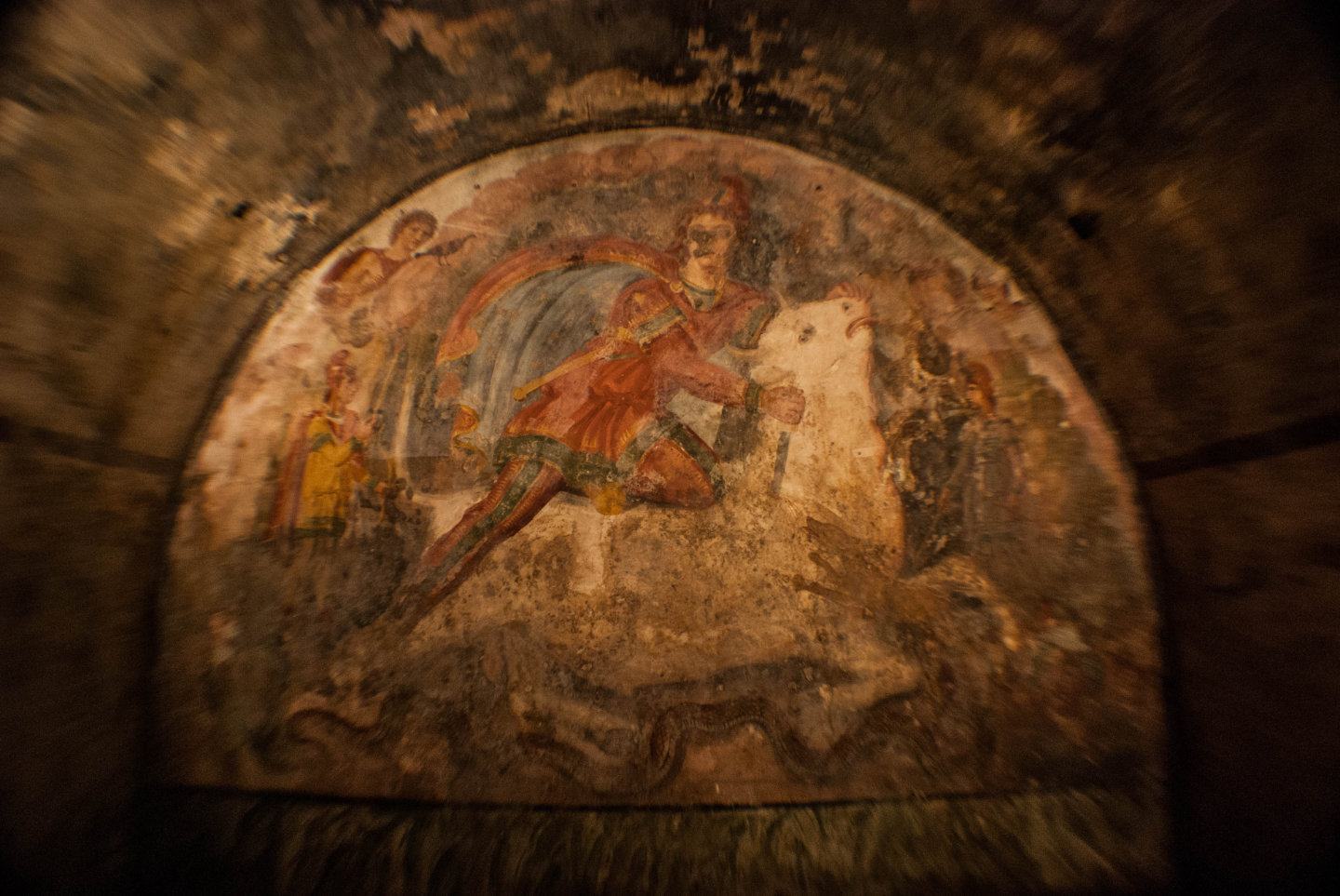
Mithraeum at Santa Maria Capua Vetere. Revisited in February 2026

This article revisits the Mithraeum of S. Maria Capua Vetere, one of the most complete and artistically refined Mithraic sanctuaries in the Campanian region, situating it within its archaeological, iconographic, and ritual-historical contexts.
Hello! I’ve read your article and am currently immersed in studying the Mithras cult, considering the development of mysteries (I’m involved in historical reconstruction of Ancient Rome in the living history format). Thanks to Peter Mark Adams, I’ve obtained a fragment of his book about Mithras’ mysteries. Could you share what sources you use to develop your practices?
What a wonderful task! Of course, it came with an investment in ritual experience some years ago, after which I decided to hermeticize it; hence I now read mainly academic books from which I derive some grounding for my excursions into ritualism. Let me pick a few that may be useful and commendable:

Uždavinys, Algis. 2008. Philosophy as a Rite of Rebirth: From Ancient Egypt to Neoplatonism. Sedbury, Glos.: Prometheus Trust. — Relevant for its attempt to reconstruct the philosophical pathways underlying the foundations of rite and theurgy.

Ritner, Robert Kriech. 1993. The Mechanics of Ancient Egyptian Magical Practice. Fourth printing, with minor corrections. Chicago: Oriental Institute of the University of Chicago. — Valuable for providing ritual ideas that, with enough virtuosity and experimentation, may be imaginatively adapted within the “temple” of the inner or ethereal spheres.

Stahl, William Harris. 1990. Macrobius: Commentary on the Dream of Scipio.* New York, NY: Columbia University Press. — Relevant because it describes, albeit quasi-legendary, the rapture of a Roman knight to the celestial spheres and stars above.

Iamblichus; Clarke, Emma C. (trans.). 2003. Iamblichus: On the Mysteries. Atlanta, GA: Society of Biblical Literature. — Important for its clear elucidation of the theology of theurgists.

Apuleius. 2017. Apologia; Florida; De Deo Socratis. Edited by C. P. Jones. Loeb Classical Library. Cambridge, MA: Harvard University Press. — “On the God of Socrates,” a treatise on daemonology and theology.

Bittrich, Ursula; Bydén, Börje; Gertz, Sebastian Ramon Philipp; Sheppard, Anne D. R.; Tanaseanu-Döbler, Ilinca; Synesius. 2014. *On Prophecy, Dreams and Human Imagination: Synesius, De Insomniis. Edited by D. A. Russell and Heinz-Günther Nesselrath. — Discusses types of dreams and how to discern them (for example, distinguishing a personal dream from a vision sent from beyond).

Kupperman, Jeffrey S. 2014. Living Theurgy: A Course in Iamblichus’ Philosophy, Theology and Theurgy. London: Avalonia. — Another modern attempt to engage these mysteries, offering a practical conceptual toolkit.

Kind regards,
Matt.
I sincerely appreciate your response and the list of books you provided. Were your mentions of Egyptology-related books connected to the liturgy of Mithras? This suggests that the foundation of your experiments is the "Egyptian tradition" within Mithraism. Currently, I believe there were multiple Mithraic traditions: the Roman one, which drew more heavily on Neoplatonic and Pythagorean concepts, and the Egyptian one, which was more rooted in Egyptian magic.
Dear Alex,

Absolutely. As a cult varies according to its geographical context, I am convinced that local modalities were distinct, especially where they existed alongside other magical or theological frameworks. As a generalist in the study of mysteriosophies, however, I try to remain academically humble and avoid conflating traditions. Like a religious comparativist, I believe each lineage deserves its proper respect, scholarly engagement, and dignity.

When it comes to praxis, my position is simply that “what works, works.” The same applies to theurgy. The experiential aspect is too subjective and personal for me to present as explanatory doctrine. I would rather not frame private gnosis as argument, since it is unverifiable beyond honesty and reasoned commitment between the individual and the expanse of the Divine.

That said, records exist of individuals in antiquity who participated in multiple mystery schools. For this reason, I feel justified in pursuing the Divine wherever it may be encountered—not as a collector, but while granting each mystery school the profundity it commands.

Regarding the combinatorial character of late antiquity, I once found an exceptional study:
Kahlos, Maijastina. 2002. Vettius Agorius Praetextatus: A Senatorial Life in Between. Rome: Institutum Romanum Finlandiae.

For ancient ritual practice more broadly, Thesaurus Cultus et Rituum Antiquorum (ThesCRA) is indispensable, especially the material in Vol. II (“Consecration: Divination, prayer, veneration, hikesia, asylia, oath, malediction, profanation, and magical rituals”), Los Angeles: Getty Museum.

I am fortunate to have access to a copyright library (the National Library of Poland). I understand these sources can be difficult to obtain, so I would be glad to share my impressions or reports on the above works whenever requested.

Best wishes and kind regards,
Matt
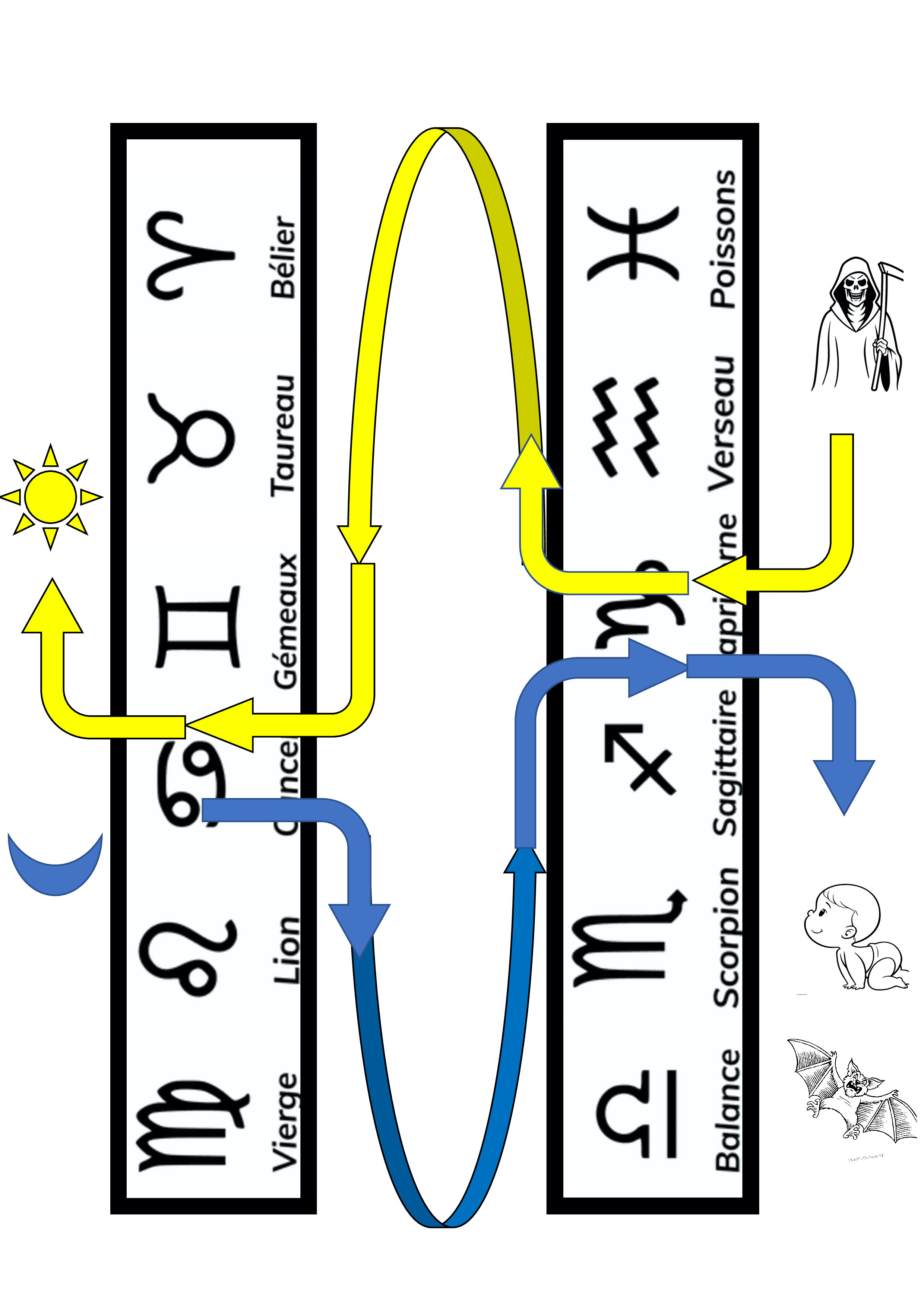
The journey of the soul in the Mithraic ritual: hypothesis of resurrection or reincarnation according to the mithraeum of Braberini and Santa Maria Capua Vetere. The role of the solstices, gateways of entry and exit for souls: in summer, exit of pure souls and entry of impure souls sent back by the Moon; in winter: exit of wandering souls in preparation for their reincarnation and entry into the cycle after death.The journey of the soul in the Mithraic ritual: hypothesis of resurrection or reincarnation accordin…
The Two Gates: Thank you very much for sharing this Dominique. Traditionally, Selene was associated with the Isle of the Blessed. My personal belief is that the soul, or daimon/hegemon, may be interpreted as an intelligencer of the spheres of the Solar System—for example, Mercury, Venus, the Moon, Mars, Jupiter, or Saturn. It does not necessarily require a biological birth; “myriads of spirits in other worlds await,” including the stellar ones. My personal belief, or interpretation, is based on communication with spirits of these spheres, some of whom were once human beings. Sometimes the twin blade of death may refer to the death of the soul, or to metempsychosis and rebirth, or to embodiment in an animal or a human being.
Dear Amicus: as early as the 3rd century AD, Plotinus wrote that the soul was divided into a lower and a higher part:

"...there is the soul we call divine, by which we are ourselves, and the other soul, the one that comes from the universe (our world). We derive our character, our actions, and our passions [Ego] from the lower soul... but thanks to our higher soul [Spirit], we can master our lower part and free ourselves from the order imposed by the world soul [Management] on the rest of the universe."

One of Plotinus’s most justly famous concepts concerns his theory of the different levels of self-awareness. The duality of the soul was conceived by Plato around 350 BC (but already explored by Homer in the previous century). This is a defining characteristic of Western philosophy. Plotinus, by discovering that one of the parts had to be divine, made metempsychosis impossible
avatar
 
Mar 2026
Scriptum
Explore the Sola BuscaA Renaissance deck, inviting questions rather than answers.[ref:69a224a38a916|Explore the deck]

Explore the Sola Busca

A Renaissance deck, inviting questions rather than answers.

69a224a38a916" target="_blank" rel="noopener noreferrer">Explore the deck

I don’t understand why he needs a shower cap to go surfing.
😉 and what about the armour!
He does indeed have a life jacket; it was mandatory for the Romans.
avatar
Mar 2026
Monumentum

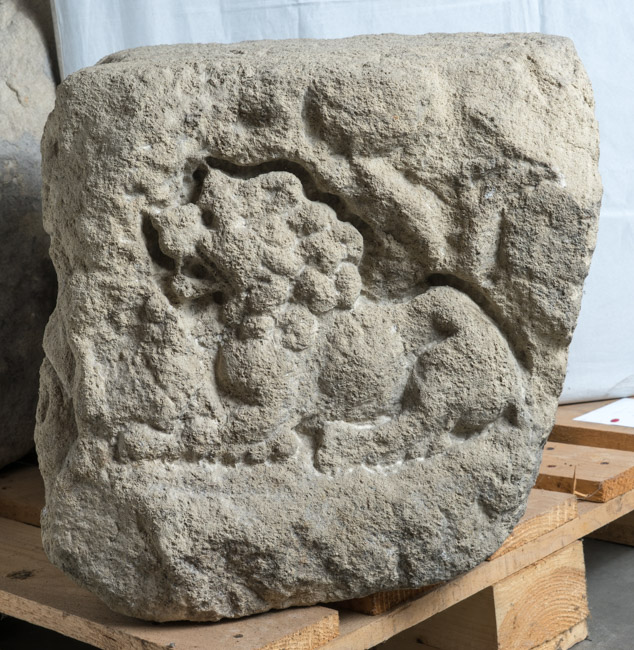
CIMRM 1694

Sandstone base carved on two sides, with a head of Medusa framed by acanthus leaves and a reclining lion holding a head between its forelegs.
It’s like I’m being followed... but in a good way. ^__^
You’re doing a remarkable job (… and you’re the main reason I even venture onto fb 😉)
Honestly, thank you. Recognition helps.
❤️
avatar
 
Mar 2026
Scriptum
🔥 UNDERGROUND RITUALS AND CANDLES – LIGHT IN THE DARKNESS 🕯️

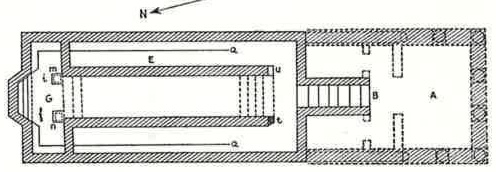
Mithraea were not magnificent temples on hilltops. They were hidden underground — dark, elongated spaces with an altar at the end, symbolising the cave of the cosmos.

In such a place, light acquired a special meaning.

Worship took place by:

🕯️ the light of torches and oil lamps,
🍷 symbolic ritual meals,
🤝 oaths of loyalty among members of the brotherhood.

Mithraism was not a religion of the masses. It was a path of initiation, discipline, and quiet devotion.

For this reason it was especially popular among Roman soldiers — it taught brotherhood, trust, loyalty, and respect for order.

In the darkness of the mithraeum a light burned — not only a flame, but the idea that order overcomes chaos.

🏛️ In Poetovio too, a mithraeum once bore witness to these mysterious rites. In the very place where we walk today, torches once burned and oaths resounded.

👉 More about the project: [ref:69abf46f39a08]
🔥 UNDERGROUND RITUALS AND CANDLES – LIGHT IN THE DARKNESS 🕯️

Mithraea were not magnificent temples on hilltops. They were hidden underground — dark, elongated spaces with an altar at the end, symbolising the cave of the cosmos.

In such a place, light acquired a special meaning.

Worship took place by:

🕯️ the light of torches and oil lamps,
🍷 symbolic ritual meals,
🤝 oaths of loyalty among members of the brotherhood.

Mithraism was not a religion of the masses. It was a path of initiation, discipline, and quiet devotion.

For this reason it was especially popular among Roman soldiers — it taught brotherhood, trust, loyalty, and respect for order.

In the darkness of the mithraeum a light burned — not only a flame, but the idea that order overcomes chaos.

🏛️ In Poetovio too, a mithraeum once bore witness to these mysterious rites. In the very place where we walk today, torches once burned and oaths resounded.

👉 More about the project: 69abf46f39a08" target="_blank" rel="noopener noreferrer">Hiša doživetij Vicus Fortunae - Domov

Here, does the bas-relief come from Ptuj, or from Frankfurt-Heddernheim?
avatar
Feb 2026
Monumentum

Mithraeum of Stixneusiedl

The Mithraeum of Stix-Neusiedl was discovered in the summer of 1816. Although the structure of the sanctuary is unknown, several associated monuments are preserved today in Vienna.
CIMRM 1655
Excellent!
avatar
Feb 2026
NewMonumentum

CIMRM 1640

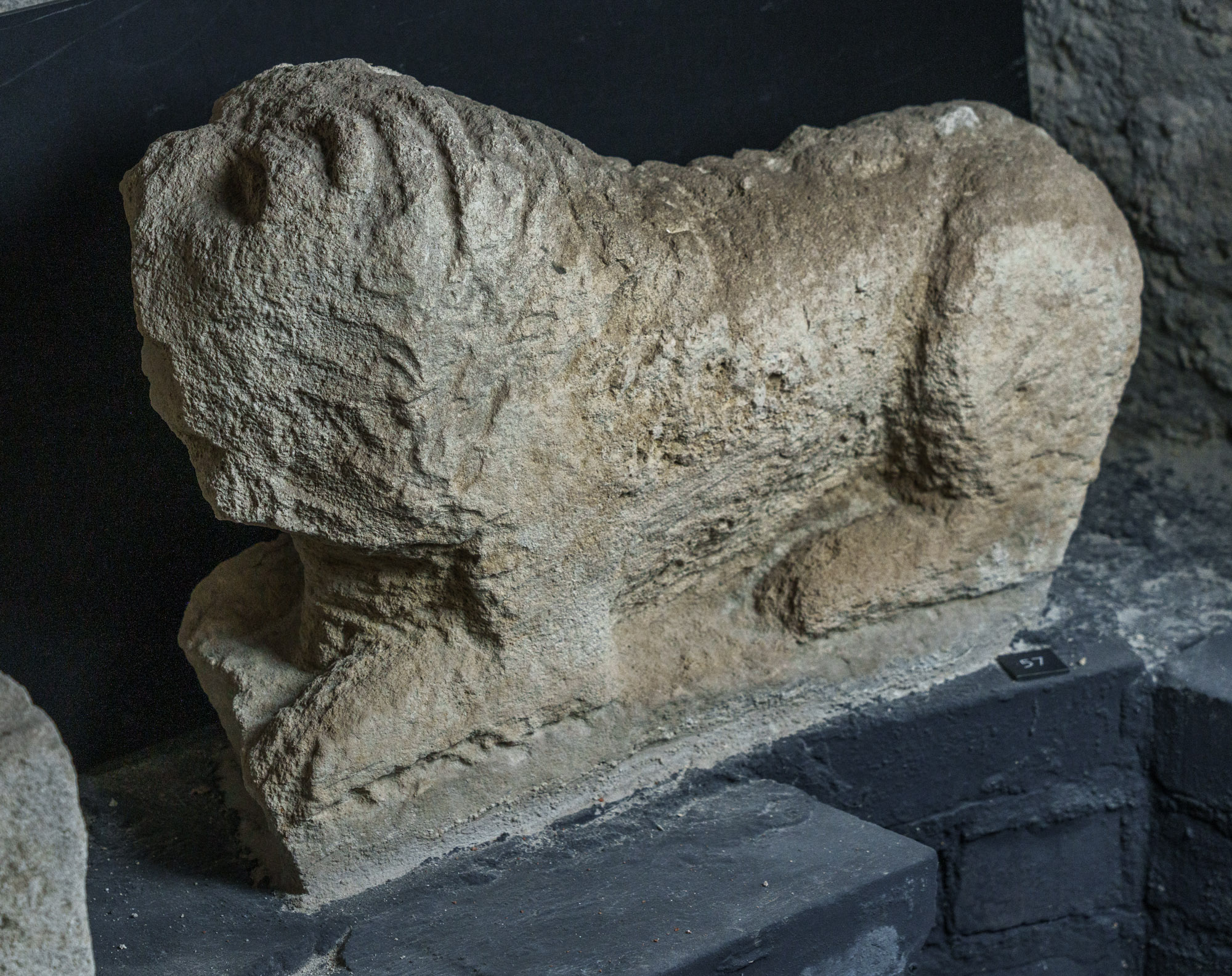
Two limestone sculptures depicting a recumbent lion and a lioness stood near the entrance of the Mithraeum of Fertőrákos, positioned at the threshold of the sanctuary.
avatar
 
Feb 2026
NewScriptum
Lecture: “Mithras and the Sun God”

The Lobdengau Museum in Ladenburg is organising a public lecture on recent research into the cult image of Mithras from ancient Lopodunum (modern Ladenburg).

On Friday, 27 February 2026 at 7:00 pm, Dr Andreas Hensen will present “Mithras und der Sonnengott – Neues zum Kultbild aus Lopodunum/Ladenburg”, discussing new interpretations of the relationship between Mithras and the solar deity within the Roman religious landscape.

Venue
Domhof Hall (Domhof-Saal der Stadt Ladenburg)
Hauptstrasse 7–9
68526 Ladenburg, Germany

Admission is free.

Organiser: Lobdengau Museum Ladenburg

[ref:6991d4300fe3f]
Lecture: “Mithras and the Sun God”

The Lobdengau Museum in Ladenburg is organising a public lecture on recent research into the cult image of Mithras from ancient Lopodunum (modern Ladenburg).

On Friday, 27 February 2026 at 7:00 pm, Dr Andreas Hensen will present “Mithras und der Sonnengott – Neues zum Kultbild aus Lopodunum/Ladenburg”, discussing new interpretations of the relationship between Mithras and the solar deity within the Roman religious landscape.

Venue
Domhof Hall (Domhof-Saal der Stadt Ladenburg)
Hauptstrasse 7–9
68526 Ladenburg, Germany

Admission is free.

Organiser: Lobdengau Museum Ladenburg

6991d4300fe3f" target="_blank" rel="noopener noreferrer">Vortrag "MITHRAS UND DER SONNENGOTT" | Stadt Ladenburg
avatar
Feb 2026
Monumentum

CIMRM 1006

Sandstone base from Vetera (Xanten), Germania Inferior, with a relief of Cautes in Oriental dress holding a long burning torch.
"...probably an upturned vase with flowers." This needs an eye roll emoji. Seriously, what’s the likelihood? So I spent the last 2 hours looking for a pdf of the Steiner citation. The Internet has failed me today.
Here you go: 🙄
Thanks. That helped.
avatar
Jan 2026
NewMonumentum

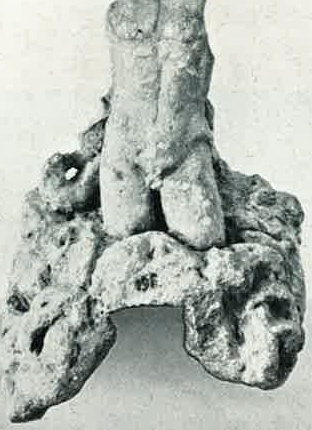
CIMRM 1669

Sandstone petrogenesis from Petronell-Carnuntum (Lower Austria), depicting Mithras emerging from the rock, preserved from the knees upwards.
avatar
Jan 2026
NewMonumentum

CIMRM 1326

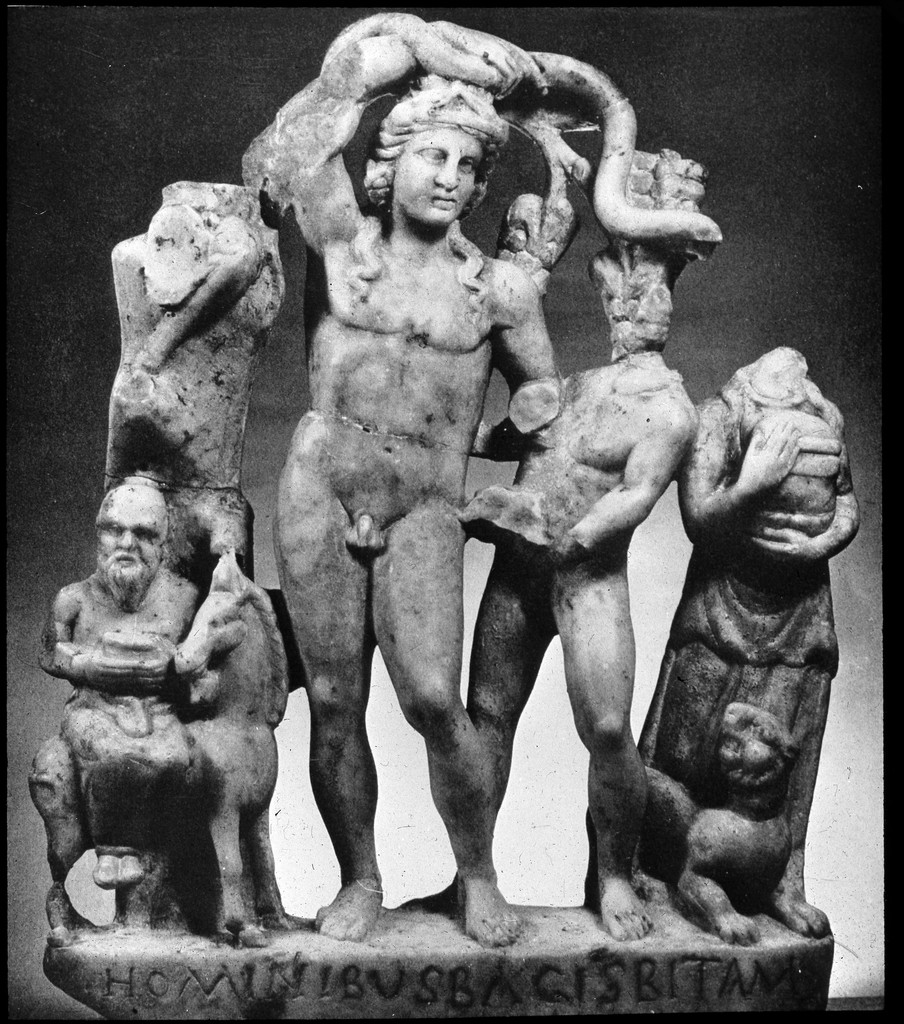
Sandstone relief depicting the god Aion, standing with wings, a staff and a key, accompanied by a lion and a serpent-entwined vessel.
avatar
Jan 2026
NewMonumentum

CIMRM 2196 & 2197

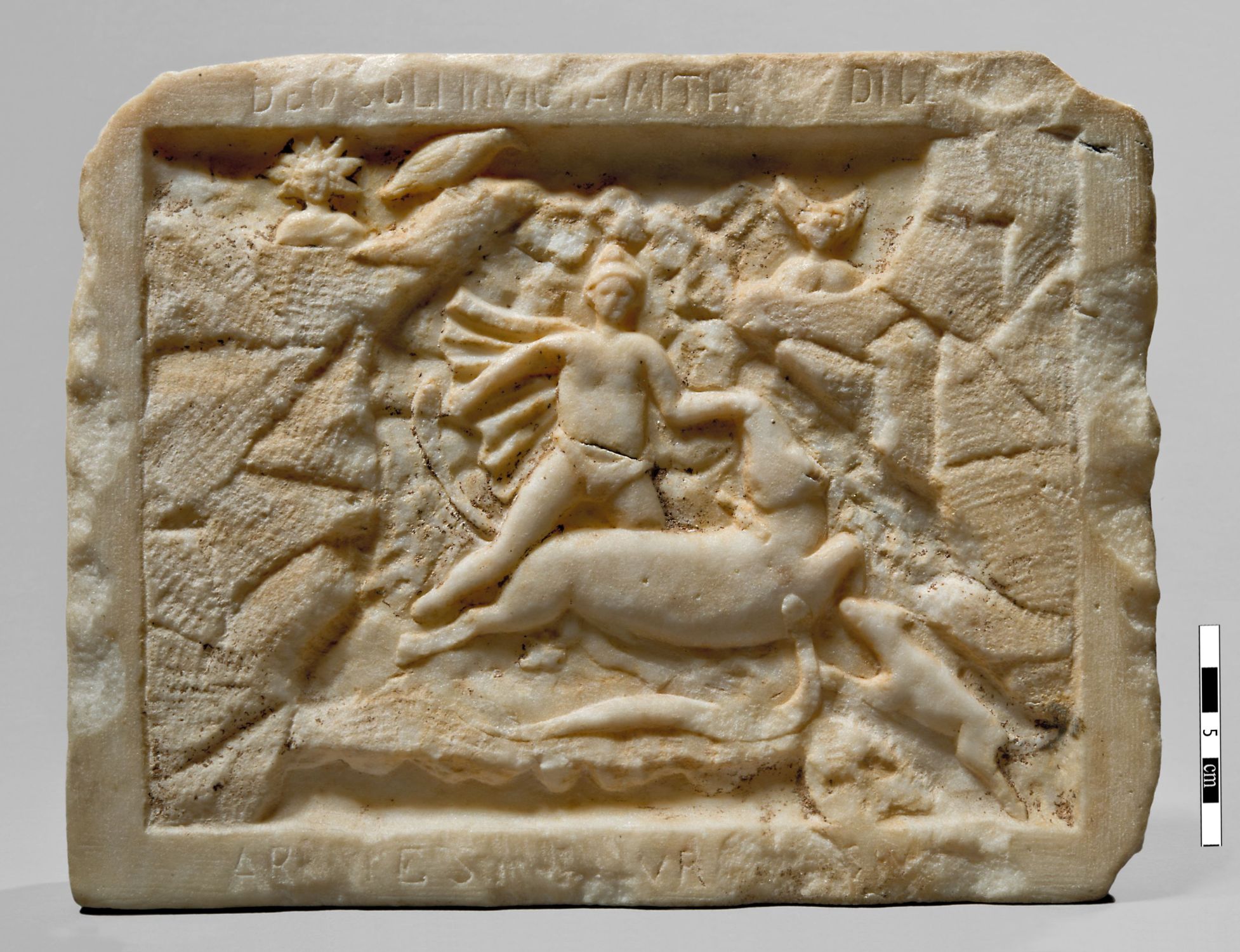
White marble relief depicting Mithras as bull-slayer in a grotto from the Froehner collection, now in the Cabinet des Médailles, Paris.
avatar
Jan 2026
NewMonumentum

CIMRM 1061

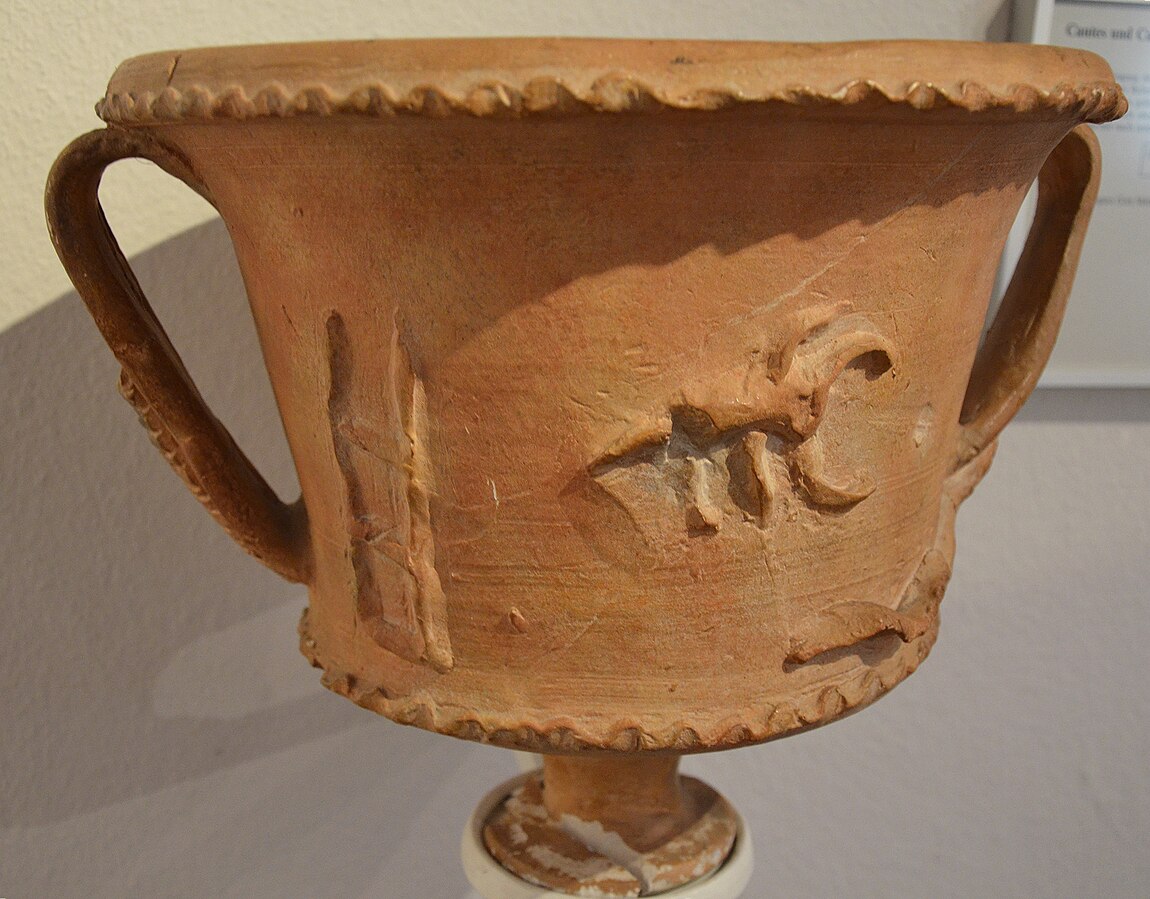
Terracotta krater from the southern part of the Friedberg Mithraeum, discovered in 1849. The vessel is decorated in relief with serpents, a scorpion and a ladder-like motif.
avatar
Jan 2026
NewMonumentum

CIMRM 760

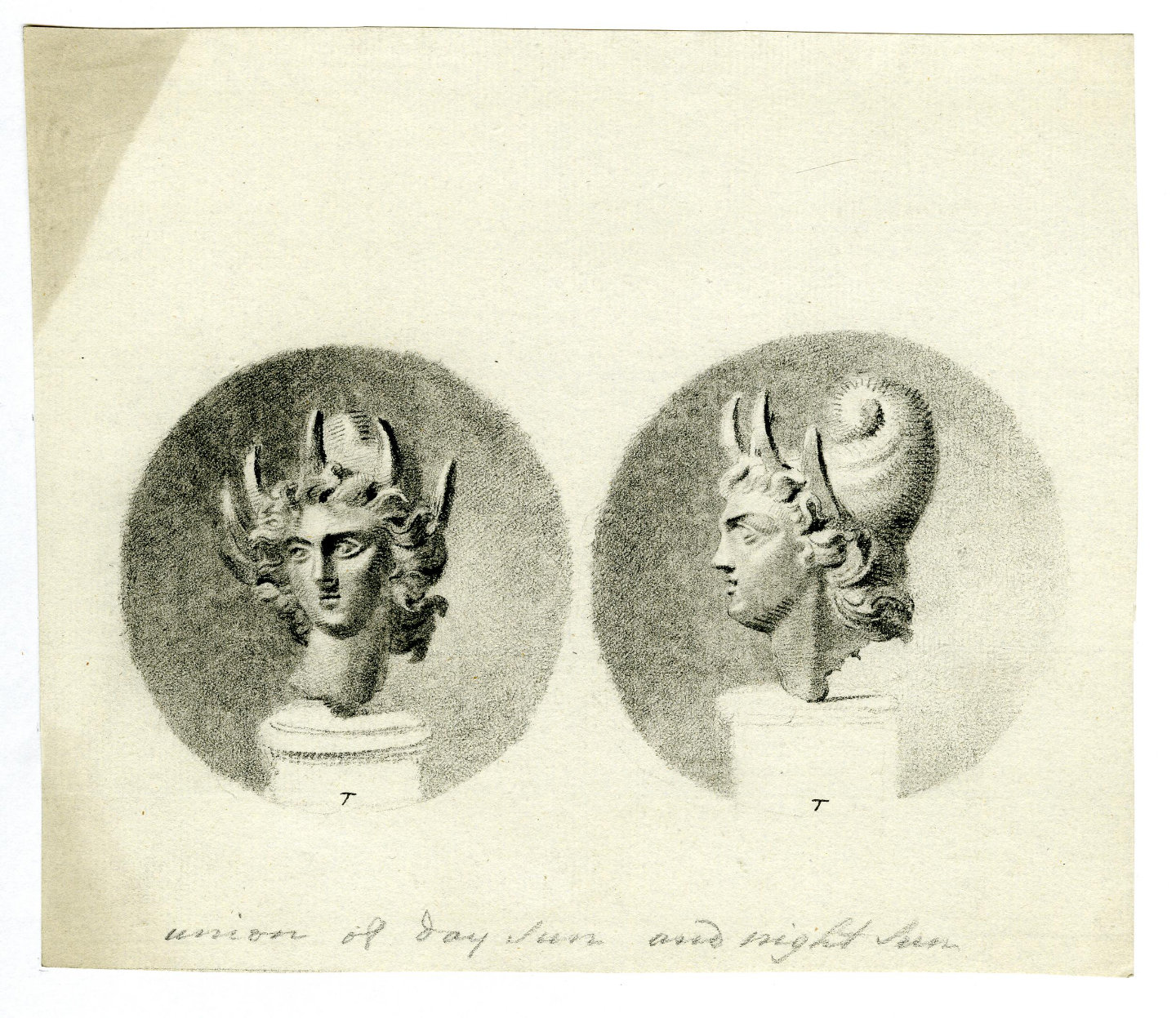
Bronze head of Mithras in a radiate Phrygian cap.
avatar
 
Back to Top