Acta de Nabarzes

Oct 2026
Oct 2026
Sept 2026
NewTextus 
The Chaldean Oracles: A different perspective
A theological experiment in Neo-Platonic realism, theology of arithmetic, and teleological metamorphoses of powers in the divine, terrestrial, and chthonic worlds across the cosmic symphony.

Amazing article, thank you.
You are most welcome, I’m glad that it was of use. E Do ut Des, I give pro publico bono so that you may give to others. Best regards, thank you!

Sept 2026
NewTextus 
The Mysteries of Mithras
The Mysteries of Mithras is an independent Initiatic Order which is inspired by and uses the allegory of the lost and ancient Mithraic Mysteries also known as Mithraism a previously influential Roman Cult of the same name.
Sept 2026
NewTextus 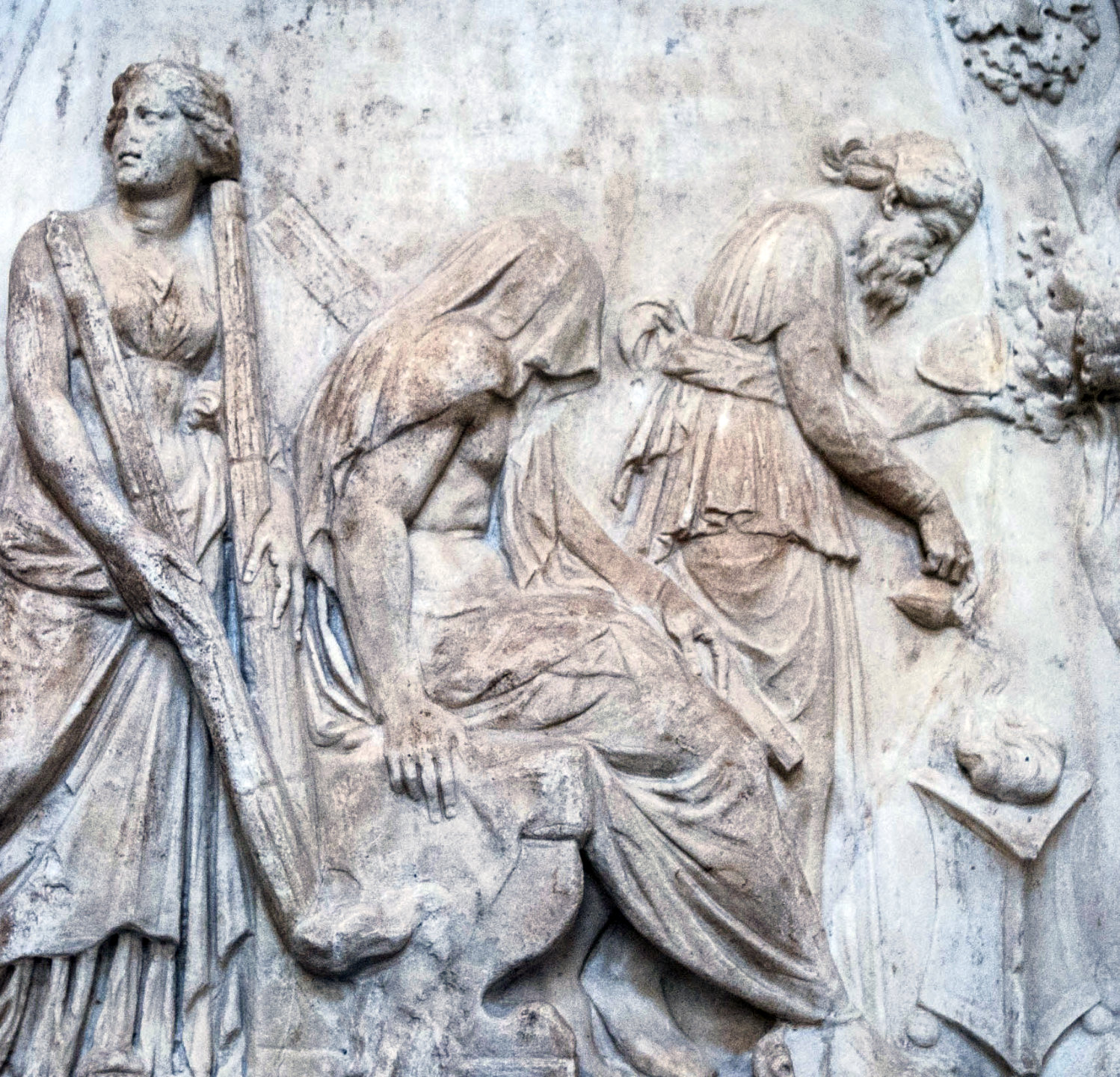
Re-reading Herculean labors through philosopher’s lens
Labors of Hercules as planetary zodiacal initiations: model mystagogy. The alchemy of Herculean labors.
Aug 2026
Jul 2026
NewTextus 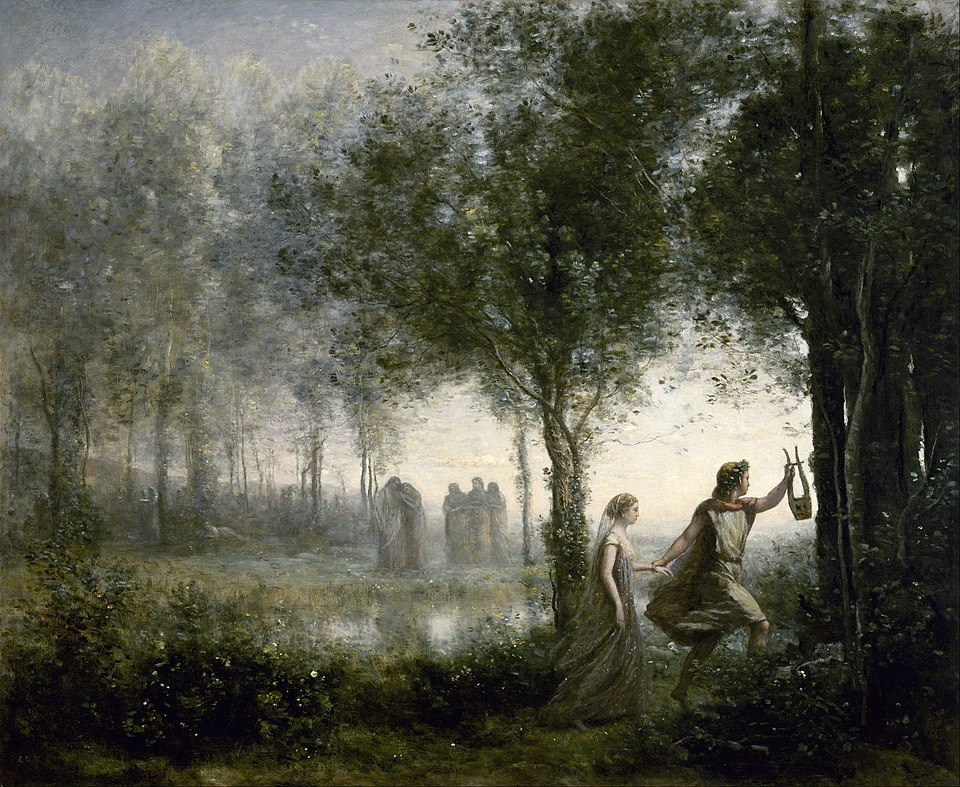
The Golden Chain of Initiation: Orphism, Eleusis, and Mystagogy—A Reinterpretation
By reading Orphic theology together with Eleusinian ritual practice, the mysteries emerge as a structured mystagogy of transformation: a disciplined passage from forgetfulness (Lethe) to knowledge (aletheia), from mortality to participation in the divine.
Jul 2026
NewTextus 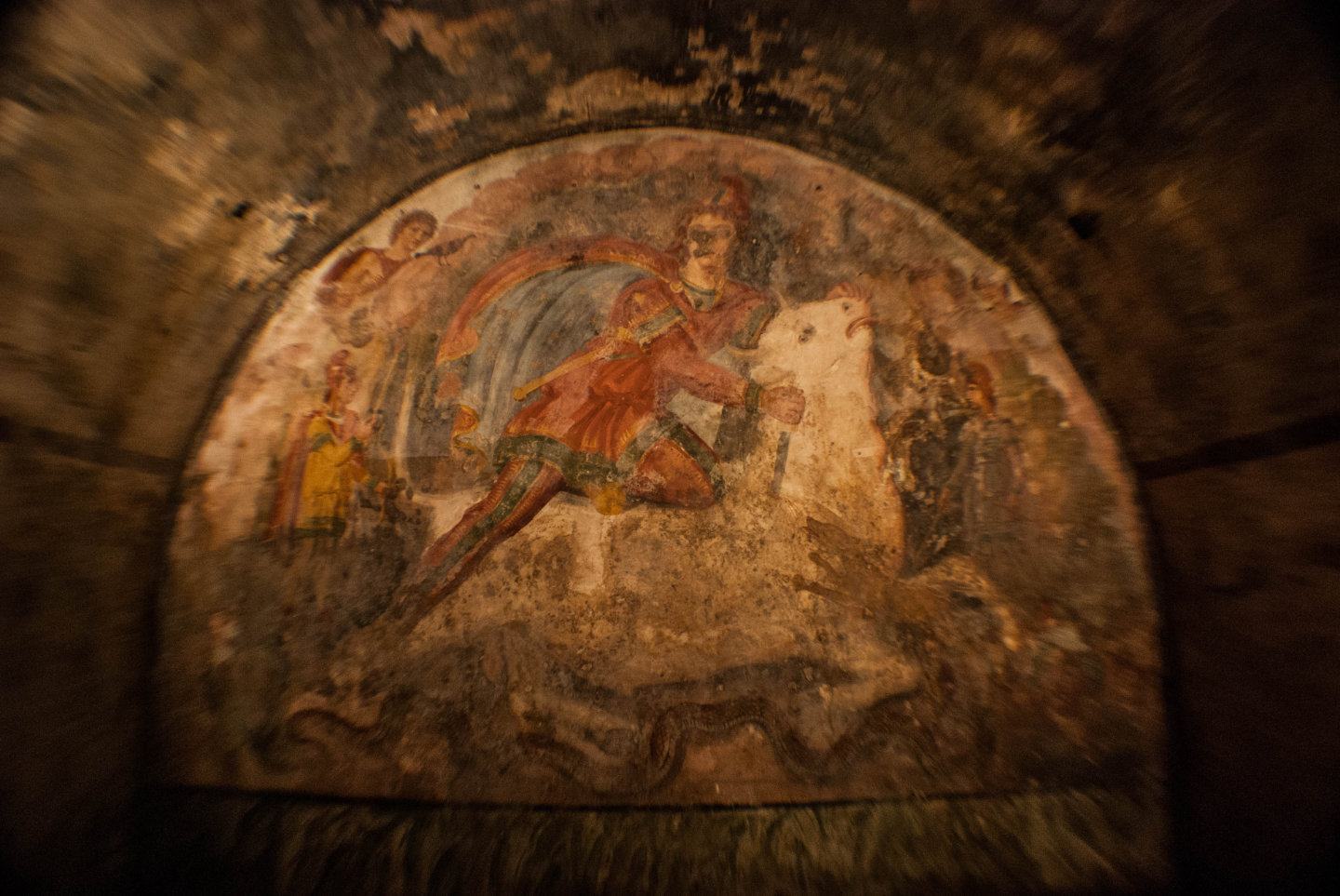
Mithraeum at Santa Maria Capua Vetere. Revisited in February 2026
This article revisits the Mithraeum of S. Maria Capua Vetere, one of the most complete and artistically refined Mithraic sanctuaries in the Campanian region, situating it within its archaeological, iconographic, and ritual-historical contexts.

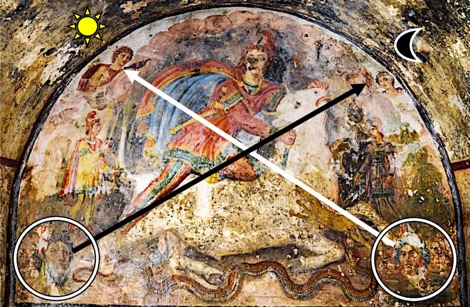
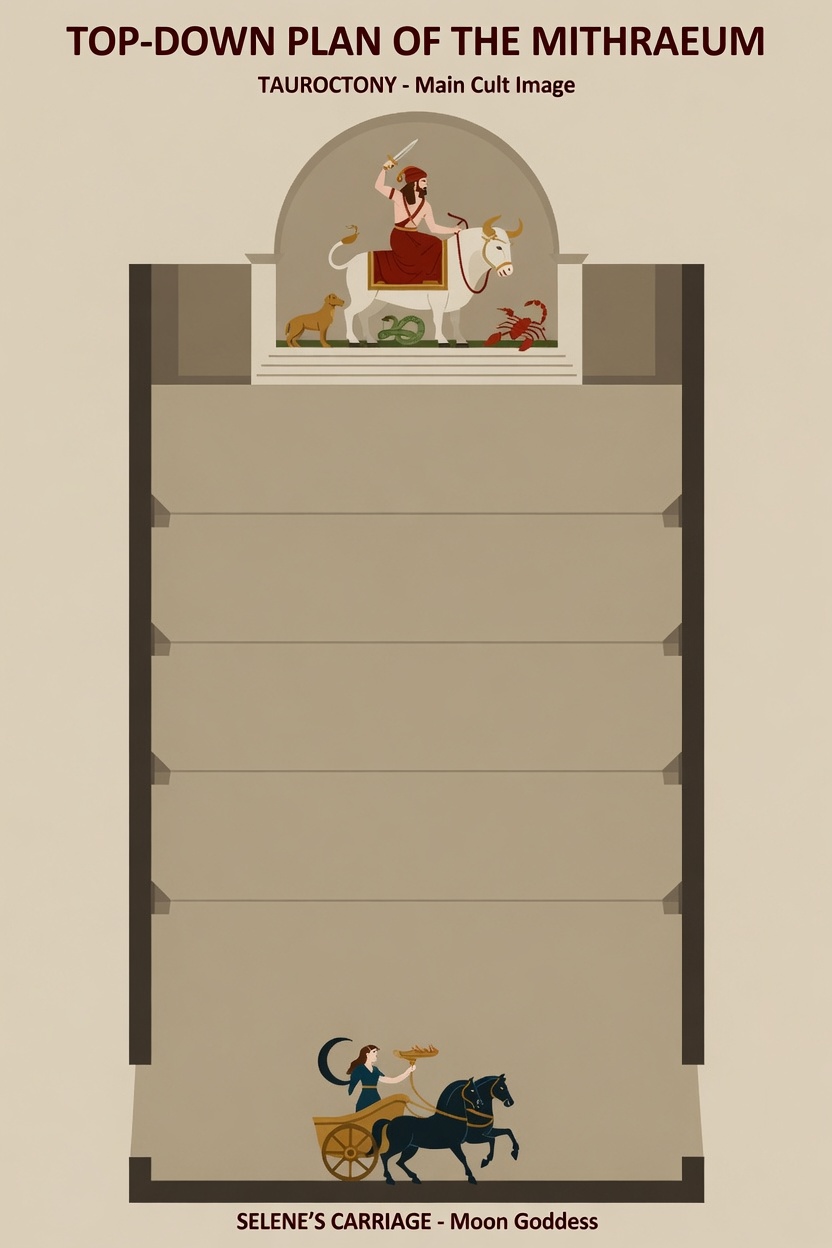
Dear Dominique, interesting observation. However, the placement of Selene (Luna) in this Mithraeum is positioned opposite the Tauroctony scene, evoking a symbolic sun-moon connection—much like the alchemical Lunar Queen (who reflects) and Solar King (who illuminates). It thus appears that all planetary and zodiacal works are carried out under their joint oversight. Thank you and best regards.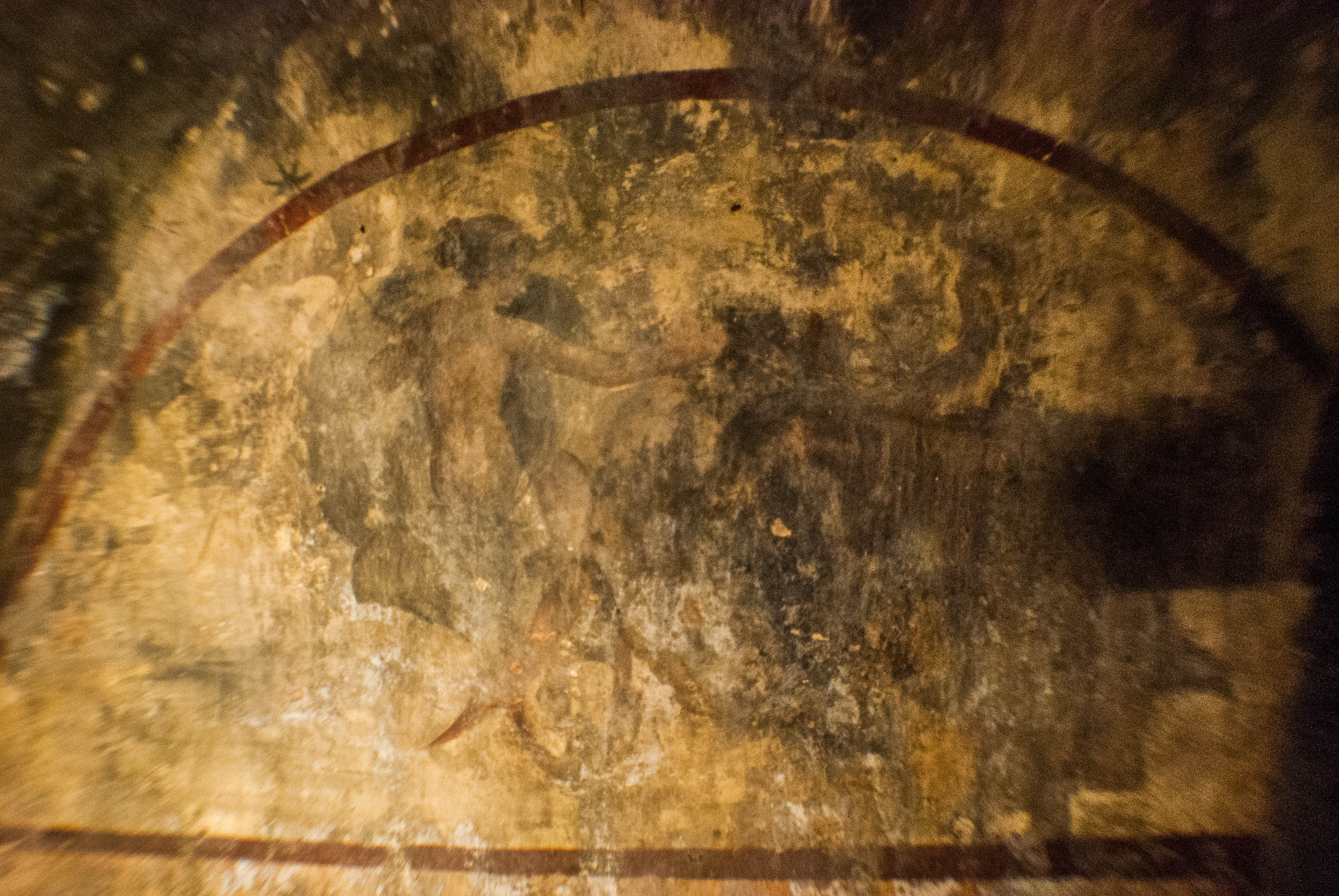
Jun 2026
-
Textus
Questions on the old and new testaments
Quaestiones veteris et novi testamenti, 113.11. Ambrosiaster, 5th cent. -
Textus
De fluviis
Pseudo-Plutarch, De fluviis. Goodwin, Ed. Plutarch. Plutarch’s Morals. Translated from the Greek by several hands. Corrected and revised by. William W. Goodwin, PH. D. Boston. Little, Brown, and Company. Cambridge. Press of John Wilson and son. -
Textus
On the Cave of the Nymphs
Translation and Introductory Essay by Robert Lamberton. Station Hill Press Barrytown, New York 1983. -
Textus
A mithraic ritual
Preamble and notes published by G. R. S. Mead in his series Echoes from the Gnosis 1907, London and Benares. Translation of the manuscript by Dieterich Eine Mithrasliturgie 1903, Leipzig. -
Textus
The Secret Sermon on the Mountain
XIII treatise of the Corpus Hermeticum, translated by G. R. S. Mead. -
Textus
L'Ogdoade et l'Ennéade
Traduction de Jean-Pierre Mahé de l'un des trois traités hermétique trouvé à Nag Hammadi.
Informatio
Members
Basic info
nabarzes
Since May 2023
Canonical URL https://www.mithraeum.eu/group/nabarzes 
Created on 21 May 2023

"...there is the soul we call divine, by which we are ourselves, and the other soul, the one that comes from the universe (our world). We derive our character, our actions, and our passions [Ego] from the lower soul... but thanks to our higher soul [Spirit], we can master our lower part and free ourselves from the order imposed by the world soul [Management] on the rest of the universe."
One of Plotinus’s most justly famous concepts concerns his theory of the different levels of self-awareness. The duality of the soul was conceived by Plato around 350 BC (but already explored by Homer in the previous century). This is a defining characteristic of Western philosophy. Plotinus, by discovering that one of the parts had to be divine, made metempsychosis impossible