Your selection in monuments gave 80 results.
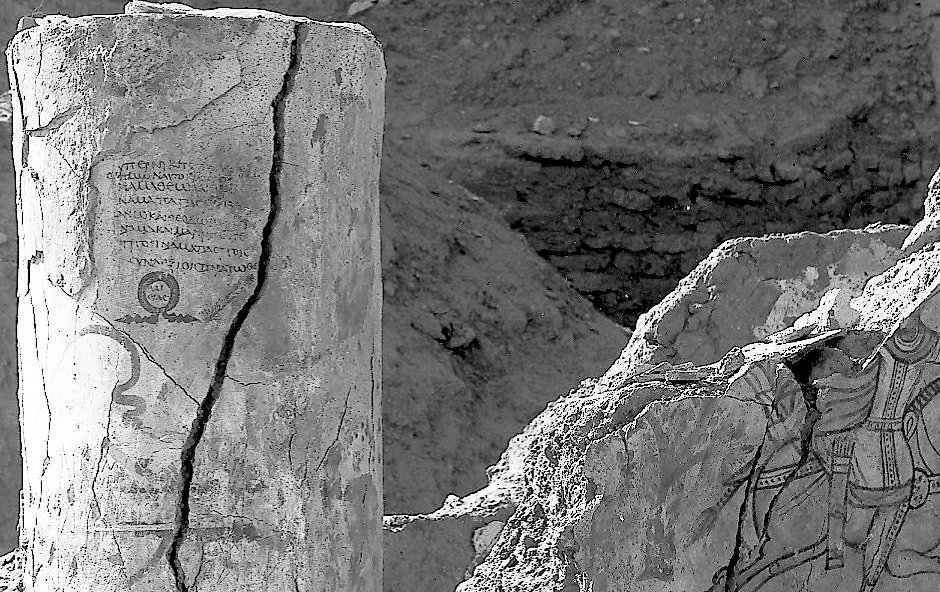
The inscription pays homage to the emperor, probably Caracalla, to Mithras, the fathers, the petitor and the syndexioi.

Marble slab with a fragmentary Latin inscription, walled into the right-hand side of the cult-niche in the Mitreo delle Pareti Dipinte at Ostia.
This inscription, found in the Mitreo della Planta Pedis, among some other monuments in Ostia, suggests a link between Mithras and Silvanus.
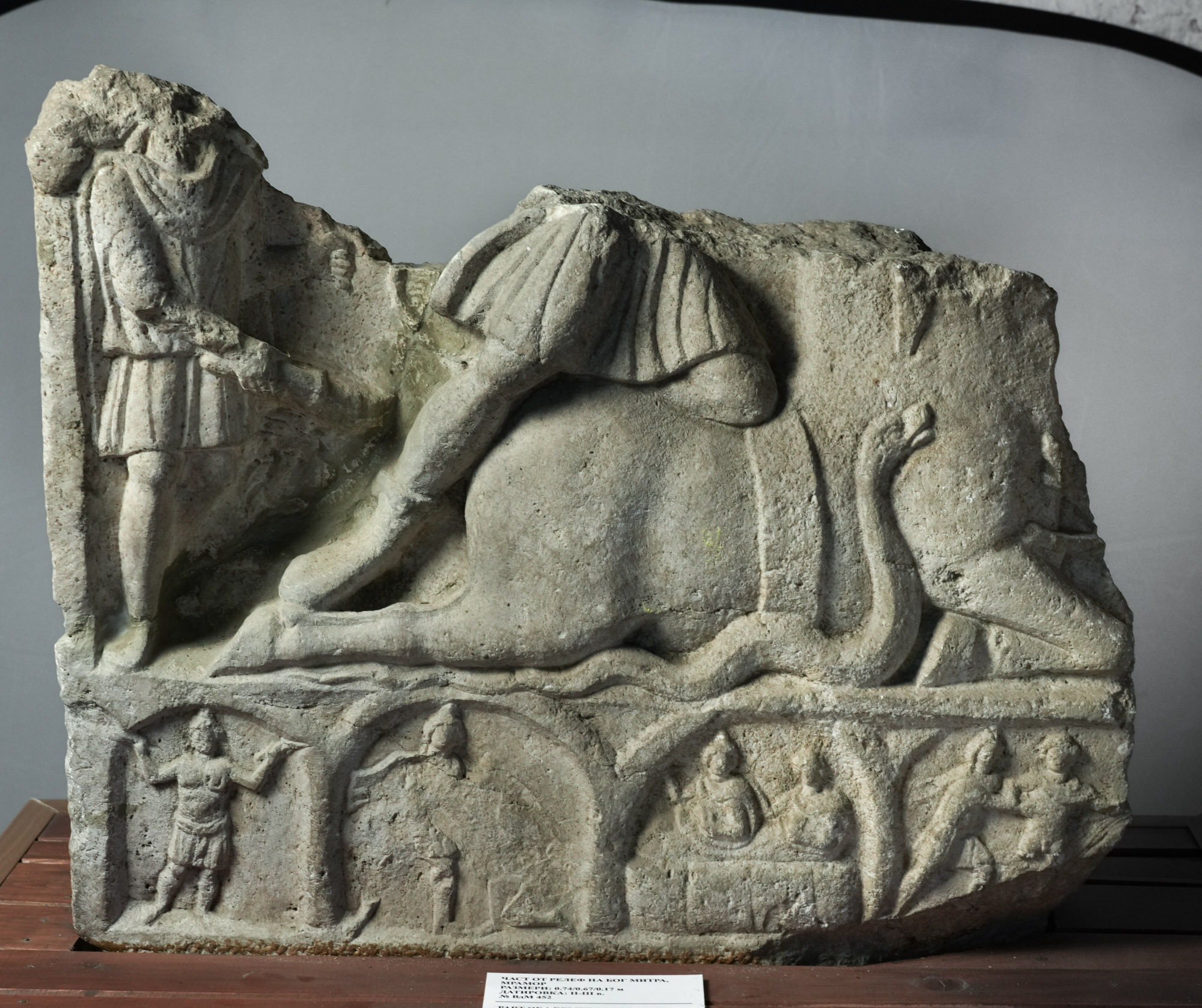
Fragmentary Mithraic relief from Ratiaria depicting the tauroctony above a series of narrative scenes from the myth of Mithras and Sol.
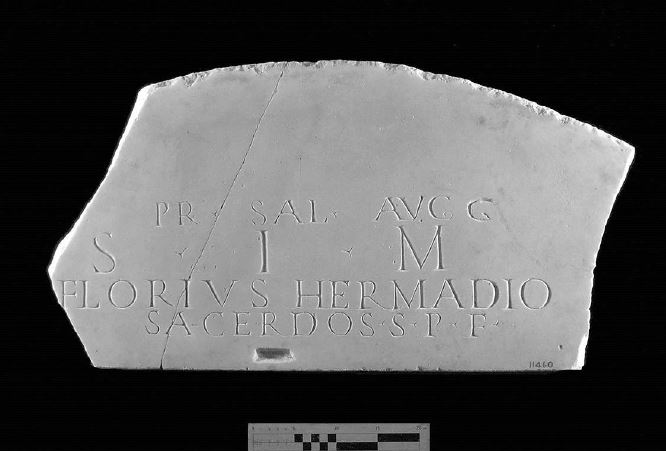
Marble revetment inscription from the cult niche of the Mitreo della Planta Pedis recording a dedication to Sol Invictus Mithras by the priest Florius Hermadio for the welfare of two emperors.
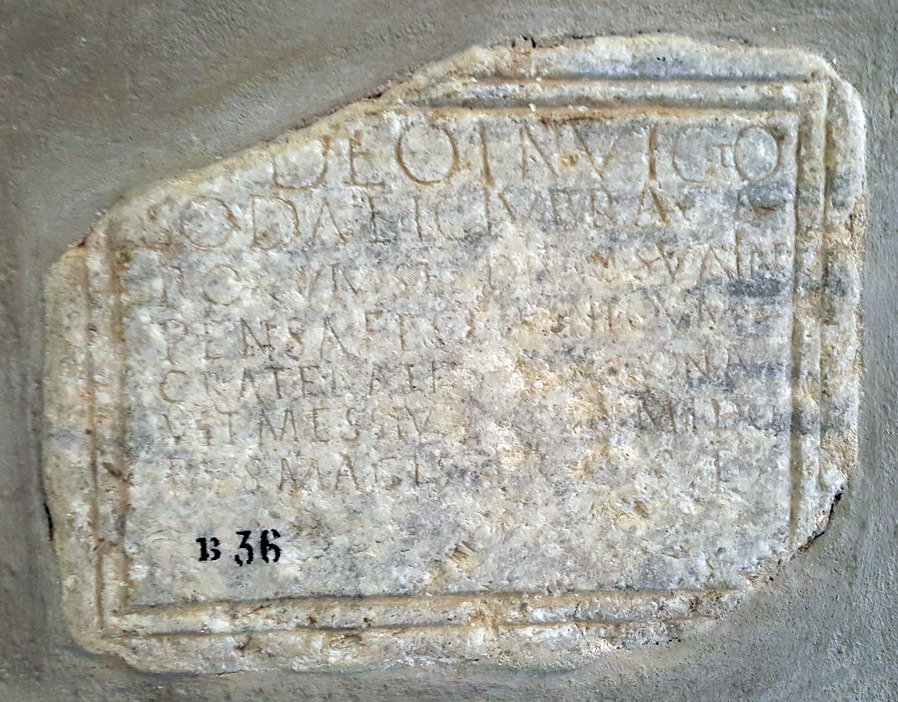
Marble inscription recording the construction of a Mithraic meeting place and the donation of a crater by Titus Flavius Artemidorus.
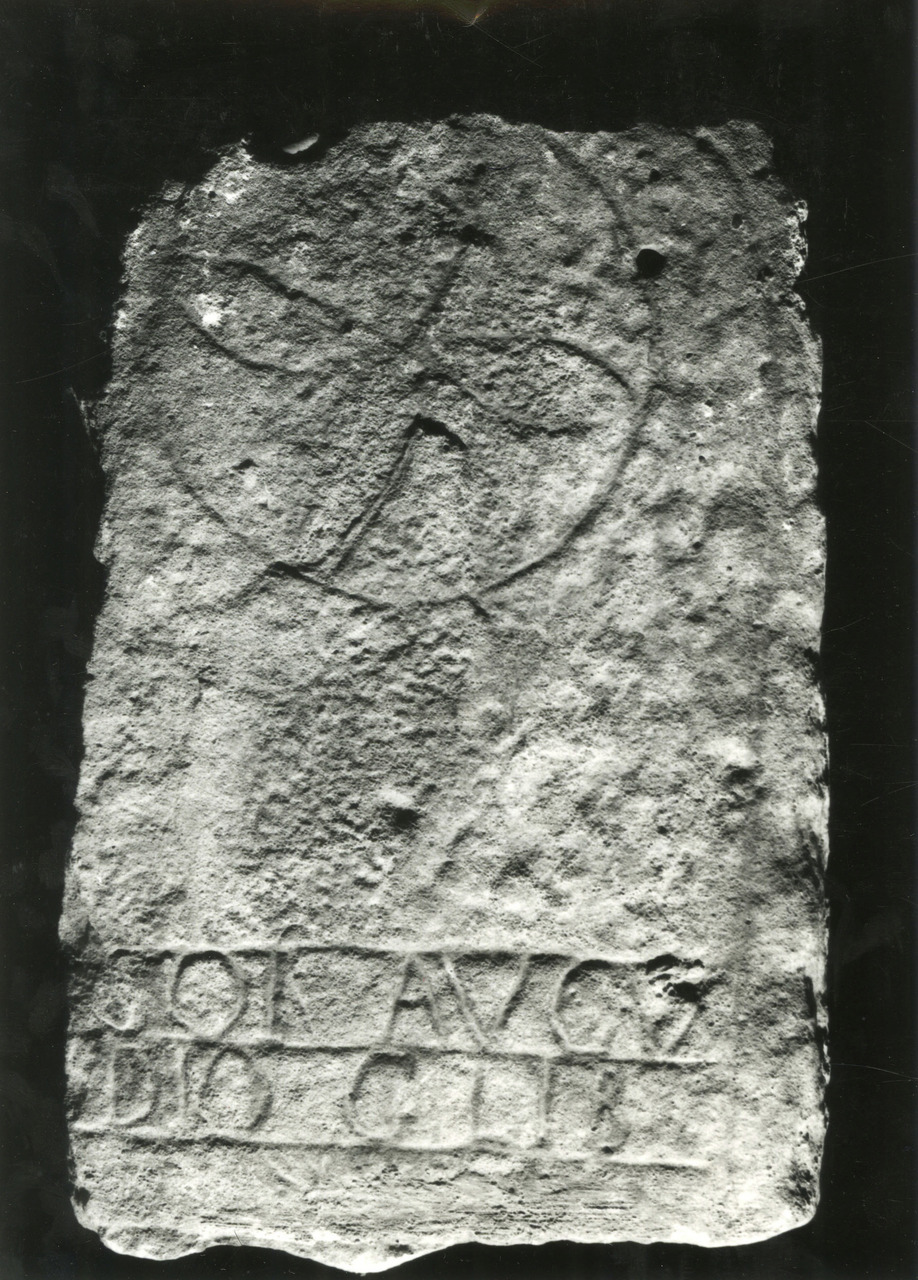
A sandstone slab found along the border of the Tagus river near Thirmarum (modern Trillo, near Cifuentes in Guadalajara), recording an inscriptoiin by a certain Cornelius, freedman of Gaius.
Limestone slab dedicated to the invincible Sun by the governor Marcus Aurelius Decimus near the temple of Aesculapius.
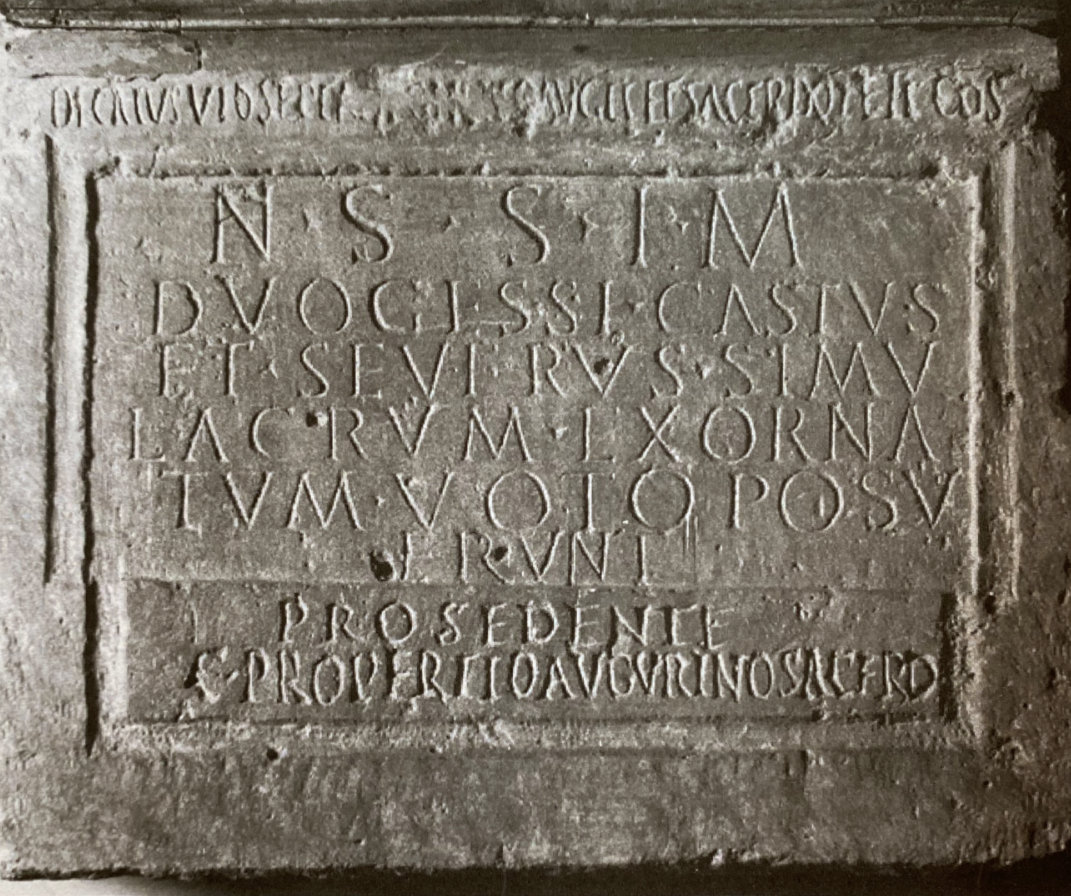
Gessius Castus and Gessius Severus have placed a decorated stutue and left testimony on this inscription below.
Epigraphic testimony catalogued in the Année Épigraphique and Lugli’s Fontes for ancient Rome.
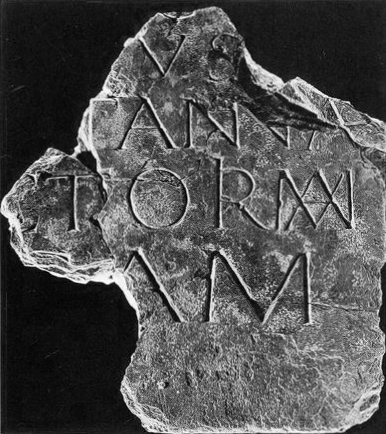
Archaeological material from the Mithraeum of Londinium discussed in Hill’s study of Roman London.
Limestone keystone dedicated to the invincible Sun by Peticius Pastor and preserved at Lepcis Magna.
The inscription is carved into two pieces of marble cornice.
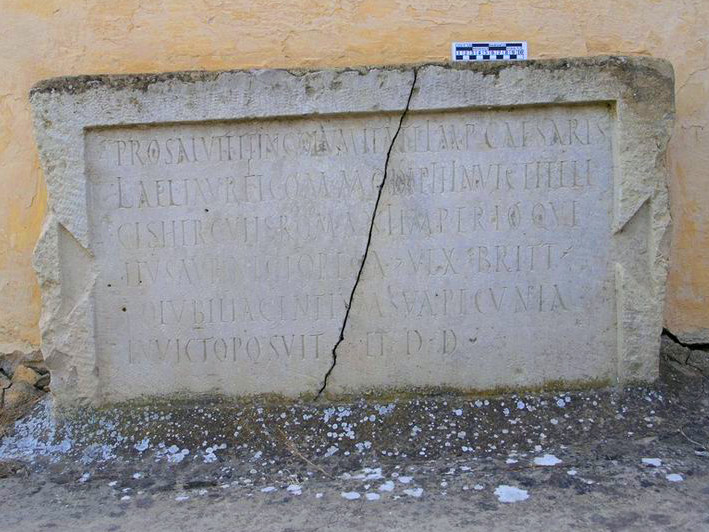
One of the two inscriptions by Aurelius Nectoreca, a follower of Mithras, found in Meknès, Morocco.
This inscription by a certain Numidius Decens was found in the Forum of Lambaesis, now Tazoult تازولت in Algeria.

This dedicatory inscription by Aurelius Seleucus, found in Cilicia, aligns with Plutarch’s account of Cilician pirates performing foreign sacrifices and secret rites of Mithras.

This votive silver plaque depicting Mithras was found at the site of Pessinus, Ballıhisar, in Turkey.
This marble tablet found at Portus Ostiae mentions a pater, a lion donor and a series of male names, probably from a Mithraic community.
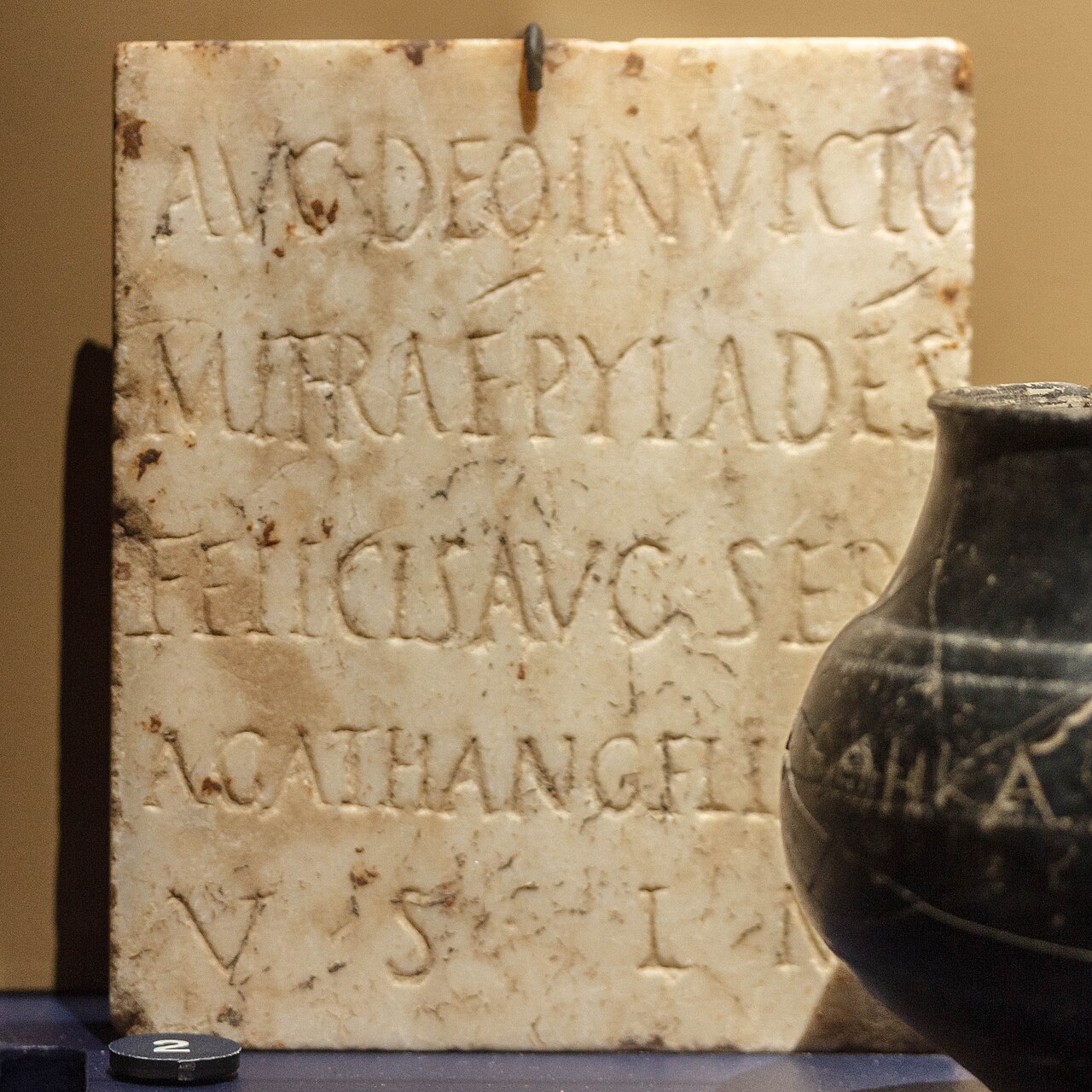
This marble plaque from Iuliomagus, Roman Angers, bears a rare dedication to Mithras by Pylades, a slave of an imperial slave connected to the Roman administration in Gaul.
Inscription from Hamadan where the ’great king’ Artaxerxes mentions Ahuramazda, Anahita, and Mithra as guardians.
