Your selection gave 851 results.
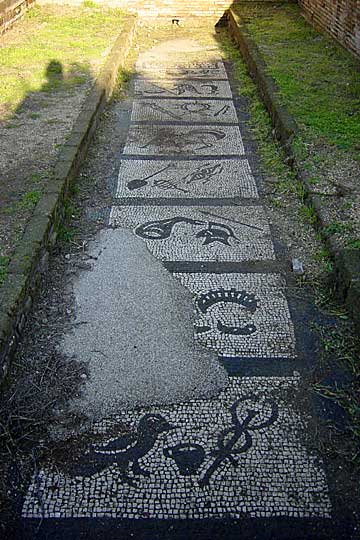
The Felicissimo Mithraeum has a floor mosaic depicting the seven mithraic grades.
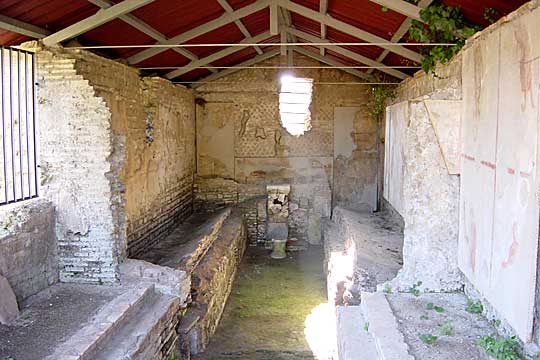
The House of the Mithraeum of the Painted Walls was built in the second half of the 2nd century BC (opus incertum) and modified during the Augustan period.
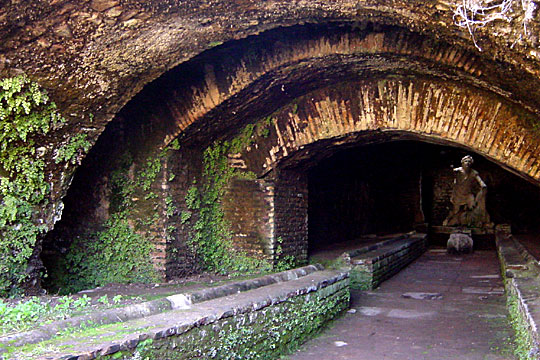
The Mithraeum of the terms of Mithras takes its name from being installed in the service area of the Baths of Mithras.
Lenni is the author of The Rites of Hekate and has written and been published extensively on Hekatean practice exploring the goddess’s many faces. She also writes and works with what she calls “dark botanicals”, cultivating two distinct moon gardens

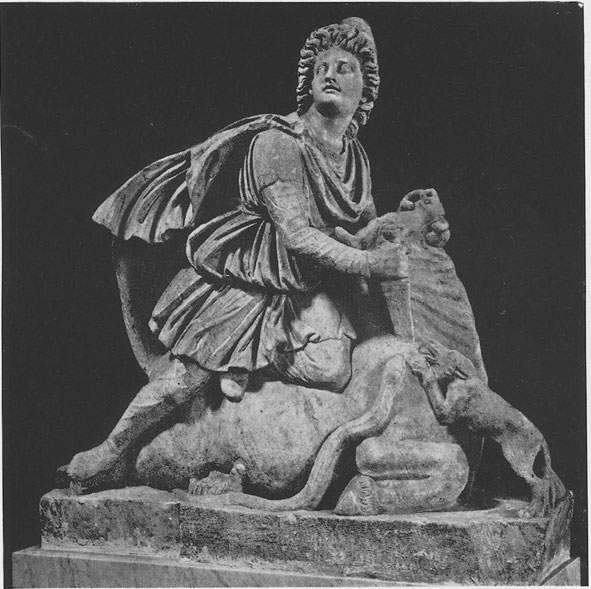
White marble statue found near the Scala Santa in Rome depicting Mithras as bull-slayer, accompanied by the dog, serpent and scorpion, with the bull’s tail ending in ears of grain.

This altar dedicated to Sol Invictus Mithras by a certain Septimius Zosimus was found in the Basilica of San Martino ai Monti in Rome.

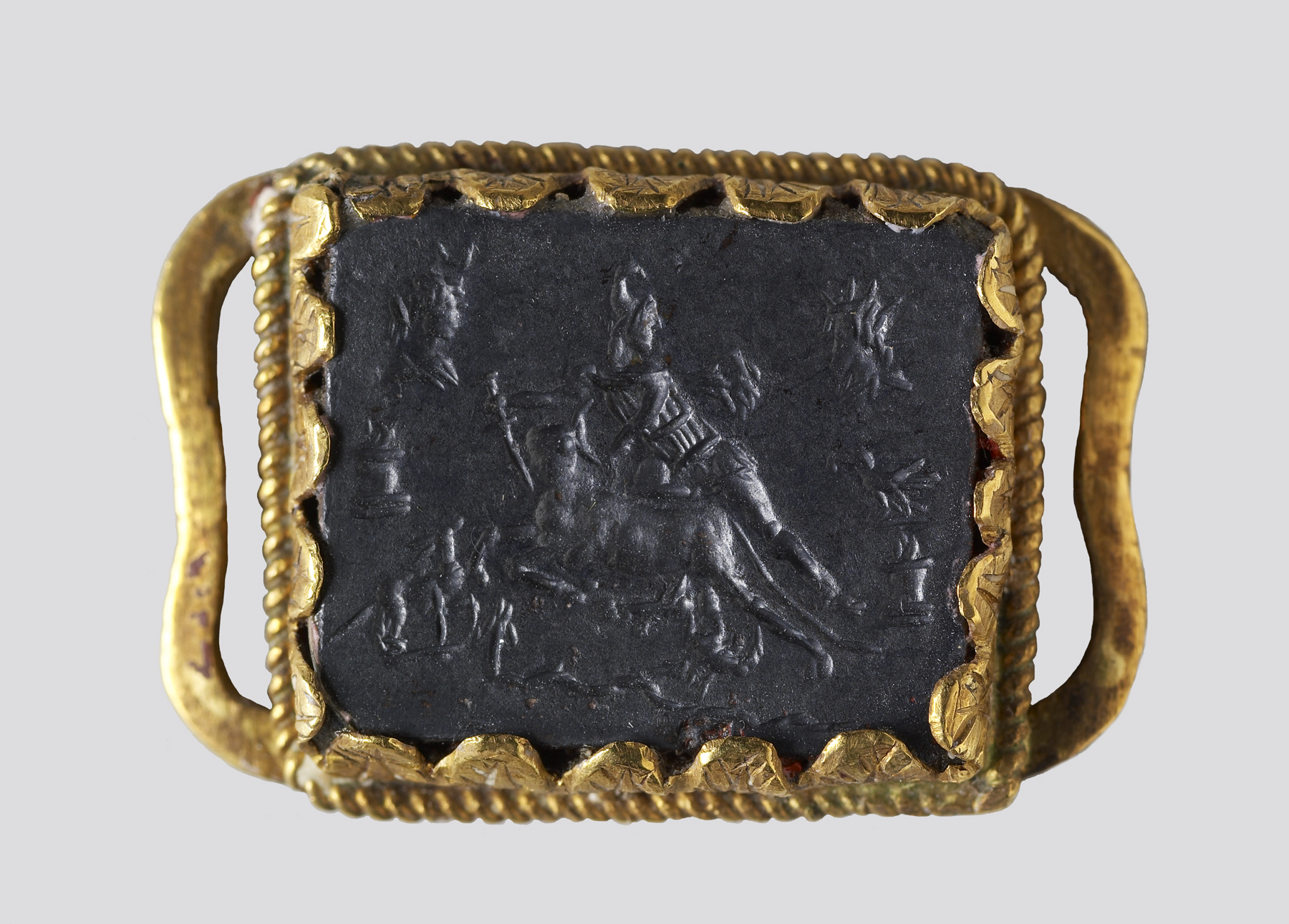
This unusual piece depicts Mithras slaying the bull on one side and the Gnostic god Abraxas on the other.
This inscription mentions a Pater for the first known time.
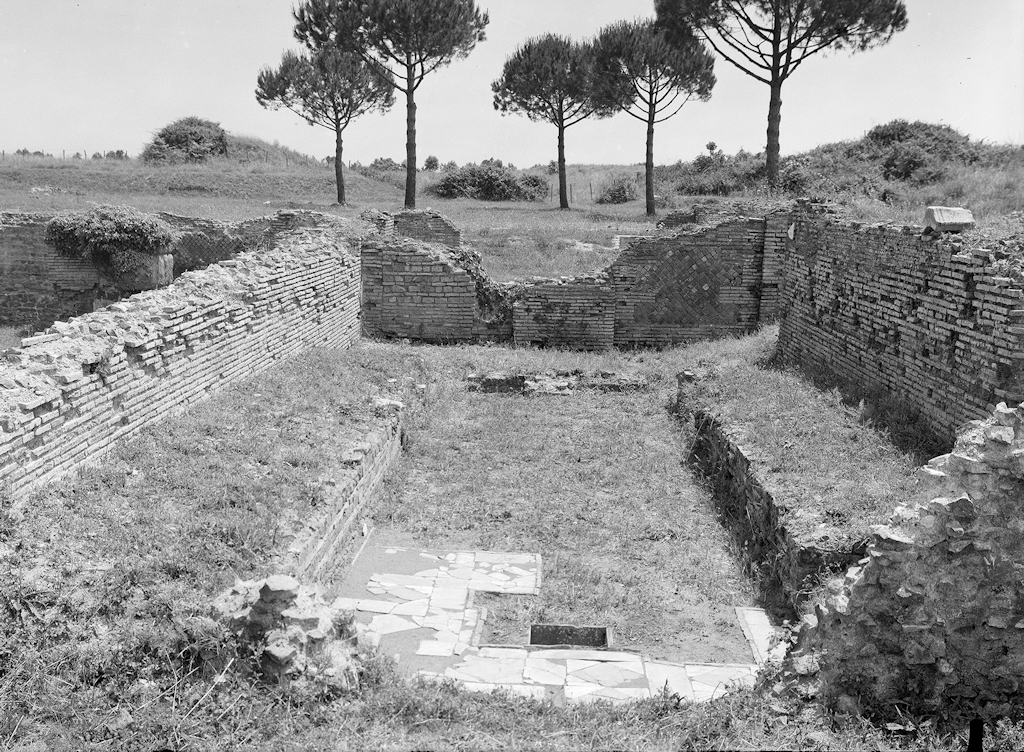
Excavated in 1919, the Mithraeum near the Roman Gate was installed in the 3rd century within a larger building complex.
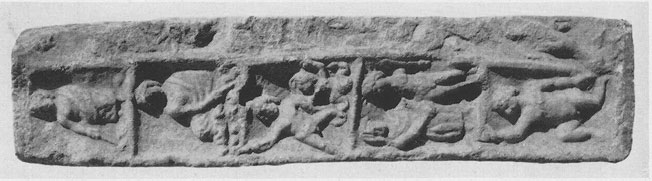
Fragment of a double-sided white marble Mithraic relief from San Zeno, found near the Castello di Tuenno, depicting elements of the tauroctony cycle and bearing a dedication to Deo Invicto Mithrae.
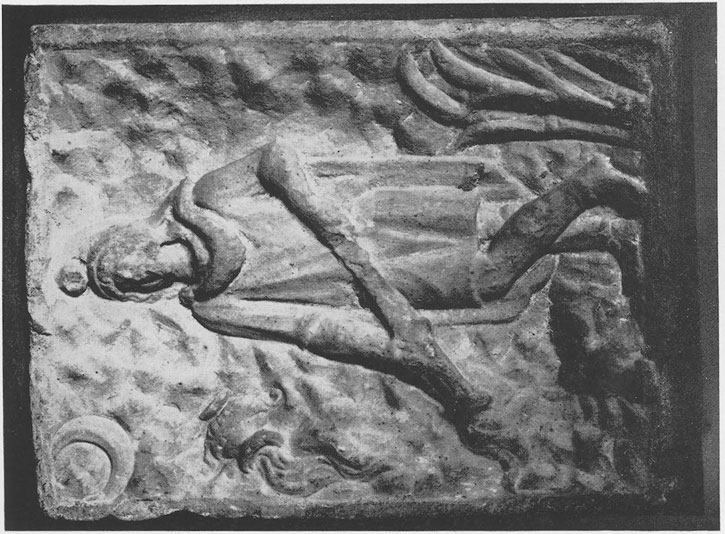
Limestone low-relief depicting Cautopates standing cross-legged in eastern dress, accompanied by a bull, flowing water from an overturned jar and a crescent from Bolognia.

The sculpture of the birth of Mithras in Florence included the head of Oceanus.
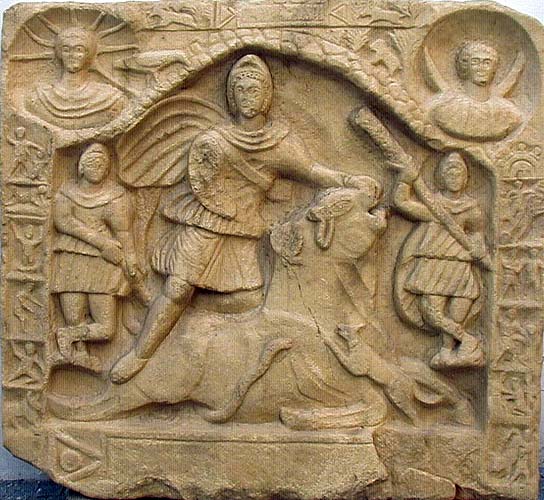
The relief of Mithras slaying the bull at Mauls in Gallia cisalpina is a paradigmatic example of the so-called Rhine-type Tauroctony.
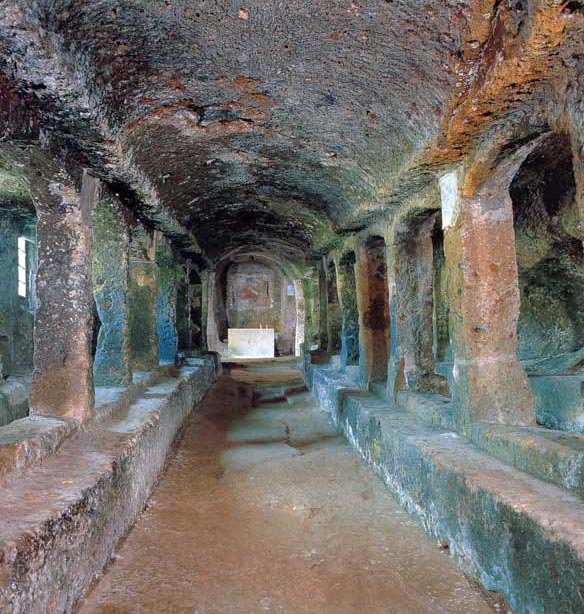
The Mithraeum of Sutri was built inside a rocky hill that also hosted the Roman theatre of the city.
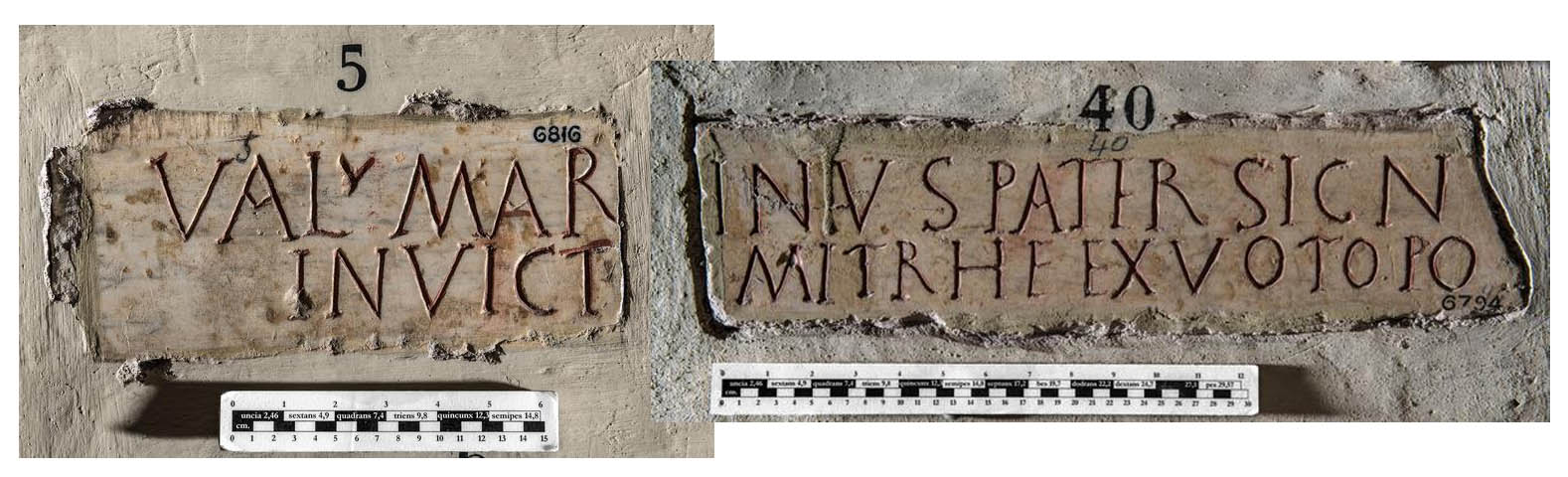
Marble inscription recording the dedication of a cult image to the unconquered Mithras by a certain pater Valerius Marinus from Rome.
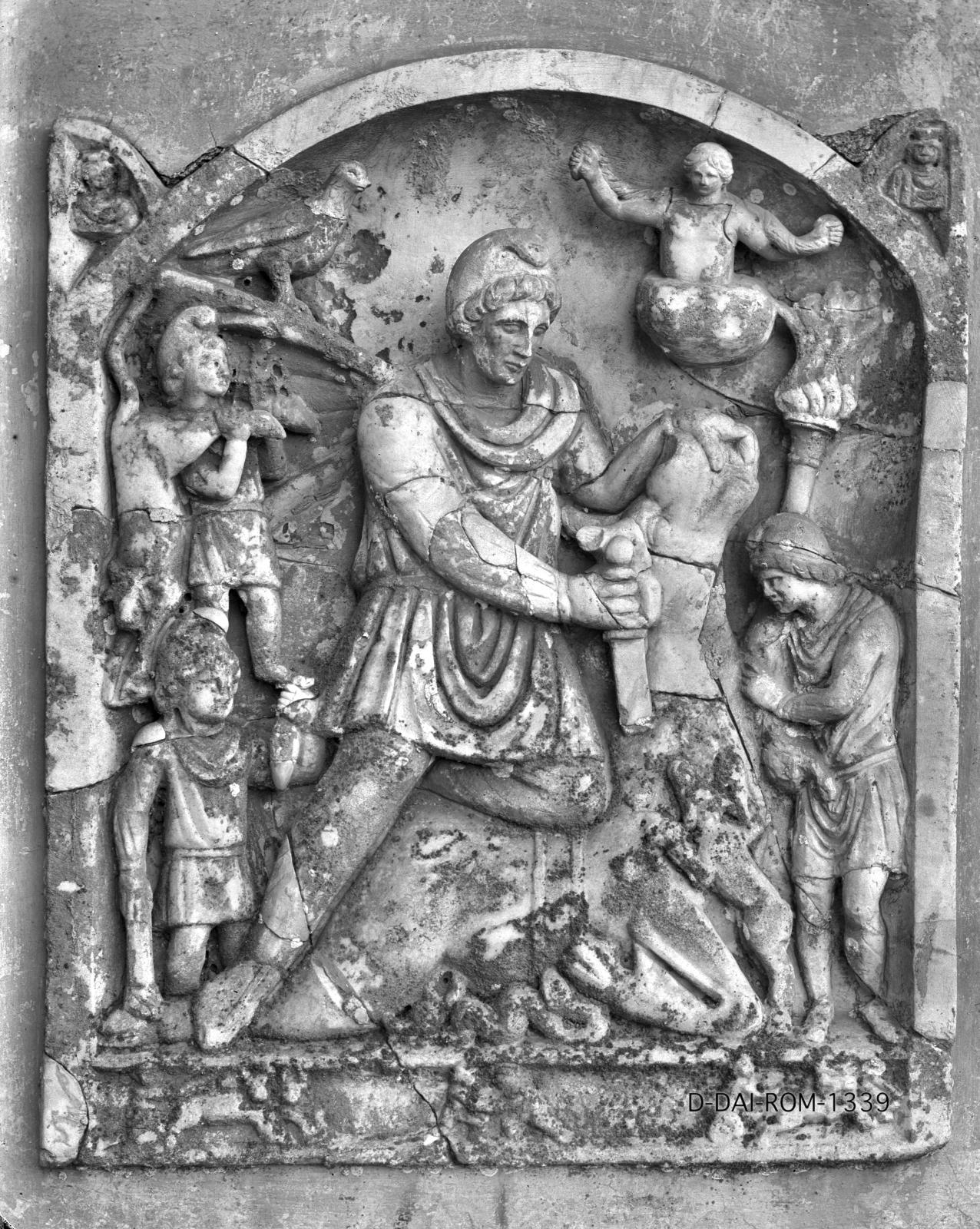
Currently in the Musei Vaticani, this Tauroctony includes Mithras’s birth restored as Venus anaduomene.

This Mithraic temple, also known as the Mithraeum of the Olympii, dates to the 3rd century and was rediscovered in 15th-century Rome, but it has not been preserved.
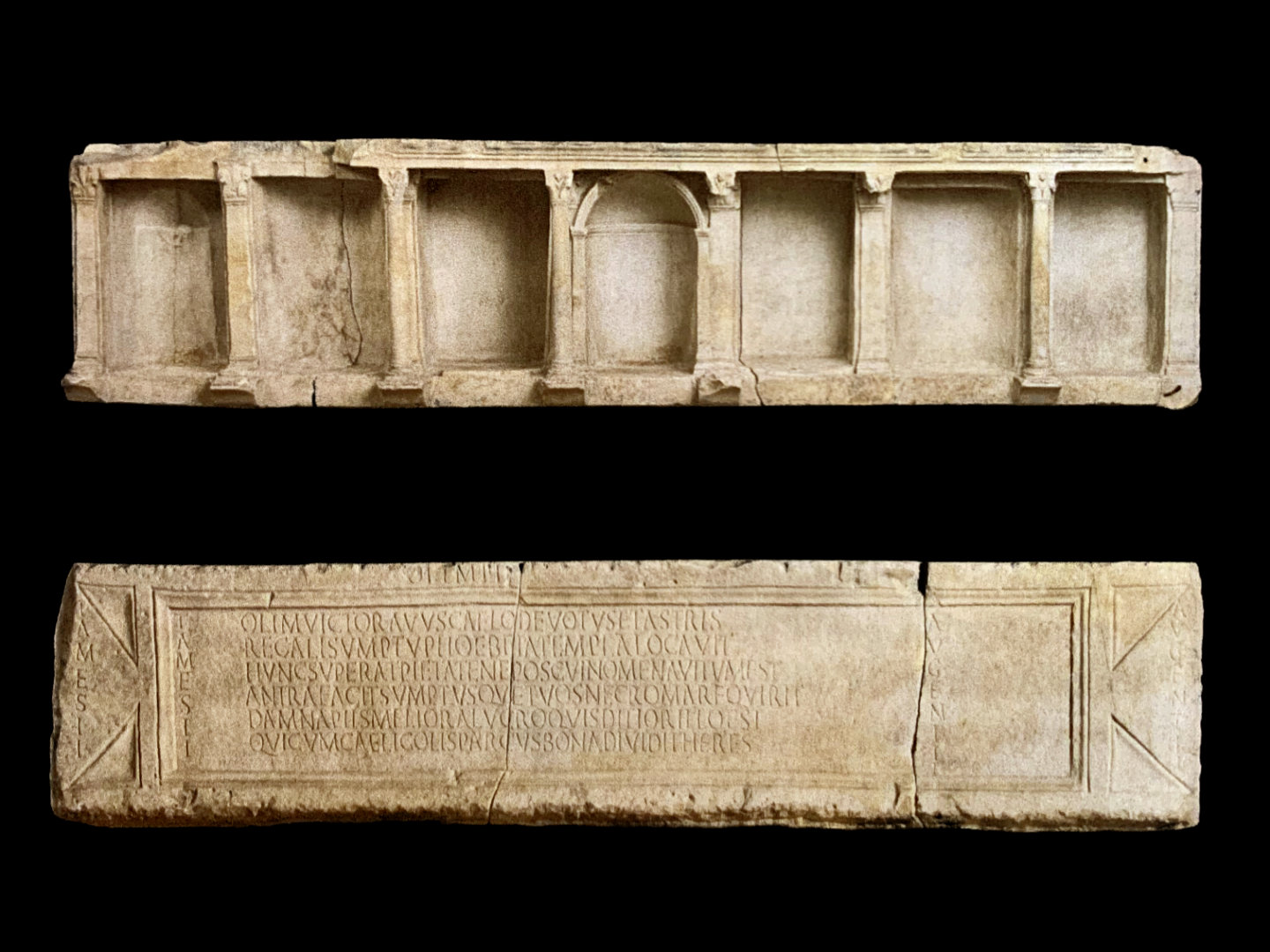
This monument is the only one still available from the disappeared Mithraeum in Piazza S. Silvestro in Capite.
