Your selection gave 173 results.

Mithraic dedicant associated with the rock-cut sanctuary of Rožanec in Pannonia Superior.
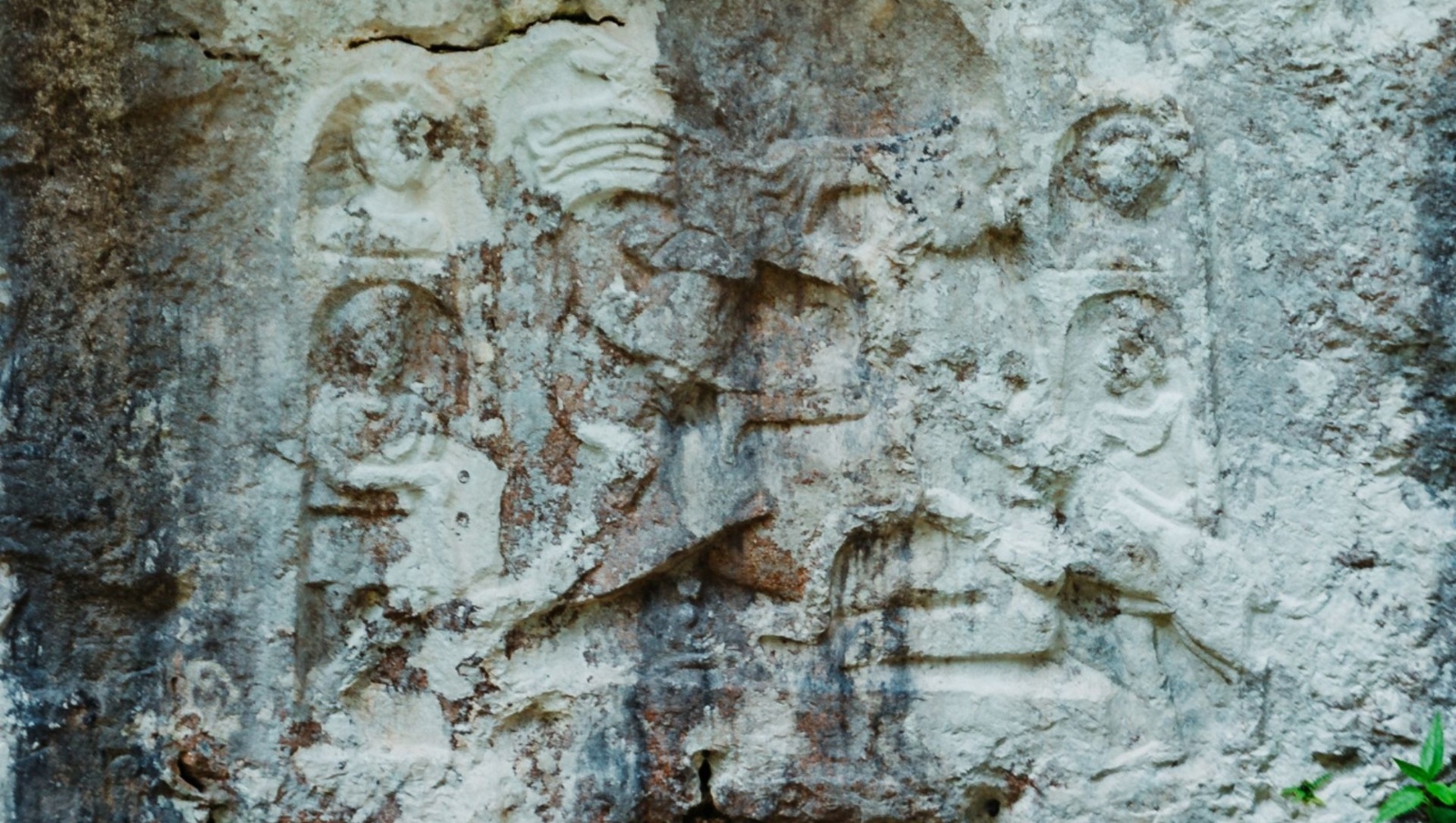
Carved directly into the rock of the Rožanec sanctuary, this tauroctony relief preserves an unusually complete composition.
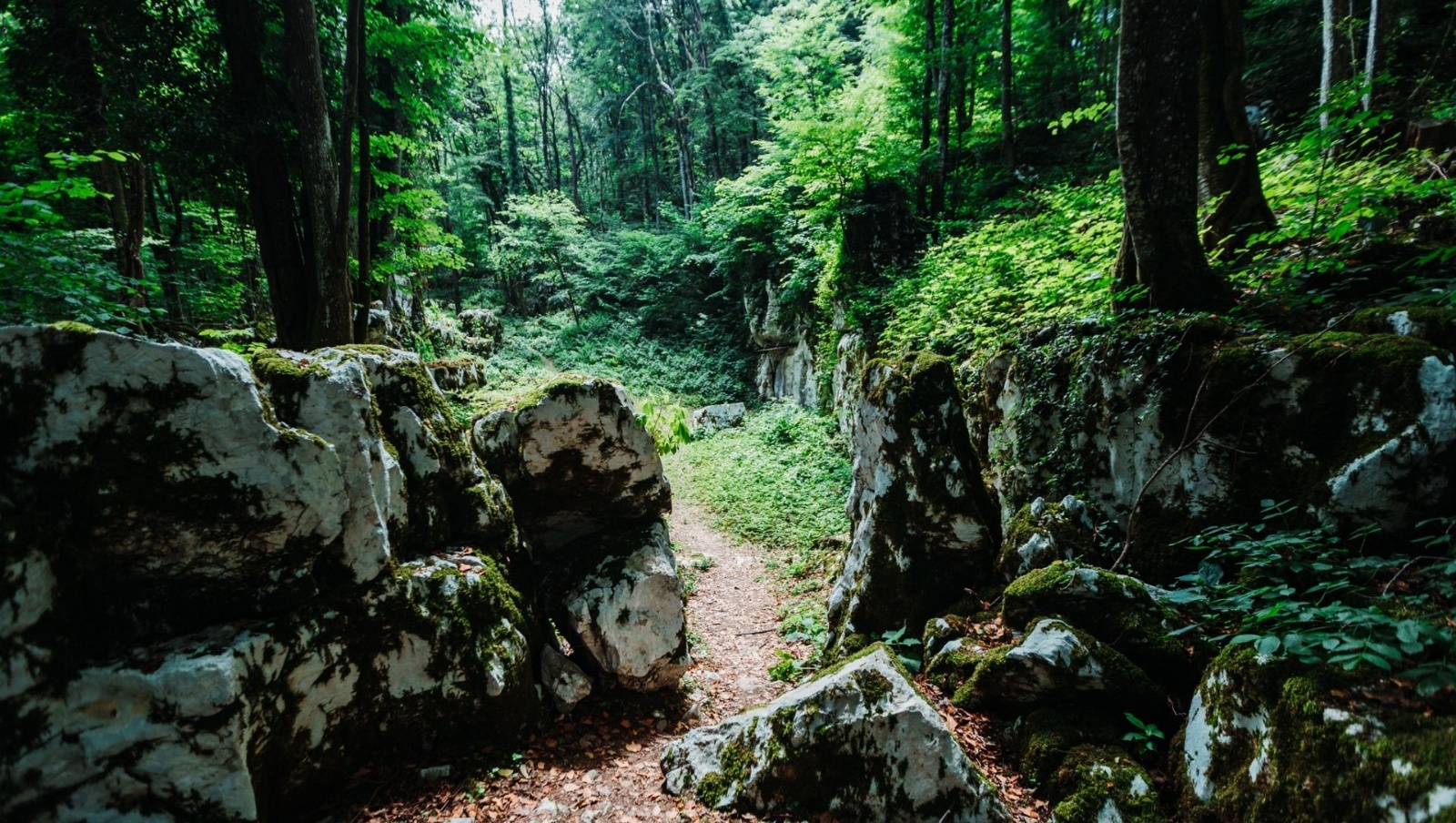
Rožanec is a settlement north of the town of Črnomelj in the White Carniola area of southeastern Slovenia.

Višnja Gora lies within the southeastern Alpine region historically connected with Roman Pannonia.
The Rožanec area belongs to the southeastern Alpine frontier landscape of Roman Pannonia.
Praetorium Latobicorum occupied a strategic position along the communications routes of southeastern Pannonia.
Poljčane belongs to the southeastern Alpine region historically linked with Roman Pannonia.
Neviodunum developed into an important settlement along the Sava river communications corridor.
Hoče lies within the southeastern Alpine region historically associated with Roman Noricum.
Atrans stood near the important Alpine crossing routes linking Italy with the Danubian provinces.

Marble altar from Poljčane between Celje and Maribor, Pannonia Superior, dedicated to Deo invicto Mithrae by Lucius Annius Serecinus for the welfare of his grandson Lucius Annius Verus — a rare three-generation Mithraic dedication.
Inscription from Trojane, ancient Atrans in Pannonia Superior, recording that Quintilianus, beneficiarius consularis of Legio II Italica, restored a Mithraic temple that had collapsed through age, at his own expense.
Marble altar from Hrastnik near Trojane, ancient Atrans in Pannonia Superior, dedicated to Deo invicto Mithrae by Eutyches, contrascrip of the conductores portorii publici, slave of the Iulii, acting as vicarius of Benignus, vilicus of the statio Atrantiana…
Inscription from Neviodunum, Pannonia Superior, with a head of Sol at its centre and a dedication to Iovi optimo maximo Soli invicto comiti Augusti; the Mithraic attribution is doubtful.
Inscription from Wieden, ancient Neviodunum in Pannonia Superior, dedicated to Invicto deo by Charito, of the Neviodunenses — possibly a slave or freedman of the community.
Small limestone altar from near Višnja Gora, Pannonia Superior, dedicated to Fonti perenni — the eternal spring — a dedication associated with the Mithraic water cult.
Altar from Trebnje, ancient Praetorium Latobicorum in Pannonia Superior, dedicated to Invicto Mithrae by Publius Aelius Respectus.
Sandstone altar found between Celeia and Emona, Noricum, dedicated to Invicto Mithrae by Surio; the misspelling Mitre for Mithrae reflects local phonology.
Inscription from Celje, ancient Celeia in Noricum, recording that Aemilianus donated a gift to Mithrae invicto ex imperio — on divine command.
