Your search Ain Zana gave 1332 results.
A slave of a certain Flavius Baeticus, Quintio dedicated an altar to the health of a companion.

A slave of a certain Tiberius, he likely dedicated an altar to the invincible god Mithras in Carnuntum.
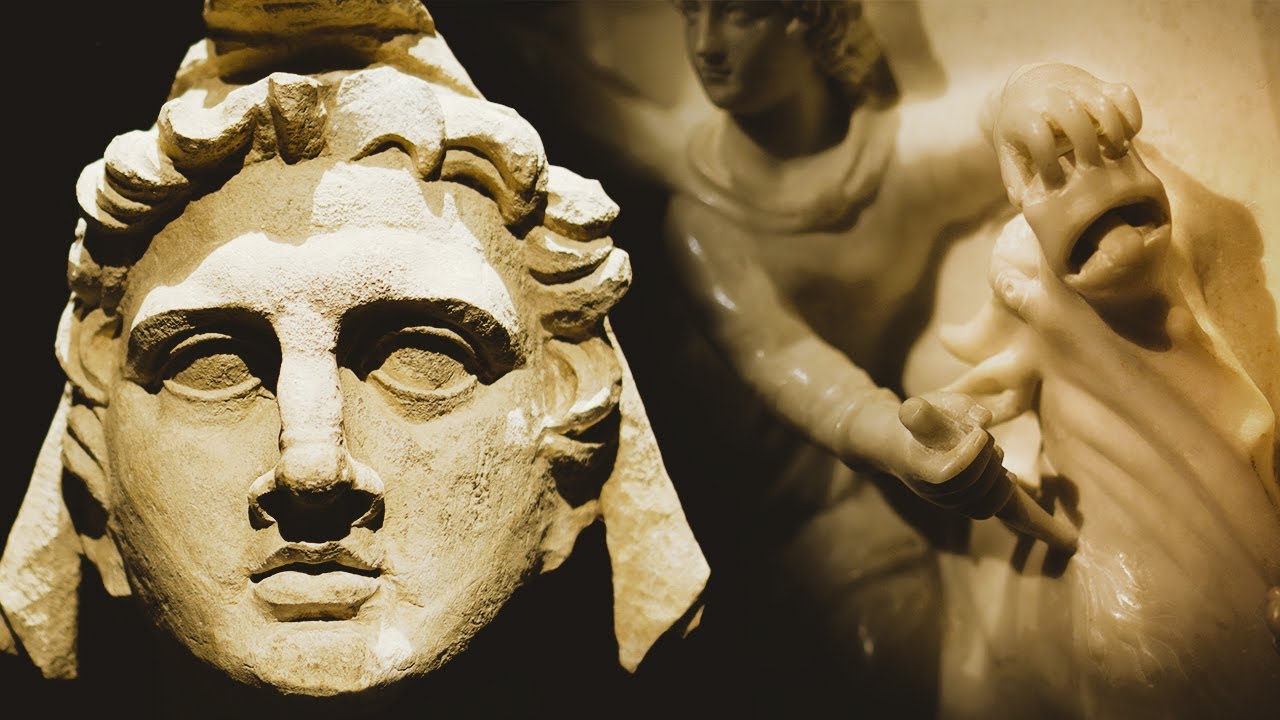
Nouveau video de Mysteria dédié au culte de Mithra à partir de l'exposition Le mystère de Mithra au Musée Saint Raymond.

Freedman and administrator of the country estate of a certain Flavius Macedo in Moesia.

His name was added to the main tauroctony sculpture of the Mitreo Fagan.



Slave of a certain Macus Iulius Eunicus, Hermes dedicated a monument to Silvanus found in the Mitreo della Planta Pedis.
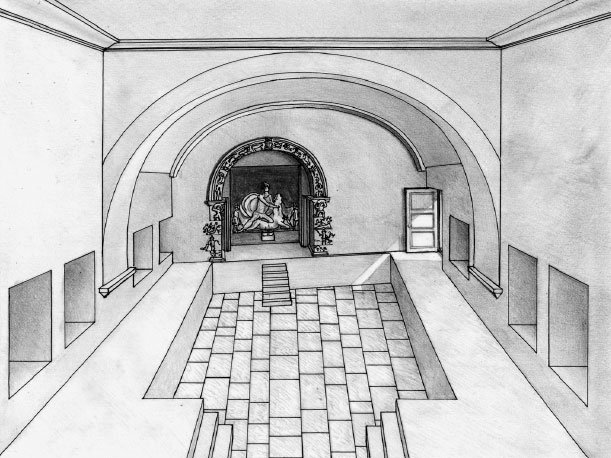
The Mithraeum of Saara, Syria, has been identified through the deciphering of the remains of the iconographic programme on its arch.

Porphyry states that the Mithraists “perfect their initiate by inducting him into a mystery of the descent of souls and their exit back out again, calling the place a ‘cave’.”.

Over the last century or so, a great deal has been said about the god Mithras and his mysteries, which became known to the European world mainly through his Roman cultus during the Imperial Period.

The remains of the Mithraeum of Aosta, also known as the Mitreo di Augusta Praetoria, were discovered in 1953 in insula 59, in a commercial district of the ancient city.

This inscription found in the Mithraeum Aldobrandini informs us of certain restorations carried out in the temple during a second phase of development.
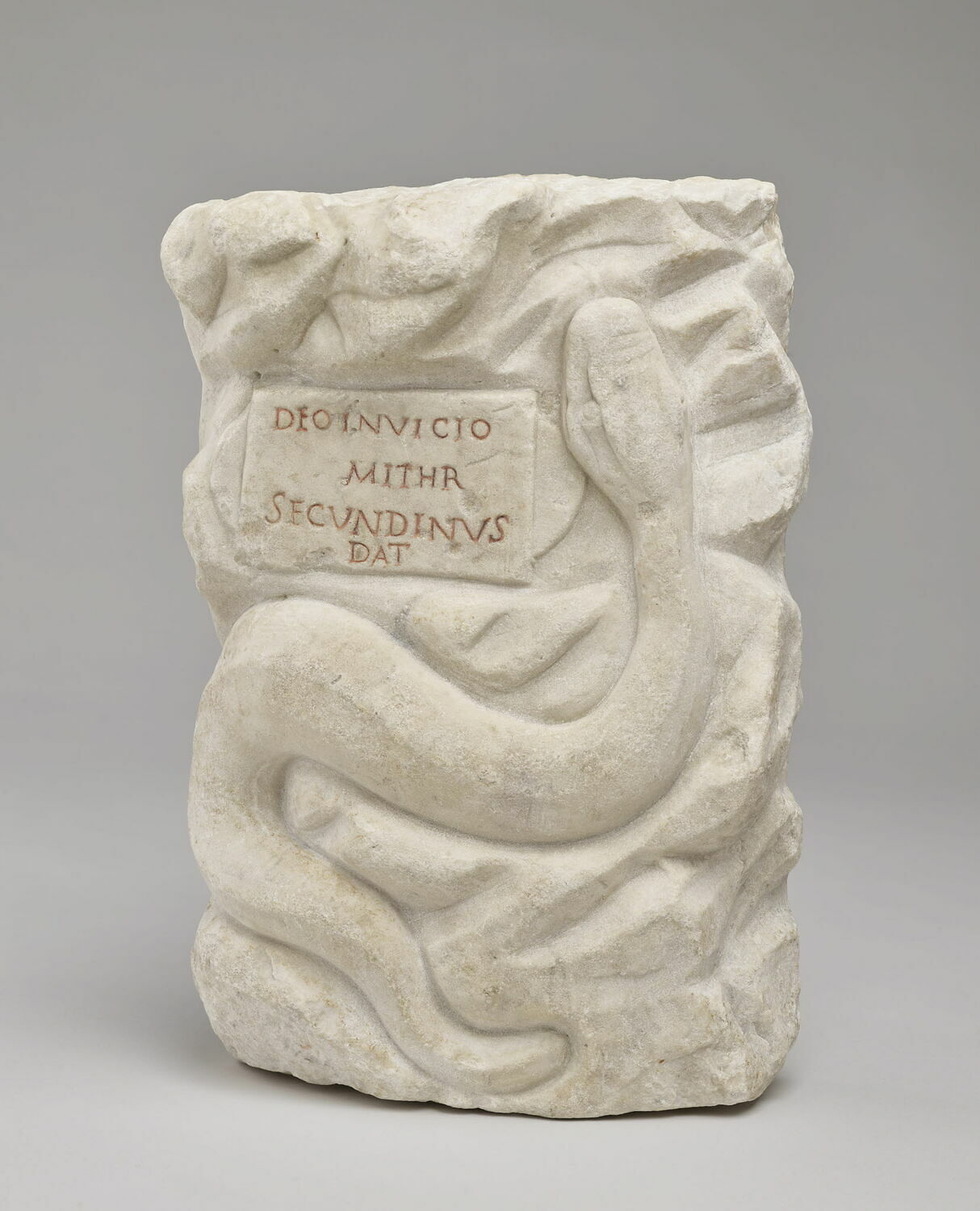
There is no consensus on the authenticity of this monument erected by a certain Secundinus in Lugdunum, Gallia.

This marble sculpture from Sicily, known as the Randazzo Vecchio or Rannazzu Vecchiu, contains some essential elements of the Mithraic Aion, the lion-headed god.
Margaux Bekas, commissaire de l’exposition ’Le mystère Mitrha. Plongée au cœur d’un culte romain’, présente dans cette vidéo les origines du dieu Mithra.
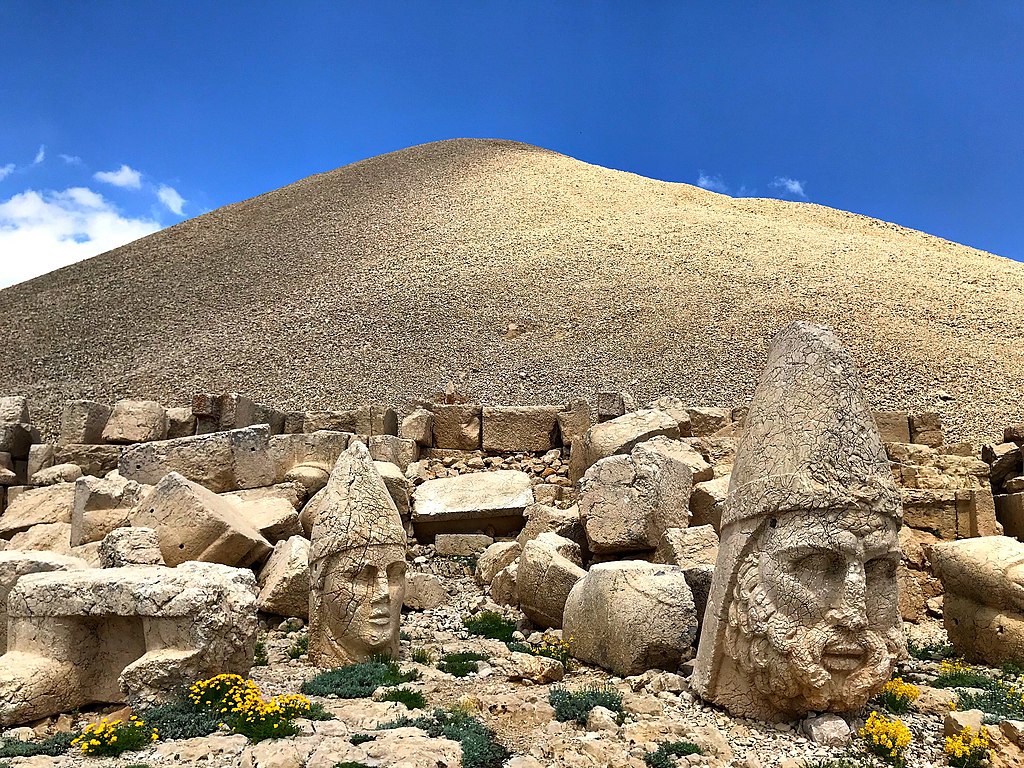
Mount Nemrut or Nemrud is one of the highest peaks in the eastern Taurus Mountains, southeastern Turkey. On its summit large statues stand around what is supposed to be a royal tomb from the 1st century BC.
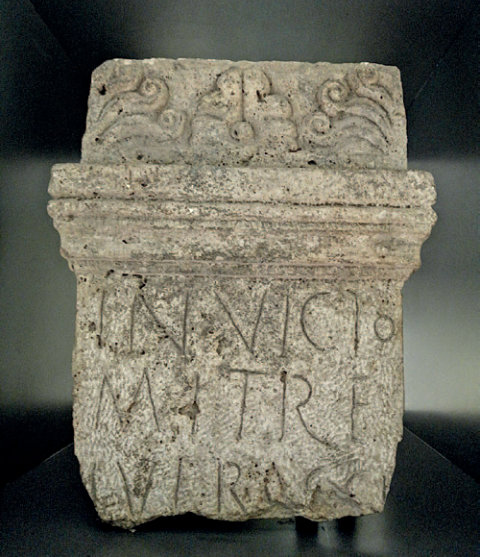
This Mithraic altar of a certain Iulius Rasci or Racci was found in 1979 in a field in Borovo, Croatia, in the area of the Roman fort of Teutoburgium.
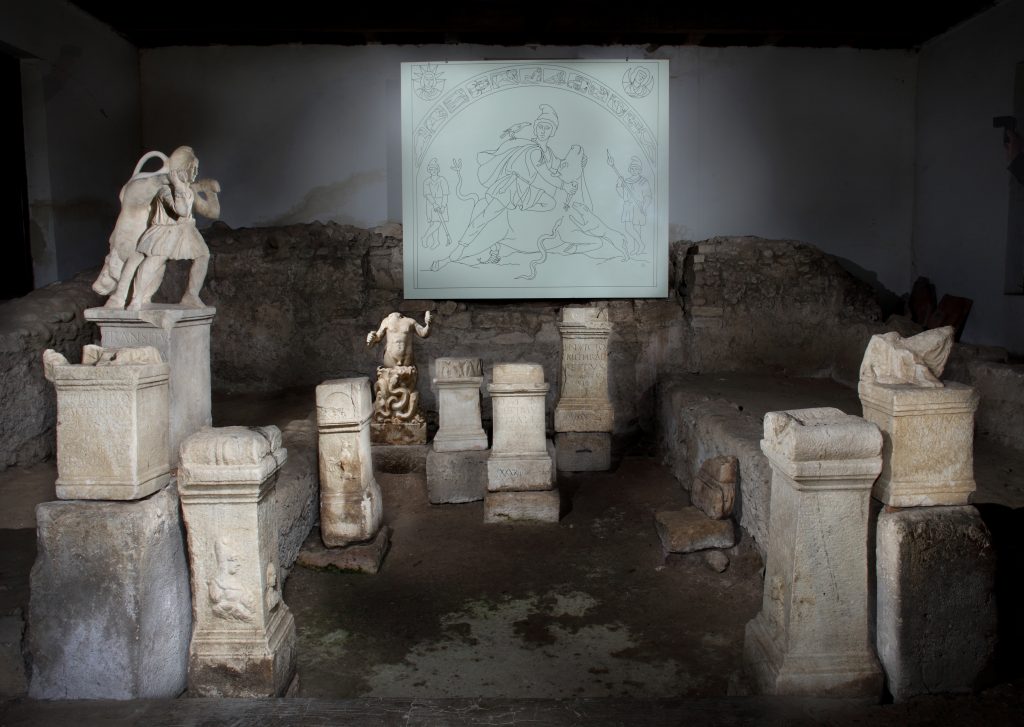
The Mithraeum I of Ptuj contains the foundation, altars, reliefs and cult imagery found in it.
Minto has claimed that the time god Aion was painted on the corner of the north wall of the Mitreo de Santa Capua Vetere.
