Your search Al-Bahnasa gave 3013 results.
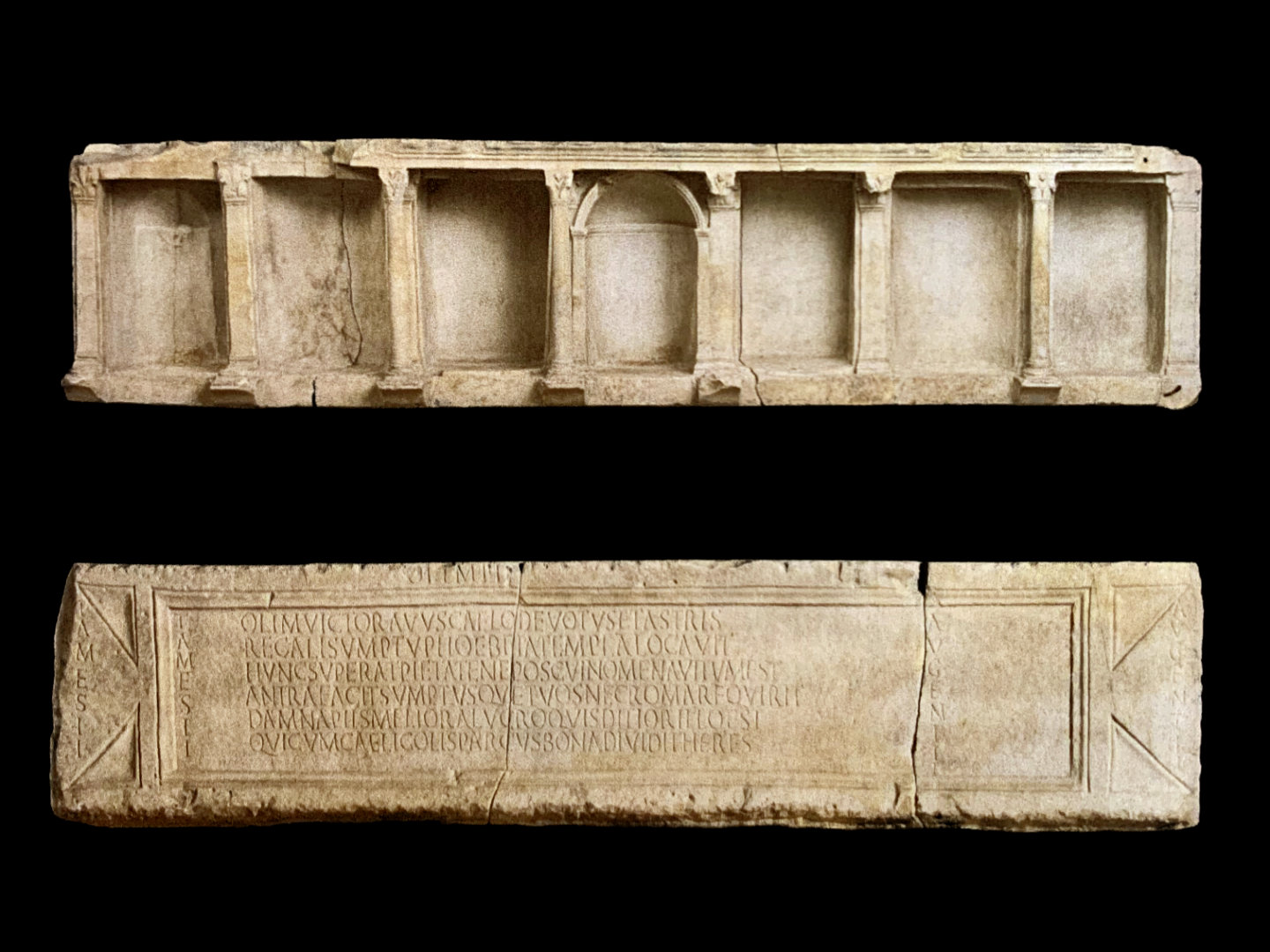
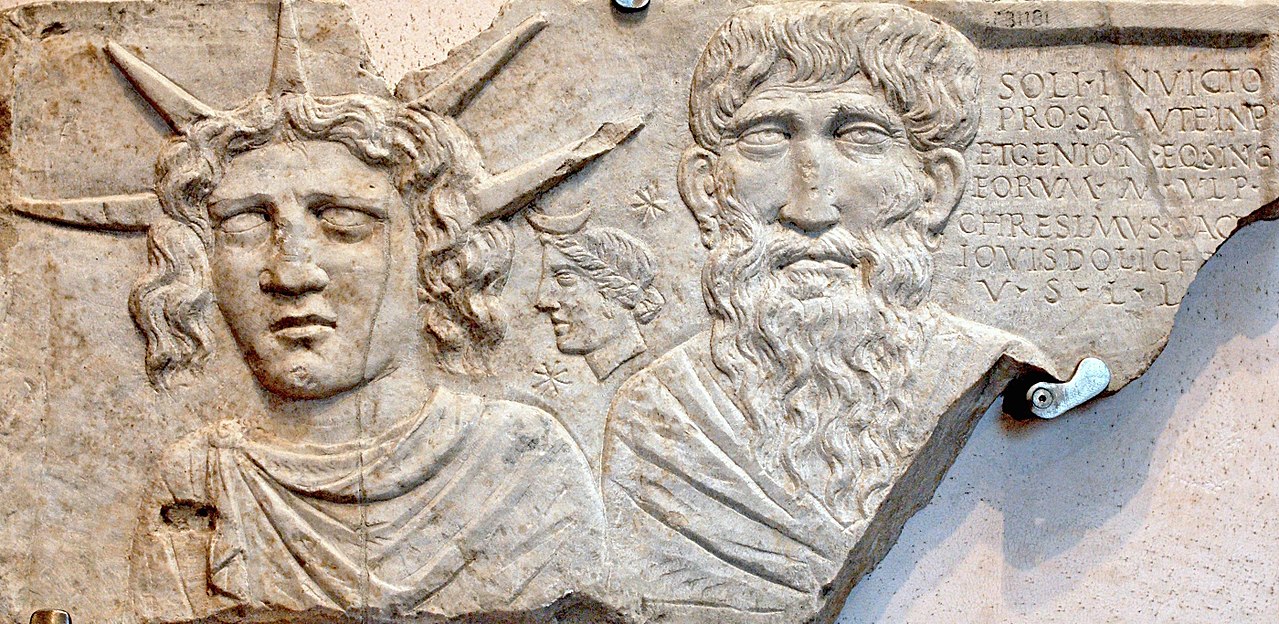
This monument is the only one still available from the disappeared Mithraeum in Piazza S. Silvestro in Capite.

The dedicator of this monument is also known for having made a tauroctonic relief in Nesce.
This marble slab, found in the Mithraeum of San Clemente, bears an inscription by a certain Aelius Sabinus for the health of the Emperor Antoninus Pius and his sons.
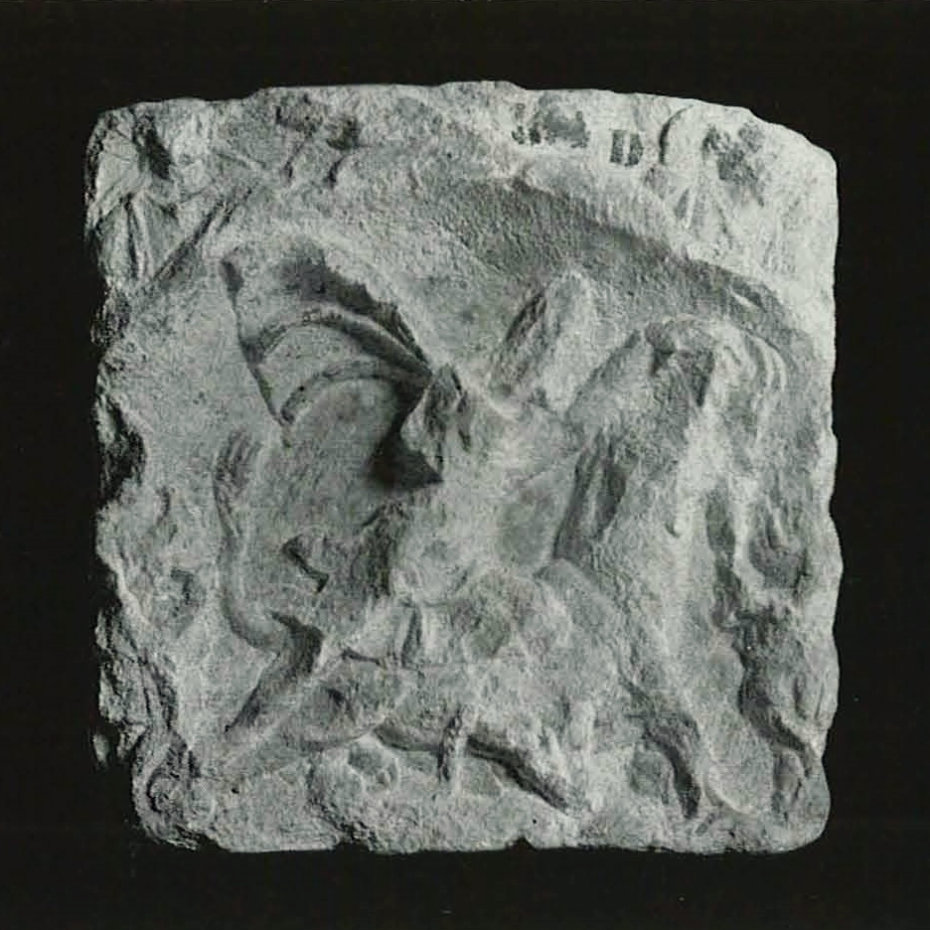
This damage relief of Mithras killing the bull was found walled into a house near Split, Croatia.
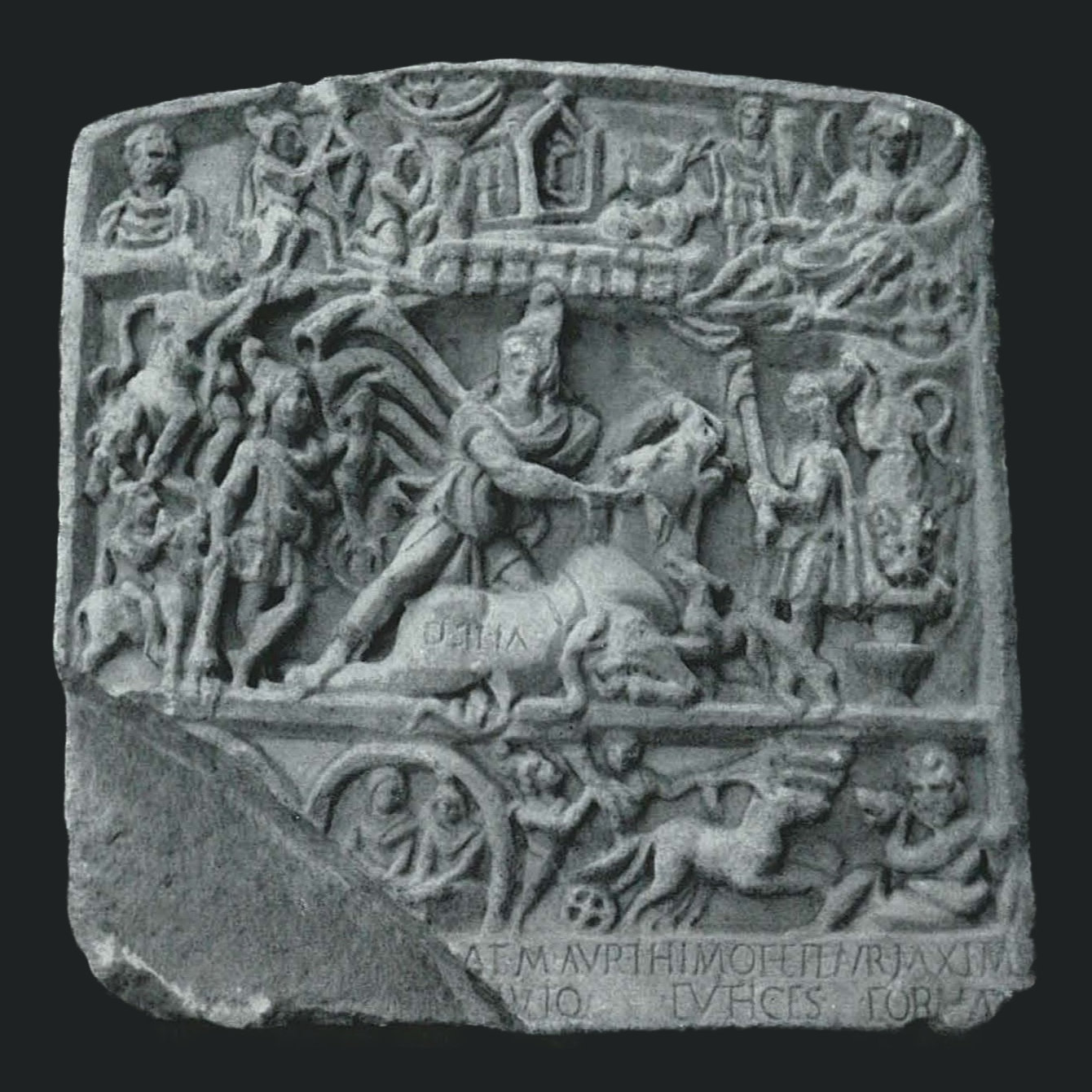
This marble relief of Mithras killing the bull was made by a freedman who dedicated it to his old masters.
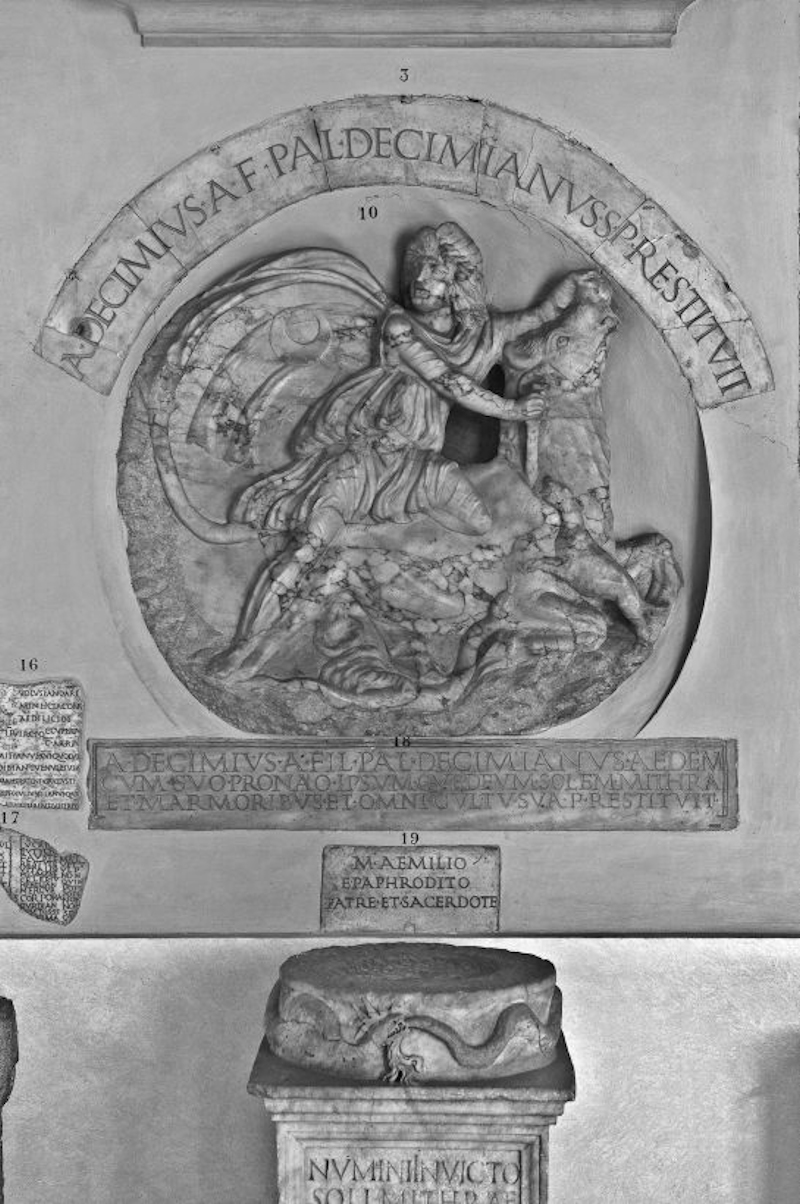
The relief of Mithras slaying the bull from the Mithraeum of the Seven Spheres was discovered in 1802 by Petirini by order of Pope Pius VII.
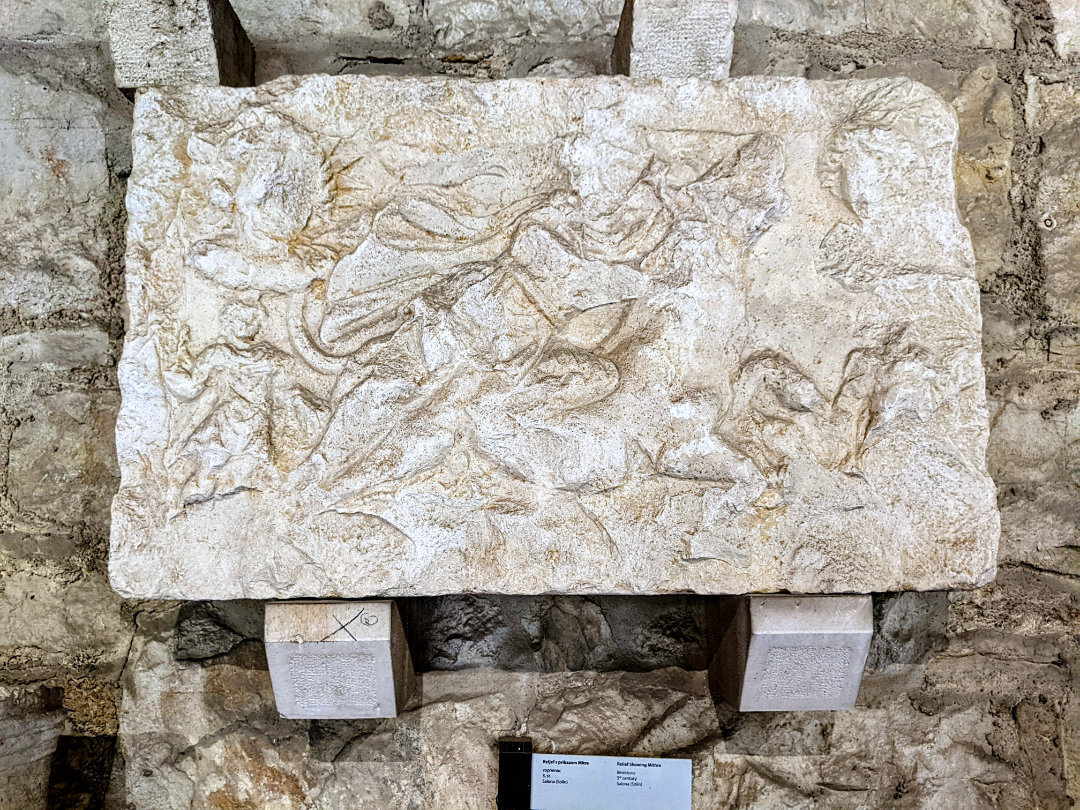
This relief of Mithras killing the sacred bull was found in 1908 near Klisa, in the surroundings of Salona, the ancient capital of Roman Dalmatia.
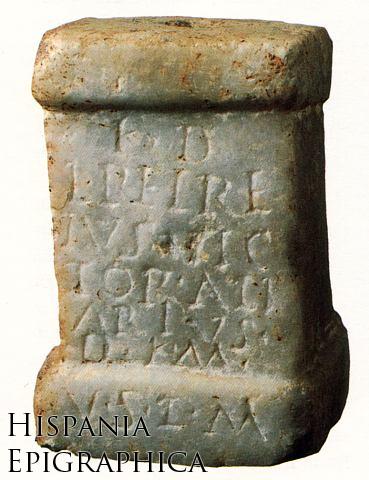
Small arula with mithraic inscription and dedication to Cautes from a garlic merchant.
This marble slab found near the Casa de Diana in Ostia bears two inscription with several names of brothers of a same community
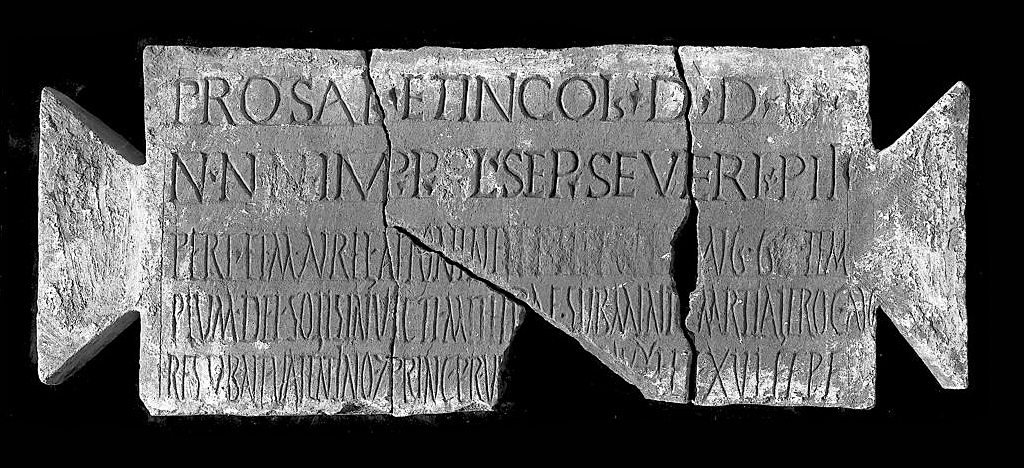
Antonius Valentinus, centurio, made this plaque for the salut des empereurs Septimus Severus and Marcus Aurelius.
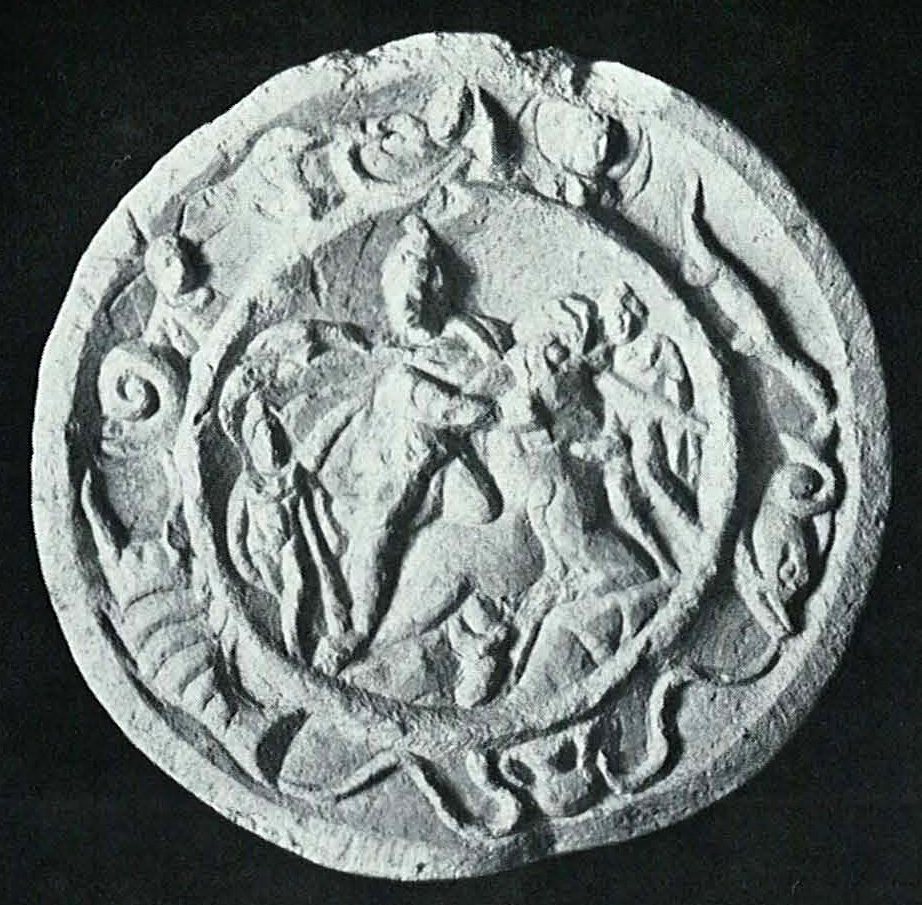
The round relief of Mithras killing the bull of Split is surrounded by a circle with Sun, Moon, Saturn and some unusual animals.

Capital of the Hittite Empire and discovery site of the earliest securely dated textual attestation of Mitra.

This plaque, located on the western staircase of the Palace of Darius, mentions the god Mithra together with Ahura Mazda as protectors of King Artaxerxes III Ochus.
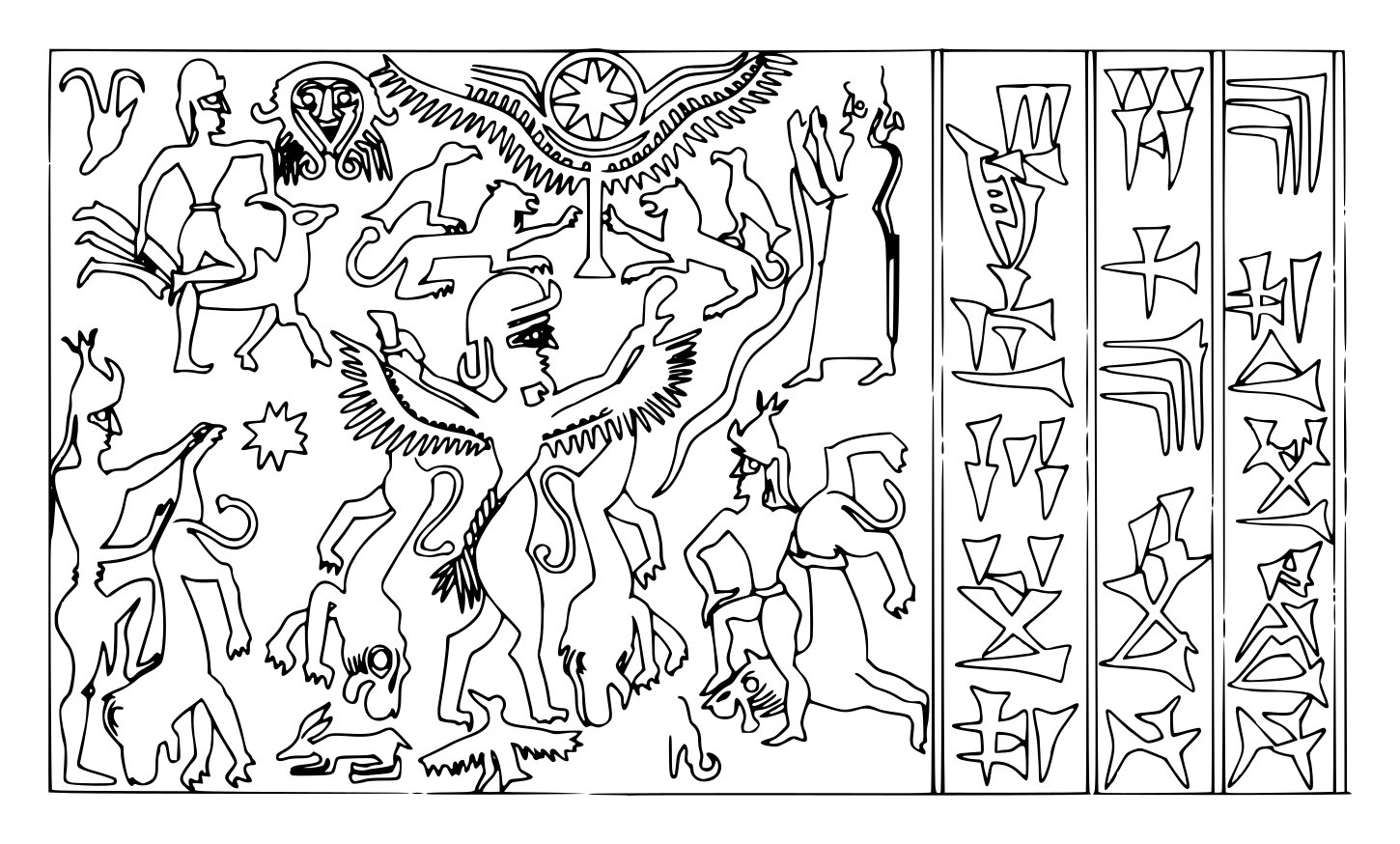
Royal Mitannian seal featuring a winged solar emblem and heroic combat scenes from the cultural milieu in which the earliest attestation of Mitra is found.
Hattusa, also Hattuşa, Ḫattuša, Hattusas, or Hattusha, was the capital of the Hittite Empire in the late Bronze Age during two distinct periods.

Senator, imperial legate and commander from Poetovio, whose dedications to Mithras link the Danubian and African diffusion of the cult.

Ostian sacerdos remembered through his participation in the dedication of the monumental leontocephalic image erected under Commodus in 190 CE.

A Mithraic worshipper whose dedication to Cautes preserves a distinctive epigraphic tradition associated with the coastal communities of north-eastern Hispania.

