Your search Al-Bahnasa gave 3013 results.
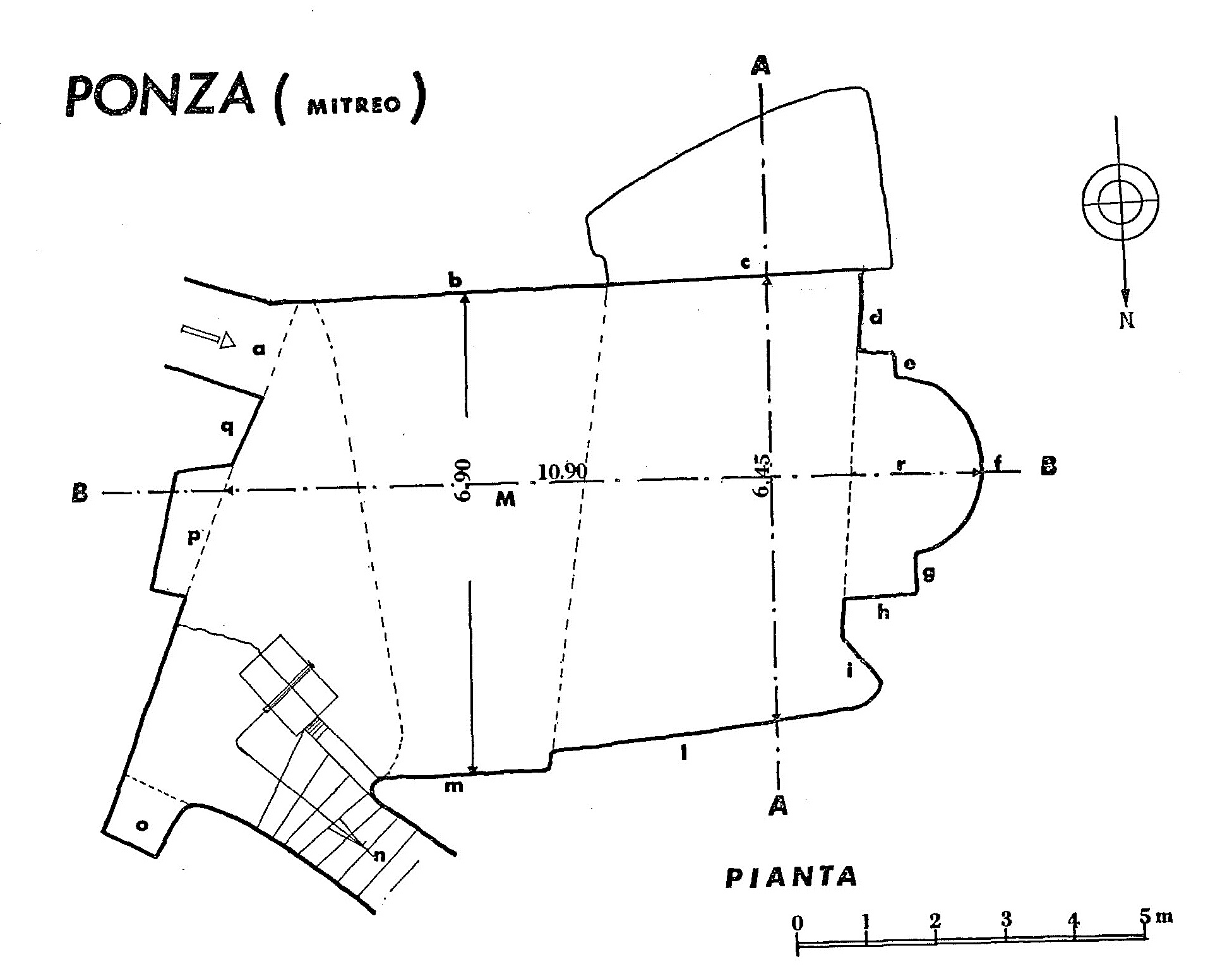
This Mithraic shrine on the island of Ponza is renowned for its exceptional stucco zodiac and astral symbolism linked to Roman Mithaism.
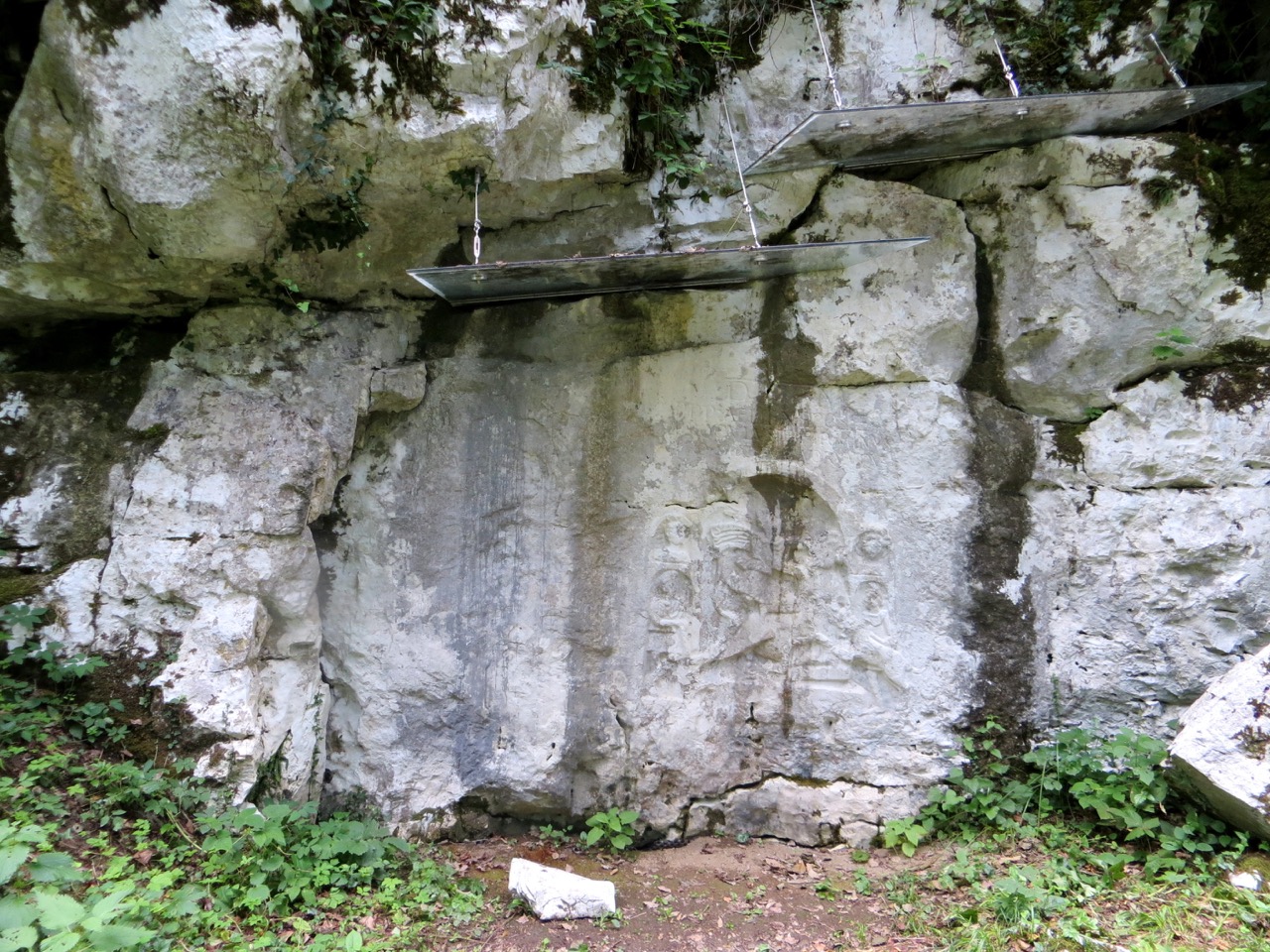
According to Hitzinger remnants of animal bones were found in front of the relief of the Mithraeum at Rozanec.

The remains of this Mithraeum were discovered in 1930 in the Cetatea district of Alba Iulia, ancient Apulum.
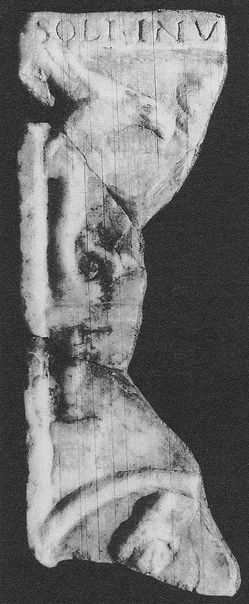
This marble fragment from Apulum preserves the head of Mithras beneath an arch together with a raven and the remains of Sol’s radiate crown.

'Hail to Kamerios the Pater' can be read on one of the walls of the mithraeum at Dura Europos.
This inscription shows that Publilius Ceionius, most distinguished man, dedicated a temple to Mithras at Mila, in the modern Constantina, Algeria.
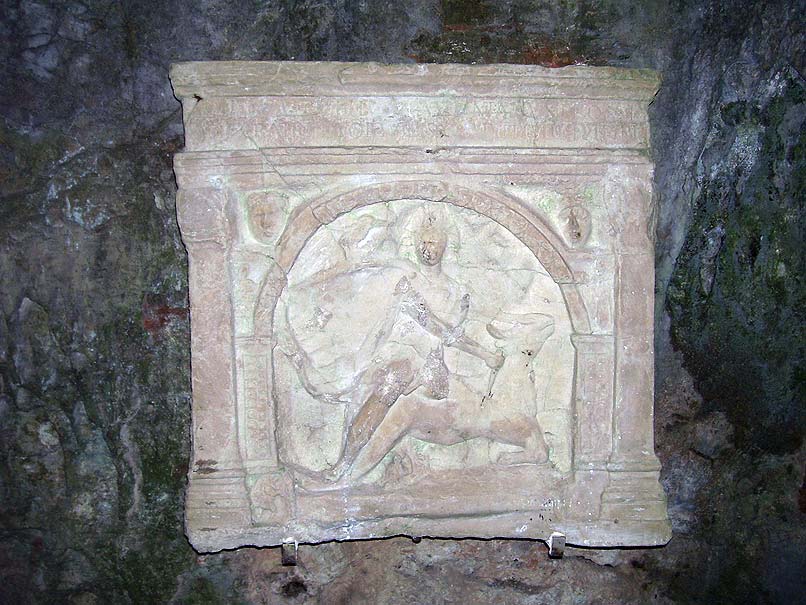
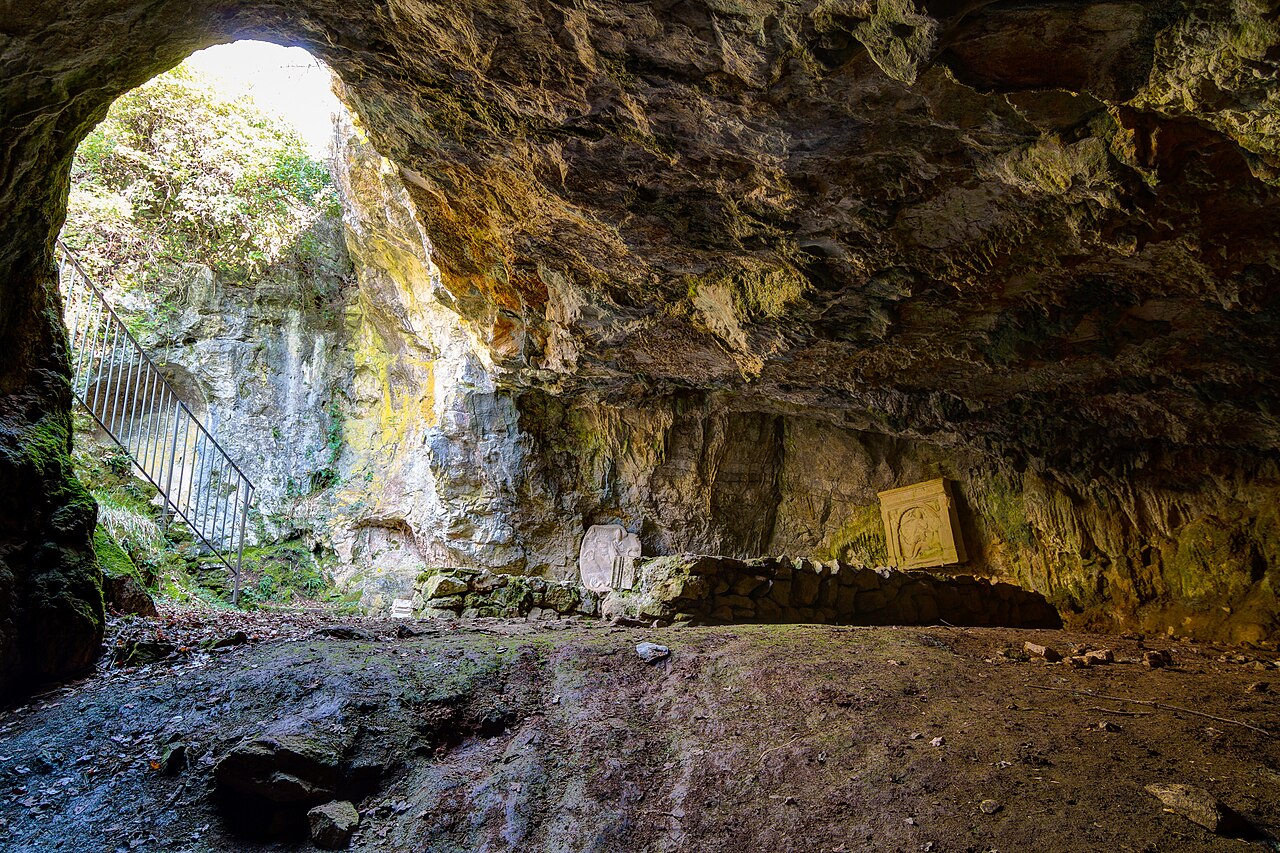
The site was destroyed in the 5th century but some elements, including the benches, can still been seen.
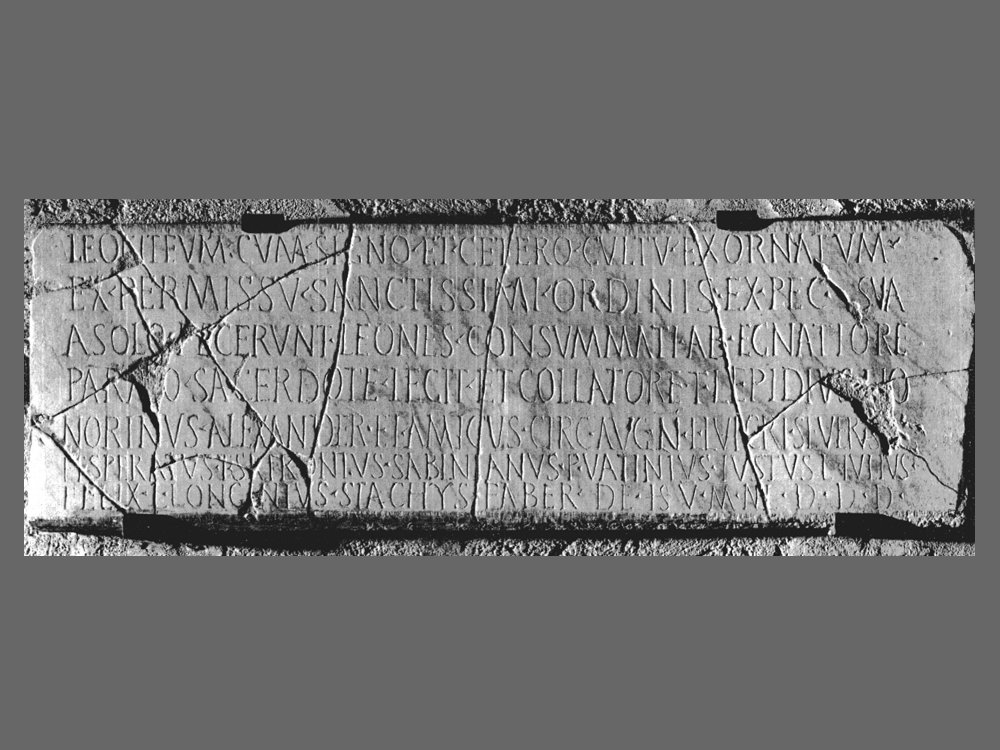
This plaque from Carsulae, in Umbria, refers to the creation of a leonteum erected by the lions at their own expense.
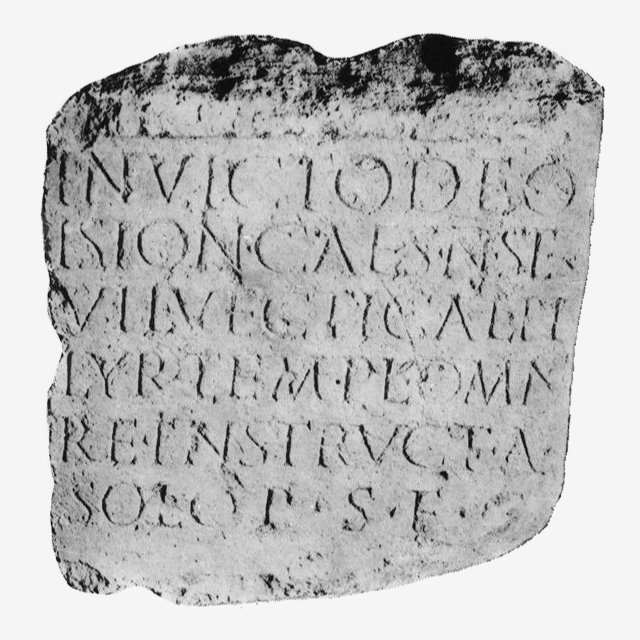
In this monument, the imperial slave Ision claims the completion of a new temple to Mithras in Moesia.
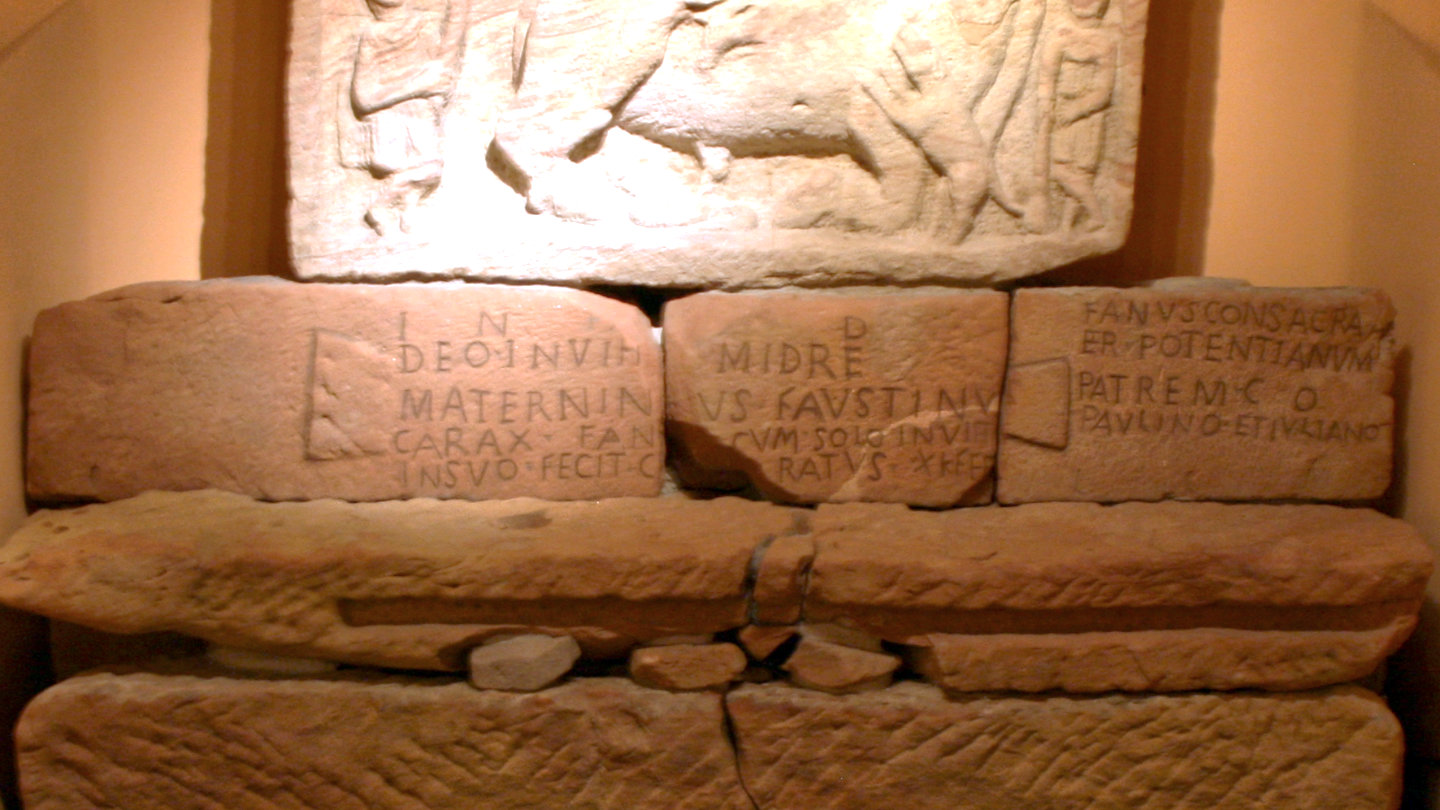
The inscription was located at the base of the main Tauroctony of the Gimmeldingen Mithraeum.

These fragments of a monumental tauroctony found in the Cerro de San Albín must have decorated the Gran Mitreo de Mérida, which has not yet been found.
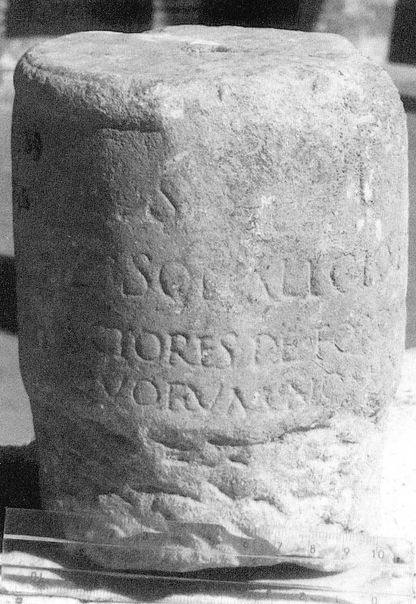
The inscription included the names of the brotherhood, which are now lost.
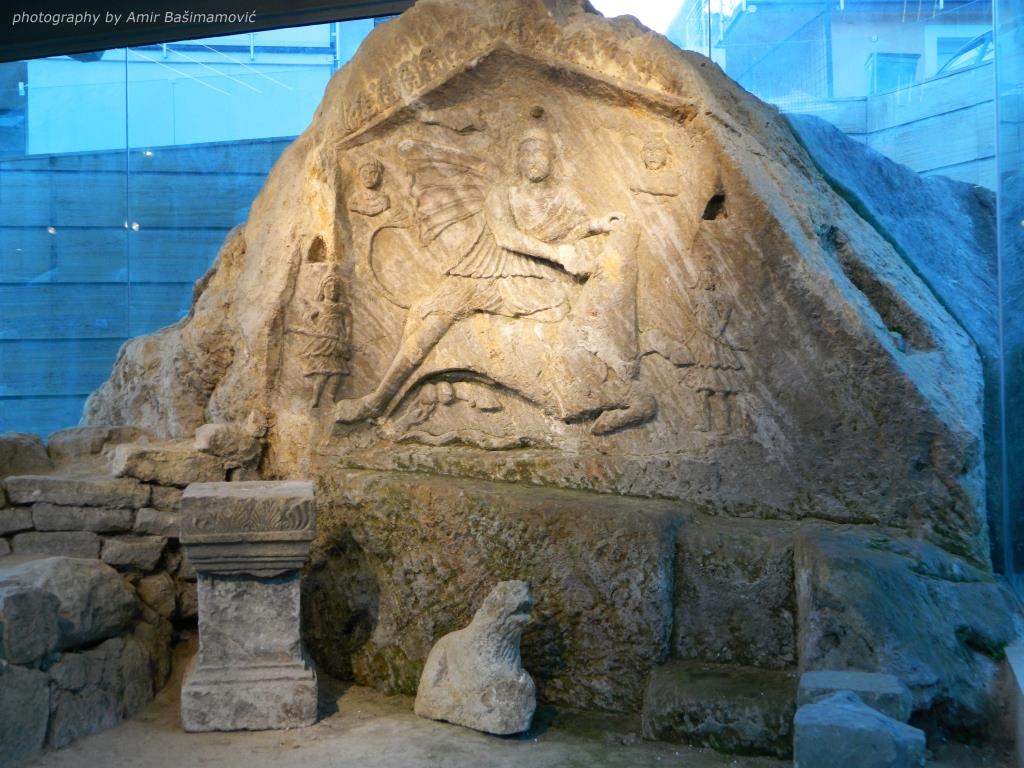
The relief of Mithras killing the bull from the Jajce Mithraeum is walled into the cult niche and surmounted by a roof.
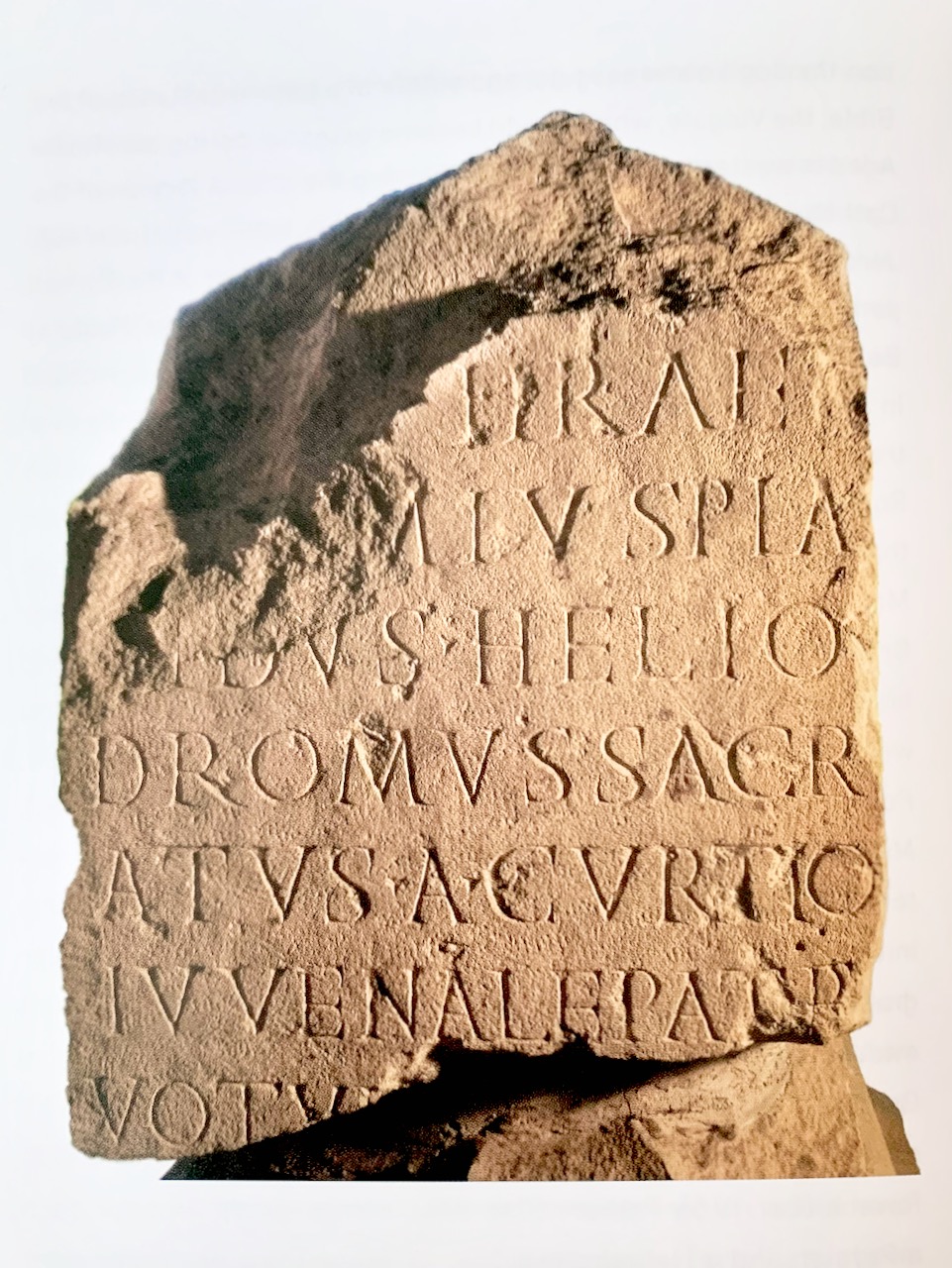
This inscription by a certain Memmius Placidus is the first ever found signed by a Heliodromus.

White marble relief, found near Aix "a la Torse dans un enclos ayant appartenu à la famille de Colonia".
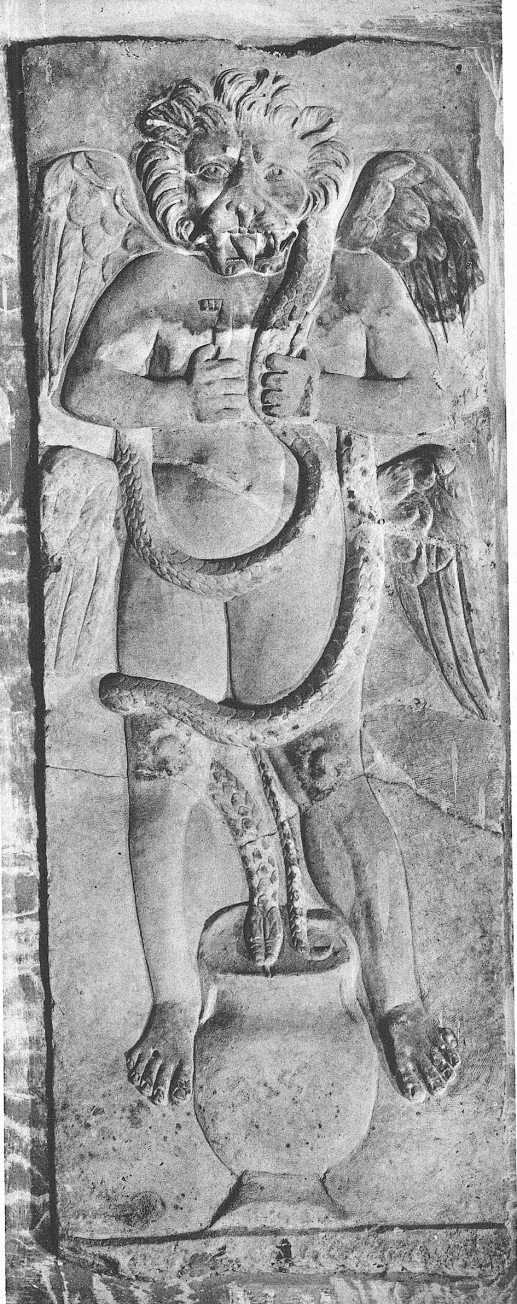
This white marble relief depicting a lion-headed figure from Ostia is now exposed at the Musei Vaticani.
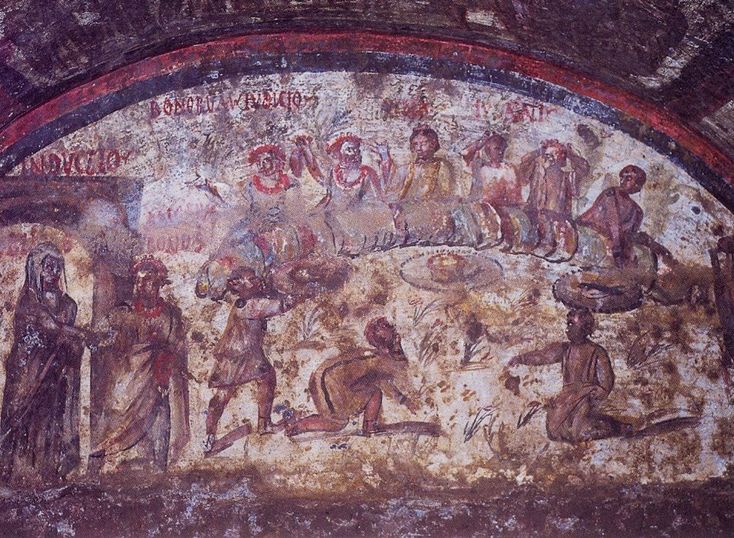
The epigrahy includes a mention of Marcus Aurelius, a priest of the god Sol Mithras, who bestowed joy and pleasure on his students.
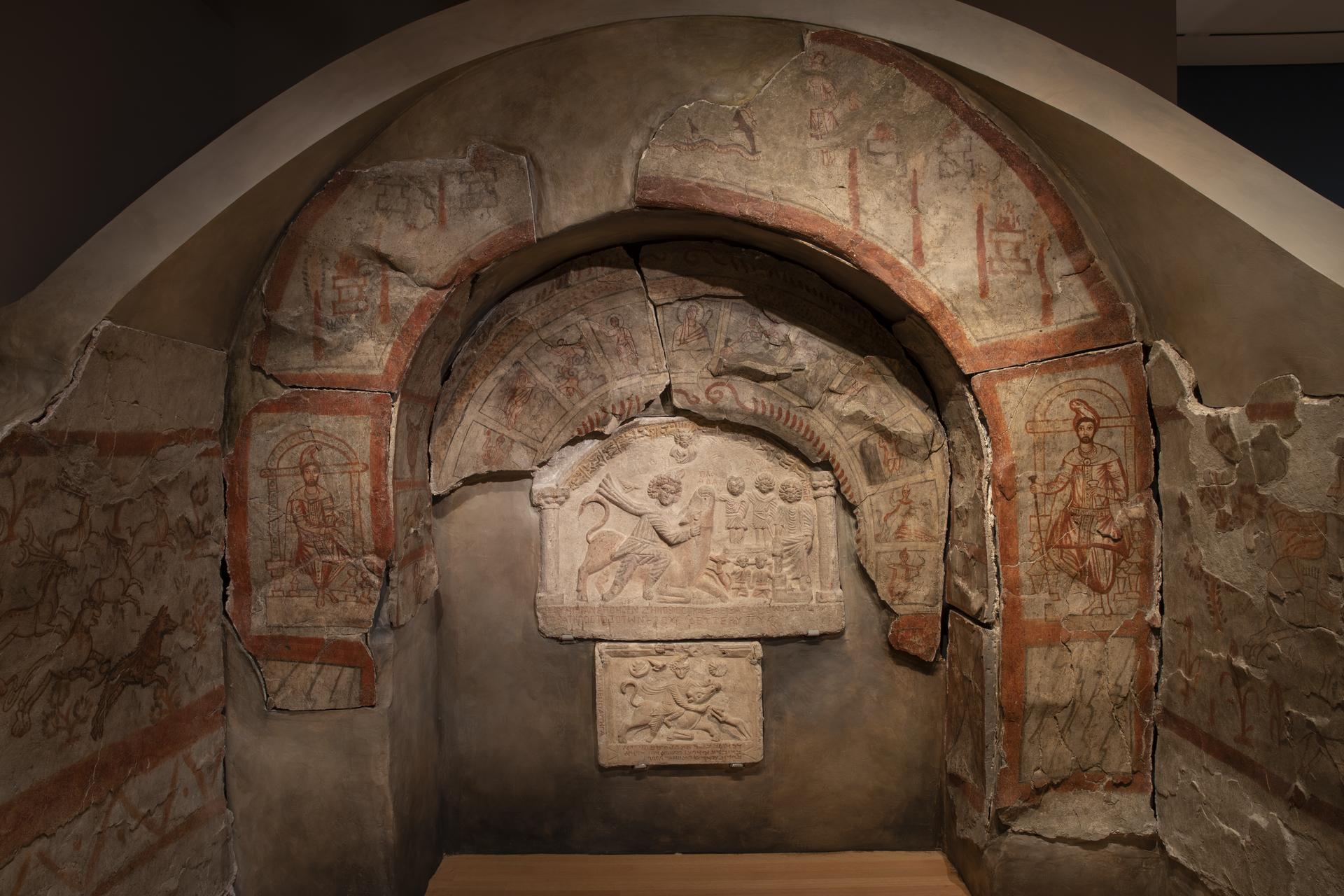
This enigmatic fresco on top of the main tauroctony shows Mithras killing the bull, accompanied by Cautes and Cautopates, surrounded by burning altars and cypress trees.
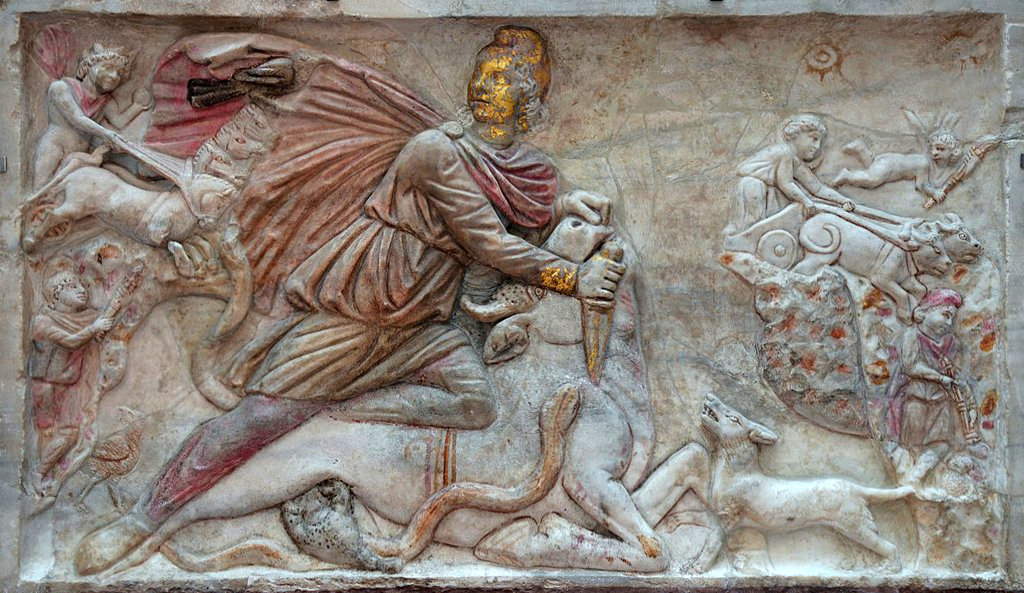
The relief of Mithras killing the bull of Stefano Rotodon preserves part of his polycromy and depicts two unusual figures: Hesperus and an owl.
