Your search Al. N. Oikonomides gave 3559 results.

This is one of the at least three inscriptions of Dioscorus, servant of Marcus to Mithras Invictus found in Alba Iulia, Romania.

Fresco of Mithras found in an arched niche above the right bench of the Baths of Caracalla’s Mithraeum in Rome.
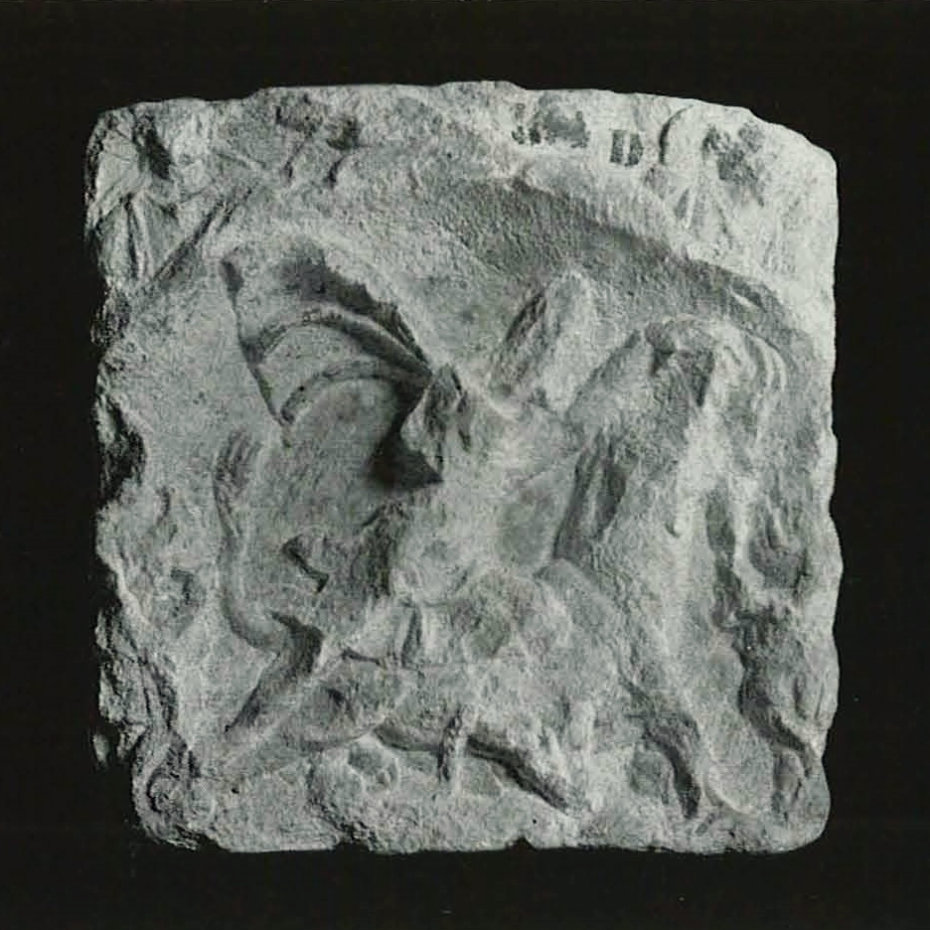
This damage relief of Mithras killing the bull was found walled into a house near Split, Croatia.
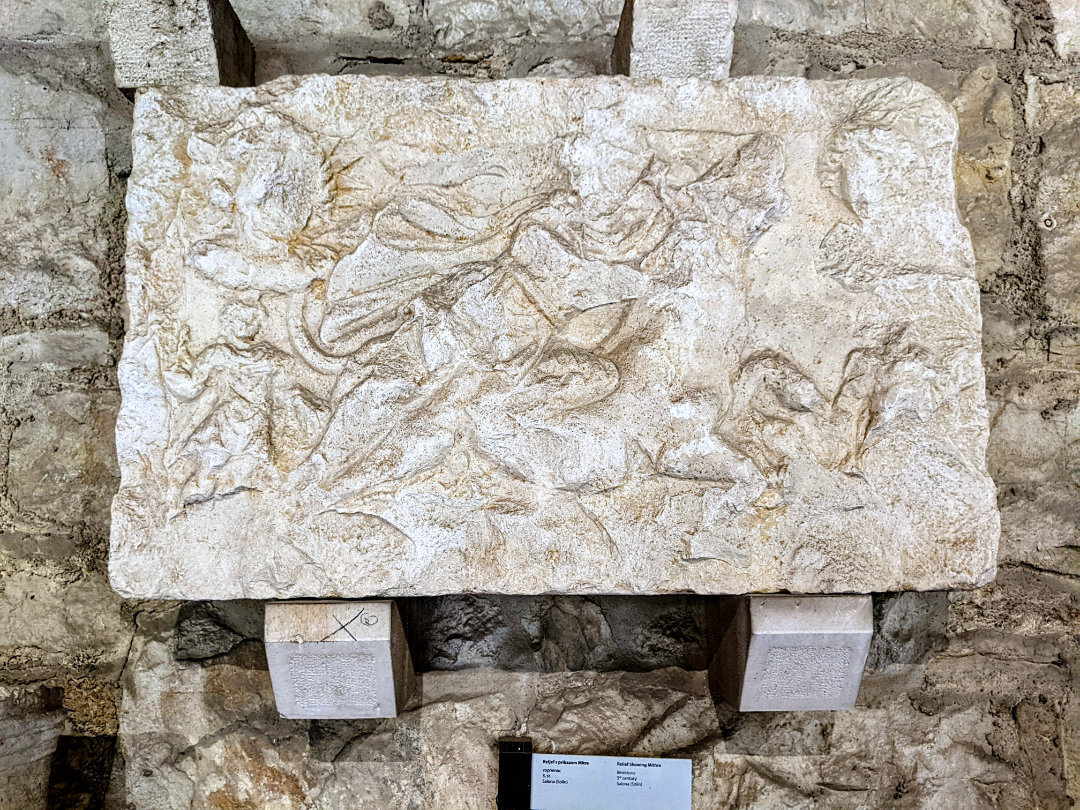
This relief of Mithras killing the sacred bull was found in 1908 near Klisa, in the surroundings of Salona, the ancient capital of Roman Dalmatia.
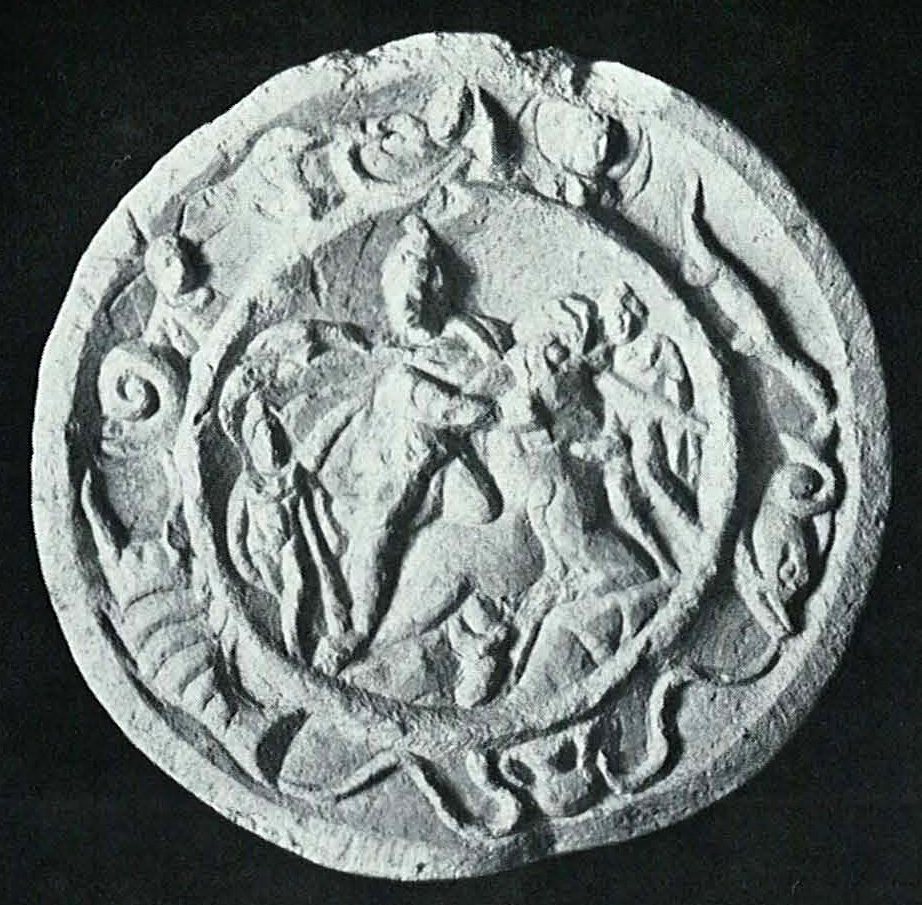
The round relief of Mithras killing the bull of Split is surrounded by a circle with Sun, Moon, Saturn and some unusual animals.
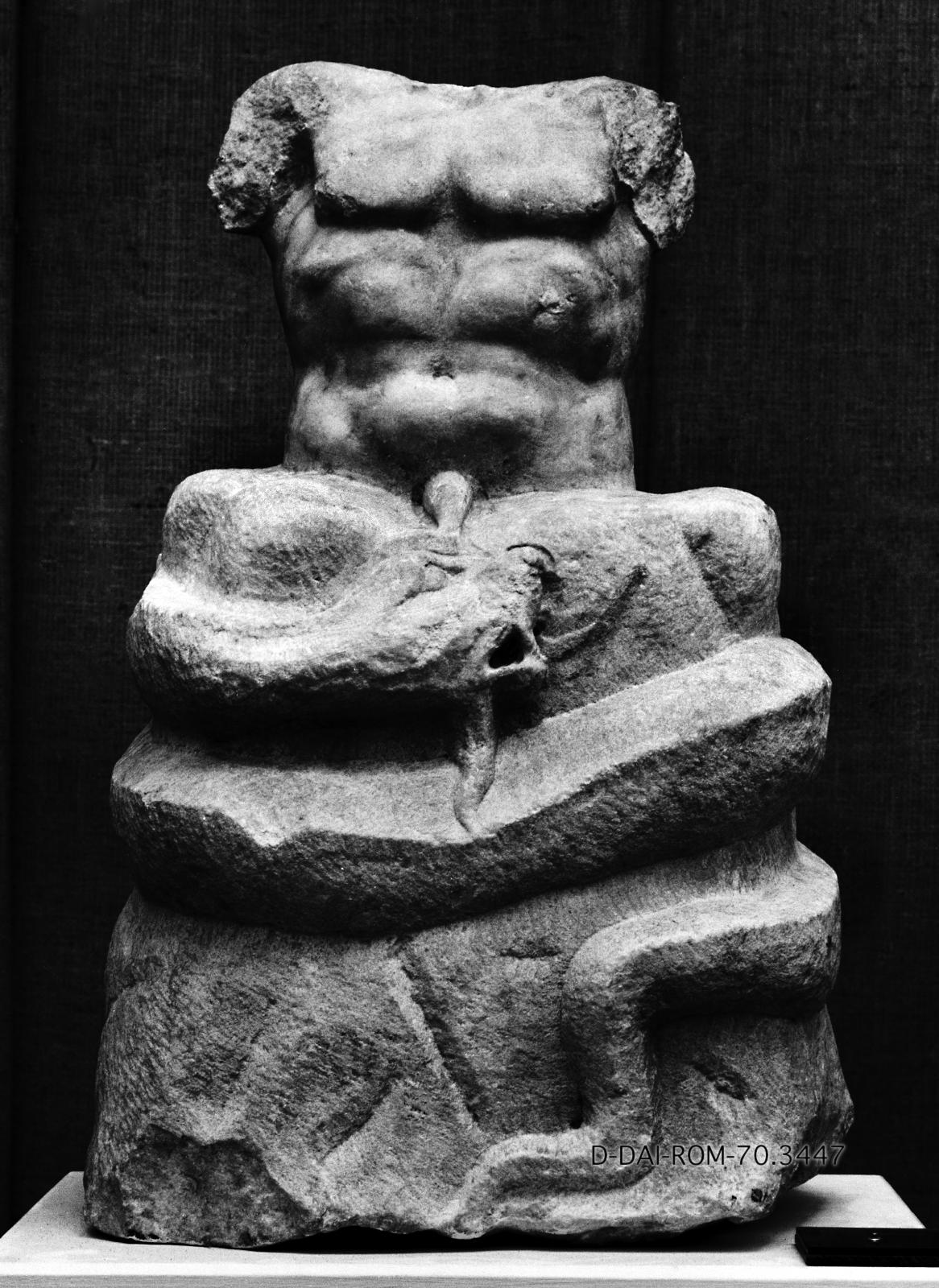
Mithras born from the rock with a snake raising in coils around it.
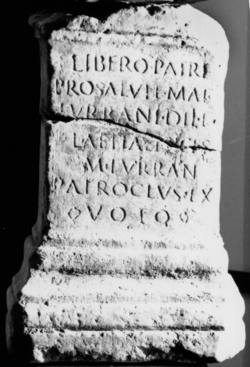
This altar was erected by Hermadio, who also signed other monuments in Dacia and even in Rome.

Sandstone altar with patera from the rock sanctuary at Kreta, Moesia Inferior, bearing a Greek inscription dedicating an altar to Helios Mithras by Marcus Sikis Dossis.
Inscription from Corstopitum (modern Corbridge) recording a dedication to Sol Invictus by a vexillation of Legio VI Victrix under the governorship of Sextus Calpurnius Agricola in AD 163.
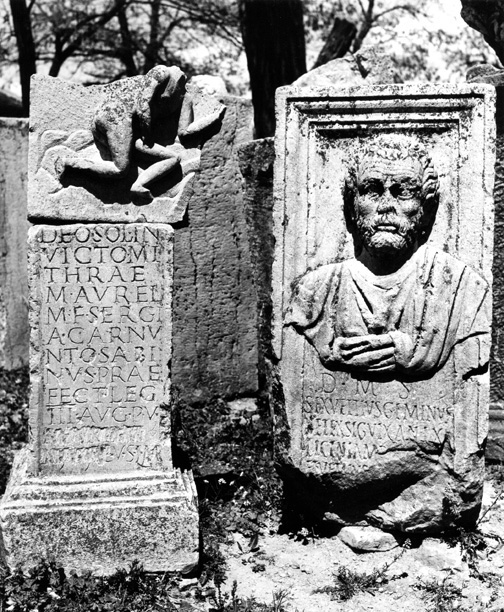
This altar to the god Sol invicto Mithra was erected by a legate during Maximin’s reign in Lambaesis, Numidia.

Málaga is a municipality of Spain, capital of the Province of Málaga, in the autonomous community of Andalusia.
This inscription shows that Publilius Ceionius, most distinguished man, dedicated a temple to Mithras at Mila, in the modern Constantina, Algeria.
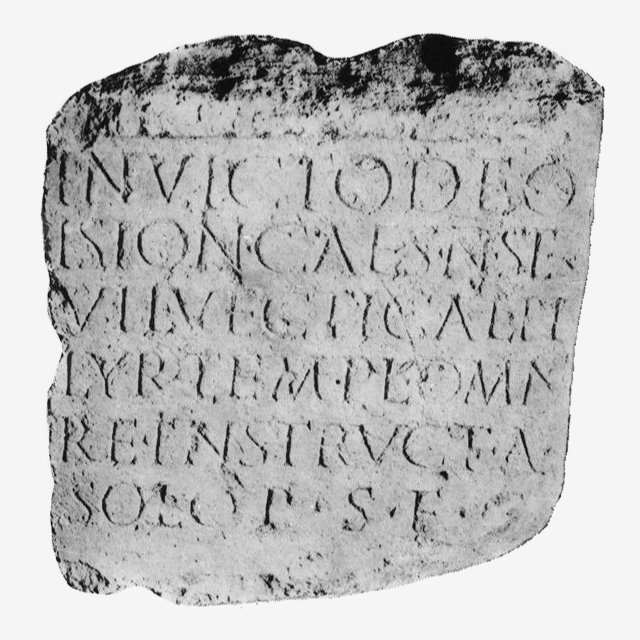
In this monument, the imperial slave Ision claims the completion of a new temple to Mithras in Moesia.
This altar is dedicated to the god Sol Invictus Mithras by a certain Florus, a veteran of the Legio III Augusta.

An inscription mentioning a speleum decorated by Publilius Ceionius suggests the location of a mithraeum in Cirta, the capital of Numidia.
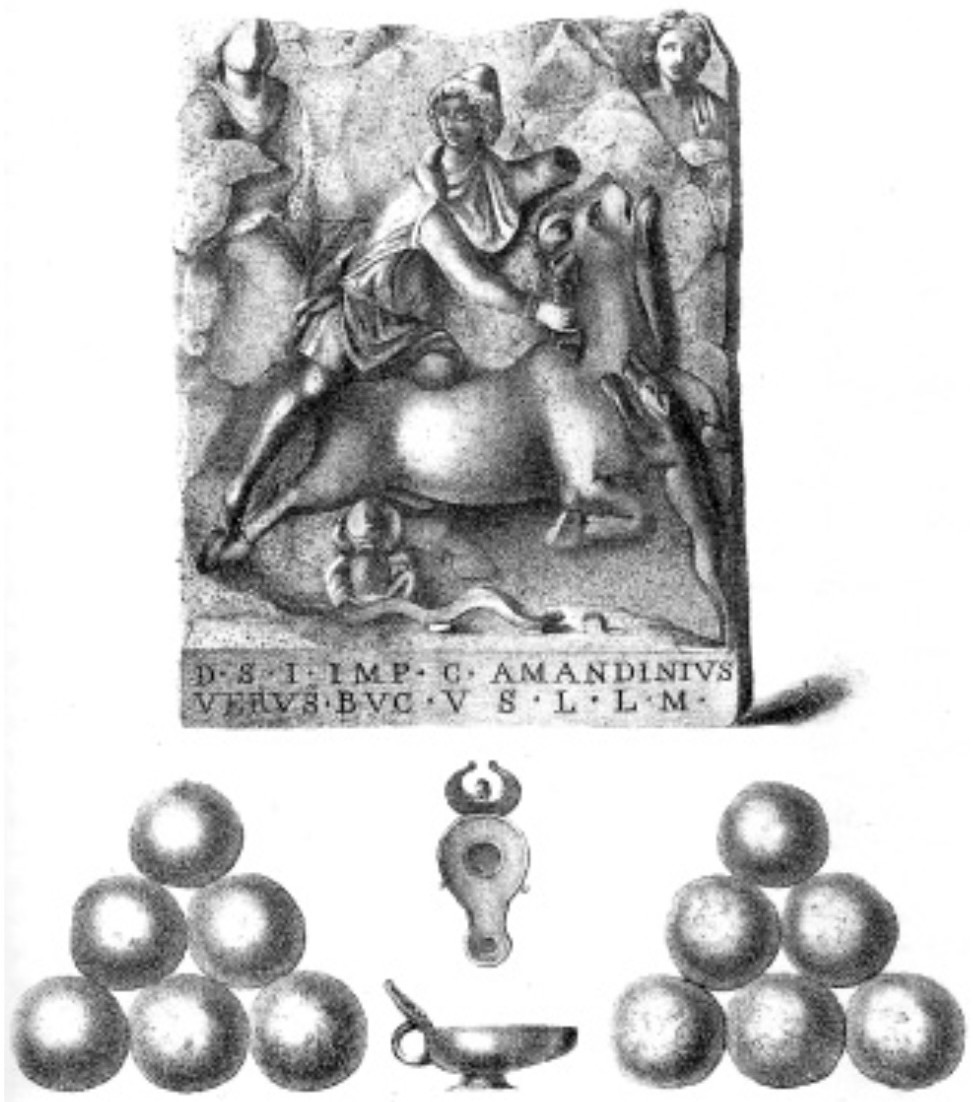
Workman digging in a field near Dormagen found a vault. Against one of the walls were found two monuments related to Mithras.
An unusual feature of this very ancient relief is that Cautopates carries a cockerel upside down, while Cautes carries it right-side up.
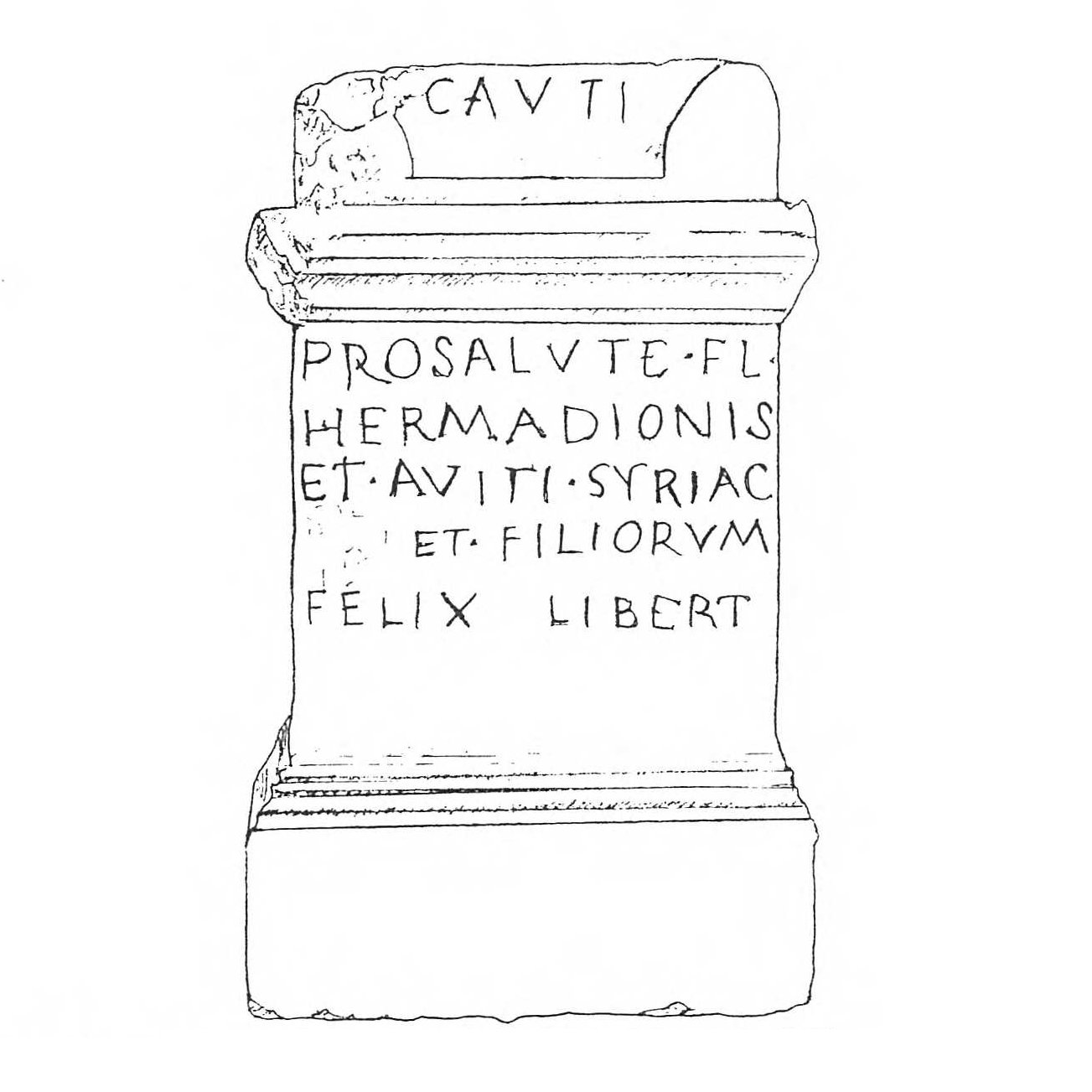
A certain Hermanio has been identified in the dedication of several monuments in different cities in Dacia and even in Rome.
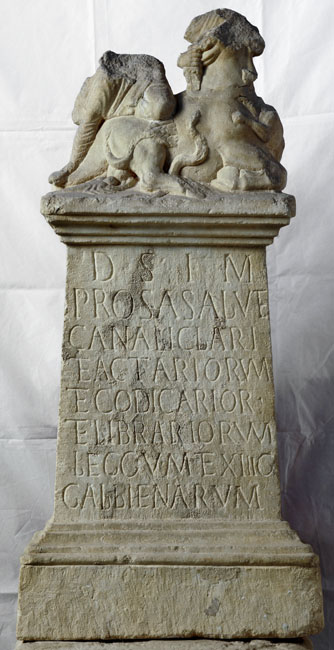
Remarkable fragmentary sculpture of Mithras slaying the bull on an inscribed altar found in Mithraeum III at Ptuj.
This altar, which has now disappeared, was dedicated by the slave Quintio for the health of a certain Coutius Lupus.
