Your search Al. N. Oikonomides gave 2978 results.
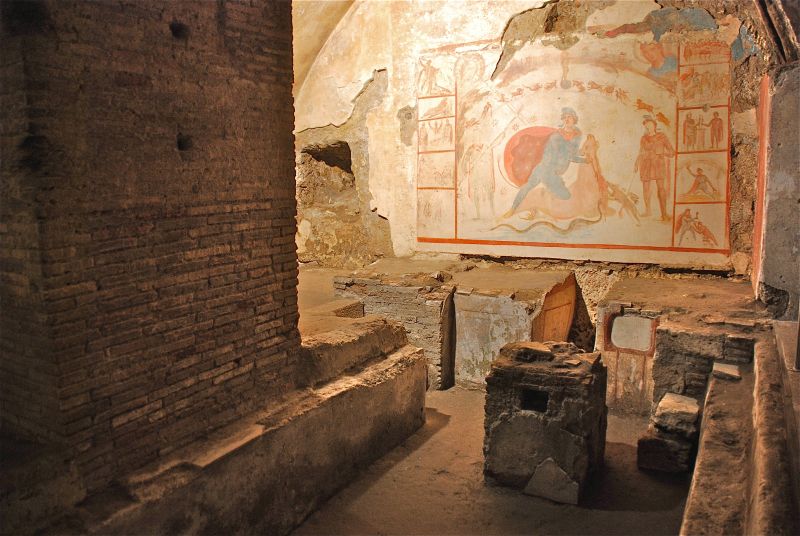
The Barberini Mithraeum was discovered in 1936 in the garden of the Palazzo Barberini, owned by Conte A. Savorgnan di Brazza.
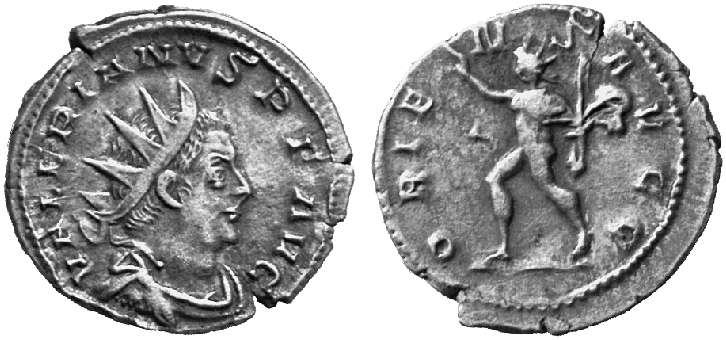
This coin was deposited in the upper level of the throne in the cult niche of the Mitreo della Planta Pedis.

The inscription explains the transmission of the fourth Mithraic degree through the Paters of the Mitraeum of San Silvestro.
The Mithraeum located in Piazza Dante in Rome was discovered in 1874 along with a series of monuments dedicated by a Pater named Primus.
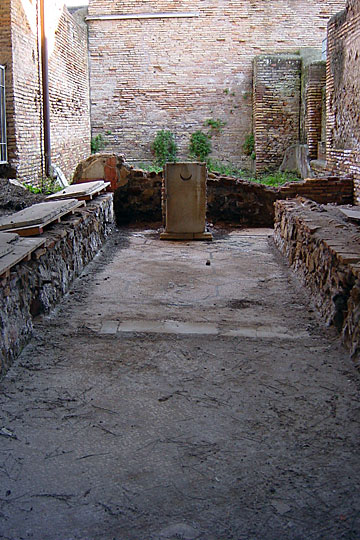
The Mithraeum of Lucretius Menander was installed in the early 3rd century in an alley to the east of a Hadrianic building named after the solar god temple.
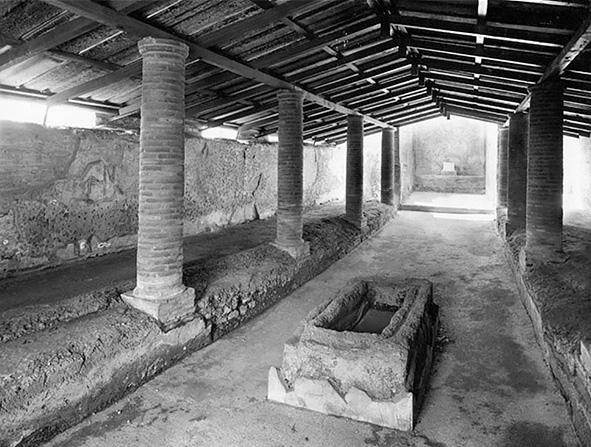
The Mithraeum in the Chapel of the Three Naves was not linked to the cult of Mithras until recently because of a mosaic showing a pig, in the belief that it was an animal unfit for consumption in a temple of Eastern origin.
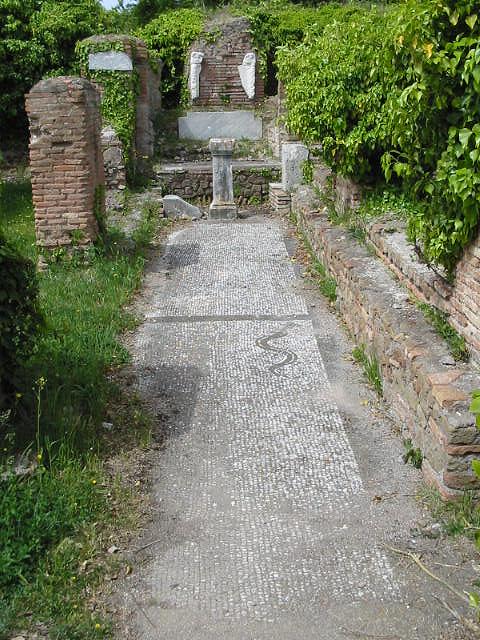
The floor of the central aisle of the Mithraeum of the Footprint in Ostia has a mosaic depicting a snake and a footprint.

The image of the god Arimanius to which this monument refers has not yet been found.
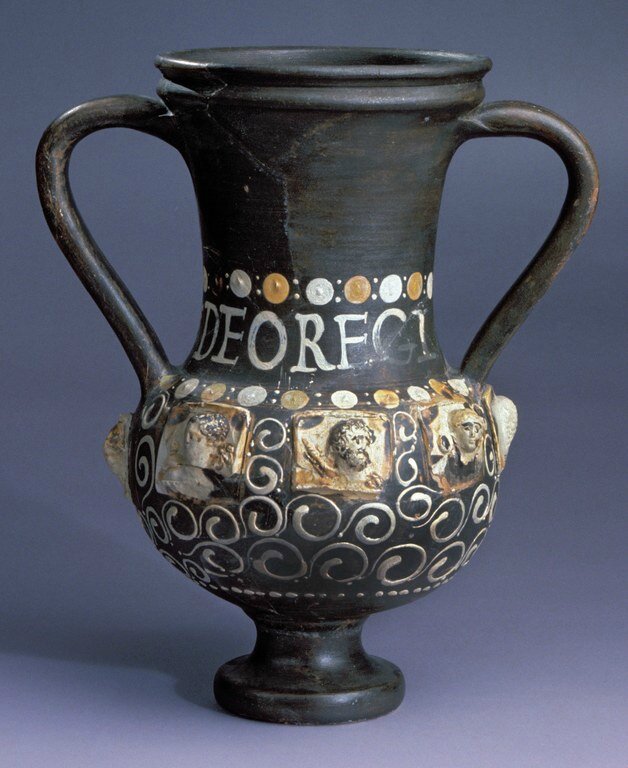
The vase bears an inscription to the god but also 'king' Mithras.
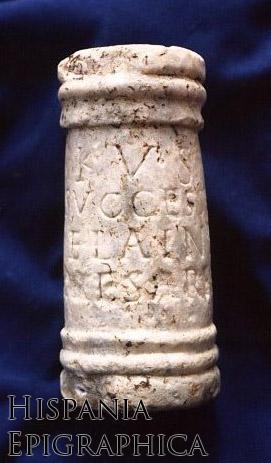
Three mithraic monuments were found in 1931, suggesting that a mithraeum probably existed in the area.
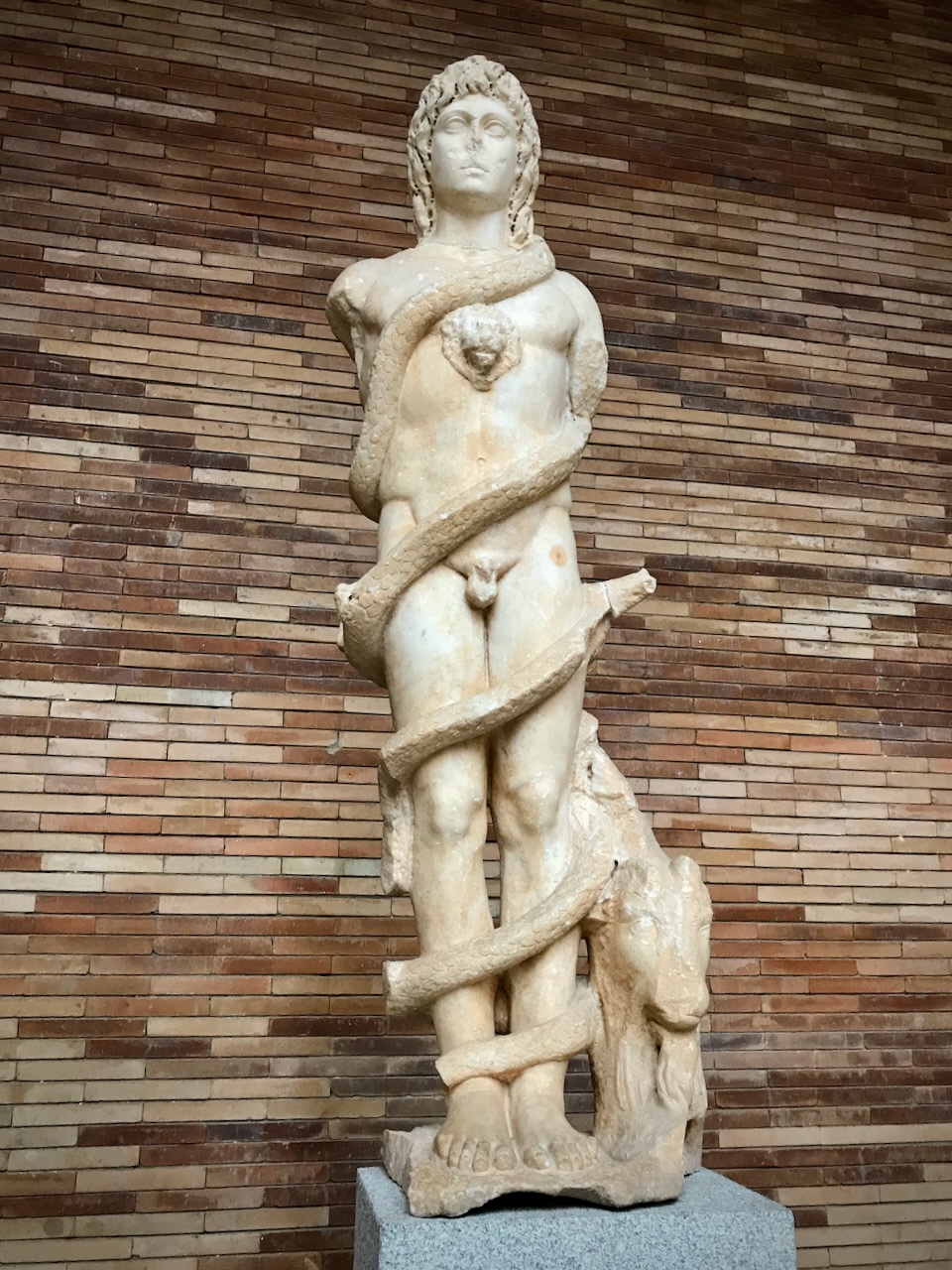
The Aion-Chronos of Mérida was found near the bullring of the current city, once capital of the Roman province Hispania Ulterior.
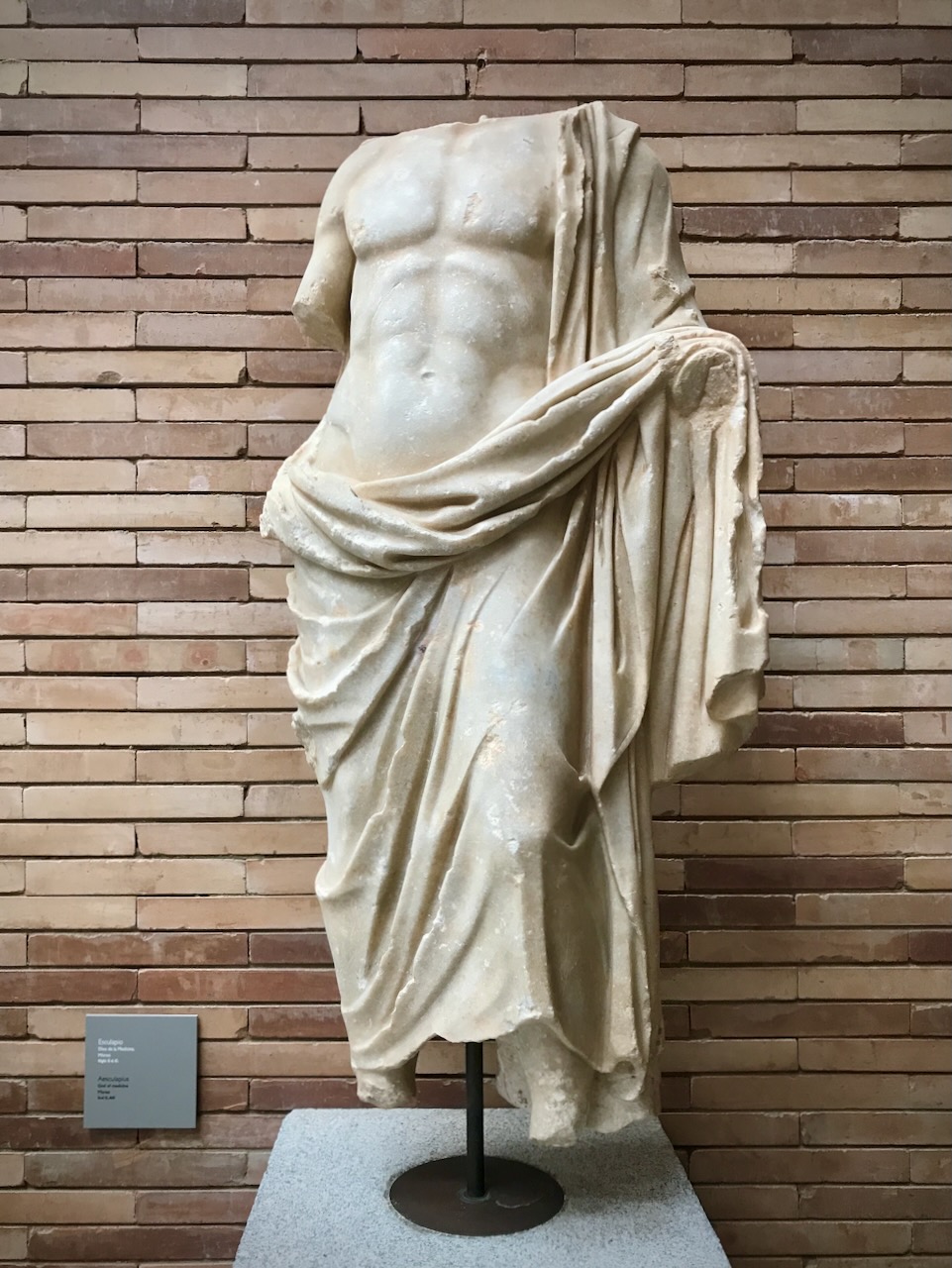
This standing sculptural figure from Mérida appears to carry the serpent staff, characteristic of the medicine god Aesculapius.

Roger Beck revisits the zodiac circle of the Mithraeum on the island of Ponza, a composition unique within the Mithraic corpus. His reading places the monument in relation to cosmology, ritual space, and Mithraic doctrine.
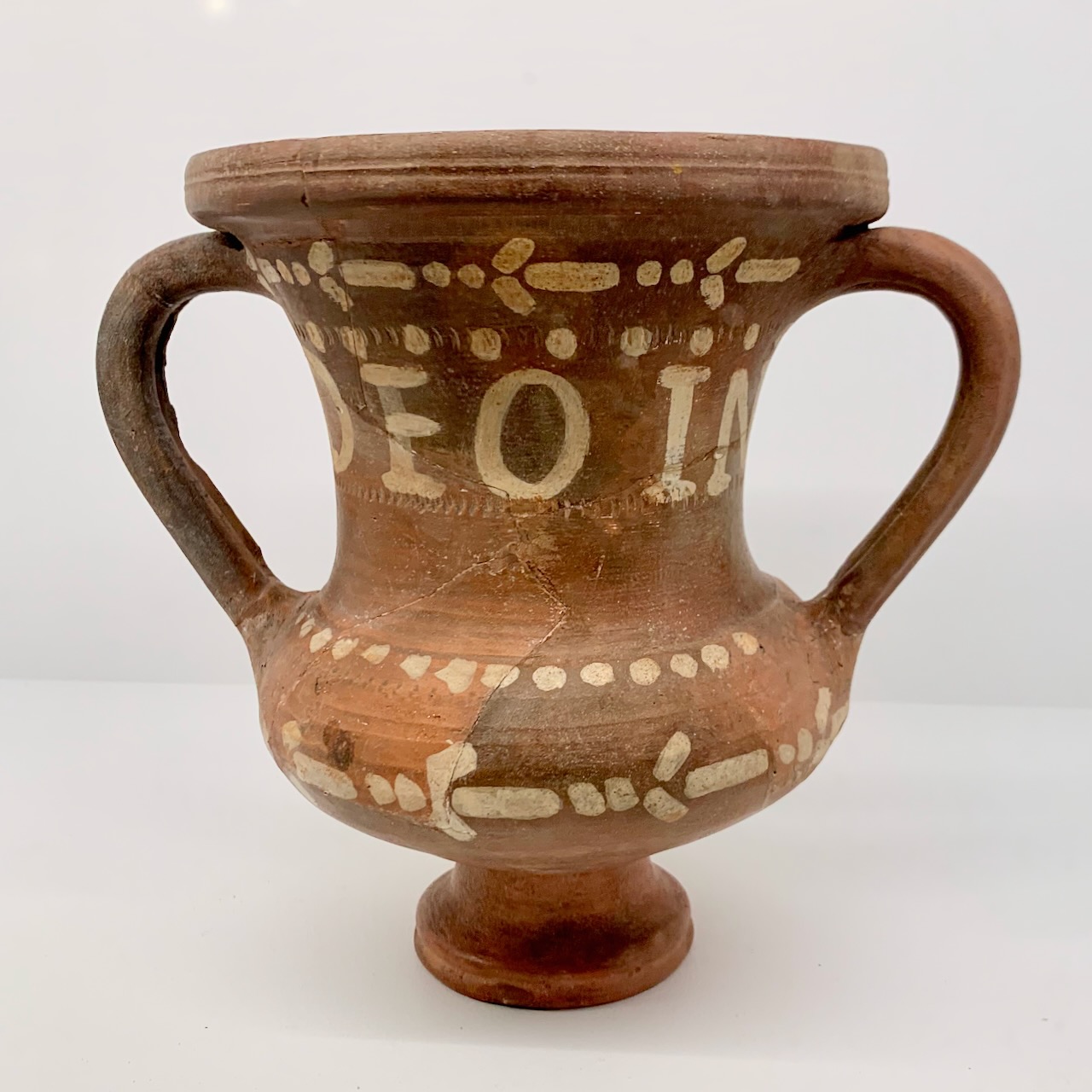
The cantharus of Trier is reminiscent of the crater that often appears in tauroctony scenes collecting the blood from the slaughtered animal.
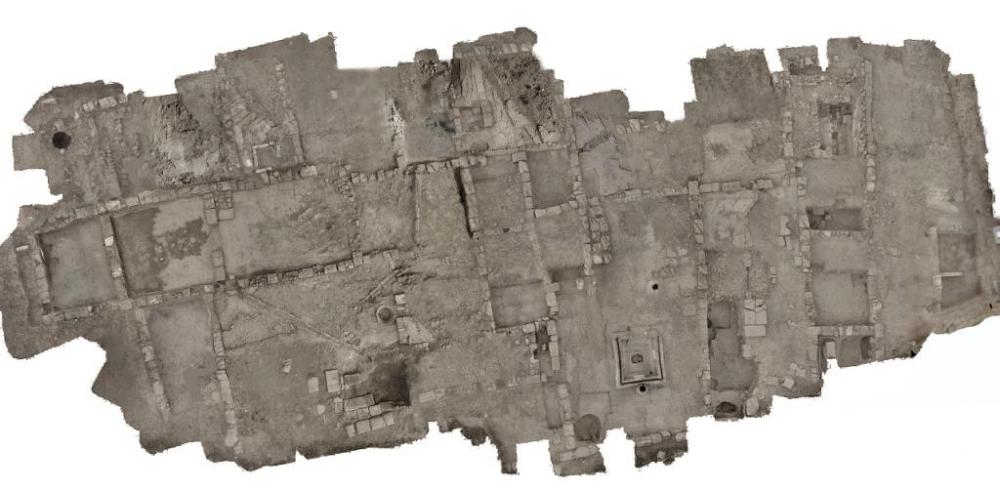
The discovery of the Mithraeum of Tarquinia is due to the Department for Protection of Cultural Heritage of the Carabinieri, who noticed some clandestine excavations near the Ara della Regina.
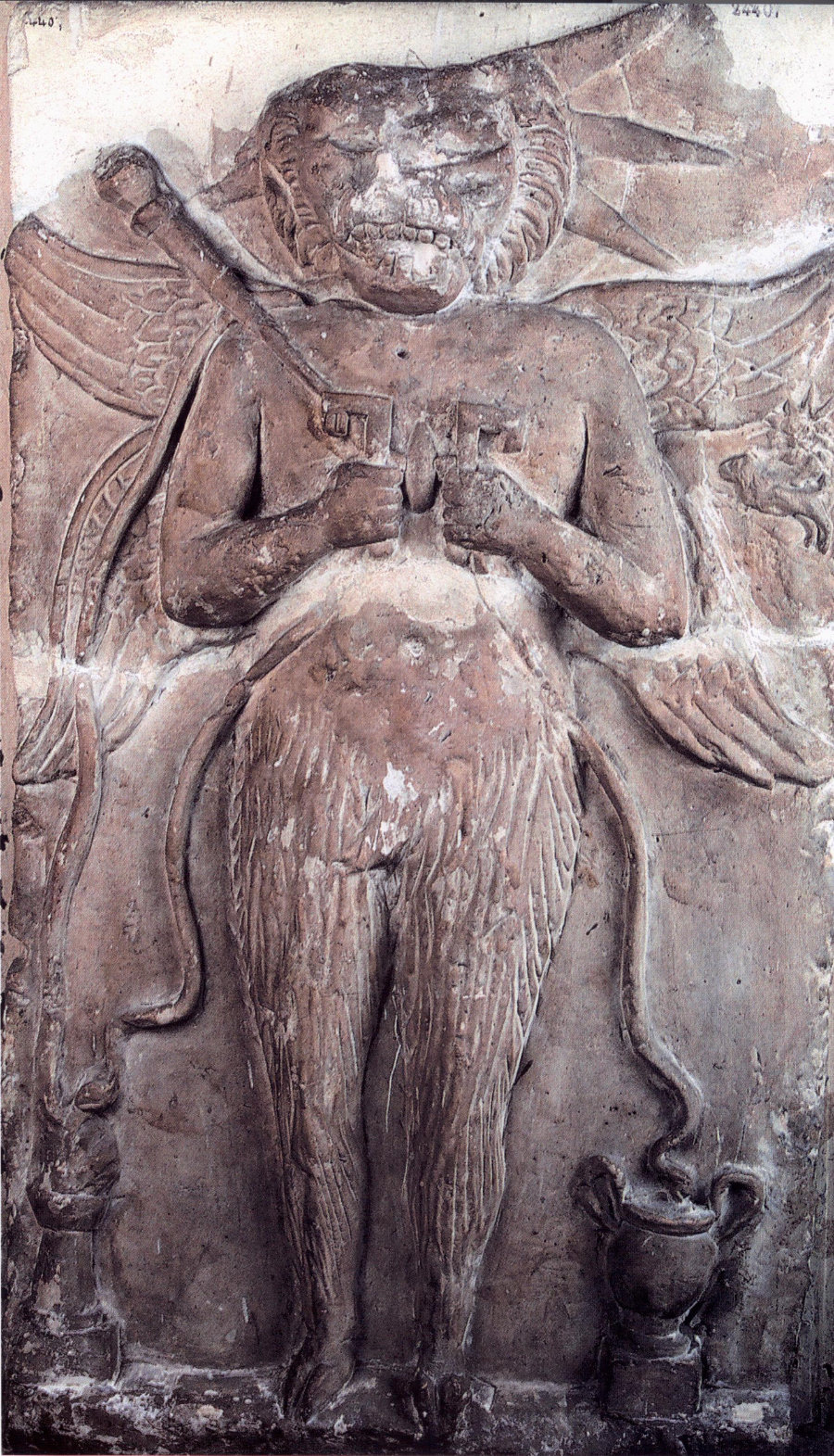
According to Pettazzoni Aion in general finds its iconographical origin in Egypt. Mithras must have been worshipped in Egypt in the third century B.C.
The dedicator of this marble basin could be the same person who offered the sculpture of Mithras slaying the bull in the Mitreo delle Terme di Mitra.
This inscription, found in the Mitreo della Planta Pedis, among some other monuments in Ostia, suggests a link between Mithras and Silvanus.
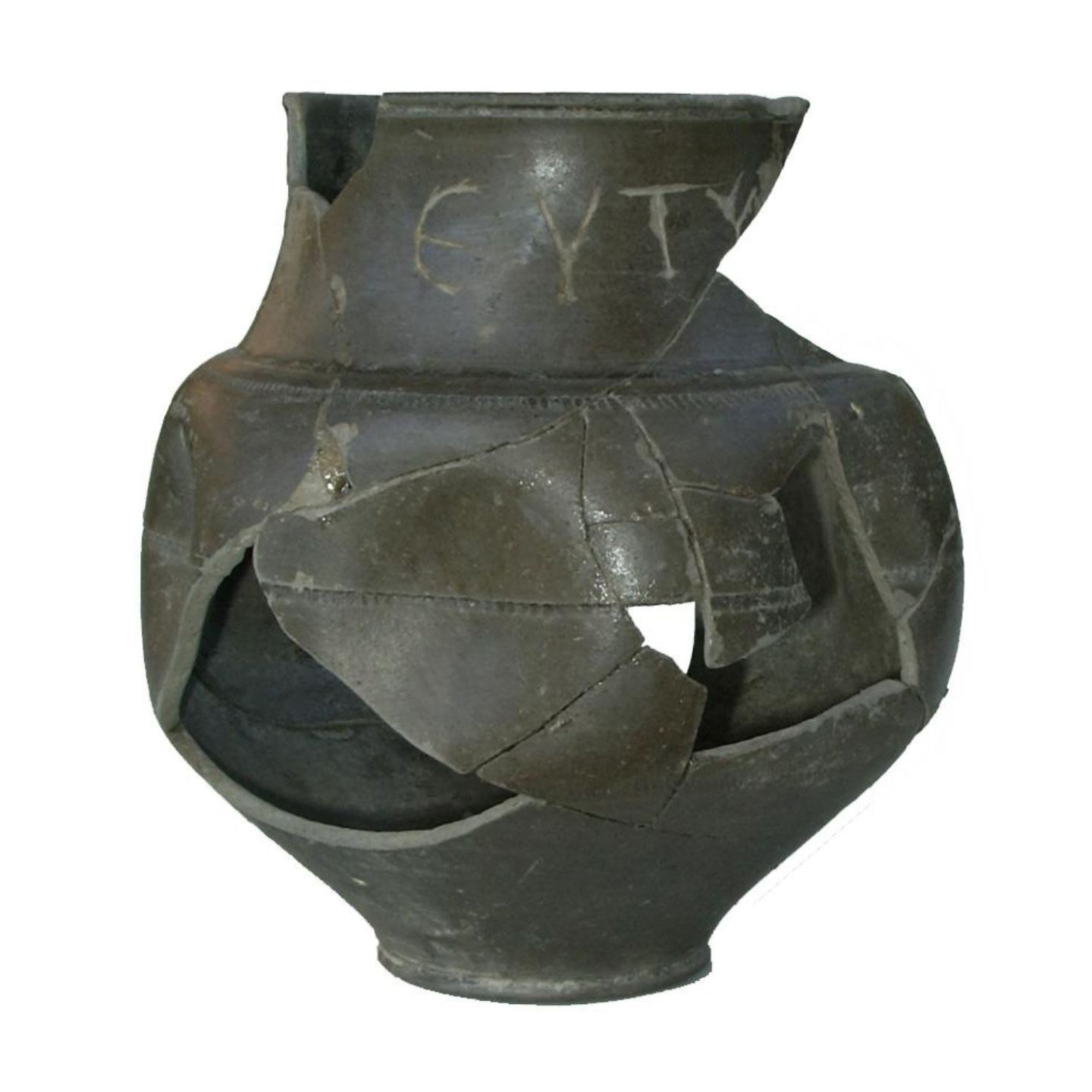
Ceramic cup inscribed with a Greek graffito and recovered from the Mithraeum of Martigny, providing evidence for the use of inscribed vessels within the sanctuary assemblage.
