Your search Anne Ziegle gave 34 results.
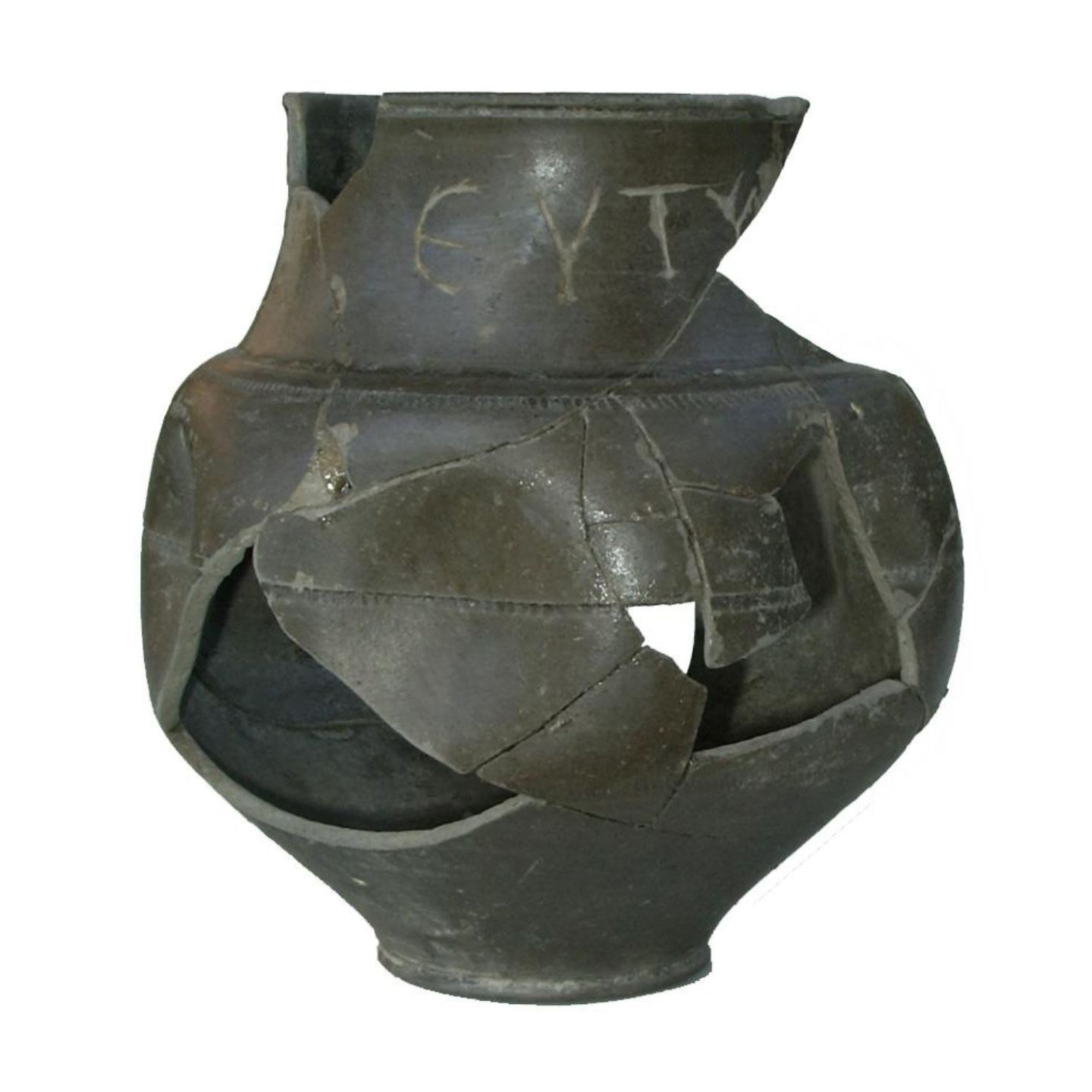
Ceramic cup inscribed with a Greek graffito and recovered from the Mithraeum of Martigny, providing evidence for the use of inscribed vessels within the sanctuary assemblage.

Epigraphic testimony catalogued in the Année Épigraphique and Lugli’s Fontes for ancient Rome.
Sandstone statue from Mithraeum I at Carnuntum, Pannonia Superior, depicting a lying lion with a bull's head before its forefeet; a large opening at the back of the head communicated with a channel below, suggesting use as a cult water outlet.
Three marble cornice fragments from Mithraeum III at Ptuj, ancient Poetovio, bearing an inscription recording that the monument was elevated in the manner of Sol, in honour of Cautes and Cautopates.
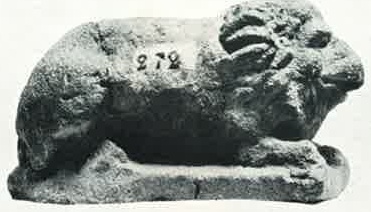
Red sandstone statue of a lying lion with a hollow channel running through its body, from Mithraeum II at Heddernheim, ancient Nida

Uruk, the archeological site known today as Warka, was an ancient city in the Near-East or West-Asia, located east of the current bed of the Euphrates River, on an ancient, now-dried channel of the river in Muthanna Governorate, Iraq.
Caesarea was first settled by the Phoenicians in the 4th century BC. In 63 BC, the Romans annexed the region and Caesarea became the seat of the Roman procurators.
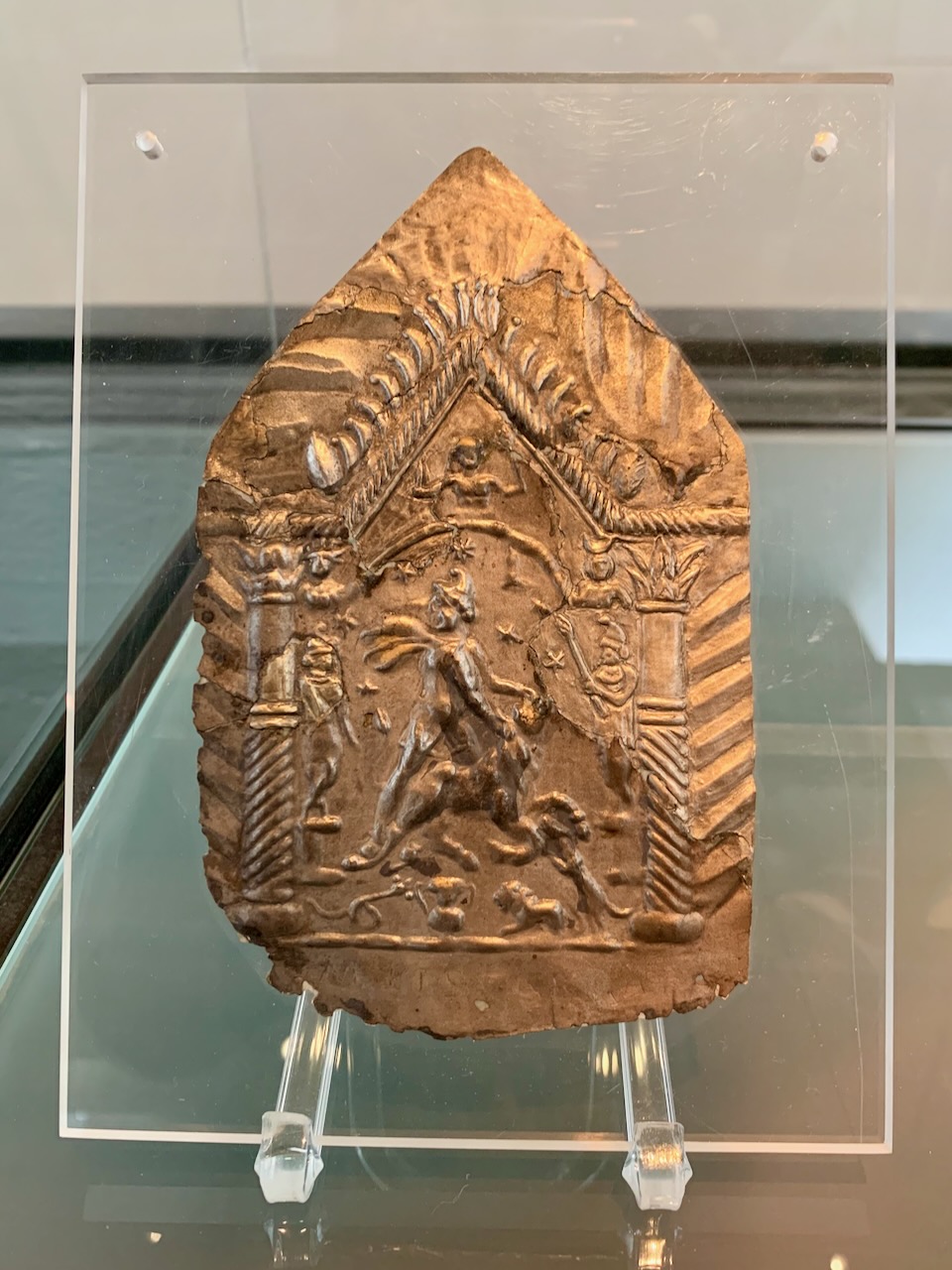
This plaque was found in Mithraeum I at Stockstadt broken into pieces inserted between the blocks of the socle of the cult relief, in the manner of a votive deposit.
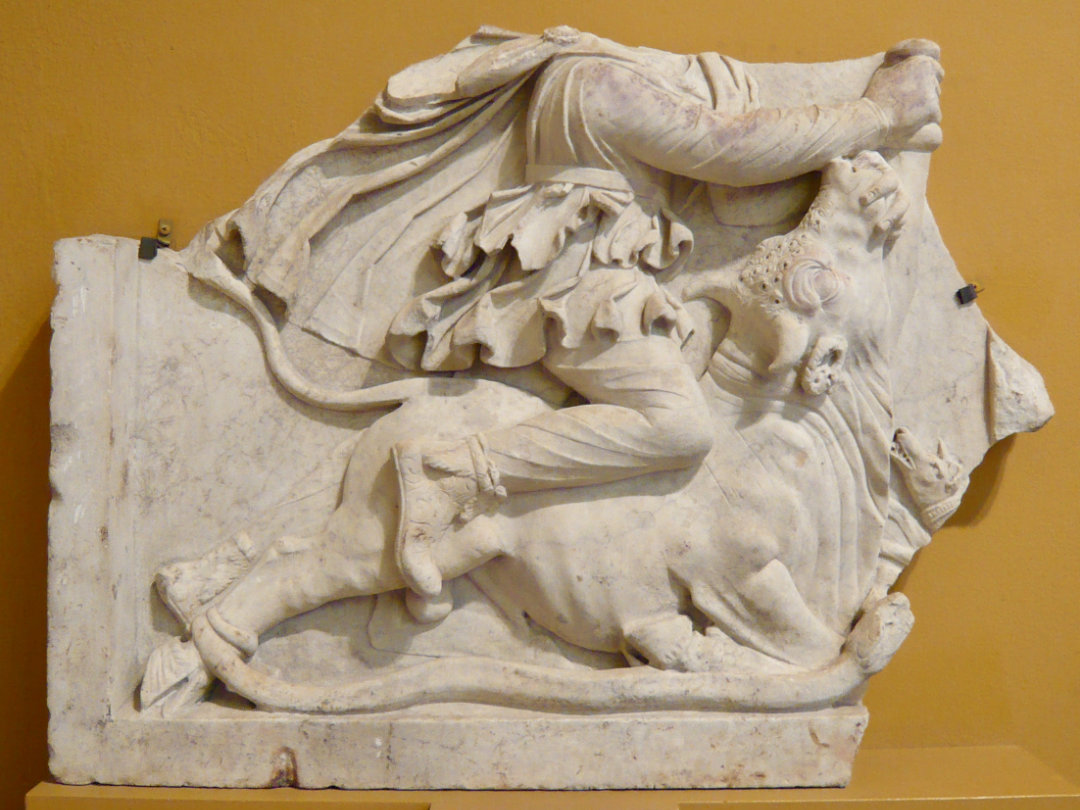
This fragmentary relief depicts Mithras killing the bull in the usual manner, remarkably dressed in oriental attire.

Hello. We new zartosht doesn’t wrote the book of avesta and he and other zorastarians just edited it. So my topic is about homosexuality in Mithraism. We now homosexuality banned in avesta with very rough punishment in this world purgatory…
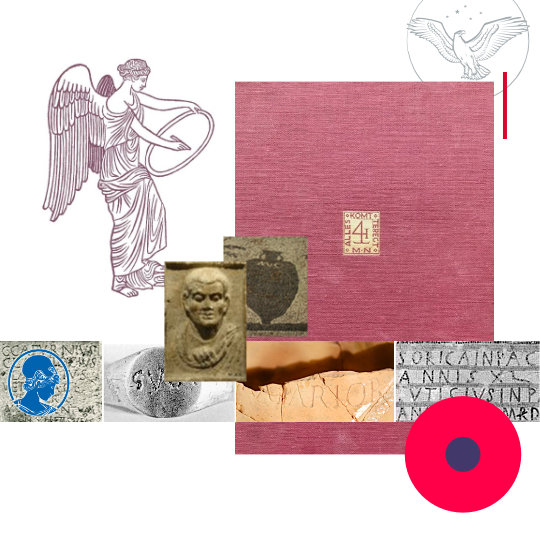
We’ve put together a new table of cross-references of monuments to Mithras in several databases, including Vermaseren’s Corpus, Cumont’s Textes, CIL, l’Année épigraphique, Clauss / Slaby and Heldeiberg’s epigraphic databases, and more…

For the launch of our YouTube channel, we chat with the author, poet, essayist and friend Peter Mark Adams about the Sola-Busca tarot, a Renaissance masterpiece, uncovering ties to the Mithras cult.
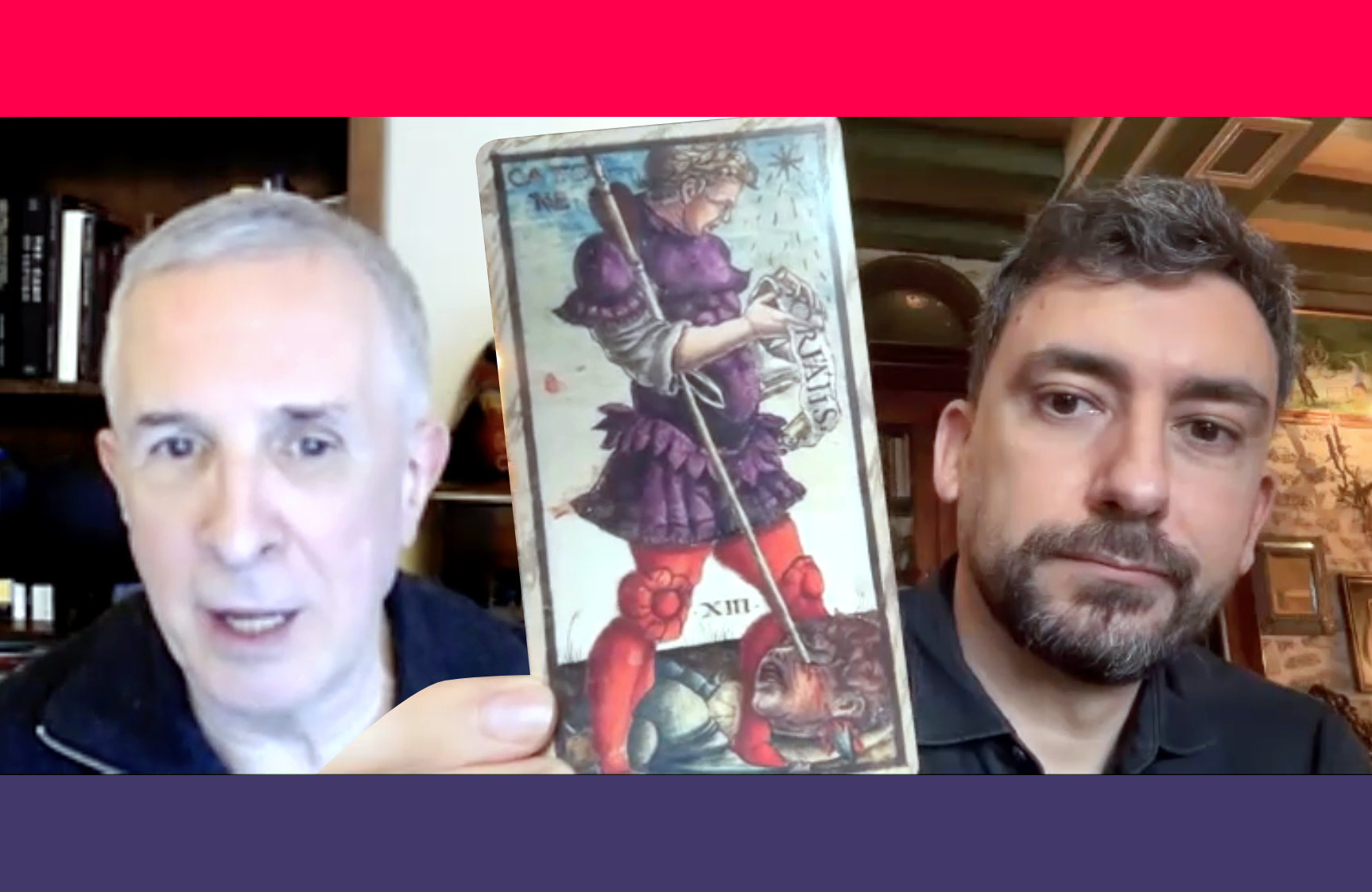
For the launch of our YouTube channel, we chat with the author, poet, essayist and friend Peter Mark Adams about the Sola-Busca Tarot, a Renaissance masterpiece, uncovering ties to the Mithras cult.
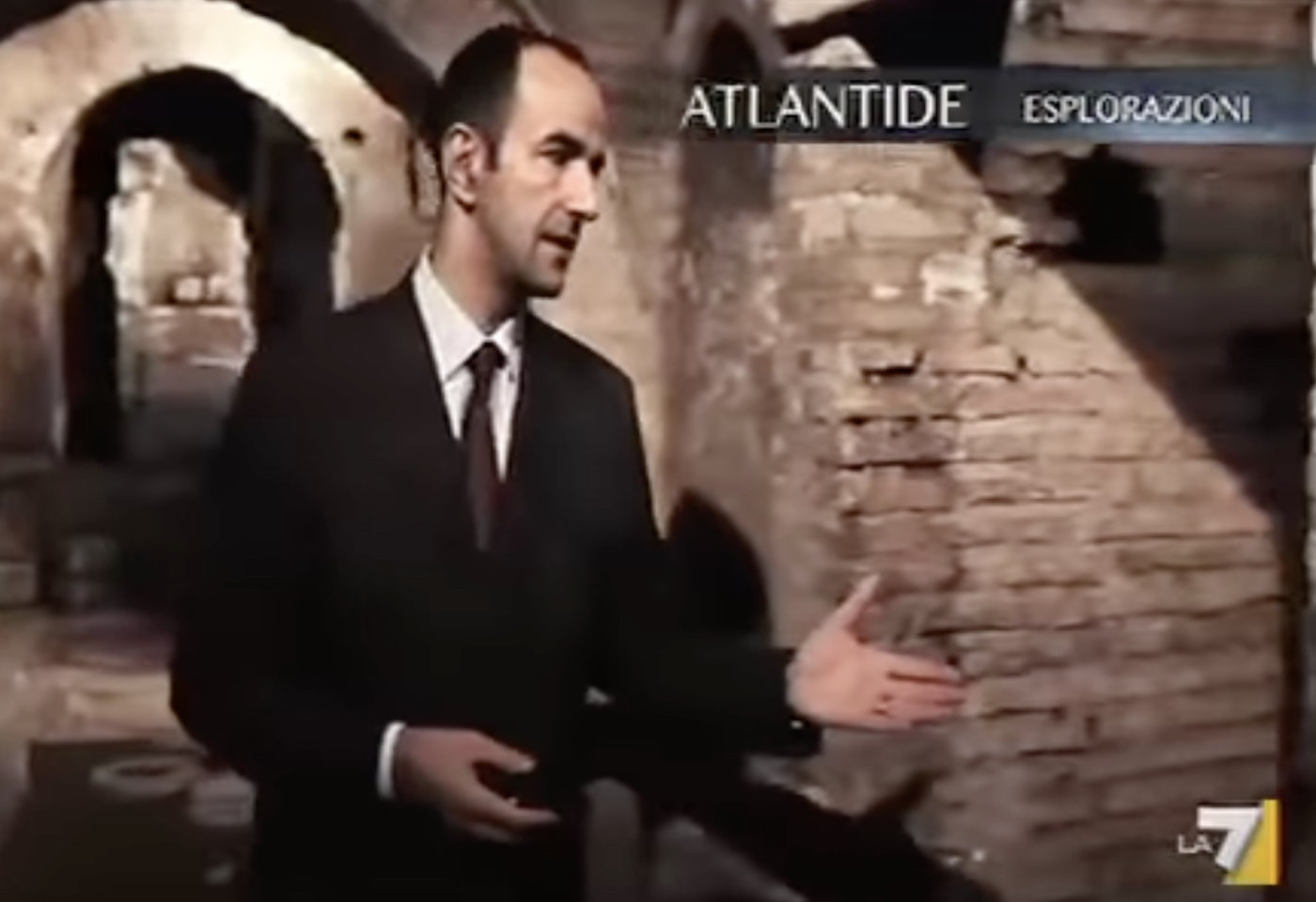
Video report of the Italian TV channel La 7 about Mithraism made in the Mithraeum of the Circo Massimo.
