Your search Anne Le Cam gave 192 results.

Campona occupied a strategic position south of Aquincum along the Danube frontier.

An inscription found in the ruins of an old stone wall at Cambeck, near Petrianae, recording a vow willingly and with merit fulfilled to Deus Sol Invictus by Sextus Severius Salvator, prefect.



Gaius dedicated an altar to the god Invictus in Emerita Augusta in the 2nd century.
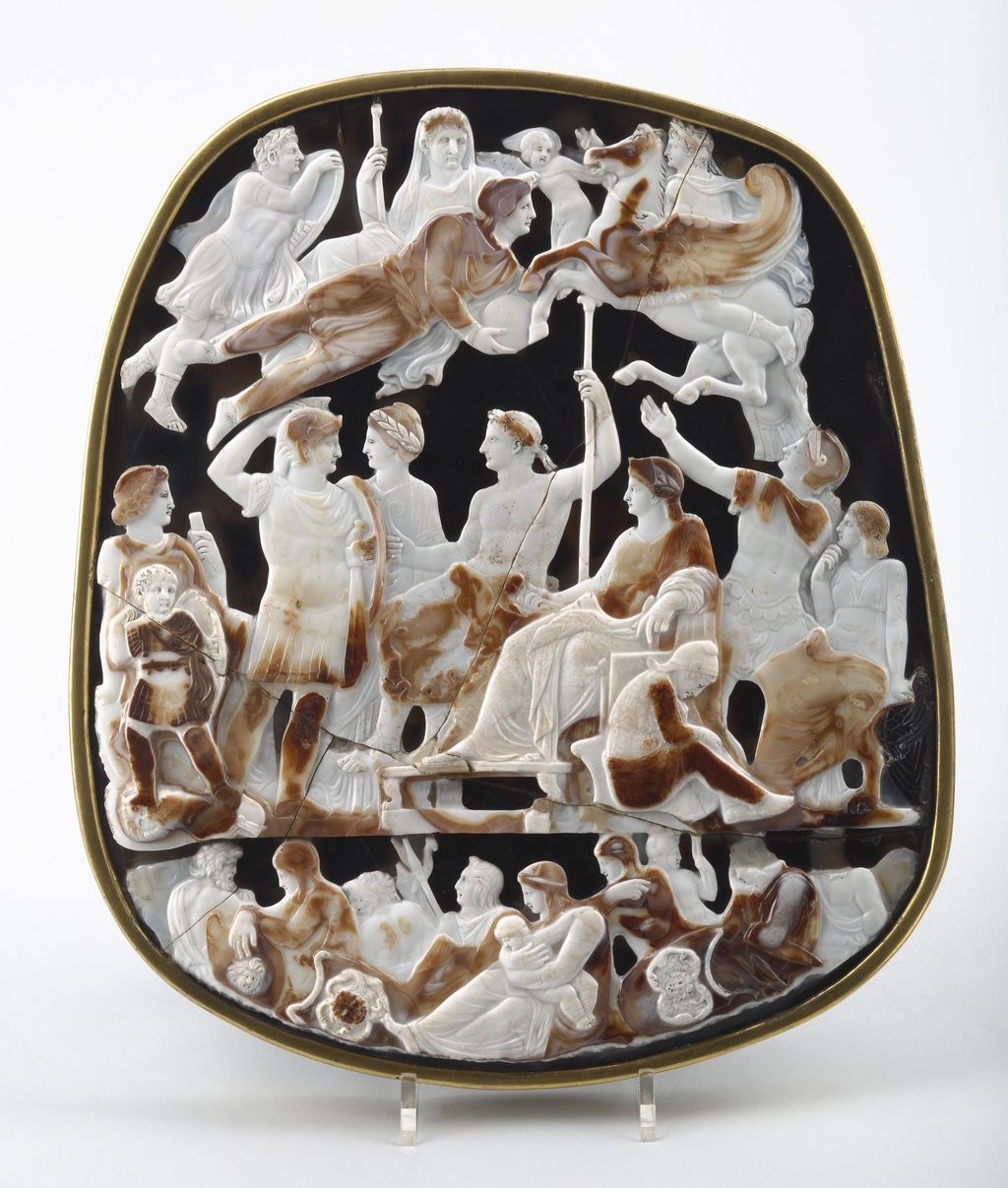
Some authors have speculated that the flying figure dressed in oriental style and holding a globe could be Mithras.

This temple of Mithras on the north side of the Capitoline Hill in Rome no longer exists.
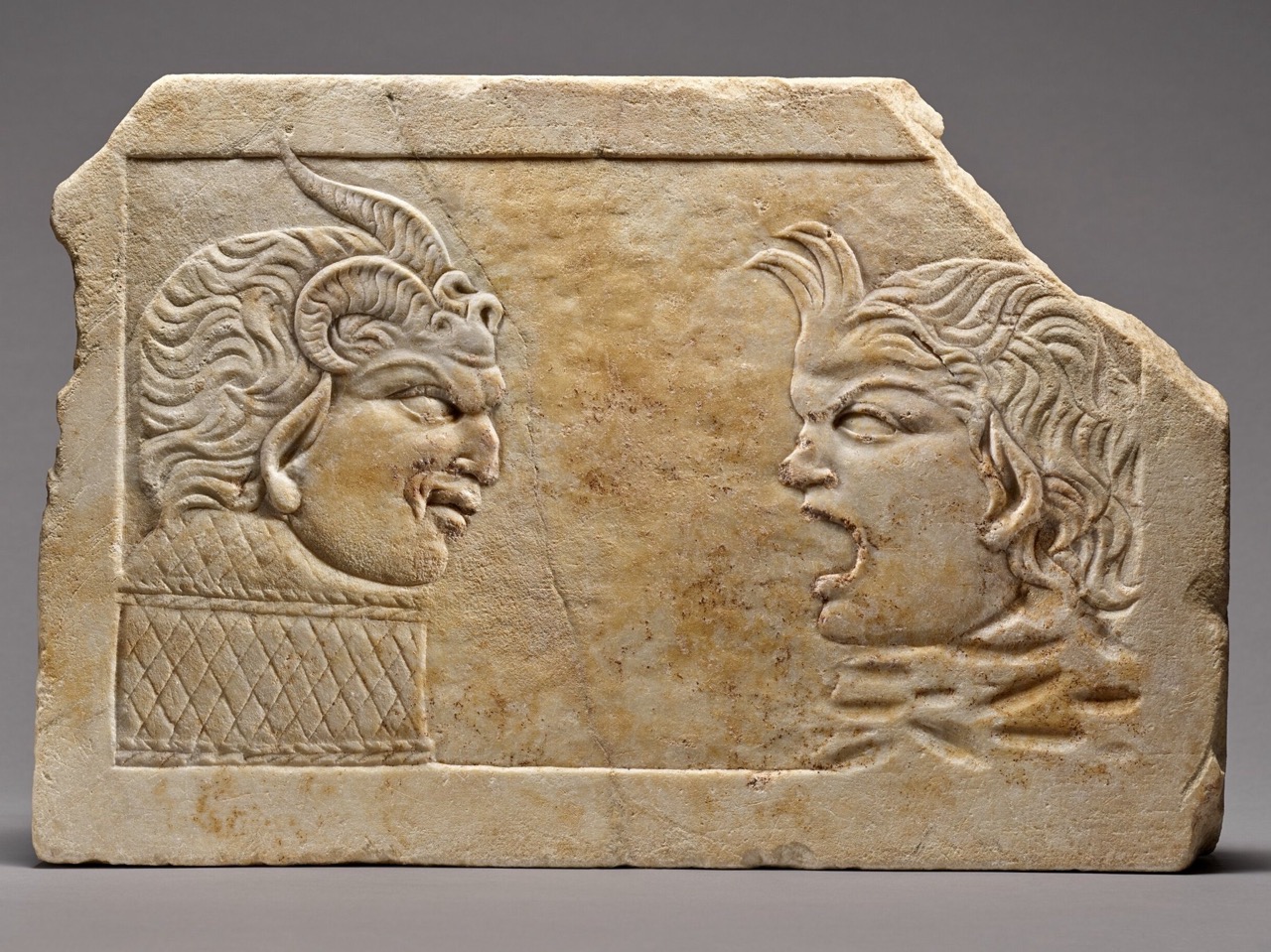
Campos Méndez’s seminal study examining the continuity and transformation of Mithra from his Indo-Iranian origins to the development of the Roman mystery cult.
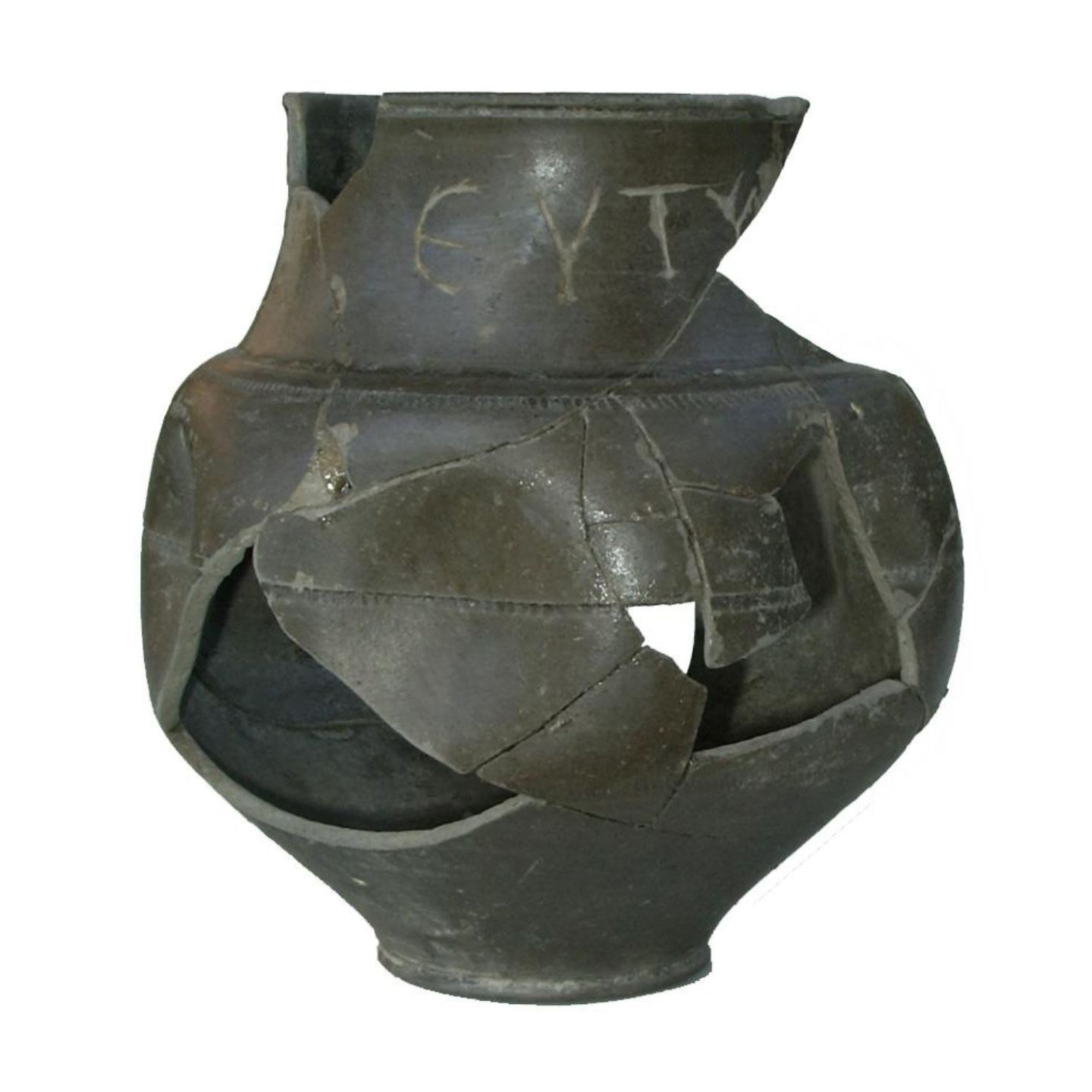
Ceramic cup inscribed with a Greek graffito and recovered from the Mithraeum of Martigny, providing evidence for the use of inscribed vessels within the sanctuary assemblage.
Caesarea was first settled by the Phoenicians in the 4th century BC. In 63 BC, the Romans annexed the region and Caesarea became the seat of the Roman procurators.
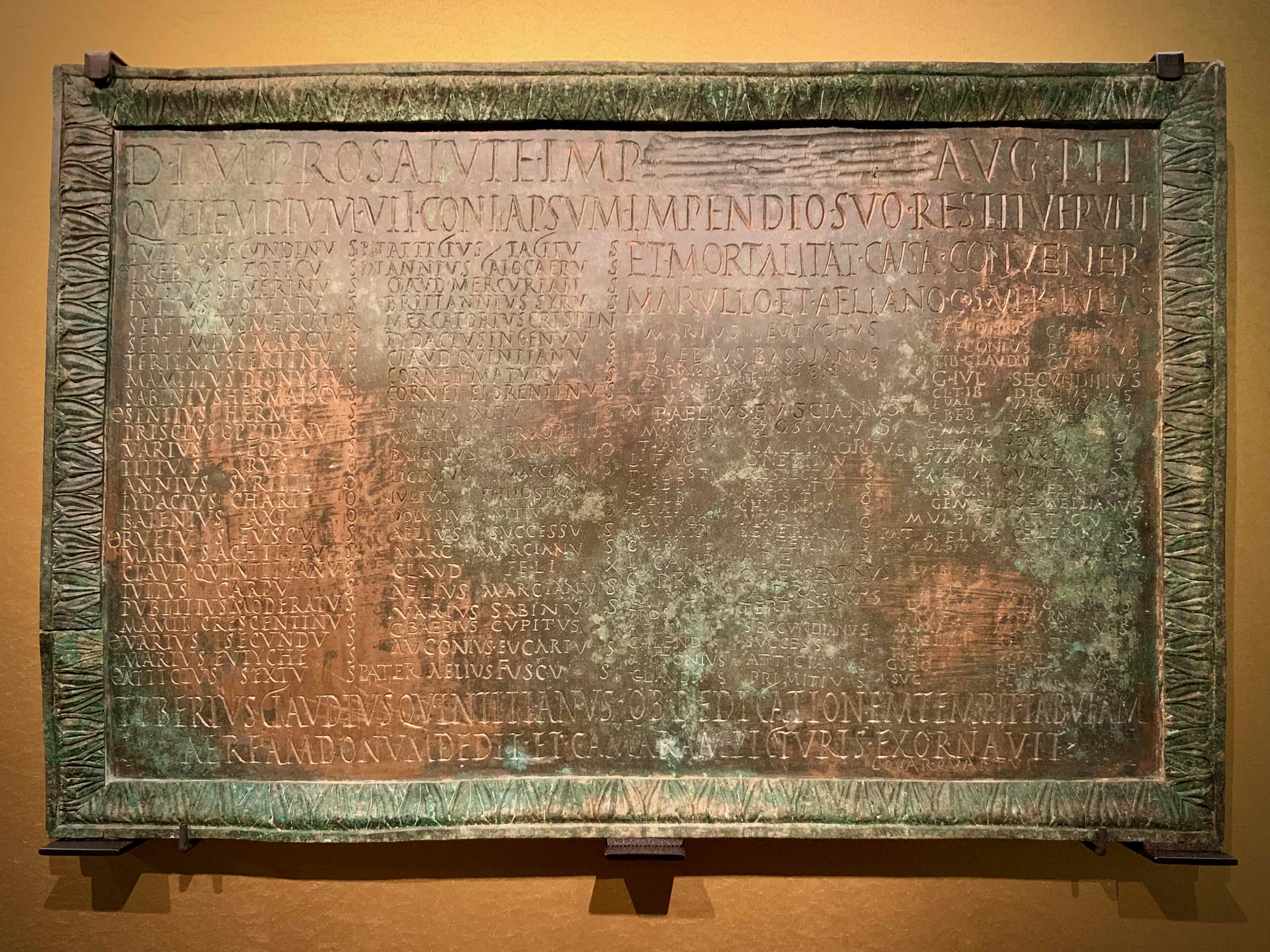
The bronze bears the dedication of a restoration of a Mithraeum carried out in 183.

Prefect, probably of Cohors II Tungrorum, who dedicated an altar to the invincible sun god Mithras in Camboglanna, Britannia.
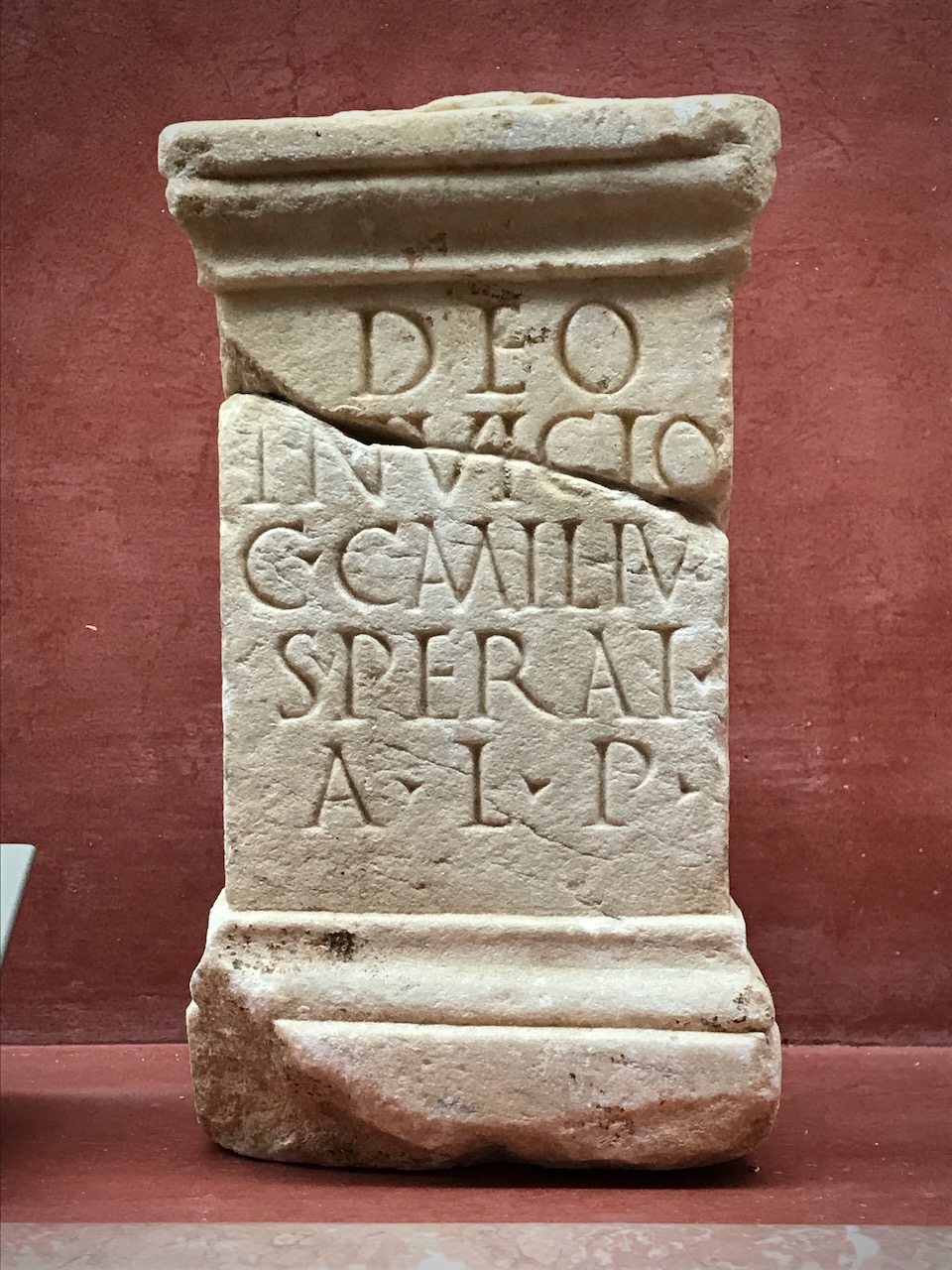
Small white marble altar made in honour of Mithras found at San Albín, Mérida.
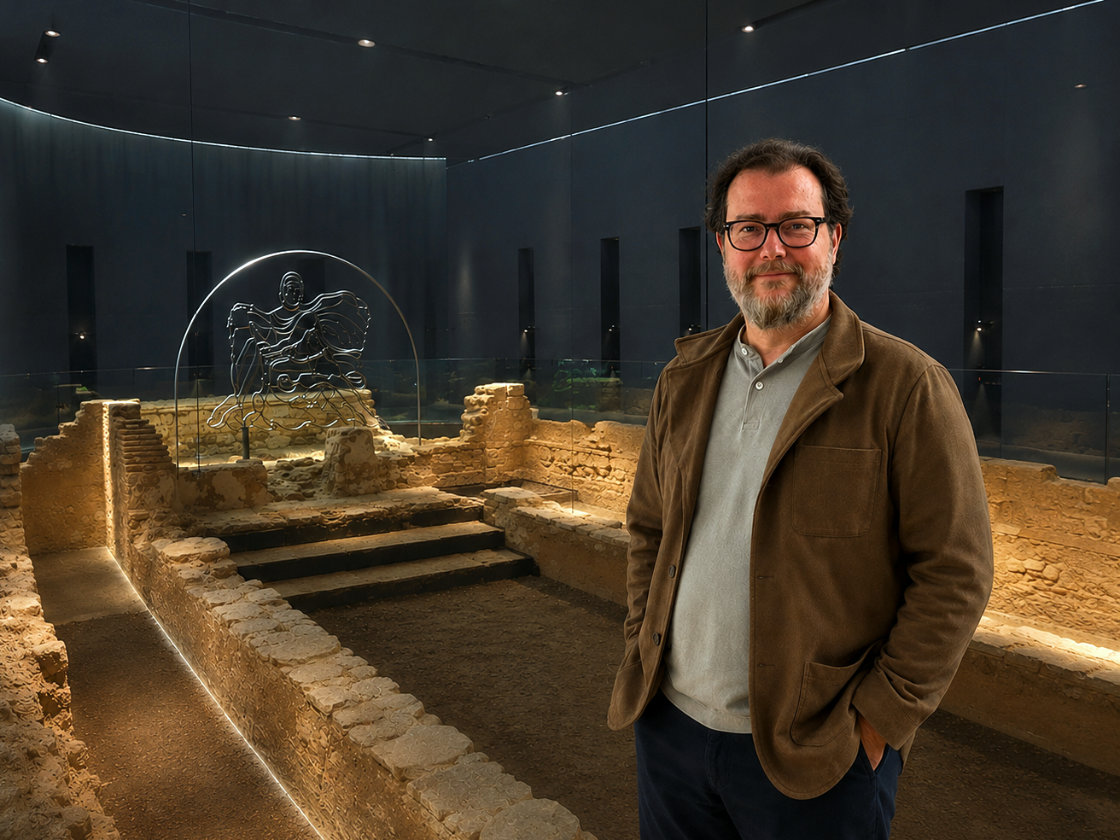
We speak with Israel Campos Méndez about questions that continue to divide scholars: what links the Indo-Iranian Mithra to the deity worshipped in the Roman Empire, and what do we really know about the origins of Roman Mithraism?
En esta vídeo entrevista, Israel Campos Méndez aborda las principales cuestiones que siguen dividiendo a los especialistas: los orígenes del culto de Mitra, su evolución desde las tradiciones indoiranias hasta el Imperio romano y el legado de Franz…
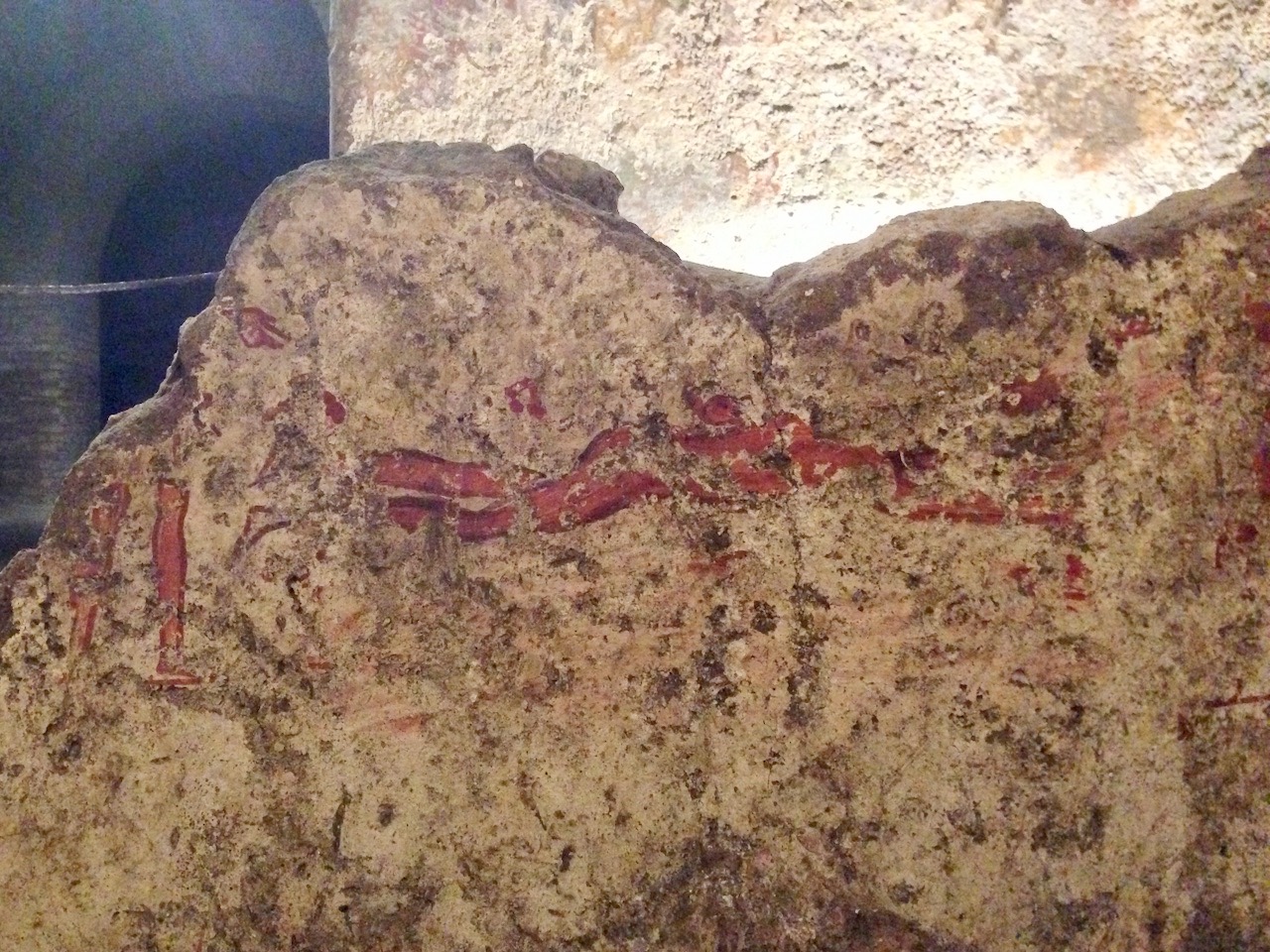
Representation of a person lying prostrate on the ground between two other walking figures on the Mitreo of Santa Capua Vetere.

A Romano-Germanic woman whose inscription became central to debates on female participation in the Mithraic cult.

Late Roman senator and governor of Numidia whose inscriptions present him as a Mithraic pater and initiate in several mystery cults.

One of the few Mithraists whose progression from Nymphus to Miles and eventually to Pater may be traced epigraphically at Dura Europos.
