Your search Arsha wa Qibar gave 1657 results.

For the health of this man, a small altar was dedicated to the god Invictus in the Emerita Augusta.

Valerius was a discharged veteran was a worshipper of the Undefeated Mithras in Künzing.
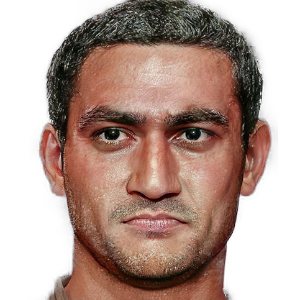
Roman emperor from 253 to 260, he was taken captive by Shapur I of Persia. He was thus the first emperor to be captured as a prisoner of war.

Syndexios in Ostia, his name Marsus suggests that he was a snake-charmer.


Senilius Carantinus, also named Cracissius, was a citizen (civis) of Mediomatrici.

Marcus Statius Niger was a lion who erected an altar to Cautopates in Statio, the present-day Angera, with his brother Gaius.
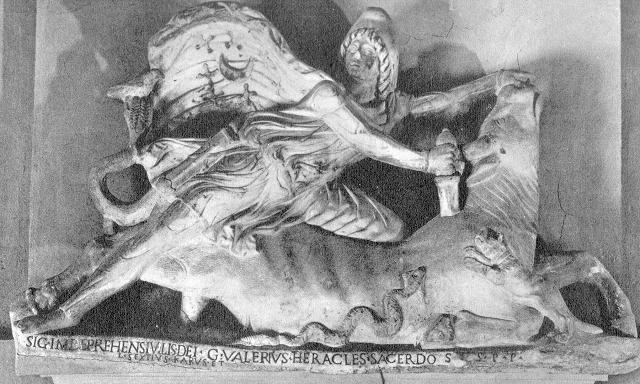
This sculpture of Mithras killing the bull was dedicated to the ’incomprehensible god’ by a certain priest called Gaius Valerius Heracles.
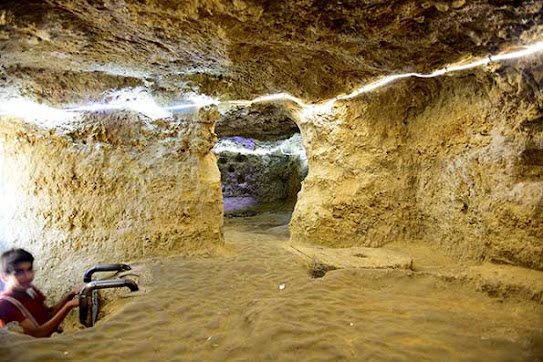
The Niasar Cave, غار نیاسر, was a temple probably devoted to Iranian Mithras that dates back to the early Partian era.

The exploration of an old pazo, a manor house, near the Roman wall, in Lugo, led to the discovery of a Roman domus, which existed continuously from the beginnings of the Christian Era until the Late Empire.
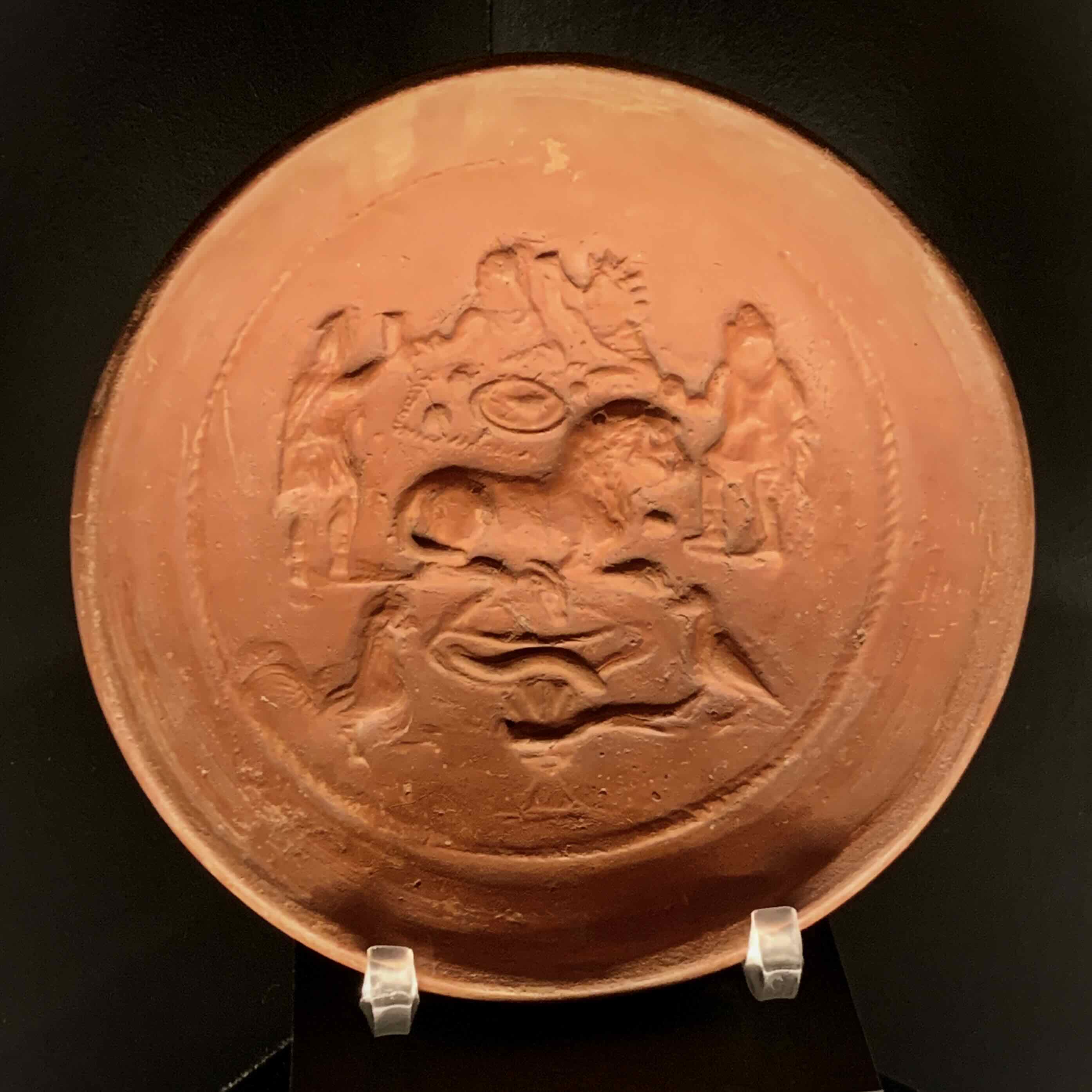
This terra sigillata was found in 1926 in a grave on the Roman cemetery of St. Matthias, Trier. An eyelet indicates that it could have been hung on a wall.

This very fine relief of Mithras killing the bull was discovered in 2014 in Germán, near Sofia, Bulgaria, and is now housed in the Sofia History Museum.

The Mithraeum of Visentium, near Capodimonte in Viterbo, was carved grotto-style into a tuff cliff overlooking the waters of Lake Bolsena, just a few dozen metres away.
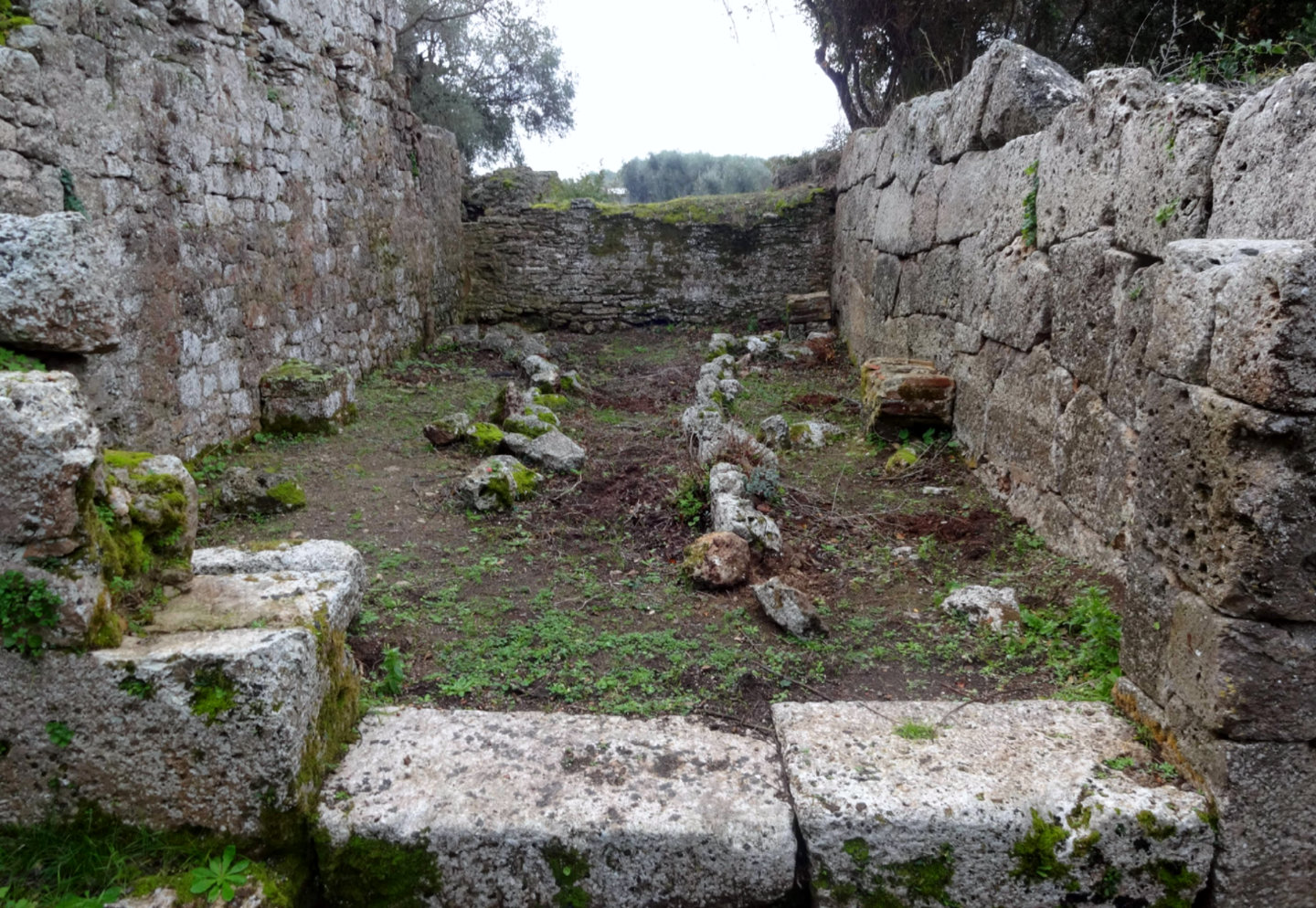
The Mithraeum was inserted into the basement of the basilica-theater by the 3rd century.

"The remaining figure on this monument, Herakles, was previously misidentified as Apollo on this remarkable black basalt tablet from Samsat, known in Roman times as Samosata.
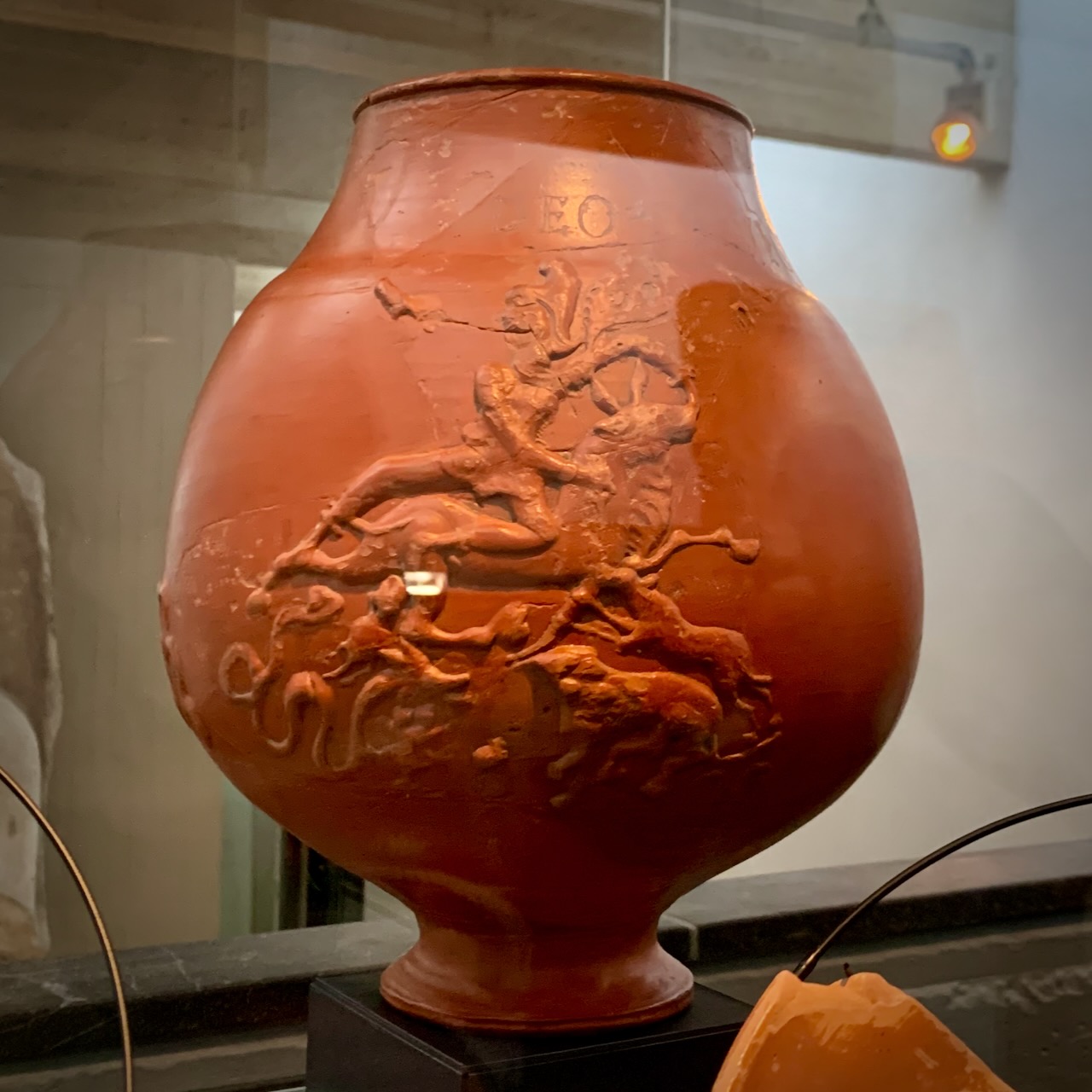
The Mühltal Mithraic crater was discovered among the artefacts of a mithraeum found in Pfaffenhoffen am Inn, Bavaria.

This remarkable marble statue of Mithras killing the bull from Apulum includes a unique dedication by its donor, featuring the rare term signum, seldom found in Mithraic contexts.

Tracing the links between the cult of Mithras and the Proud Boys’ quest for identity, power, and belonging. How ancient rituals and brotherhood ideals resurface in radical modern movements.
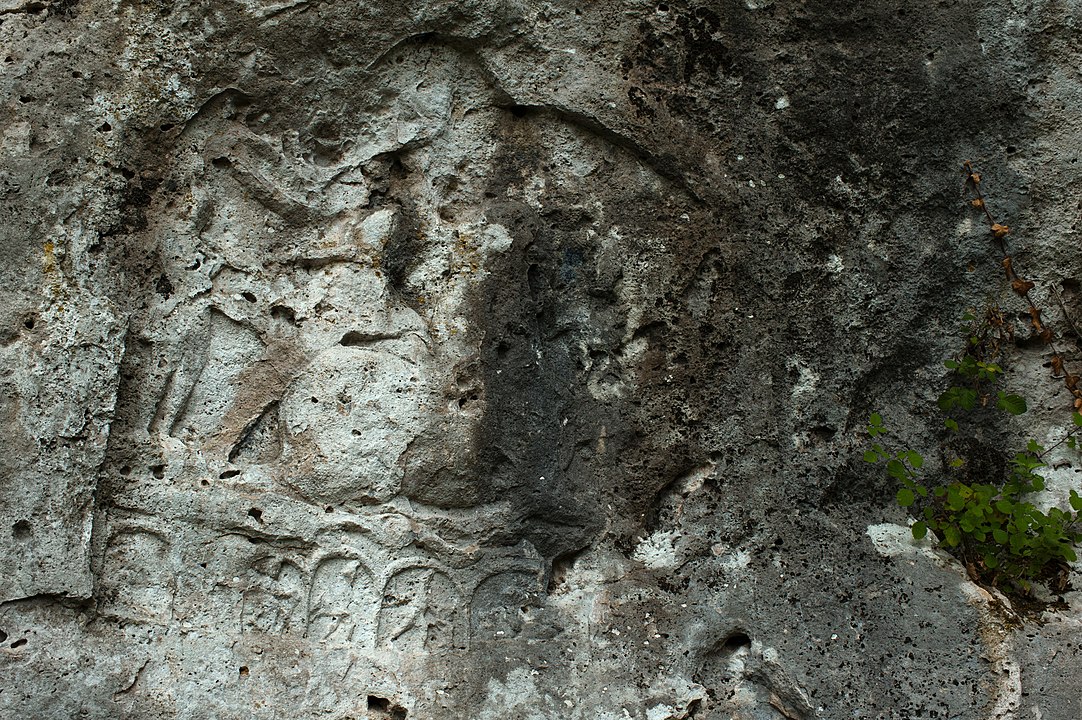
The Mithraeum of Thermes in Greece was discovered in 1915 by Bogdan Filov.

Found in Illmitz, Austria, in 1959, this altar was dedicated to the unconquered god Mithras by a certain Aelius Valerianus.
