Your search Arsha wa Qibar gave 722 results.

This limestone altar dedicated to Mithras by a certain Veturius Dubitatus was found in Dalj, Croatia, in 1910.
A certain Secundinus, steward of the emperor, dedicated this altar to Mithras in Noricum, today Austria.
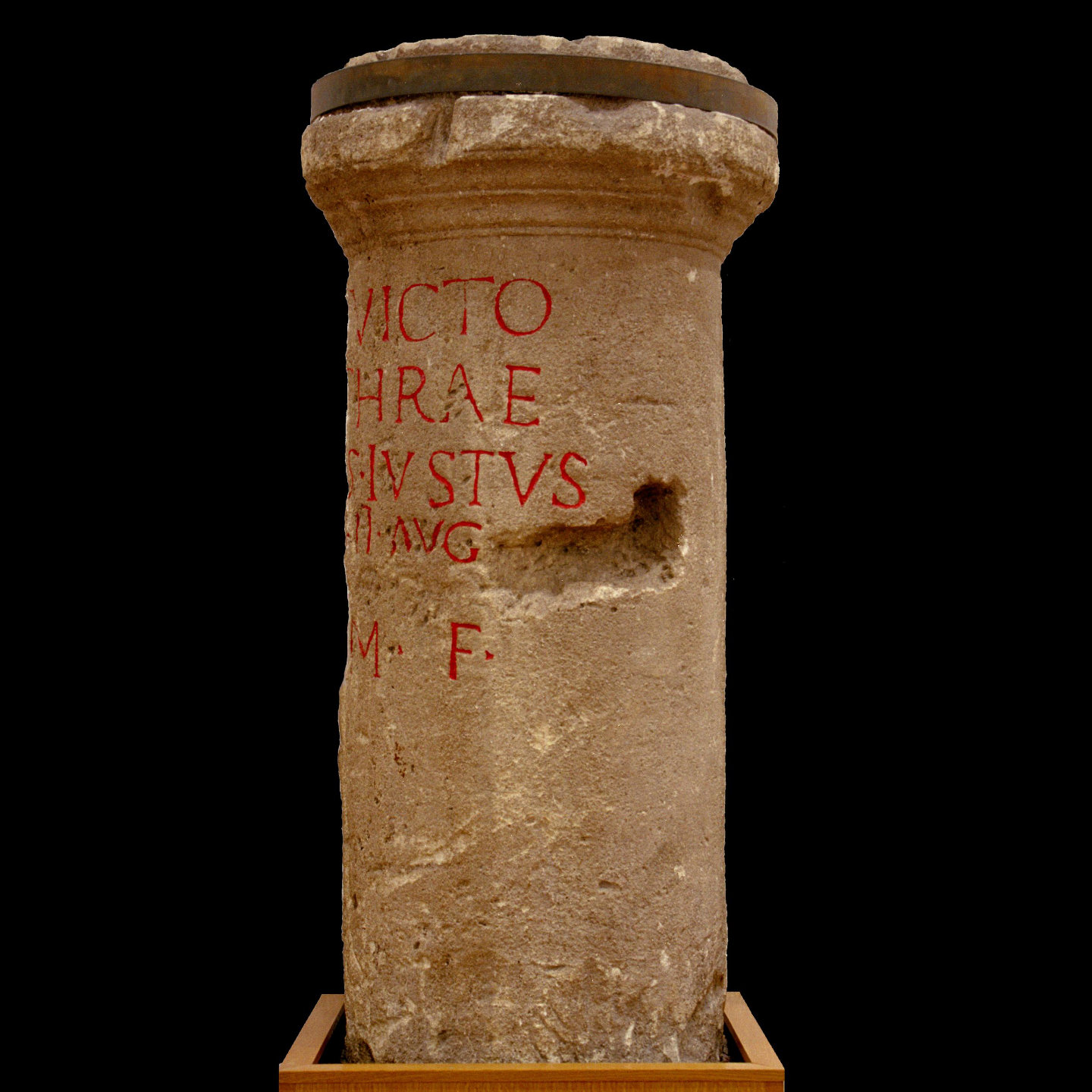
This oolite base, dedicated to the invincible Mithras, was found in the baths of the Villa de Caerleon, Walles.
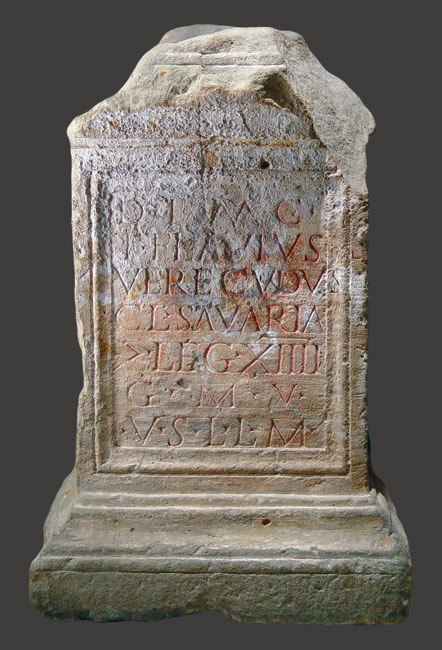
This monument to Mithras and Cautes (or Cautopates) was erected in Carnuntum by the centurion Flavius Verecundus of Savaria.
Minto has claimed that the time god Aion was painted on the corner of the north wall of the Mitreo de Santa Capua Vetere.
The Mithraeum I of Cologne is situated amid a block of buildings. It was impossible to narrowly determine its construction and lay-out.
This small monument without inscription was found in Bingem, Germany.
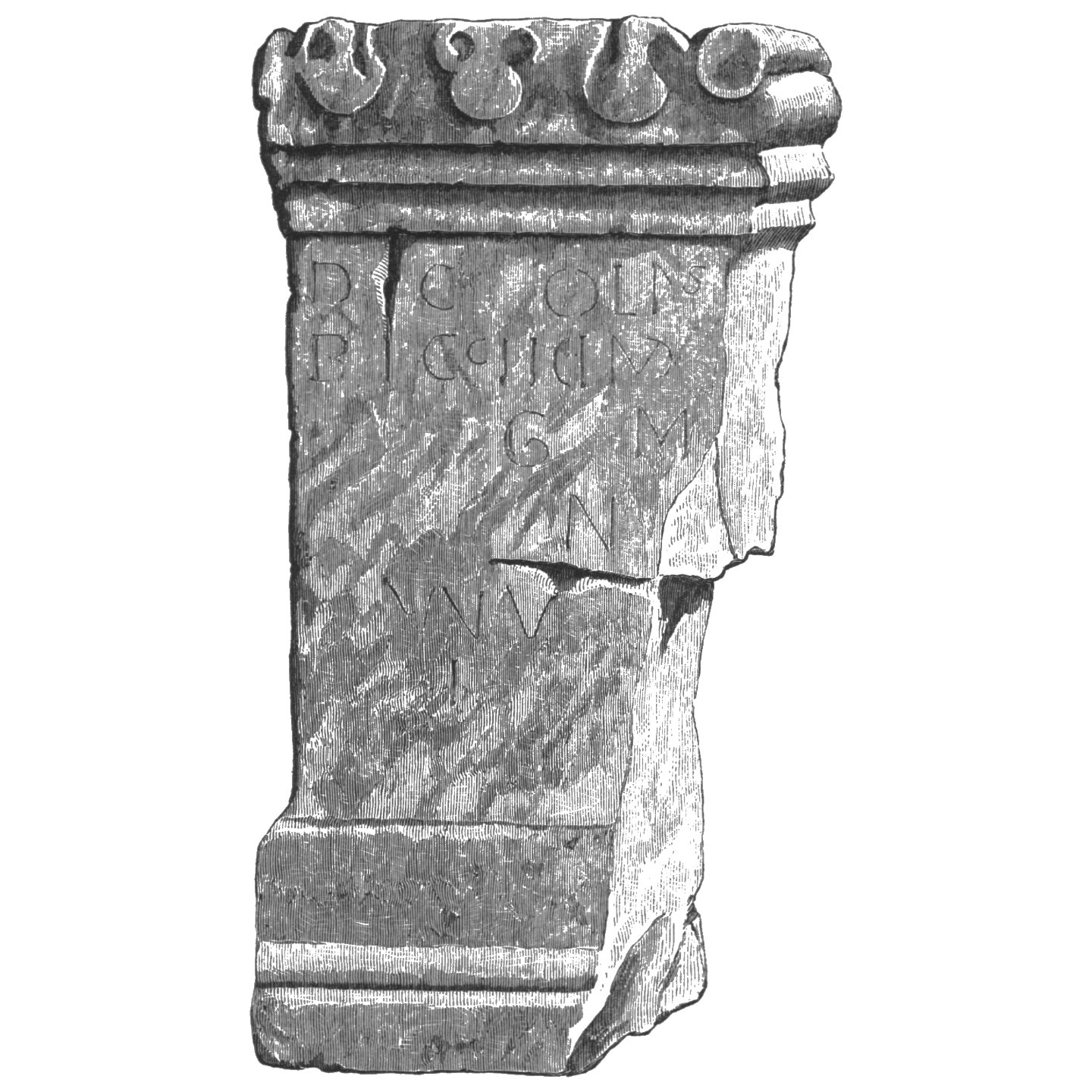
Horsley thought that, like some other inscriptions in the Naworth Collection, this altar also had come from Birdoswald.
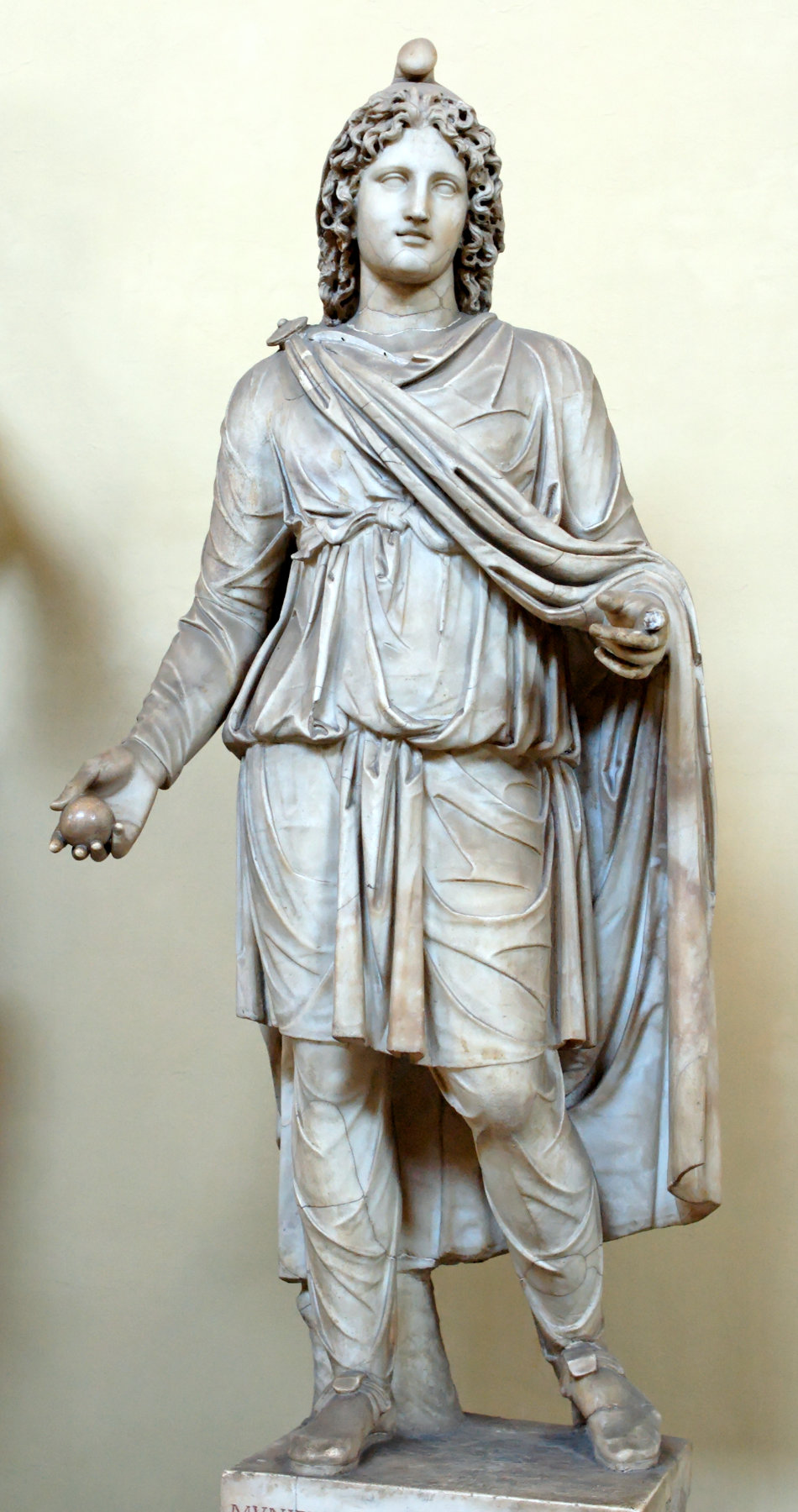
This sculpture, probably of Cautopates, now in the Musei Vaticani, was transformed into Paris.
This inscription was dedicated to God Cautes by a certain Flavius Antistianus, Pater Patrorum in Rome.
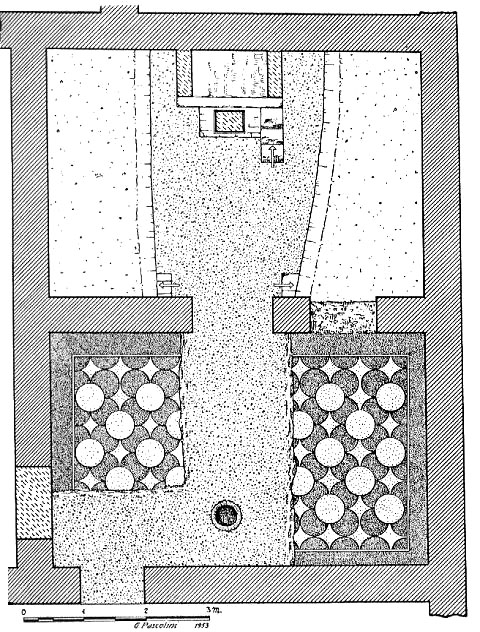
The Mithraeum of the House of Diana was installed in two Antonine halls, northeast corner of the House of Diana, in the late 2nd or early 3rd century.
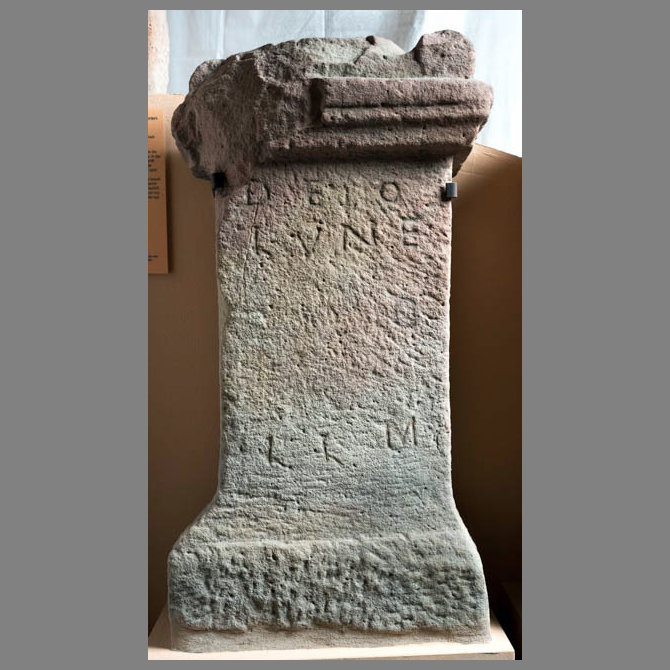
This sandstone altar was dedicated to Luna, who is mentioned as a male deity.
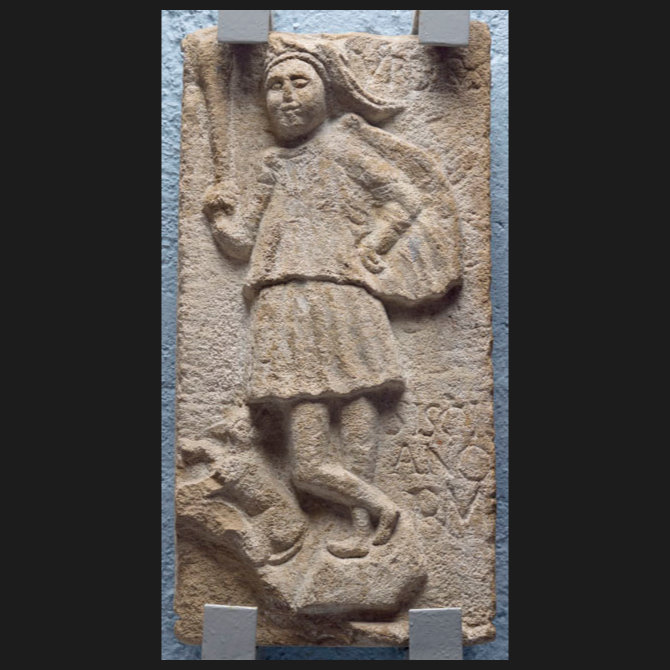
This base was found in the 18th century and bears an inscription to the god Arimanius.
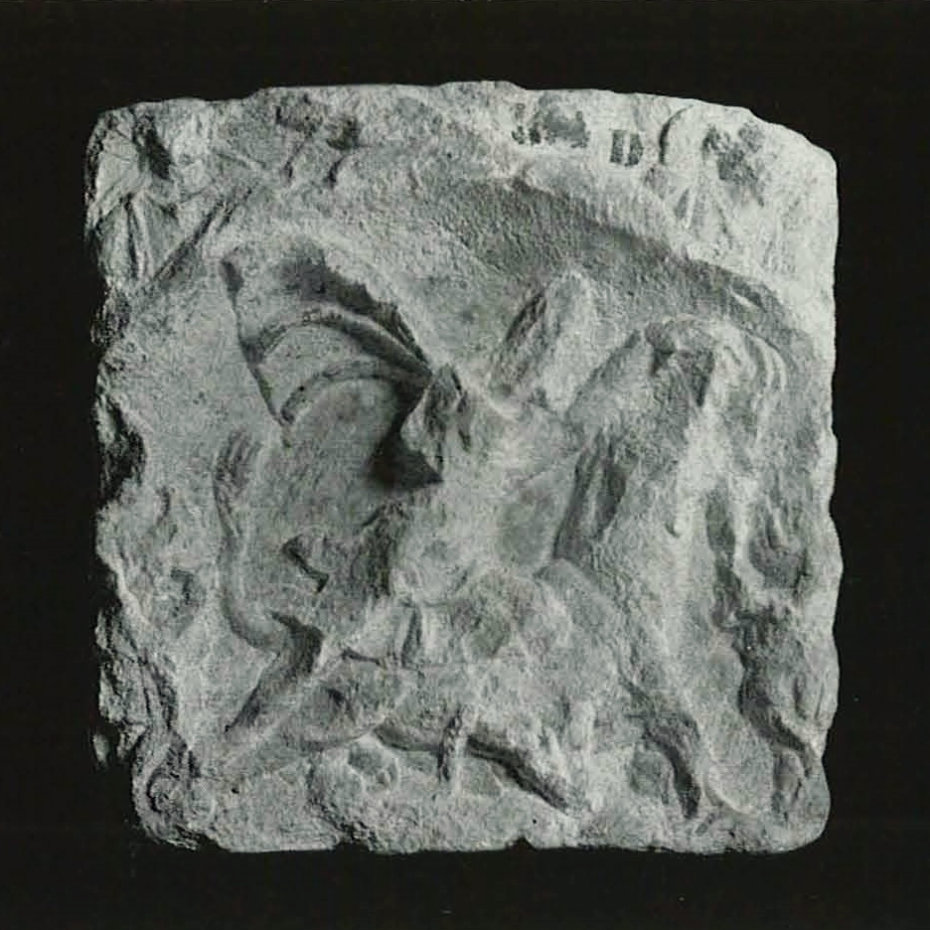
This damage relief of Mithras killing the bull was found walled into a house near Split, Croatia.
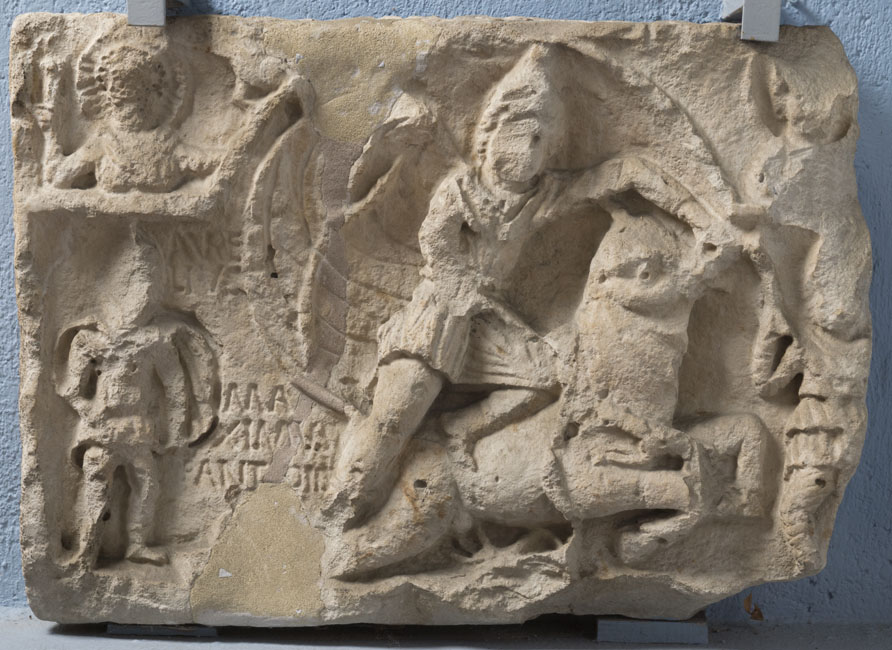
This relief of Mithras as a bullkiller was found in Golubić, Bosnia and Herzegovina, near a cementery.
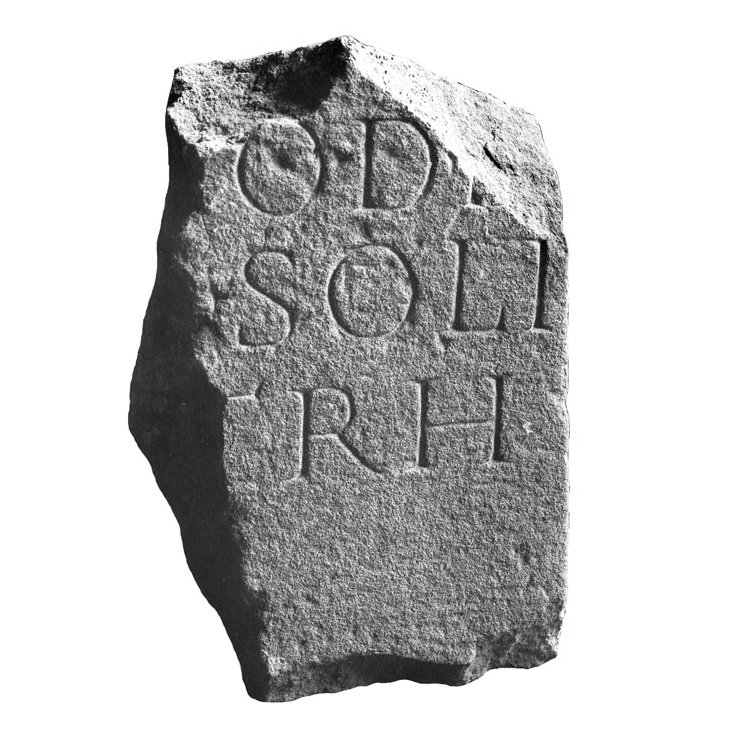
This monument with an inscription to the god Sol Mithras was found in front of the cathedral of Speyer during some sewer works.
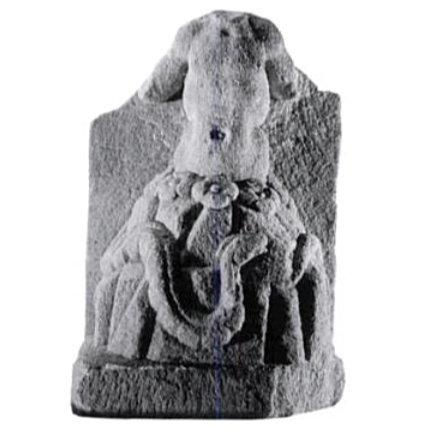
This sculpture of Mithras born from a rock was found in 1922 together with two altars in what was probably a mithraeum.
This statuette was bought by A. Wiedemann in Luxor in 1882 from a man from Kus.
A bearded Bacchus and another hermes as a woman, both crowned with vine tendrils, were walled into the base of a niche.
