Your search Arsha wa Qibar gave 721 results.

The Mithraeum of Spoleto was found in 1878 by the professor Fabio Gori on behalf of Marquis Filippo Marignoli, owner of the land.
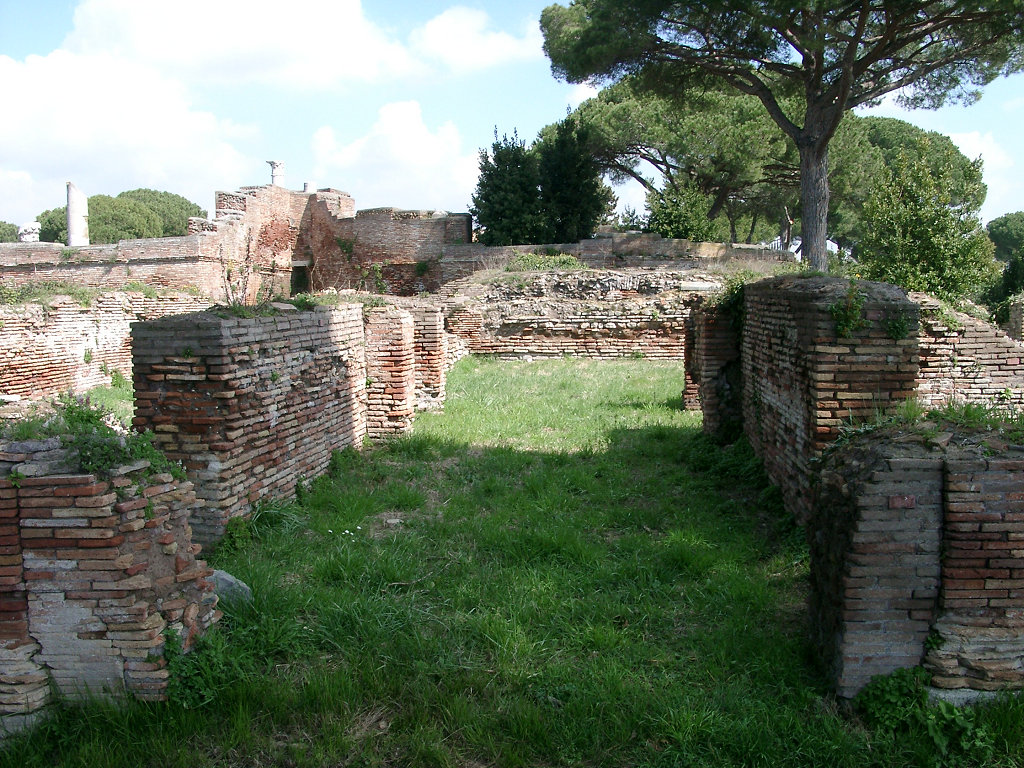
The Mithraeum of Frutosus was in a temple assigned to the guild of the stuppatores.

This tabula marmorea was consecrated by a certain slave Vitorinus in Tibur, nowadays Tivoli, near Rome.
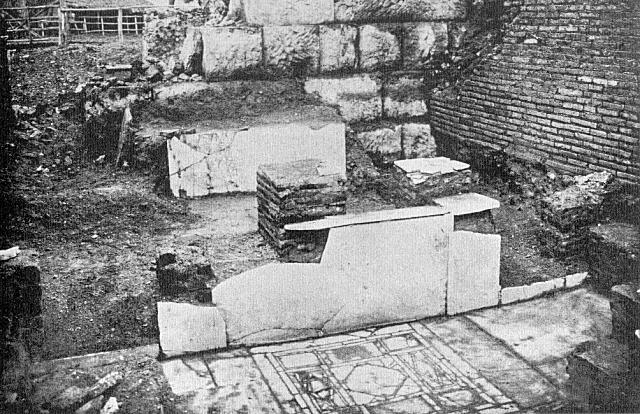
The Mithraeum of Aldobrandini was excavated in 1924 by G. Calza on the premises belonging to the Aldobrandini family.
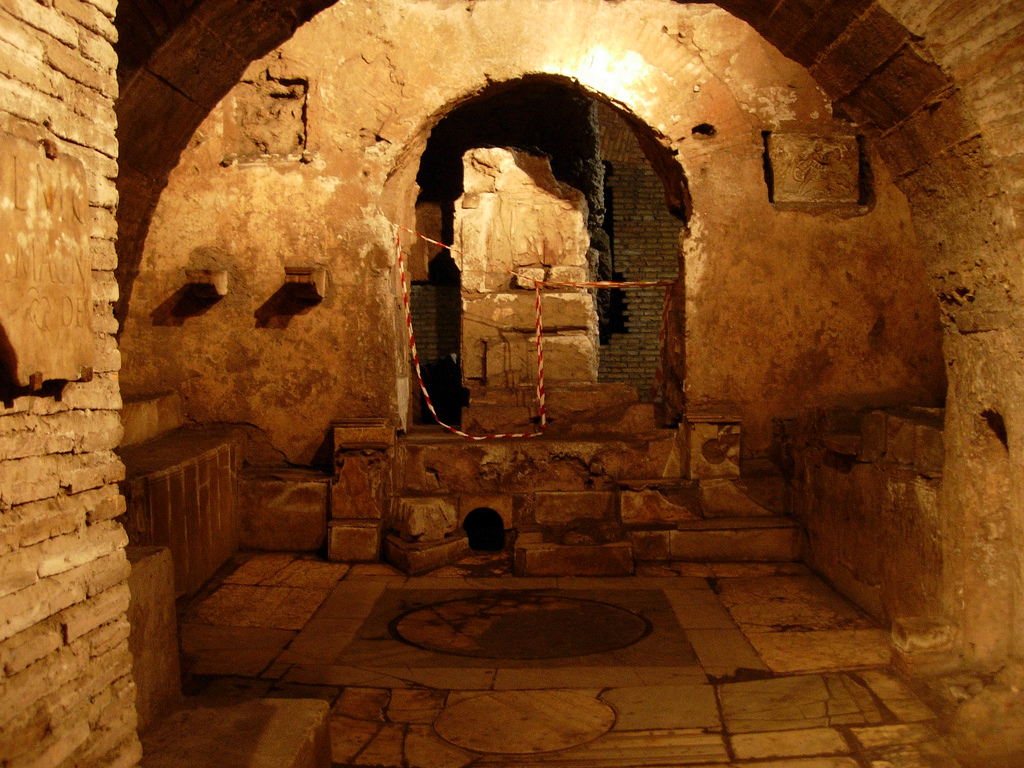
The Mithraeum of the Circus Maximus was discovered in 1931 during work carried out to create a storage area for the scenes and costumes of the Opera House within the Museums of Rome building.

Mithraeum II was found at Ptuj at a distance of 20 m south of the Mithraeum I in 1901.
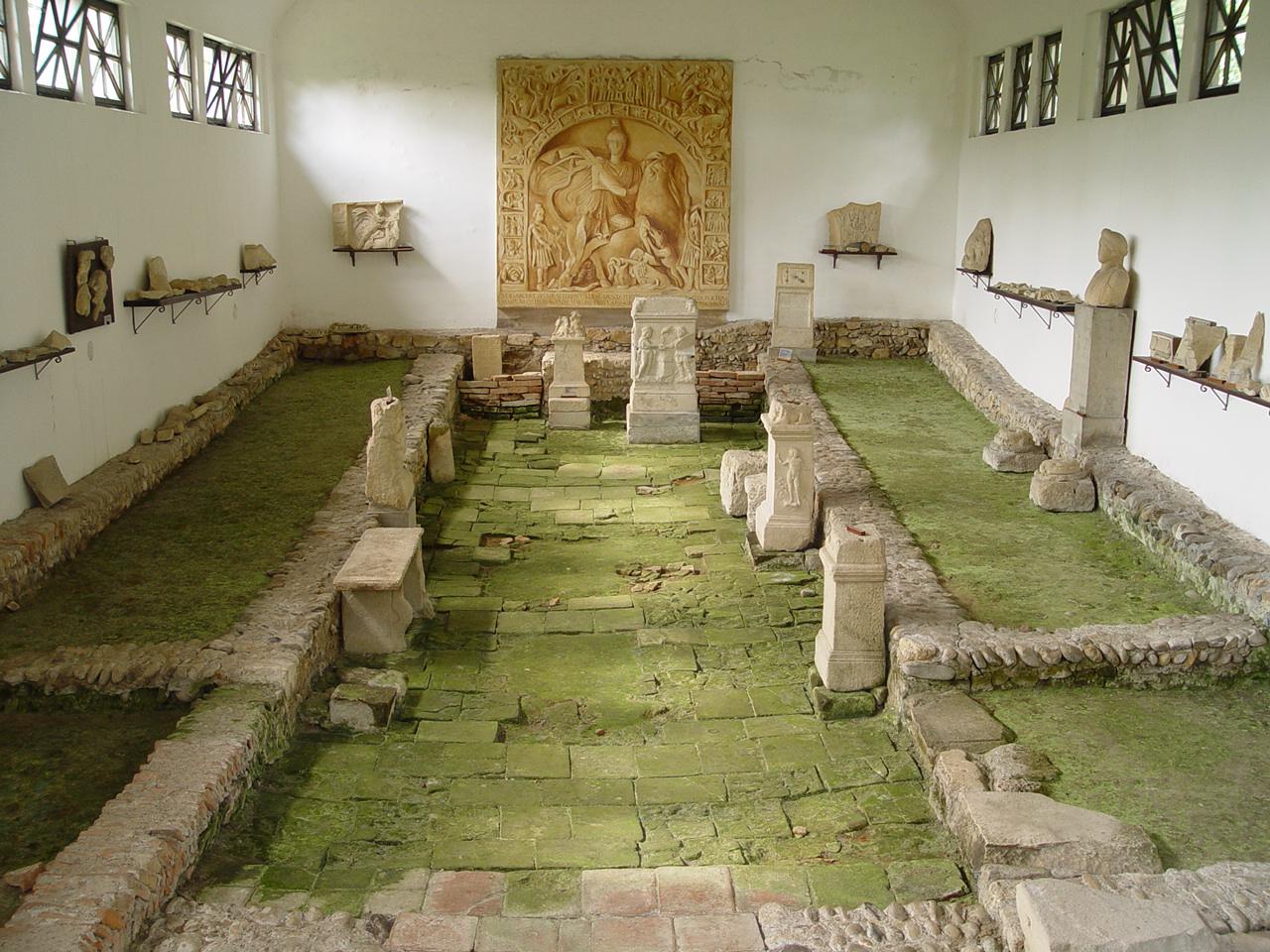
Mithraeum III in Ptuj was built in two periods: the original walls were made of pebbles, while the extension of a later period was made of brick.
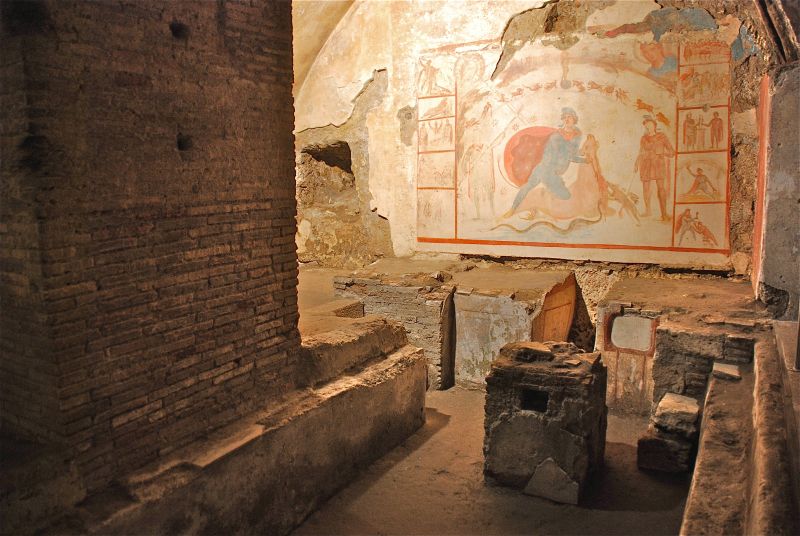
The Barberini Mithraeum was discovered in 1936 in the garden of the Palazzo Barberini, owned by Conte A. Savorgnan di Brazza.
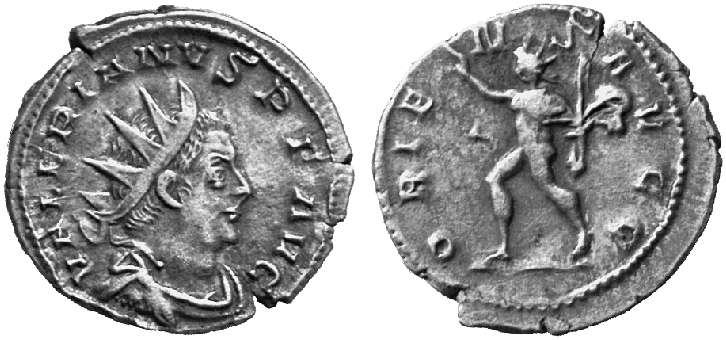
This coin was deposited in the upper level of the throne in the cult niche of the Mitreo della Planta Pedis.
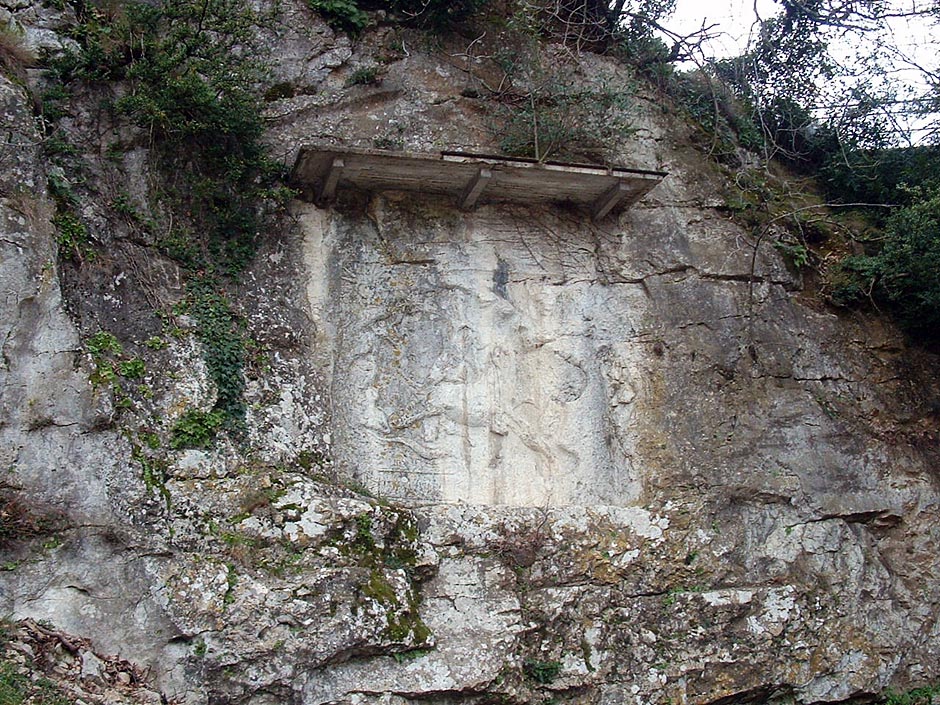
The Mithréum de Bourg-Saint-Andéol was built against a rock where the main Tauroctony was chiseled.
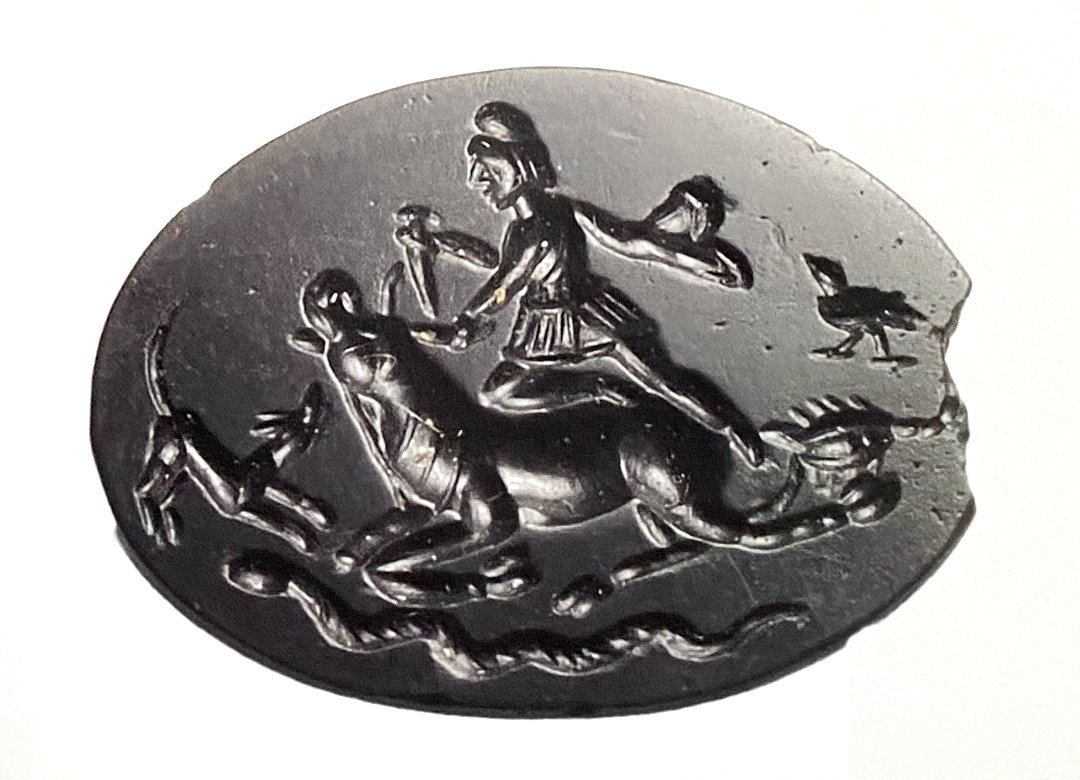
This intaglio with Mithras killing the bull on one side and Kabiros on the other was probably used as a magical amulet.
The Mithraeum located in Piazza Dante in Rome was discovered in 1874 along with a series of monuments dedicated by a Pater named Primus.
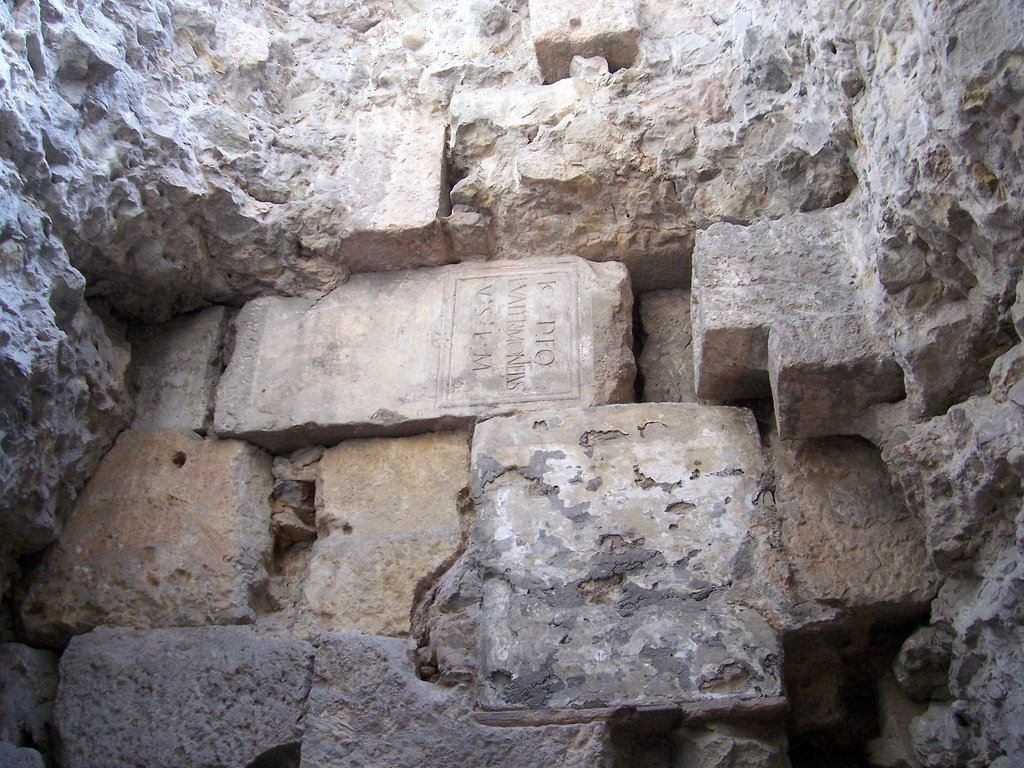
This altar was dedicated to Cautes by a certain Lucius in Baetulo (Badalona), near Barcino (Barcelona).
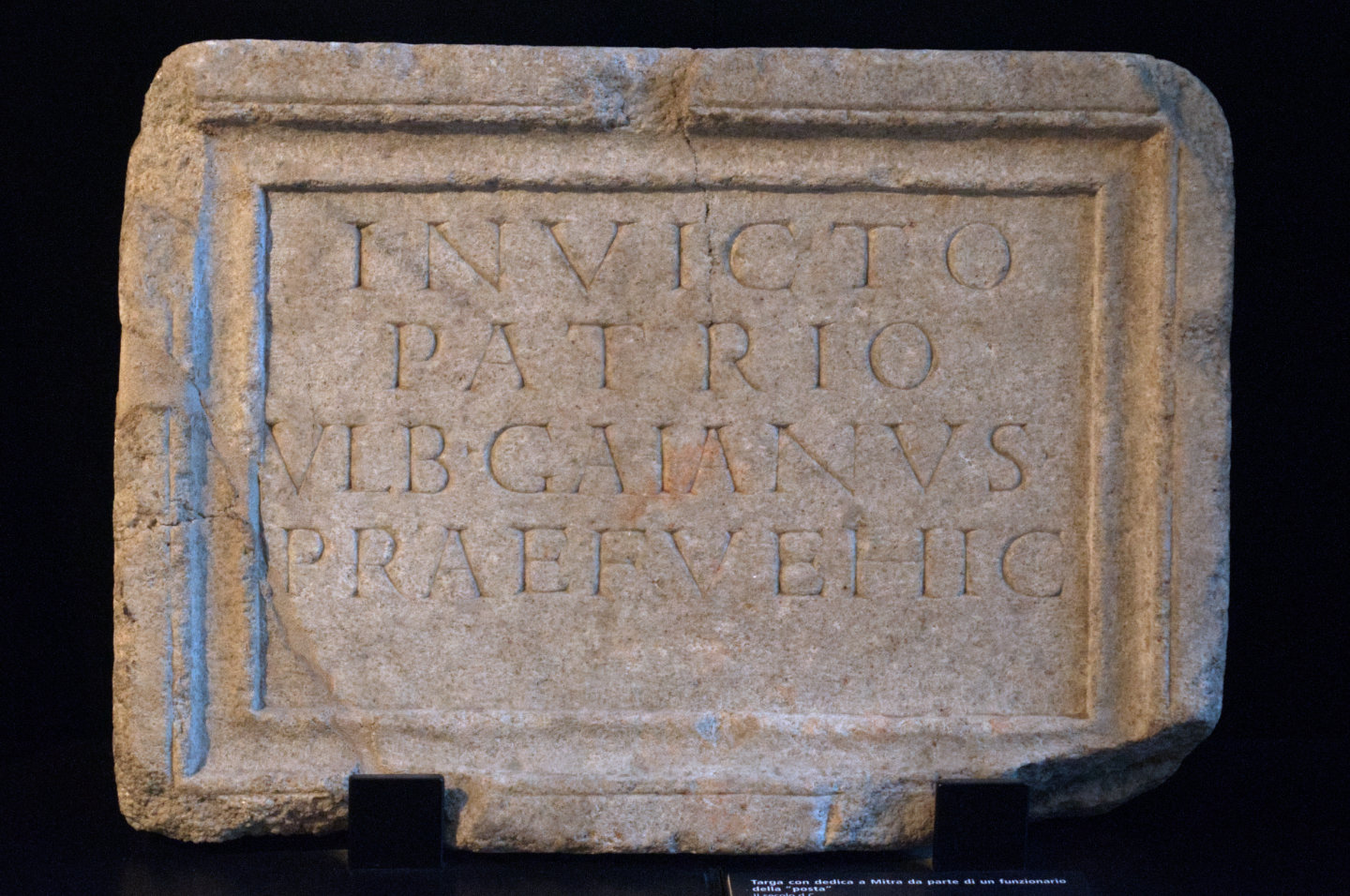
This monument dedicated to 'Invicto Patrio' was found in Milan in 1869.

Dutch historian, born in 1918 and deceased in 1985. He was a specialist in the history of religions, especially the Eastern cults in the Roman Empire. A prolific writer, best known for his Corpus inscriptionum et monumentorum religionis Mithriacae.
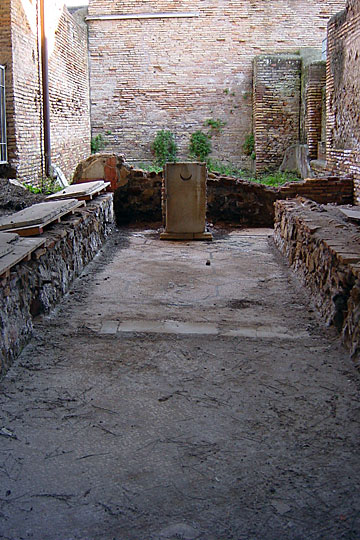
The Mithraeum of Lucretius Menander was installed in the early 3rd century in an alley to the east of a Hadrianic building named after the solar god temple.
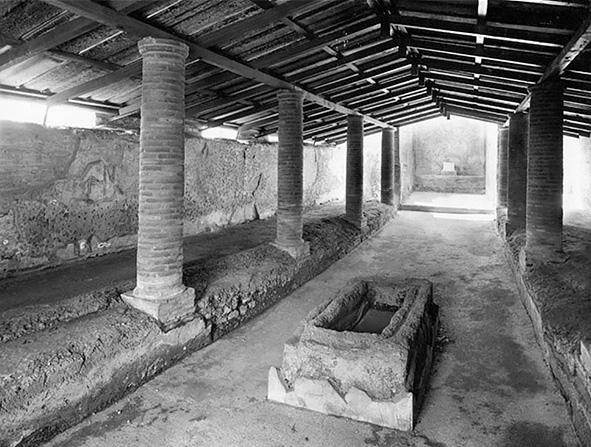
The Mithraeum in the Chapel of the Three Naves was not linked to the cult of Mithras until recently because of a mosaic showing a pig, in the belief that it was an animal unfit for consumption in a temple of Eastern origin.
A bronze plaque records the existence of a mithraeum at Virunum that collapsed and was rebuilt by members of the community.
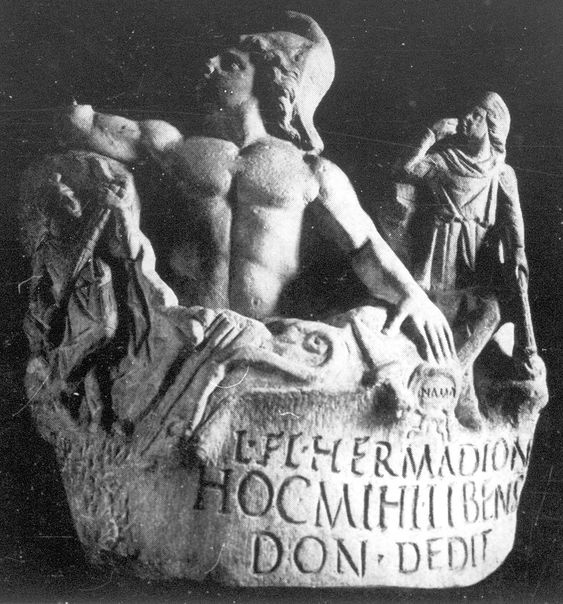
Mithras rock-born from Villa Giustiniani was holding a bunch of grapes in its raised right hand instead of a torch, probably due to a restoration.
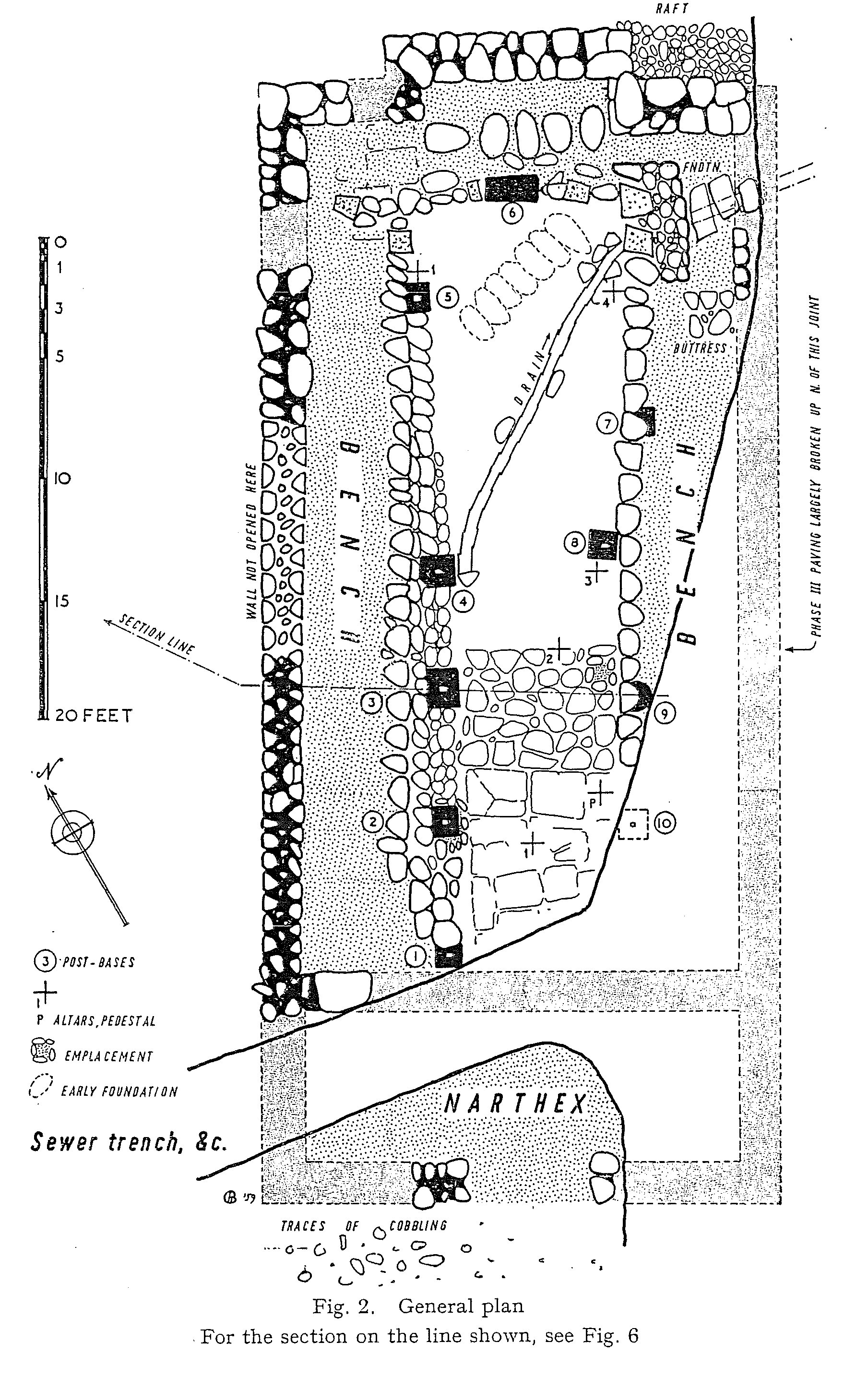
The Mithraeum of Caernarfon, in Walles, was built in three phases during the 3rd century, and destroyed at the end of the 4th.
