Your search Bad Ischl im Salzkammergut gave 1088 results.

This altar, dedicated to Sol Invictus Mithras by a certain Eutyches for the health of the Emperor Caracalla, was found in Sisak, Croatia, in 1899.
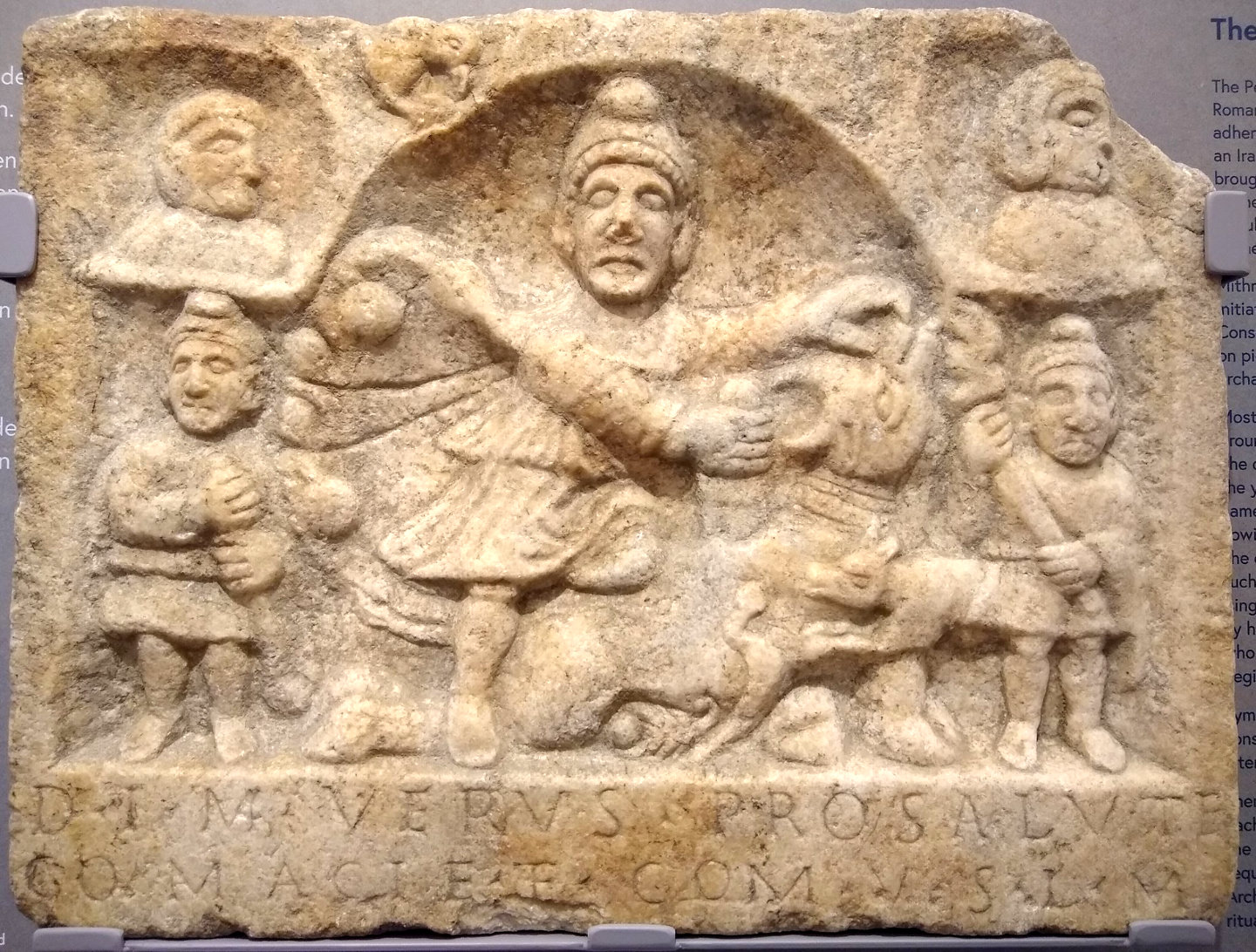
The votive image was donated by a certain Verus for a mithraeum which was probably located in the hinterland of the Limes.

A second Mithraeum was found in Cologne described by R. L. Grodon as of ’small importance’.

Ancient noble family from Spain, currently having long vacations in Chile, South America
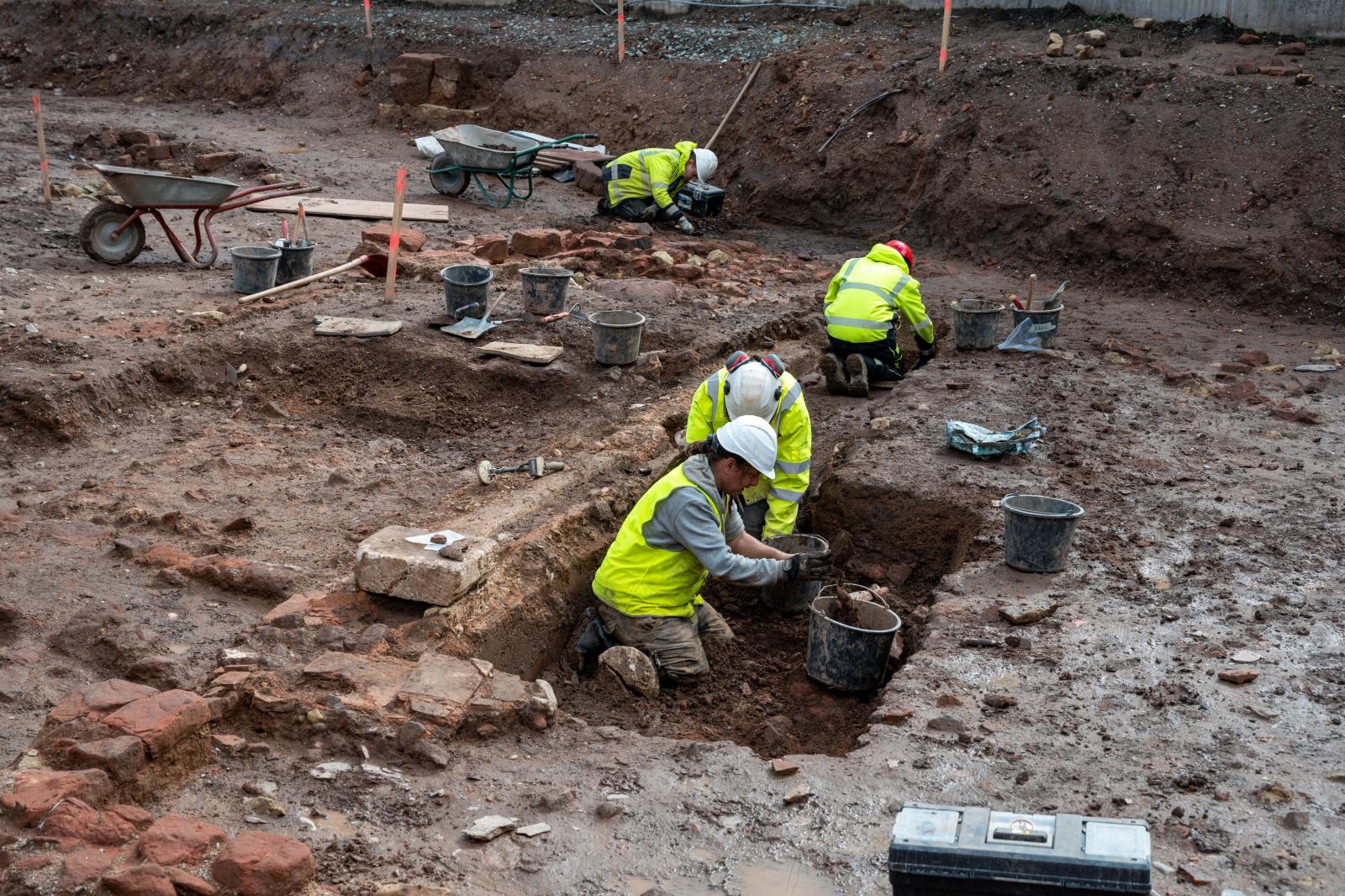
The Trier Mithräum was discovered during work on the city’s new fire station. The findings included a Cautes limestone relief.
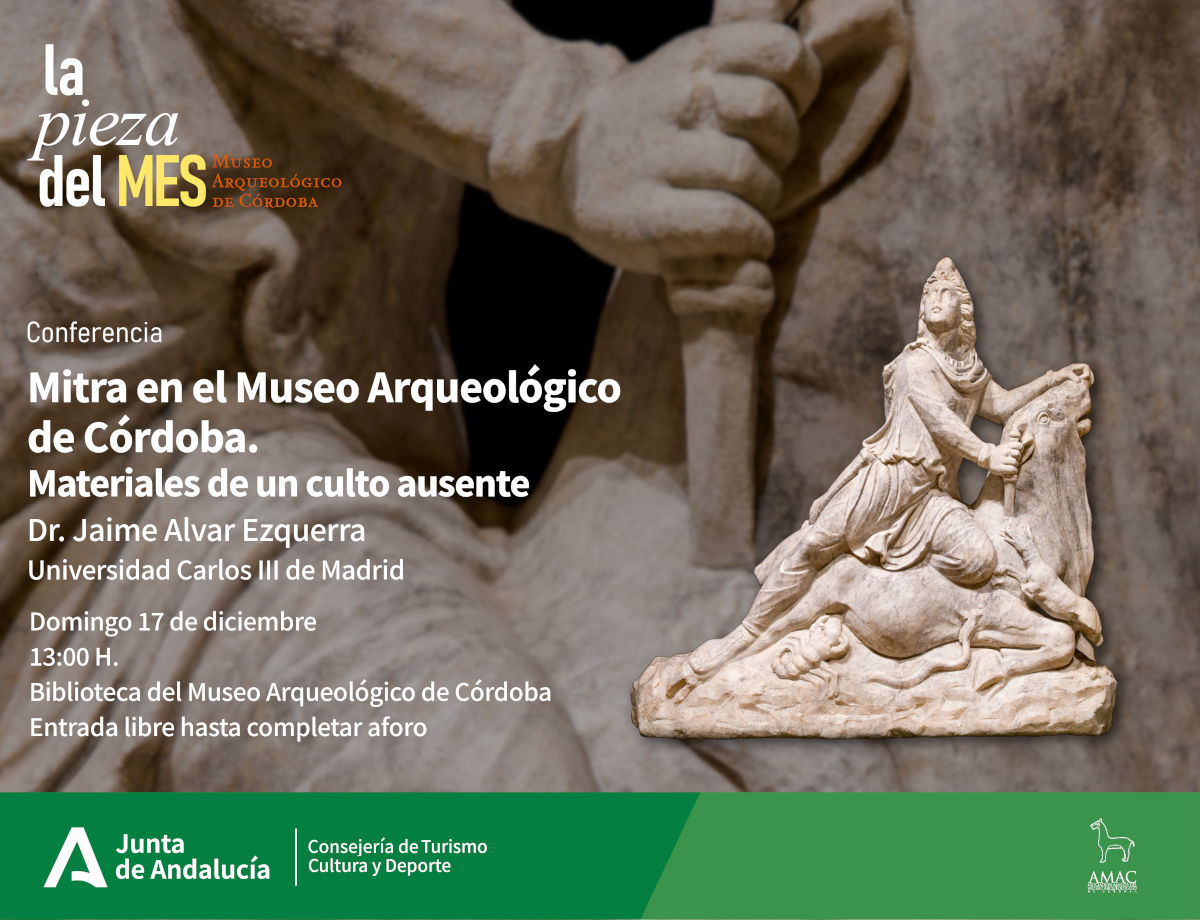
Mithras at the Museo Arqueológico de Córdoba by @jaime.alvar. This Sunday for those of you in the area.
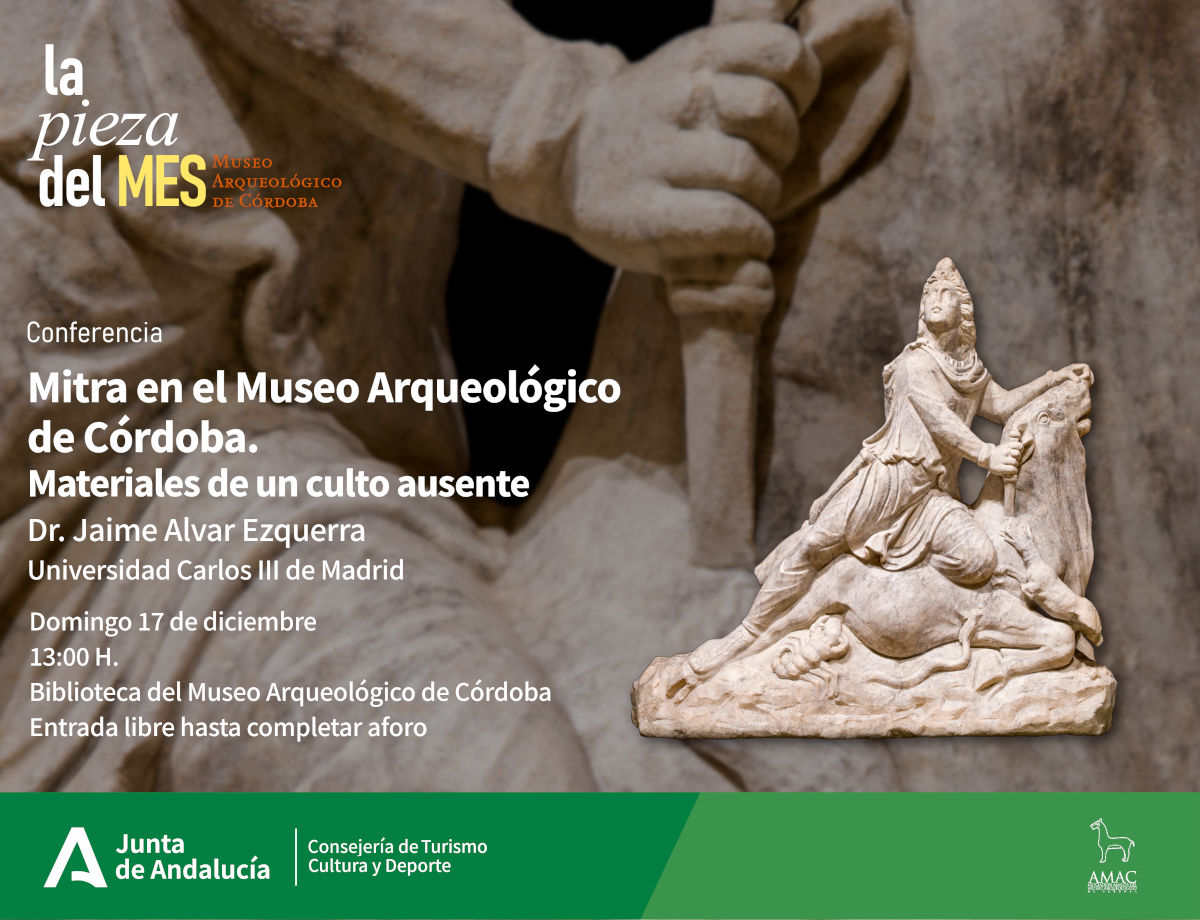
Mithras at the Museo Arqueológico de Córdoba by @jaime.alvar. This Sunday for those of you in the area.
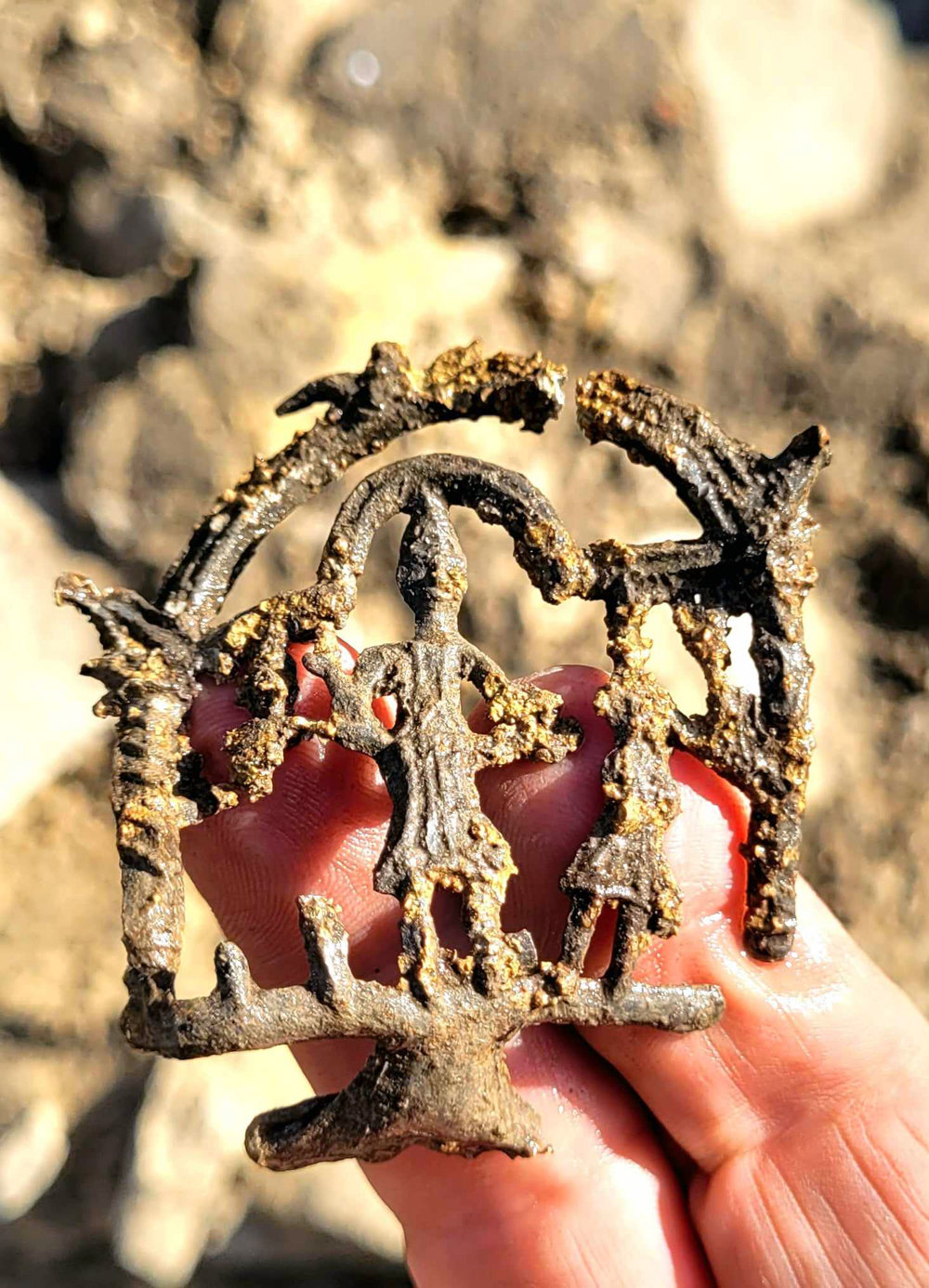
A sixth temple dedicated to Mithras has been identified for the first time in the military sector of the ancient Roman city of Aquincum.

Mithraeum I in Güglingen, Landkreis Heilbronn (Baden-Württemberg).
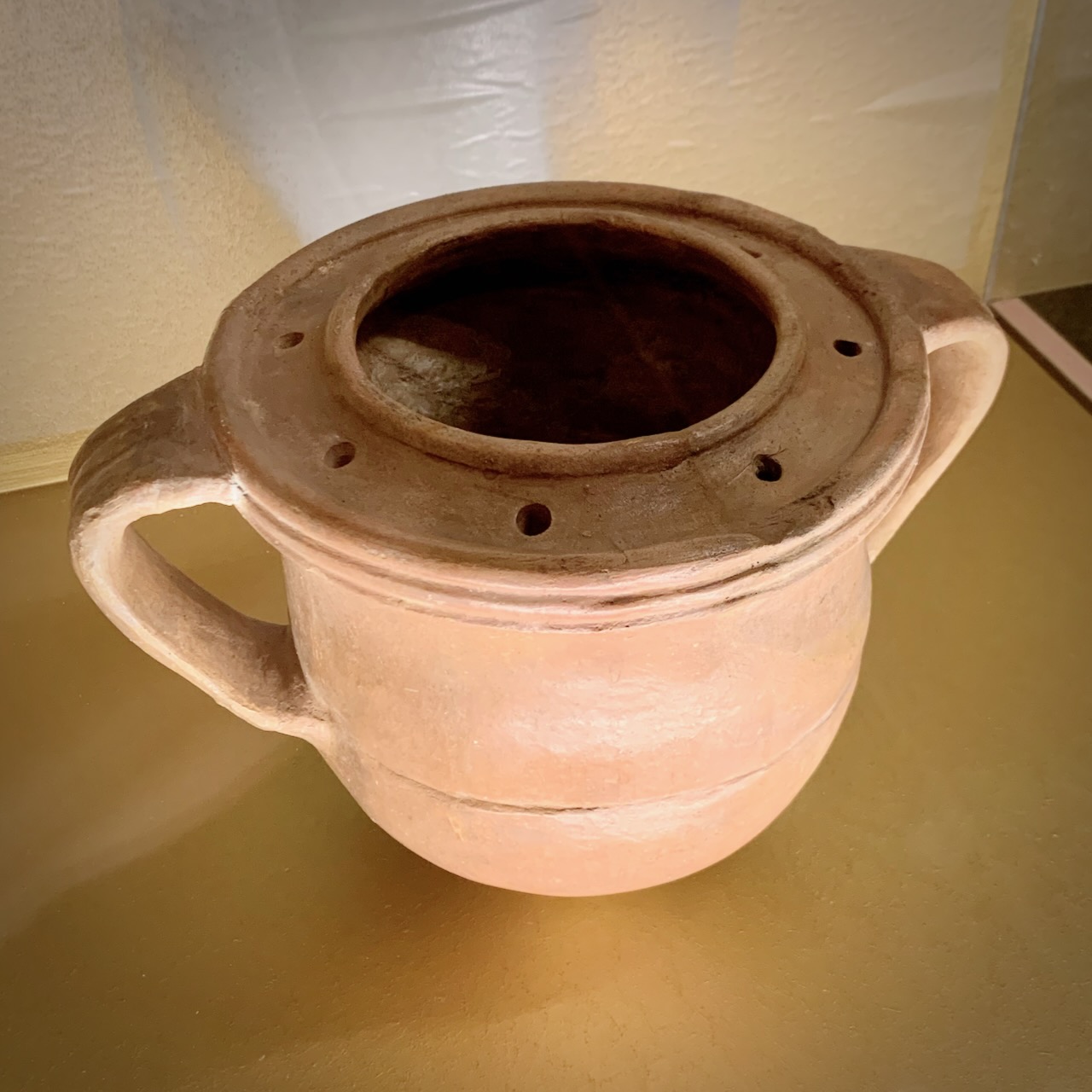
The vessel to burn incense from the Mithraeum of Dieburg is similar to those found in other Roman cities of Germany.
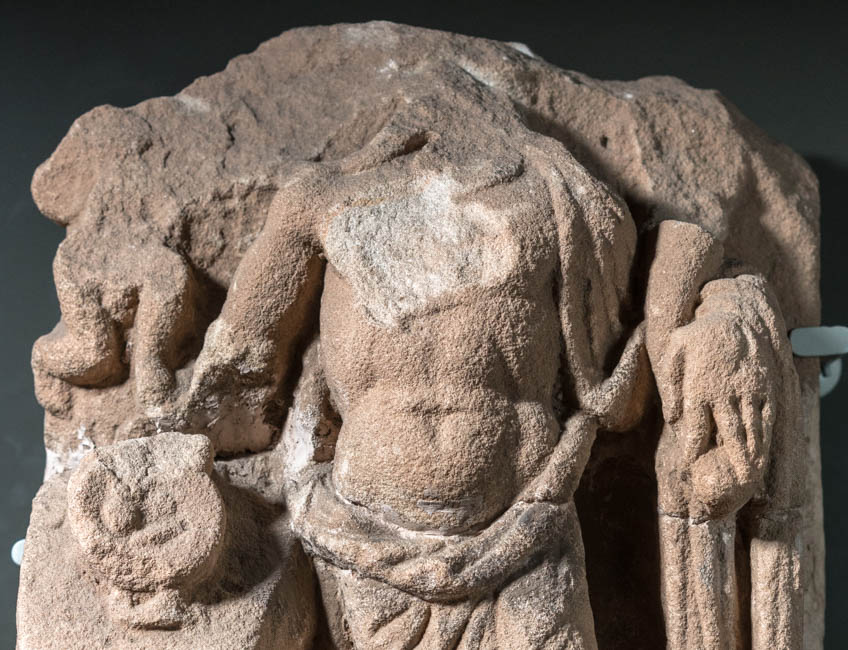
A standing half naked man makes offerings to an altar while holding a cornucopia in his other hand.
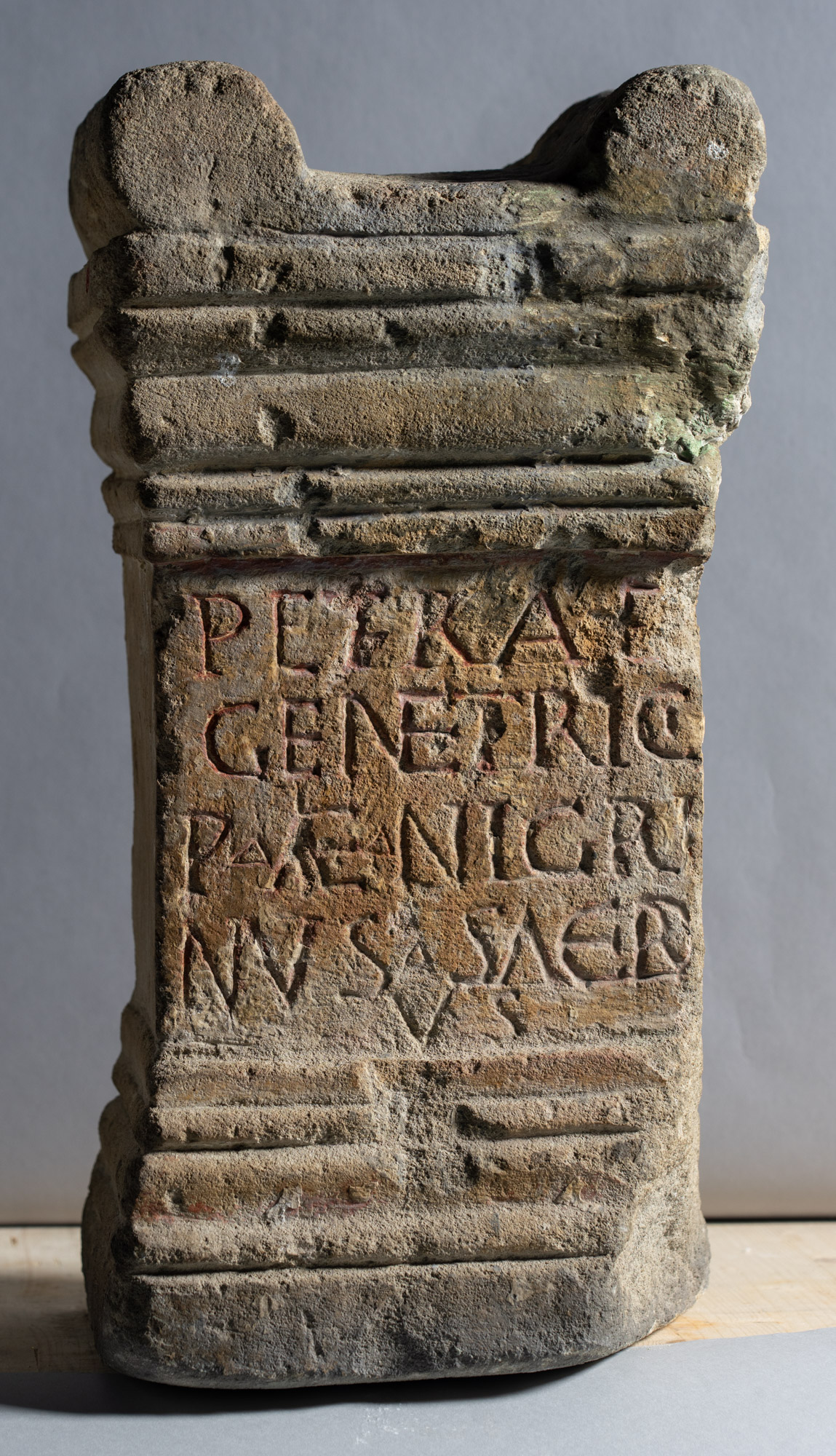
Aelius Nigrinus dedicated this small altar in Carnuntum to the rock from which Mithras was born.
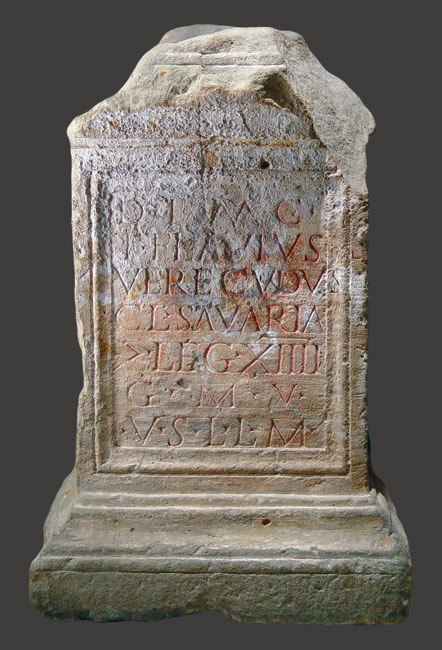
This monument to Mithras and Cautes (or Cautopates) was erected in Carnuntum by the centurion Flavius Verecundus of Savaria.
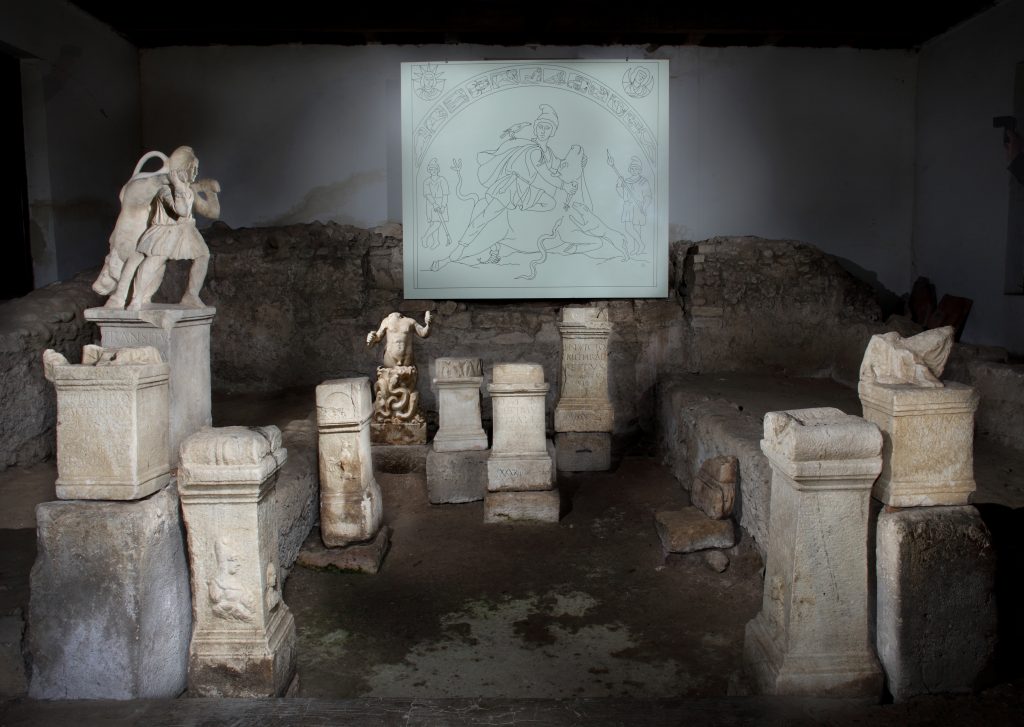
The Mithraeum I of Ptuj contains the foundation, altars, reliefs and cult imagery found in it.

Minto has claimed that the time god Aion was painted on the corner of the north wall of the Mitreo de Santa Capua Vetere.
The Mithraeum I of Cologne is situated amid a block of buildings. It was impossible to narrowly determine its construction and lay-out.
This inscription was dedicated to God Cautes by a certain Flavius Antistianus, Pater Patrorum in Rome.
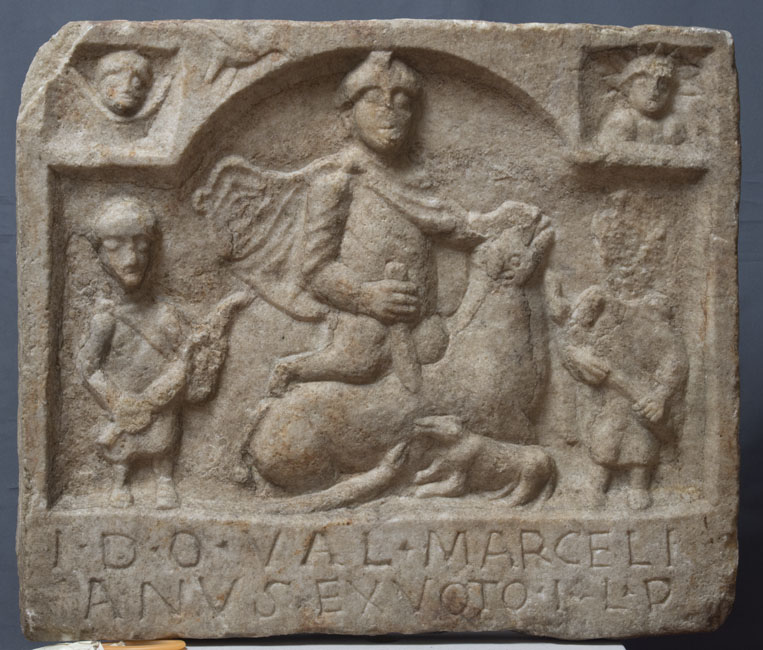
This primitive relief of Mithras as a bullkiller is signed by a certain Valerius Marcelianus.
