Your search Bad Ischl im Salzkammergut gave 1088 results.
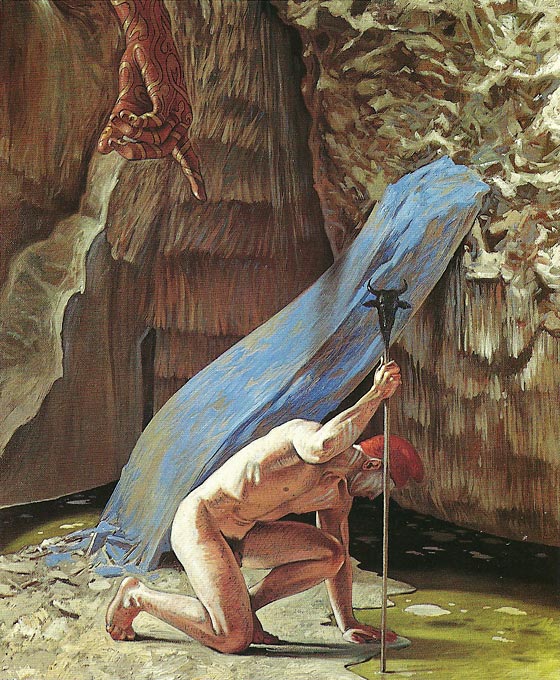
Those initiated into the Mithraic cult were called upon to climb up to seven symbolic rungs of the ladder ultimately leading to the rank of Pater.

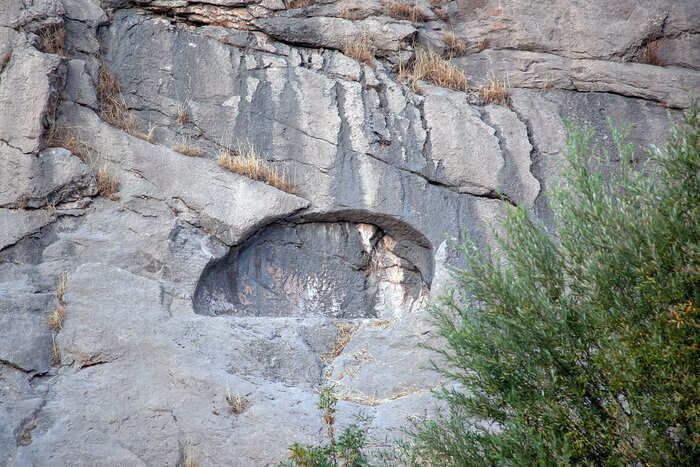
Some Iranian archaeologists suggest that the carving was created by a follower of Mithraism as it depicts a simple portrayal of a human with his right hand raised and an object in his hand. But, experts say it needs much more study in order to date the pe
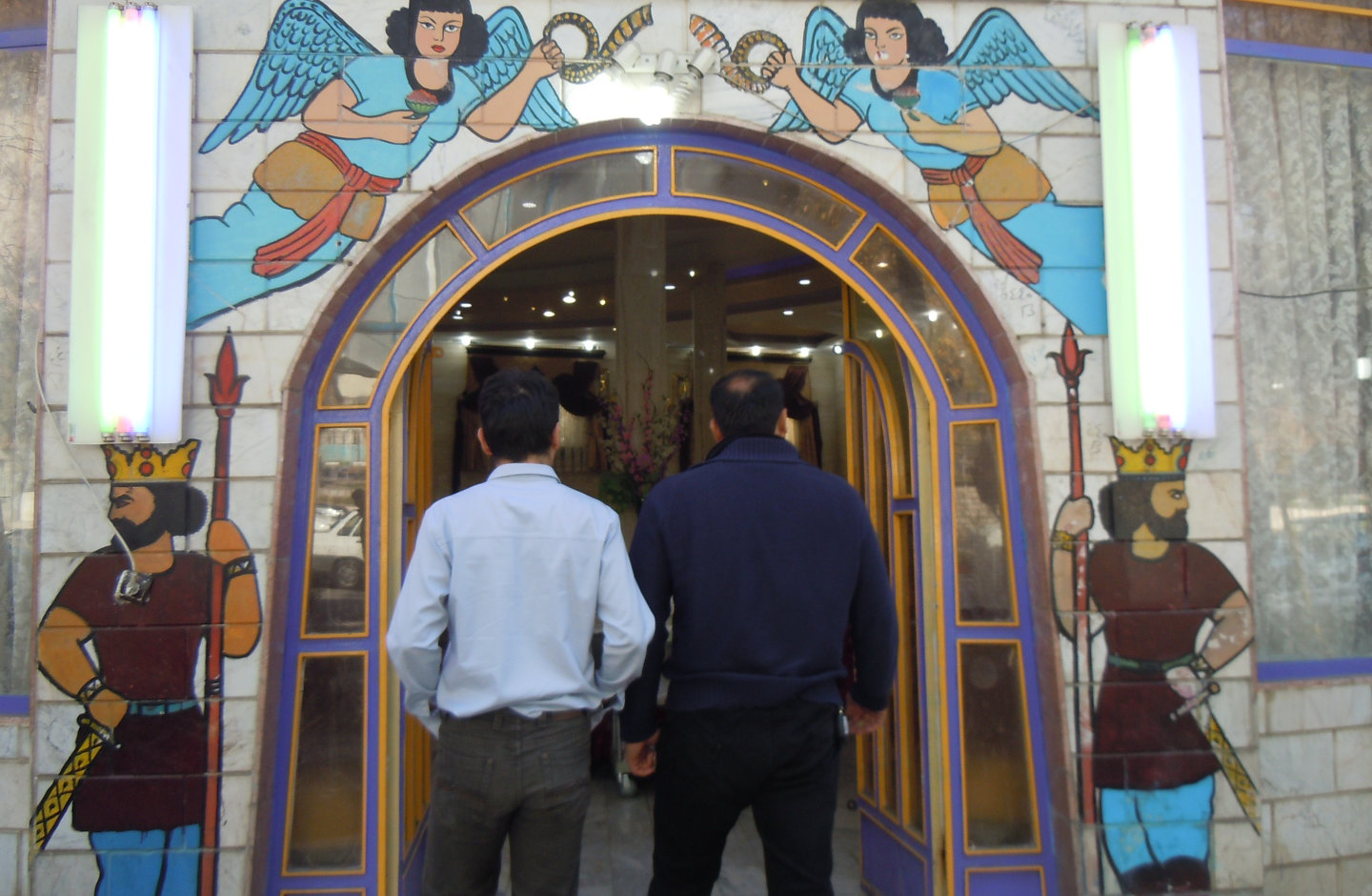
How a rock relief in western Iran, carved during the time of the Sasanian Persian Empire (AD 224-651), has been re-imagined over the centuries.
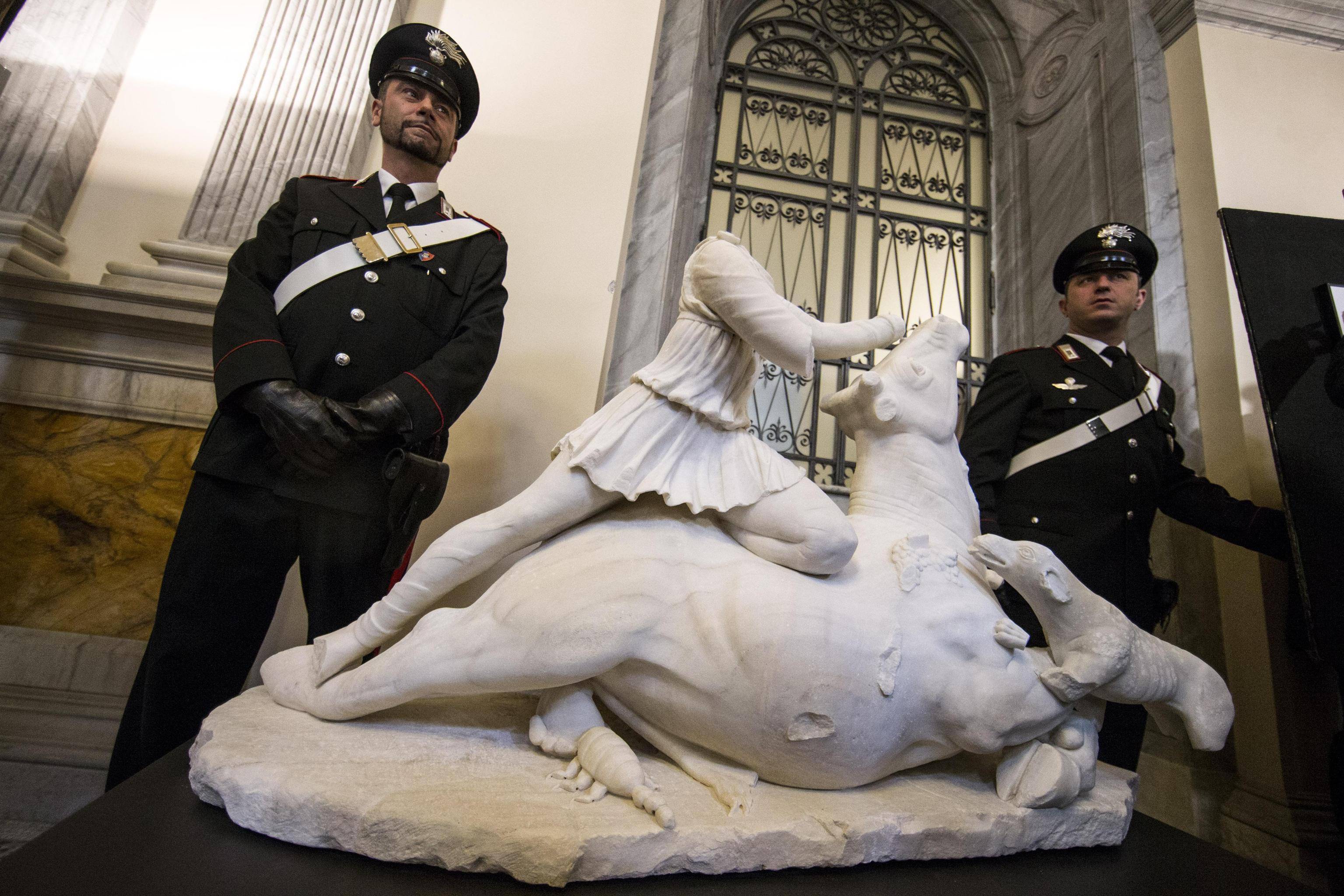
The Mithriac votive sculpture comes from a clandestine excavation in the Tarquinia area. The criminal chain is active in archaeological areas of Rome and southern Etruria.

Germania preserves some of the densest concentrations of Mithraic evidence in the Roman frontier provinces.
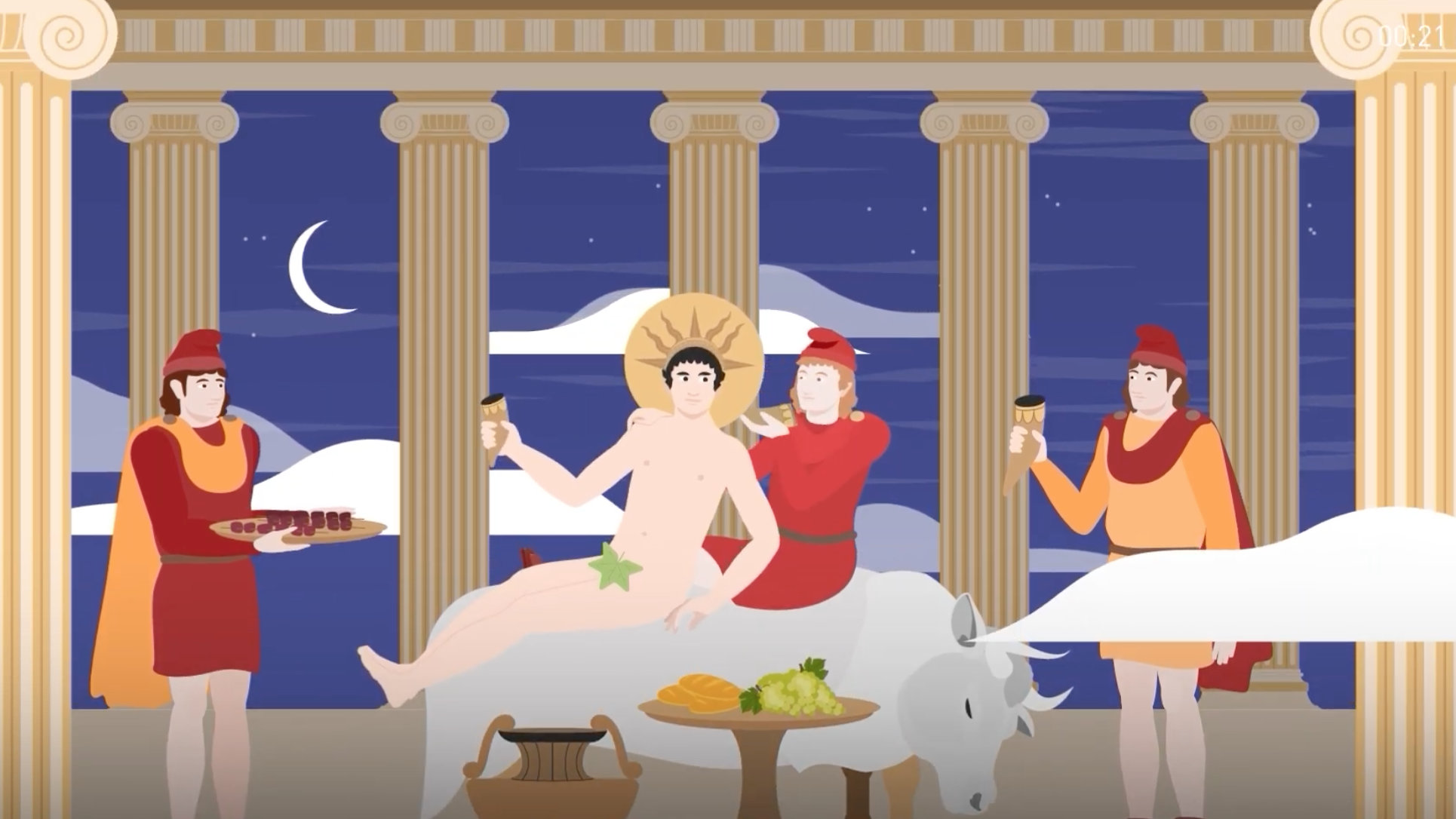
This short animation traces one of the interpretations of the Mithras legend based on archaeological research.
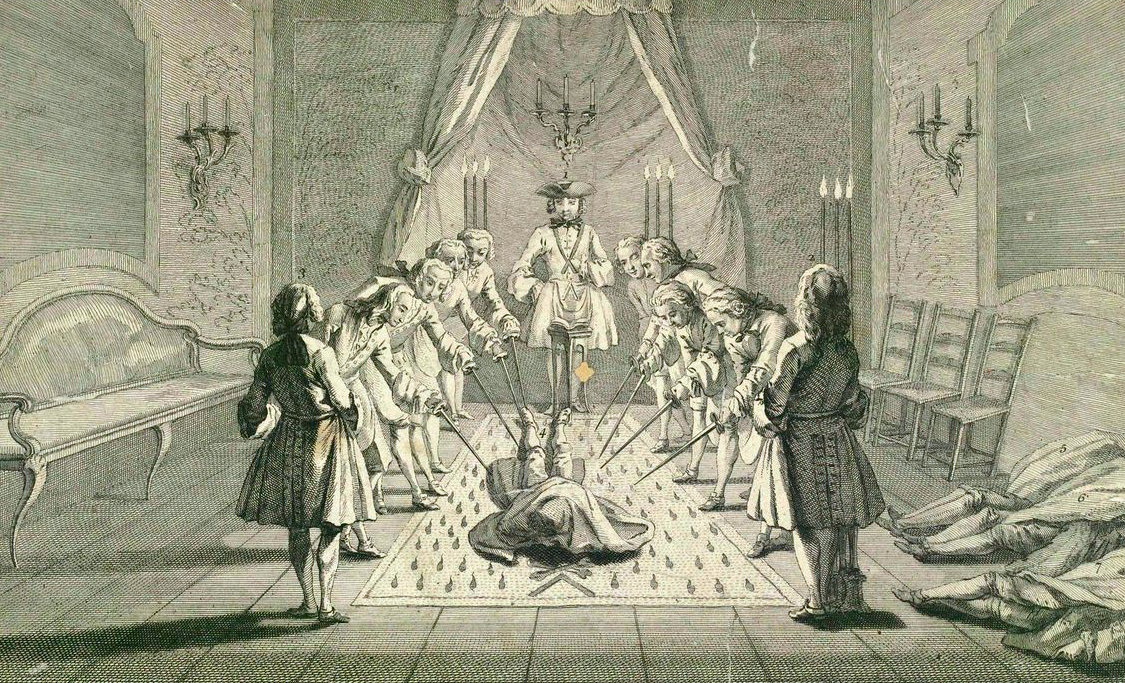
Twelve centuries separate the decline of Roman Mithraism from the dawn of Freemasonry. Twelve centuries during which the mysteries of Mithras have remained more secret than ever.
