Your search Boulogne-sur-mer gave 339 results.
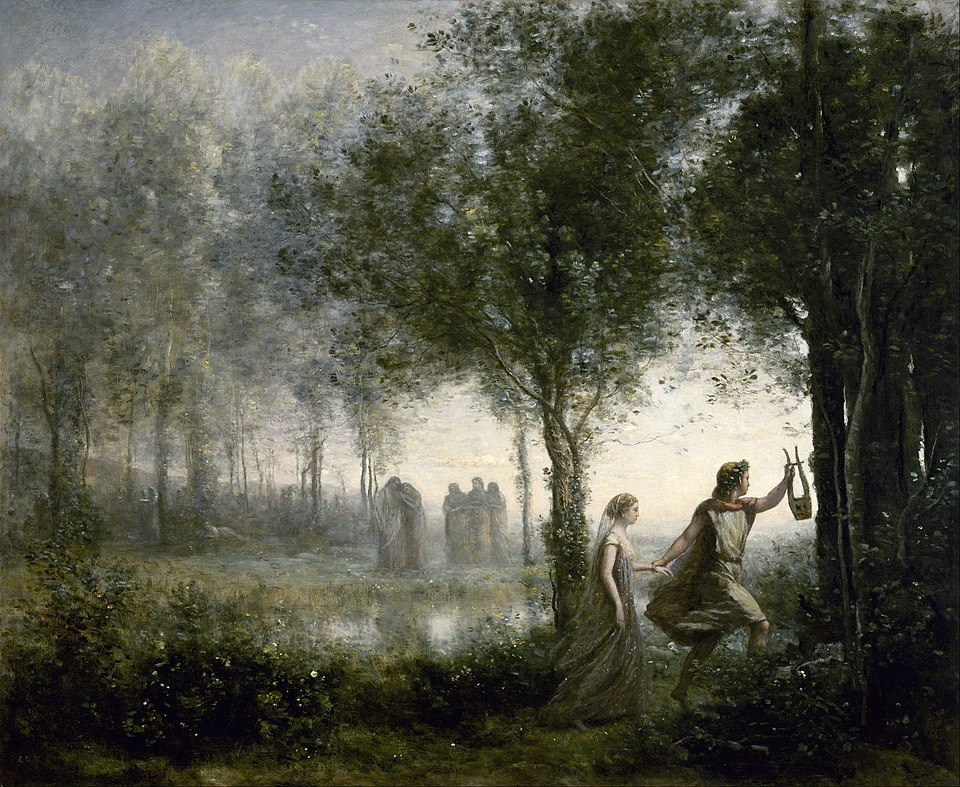
By reading Orphic theology together with Eleusinian ritual practice, the mysteries emerge as a structured mystagogy of transformation: a disciplined passage from forgetfulness (Lethe) to knowledge (aletheia), from mortality to participation in the divine.

Moeller interprets the square as a Mithraic construction encoding cosmological, numerical, and theological structures of Roman mystery religion, rather than an early Christian cryptogram.
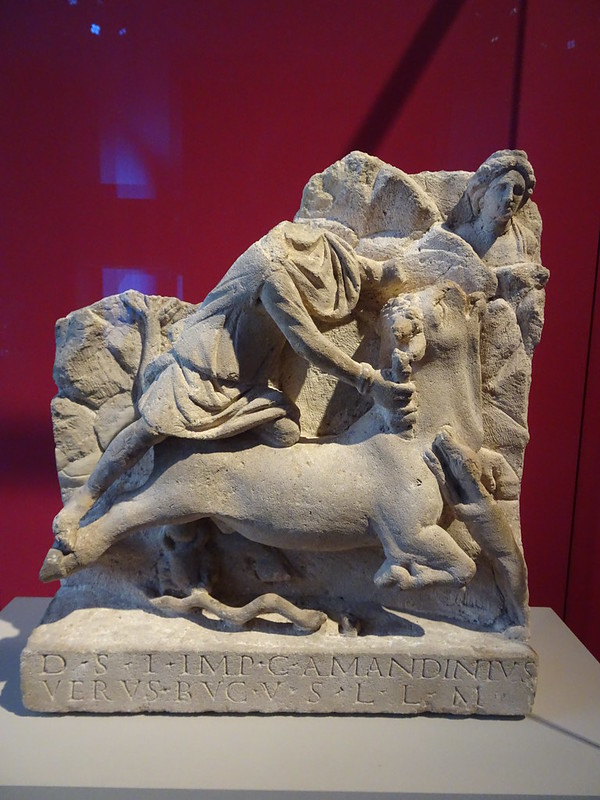
The sculpture of Mithras slaying the bull found in Dormagen is exposed at Bonn Landesmuseum.
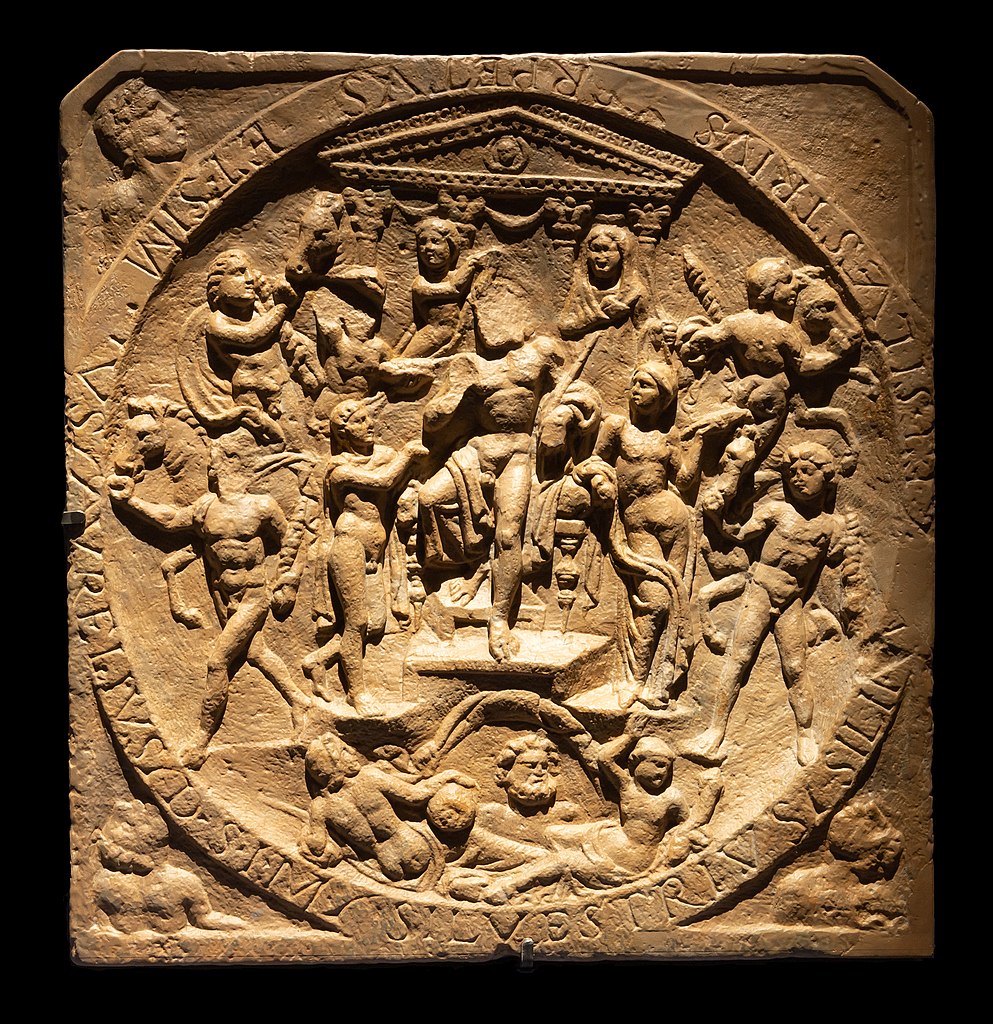
The relief of Dieburg shows Mithras riding a horse as main figure, surrounded by several scenes of the myth.
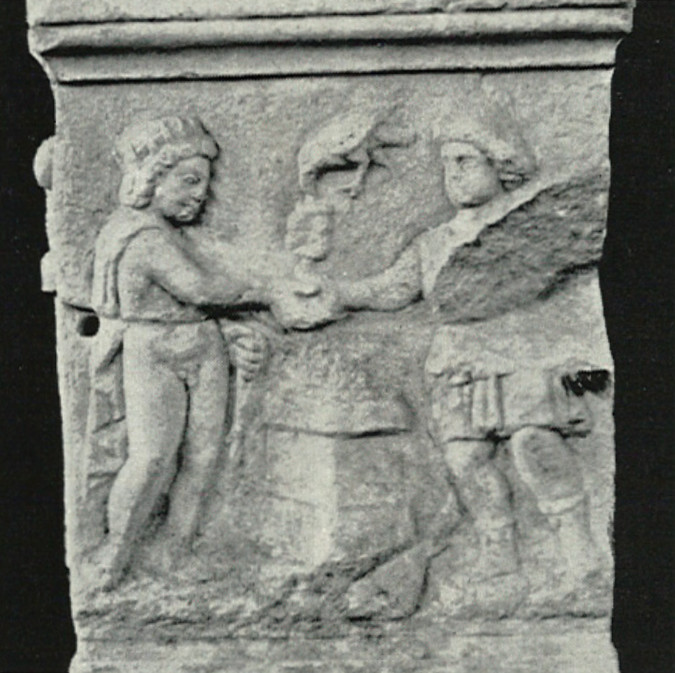
The altar of Ptuj depicts Mithras and Sol on the front and the water miracle on the right side.
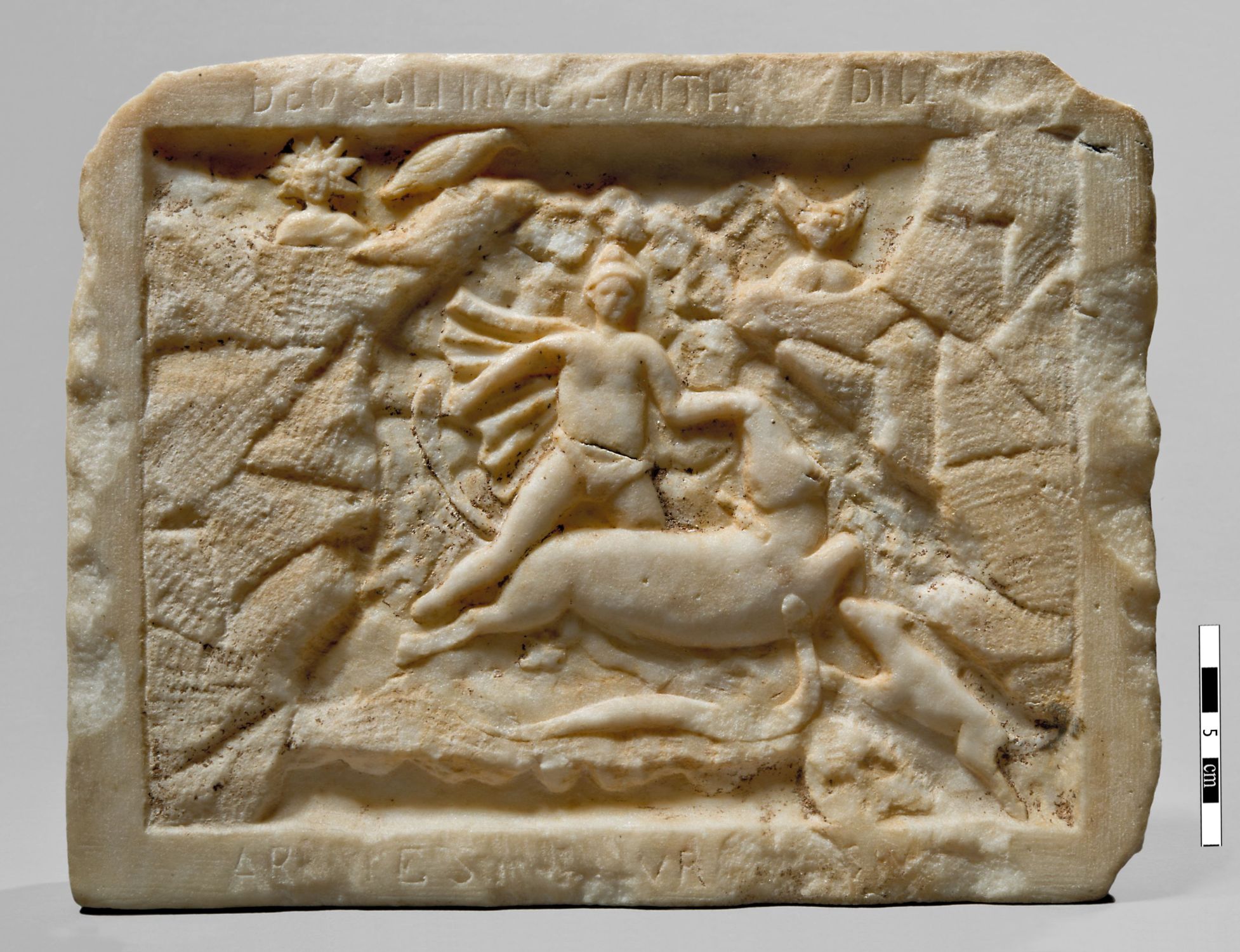
White marble relief depicting Mithras as bull-slayer in a grotto from the Froehner collection, now in the Cabinet des Médailles, Paris.
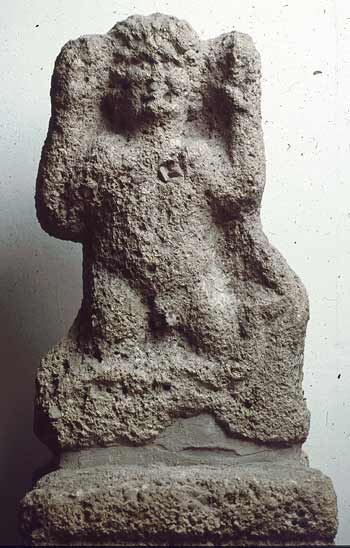
Conglomerate statue of the birth of Mithras, found in a burnt layer, showing the god nude emerging from the rock with raised hands and a snake.
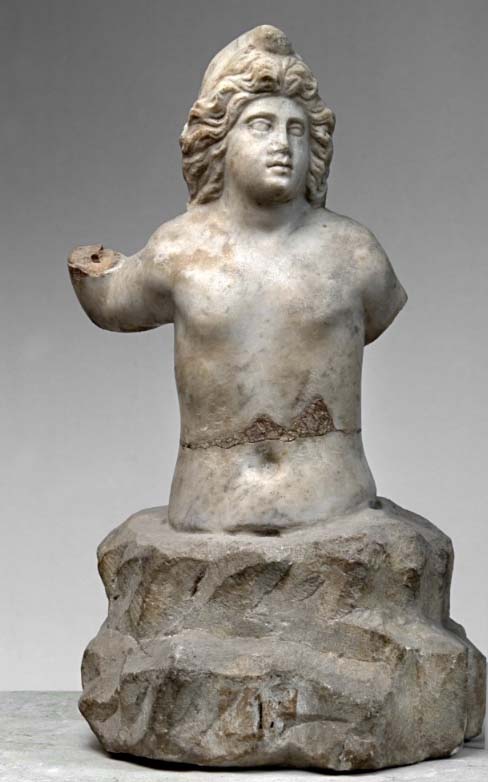
Mithras being born from the rock (petrogenia), acquired in Rome and formerly kept in Berlin.
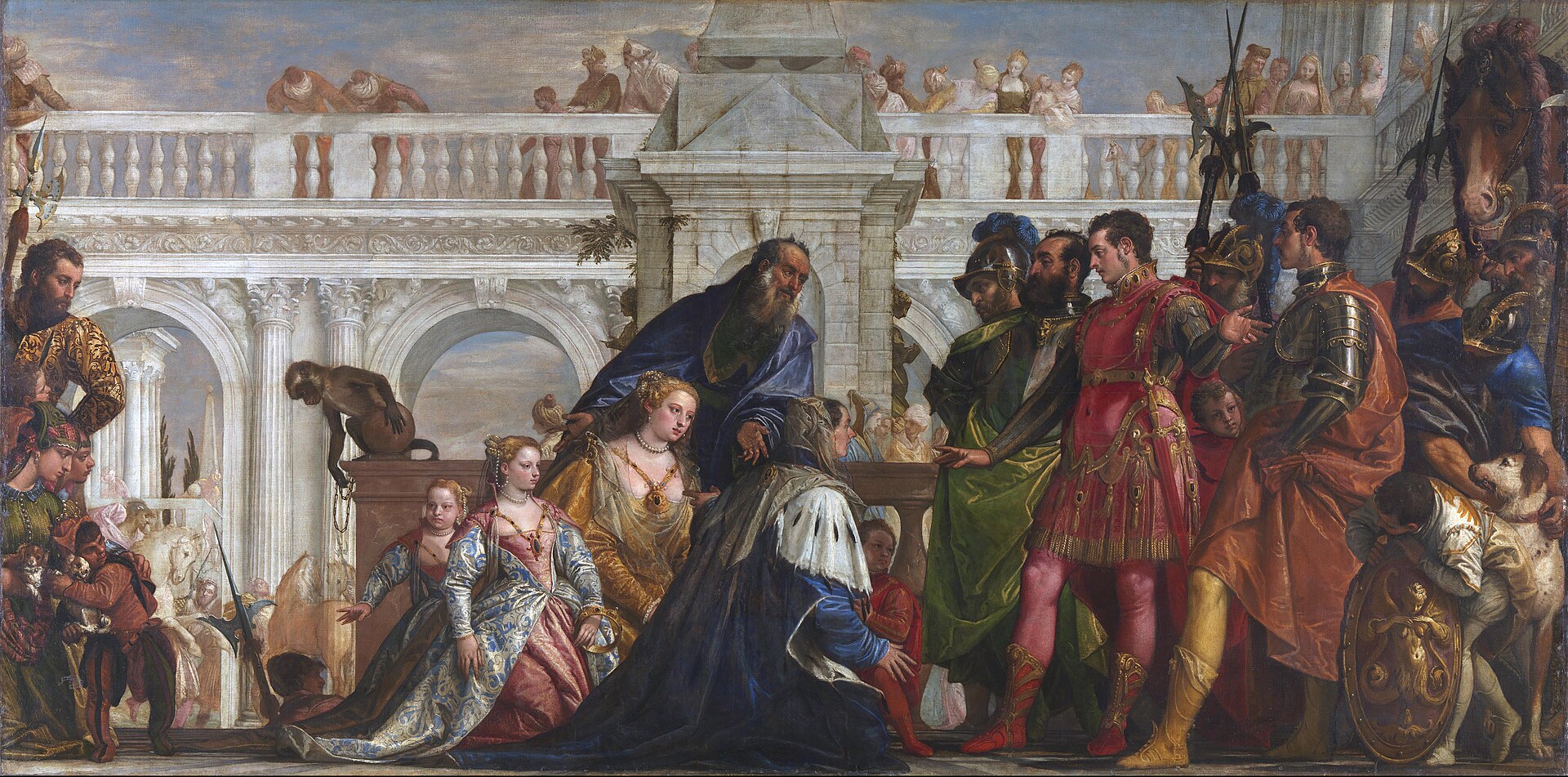
Late antique legendary biography of Alexander the Great (c. AD 300), where history, myth, and imperial ideology merge around figures of divine kingship and solar power.

Magazine Jardin des arts. Numéro spécial consacré aux colosses de Nemrut Dagi.

Antaios, numéro dédié au culte de Mithra avec des articles, entrevues, poèmes et d'autres textes.


White marble statue of Lion-head god of time, formerly in the Villa Albani, nowadays in the Musei Vaticani.

Textile merchant from Augusta Treverorum and Pater of his community, he left testimony of his cult to Mithras in the 3rd century.
Butcher who dedicated a statue of Mercurius Quillenius in the Mithraeum of Groß-Gerau.
I am Iranian American who is interested in learning more about the Mithraums in Europe

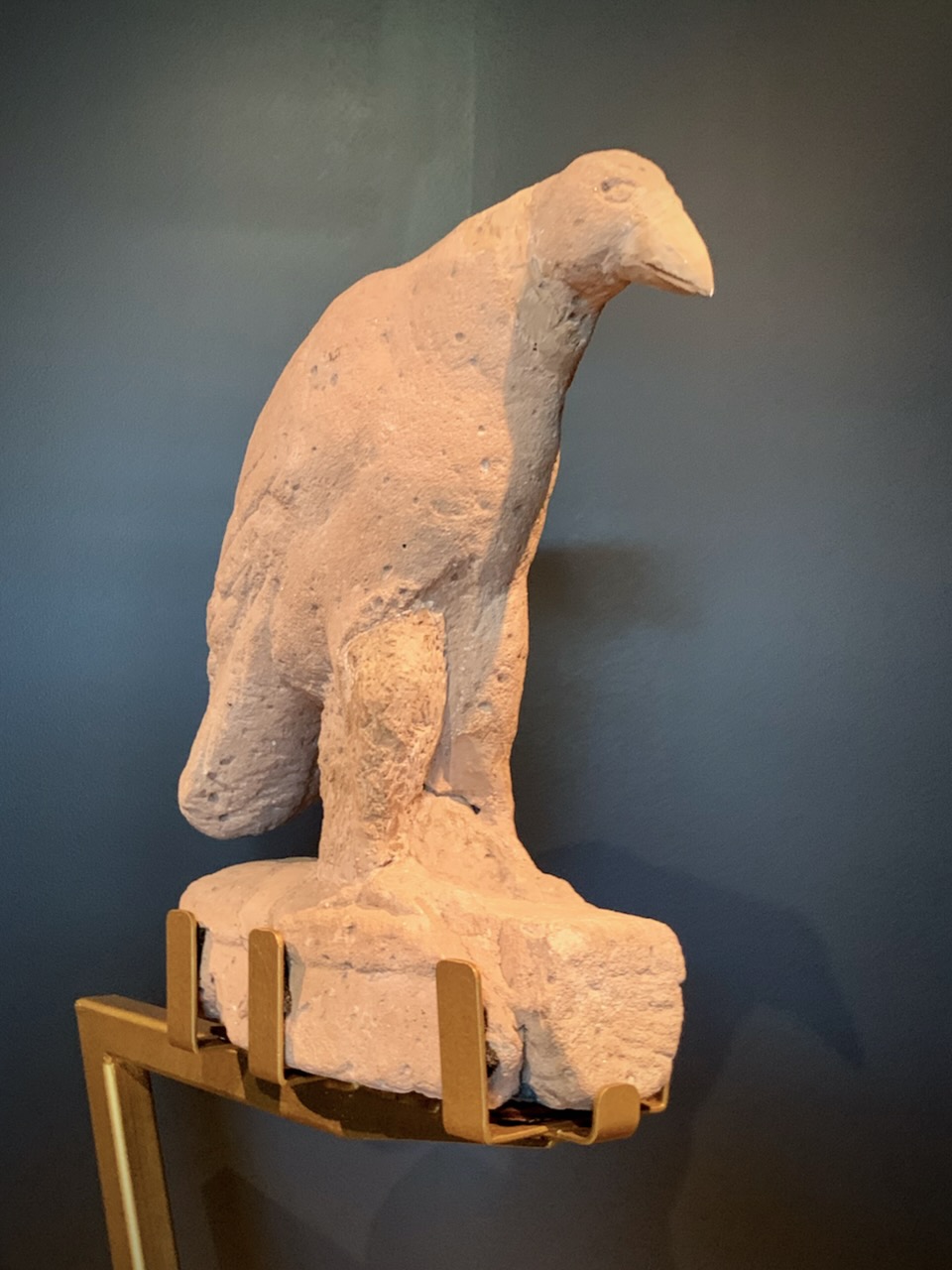
The Stockstadt Raven is one of only two standing-alone sculptures of this bird to be found in Mithraic statuary.
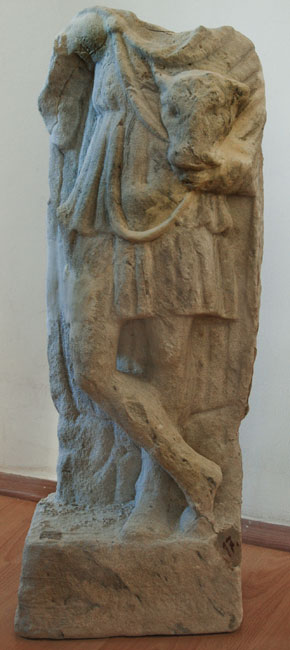
This sculpture of Cautes holding a bull’s head was found in 1882 in Sarmizegetusa, Romania.
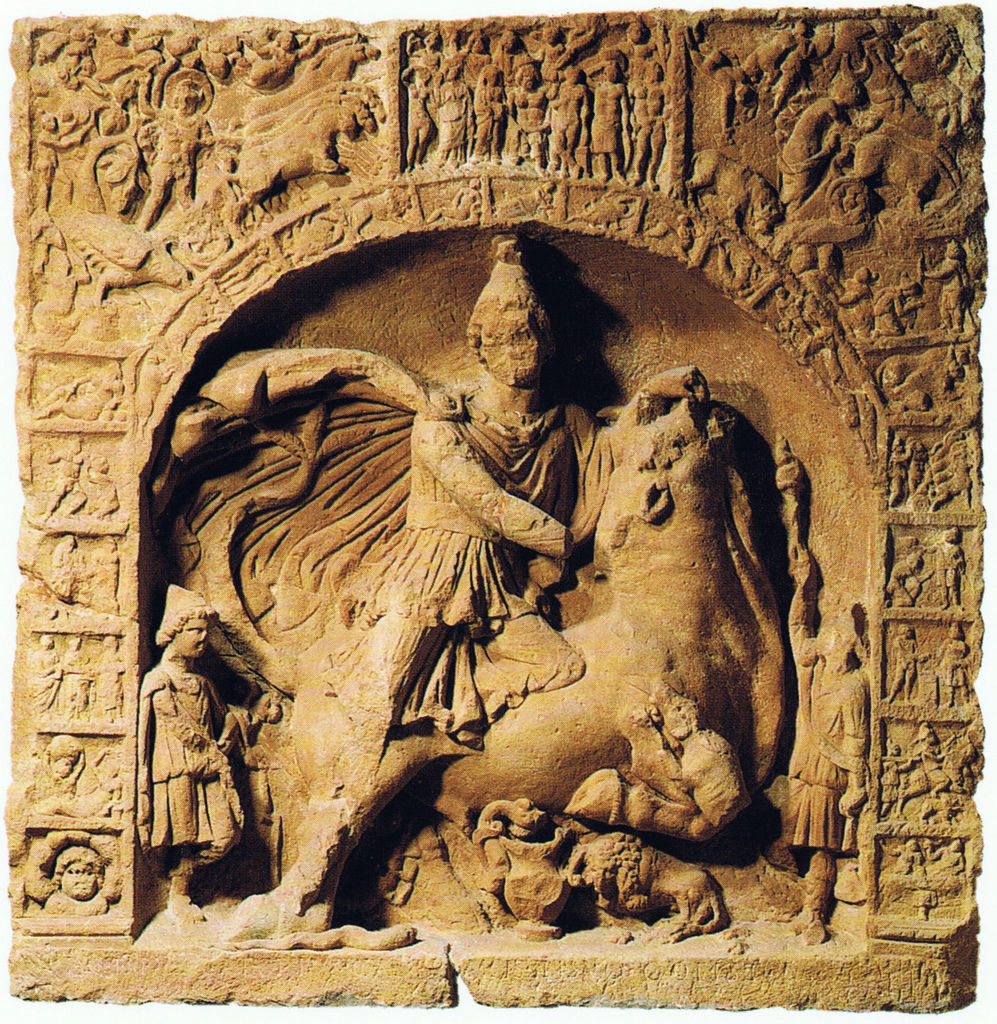
Franz Cumont considers the bas relief of Osterburken ’the most remarkable of all the monuments of the cult of Mithras found up to now’.