Your search Boulogne-sur-mer gave 339 results.
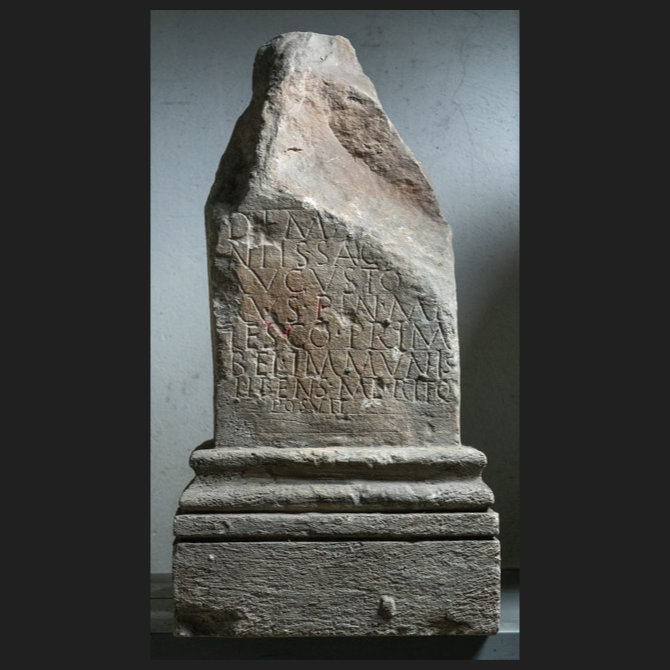
This altar, discovered in Grude, near Tihaljina, Bosnia and Herzegovina, bears an inscription by Pinnes, a soldier of the Cohors Prima Belgica.

In this 4th-century Roman altar, the senator Rufius Caeionius Sabinus defines himself as Pater of the sacred rites of the unconquered Mithras, having undergone the taurobolium.
A certain Secundinus, steward of the emperor, dedicated this altar to Mithras in Noricum, today Austria.
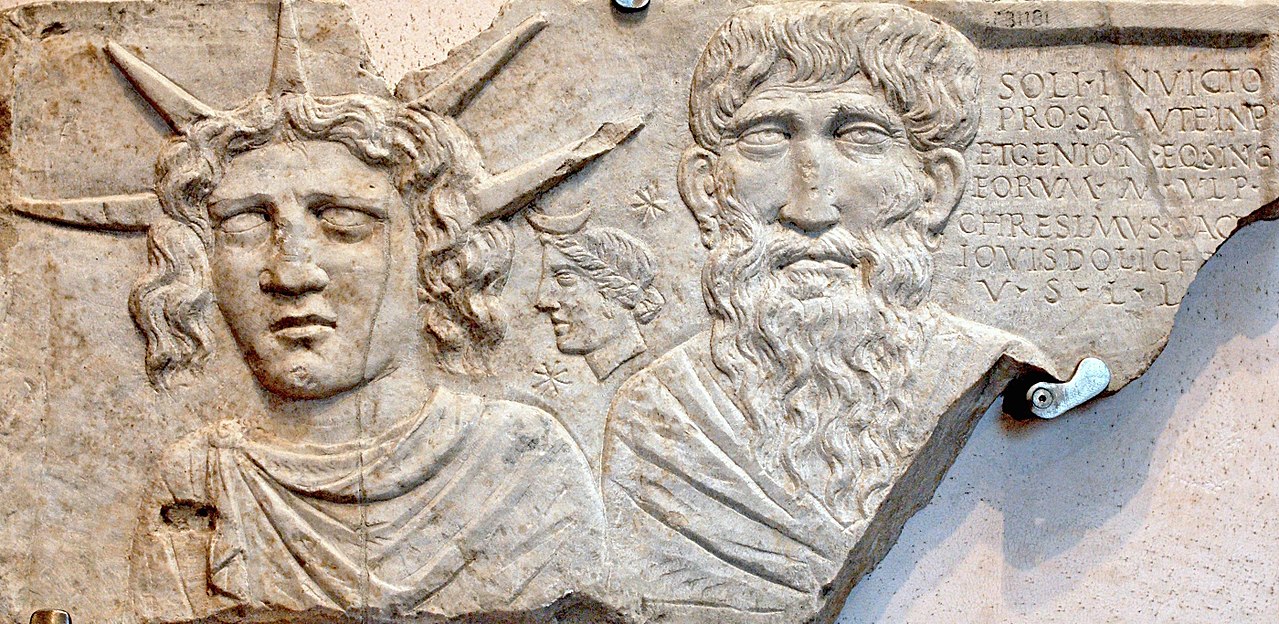
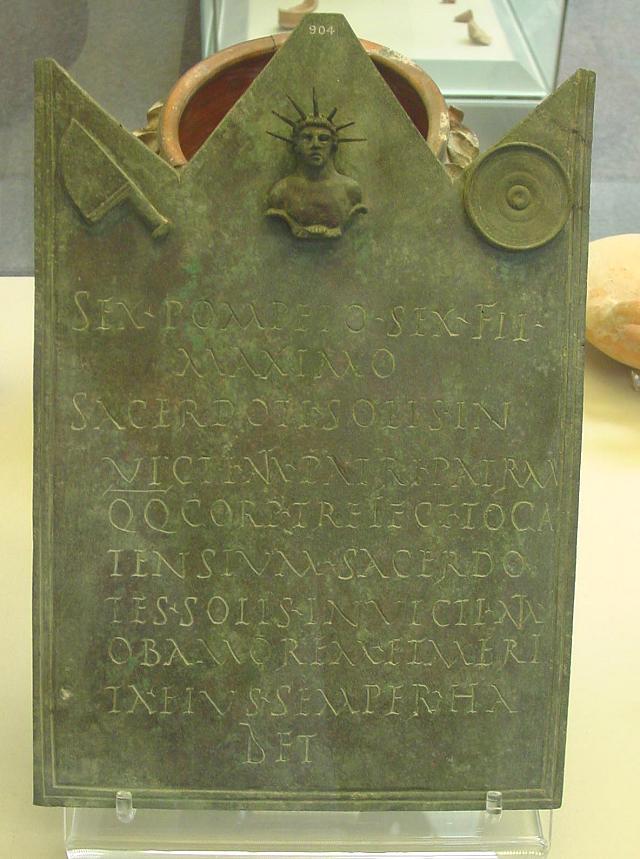
This plaque, now on display in the British Museum, may have come from the Aldobrandini Mithraeum in Ostia.
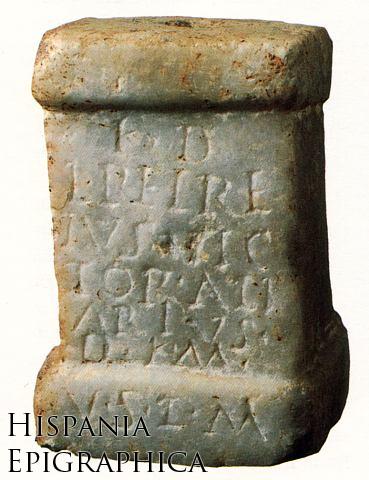
Small arula with mithraic inscription and dedication to Cautes from a garlic merchant.
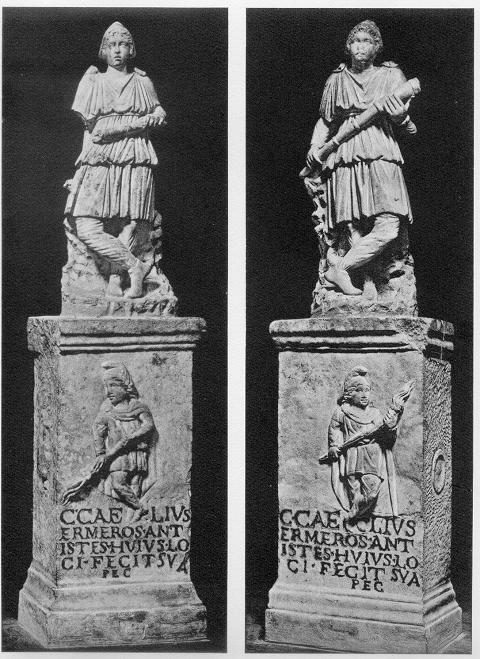
The sculptures of Cautes and Cautopates from the Mitreo del Palazzo Imperiale may have been reused from an older mithraeum in Ostia.
.jpg)
The statue of Arimanius/Ahriman was found in 1874 under the city wall of York during the construction of the railway station.
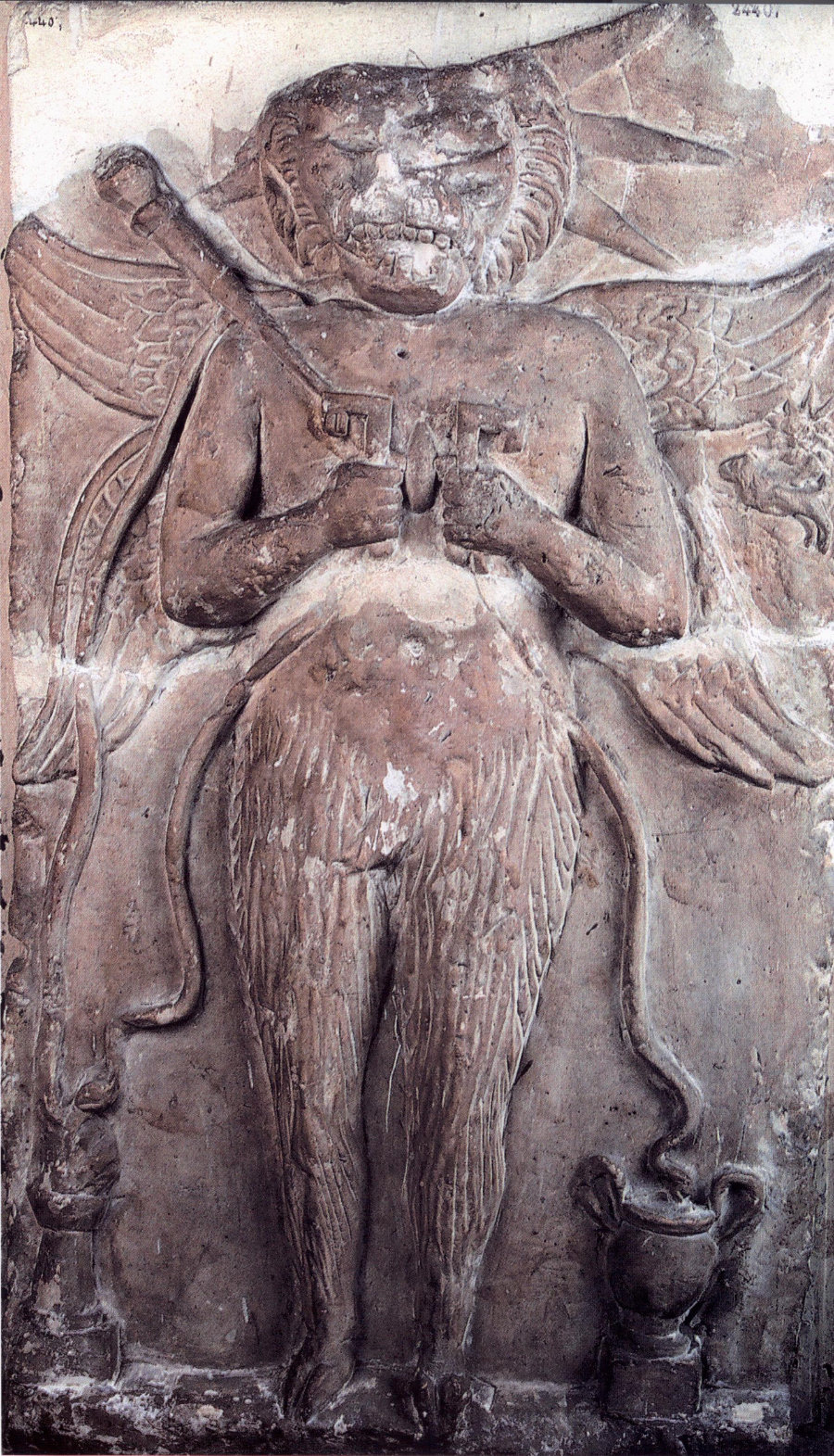
Limestone relief from ancient Oxyrhynchus depicting a four-winged lion-headed deity with keys, torch and three serpents, one of which emerges from the god’s mouth towards a burning altar.

Mampsis or Memphis, today Mamshit, Arabic Kurnub, is a former Nabataean caravan stop and Byzantine city.

gyptian scholar of Greek descent, philosopher, astrologer and trusted adviser to the emperor Tiberius, whose intellectual milieu has been associated with the emergence of the Roman Mysteries of Mithras.

Altar of Varia Severa from Mediolanum, modern Milan, one of the few women associated with a possible Mithraic dedication.

Garlic merchant and devotee of Cautes whose dedication at Can Modolell reflects the integration of Mithraic worship into the commercial life of Roman Tarraconensis.
The pater Artemidorus seems to be an Augustan freedman of the Claudians, of Eastern origin.

A slave of a certain Flavius Baeticus, Quintio dedicated an altar to the health of a companion.

My research explores the emergent area of Digital Civics. I formulated the first definition, critical underpinning, and pedagogical model for this concept.
Mosaic-paved floor of the central aisle of the Mitreo delle Sette Porte at Ostia, with a krater flanked by serpent and eagle, standing Jupiter and Saturn, torchbearers at the podia, and planetary gods Mars, Luna, Venus, and Mercury.
Altar from Vratnik near Senia, Dalmatia, dedicated to Soli invicto Mithrae by Faustus, slave of Tiberius Saturninus, for himself and his family.
