Your search Brač gave 36 results.

The island of Brattia, modern Brač, formed part of the Adriatic maritime landscape of Dalmatia.
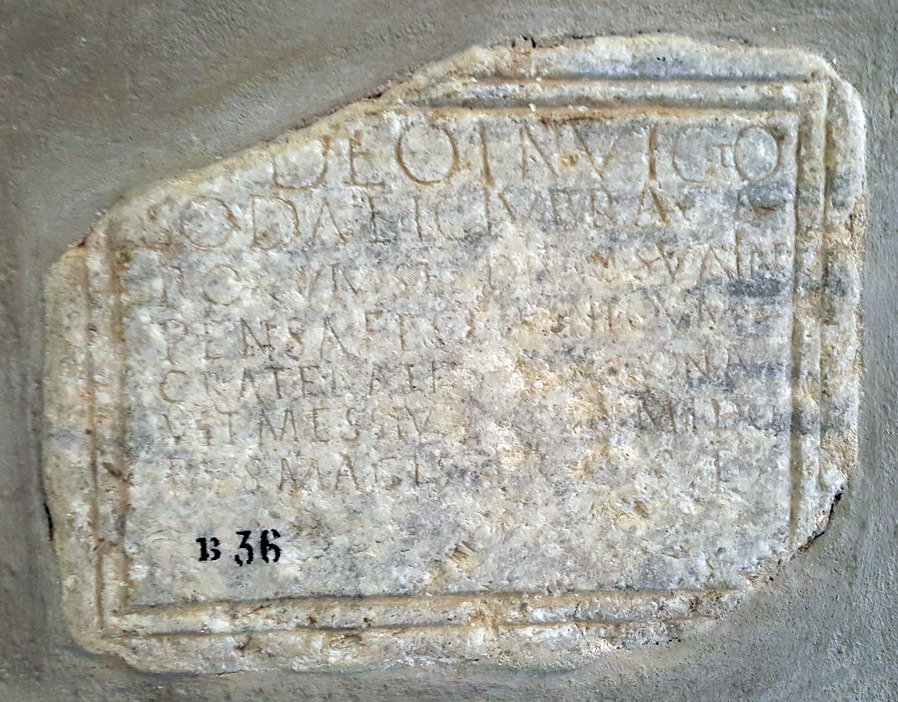
Marble inscription recording the construction of a Mithraic meeting place and the donation of a crater by Titus Flavius Artemidorus.

Altar found near Škrip on the island of Brač in 1899, bearing a dedication to Invicto deo; the Mithraic attribution and the expansion of i/d are uncertain.
Inscription found at Škrip on the island of Brač, ancient Brattia in Dalmatia, in 1805, dedicated to Soli invicto Mithrae by Iulius Bubulus.

Magister of a Bracaran sodalicium associated with the cult of Mithras in Roman Lusitania.
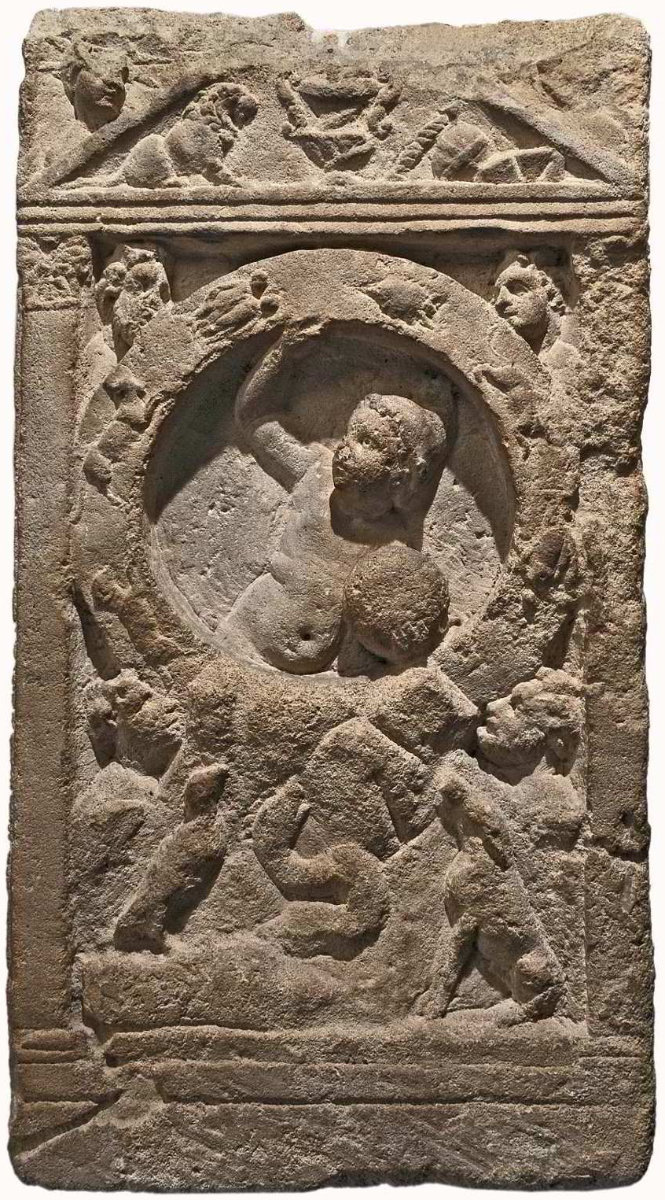
The relief depicts the birth of Mithras, holding a globe, surrounded by the zodiac.
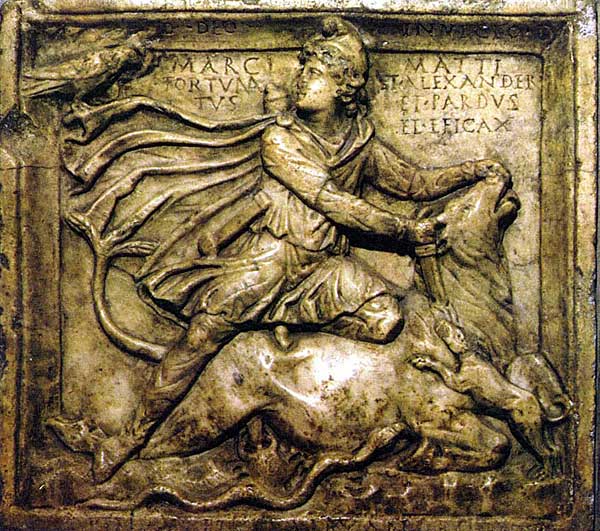
The relief marble of Mithras sacrifying the bull, exposed on the Hermitage Museum comes from Rome.
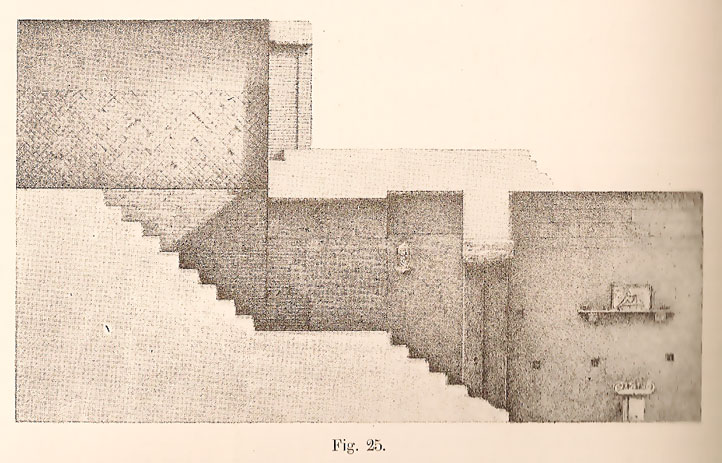
In a house from the time of Constantine, a Lararium was found with a statue of Isis-Fortuna. The Mithraeum was a door next to it, on a lower room.
Epigraphic monument from Tripolitania preserving a corrected reading discussed in later scholarship.
Tauroctony relief formerly in the house of the Alterii near S. Marco in Rome, now of unknown whereabouts, described by Gruterus as showing Mithras pressing both knees onto the bull and grasping its horns with the knife in the shoulder, with scorpion, serpent, raven, Sol and Luna…
Lost tauroctony relief from Apulum, Dacia, formerly at the Palace of the Prince at Alba Julia, recorded only in early modern sources.
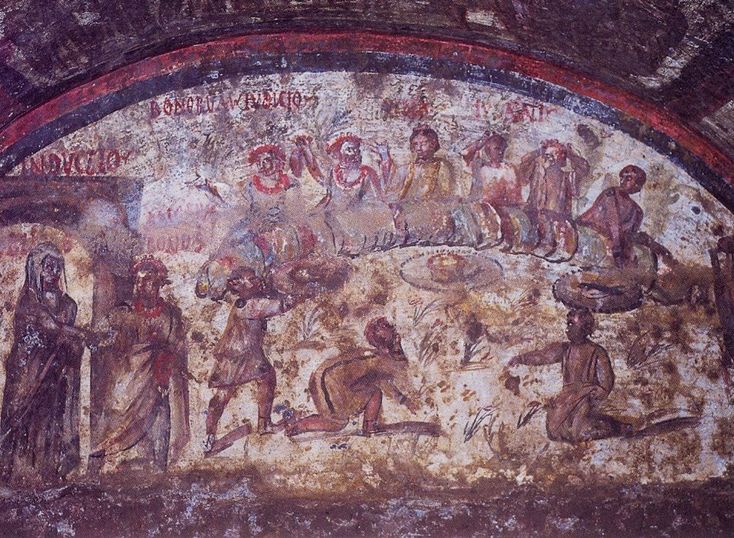
The epigrahy includes a mention of Marcus Aurelius, a priest of the god Sol Mithras, who bestowed joy and pleasure on his students.
Algis Uždavinys presents philosophy as a sacred practice of inner rebirth, rooted in ancient Egyptian and traditional wisdom rather than a purely rational discipline.
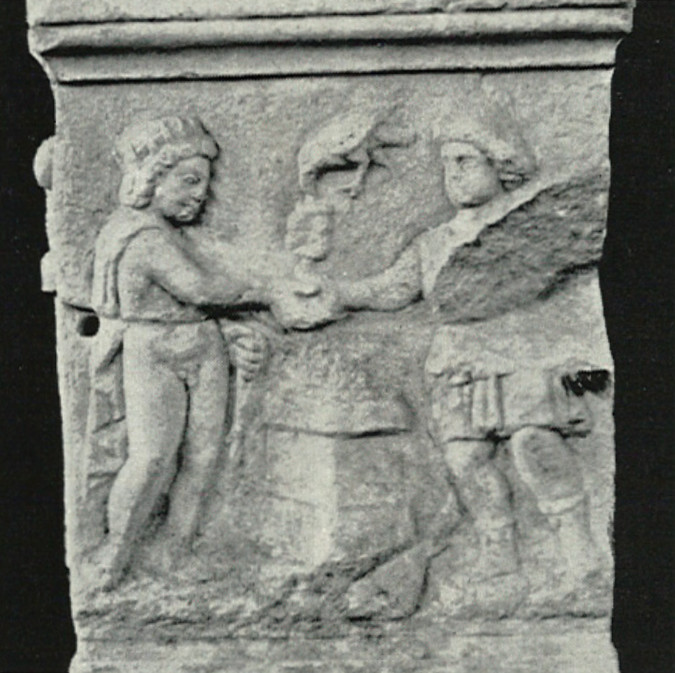
The altar of Ptuj depicts Mithras and Sol on the front and the water miracle on the right side.
In these passages from his hymns and satires, Julian articulates a solar theology in which Helios governs cosmic order and time. Within this framework, Mithras appears as a personal divine guide associated with the ascent of souls.

In their groundbreaking new book, Mushrooms, Myths & Mithras, classics scholar Carl Ruck and friends reveal compelling evidence suggesting that psychedelic mushroom use was equally influential in early Europe, where it was central to initiation cerem

Wasson has aroused considerable attention by advancing and documenting the thesis that Soma was a hallucinogenic mushroom – none other than the Amanita muscaria, the fly-agaric that until recent times was the center of shamanic rites among the Siberian and Uralic tribesmen…
Callimorphus dedicated this image of the sun god to the invincible sun ’Mythra’.