Your search Bu Njem gave 1882 results.
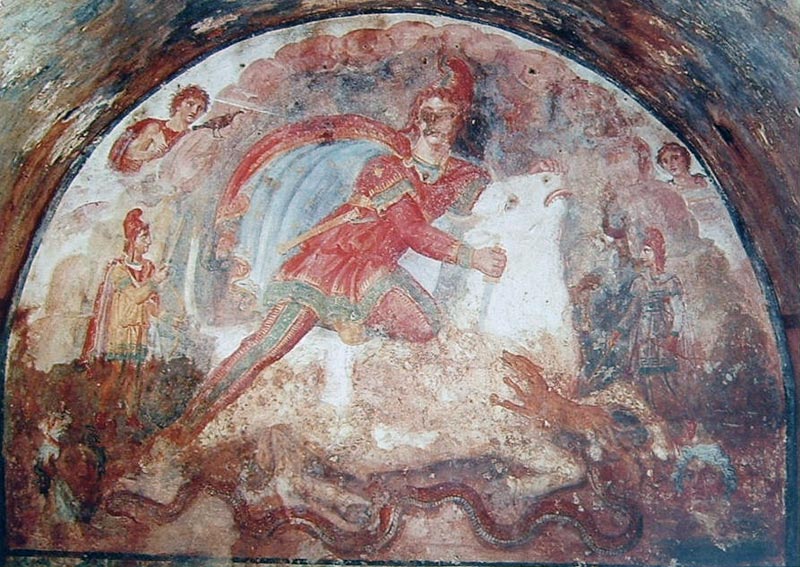
The main fresco of the Mithraeum of Santa Maria Capua Vetere portrays Mithras slaughtering a white bull.
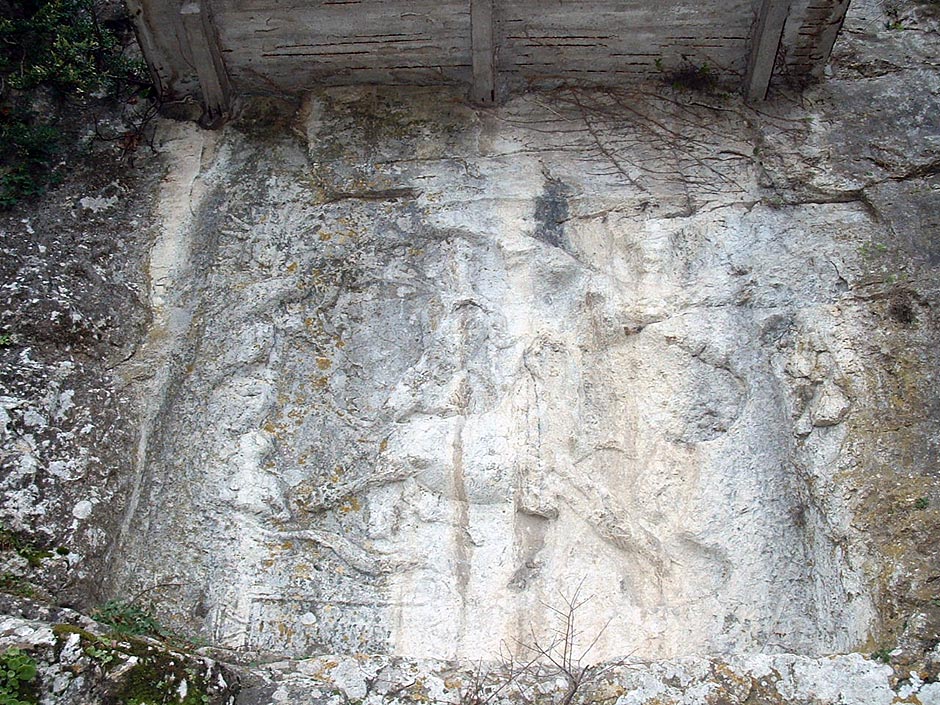
The low relief of Bourg-Saint-Andéol depicting Mithras killing the bull has been chiseled on the rock.

Around the relief with Mithras as a bullkiller, a number of scenes from the Mithras Iegend have been painted in the Mithraeum of Dura Europos.
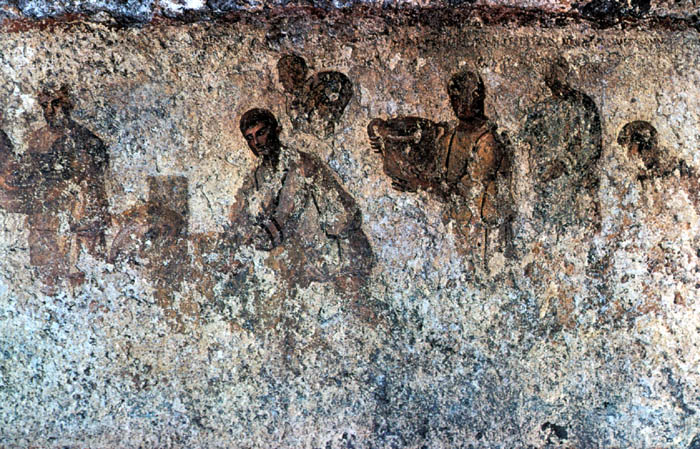
Procession of Leones carrying animals, bread, a krater, and other objects in preparation for a feast.
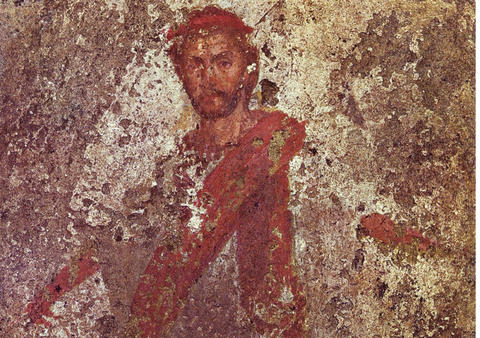
Figures in procession, each representing a different grade of Mithraic initiation, labeled with their respective titles.
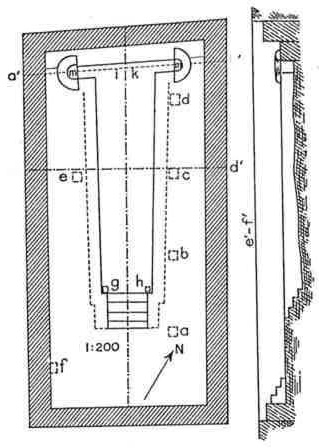
Mithraeum discovered in 1887–1888, located about 85 m north of the castellum at Ober-Florstadt, built on a hillside with a central aisle, benches, and an altar podium.
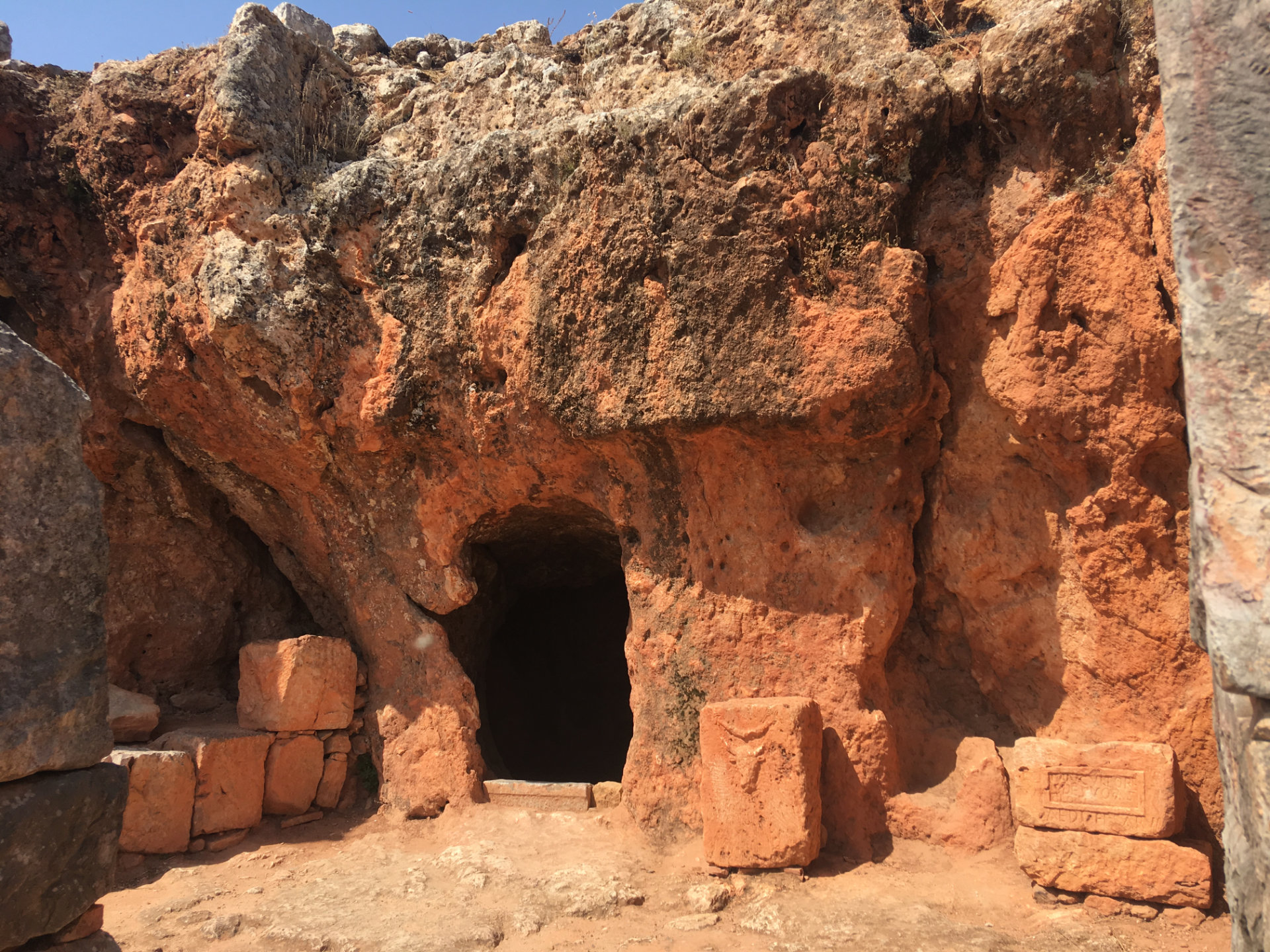
The Mithraeum was housed in a cave. The vault is almost dome-shaped and in front of the cave there is enough space for a possible adjacent temple.
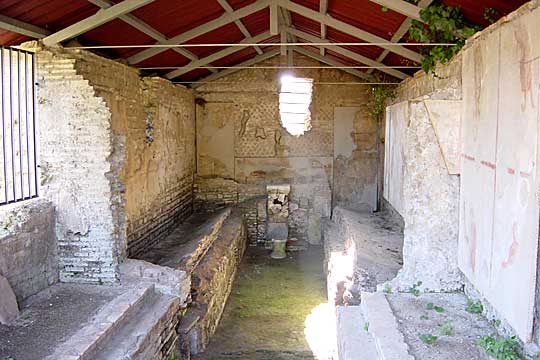
The House of the Mithraeum of the Painted Walls was built in the second half of the 2nd century BC (opus incertum) and modified during the Augustan period.
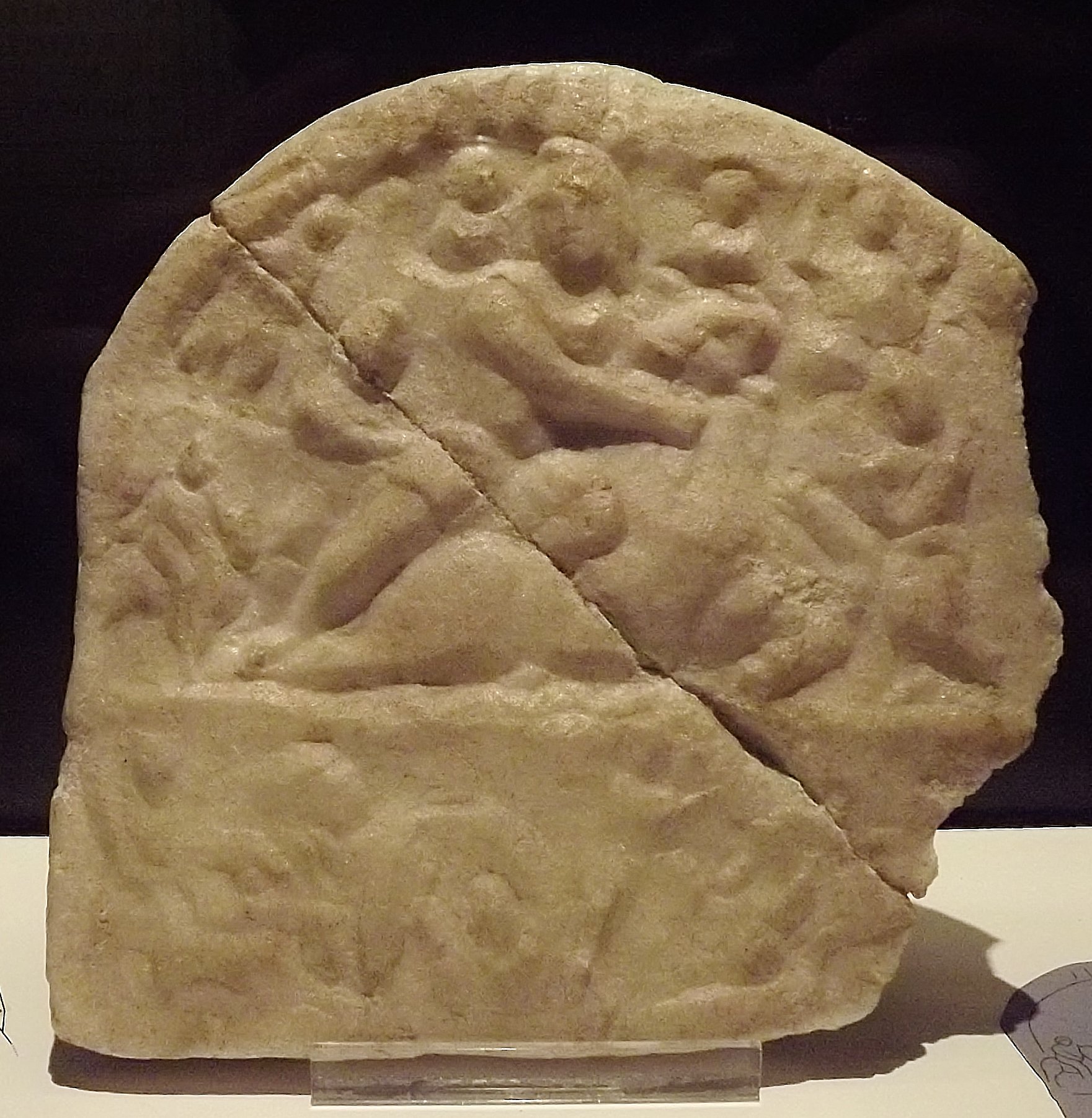
This small white marble relief of Mithras as a bullkiller was found in the Botanical Gardens of Vienna in 1950.

This rock-cut Mithraeum occupies the north-eastern slope of the Grand-Rebberg at Saarburg, featuring a stepped entrance, a sloping central aisle, lateral benches, and a spring-fed water conduit.
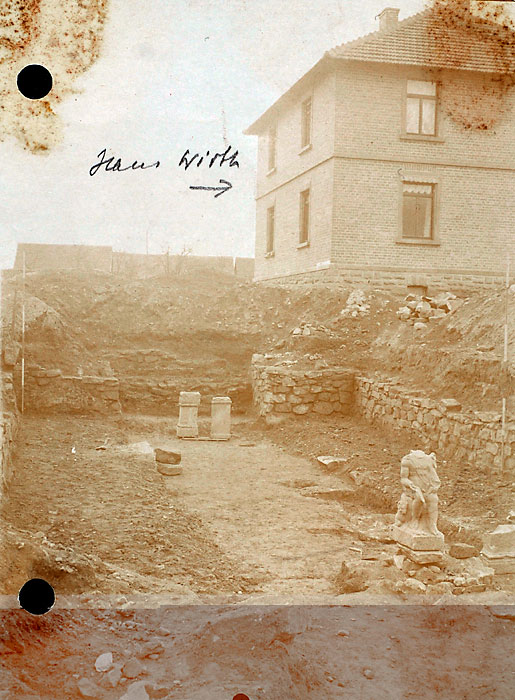
The Mithraeum I in Stockstadt contained images of Mithras but also of Mercury, Hercules, Diana and Epona, among others.
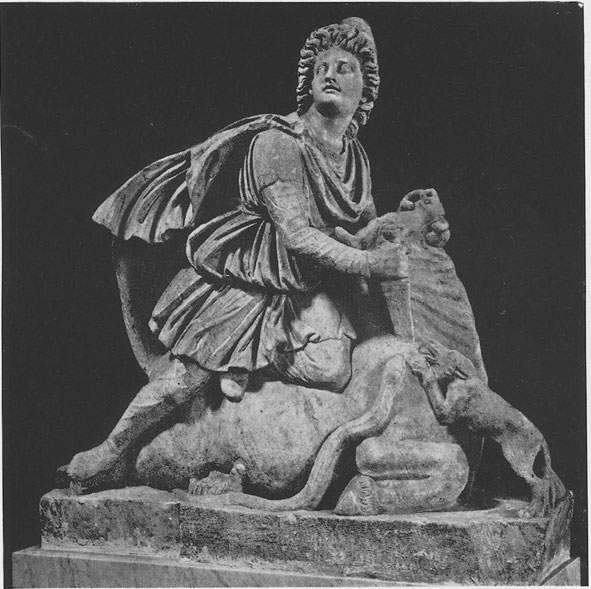
White marble statue found near the Scala Santa in Rome depicting Mithras as bull-slayer, accompanied by the dog, serpent and scorpion, with the bull’s tail ending in ears of grain.
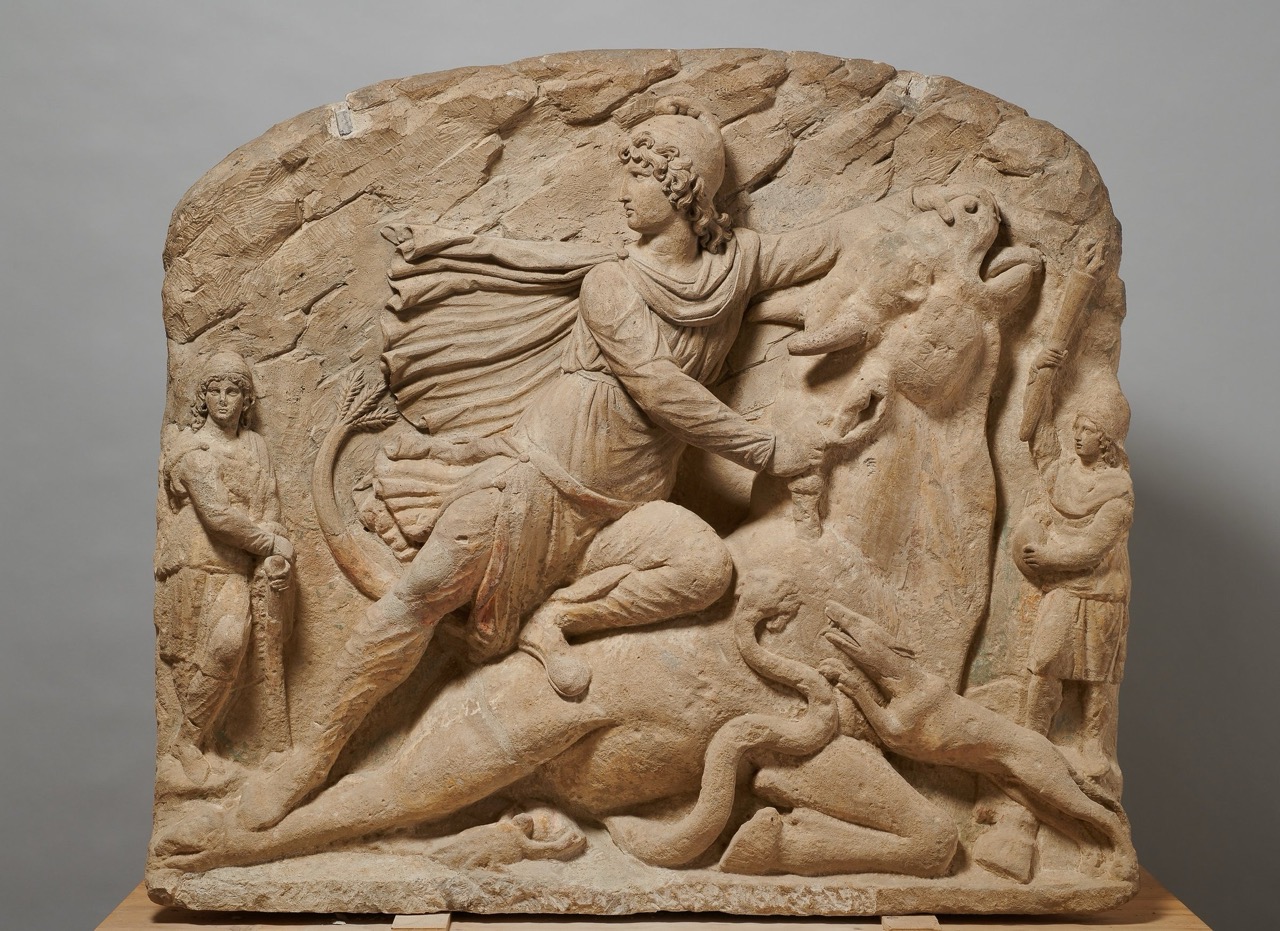
Limestone tauroctony relief from Carnuntum with traces of polychromy and a graffito on the bull’s neck. The inscribed base was carved separately.
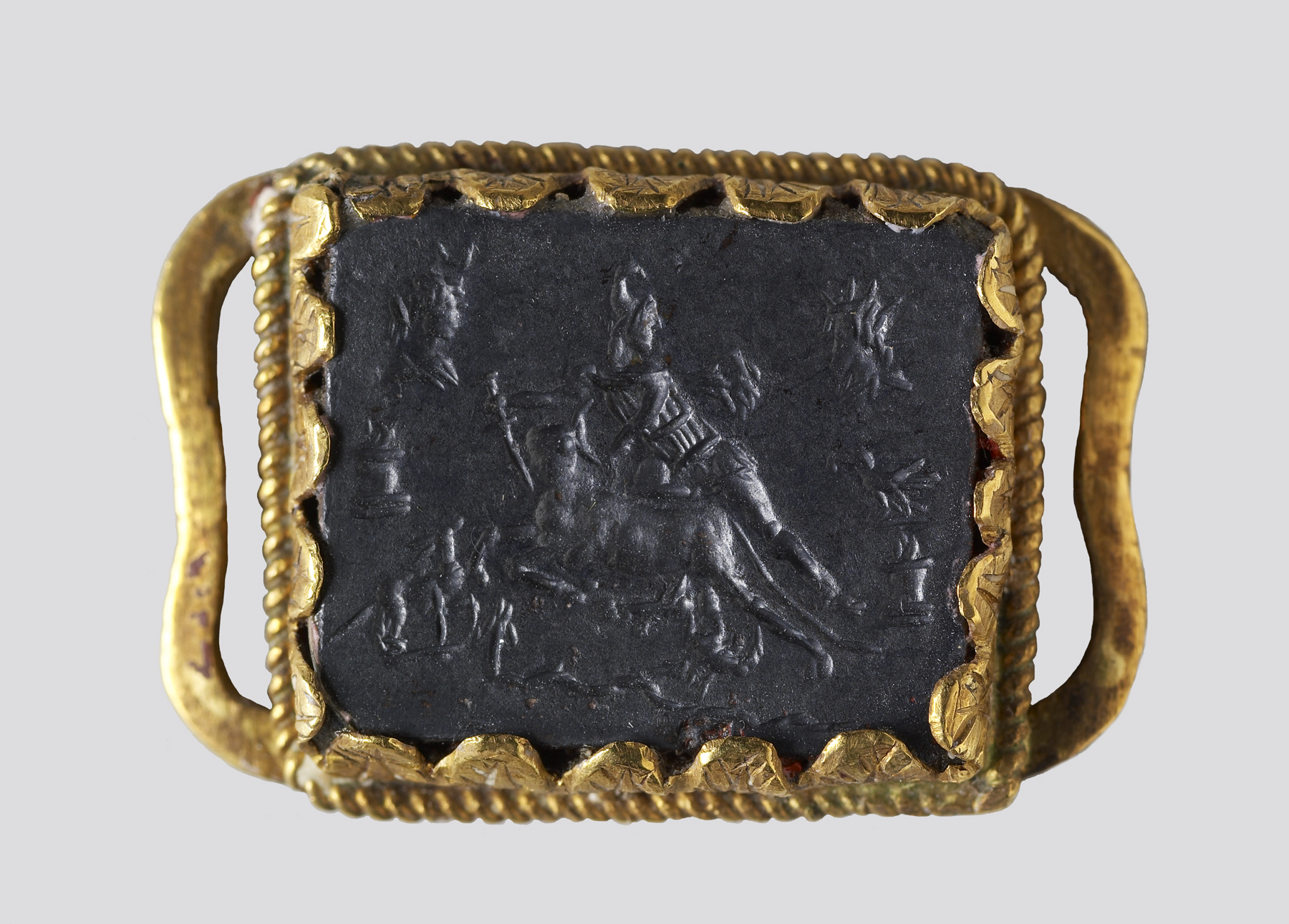
This unusual piece depicts Mithras slaying the bull on one side and the Gnostic god Abraxas on the other.
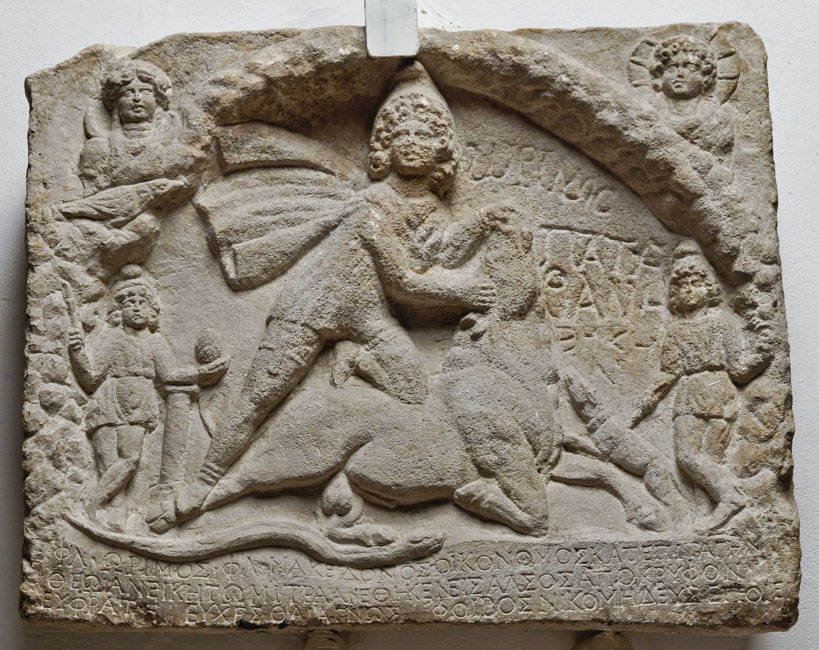
This limestone relief of Mithras killing the bull bears an inscription by a certain Flavius Horimos, consecrated in a ’secret forest’ in Moesia.
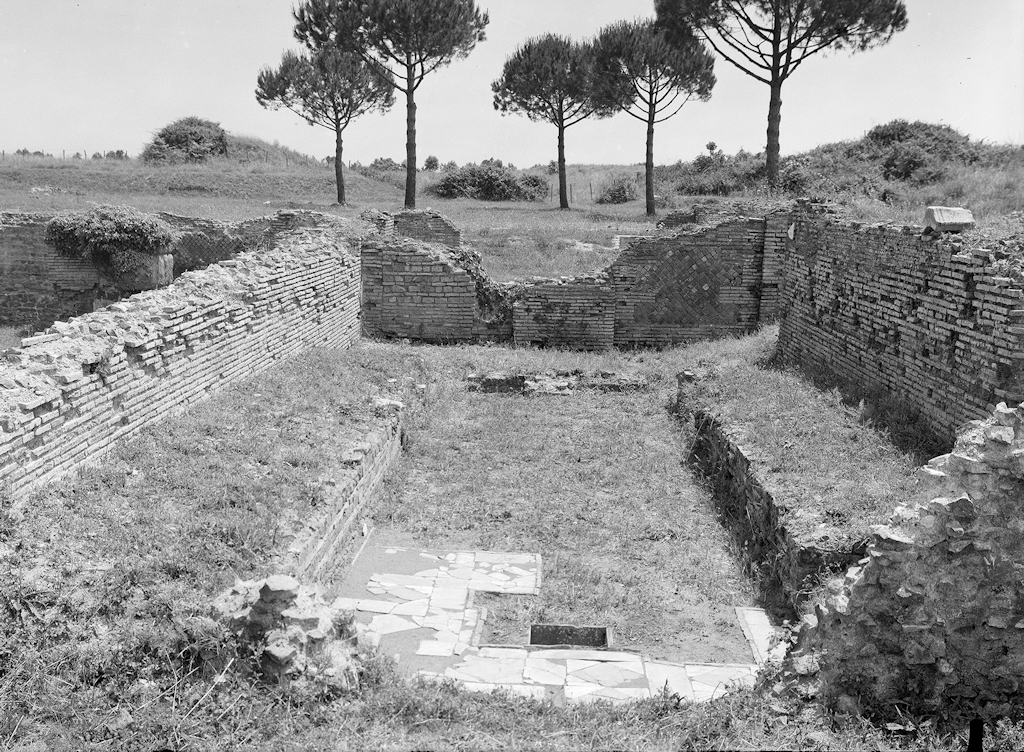
Excavated in 1919, the Mithraeum near the Roman Gate was installed in the 3rd century within a larger building complex.
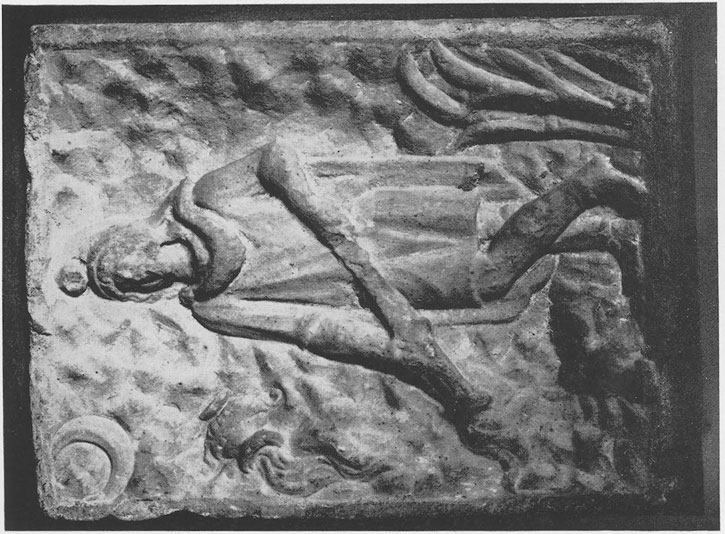
Limestone low-relief depicting Cautopates standing cross-legged in eastern dress, accompanied by a bull, flowing water from an overturned jar and a crescent from Bolognia.
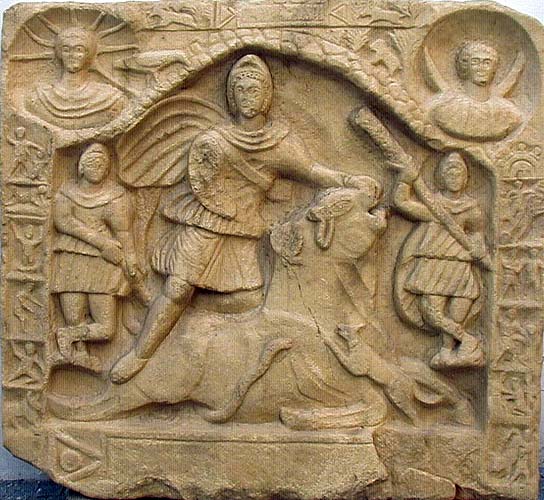
The relief of Mithras slaying the bull at Mauls in Gallia cisalpina is a paradigmatic example of the so-called Rhine-type Tauroctony.
The Mithraeum II in Stockstadt was in fact the first one known built in the vicus. It was destroyed by fire around 210.
Sandstone base from Vetera (Xanten), Germania Inferior, with a relief of Cautes in Oriental dress holding a long burning torch.
