Your search Bu Njem gave 1882 results.

Marble torso from Mithraeum II at Ptuj, ancient Poetovio, probably representing a winged, reclining bull with two vertical attachment ligaments on the reverse.
Marble altar fragment from Mithraeum II at Ptuj, ancient Poetovio, dedicated by a tabularius et vilicus of the statio Confluentes, a customs station at the junction of Pannonia Inferior and Moesia.
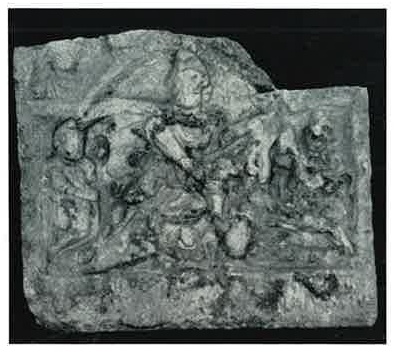
Marble tauroctony relief from Mithraeum II at Ptuj, ancient Poetovio, distinguished by the bull represented with fully stretched legs; Cautopates is shown resting his head on his hand in a pensive posture.
Marble relief fragment from Mithraeum II at Ptuj, ancient Poetovio, preserving the hindmost part of the bull and the right leg of Mithras with the scorpion in its usual position.
Fragment of a large marble relief from Mithraeum II at Ptuj, ancient Poetovio, preserving the forepart of the bull, the leaping dog, and the serpent approaching the wound.
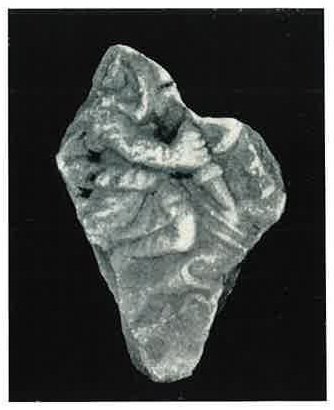
Marble tauroctony relief fragment from Mithraeum II at Ptuj, ancient Poetovio, preserving the central scene with the leaping dog, serpent, and scorpion; the bull's body is encircled by two girdles.
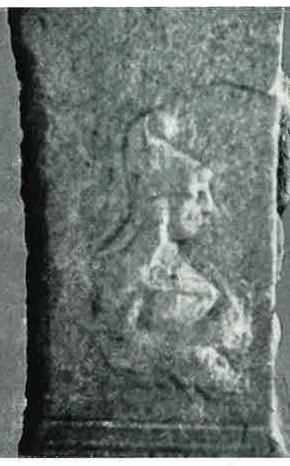
White marble altar from Mithraeum I at Ptuj, ancient Poetovio, decorated below the inscription with the dressed bust of Cautopates, a palm between two ram's heads above, and busts of Mithras on both lateral faces.
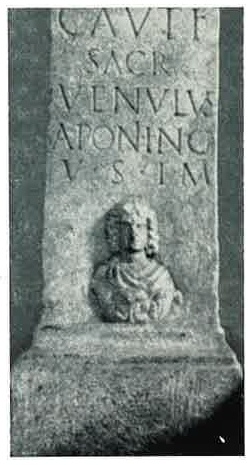
White marble votive altar from Mithraeum I at Ptuj, ancient Poetovio, distinguished by a dressed bust of Cautes emerging from foliage below the inscription — an unusual iconographic feature for an altar.
White marble base from Mithraeum I at Ptuj, ancient Poetovio, bearing a dressed bust of Sol on the left lateral face and an inscription recording a dedication related to the Mithraic transit ritual.
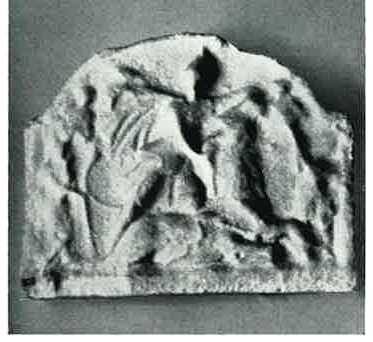
Small marble tauroctony relief from Ruše, Noricum, depicting Mithras killing the bull in a grotto, notable for the unusually elongated neck of the bull; dog and serpent approach the wound, and the raven perches above.
Small bronze bust of Sol with five rays found at Strasbourg, ancient Argentoratum, during construction works in the 1860s–70s; associated with the Mithraic assemblage from the city.
Painted Parthian inscription on a ceramic sherd possibly referring to Mithras as a bull-slayer.
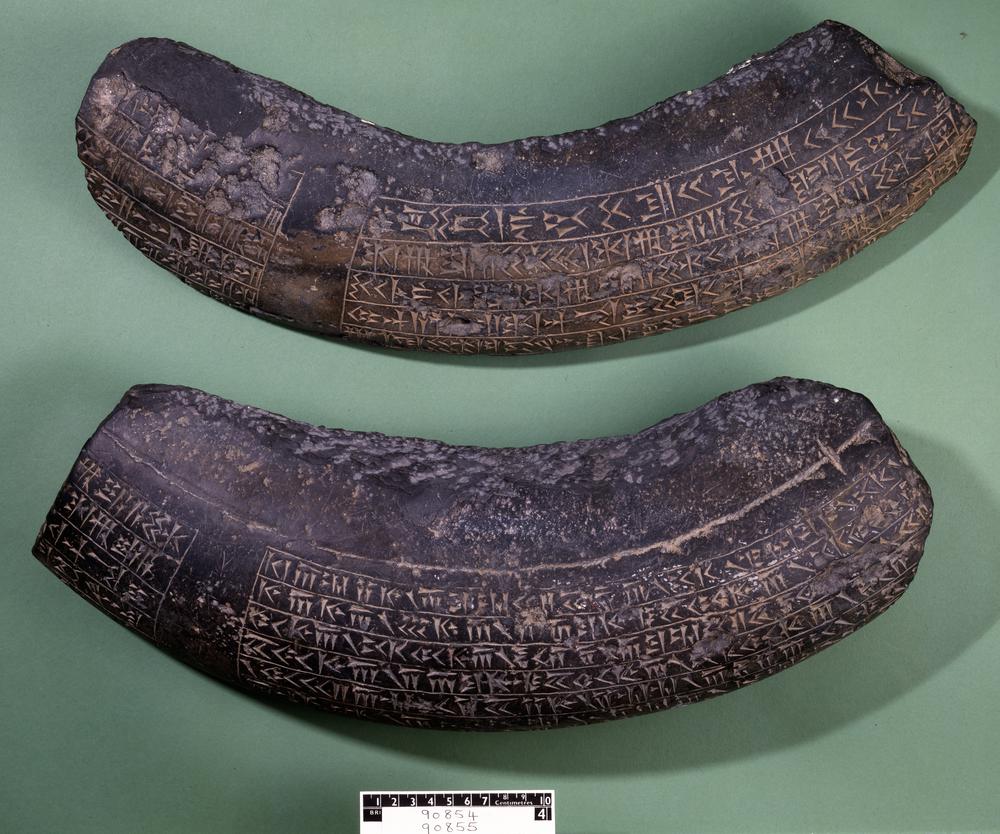
The base of the column bears an inscription that records the rebuilding of a palace at Ectabana ’by the favour of Ahuramaza, Anahita and Mithra’.

Anazarbus was an ancient Cilician city. Under the late Roman Empire, it was the capital of Cilicia Secunda.
Burham is a village and civil parish in the borough of Tonbridge and Malling in Kent, England.
Budaörs is a town in Pest County, in the metropolitan area of Budapest, Hungary. Before the Romans, the Celtic tribe of Eraviscus occupied the area for about 100 years.
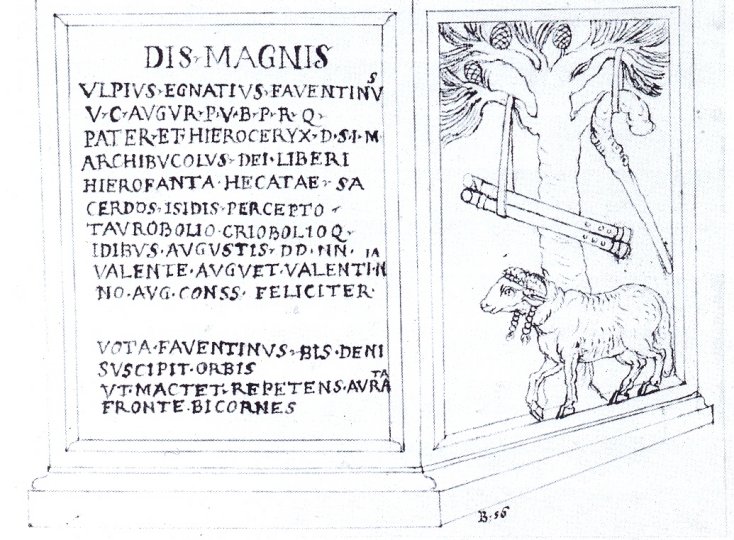
Both of them were discovered in 1609 in the foundations of the façade of the church of San Pietro, Rome.
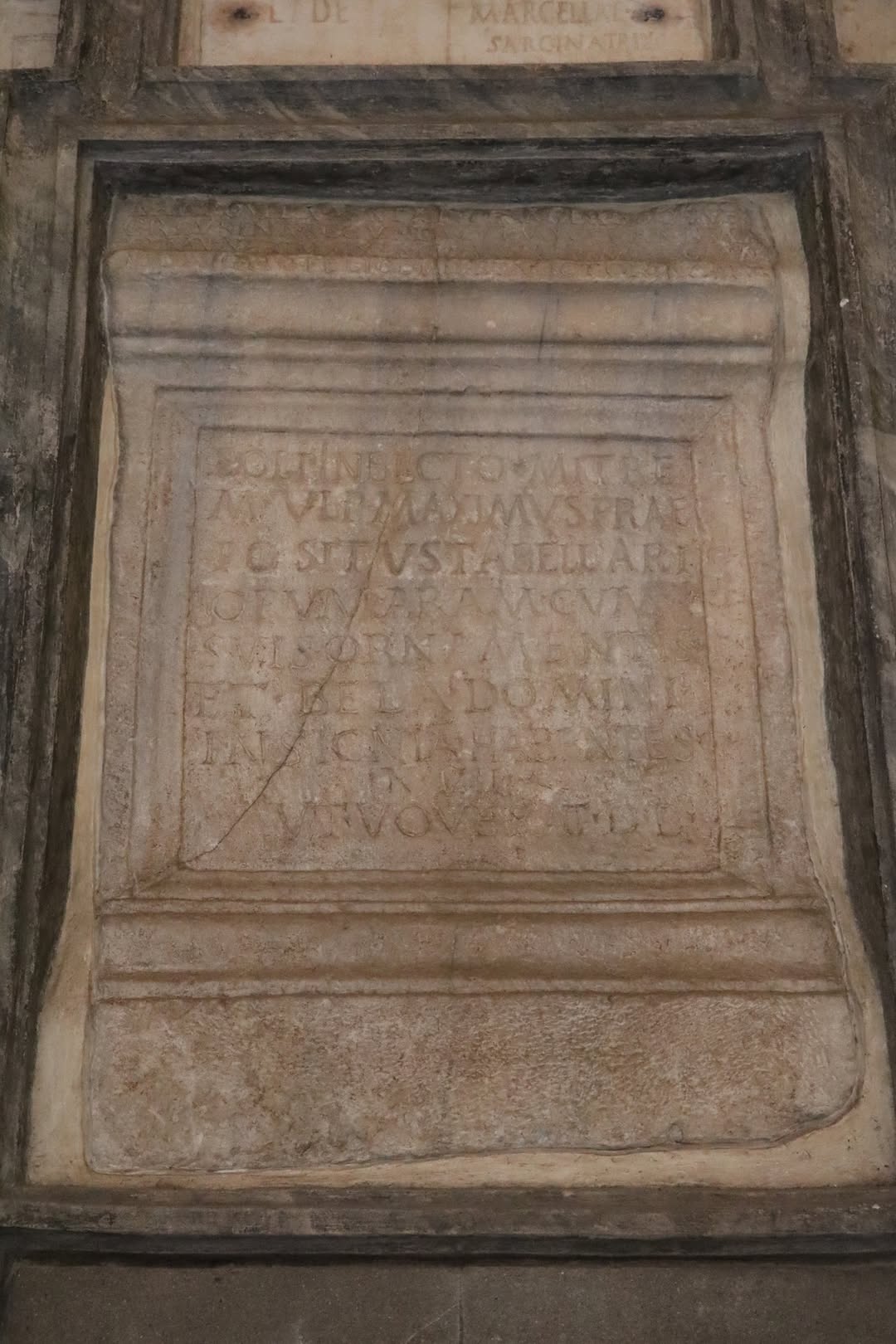
Marble altar dedicated to Sol Invictus Mithras, found in Rome (in aedibus Maffaeiorum), set up in 183 A.D. by M. Ulpius Maximus, praepositus tabellariorum, together with its ornaments and Mithraic insignia, in fulfilment of a vow.
