Your search Cabrera de Mar gave 1571 results.

Crete and Cyrene connect Mithraic evidence to island, North African and eastern Mediterranean networks.
Bithynia and Pontus preserve important evidence for the diffusion of Mithraic cults across the Black Sea and northwestern Anatolia.

A probable Mithraic sanctuary at Poetovio, identified by Vermaseren as the so-called Mithraeum IV on the basis of four associated inscriptions.

Late Roman senator, public augur and Mithraic pater active in the second half of the fourth century CE.
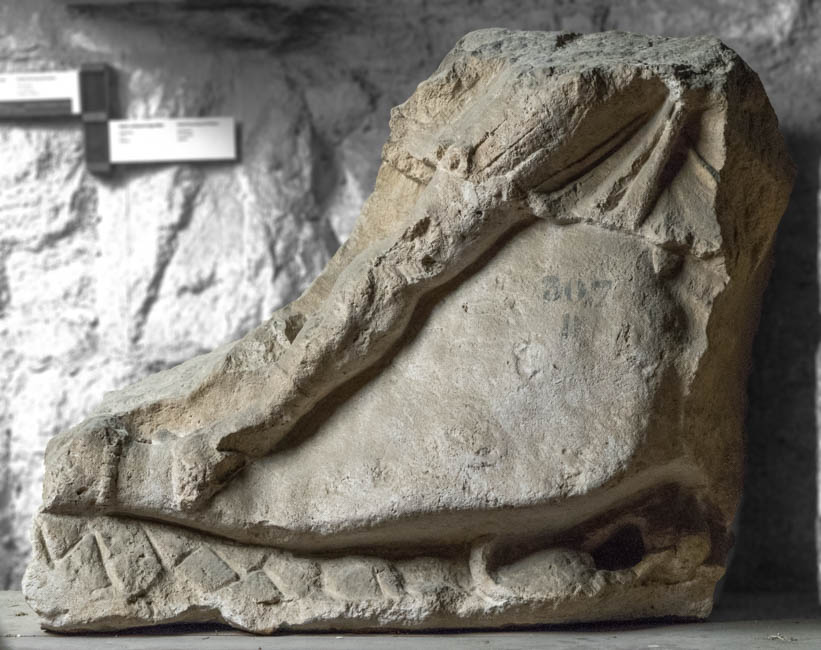
This large limestone fragment from Roman Salona preserves the hind part of the bull together with Mithras’ foot and traces of his red tunic.
This stele found at the foot of the Aventine bears an inscription of Kastos father and son, and mentions several syndexioi who shared the same temple.
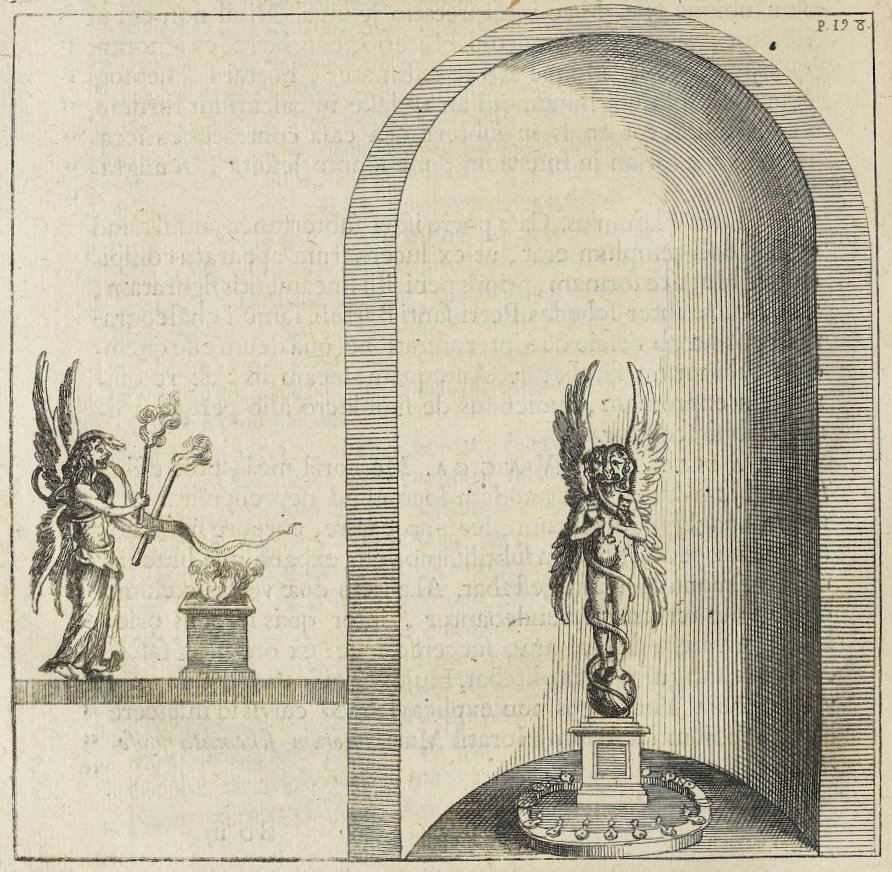
This monument has been identified from ’Memorie di varie antichità trovate in diversi luoghi della città di Roma’, a book by Flaminio Vacca of 1594.
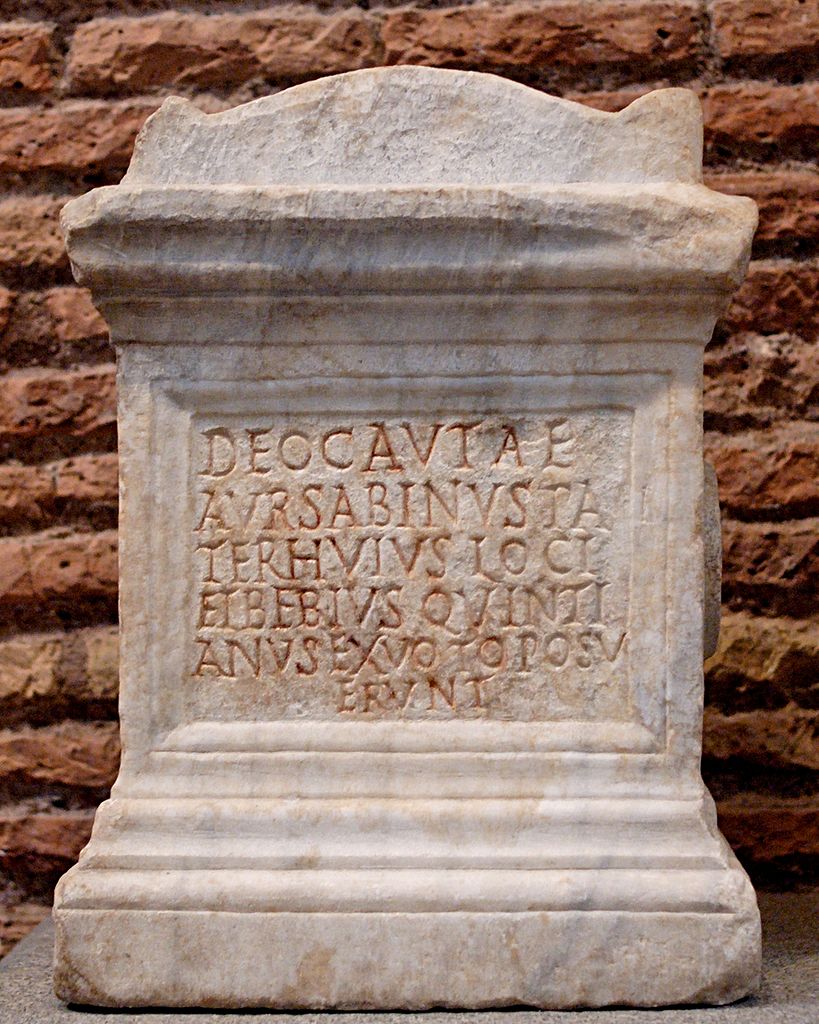
These two parallel altars to the diophores were dedicated by the Pater and a Leo from the Mithraeum of S. Stefano Rotondo.
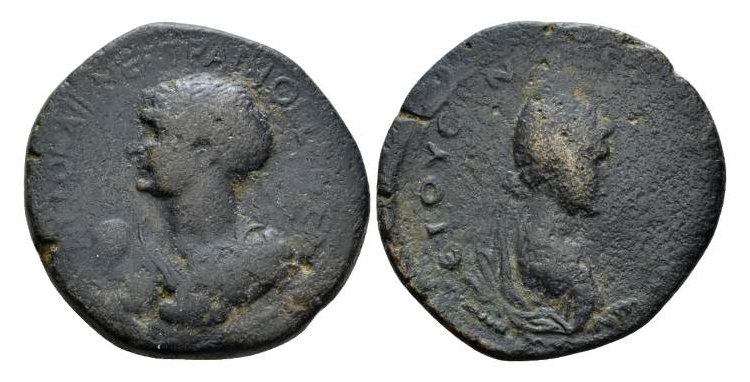
These bronze medallions associates the image of several Roman emperors with that of Mithras, usually as a rider, in the province Pontus.
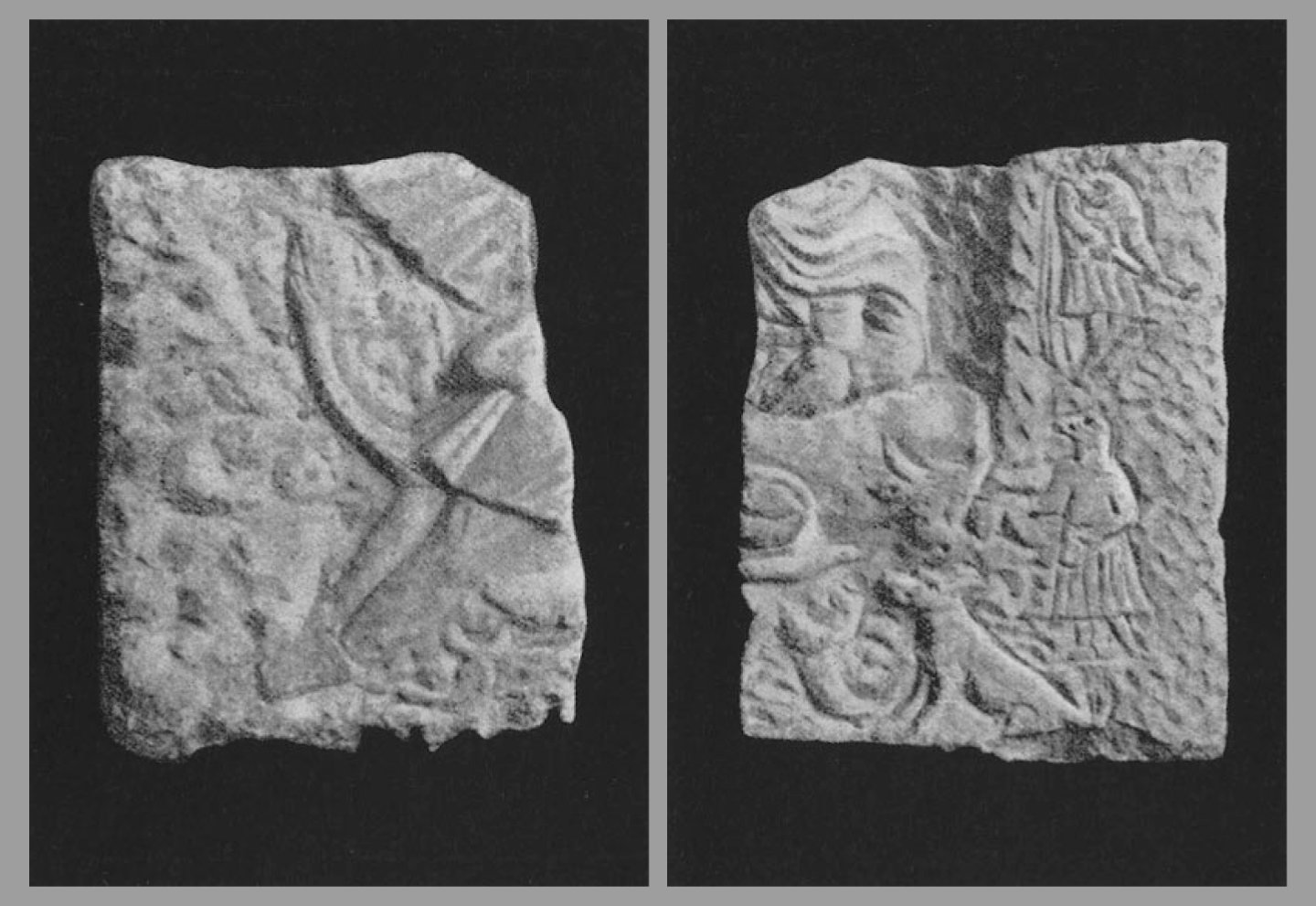
This fragment of a double relief shows a tauroctony on one side and the sacred meal, including a serving Corax, on the other.
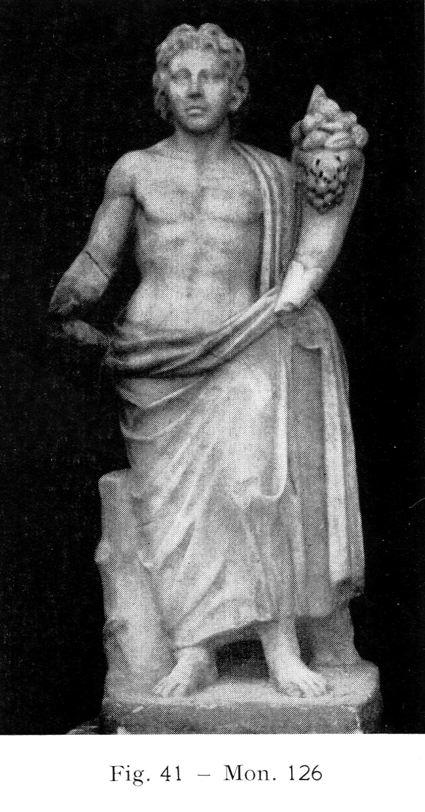
The statue of Skikda has seven holes in his hair for fastening rays.
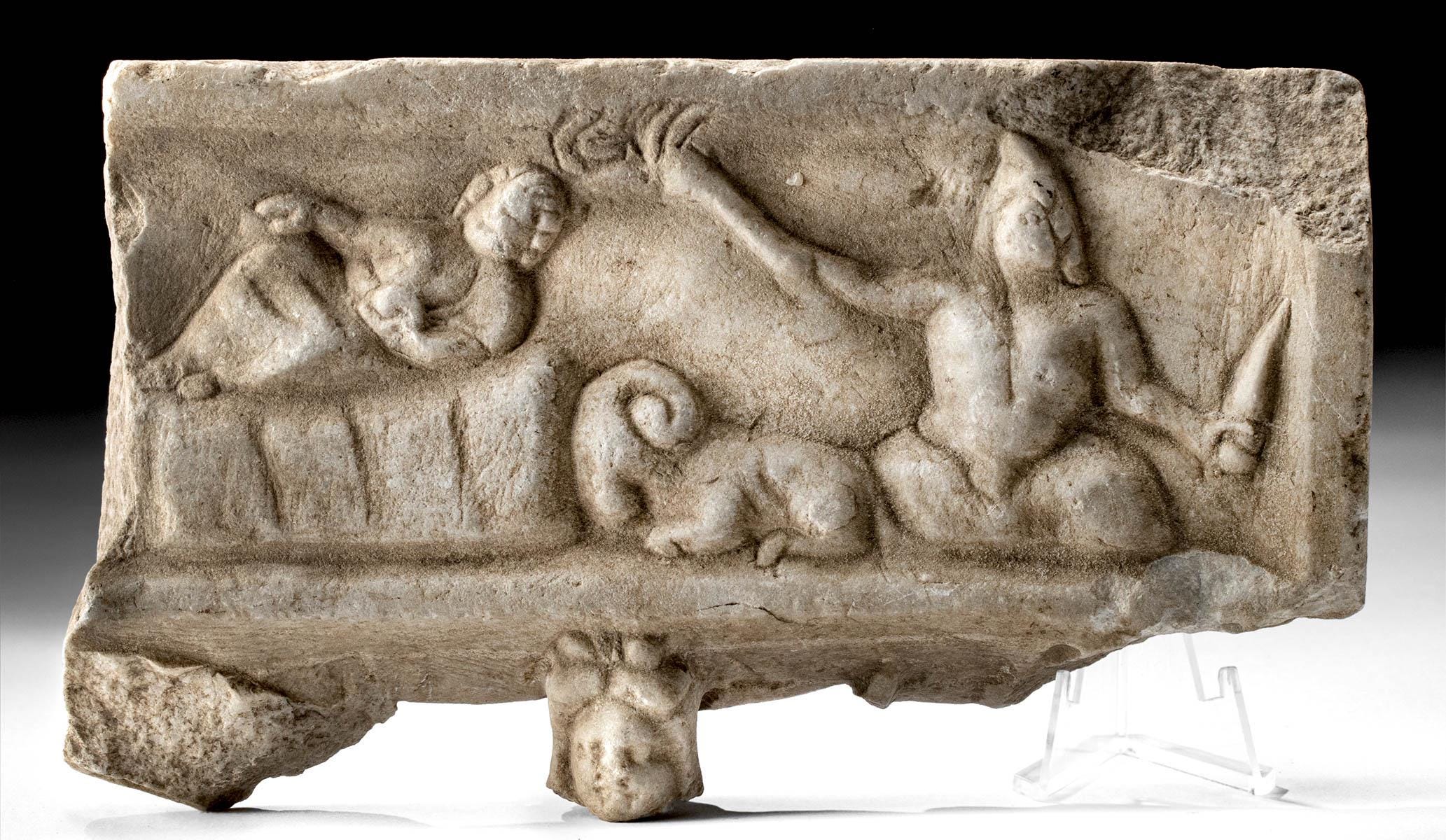
Mithras emerging from the rock with torch and dagger beside a reclining Oceanus or Saturn.
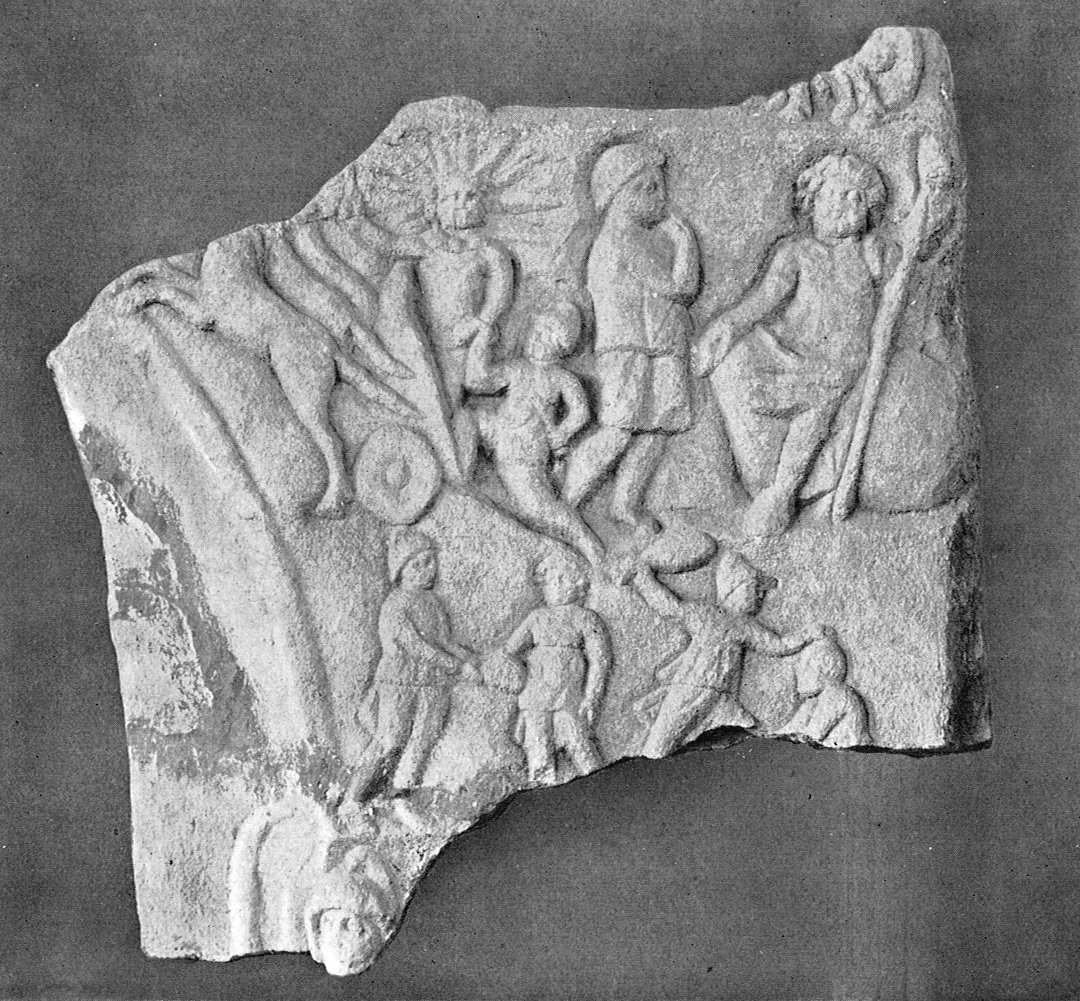
Several Mithraic scenes, including Mithras with Saturn, Mithras with Sol and Mithras' Ascension, are depicted on this fragment of a relief from Ptuj.
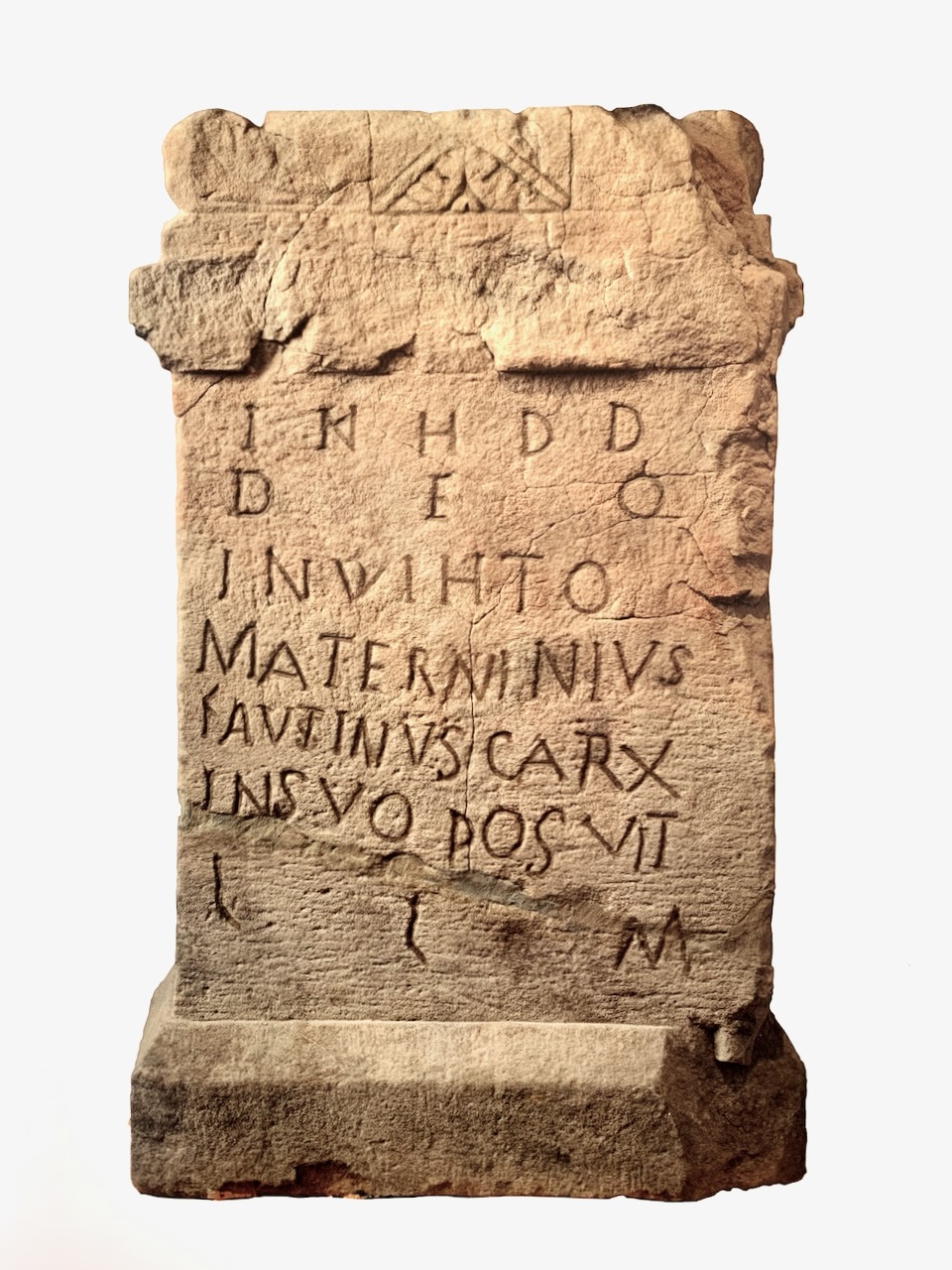
Corax Materninius Faustinus dedicated other monuments found in the same Mithraeum in Gimmeldingen.
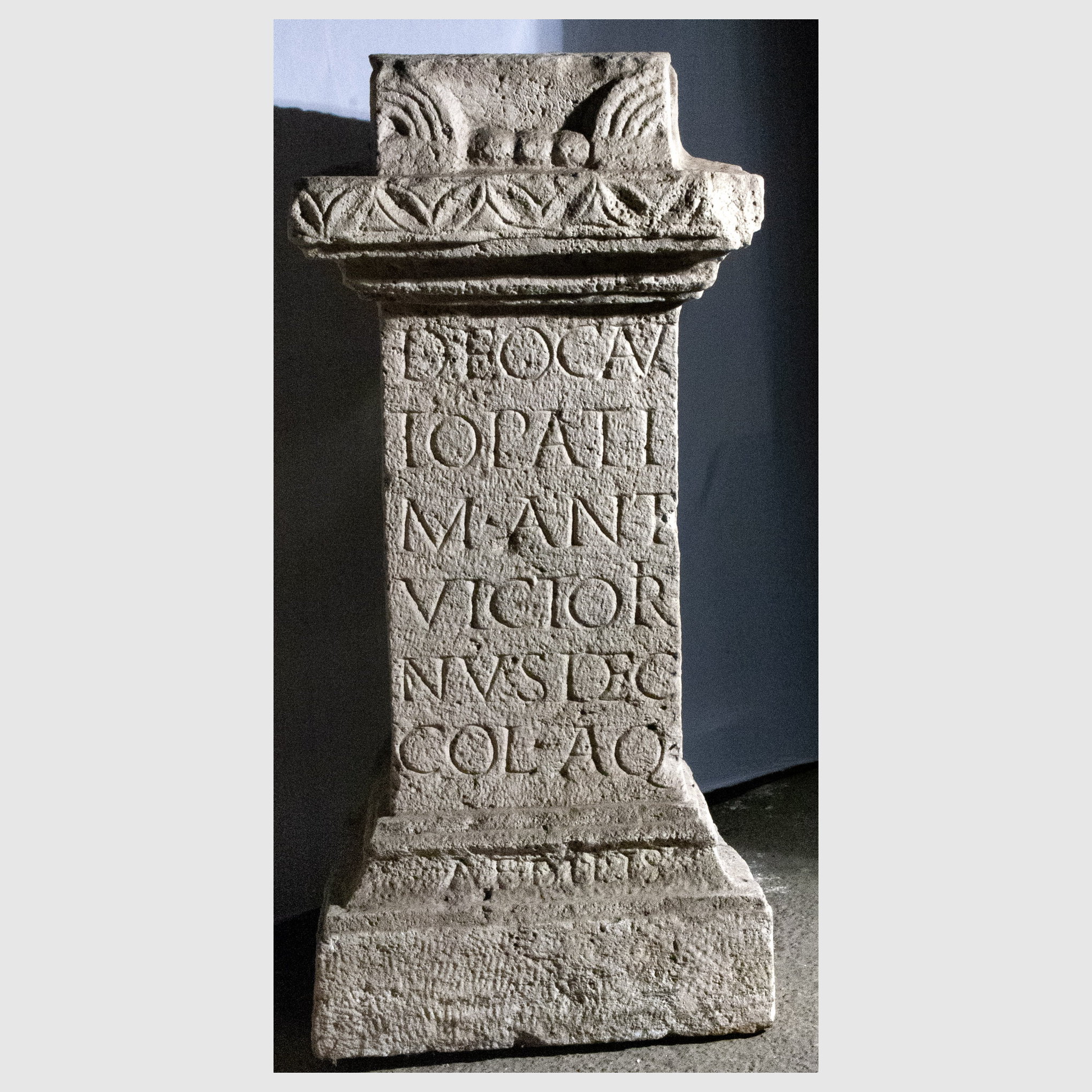
These two altars, erected by a certain Victorinus in the mithraeum he built in his house, bear inscriptions to Cautes and Cautopates.
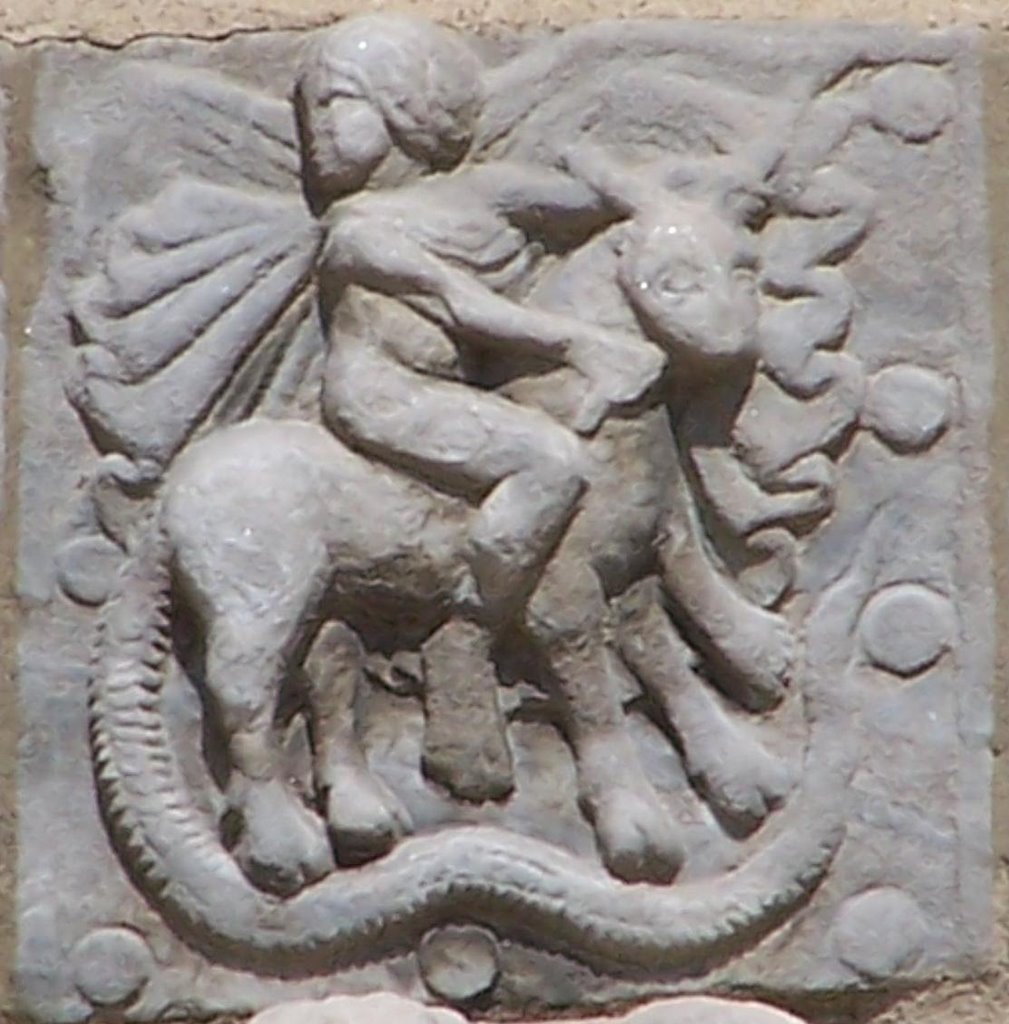
Mithras slaying the bull appears as the sign of Capricorn in a zodiacal sequence on the Pórtico del Cordero of the Abbey de Santo Domingo de Silos, Burgos, Spain.
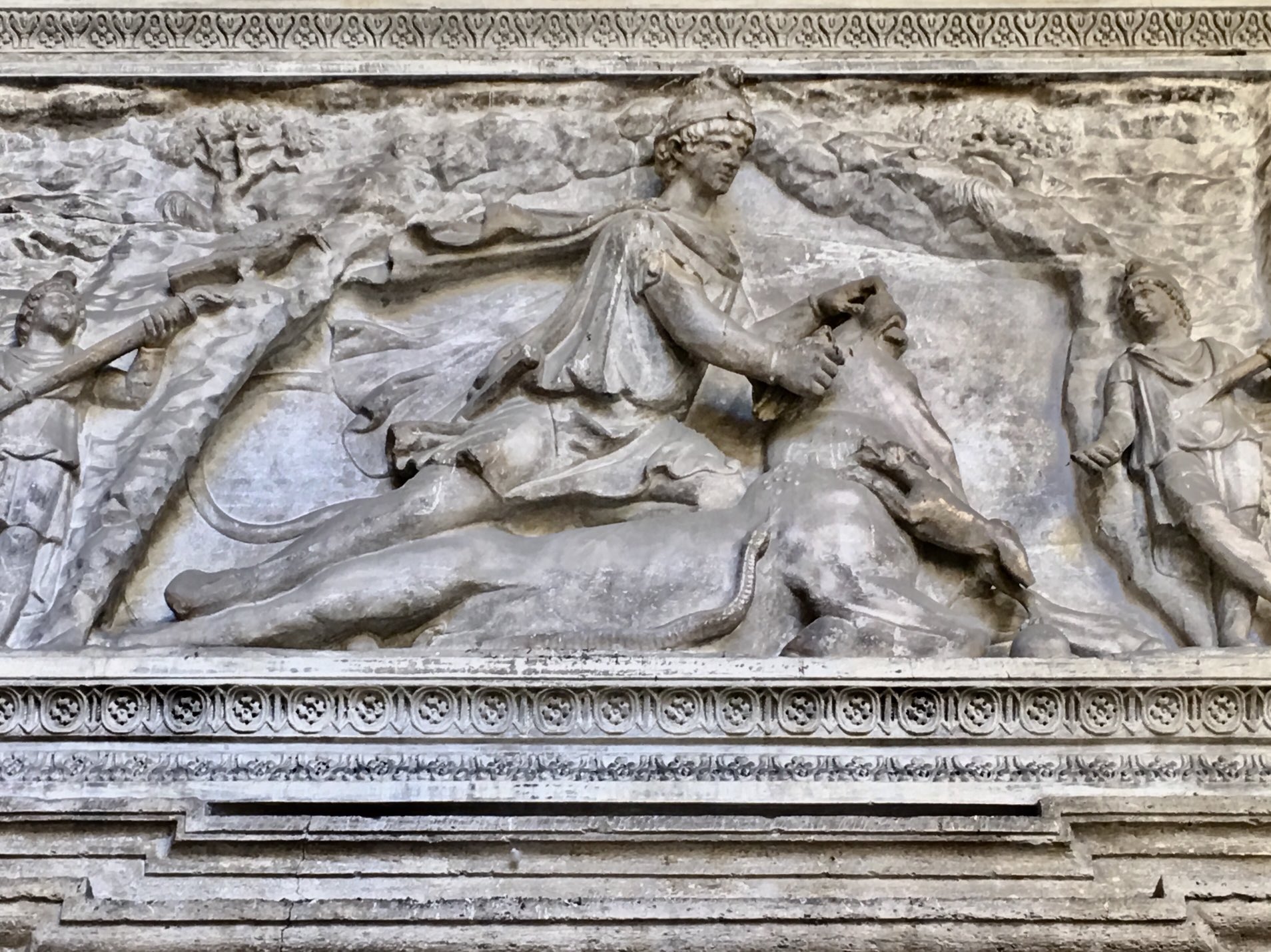
This relief of Mithras as a bullkiller, probably found in Rome, has been part of the Palazzo Mattei collection since at least the end of the 18th century.
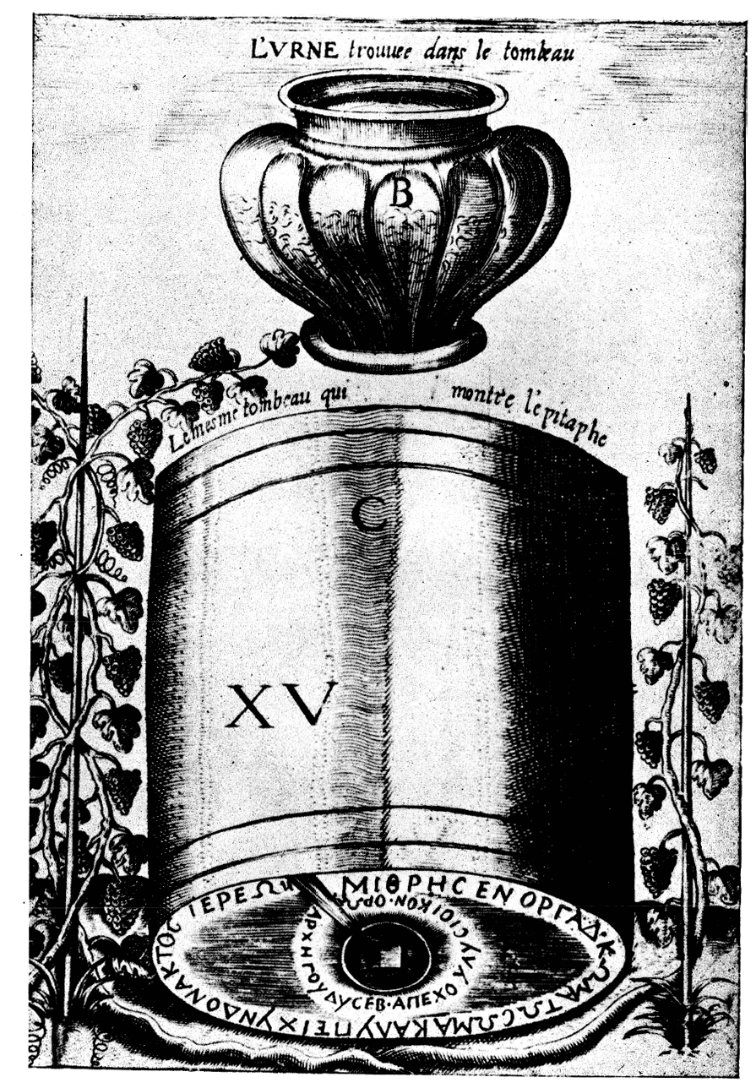
This funerary inscription, engraved on a stone urn discovered near Roman Dijon, mentions a certain Chyndonax, described as a priestly leader of Mithras.
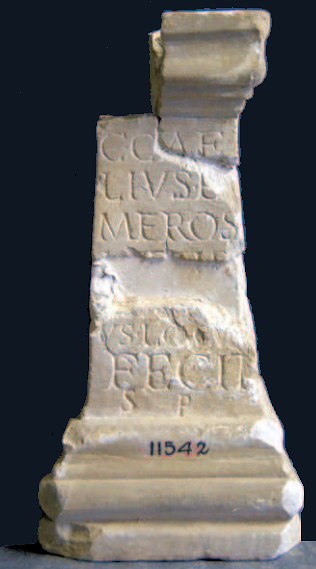
This small monument bears the inscriptions of a certain Caelius Ermeros, antistes at the Mithraeum of the Painted Walls.
This lost monument from Malaga, Spain, to Dominus Invictus has been linked to the cult of Mithras, although there is not enough evidence.
