Your search Castellammare di Stabia gave 2069 results.

Séminaire du 5 mai 2026 : The Lord of the Covenant: Mihr the judge and the celebration of Mihragān.

Benefactor of the Imperial Palace Mithraeum and possible member of Ostia’s African community.

Pater and priest of the Mithraeum of the Seven Spheres at Ostia during the sanctuary’s restoration and flourishing.
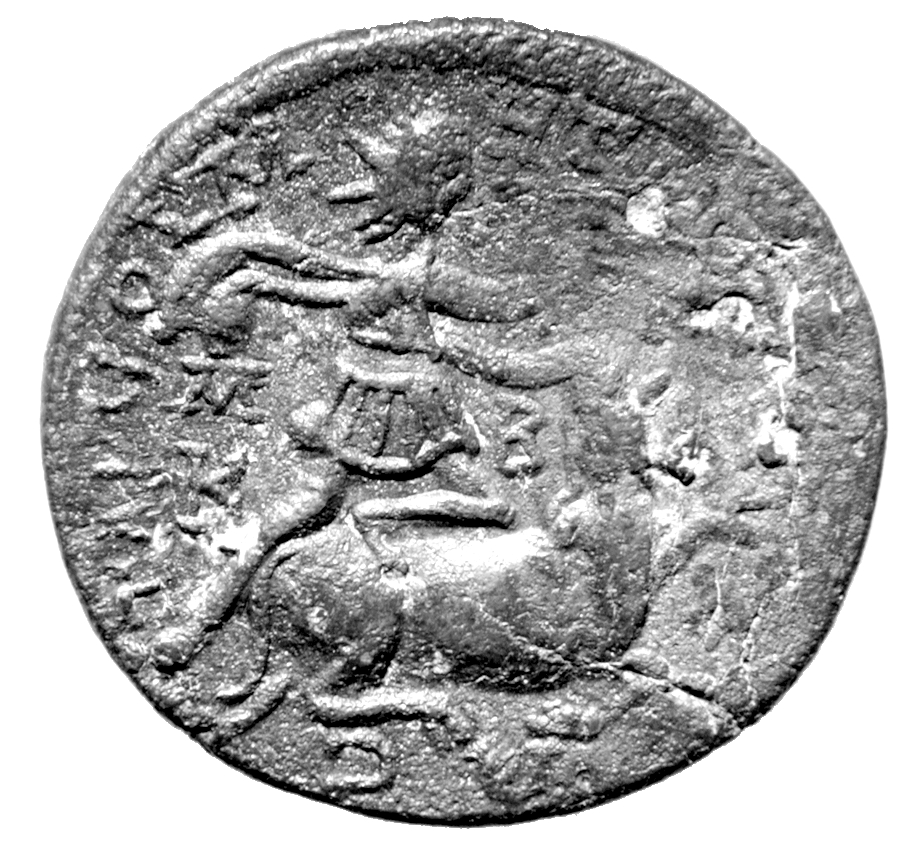
The bronze medallion, from Cilicia, shows Mithras Tauroctonus on the revers.
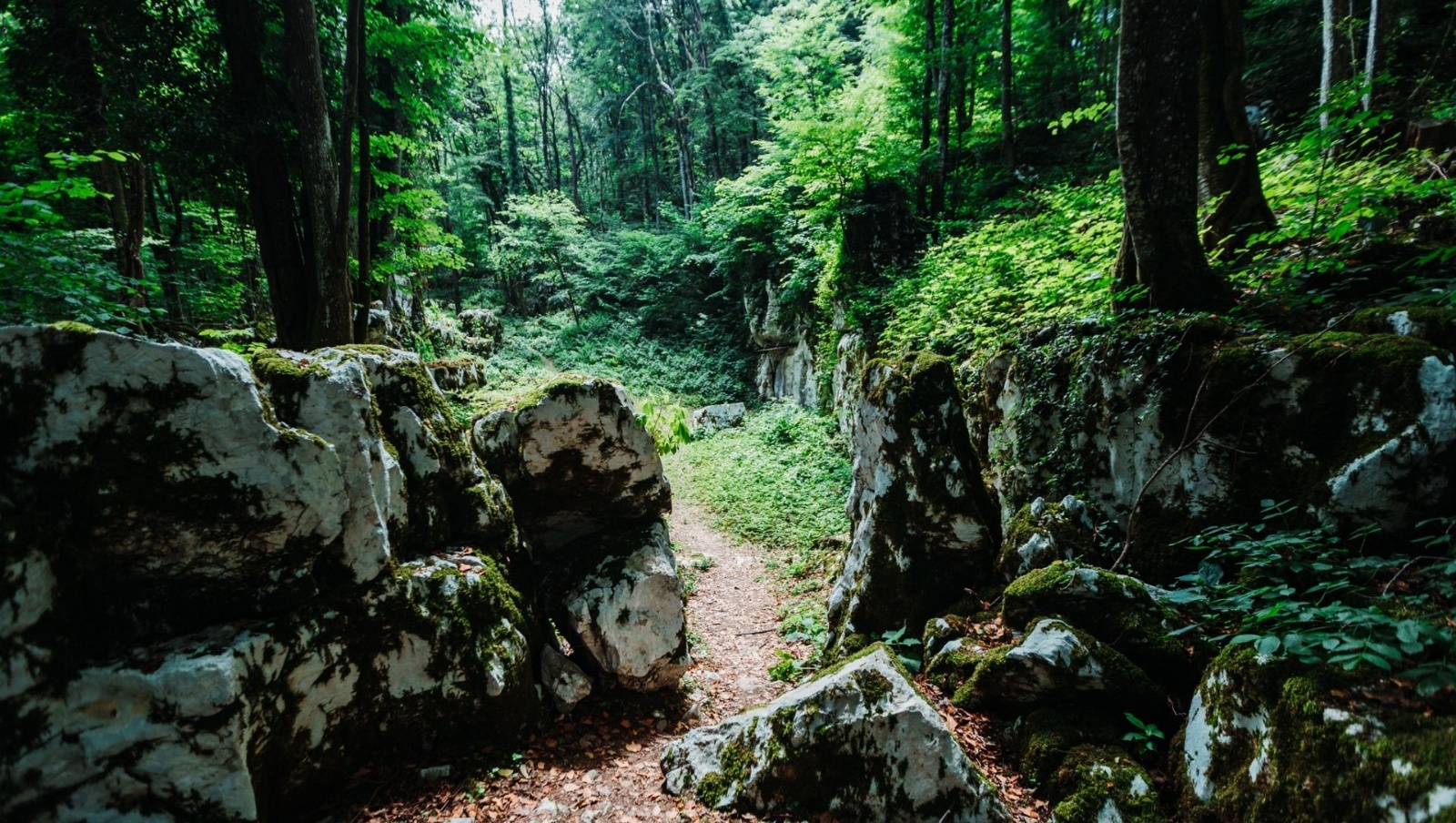
Rožanec is a settlement north of the town of Črnomelj in the White Carniola area of southeastern Slovenia.

Thuburnica was an ancient Roman-Berber city in the Maghreb.
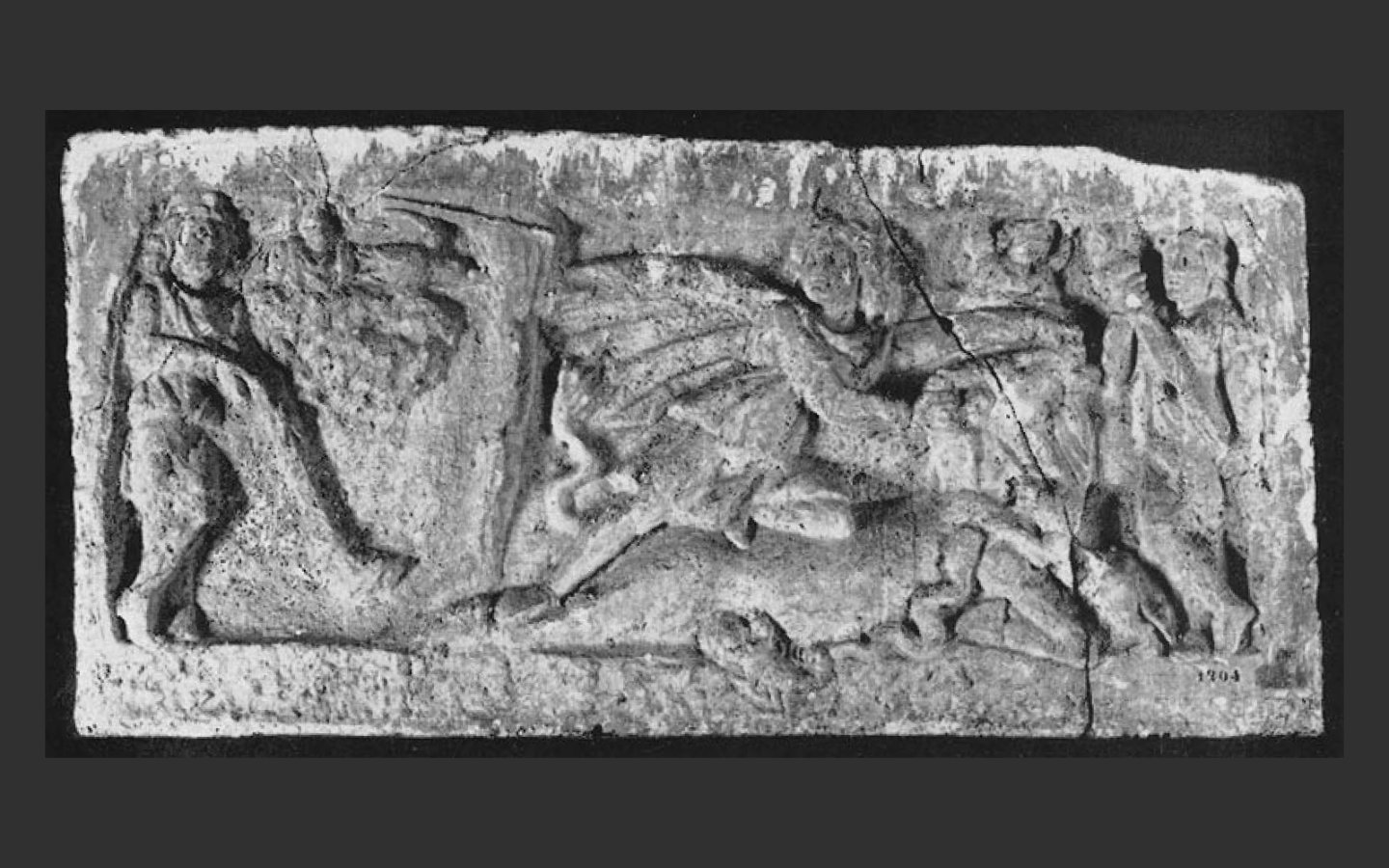
This relief of Mithras Tauroctonos from Rome bears the inscription of three brothers, two of them lions.

Fragment of a marble tabella with an inscription beginning "invicto", from the Mithraeum of S. Lorenzo in Damaso, Rome.
Painted inscription naming a tribune Archelao, found on a column or wall of the Mithraeum of Dura-Europos, Syria.
Inscribed altar from the Friedberg Mithraeum erected by the beneficiarius consularis Caius Paulinius Iustus.
Small inscribed plaque invoking Mithras and Mercury attached to a sandstone column inside the sanctuary.
Limestone base with remains of a torchbearer and an inscription to Mithras by Lucius Pervincius Sequens.
Complex military inscription invoking Apollo, Sol and Luna under Severus Alexander.
Mithraic altar inscription set up by the centurion Marcus Iulius Martius in 189 CE.
Painted Parthian inscription on a ceramic sherd possibly referring to Mithras as a bull-slayer.
Anazarbus was an ancient Cilician city. Under the late Roman Empire, it was the capital of Cilicia Secunda.
This small and highly questionable relief from southern France may depict a winged leontocephalic figure seated.
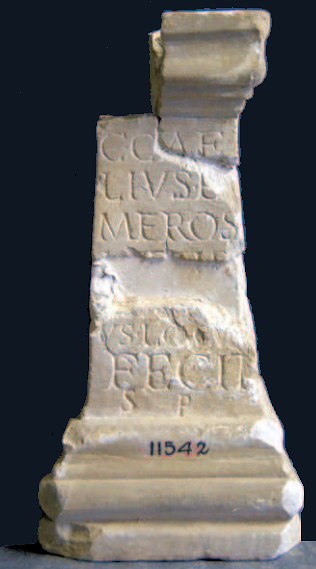
This small monument bears the inscriptions of a certain Caelius Ermeros, antistes at the Mithraeum of the Painted Walls.
