Your search Castellammare di Stabia gave 2069 results.
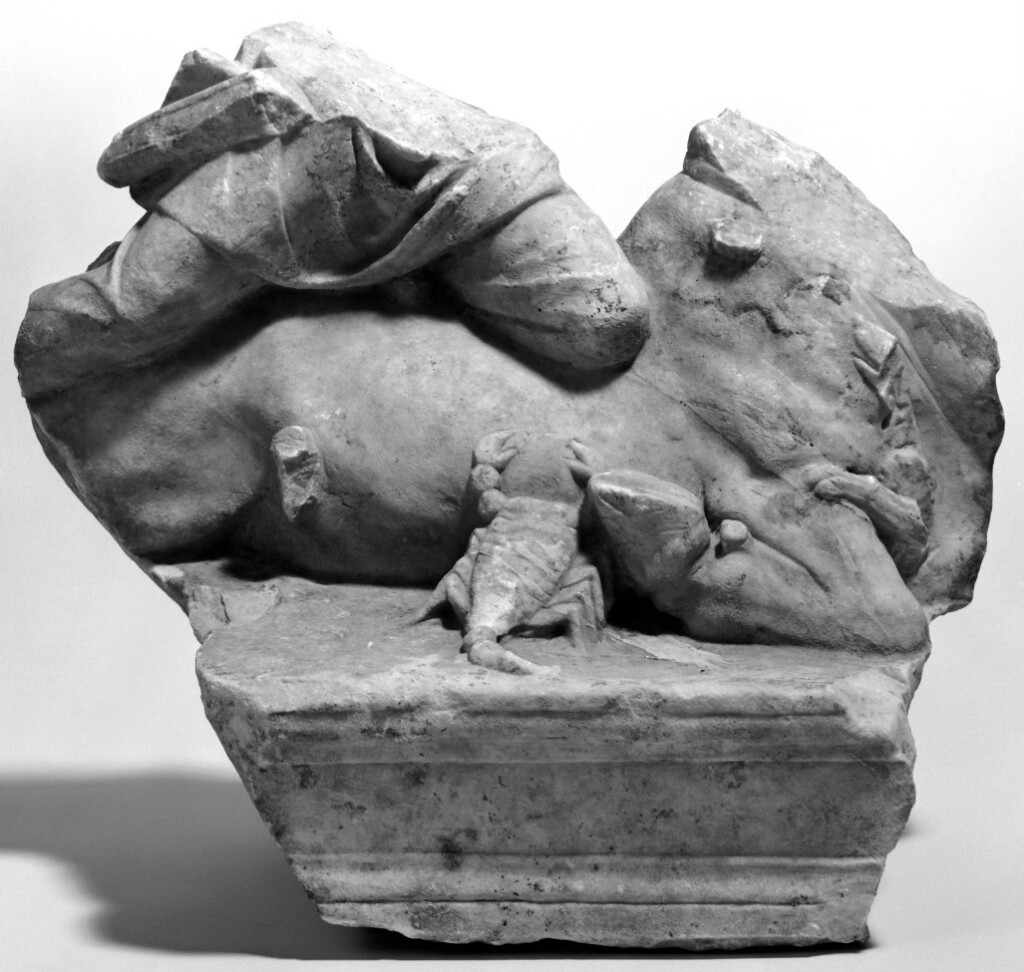
This fragmentary scupture of Mithras killing the bull belongs to the Getty Museum, Los Angeles, USA.

This is the first known inscription that includes Phanes alongside Mithras found in a Mithraic context.
The following note deserved an entry in Vermaseren’s Corpus Inscriptionum et Monumentorum Religionis Mithriacae.
A bearded Bacchus and another hermes as a woman, both crowned with vine tendrils, were walled into the base of a niche.
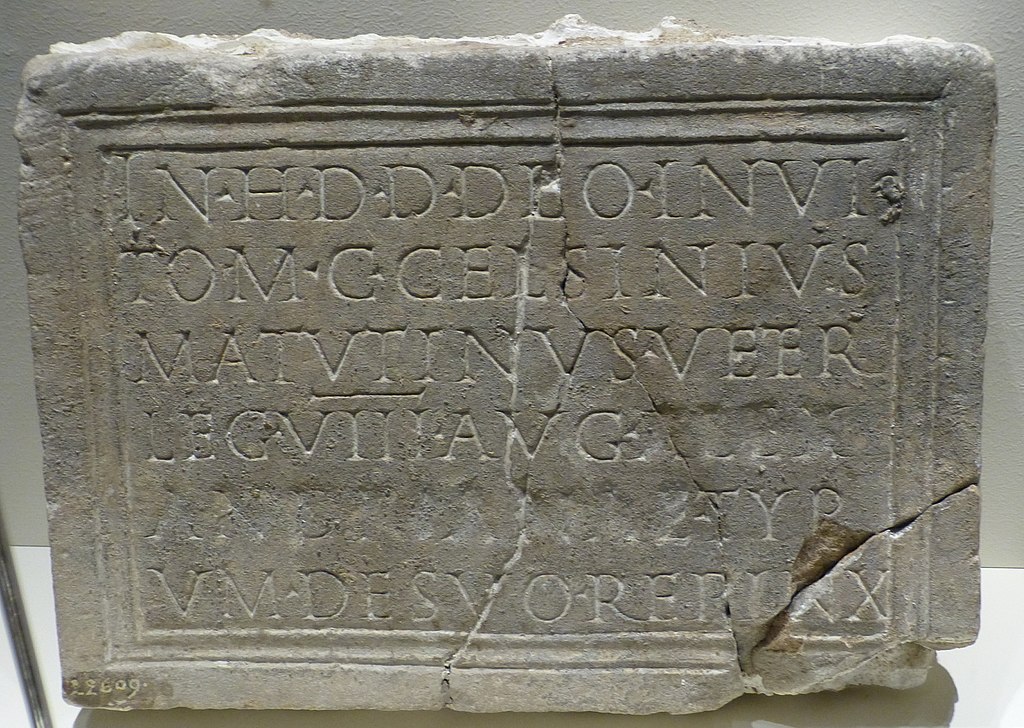
The inscription reports the restoration of the coloured painting of the main relief of the Mithraeum by a veteran of the Legio VIII Augusta.
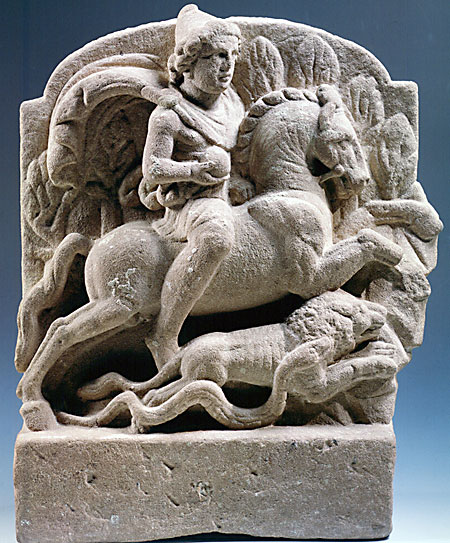
Mithras galloping, in a cypress forest, carrying a globe in one hand and accompanied by a lion and a snake.

The Mithraeum of Spoleto was found in 1878 by the professor Fabio Gori on behalf of Marquis Filippo Marignoli, owner of the land.
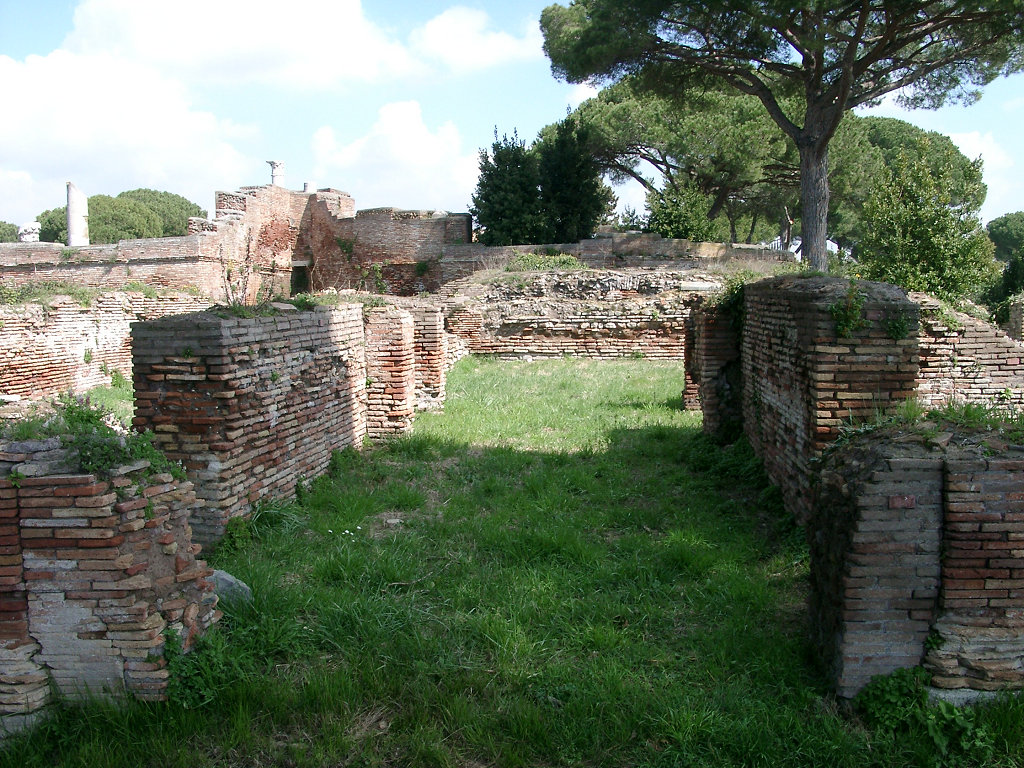
The Mithraeum of Frutosus was in a temple assigned to the guild of the stuppatores.
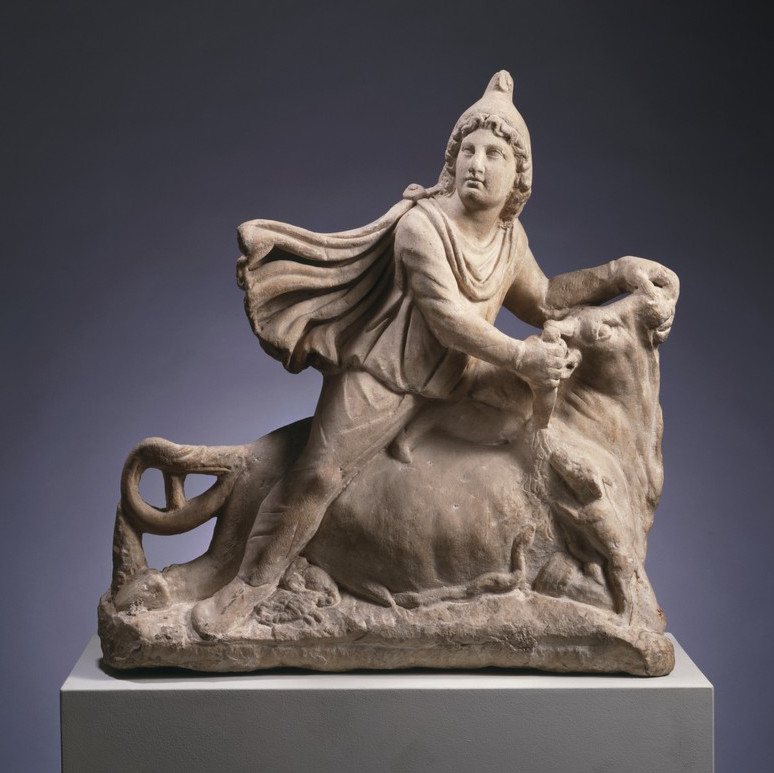
This sculpture of Mithras killing the bull may come from Rome, probably found in 1919.
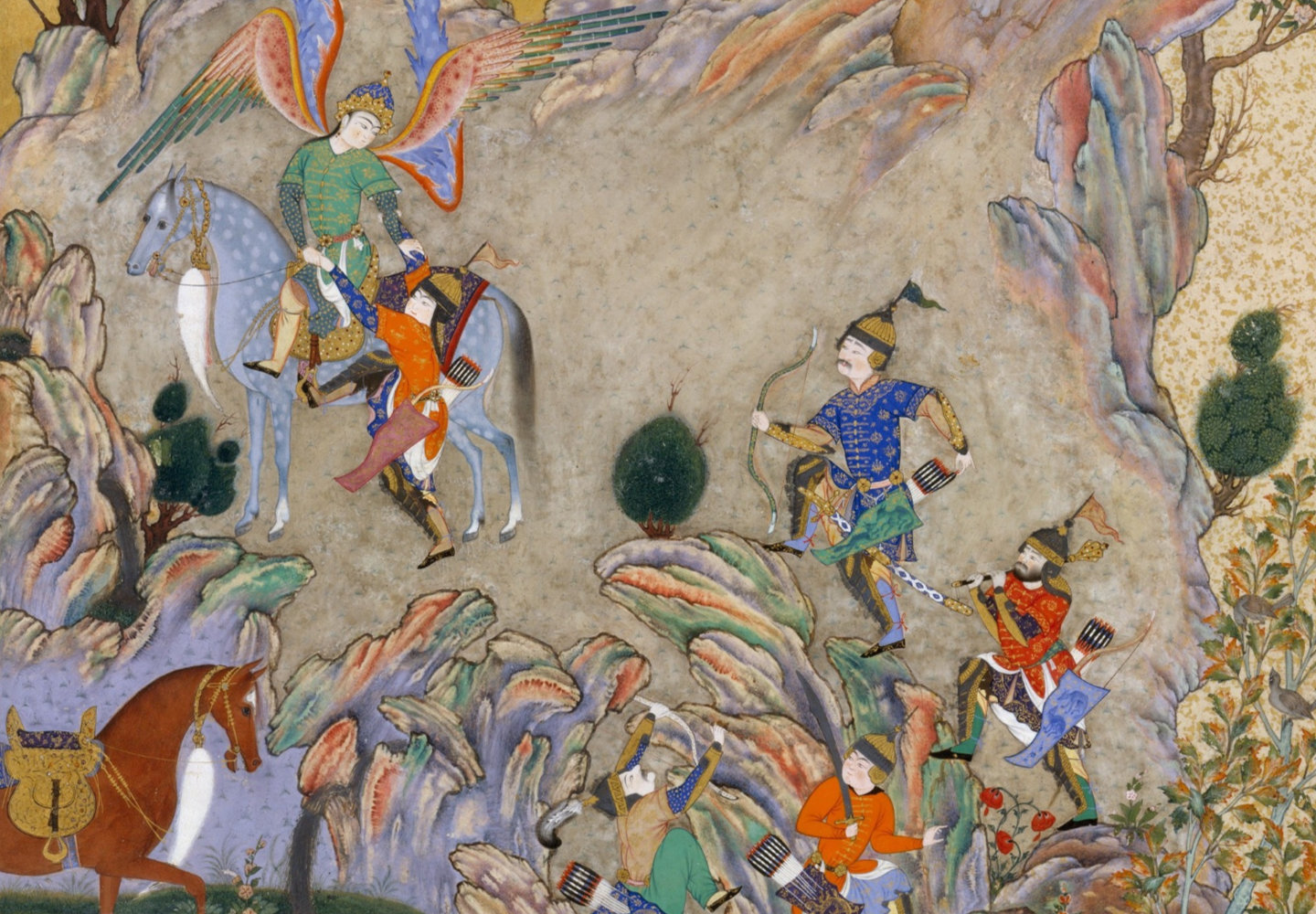
We propose to revisit a passage by the prolific author Marteen Vermaseren that highlights correspondences today forgotten between the Roman Mithras and its Eastern counterparts.
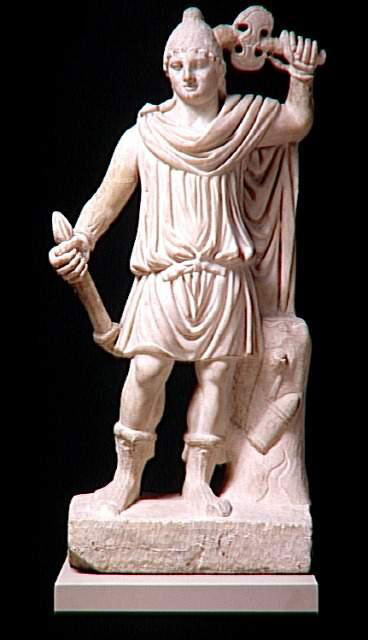
In this case, a quiver has been attached to the tree-stump behind the torchbearer.
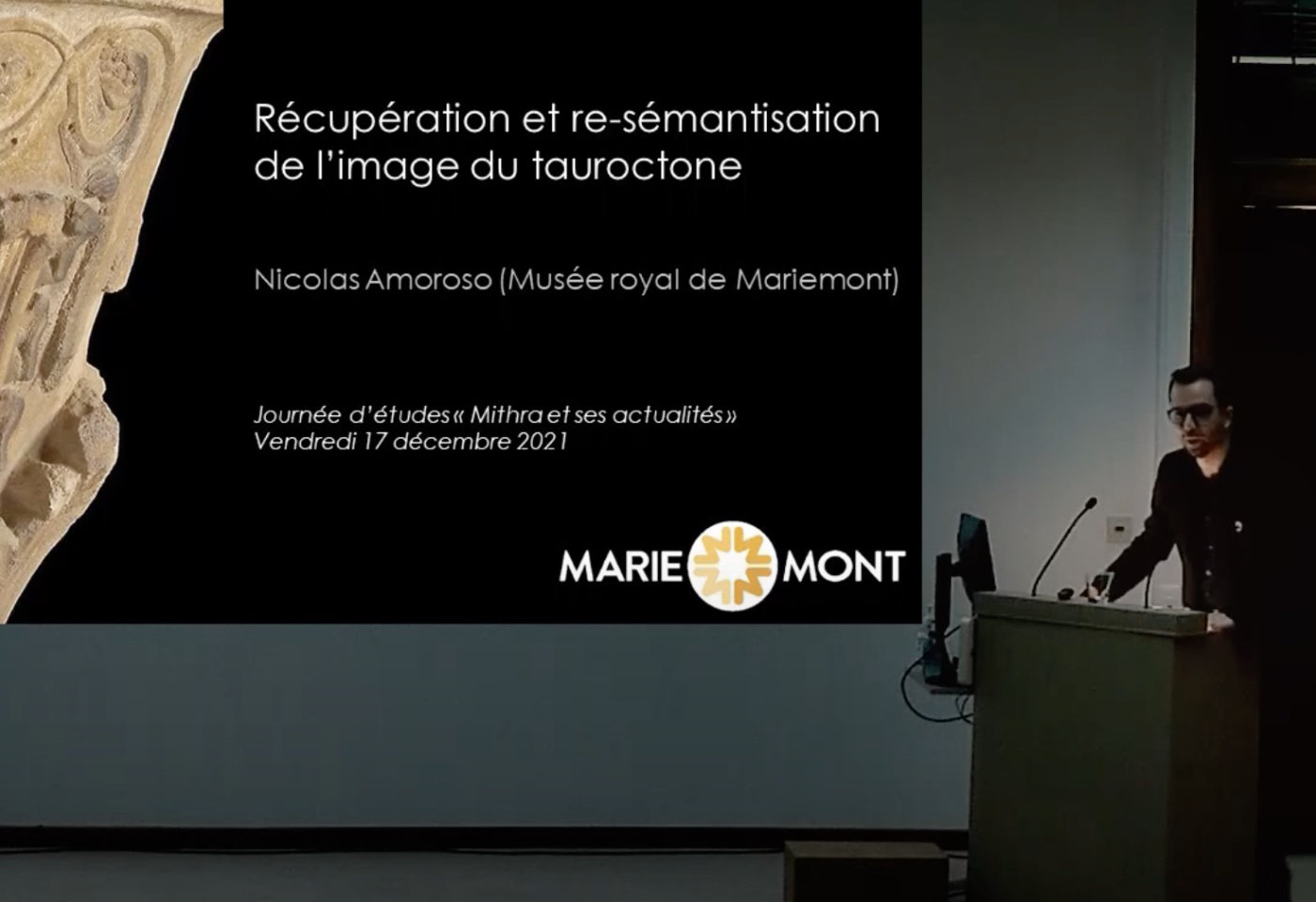
Intervention de Nicolas Amoroso, commissaire de l’exposition Le Mystère Mithra.
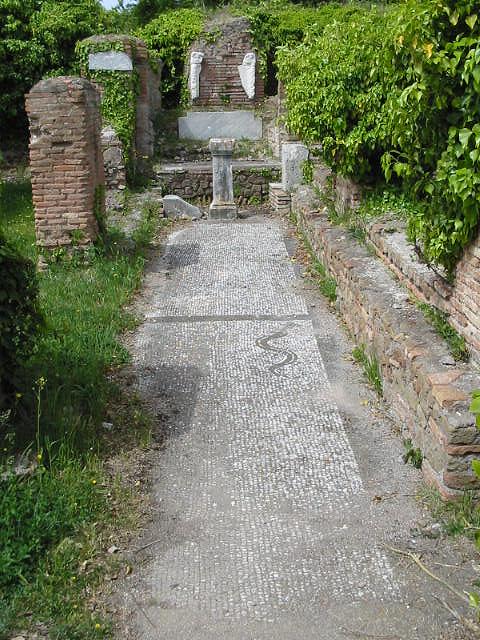
The floor of the central aisle of the Mithraeum of the Footprint in Ostia has a mosaic depicting a snake and a footprint.

Three mithraic monuments were found in 1931, suggesting that a mithraeum probably existed in the area.
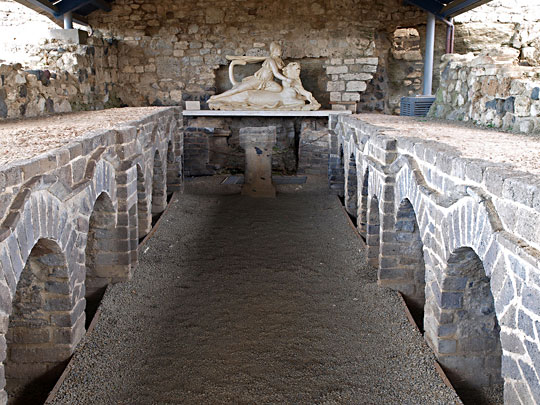
The Mithraeum of Vulci is remarkable because of his high benches and the arches below them.
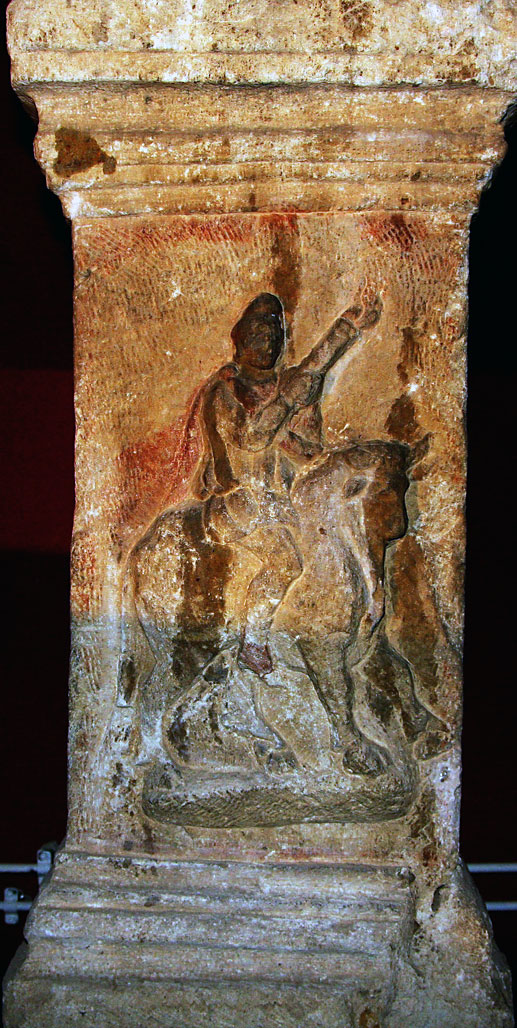
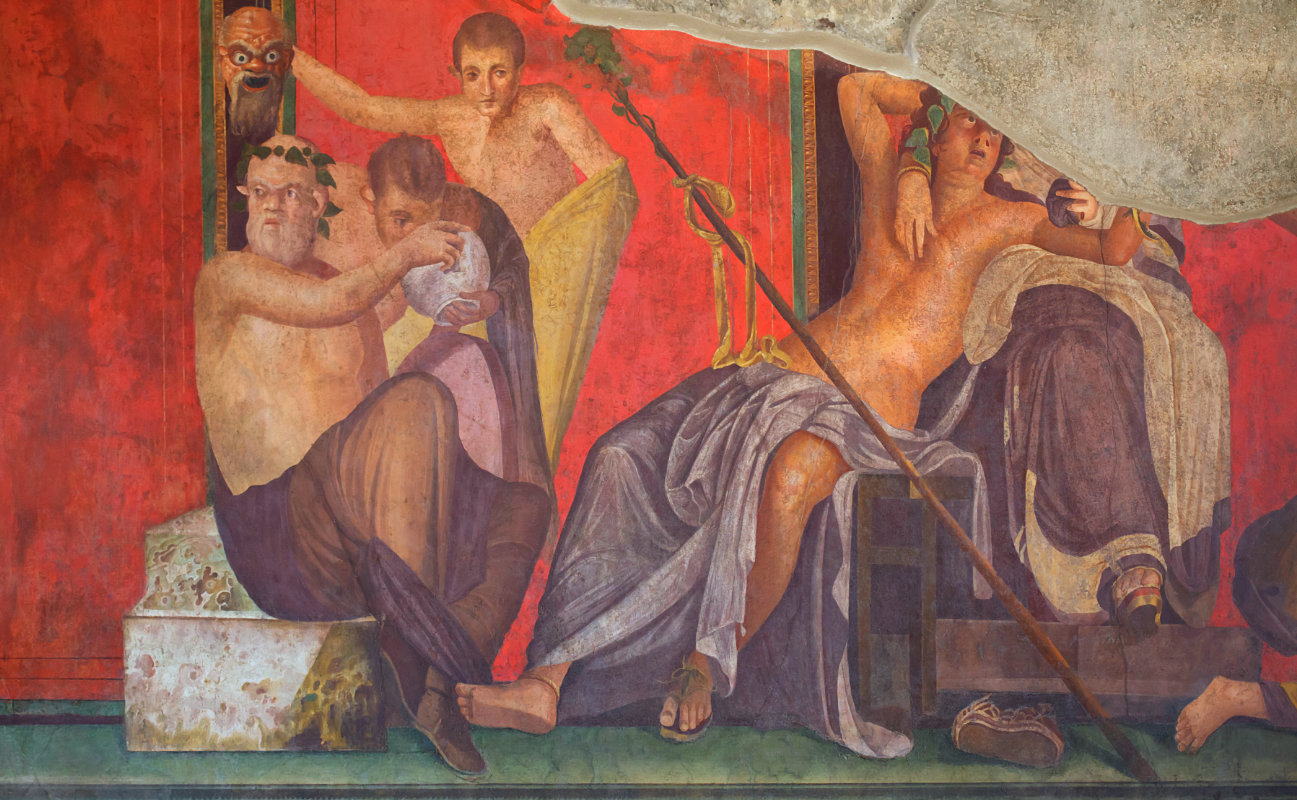
Peter Mark Adams: ‘The initiation was a frightening experience that caused some people to panic as a flood of otherworldly entities swept through the ritual space.’.

Italian artist inspired by mythology, sacred art, and the classical world.
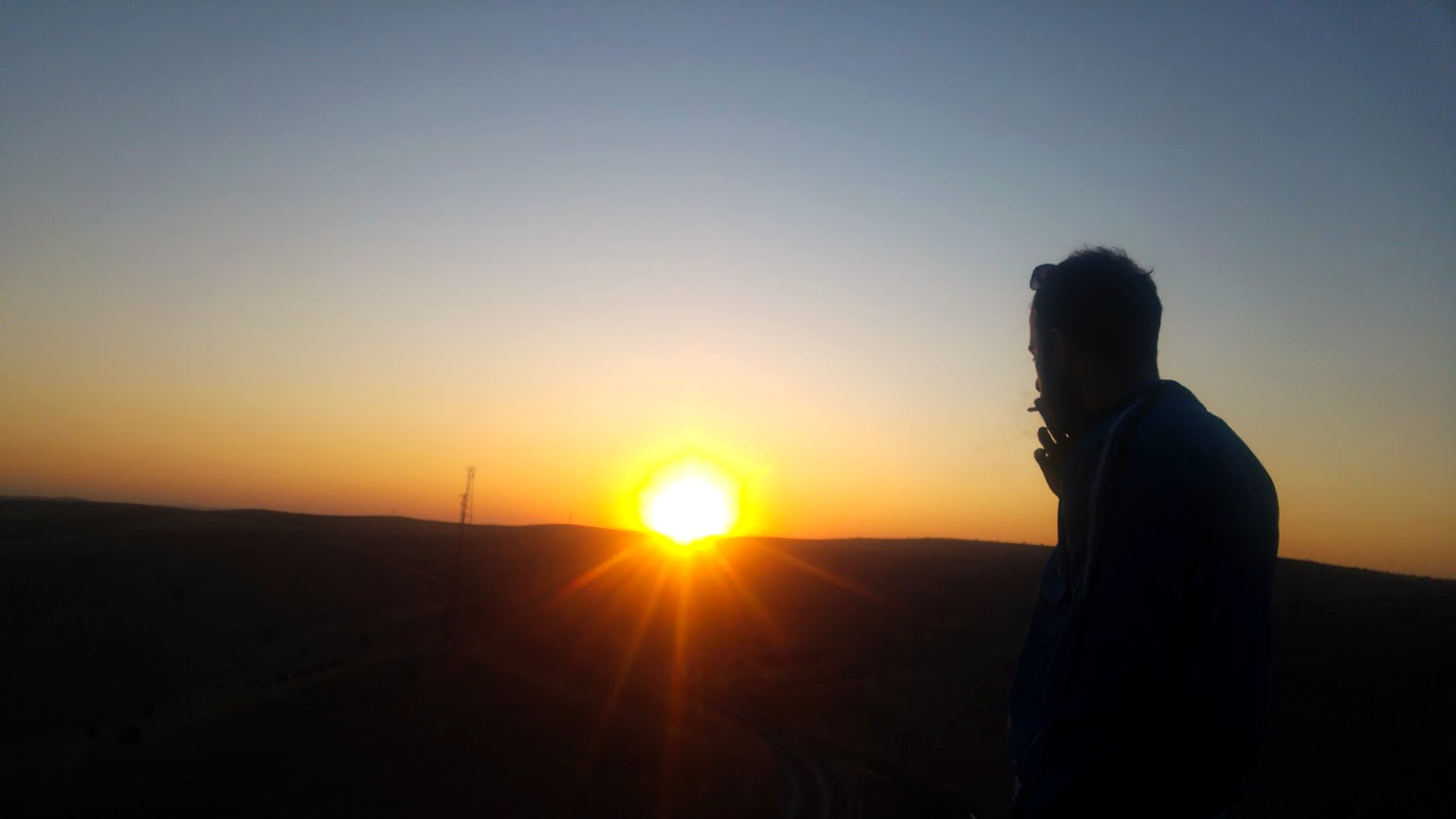
The Temple of Mithras, inside an ancient military settlement, is situated on the eastern border of the Roman Empire.
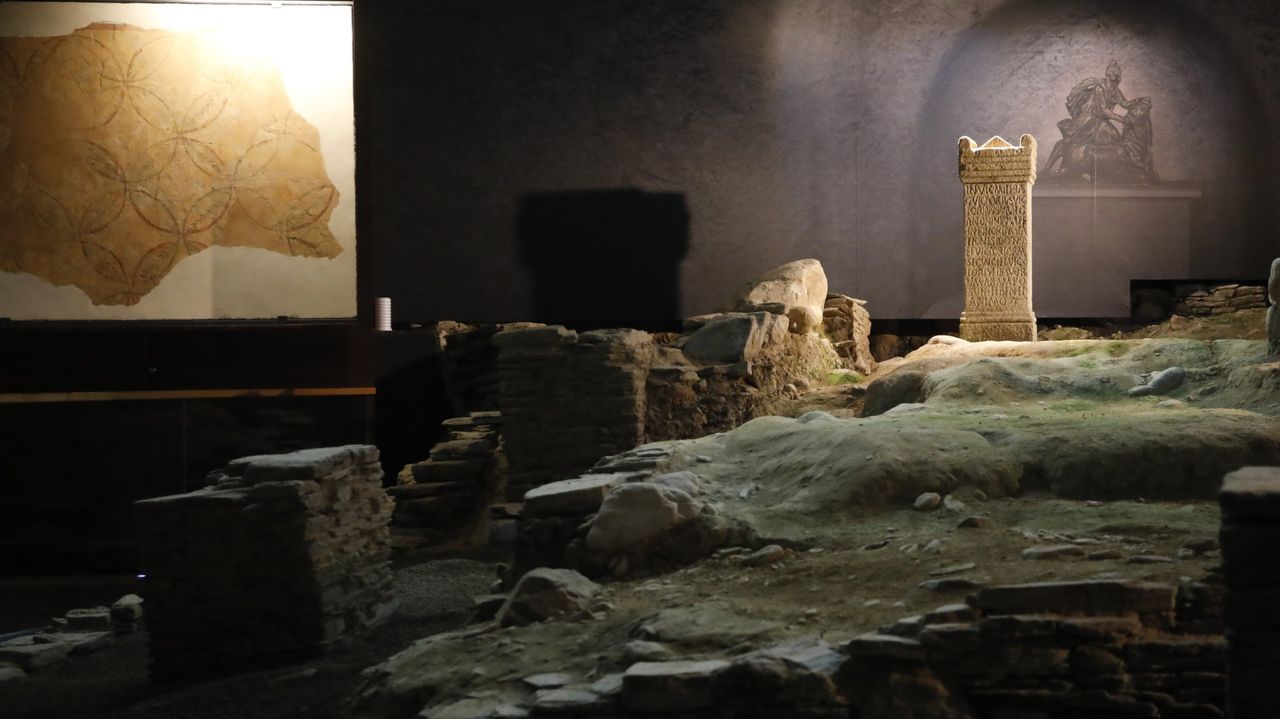
La Domus de Mitreo y el Centro Arqueolóxico de San Roque muestran otra cara del viejo Lugo
