Your search Castellammare di Stabia gave 2069 results.
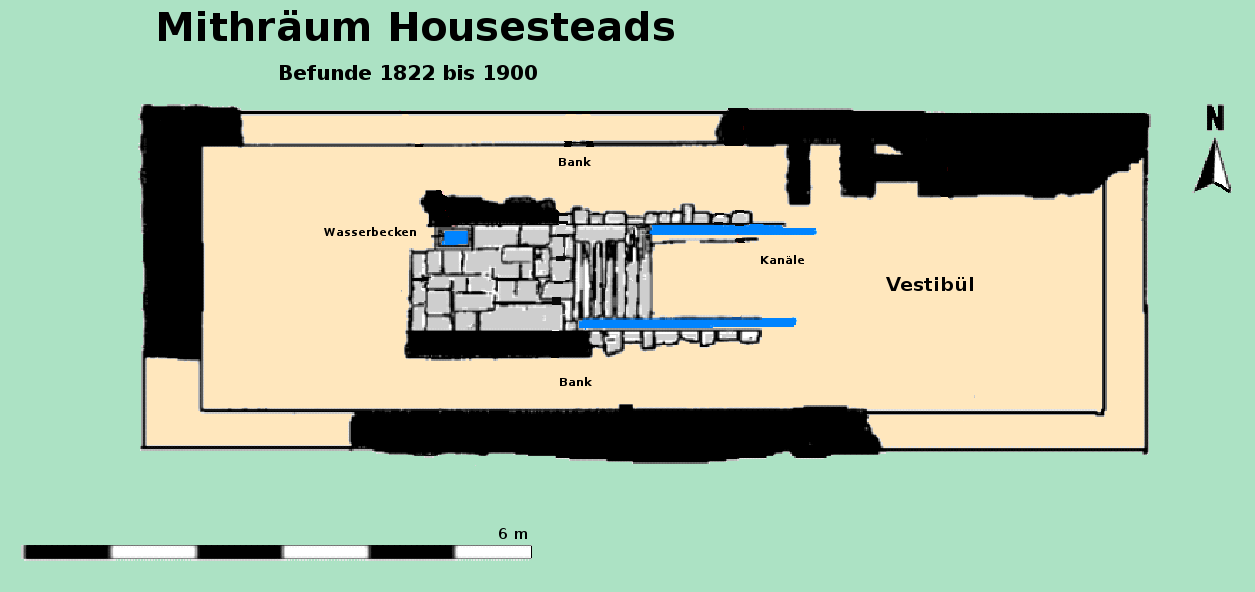
The Housesteads Mithraeum is an underground temple, now burried, discovered in 1822 in a slope of the Chapel Hill, outside of the Roman Fort at the Hadrian's Wall.

I am an historian of religions. I currently studies so called "Oriental cults of the Roman Enmpire

The last pagan emperor of Rome, closely associated with Mithras and Neoplatonic interpretations of the Sun God.
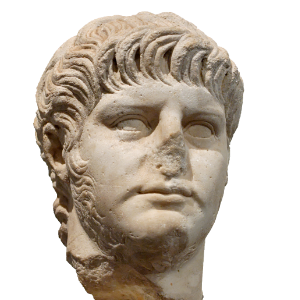
Roman emperor whose ceremonial reception of Tiridates I of Armenia established one of the earliest recorded links between Mithras and the Roman imperial court.
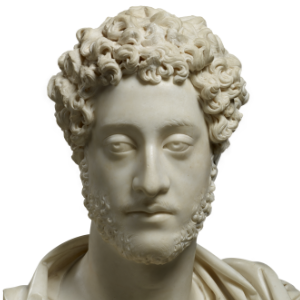
Roman emperor traditionally regarded as the first ruler initiated into the Mysteries of Mithras.
Roman settlement of Dacia superior located in the area of present-day Sibiu in Romania. The site became an important urban and military centre, later developed into the medieval city known as Hermannstadt in German and Nagyszeben in Hungarian.
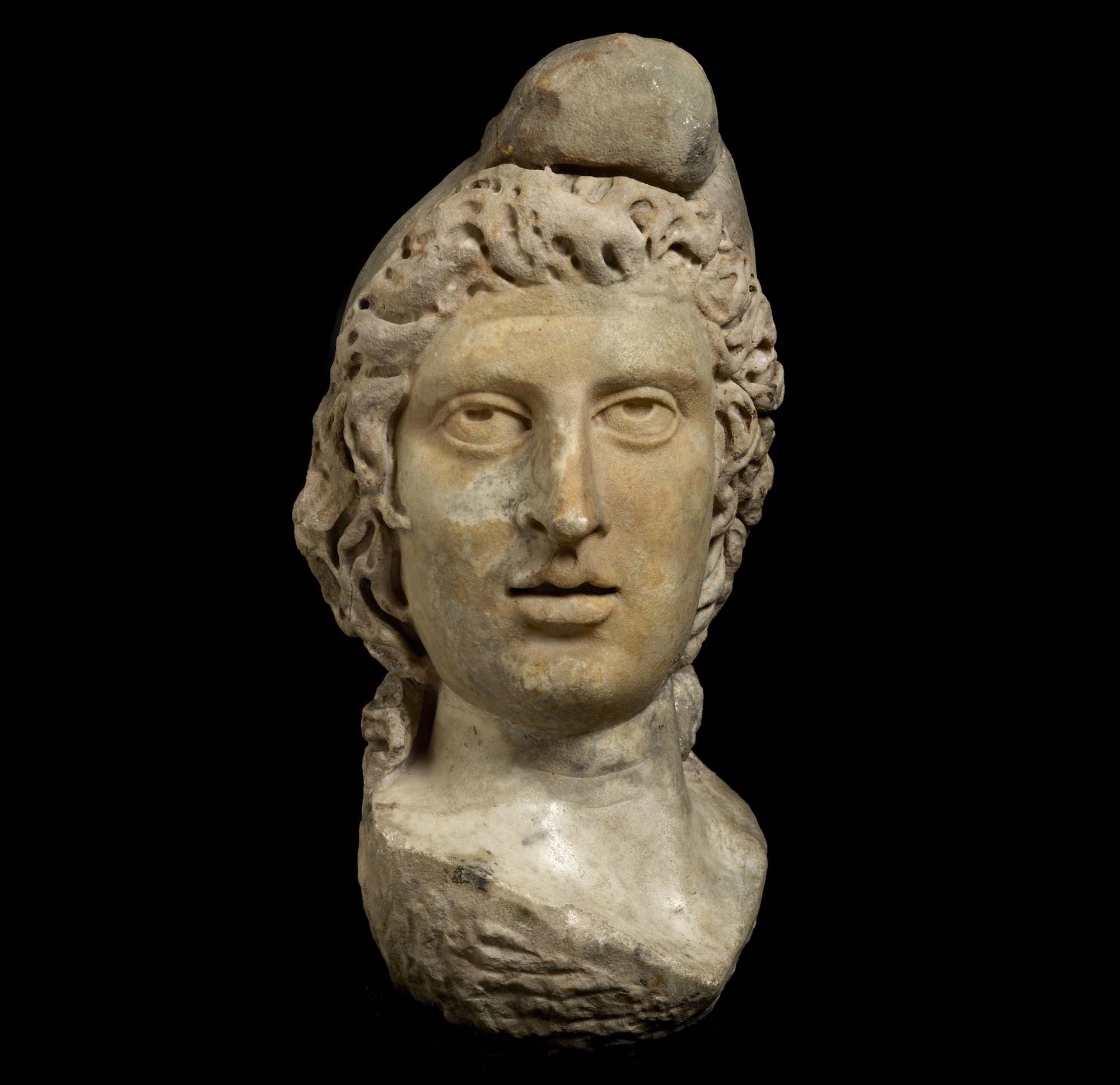
The Mithras's head of Walbrook probable belonged to a life-size scene of the god scarifying the bull.
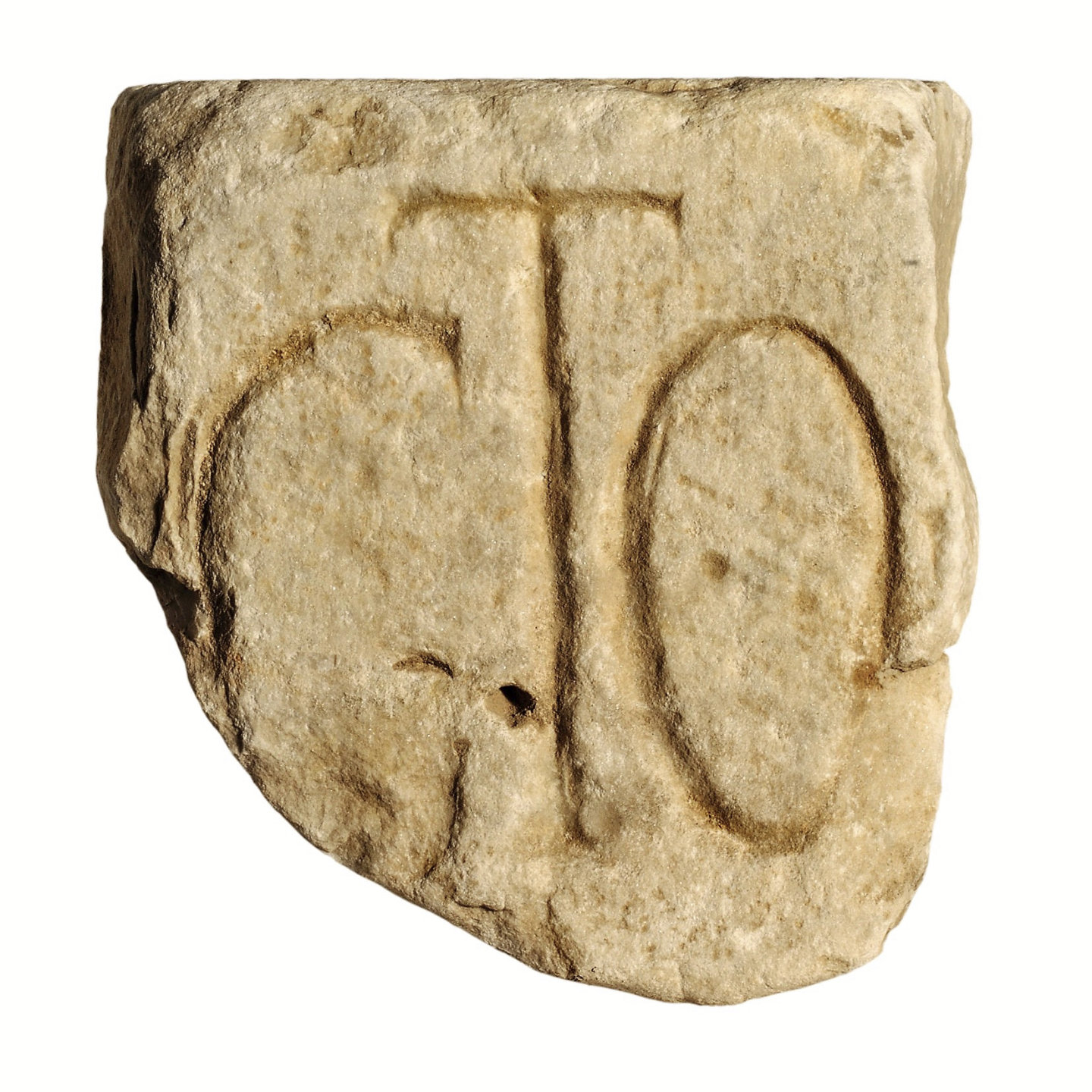
This fragment of the base of a statue from Tarragona, Spain, bears an inscription which appears to be dedicated to the invincible Mithras.
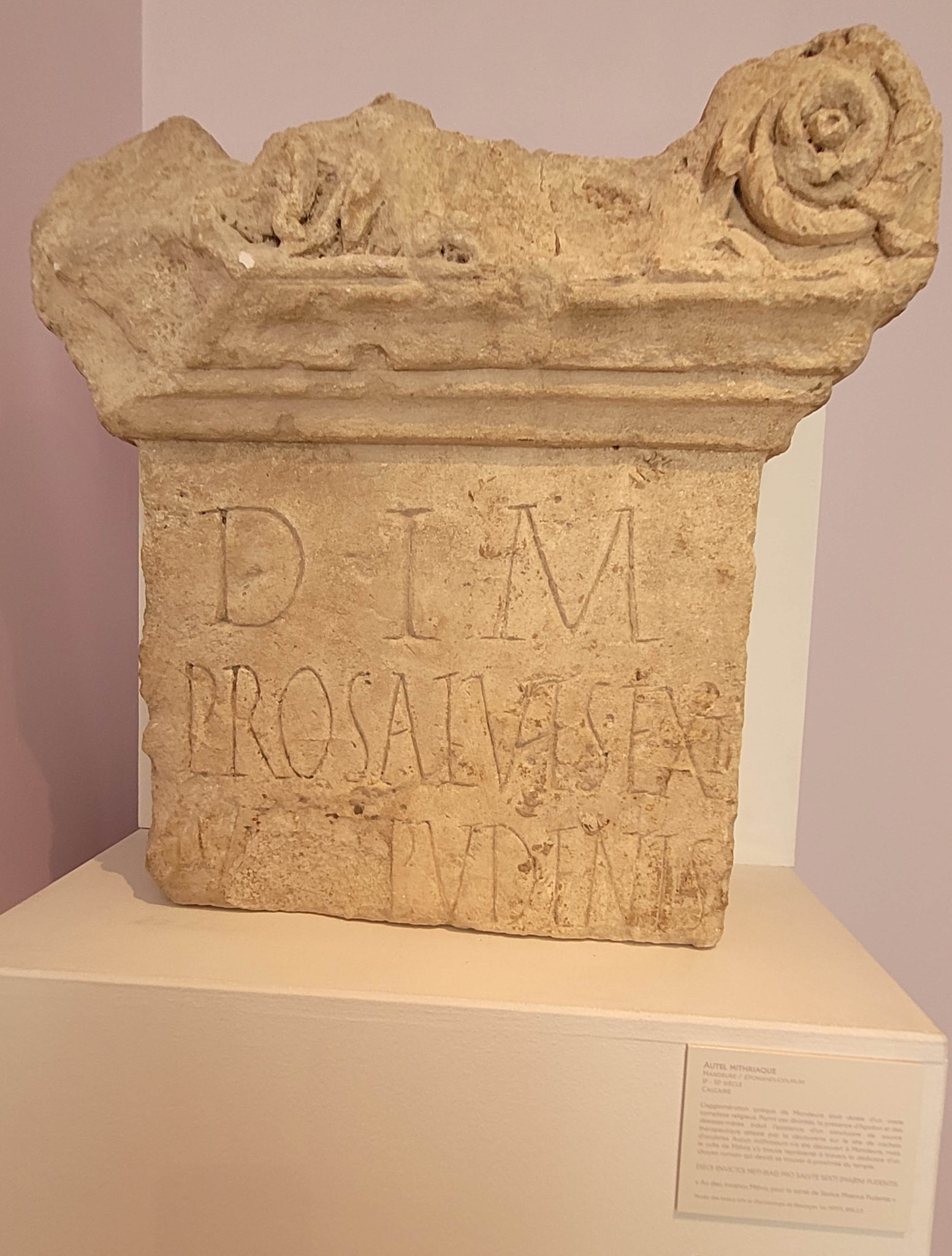
Stela dedicated to Mithras Invictus, found in 1895–1896 at Epamantodurum (modern Mandeure), in the territory of the civitas Sequanorum (Gallia Belgica). The inscription records a vow to Mithras Invictus made for the welfare of Sextus Maenius Pudens.
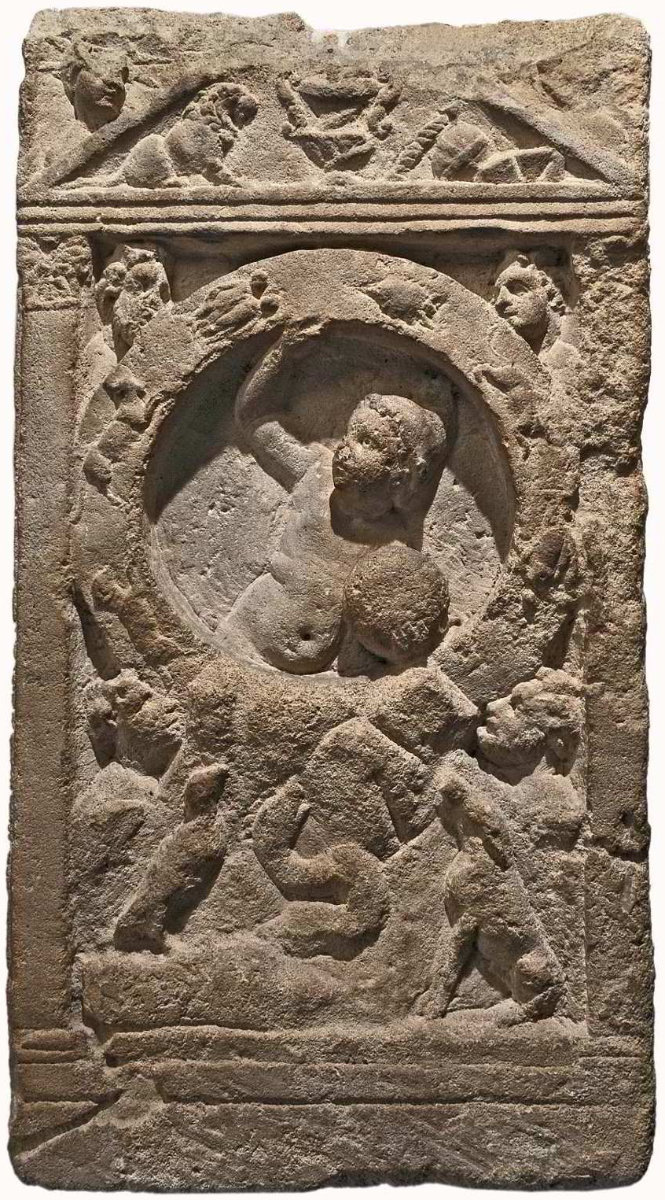
The relief depicts the birth of Mithras, holding a globe, surrounded by the zodiac.
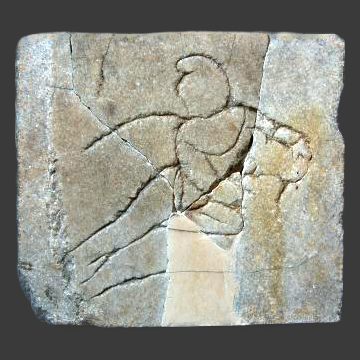
This unfinished Mithras tauroctonos without the usual surrounding animals was found in 1923 in Italica, near Seville, Spain.
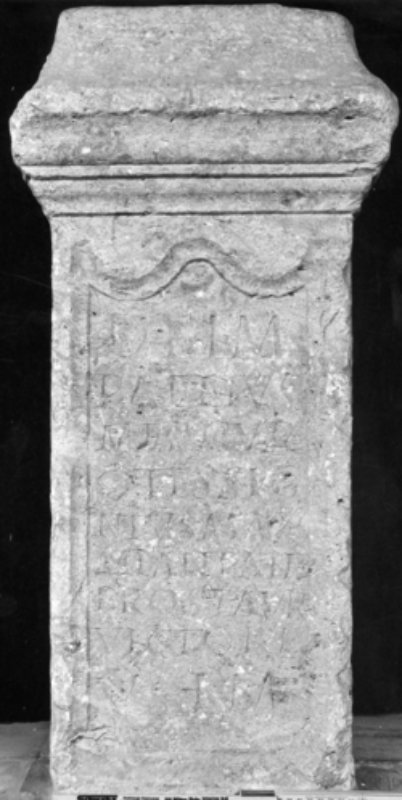
This altar to Mithras found in Aquilieia mentions several persons of a same community.
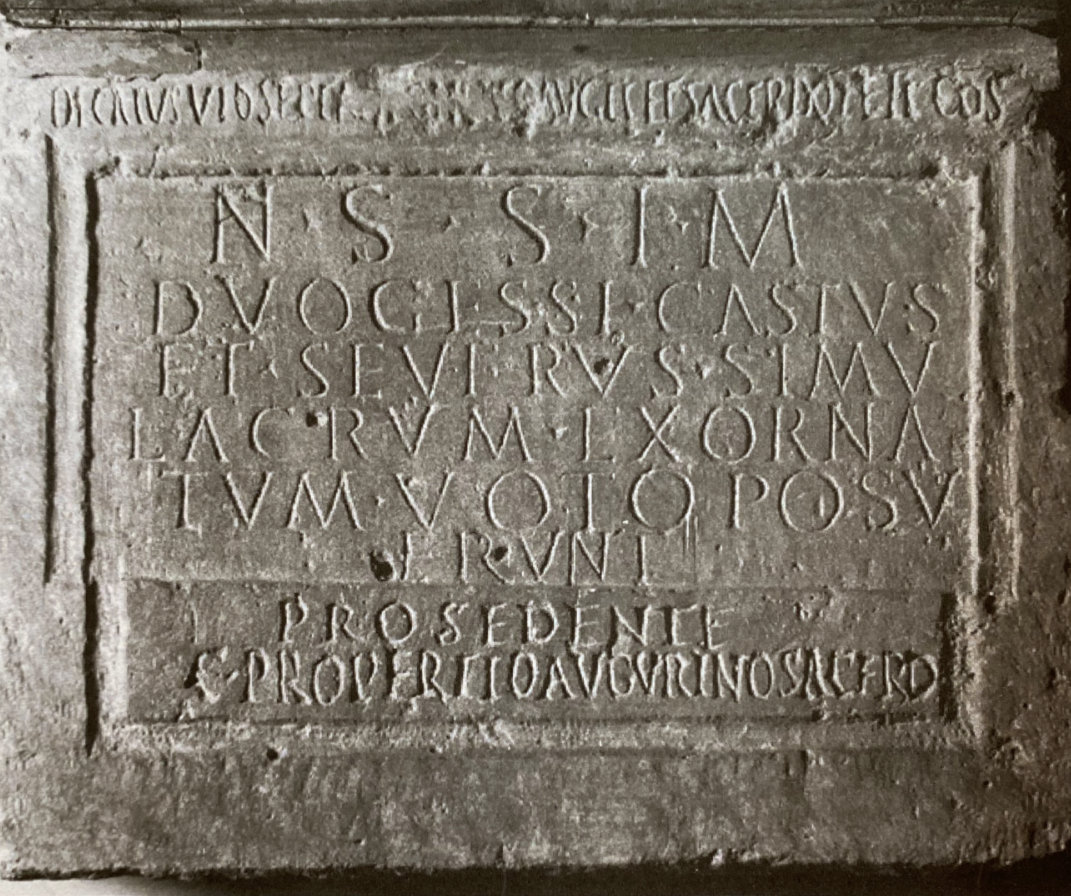
Gessius Castus and Gessius Severus have placed a decorated stutue and left testimony on this inscription below.

A decorated inscription with egg-and-dart moulding found in the castle of La Fratta near Montefalco in Umbria, bearing a brief dedication to Sol Invictus.
A subterranean room with a stucco depiction of Mithras slaying the bull, probably from the fourth century, discovered at Agurzano near Ponte Mammolo on the Via Tiburtina outside Rome.
A marble altar found in 1873 between the Baths of Diocletian and the Via di Porta Pia in Rome, dedicated to Sol Invictus Mithras by Sextus with Titus Flavius Ianuarius as antistes.
An inscription to Sol Invictus Mithras found in the Vigna Patritii outside the Porta Pia in Rome, dedicated by Aelius Victorinus, a veteran of the emperors honourably discharged, with M. Aurelius Romulus as antistes and sacerdos of the cult.
A marble funerary cippus from the Vigna Dionigi at Torre Pignatara outside Rome, dedicated to Sextineius Restitutus as most indulgent pater sacrorum by his children and mother, with a crown carved to the left of the final line.
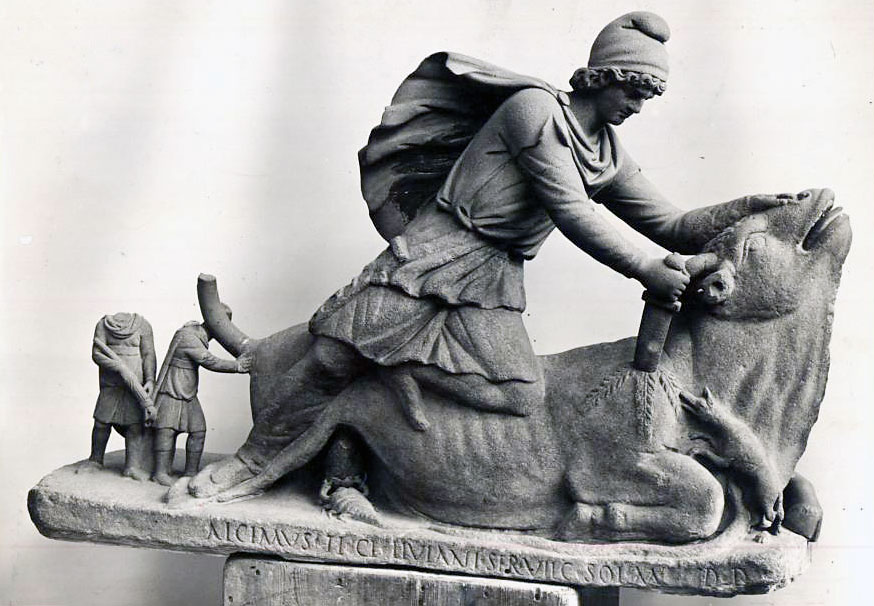
Greek inscription dedicated to Sol Invictus Mithras by Balbillus, saved from the waters, in the presence of Bassus the priest, belonging to the Mithraic grade of Leo.
