Your search Castle Park, Colchester, Essex gave 83 results.

Storgosia was a Roman road station and later a fortress, located in the modern Kaylaka Park in the vicinity of modern Pleven (North-central Bulgaria). Pleven is today the seventh most populous city in Bulgaria.
Emona or Aemona was a Roman castrum, located in the area where the navigable Nauportus River came closest to Castle Hill, serving the trade between the city’s settlers – colonists from the northern part of Roman Italy – and the rest of the empire.
Zerzevan Castle, also known as Samachi Castle, is a ruined Eastern Roman castle, a former important military base, in Diyarbakır Province, southeastern Turkey.
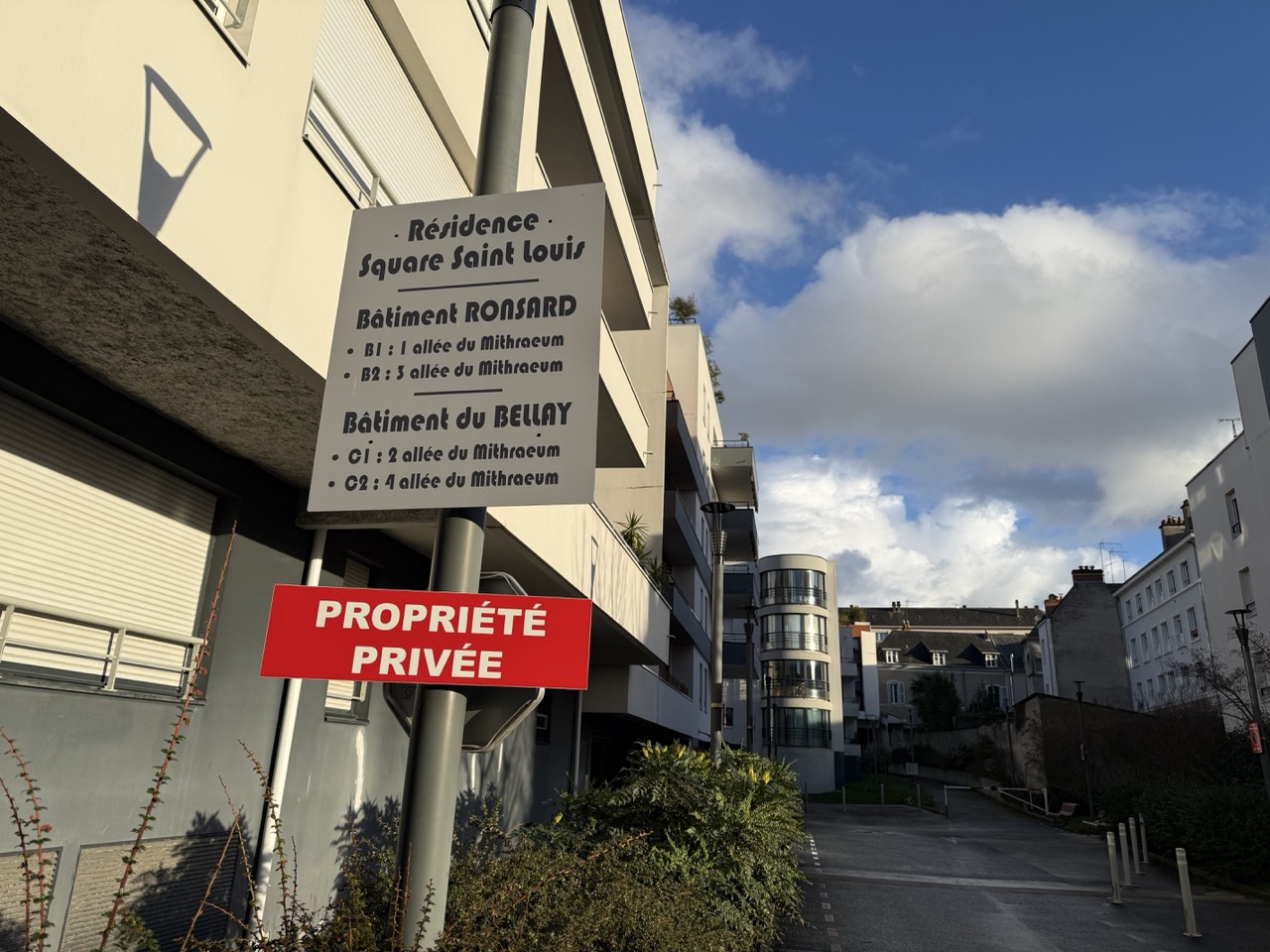
The Mithraeum of Angers, excavated during a preventive operation and subsequently dismantled in 2010, yielded numerous objects, including coins, oil lamps, and a ceramic vessel bearing a votive inscription to the invincible god Mithras.
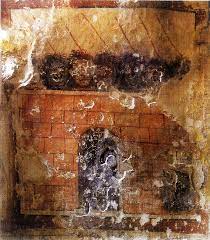
The City of Darkness unique fresco from the Mithraeum of Hawarte shows the tightest links between the western and eastern worship of Mithras in Roman Syria.
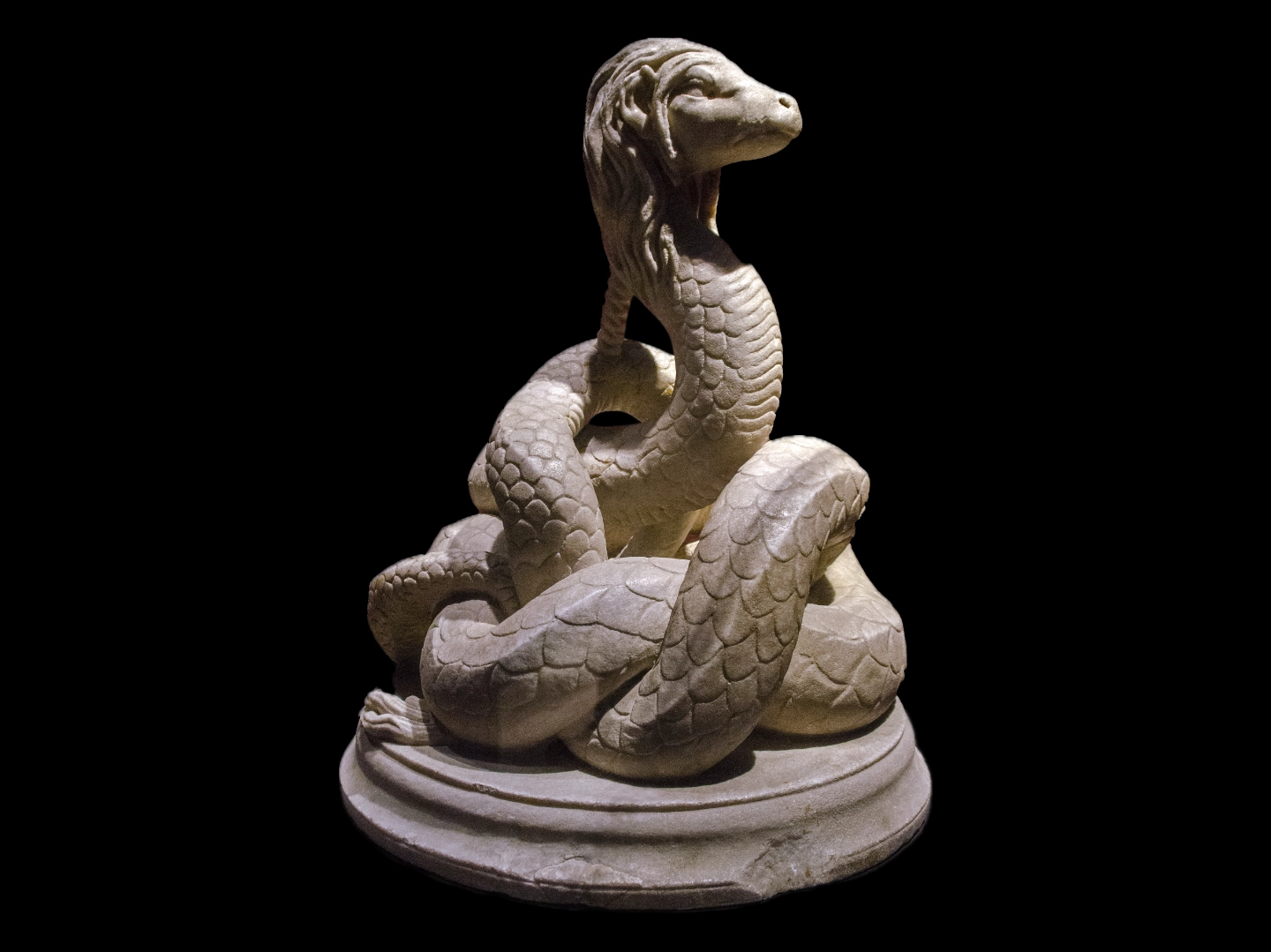
At Rome’s twilight, amid political upheaval and Christian ascendancy, Vettius Agorius Praetextatus embodied pagan intellect, virtue, and authority across senatorial, military, and mystical spheres.
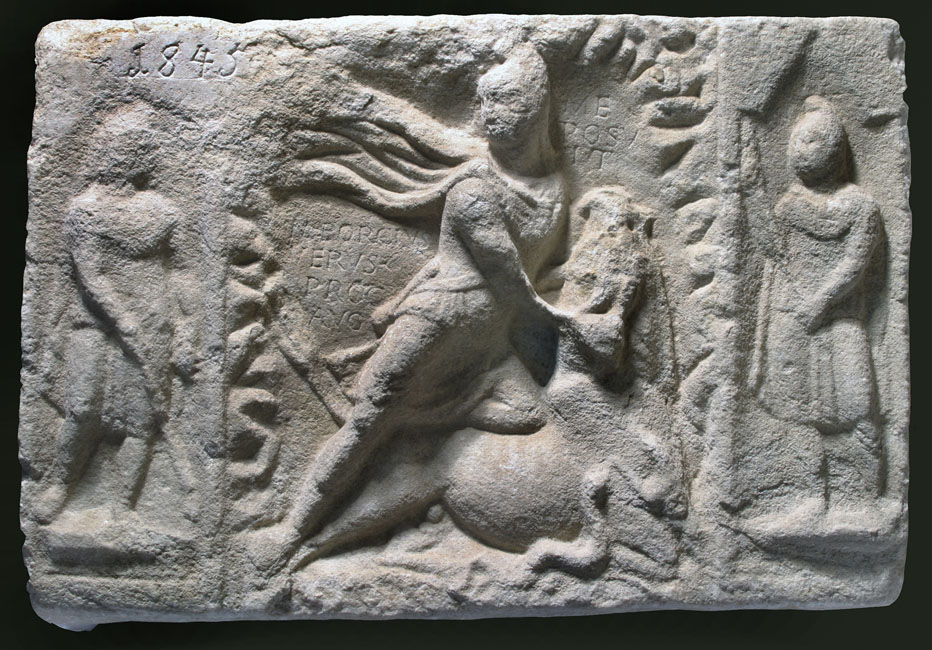
This relief of Mithras tauroctonus and other finds were discovered in 1845 in Ruše, where a Mithraeum probably existed.
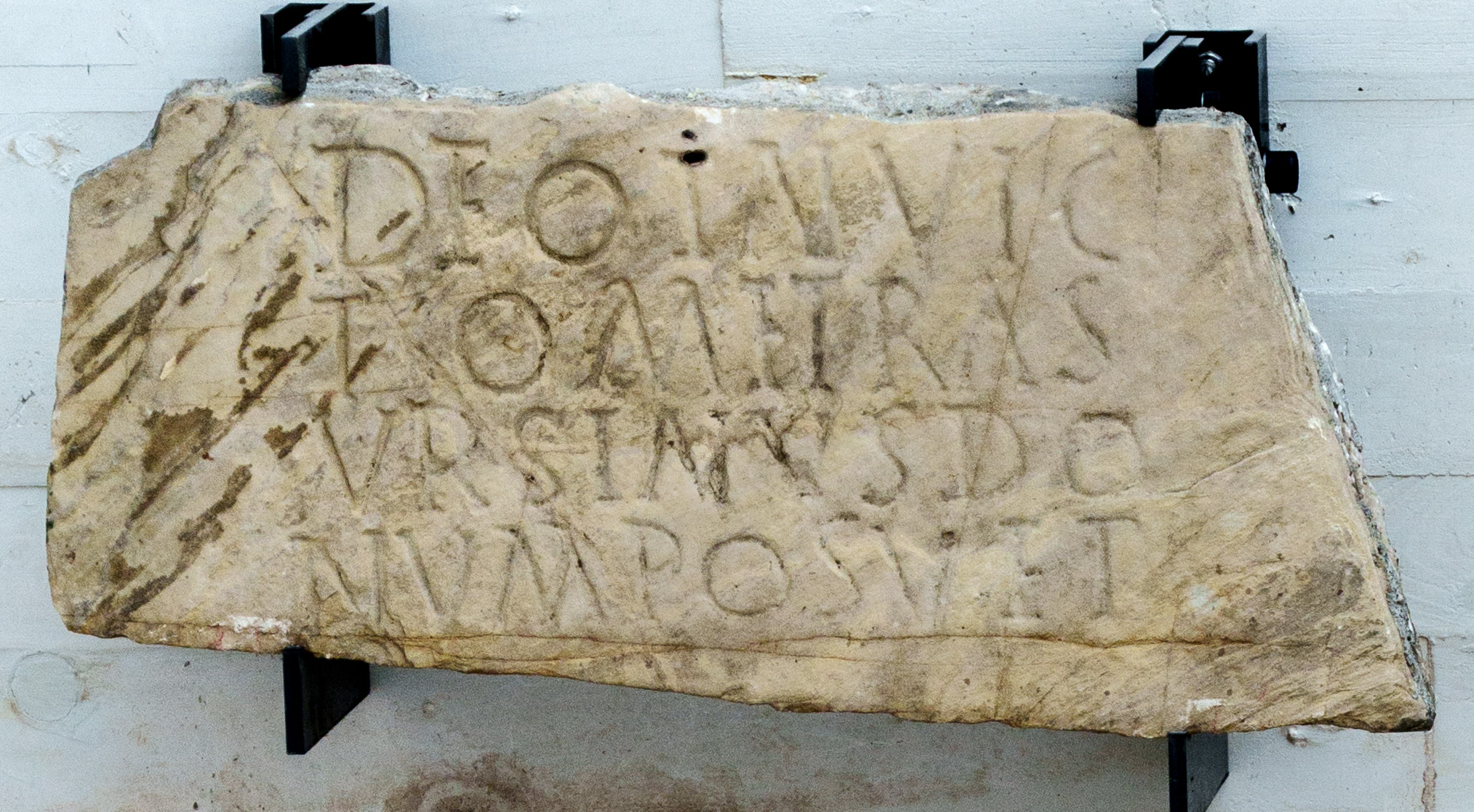
Marble plaque with inscription by a certain Ursinus found in Virunum in 1838.
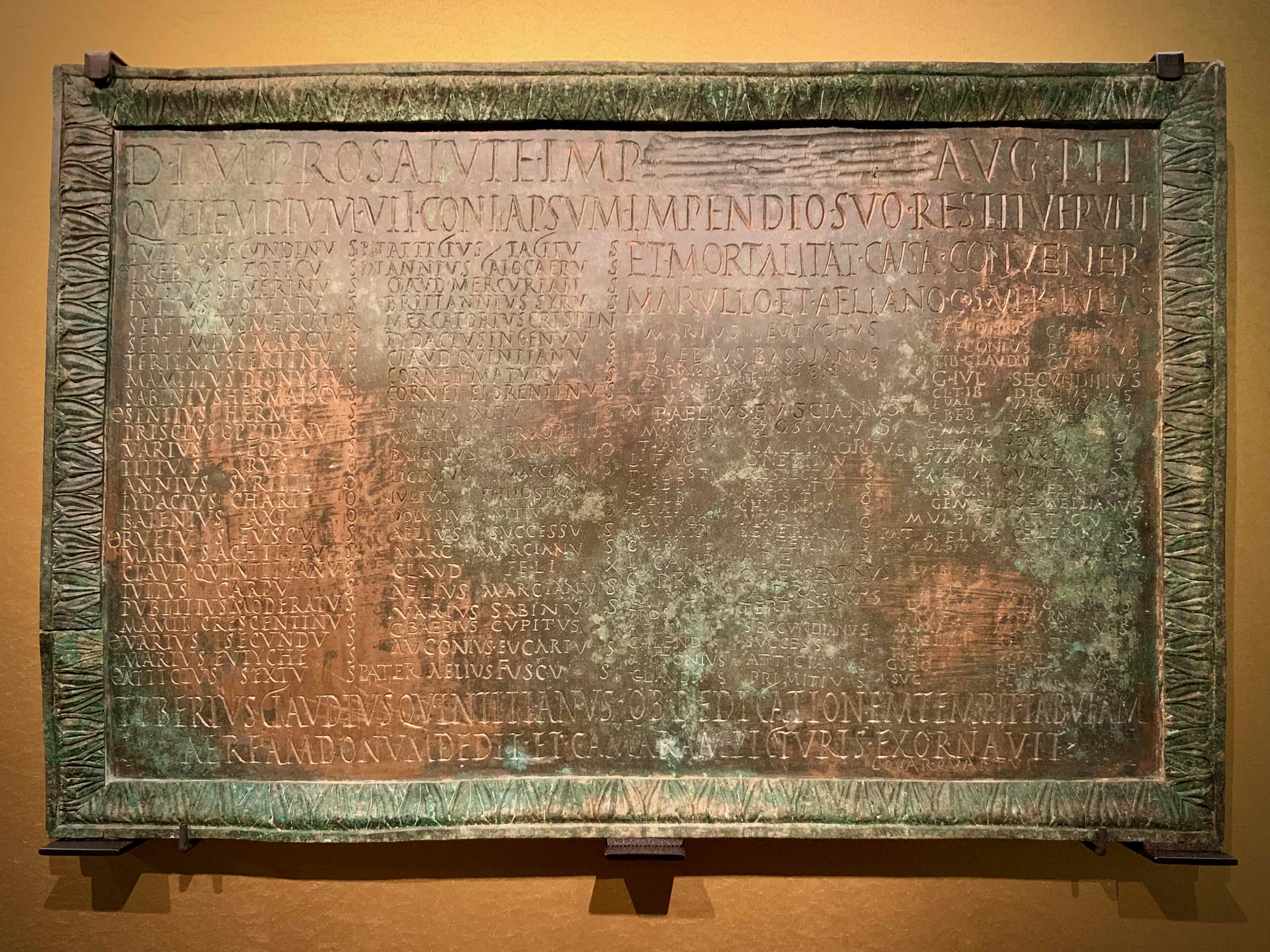
The bronze bears the dedication of a restoration of a Mithraeum carried out in 183.


Saul cutting the oxen to pieces poses as Mithras Tauroctonos in this painting, which adorns the mantelpiece of Henry II’s bedroom at the Château d’Écouen near Paris.

Dion Chrysostom, c. 100 A.D., a philosophical writer under the emperors Nerva and Trajan, composed a series of discourses or essays (λόγοι) on various subjects, in one of which he reports concerning the doctrines and practices of the magi.
Prefect, probably of Cohors II Tungrorum, who dedicated an altar to the invincible sun god Mithras in Camboglanna, Britannia.
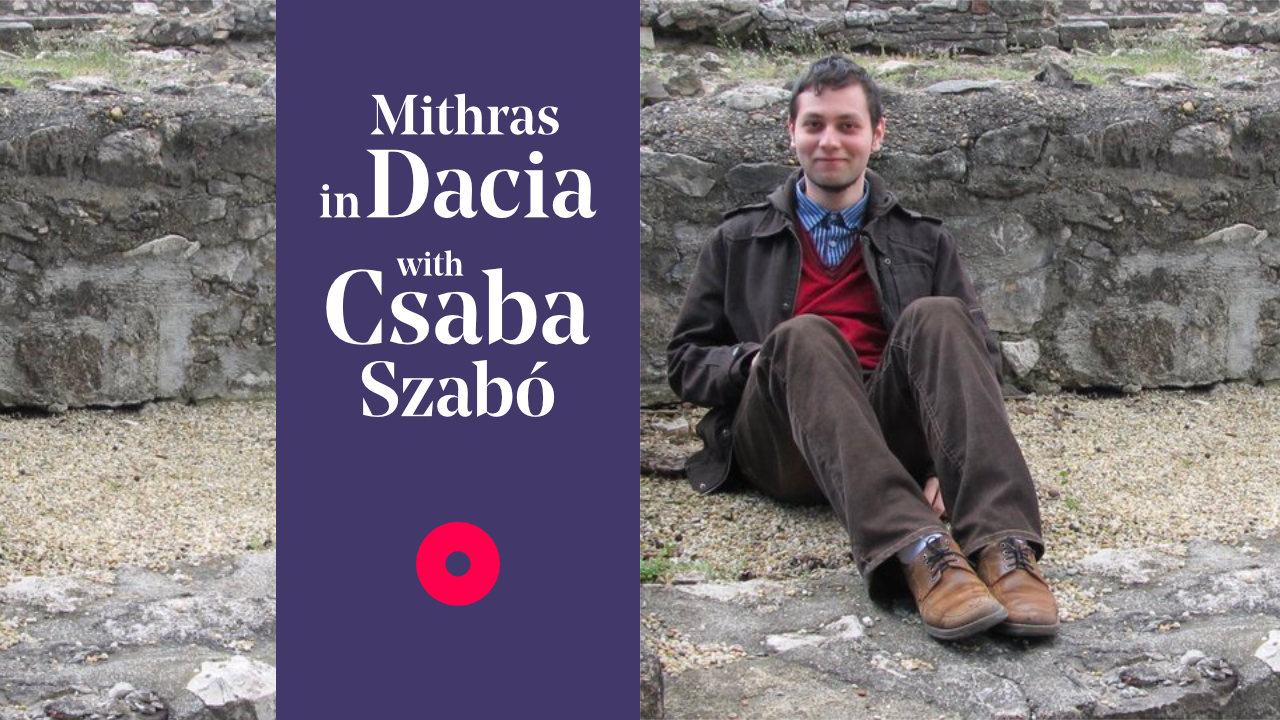
Exploring religion, rituals, archaeological insights, and historical impact of the Cult of Mithras in the Danubian provinces.

Exploring religion, rituals, archaeological insights, and historical impact of the Cult of Mithras in the Danubian provinces.

Tracing the links between the cult of Mithras and the Proud Boys’ quest for identity, power, and belonging. How ancient rituals and brotherhood ideals resurface in radical modern movements.

Over the last century or so, a great deal has been said about the god Mithras and his mysteries, which became known to the European world mainly through his Roman cultus during the Imperial Period.

The remains of the Mithraeum of Aosta, also known as the Mitreo di Augusta Praetoria, were discovered in 1953 in insula 59, in a commercial district of the ancient city.
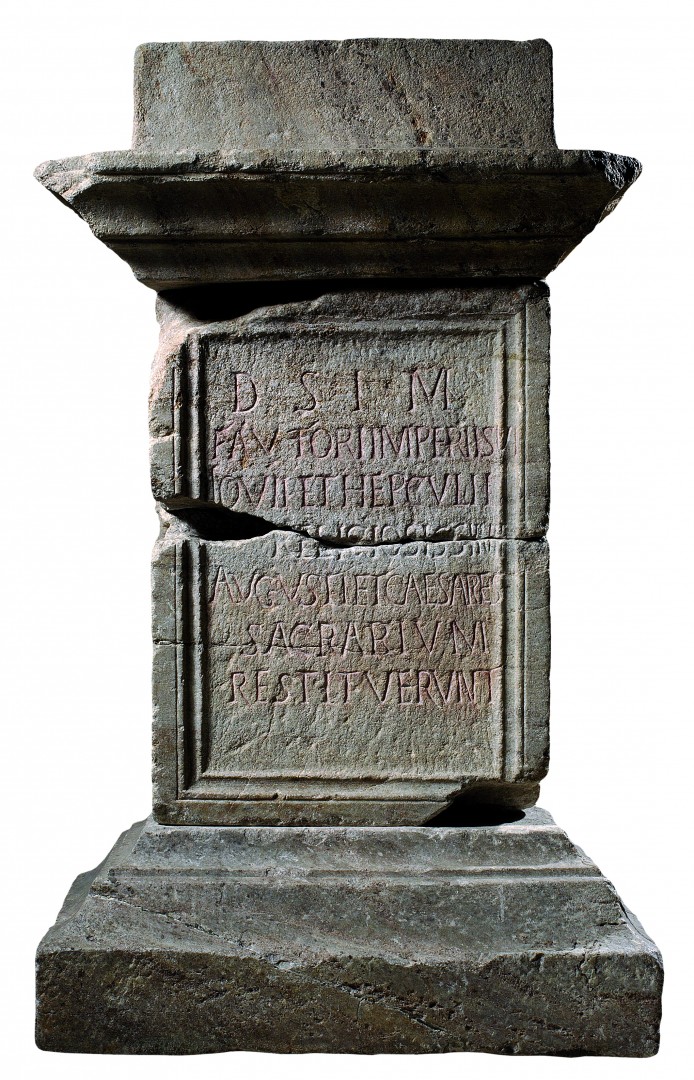
Altar with Cautes and Cautopates dedicated to Sol Invictus Mithras as protector of the Tetrarchy in 3rd-century Carnuntum.
