Your search Catacombe dei Santi Marcellino e Pietro gave 243 results.
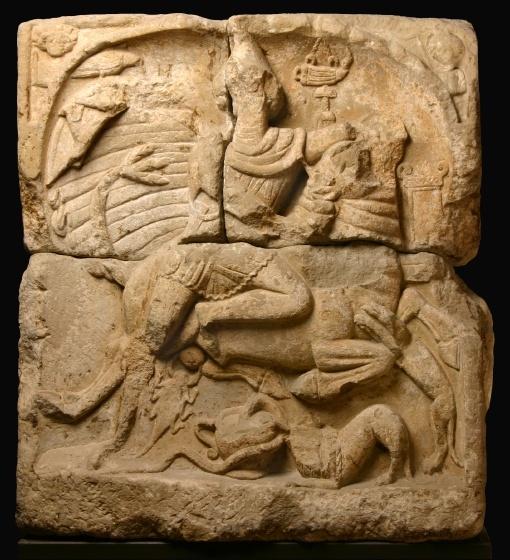
This relief of Mithras killing the bull, now on display in Stuttgart, includes a small altar with a sacrificial knife and an oil lamp.
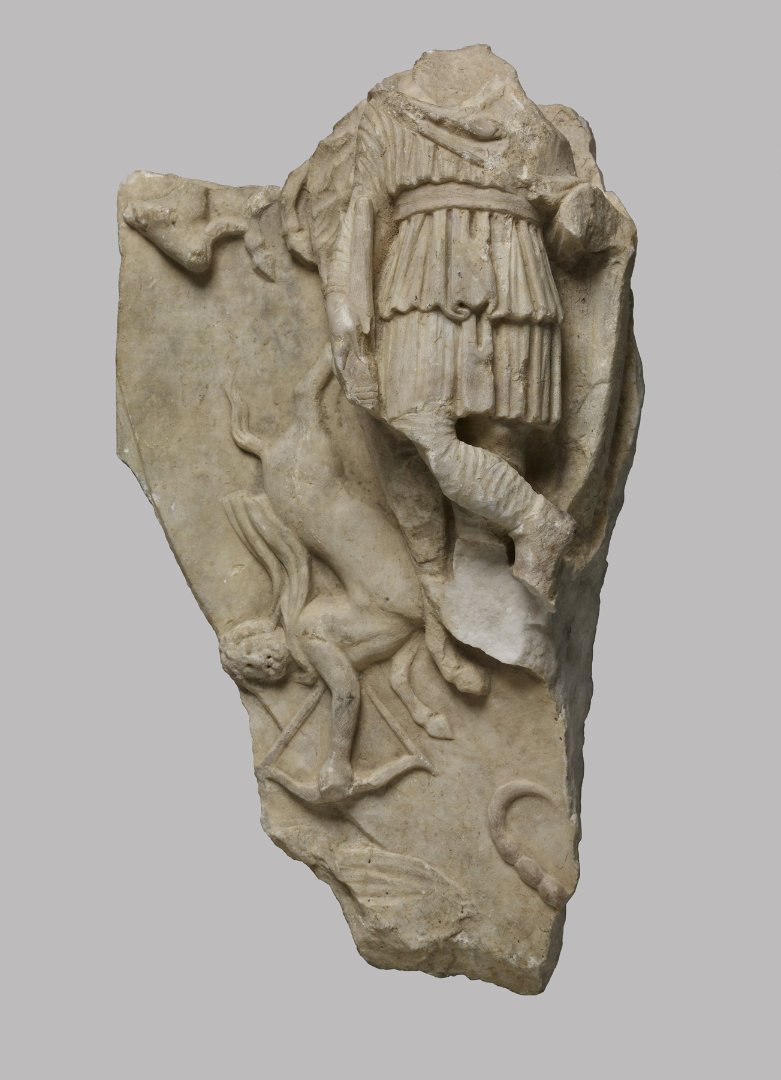
This fragmentary relief shows Cautopates bordered by three of the six zodiacal signs with which He is associated: Capricorn, Sagittarius and Scorpio.
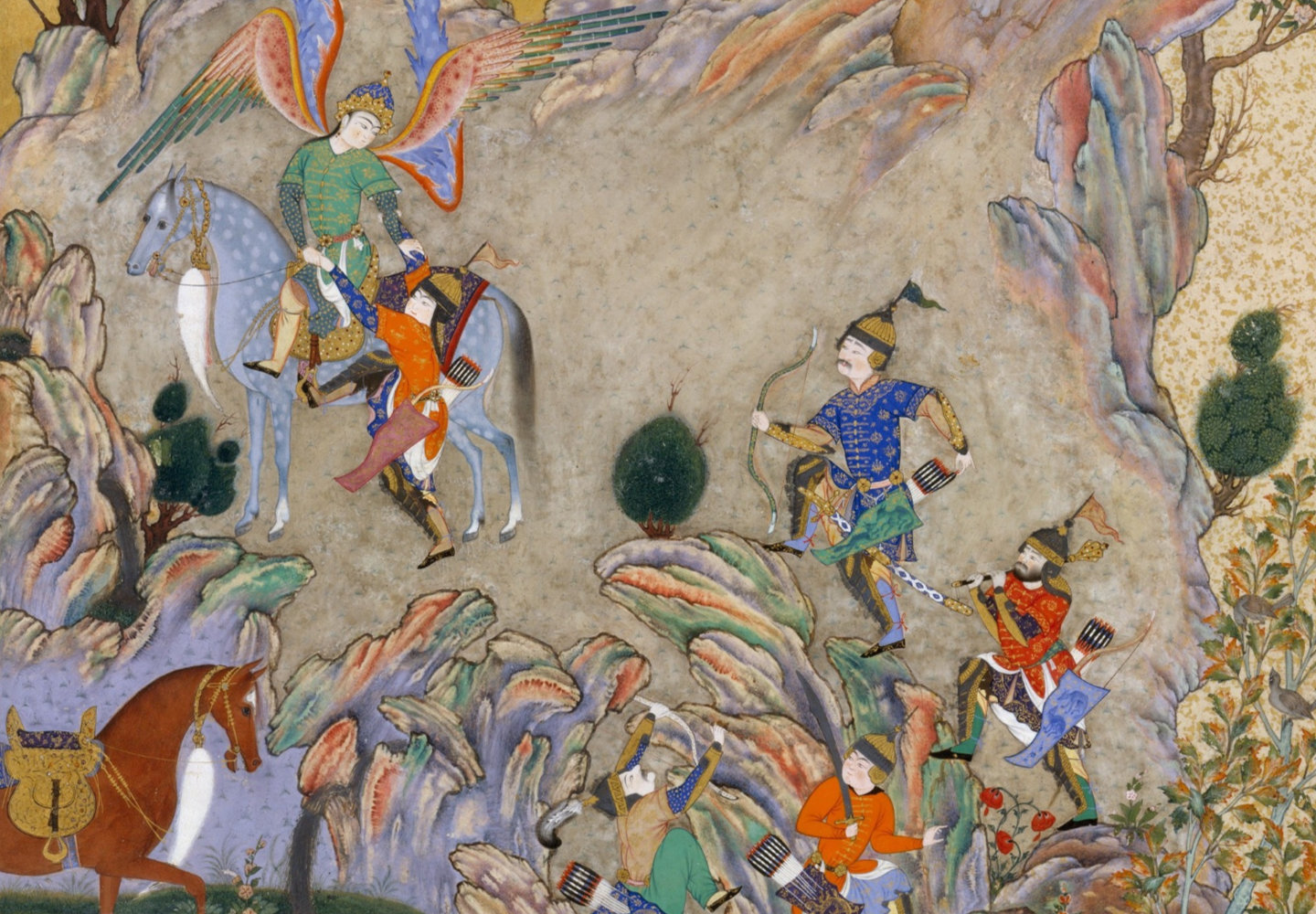
We propose to revisit a passage by the prolific author Marteen Vermaseren that highlights correspondences today forgotten between the Roman Mithras and its Eastern counterparts.
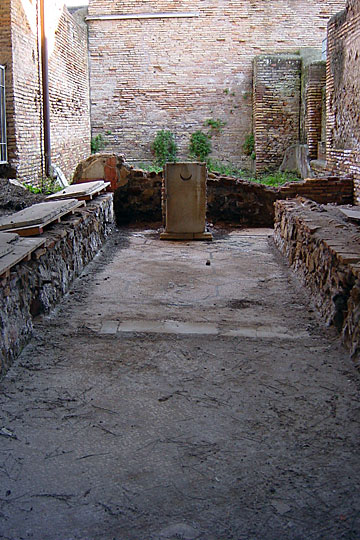
The Mithraeum of Lucretius Menander was installed in the early 3rd century in an alley to the east of a Hadrianic building named after the solar god temple.
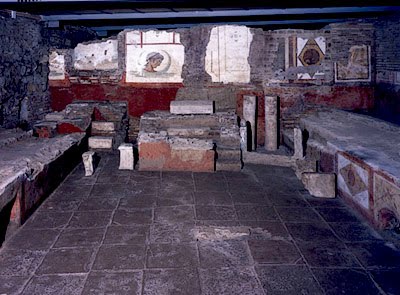
The Mitreo dei Castra Peregrinorum was discovered under the church of Santo Stefano Rotondo in Rome.
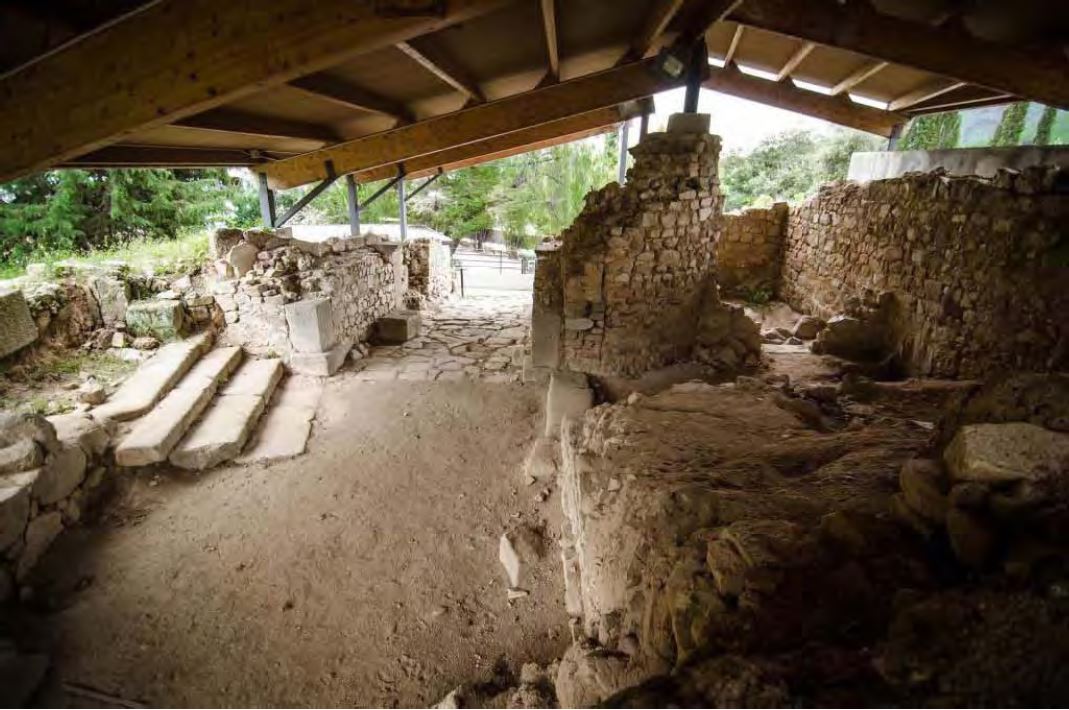
The Roman villa of Can Molodell had a sanctuary that has been related to the cult of Mithras.

This monument to the invincible god Mithras was inscribed on the façade of the church of Aiello deil Friuli, Aquileia.
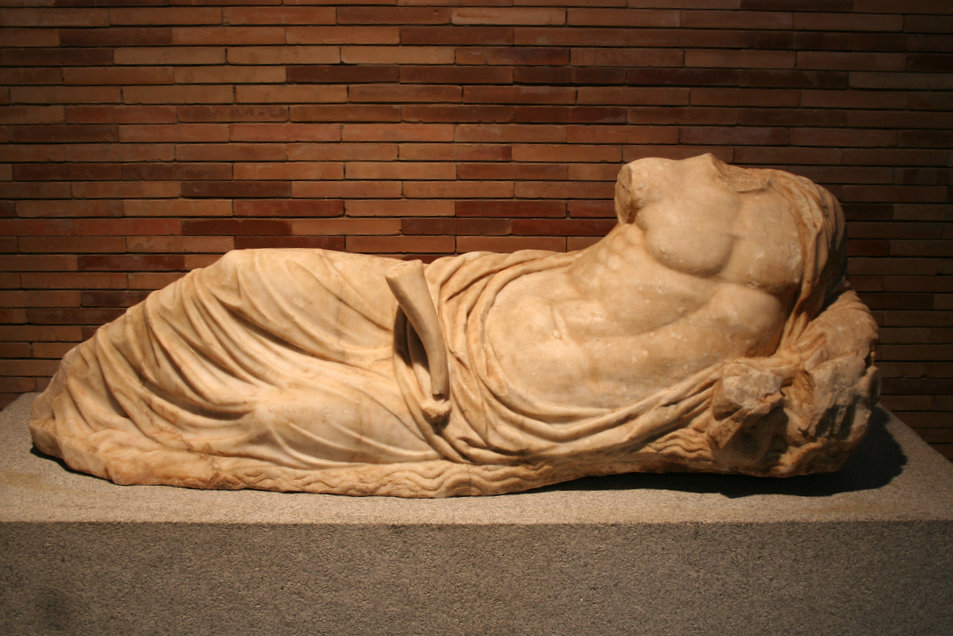
The sculpture of Oceanus in Merida bears an inscription by the Pater Patrorum Gaius Accius Hedychrus.
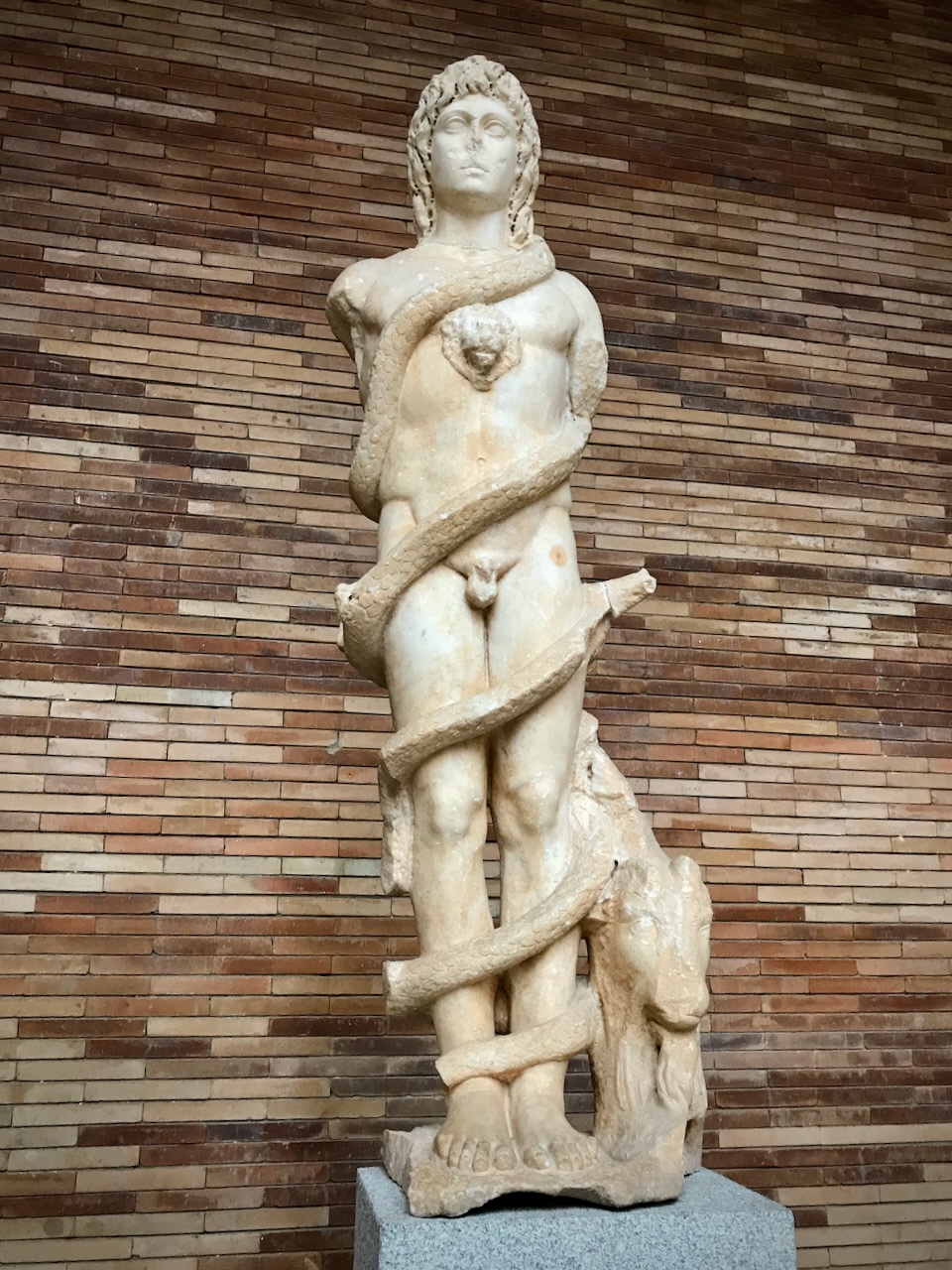
The Aion-Chronos of Mérida was found near the bullring of the current city, once capital of the Roman province Hispania Ulterior.

Roger Beck revisits the zodiac circle of the Mithraeum on the island of Ponza, a composition unique within the Mithraic corpus. His reading places the monument in relation to cosmology, ritual space, and Mithraic doctrine.
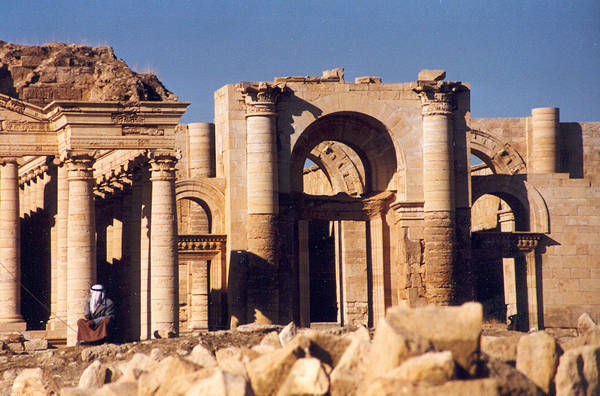
The city of Hatra was famed for its fusion of several civilization cults, which several temples devoted to gods from all Indo-European world.
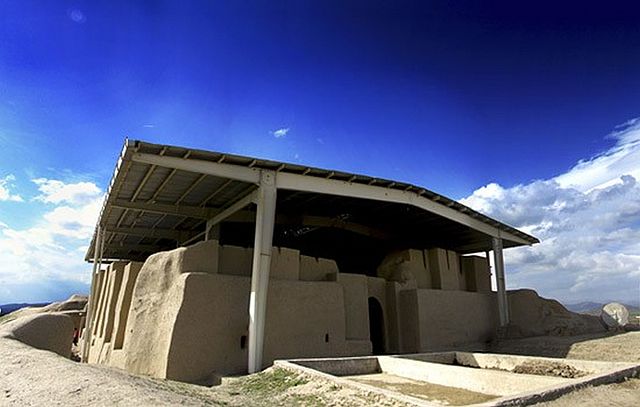
The Nushijan Mithraeum testifies to the worship of Mithra in the region since before the Zoroastrian reform.
This temple of Mithras on the north side of the Capitoline Hill in Rome no longer exists.
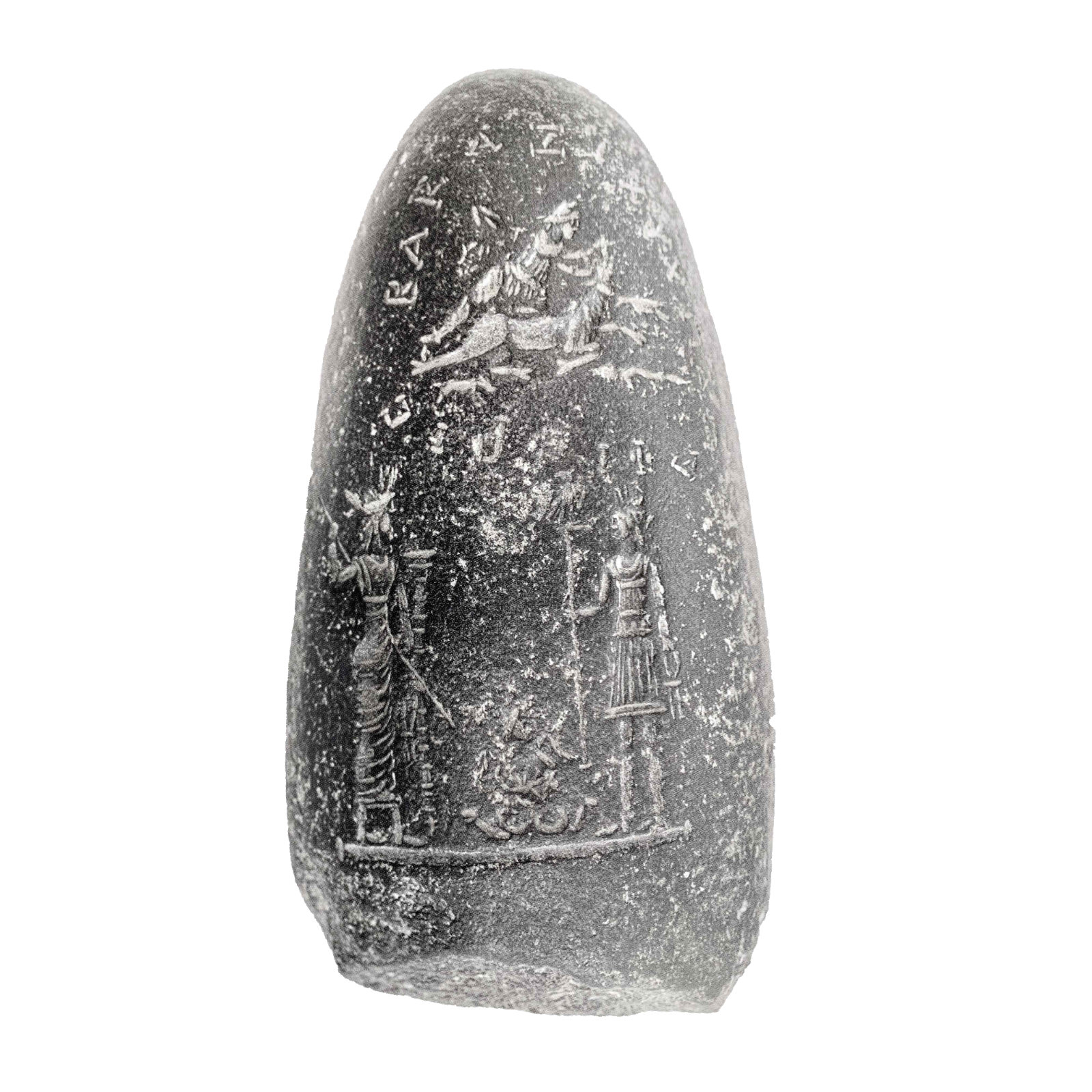
According to Christopher A. Faraone, the axe-head from Argos belong to a category of thunderstones reused as amulets.
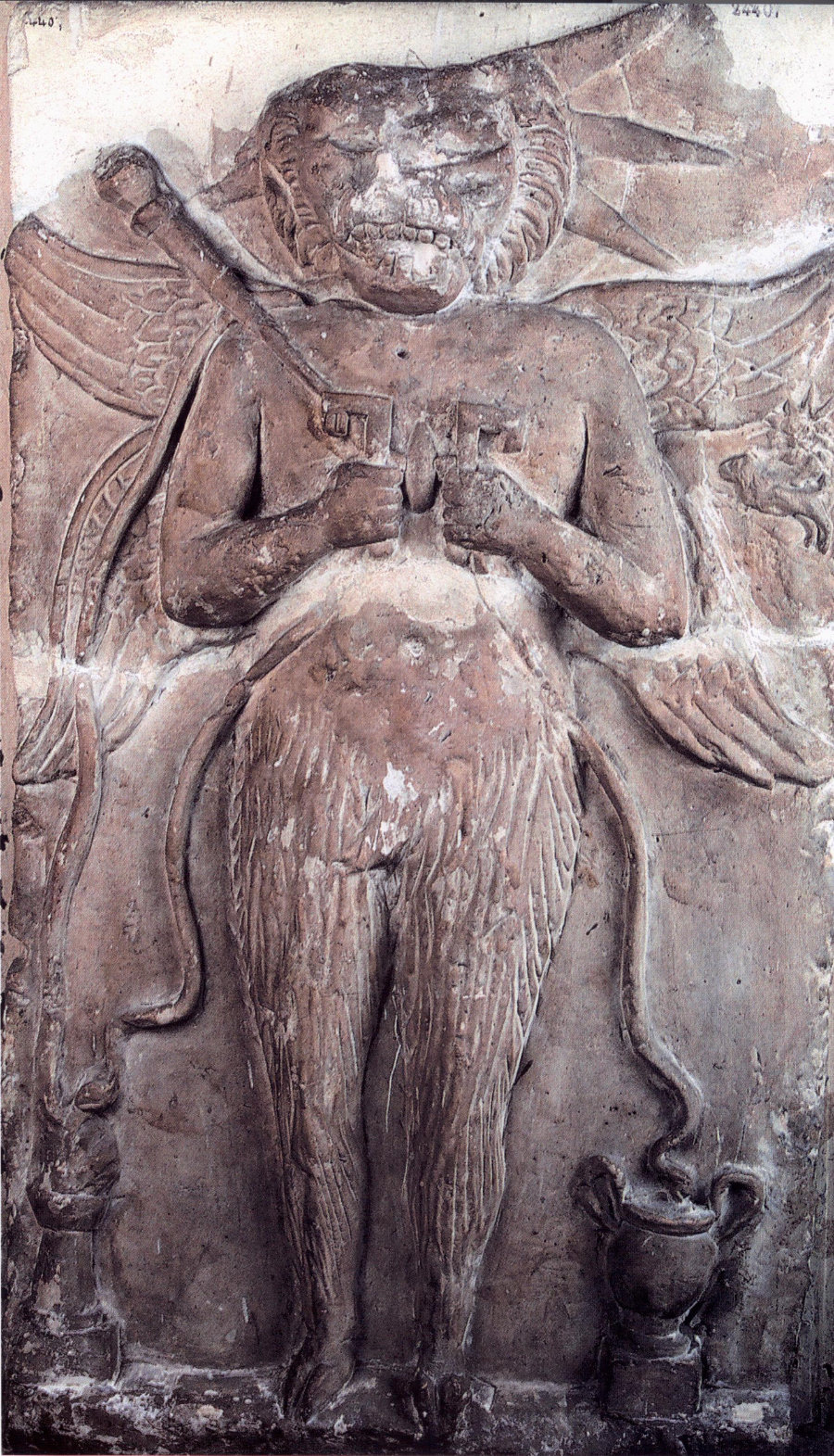
According to Pettazzoni Aion in general finds its iconographical origin in Egypt. Mithras must have been worshipped in Egypt in the third century B.C.
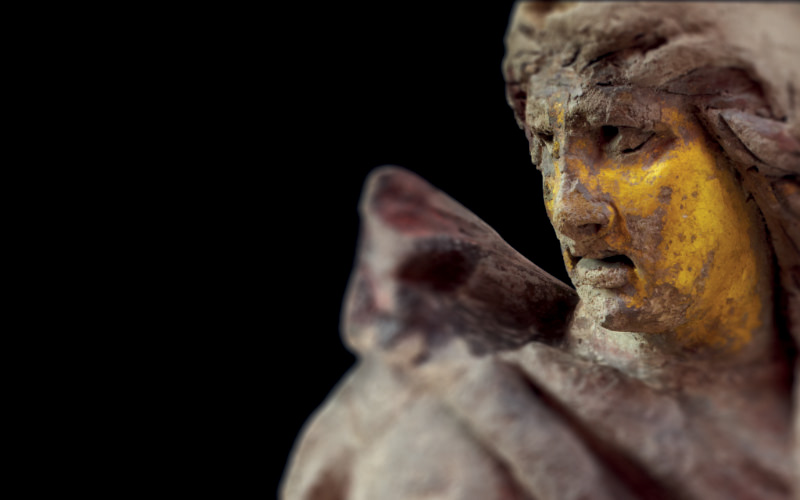
Three European museums celebrate Mithras with a continental exhibition featuring more than 200 works of art from Roman times to the present day.
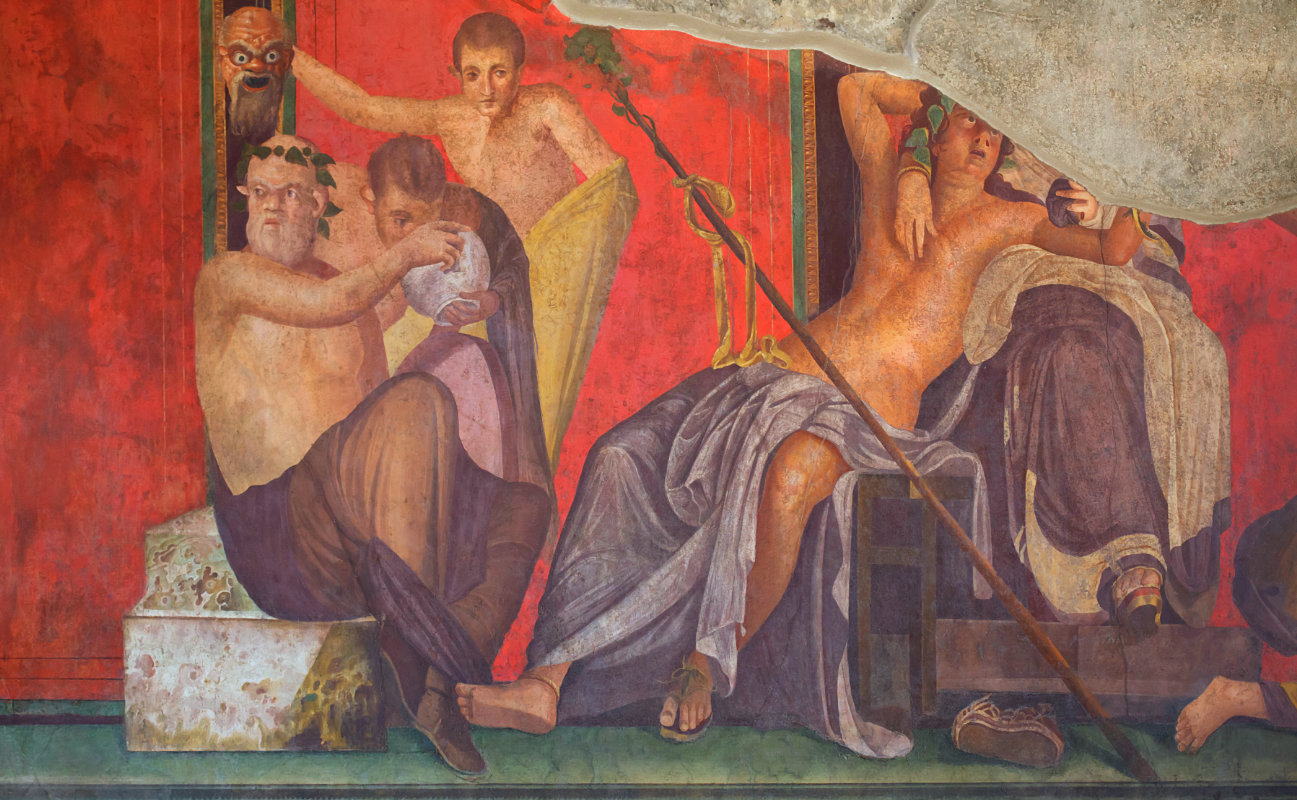
Peter Mark Adams: ‘The initiation was a frightening experience that caused some people to panic as a flood of otherworldly entities swept through the ritual space.’.
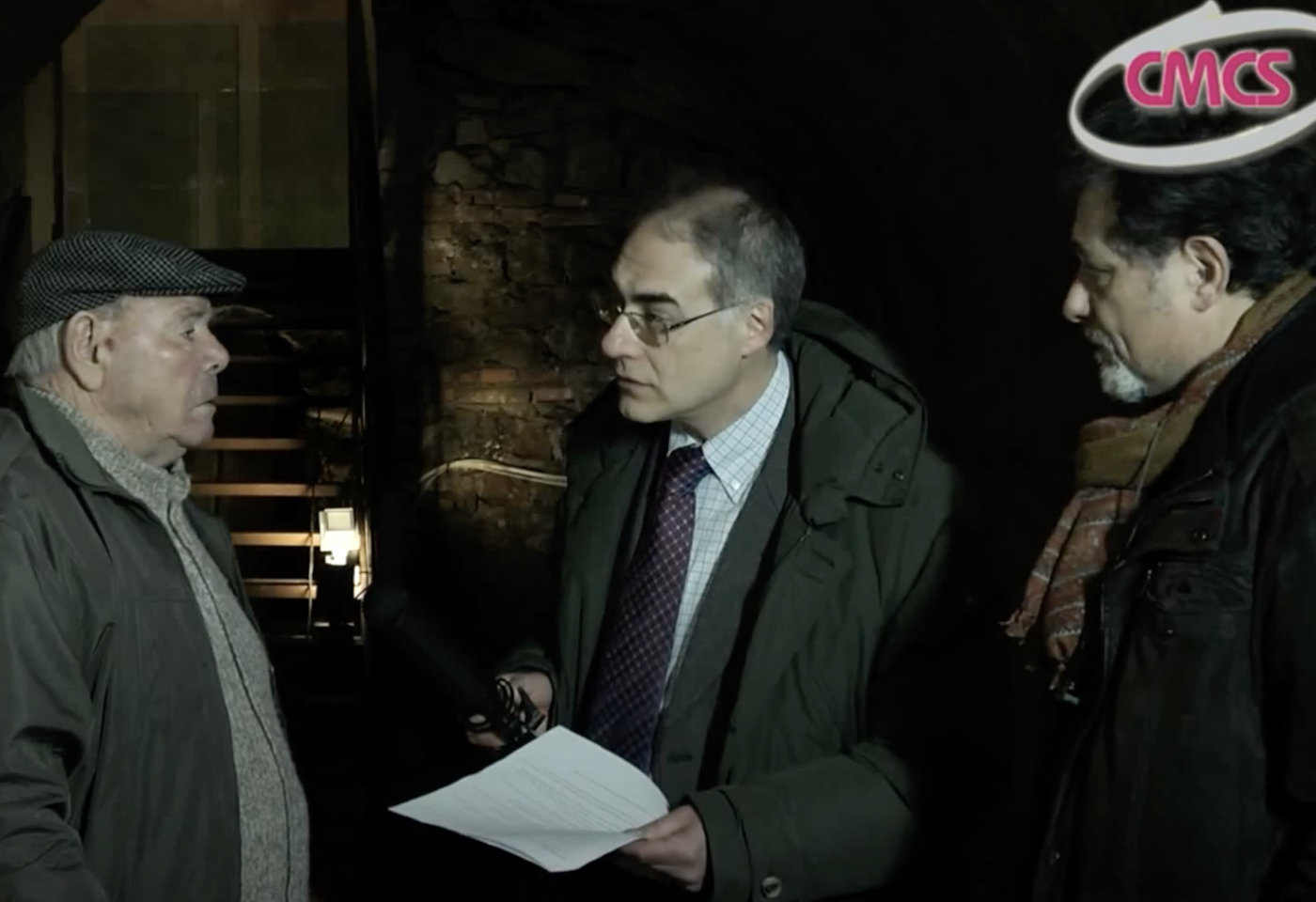
Interview to one of the workers who participated in the discovery of the temple of Mithras of Marino, Rome.
The article reveals the context in which the first public appearance of Mitra happened to answer two questions: who were the first people to give prominence to this deity, and for what purpose they did so.
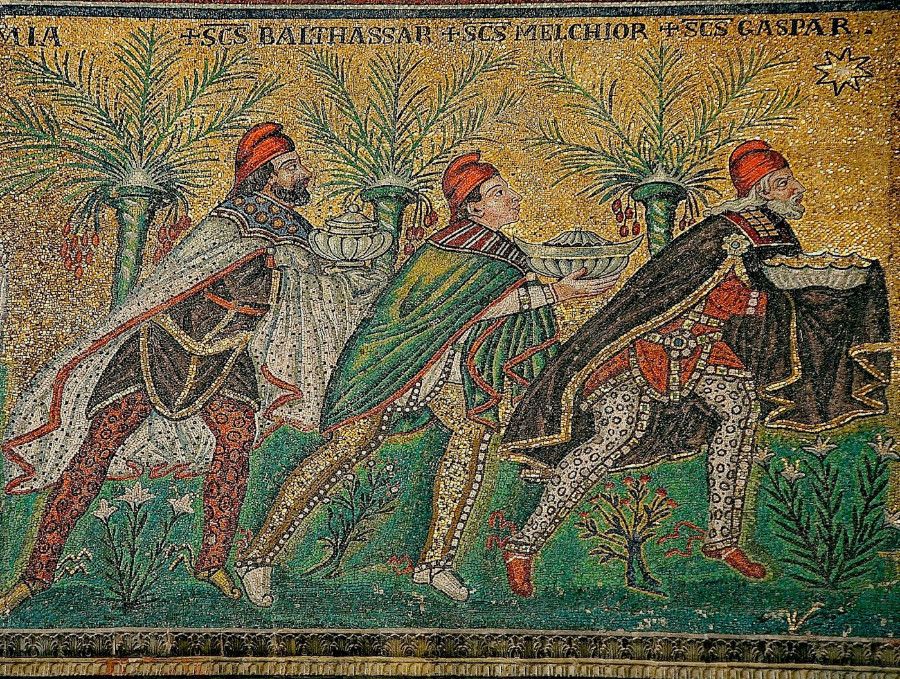
Despite the current political landscape of the US, we can look to antiquity to see that the red cap was actually once a symbol of citizenship and welcome to the foreigner.
