Your search Domus Flavia gave 72 results.
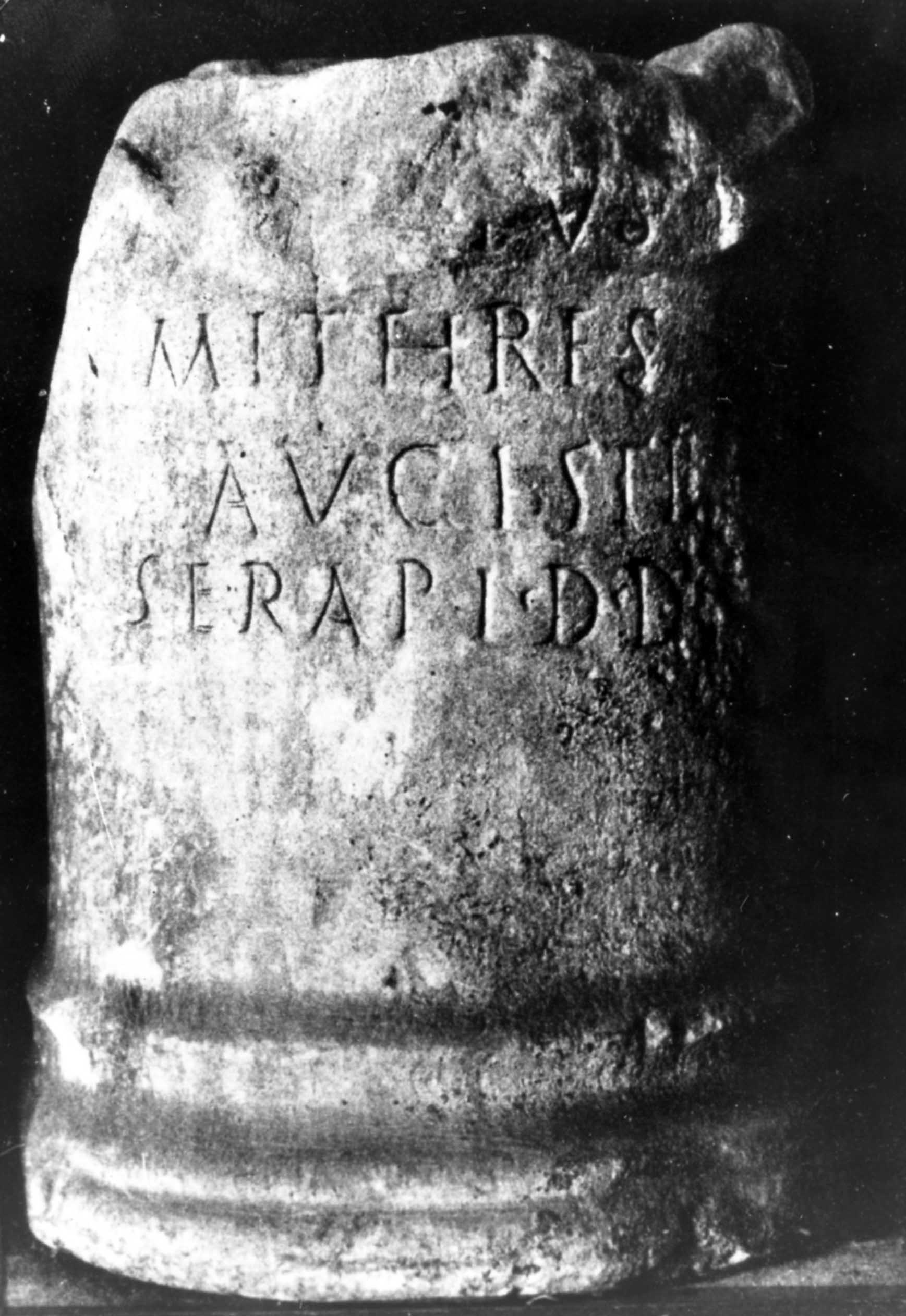
This monument, found in the Domus Flavia in Rome, bears an inscription by a certain Aurelius Mithres.
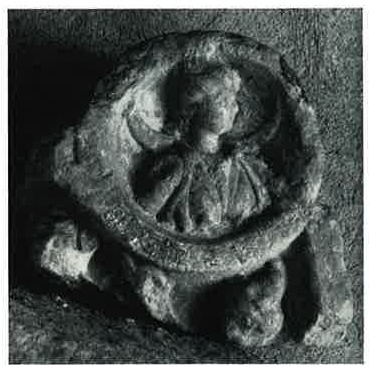
White marble relief fragment from near Klein-Wagna, ancient Flavia Solva in Noricum, preserving part of a tauroctony scene including the bull, Mithras's dagger, and the torchbearers.
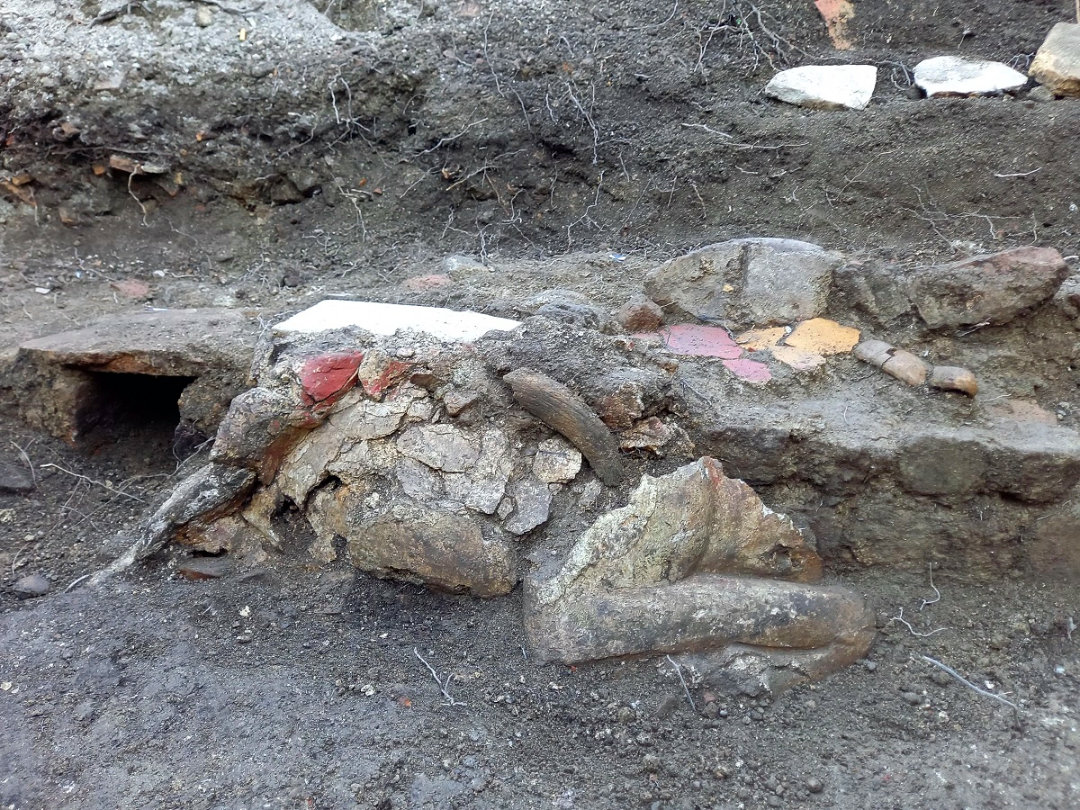
Archaeologists discovered the 20th temple dedicated to Mithras in Ostia during the restoration of the domus del capitello di stucco in 2022.

An altar found in 1889 at Caldas de Reyes (ancient Iria Flavia) in Galicia, bearing a fragmentary dedication to Cautes, possibly by a person named Antonius.

Iria Flavia became an important settlement in northwestern Hispania and later evolved into the modern town of Padrón.
Flavia Solva became one of the principal urban centres of southern Noricum.
Epigraphic testimony catalogued in the Année Épigraphique and Lugli’s Fontes for ancient Rome.
Marble plate recording the construction of a centenarium Solis by the governor Septimius Flavianus, found at Bir Haddada in the Ager Sitifensis, dated 315/316 A.D.
Inscription from Virunum, Noricum, dedicated to Deo invicto Mithrae in honour of the Domus Divina by Eppius, son of Ariminensis — a rare instance of filiation used as a sole identifier.
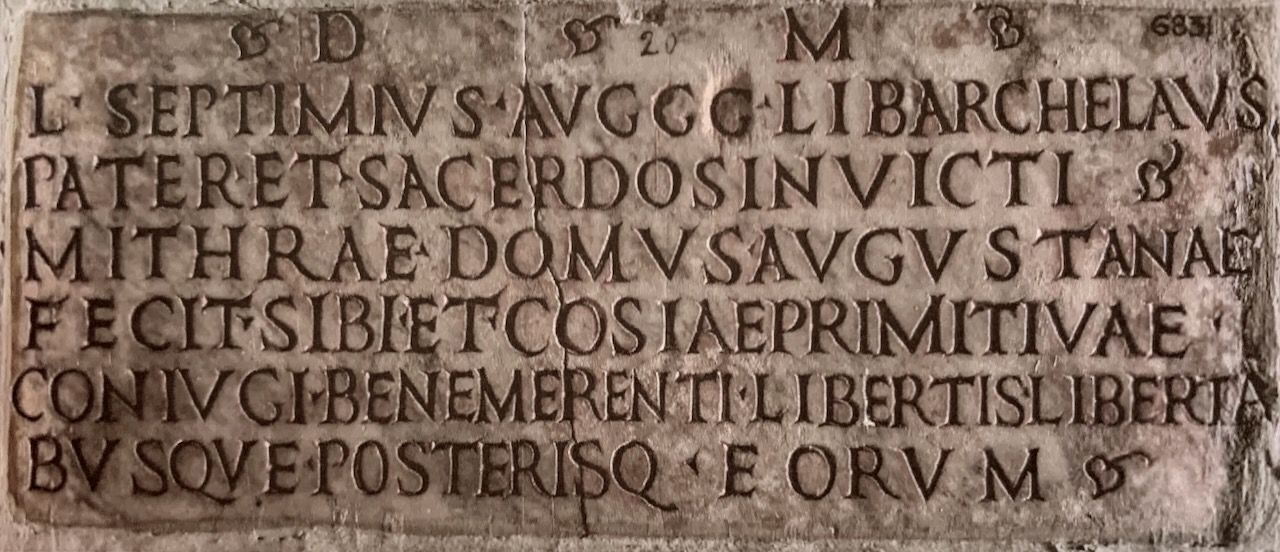
Marble funerary plaque erected by Lucius Septimius Archelaus, a Pater and priest of Mithras, for himself, his wife, and their freedmen and descendants.
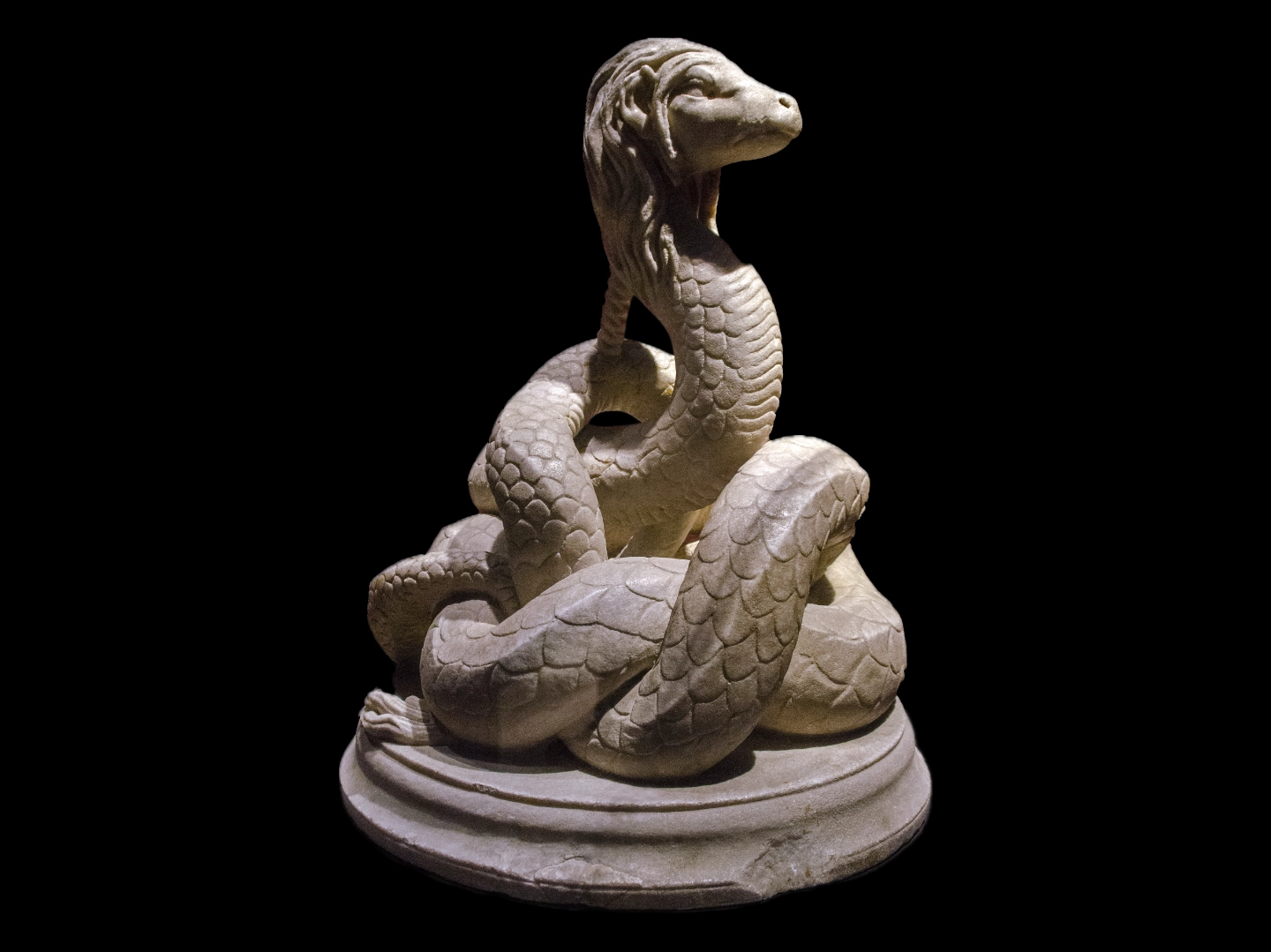
At Rome’s twilight, amid political upheaval and Christian ascendancy, Vettius Agorius Praetextatus embodied pagan intellect, virtue, and authority across senatorial, military, and mystical spheres.


The exploration of an old pazo, a manor house, near the Roman wall, in Lugo, led to the discovery of a Roman domus, which existed continuously from the beginnings of the Christian Era until the Late Empire.
In the altar that Titus Tettius Plotus dedicated to the invincible God, he called himself pater sacrorum.
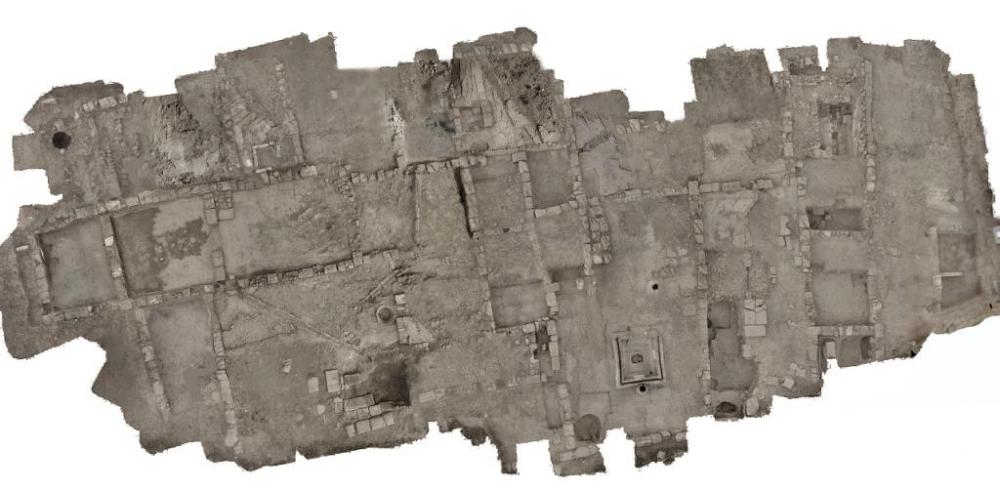
The discovery of the Mithraeum of Tarquinia is due to the Department for Protection of Cultural Heritage of the Carabinieri, who noticed some clandestine excavations near the Ara della Regina.
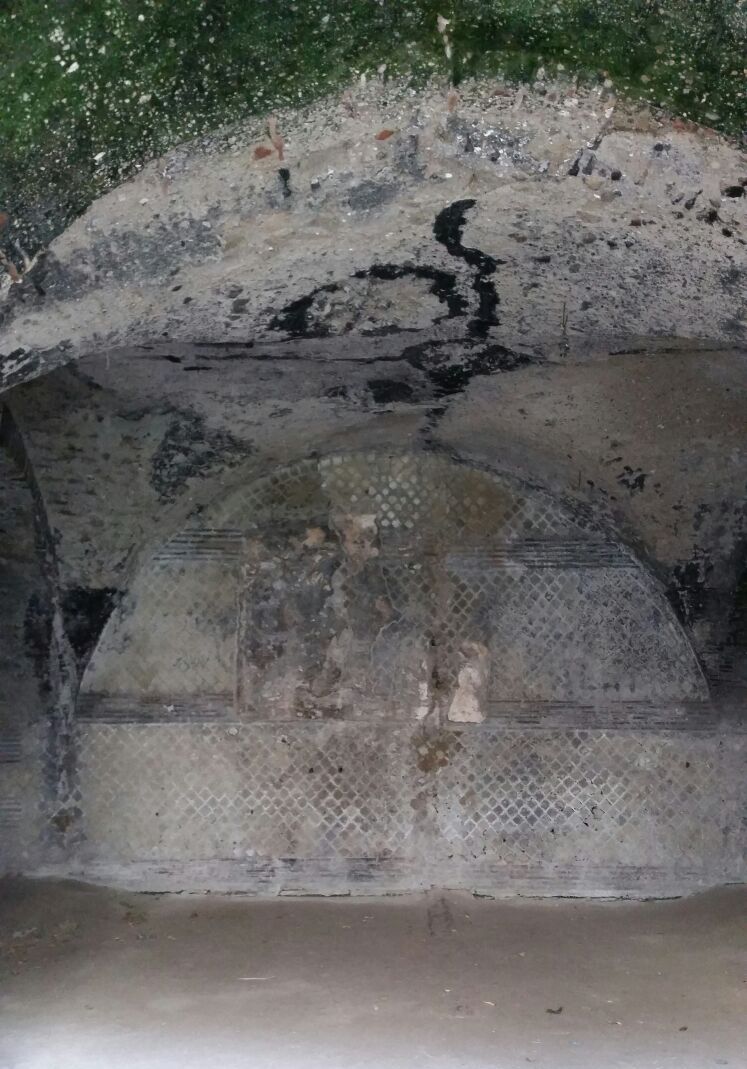
The Mithraeum of Carminiello ai Mannesi was installed in two rooms of a 1st century BC domus.

Mithraic devotee known from Dacia and tentatively associated with inscriptions from Rome and Poetovio.
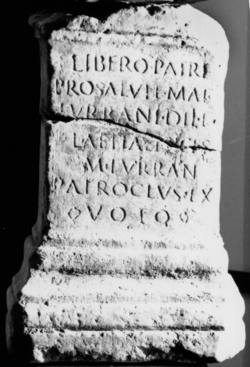
This altar was erected by Hermadio, who also signed other monuments in Dacia and even in Rome.

A devotee of Mithras who dedicated an altar for the health of Commodus alongside his father, a procurator castrensis, in Rome.
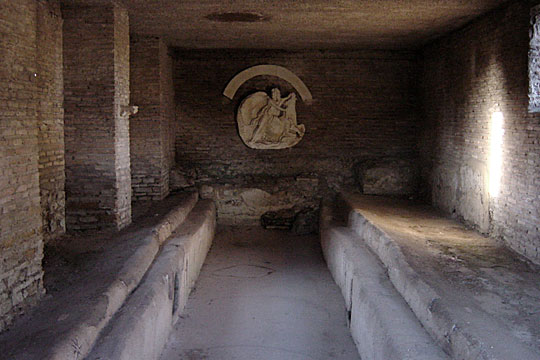
The Mithraeum of the Seven Spheres (Sette Sfere) is of great importance for the understanding of the cult, because of its black-and-white mosaics depicting the planets, the zodiac and related elements.
