Your search Farid ud-Din Attar gave 893 results.

A marble torso of a male figure from the Mithraeum at Walbrook in London, flattened at the back, probably one of the attendant deities of Mithras, which would have stood about 2 ft. in complete height.
A relief fragment from the Mithraeum at Walbrook in London, preserving the lower part of a cross-legged figure of Cautopates pointing his torch downwards.
A fragment of a white marble statue from the Mithraeum at Walbrook in London, preserving the naked torso of a reclining figure with long hair and beard, with the end of a staff visible near his left shoulder, identified as Oceanus.
An altar from Baetulo (modern Badalona) in Hispania Citerior, carved in a rock on a hill facing east opposite the town, recording a dedication to Sol Deus by A. Pompeius Abascantus.
A brief inscription reading D(eo) M(ithrae), found inside a fullonica at Pola (modern Pula) in a room that had once served as a vestibule.
The inscription on the votive altar No. 756 from Pola (modern Pula), reading Soli above the head of Sol and Milace / Atticus under the head, recording the dedication by a person named Atticus.
An inscription found in the church of San Felice at Aquileia, recording a vow fulfilled to Sol Deus Invictus by Feronius Censor, with a head of Sol carved between the first two words.
An inscription from Aquileia recording a joint dedication to Deus Sol by the invincible Emperors Diocletian and Maximian, comparable to their dedication to Apollo Belenus elsewhere in the city.
A fragmentary inscription found in the foundations of the Theodosian walls at Aquileia, recording a dedication to the Invincible Mithras by ...ntius Manilianus.
An inscription from Aquileia recording a vow fulfilled to Sol Invictus Mithras by C. Calidius Agathopus, a member of the college of the seviri Augustales of Aquileia.
A fragmentary inscription from Aquileia, probably dedicated to Cautopates, recording a soldier named Marcianus, optio of the Second Adiutrix Legion, who fulfilled his vow for the welfare of himself and his family.
An inscription copied at San Marco's in Venice in 1829, recording a dedication by Q. Baienus Proculus, pater nomimus, to Sol.
An inscription from the vicus Vicciomitum in Milan (ancient Mediolanum), recording a votive dedication to the Invincible Mithras by L. Atilius Pupinius on a site granted by decree of the town council.

I am an historian of religions. I currently studies so called "Oriental cults of the Roman Enmpire

The last pagan emperor of Rome, closely associated with Mithras and Neoplatonic interpretations of the Sun God.
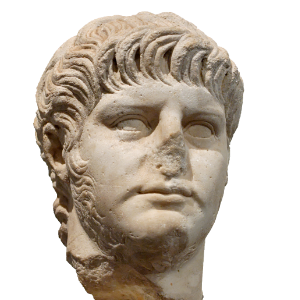
Roman emperor whose ceremonial reception of Tiridates I of Armenia established one of the earliest recorded links between Mithras and the Roman imperial court.
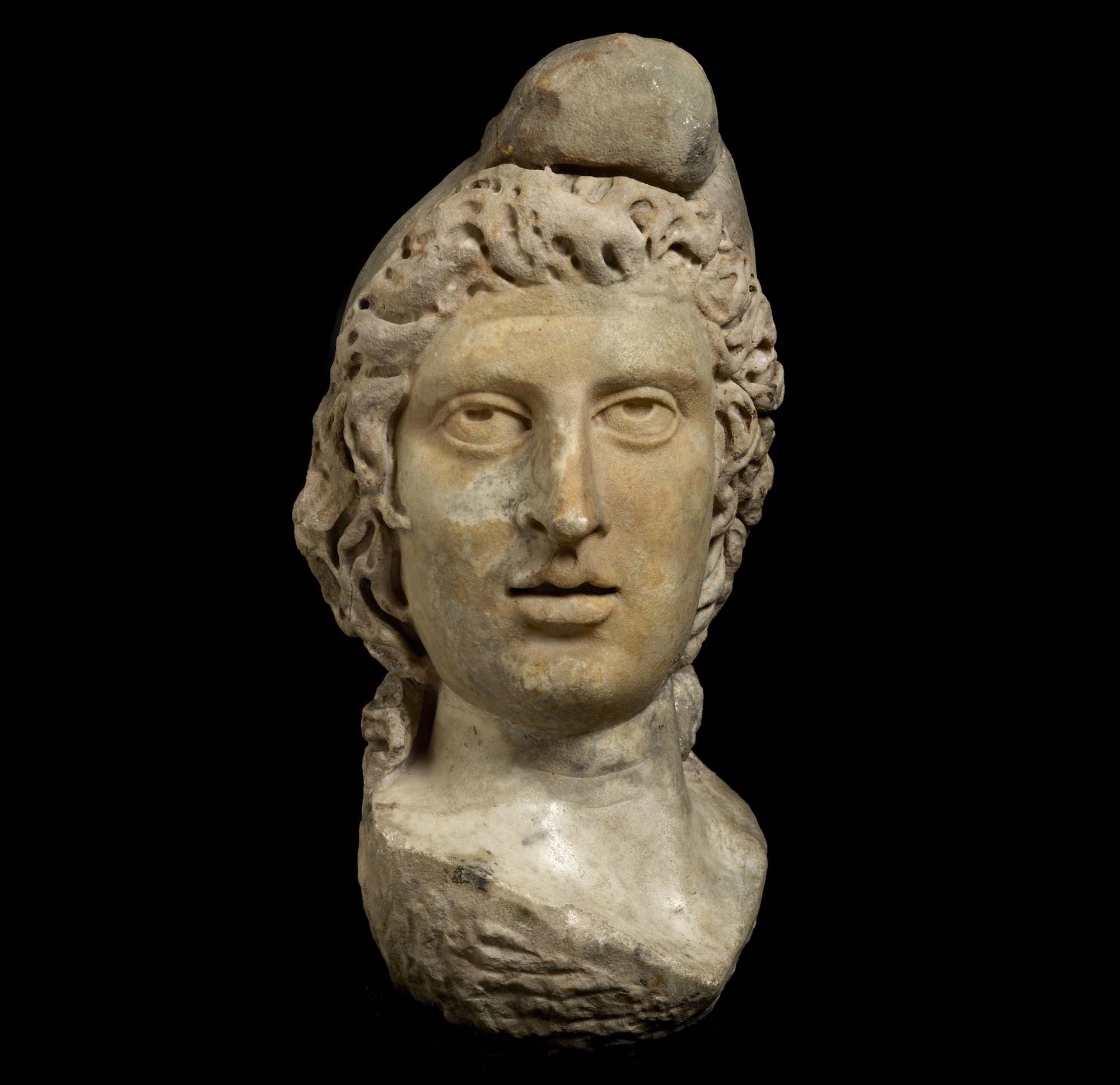
The Mithras's head of Walbrook probable belonged to a life-size scene of the god scarifying the bull.
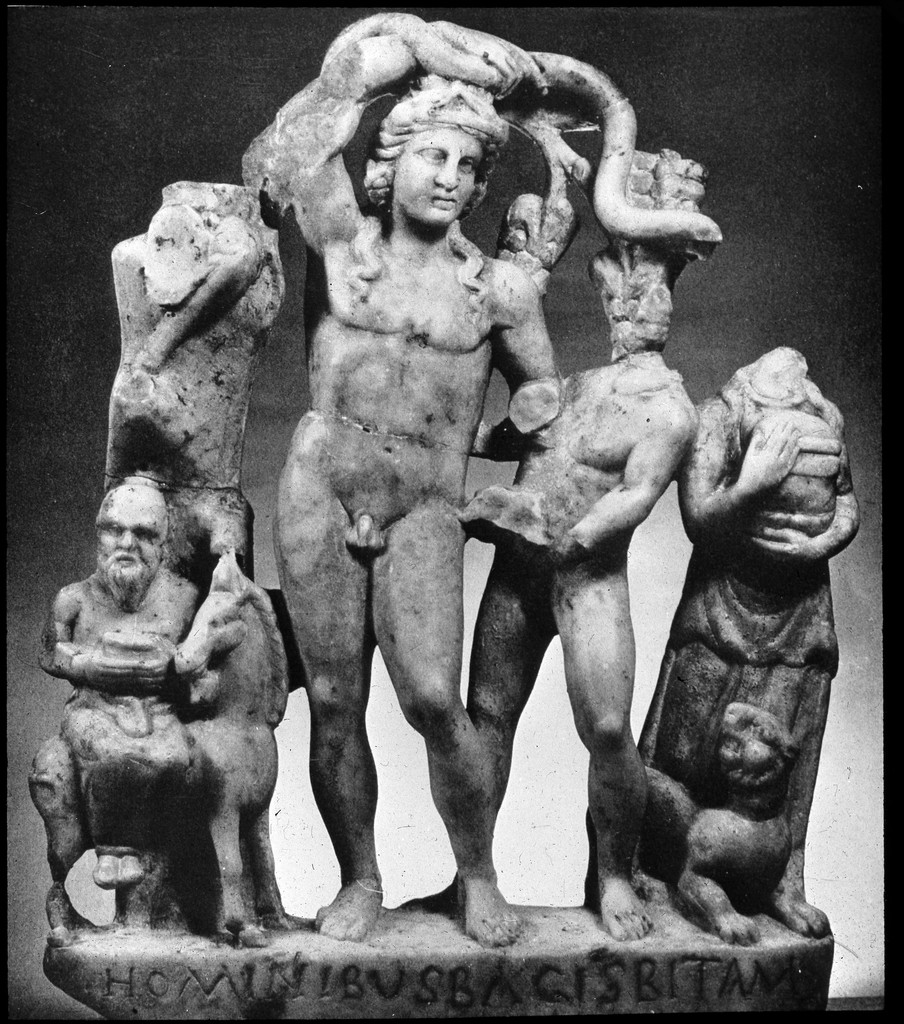
Marble group of Dionysus accompanied by a Silenus on a donkey, a satyr and a menead.
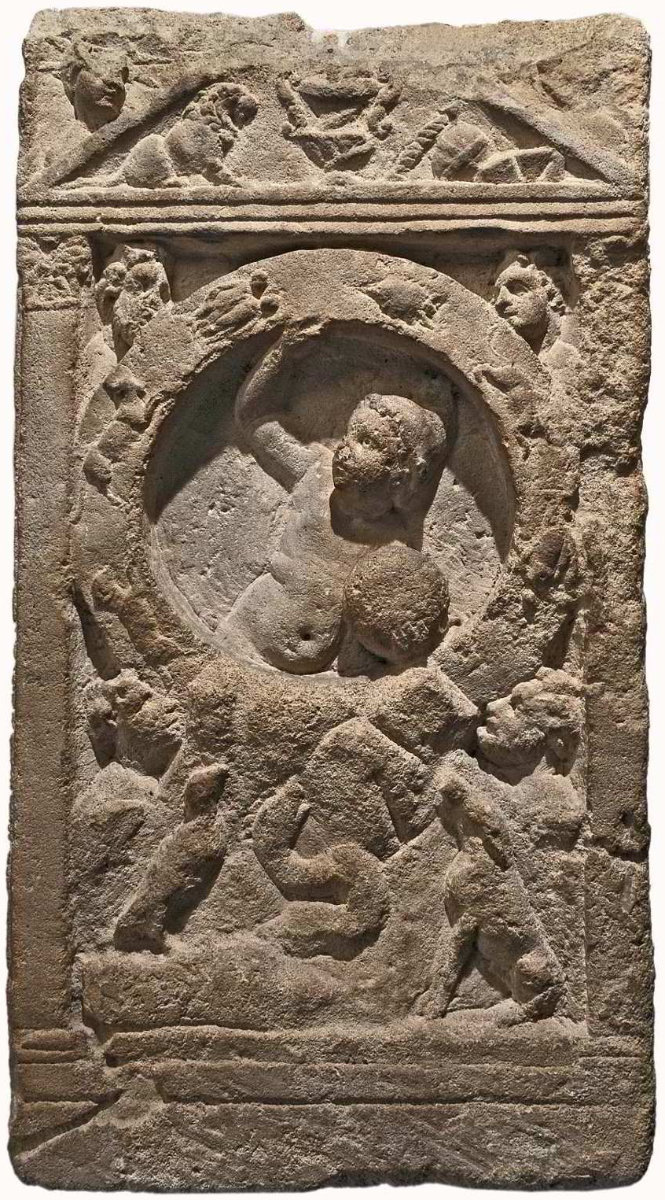
The relief depicts the birth of Mithras, holding a globe, surrounded by the zodiac.
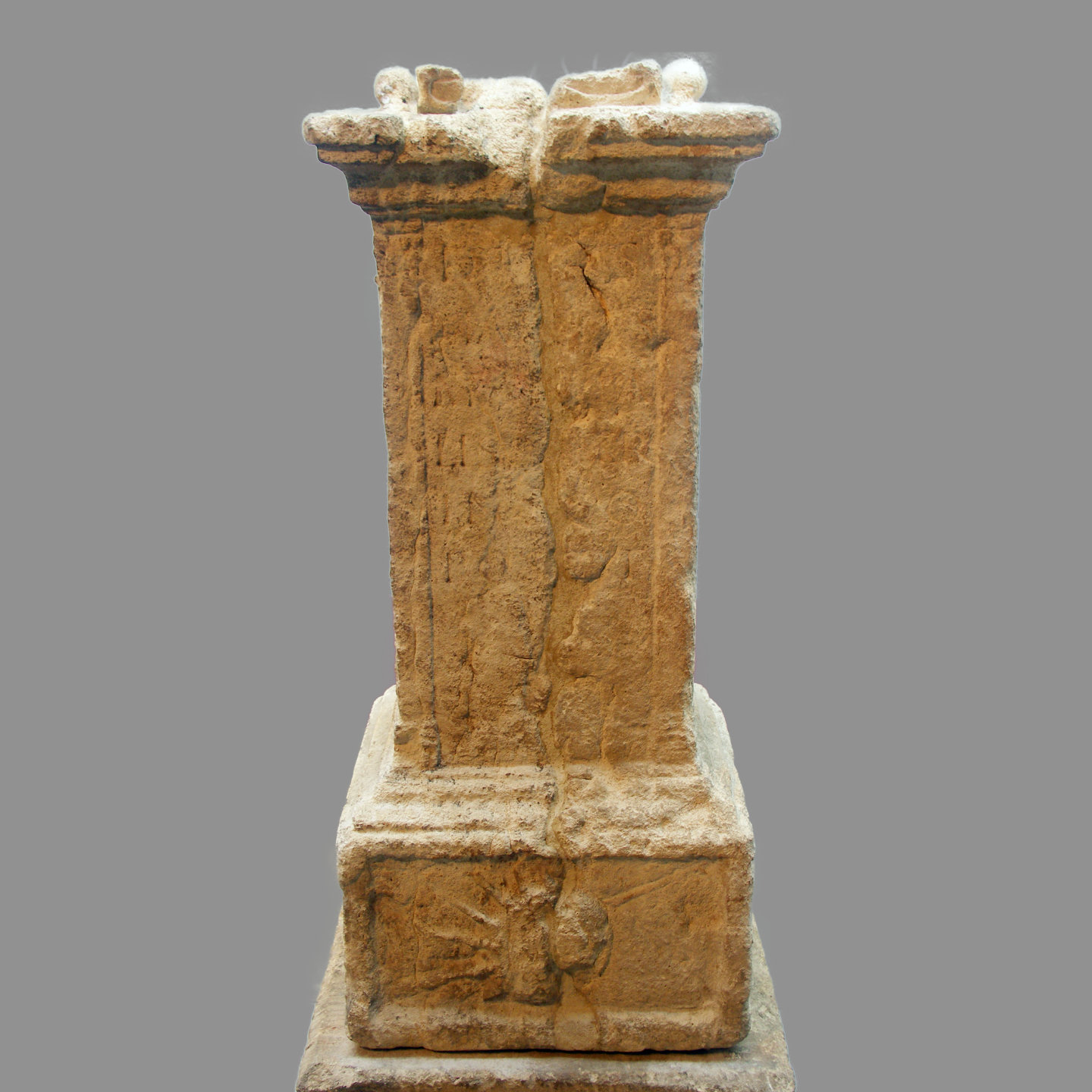
This stone altar fround in Altbachtal bears an inscription by a certain Martius Martialis.
