Your search Franz-Valéry-Marie Cumont gave 236 results.

Preamble and notes published by G. R. S. Mead in his series Echoes from the Gnosis 1907, London and Benares. Translation of the manuscript by Dieterich Eine Mithrasliturgie 1903, Leipzig.
.jpg)
The controversial Italian journalist Edmon Durighello discovered this marble statue of a young naked Aion in 1887.

Laurent Bricault has revolutionised Mithraic studies with the exhibition The Mystery of Mithras. Meet this professor in Toulouse for a fascinating look at the latest discoveries and what lies ahead.
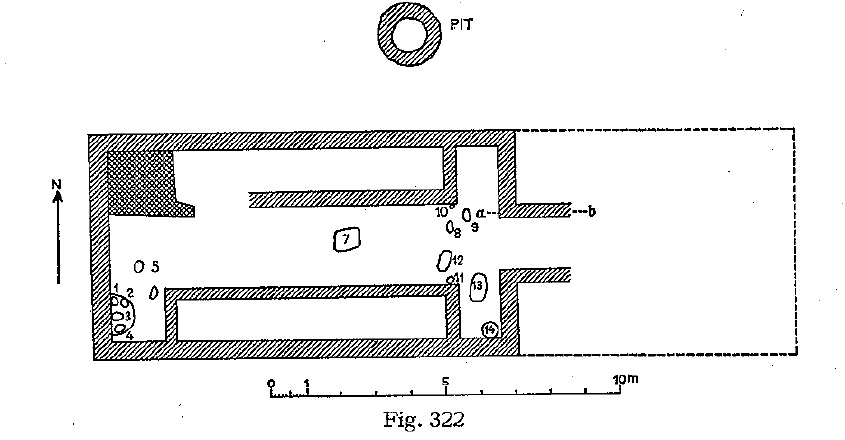
There are references to two places of worship from Dieburg, whereby the Mithraeum, discovered in 1926.
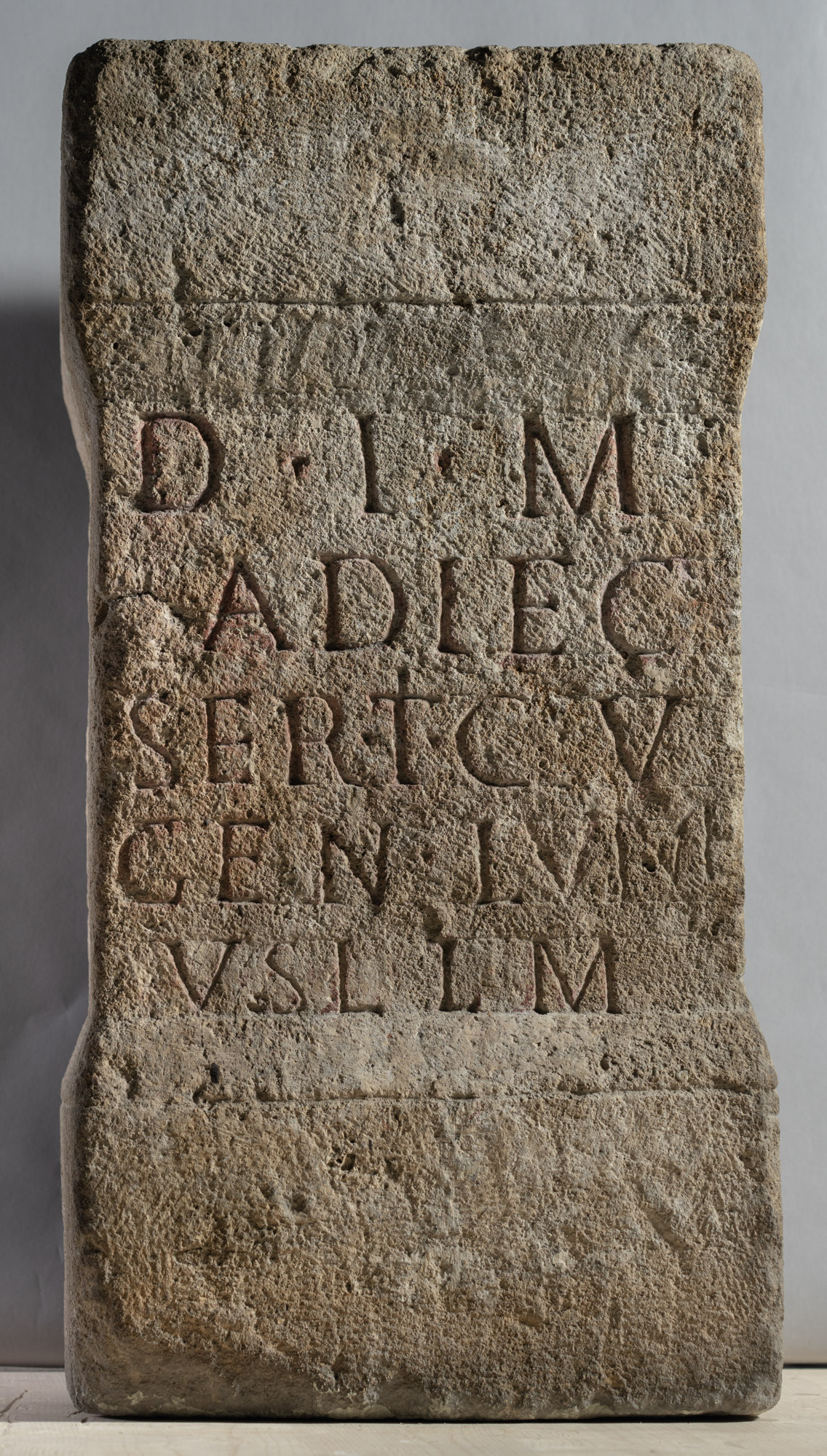
There is no consensus as to whether the altar of the slave Adiectus from Carnuntum is dedicated to a Mithras genitor of light.
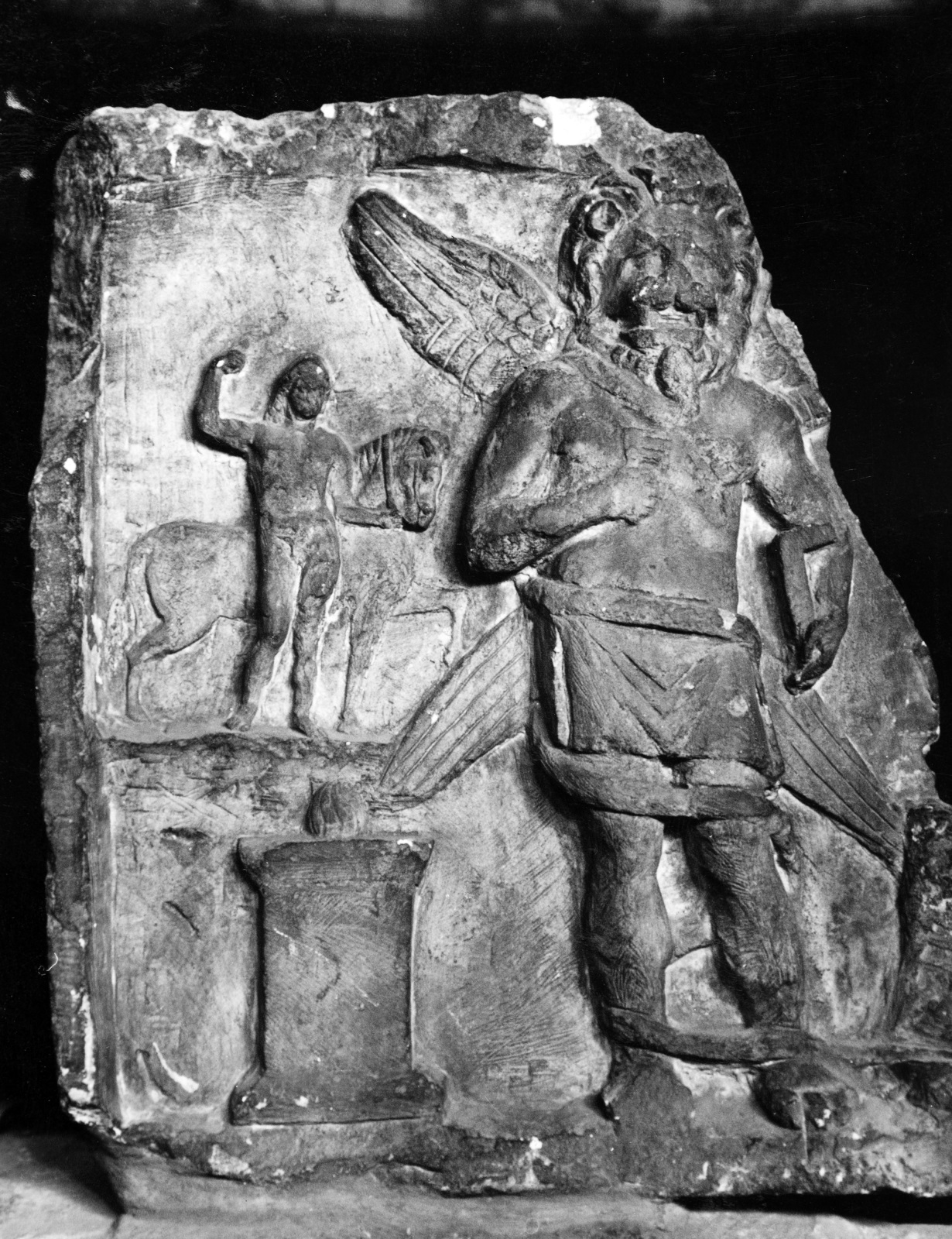
The relief of Aion from Vienne includes a naked youth in Phrygian cap holding the reins of a horse.
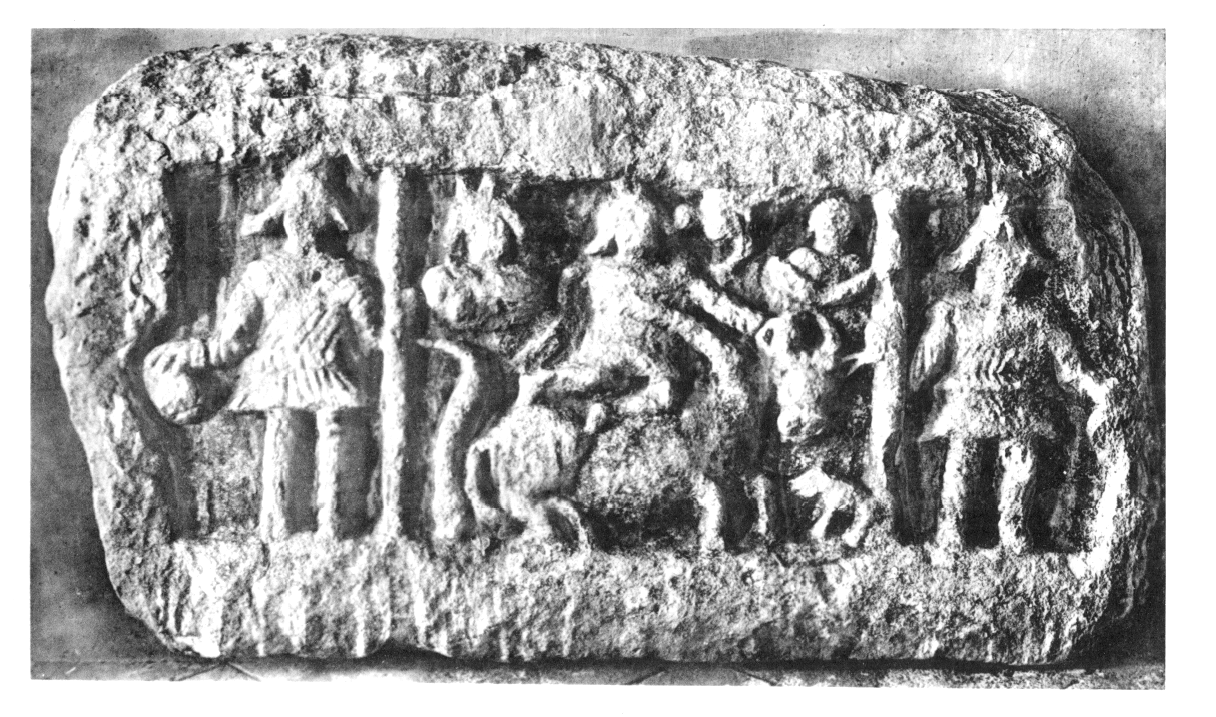
This relief of Mithras as bull slayer is surrounded by Cautes and Cautopates with their usual torch plus an oval object.
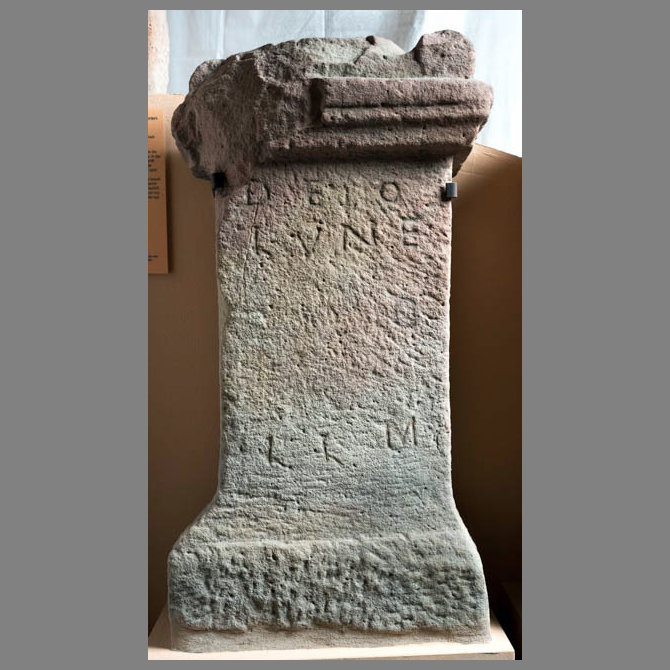
This sandstone altar was dedicated to Luna, who is mentioned as a male deity.

This Aion is known for wearing a Kalathos on his lion’s head, linking him to the syncretic Sarapis.
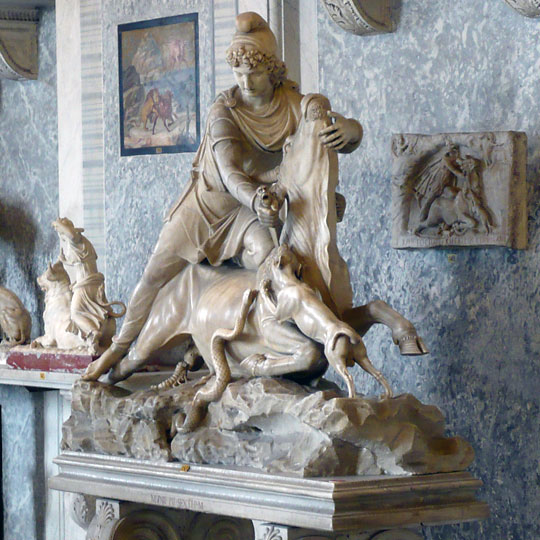
This Mithras killing the bull belonged to the sculptor V. Pancetti before being exhibited in the Vatican Museums under Pius VI.
According to the scarcely detailed design of von Sacken, the lay-out of the temple must have been nearly semi-circular.
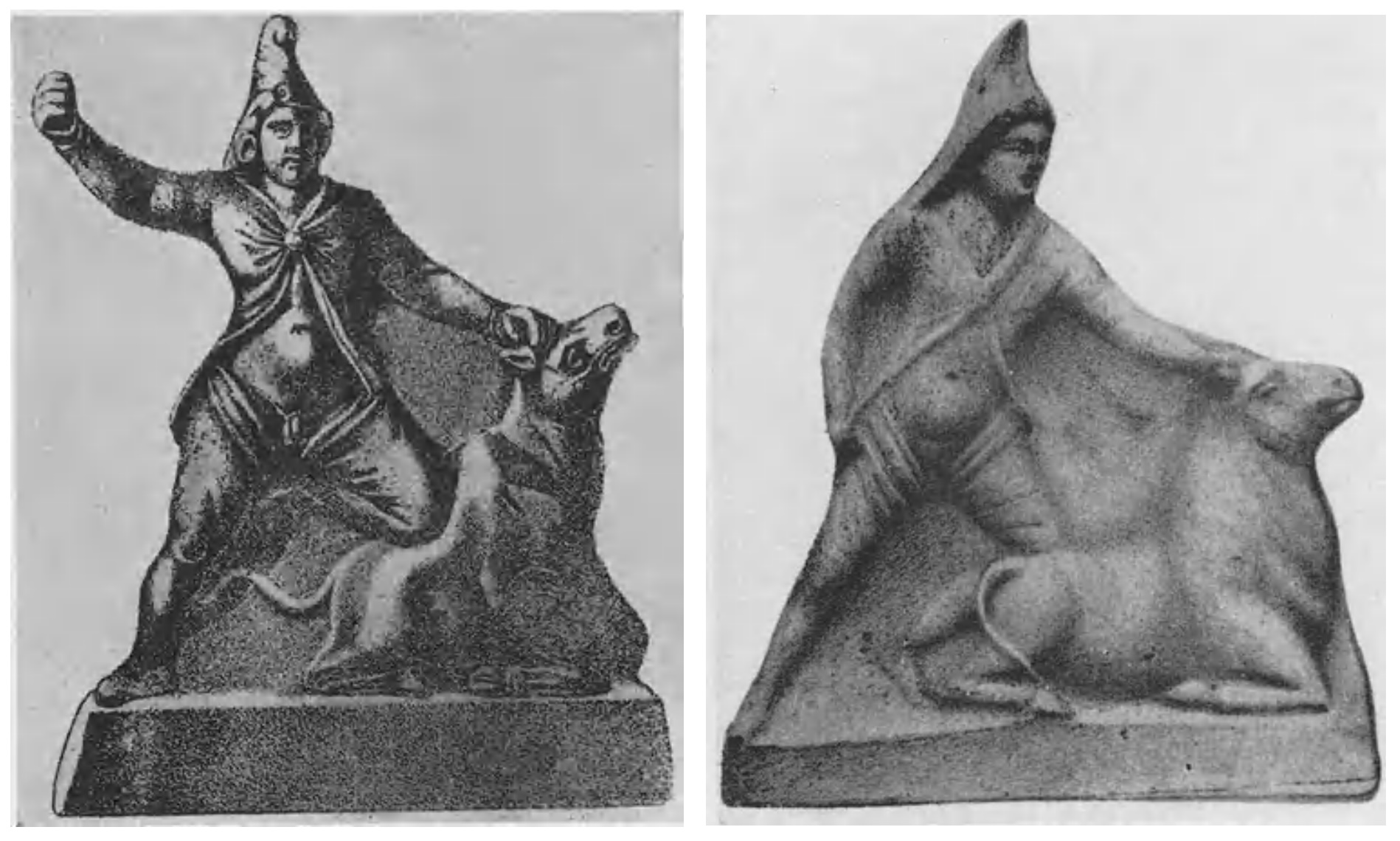
Terracotta tablets depicting a Taurombolium by Attis which might be at the origins of the mithraic Tauroctony iconography.
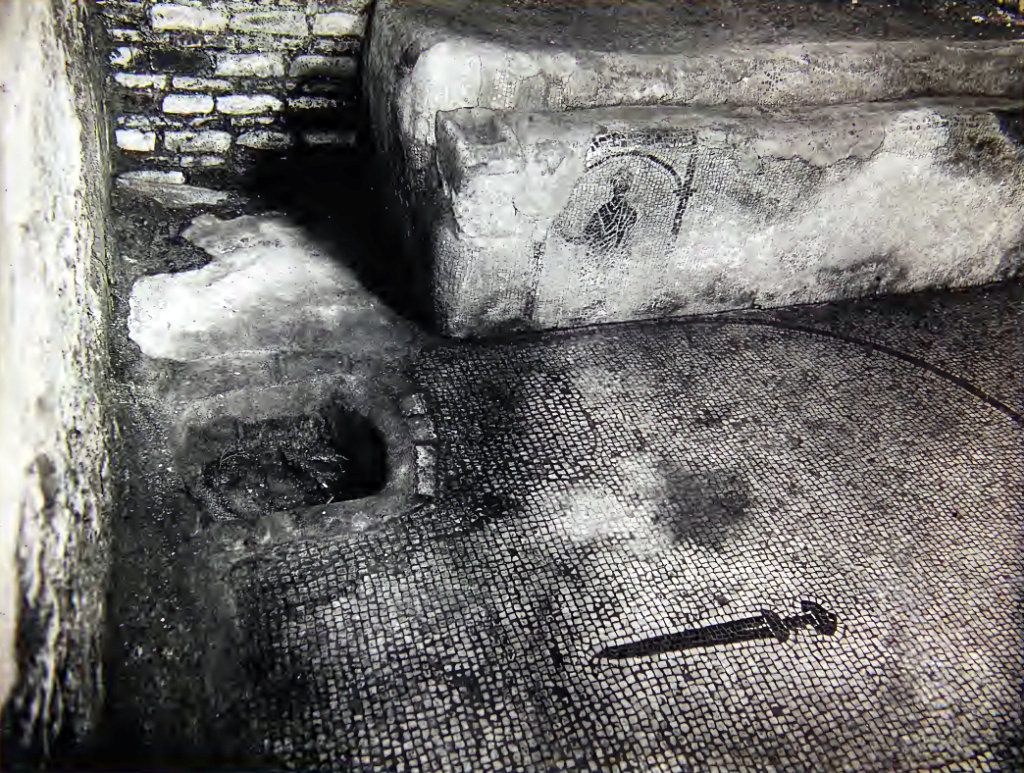
The floor mosaic of the Mithraeum of the Seven Spheres, which gives its name to the temple, depicts a dagger.
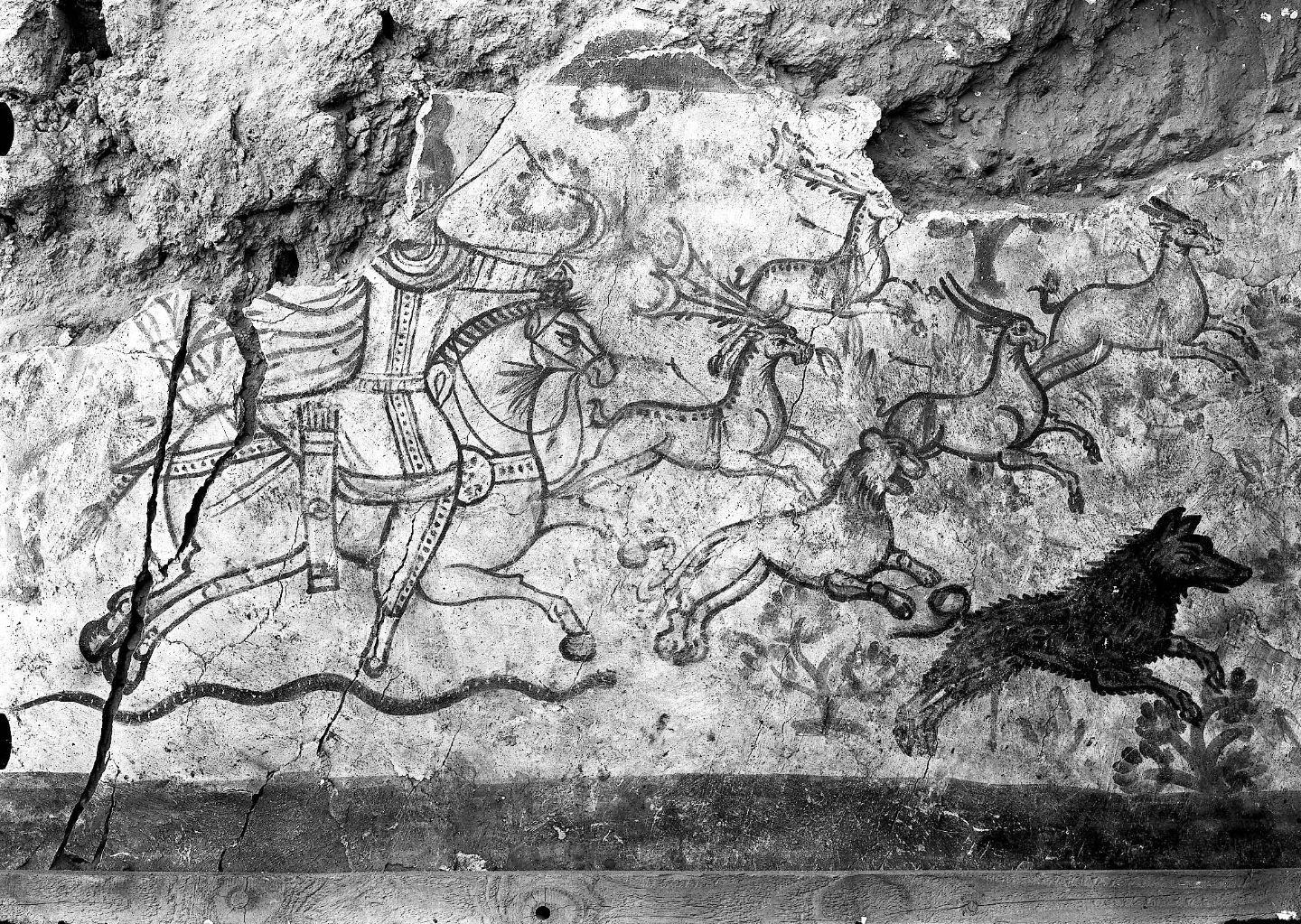
In this fresco from Dura Europos, Mithras is represented as a hunter accompanied by the lion and the serpent.
This lost monument bears an inscription to Cautes by a certain Tiberius Claudius Artemidorus.

Excavations in 1979 on the remains of the church of Notre-Dame d'Avigonet in Mandelieu, Alpes-Maritimes, brought to light a small mithraeum.
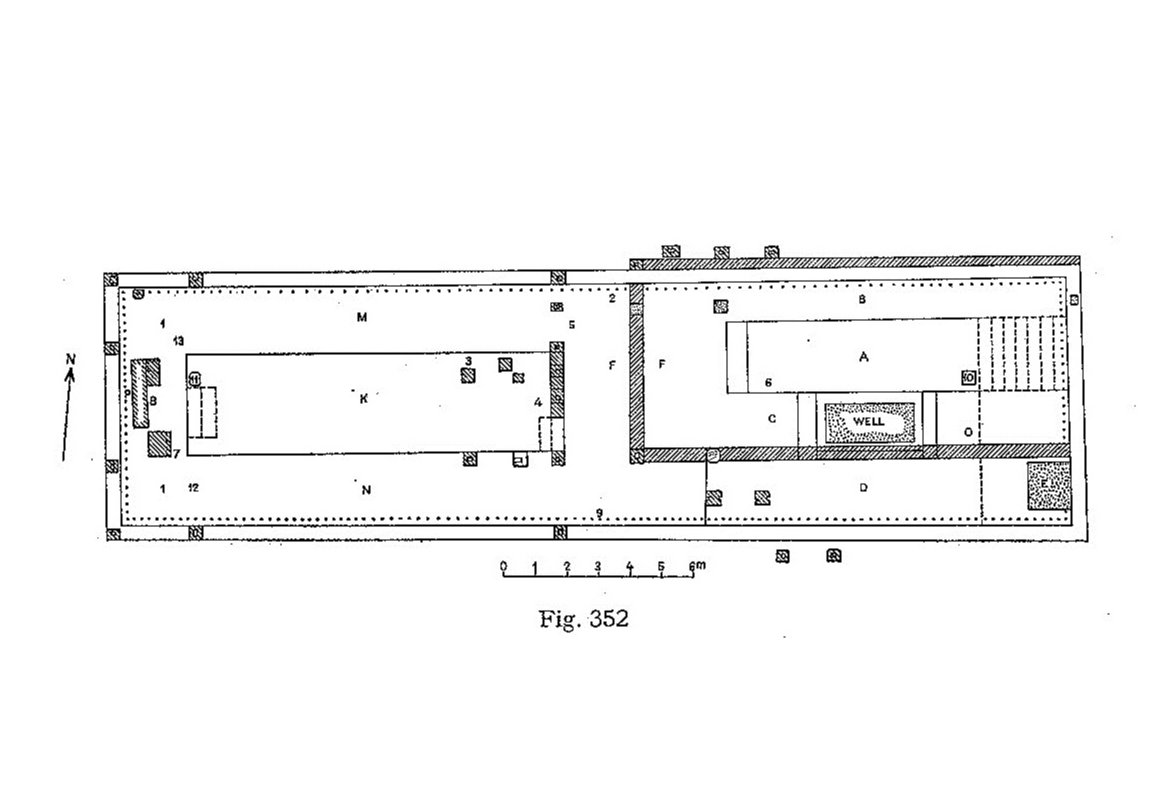
Lors de la construction de l’église Saint-Paul en 1911, un mithraeum a été mis au jour à Königshoffen, vicus gallo-romain situé aux abords du camp légionnaire de Strasbourg-Argentorate.
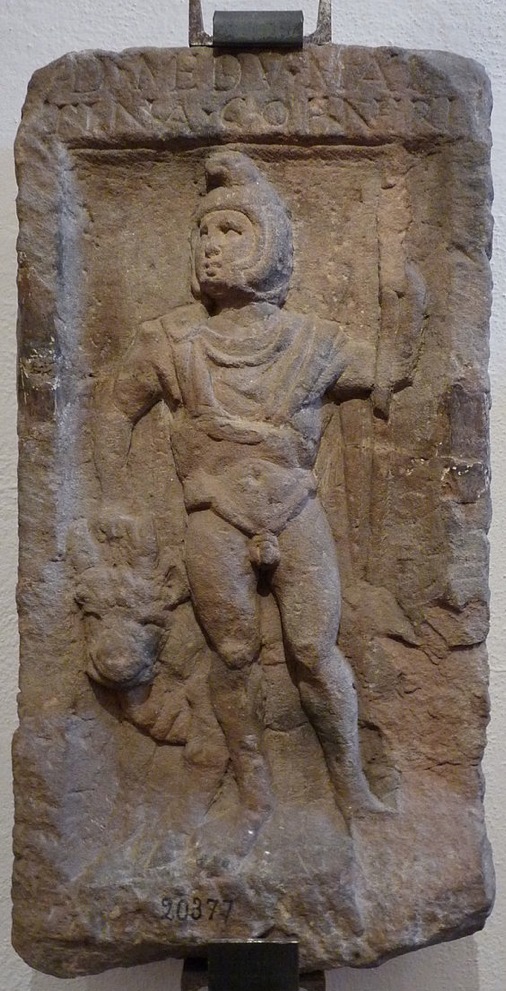
The relief of naked Roman soldier, wearing a mantle and a Phrygian cap, has been related to the Mithras' cult.
In 1938 this Mithraeum was found 3.45 mtrs under the Basilica of S. Lorenzo in Damaso, in a cellar near the Sacrament's Chapel.
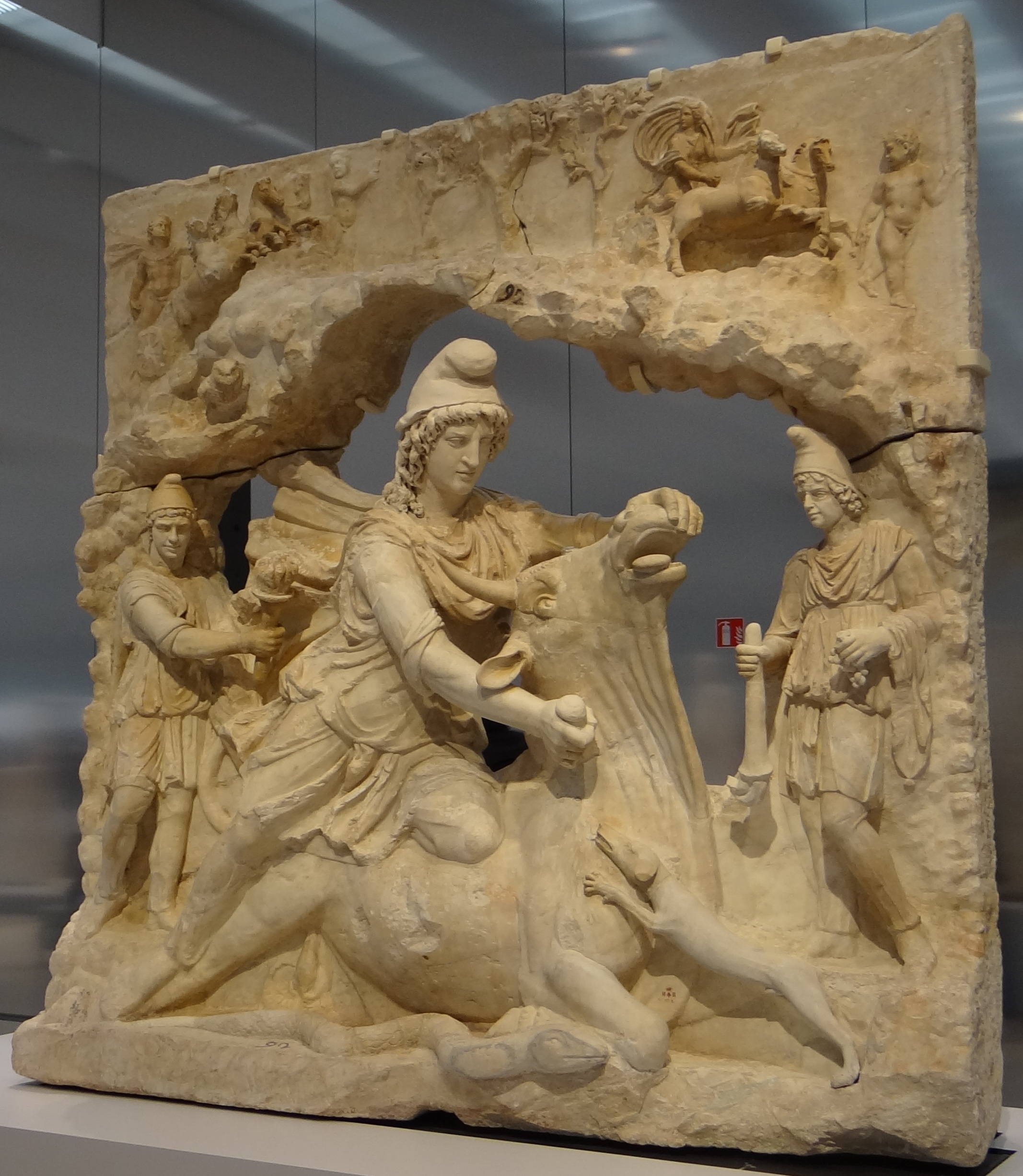
This relief of Mithras slaying the bull was erected in Piazza del Campidoglio, moved to Villa Borghese and is now in the Louvre Museum.
