Your search From Rome, Mithreum of Castra Peregrinorum under Santo Stefano Rotondo. gave 548 results.
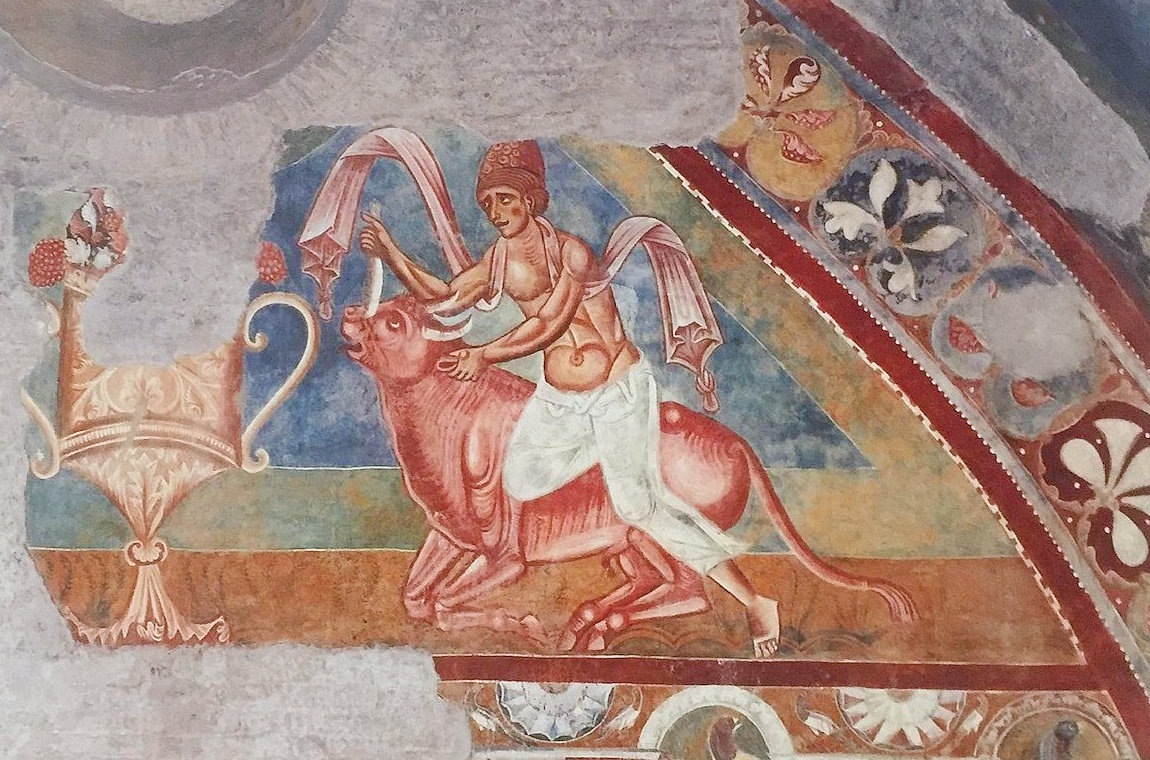
What appears to be a representation of Mithras killing the bull appears in the 12th century frescoes of the Basilica dei Santi Quattro Coronati in Rome.

In this 4th-century Roman altar, the senator Rufius Caeionius Sabinus defines himself as Pater of the sacred rites of the unconquered Mithras, having undergone the taurobolium.
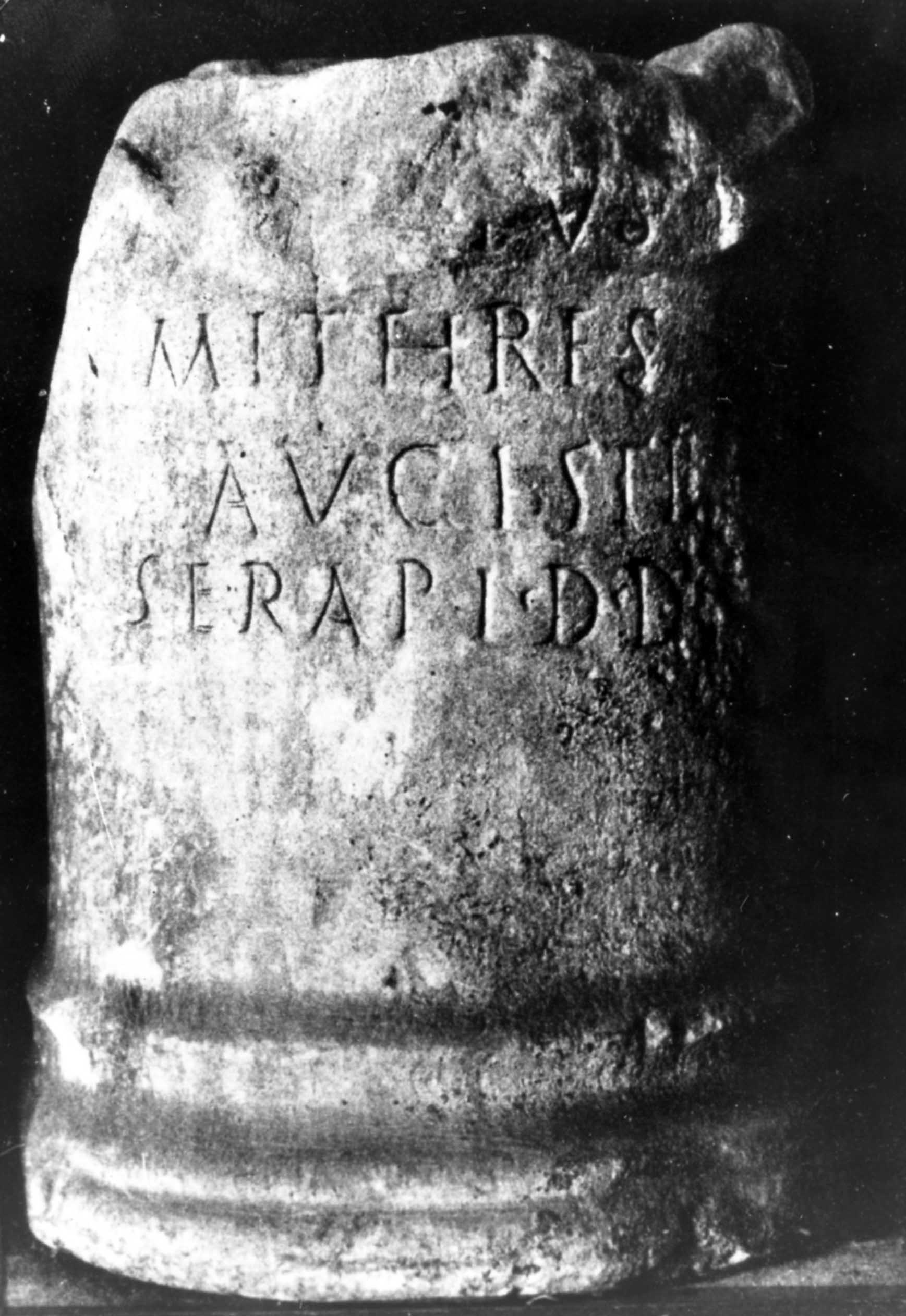
This monument, found in the Domus Flavia in Rome, bears an inscription by a certain Aurelius Mithres.
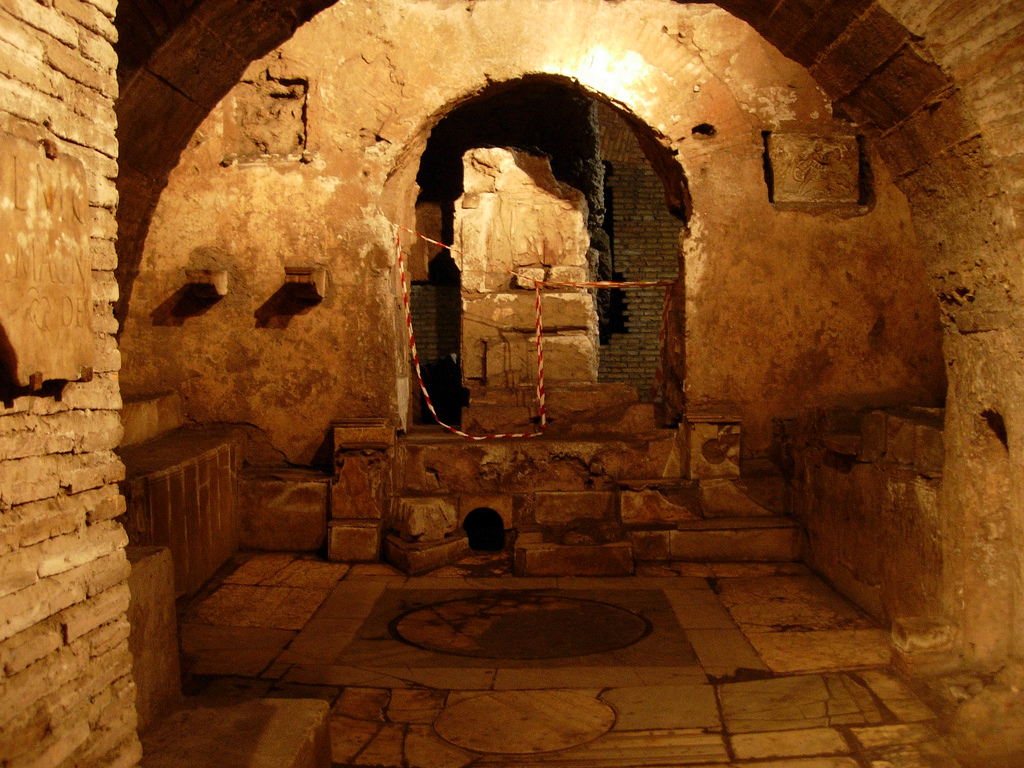
The Mithraeum of the Circus Maximus was discovered in 1931 during work carried out to create a storage area for the scenes and costumes of the Opera House within the Museums of Rome building.
The Mithraeum located in Piazza Dante in Rome was discovered in 1874 along with a series of monuments dedicated by a Pater named Primus.
This temple of Mithras on the north side of the Capitoline Hill in Rome no longer exists.
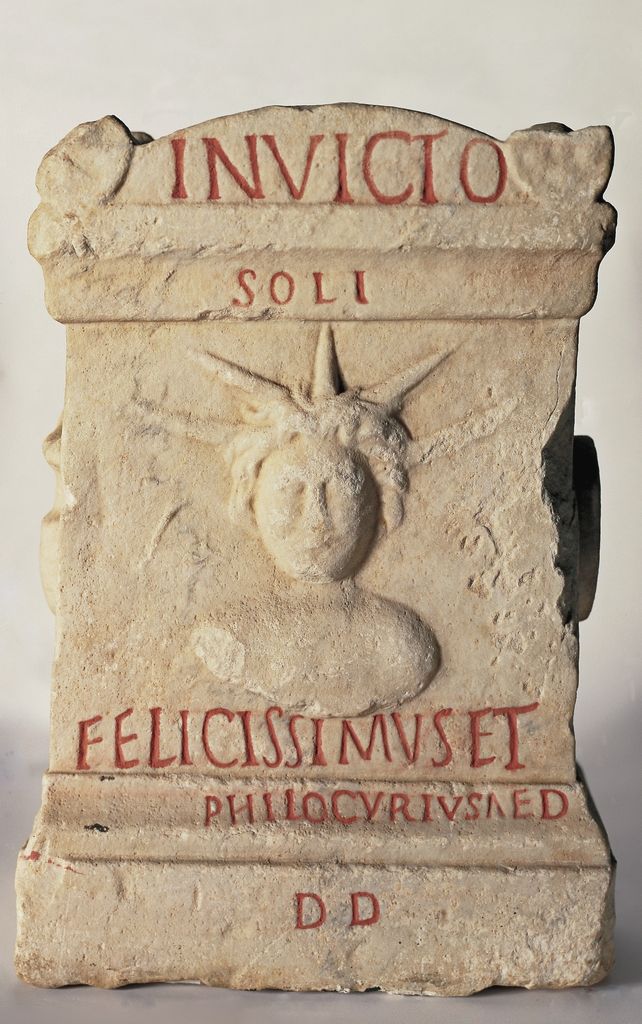
This small altar found in Rome depicts the god Sol with five rays around his head.
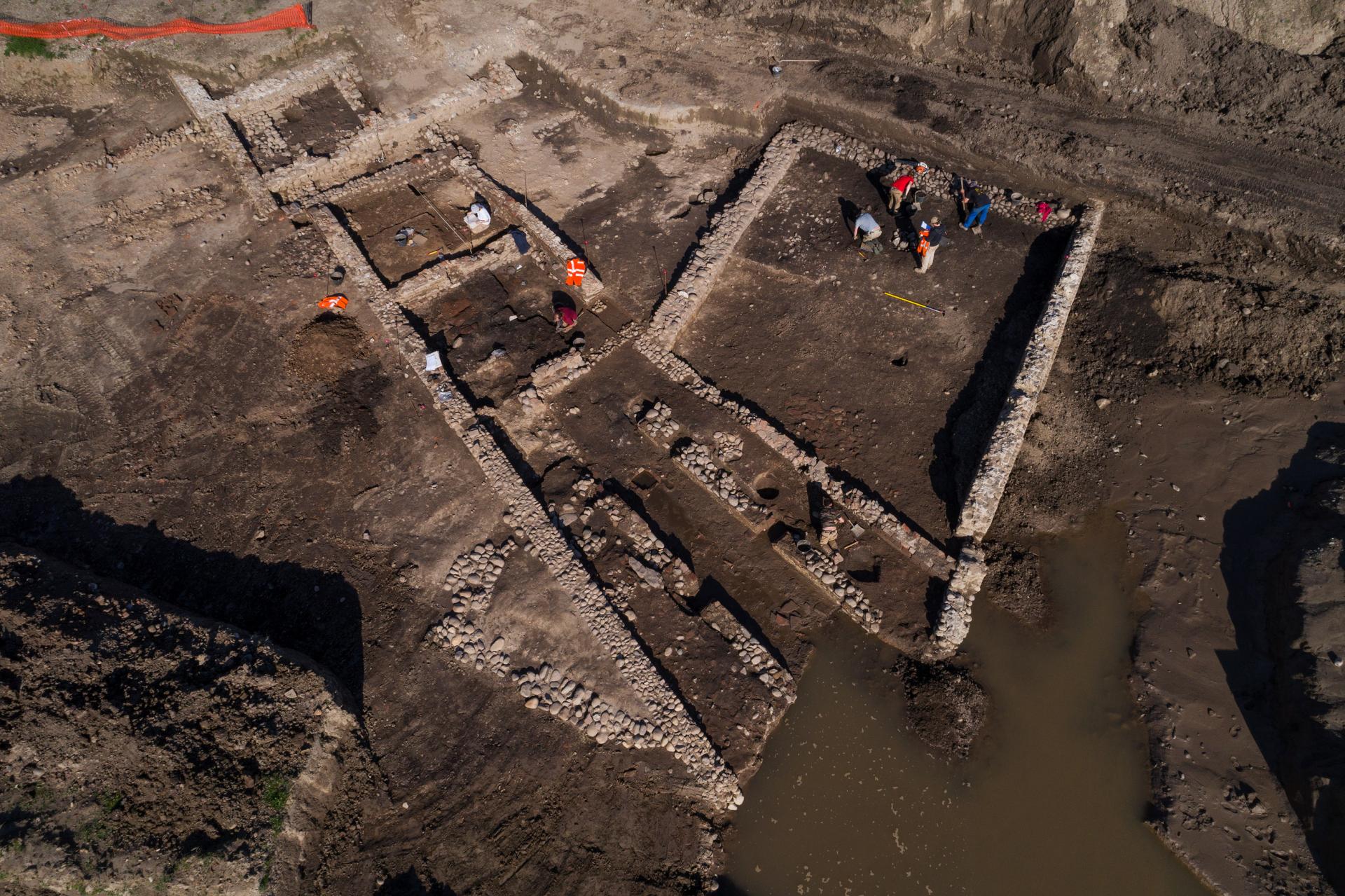
For the first time, a Mithraeum has been discovered in Corsica, at the site of Mariana, Lucciana (Haute-Corse).
An inscription recording the completion and dedication of the Temple of Sol at Como by T. Flavius Postumius Titianus, corrector of Italy, by order of the emperors Diocletian and Maximian, with Axilius the Younger as curator of the city of the Comenses.

Burgos is a city in the autonomous community of Castile and León in Spain.
Regensburg is a city in eastern Bavaria, at the confluence of the rivers Danube, Naab and Regen, Danube's northernmost point.
Künzing is a municipality in the district of Deggendorf, Bavaria, Germany.
This rock-cut Mithraeum occupies the north-eastern slope of the Grand-Rebberg at Saarburg, featuring a stepped entrance, a sloping central aisle, lateral benches, and a spring-fed water conduit.
Emperor Julian may have been initiated into the cult of the god Mithras at the Mithraeum of Vienne, France, according to Turcan.
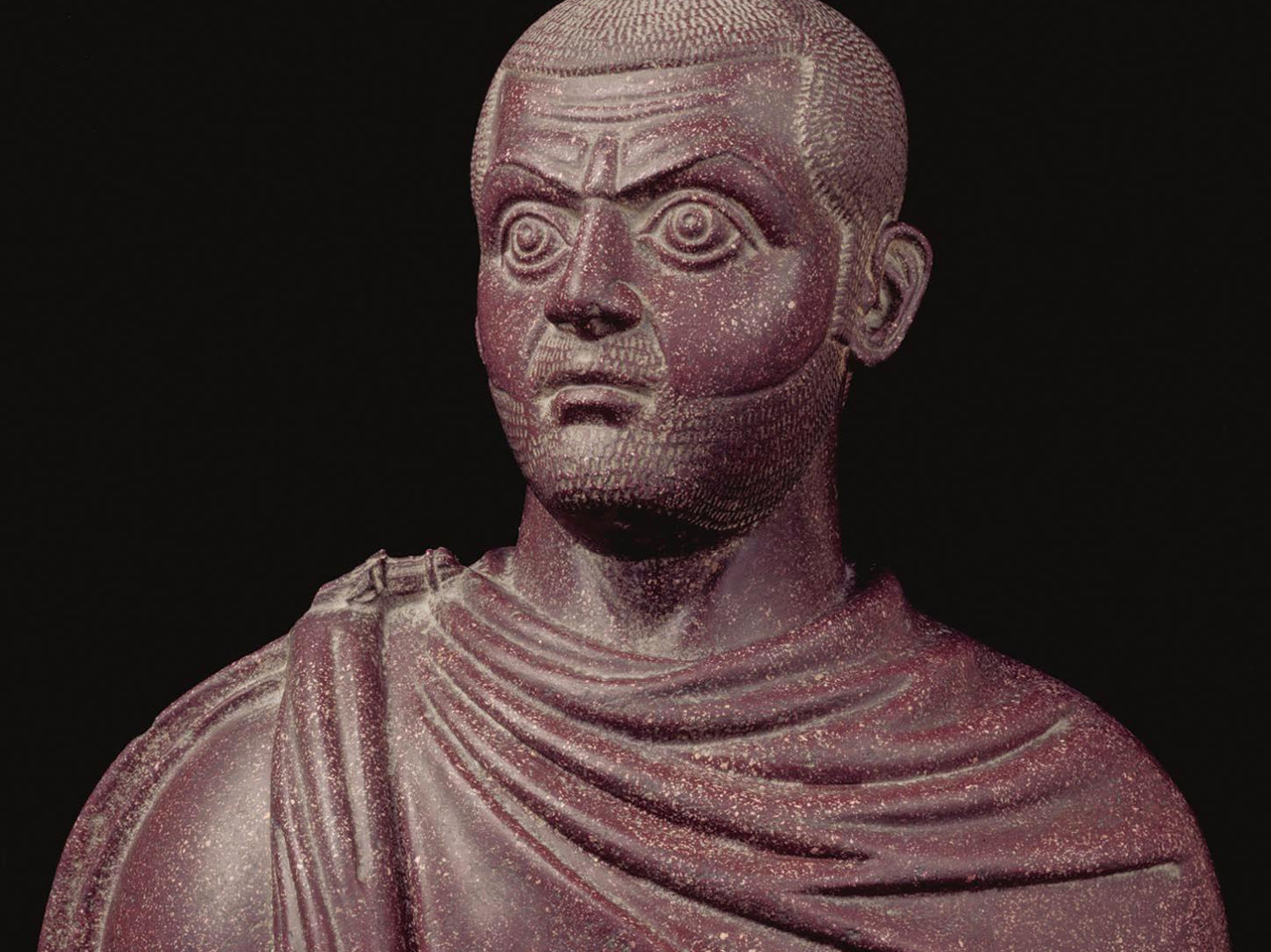
In the eighteenth year of Diocletian’s reign, Galerius Maximianus, persuaded by the sorcerer Theoteknos, consulted demonic oracles in a cave and was urged to initiate the persecution of the Christians.
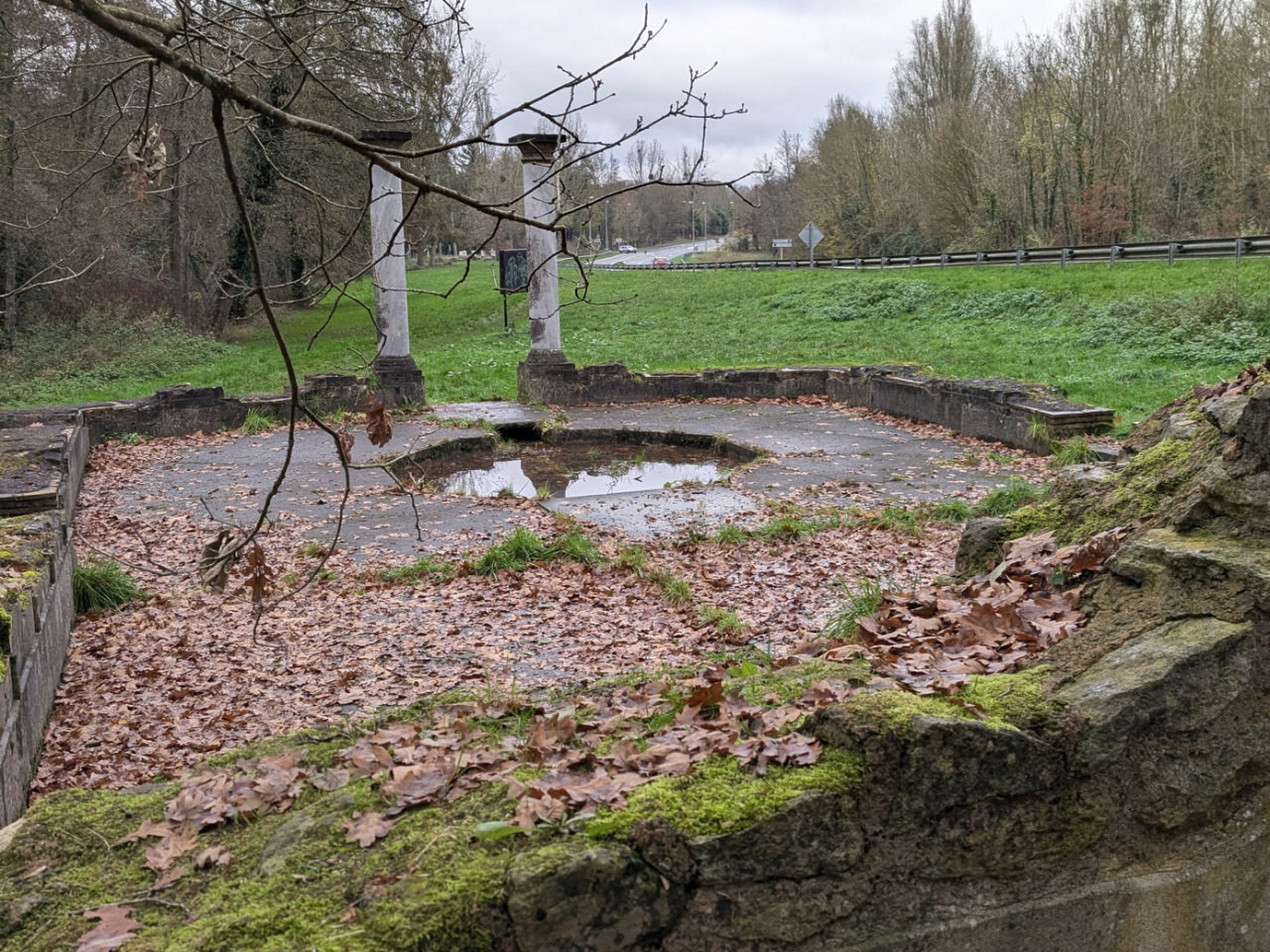
In the second half of the 4th century, a Mithraic temple was established within an earlier spring sanctuary at Septeuil, where the cult of the nymphs and Mithraic practices appear to have coexisted.

Tracing the links between the cult of Mithras and the Proud Boys’ quest for identity, power, and belonging. How ancient rituals and brotherhood ideals resurface in radical modern movements.
The site of Orbe-Boscéaz, Switzerland, also known as Boscéay, is renowned for its mosaics and mithraic temple.
A statue and a relief of Cautes have been found in an ancient Gallo-Roman site in the commune of Dyo.
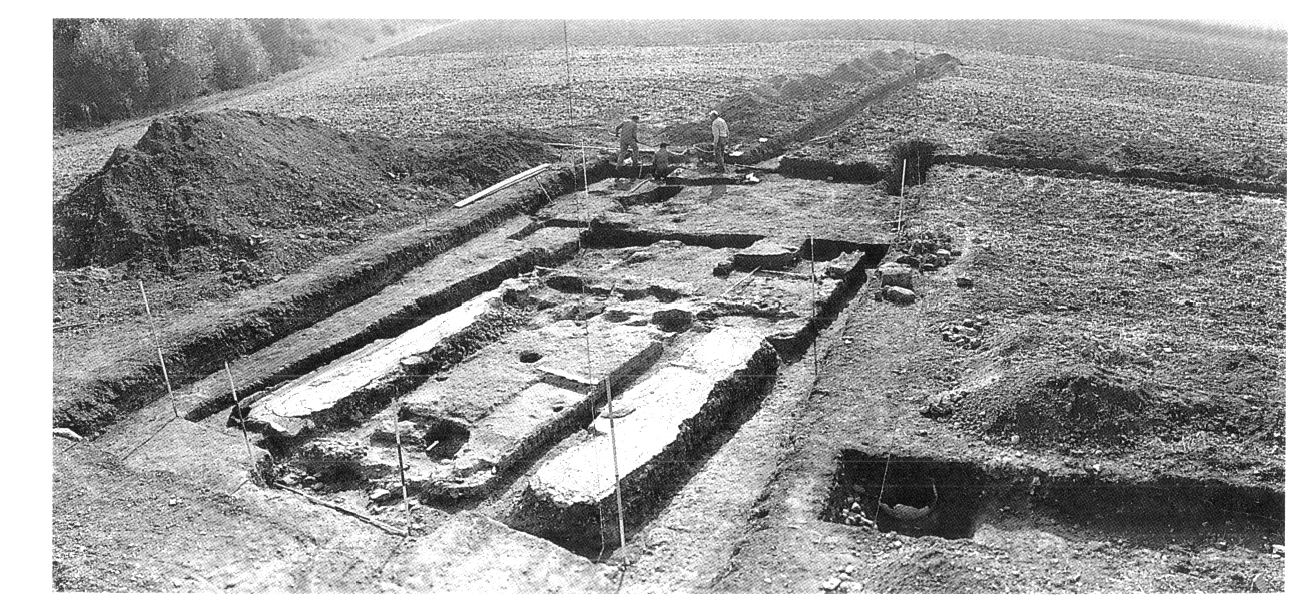
The Mithraeum of Biesheim-Kunheim is located near the ancient village of Altkirch, near the Rhin.
