Your search From Rome, Mithreum of Castra Peregrinorum under Santo Stefano Rotondo. gave 548 results.

Excavations in 1979 on the remains of the church of Notre-Dame d'Avigonet in Mandelieu, Alpes-Maritimes, brought to light a small mithraeum.
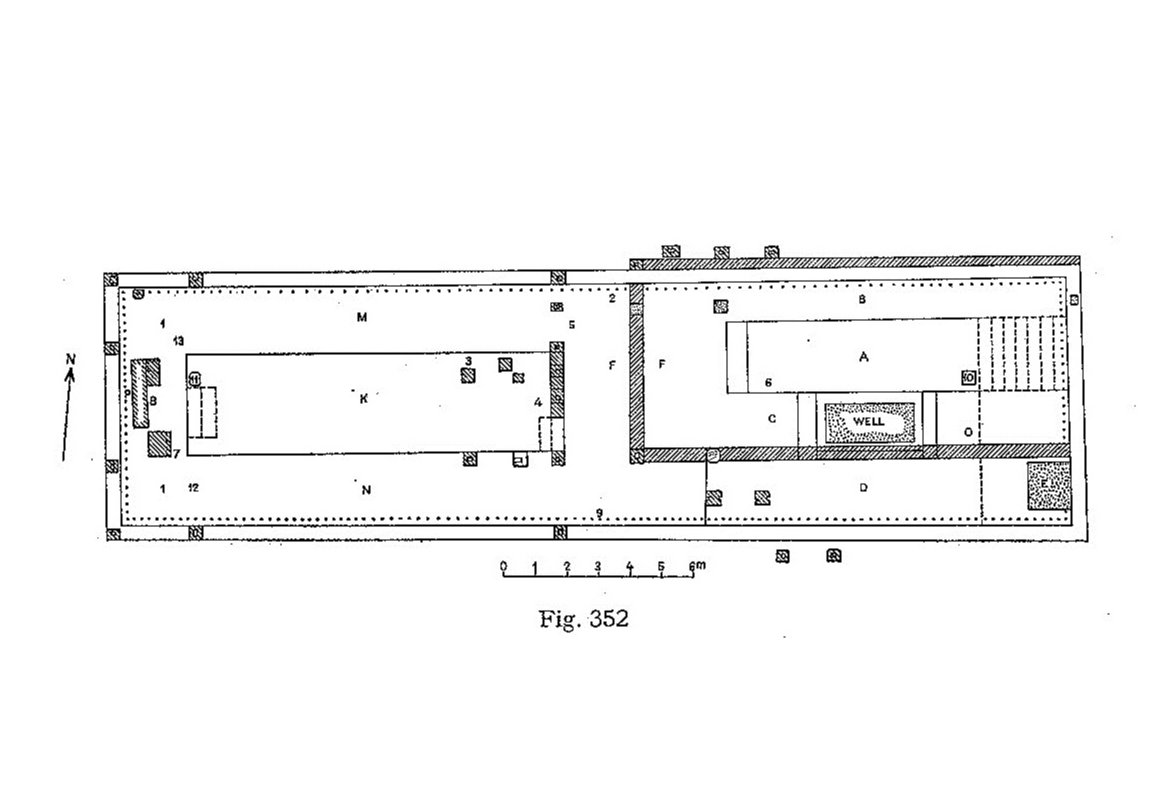
Lors de la construction de l’église Saint-Paul en 1911, un mithraeum a été mis au jour à Königshoffen, vicus gallo-romain situé aux abords du camp légionnaire de Strasbourg-Argentorate.
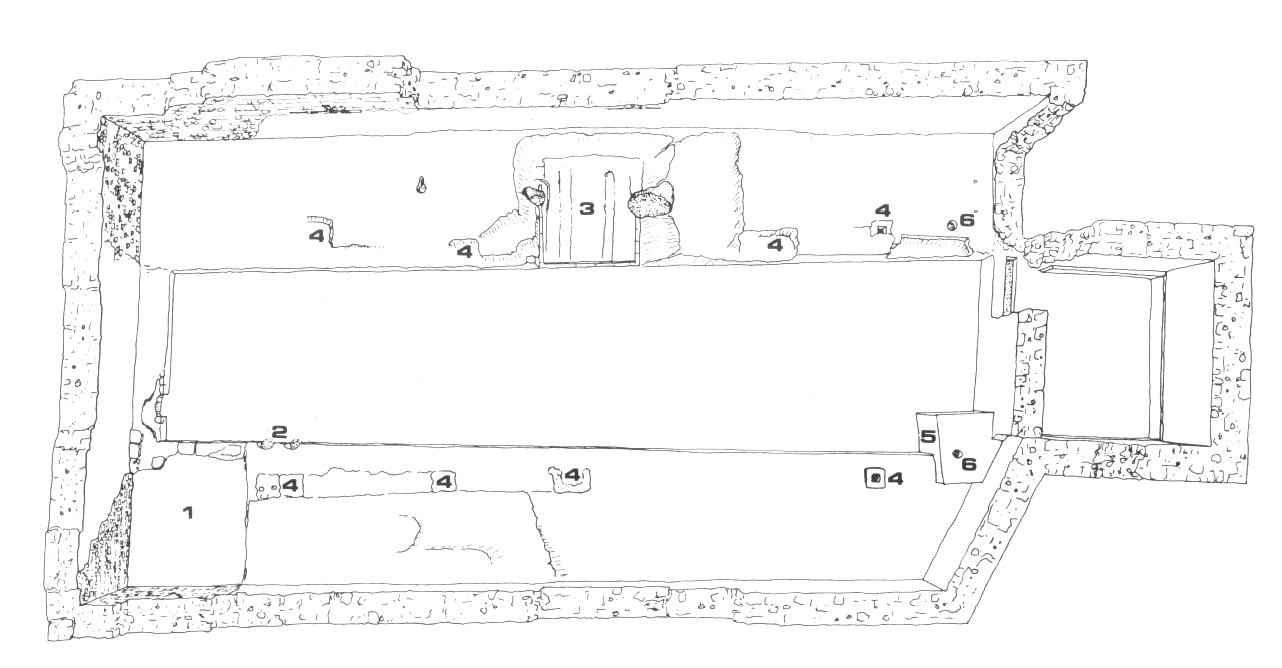
C’est en 1986, à l’occasion de la restructuration de l’ancien magasin Parunis, qu’une fouille de sauvetage archéologique fut réalisée cours Victor Hugo.

During the excavations of 1804-1805, a series of monuments dedicated to Mithras and a temple were discovered at ancient Mons Seleucus.
Mithra et ses actualités - Journée d'études.

Seminario de Investigación Cultos orientales e Iconografía Máster en Arqueología del Mediterráneo en la Antigüedad Clásica.
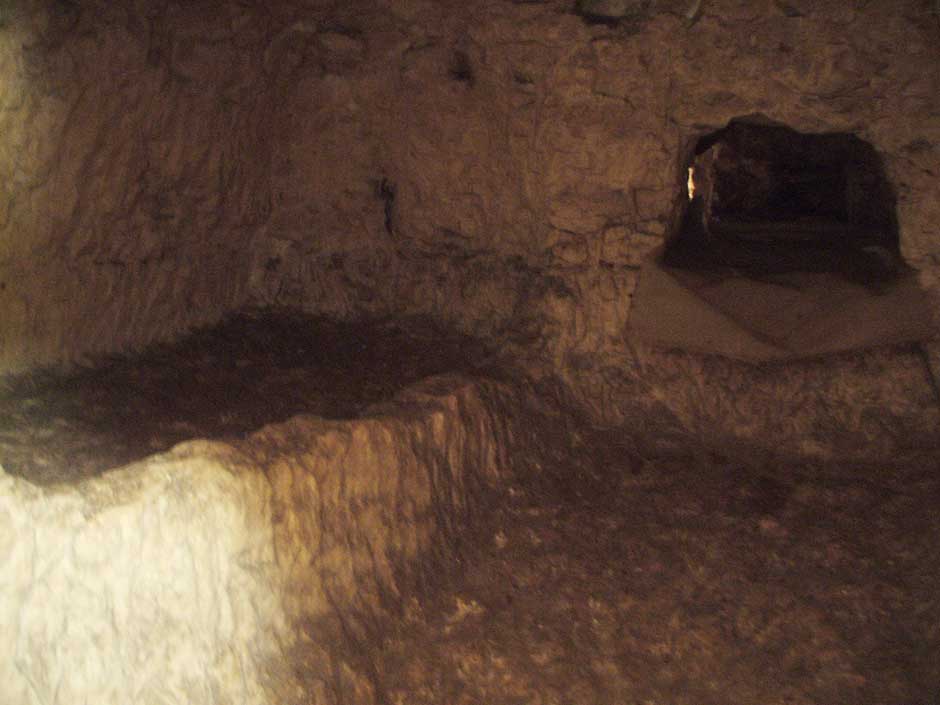

A marble funerary cippus from the Vigna Dionigi at Torre Pignatara outside Rome, dedicated to Sextineius Restitutus as most indulgent pater sacrorum by his children and mother, with a crown carved to the left of the final line.
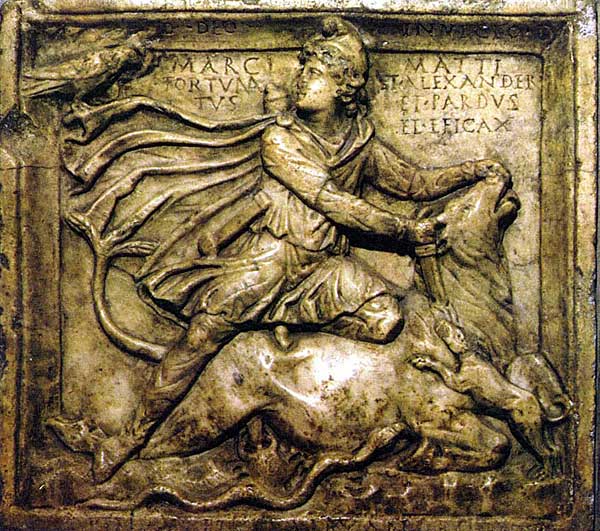
The relief marble of Mithras sacrifying the bull, exposed on the Hermitage Museum comes from Rome.
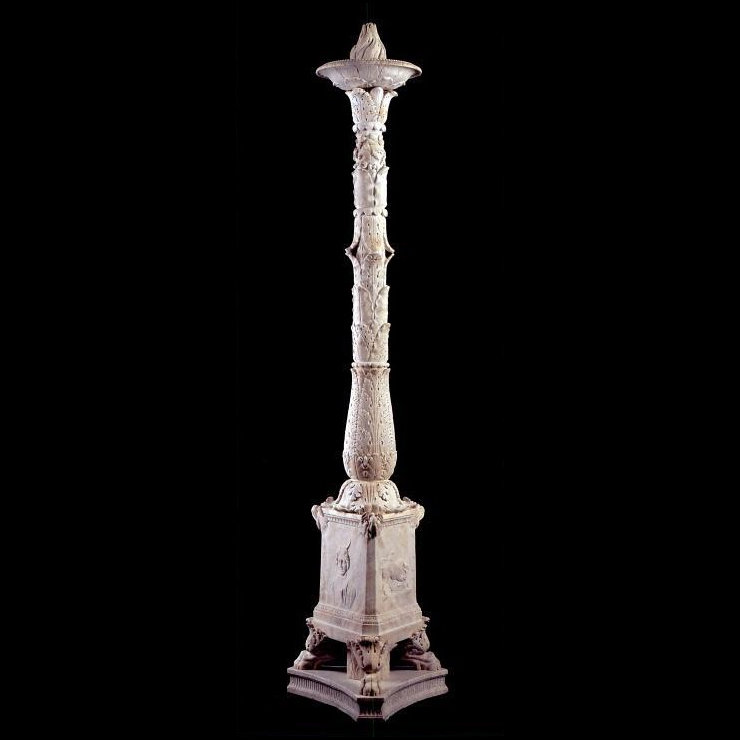
This magnificent candelabrum was found in Rome in 1803, in the Syrian Temple of Janicule.
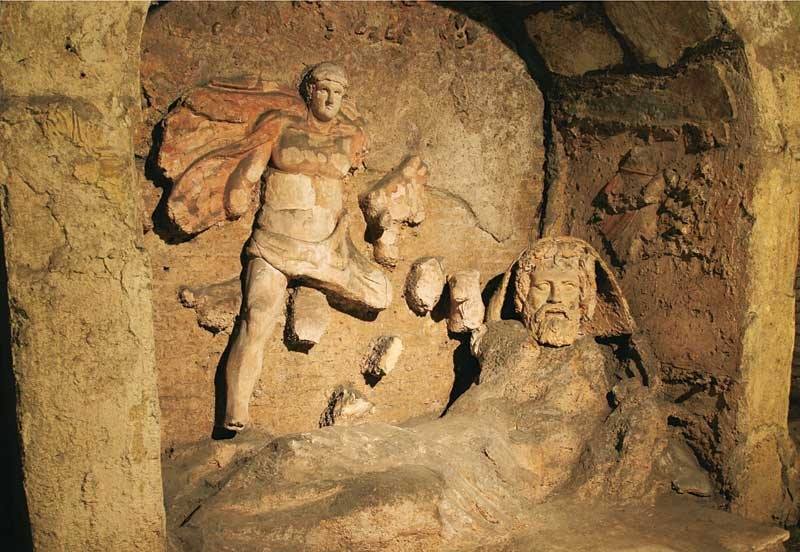
Even if only a few fragments remain, it is very likely that the main niche of the Mitreo di Santa Prisca contained the usual representation of Mithras killing the bull.
The fragmented tauroctony of the Mitreo di Santa Prisca rests on the naked figure of a bearded man, probably Ocean or Saturn.
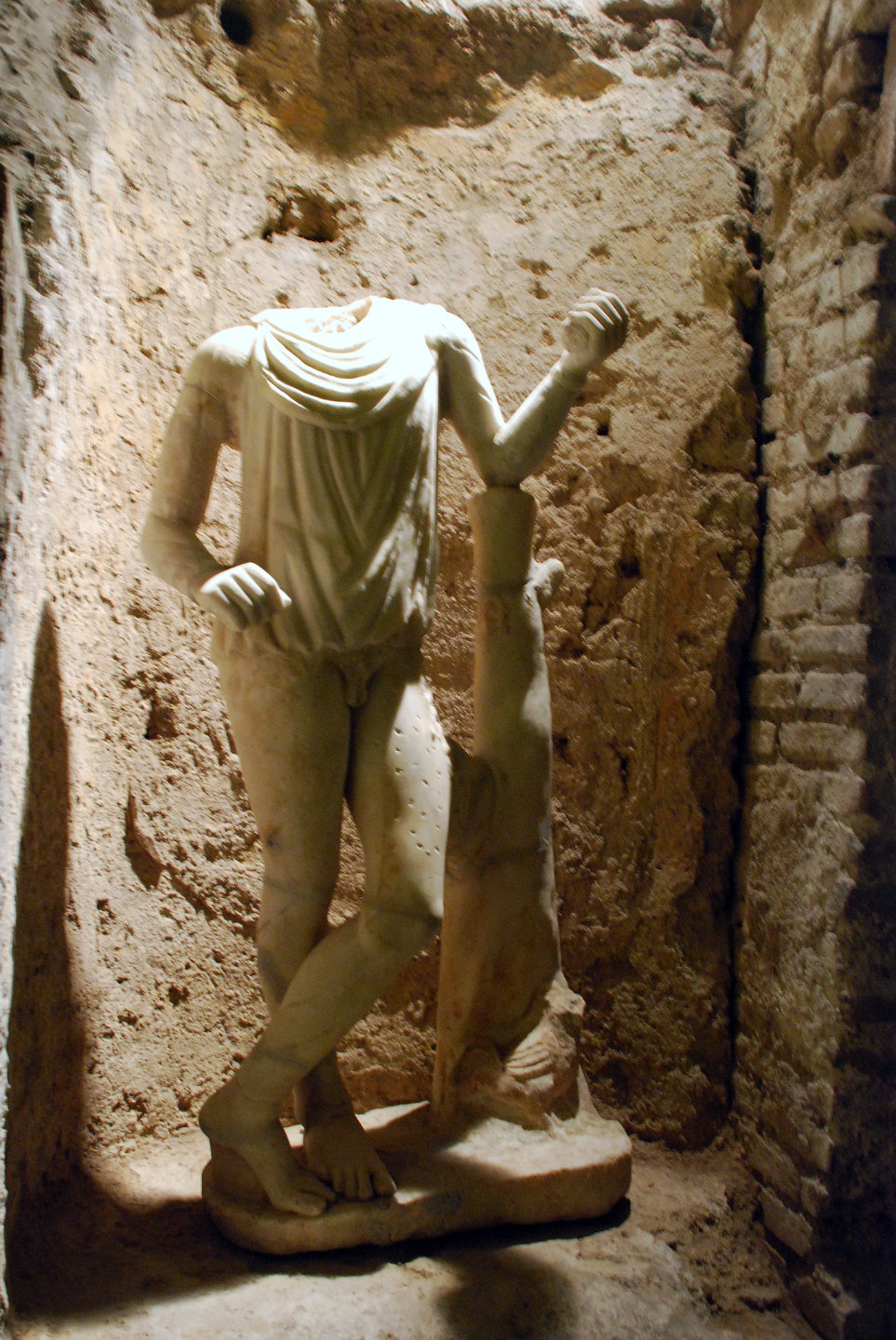
The marble statue of Cautes, found in the Mithraeum of Santa Prisca, was originally a Mercury.
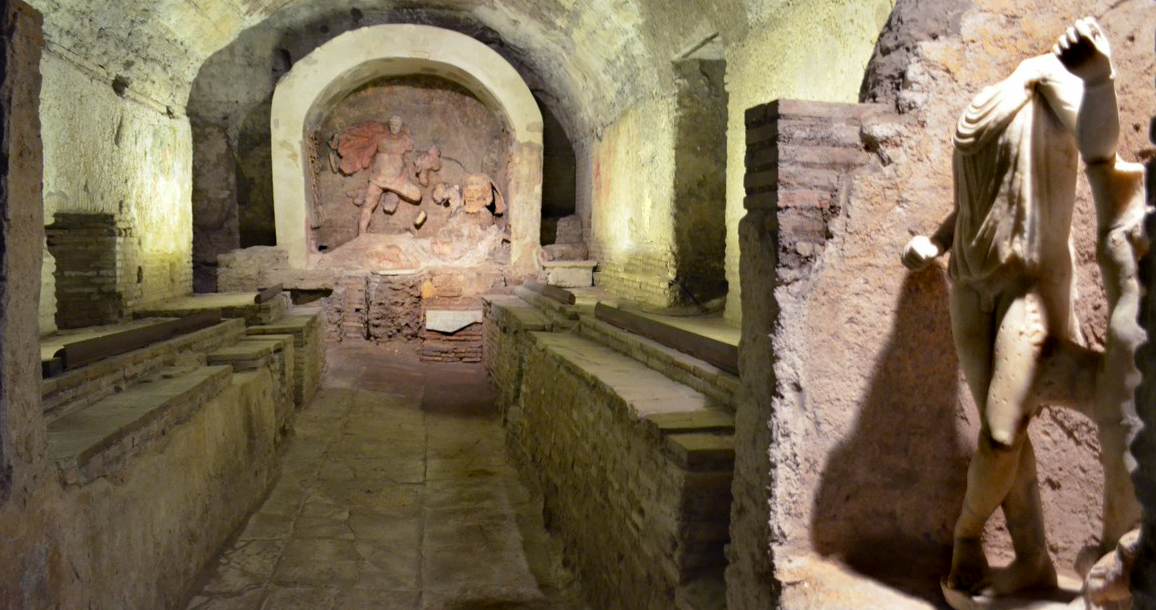
The Mithraeum of Santa Prisca houses remarkable frescoes showing the initiates in procession.
This small cippus to Zeus, Helios and Serapis includes Mithras as one of the main gods, although some authors argue that it could be the name of the donor.
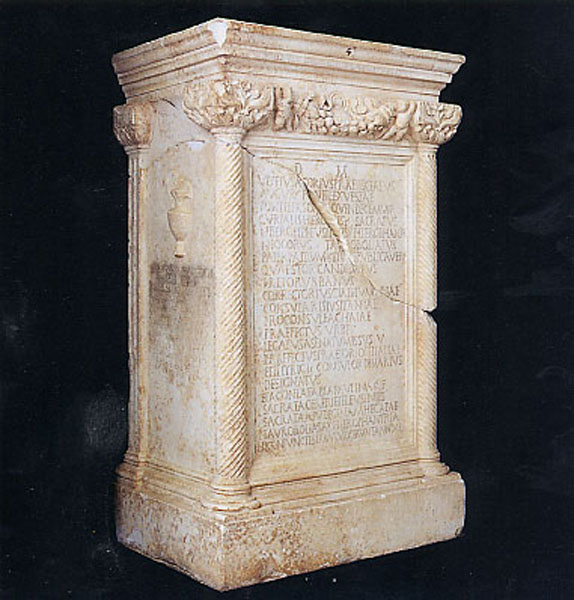
The marble altar mentions Vettius Agrorius Praetextatus as Pater Sacrorum and Patrum and his wife Aconia Fabia Paulina.
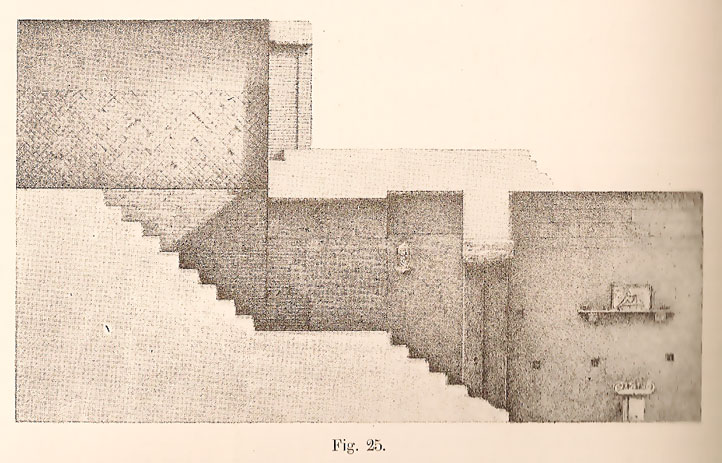
In a house from the time of Constantine, a Lararium was found with a statue of Isis-Fortuna. The Mithraeum was a door next to it, on a lower room.
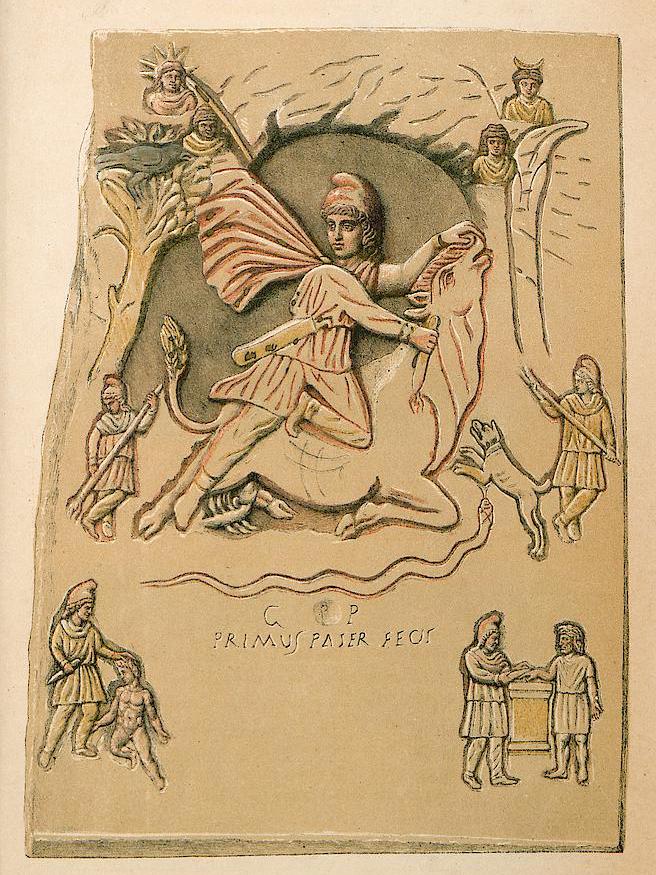
The relief of Mithras slaying the bull found on the Esquiline Hill includes two additional scenes with Mithras and two other figures.
A white marble tauroctony statue found in 1925 at the ancient site of Lorium near the eleventh milestone on the Via Aurelia outside Rome, showing Mithras slaying the bull with dog, serpent and scorpion, accompanied by Cautes and Cautopates; now in the Palazzo Doria…
