Your search Han Potoci gave 881 results.

This Mithraic temple, also known as the Mithraeum of the Olympii, dates to the 3rd century and was rediscovered in 15th-century Rome, but it has not been preserved.
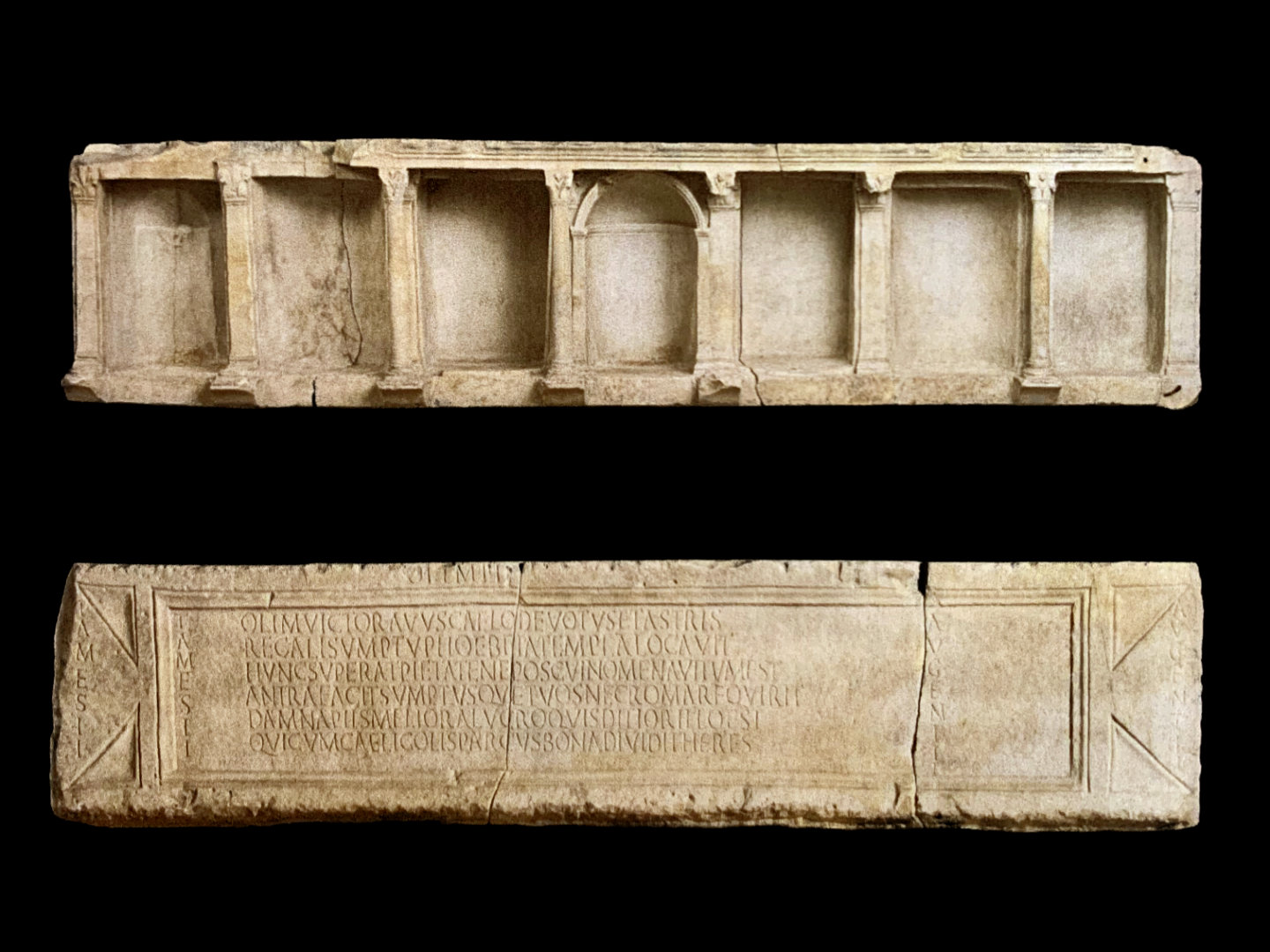
This monument is the only one still available from the disappeared Mithraeum in Piazza S. Silvestro in Capite.
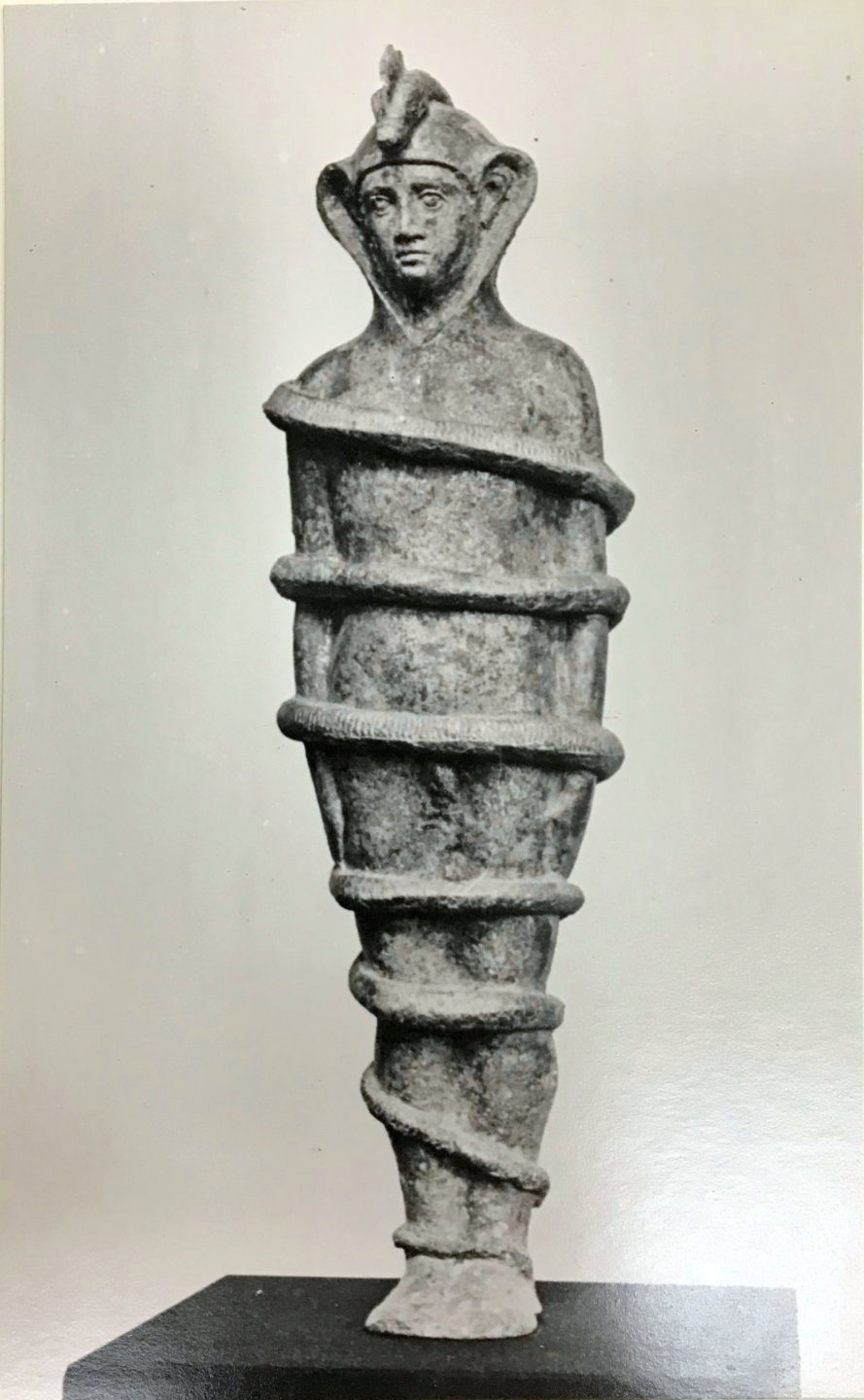
Roman relief from a sanctuary on the Janiculum Hill (Rome), showing a male figure bound by a serpent coiled seven times.
In these passages from his hymns and satires, Julian articulates a solar theology in which Helios governs cosmic order and time. Within this framework, Mithras appears as a personal divine guide associated with the ascent of souls.
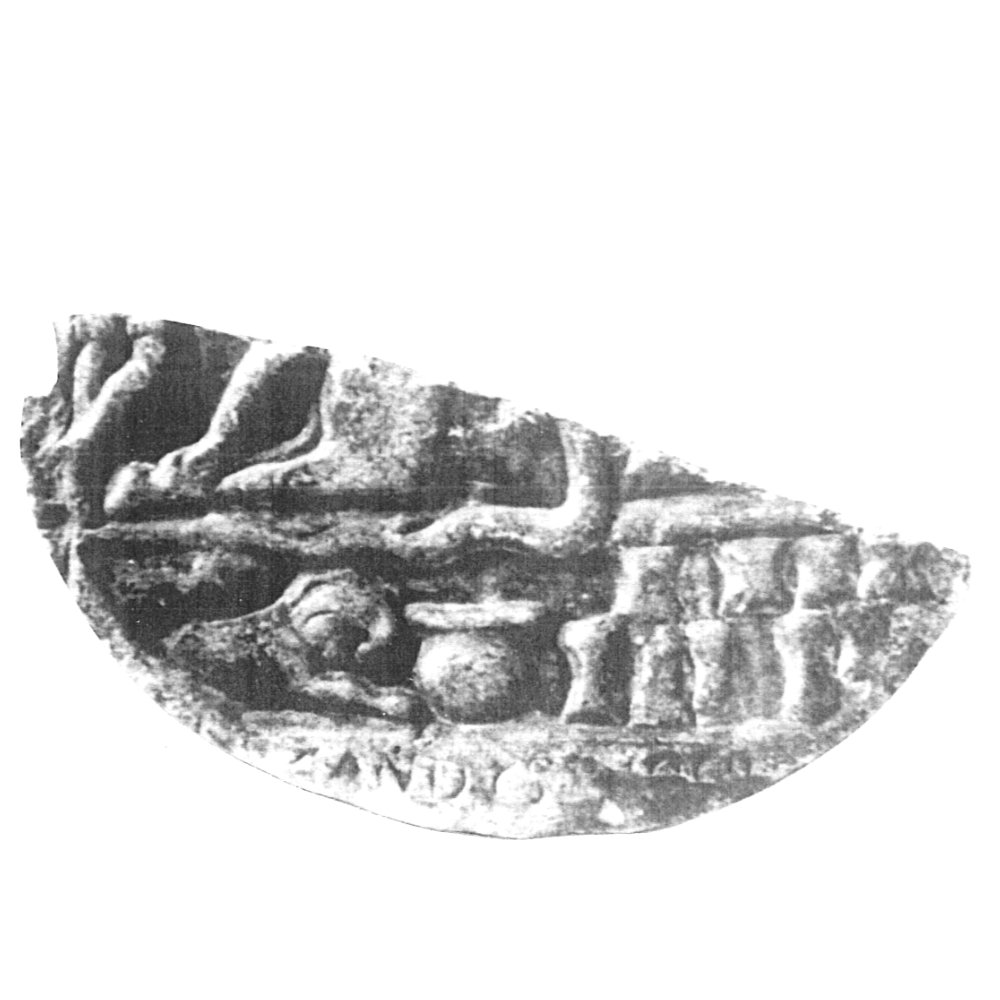
This tauroctony may have come from Hermopolis and its style suggests a Thraco-Danubian origin.
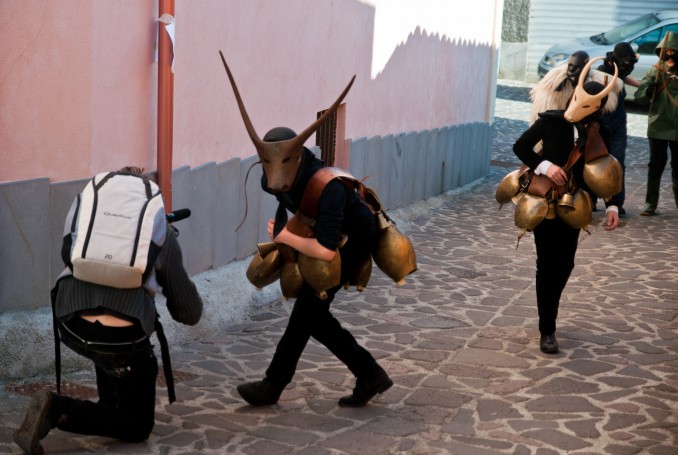
A series of polemical passages in which a leading fourth-century Christian theologian presents the cult of Mithras as a religion defined by cruelty, bodily suffering, and shameful initiation rites.
Emperor Julian may have been initiated into the cult of the god Mithras at the Mithraeum of Vienne, France, according to Turcan.
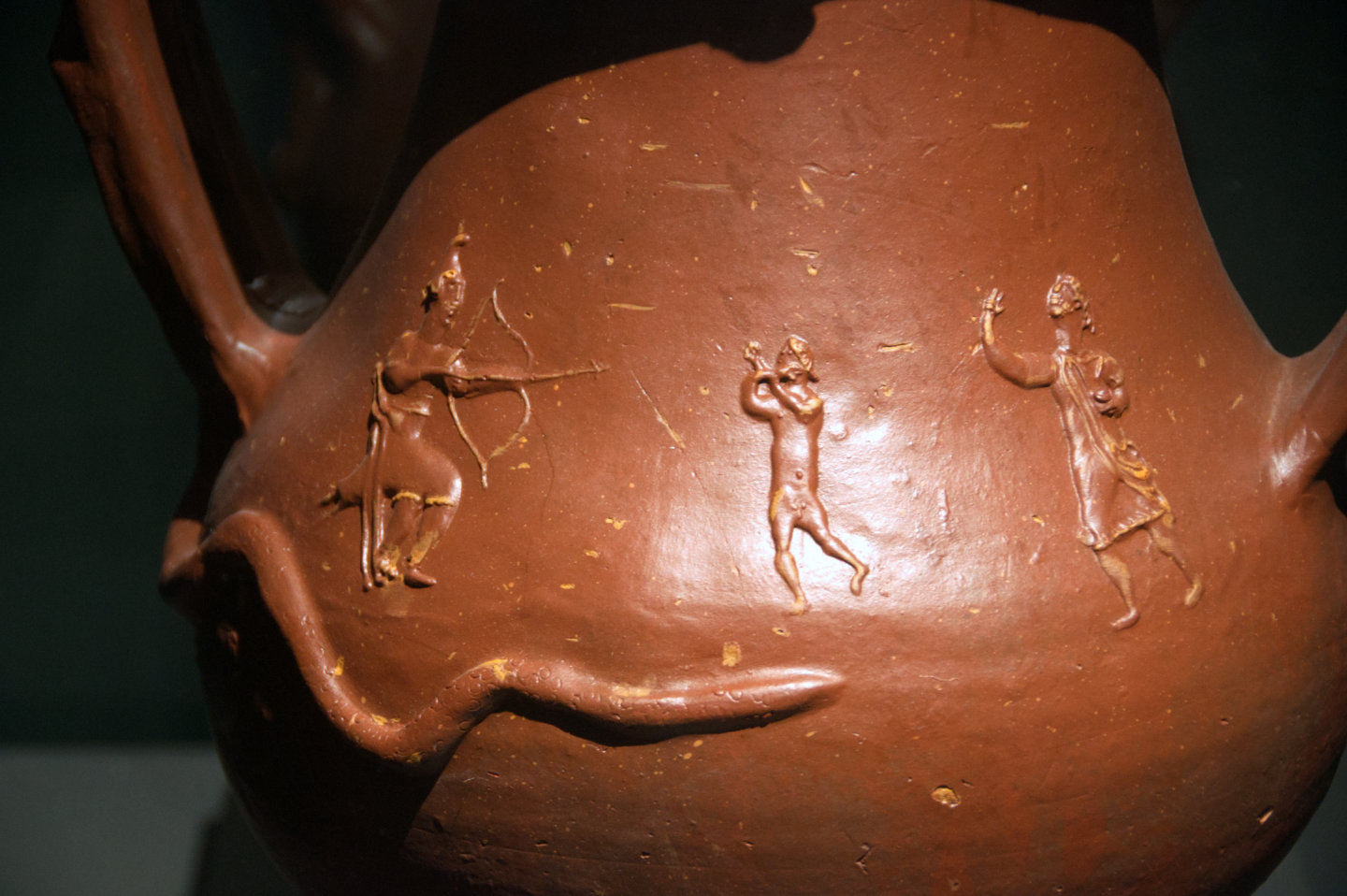
The Mithraic vase from Ballplatz in Mainz depicts seven figures arranged in two narrative sequences, commonly interpreted in relation to initiation rites.
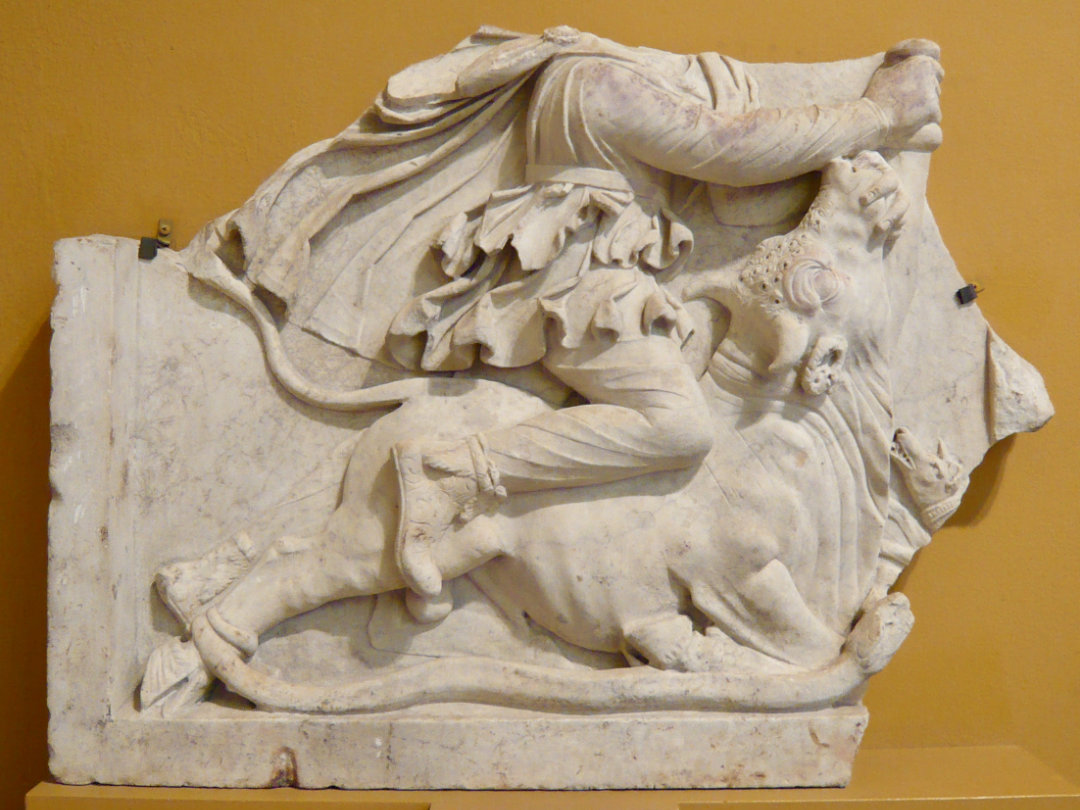
This fragmentary relief depicts Mithras killing the bull in the usual manner, remarkably dressed in oriental attire.
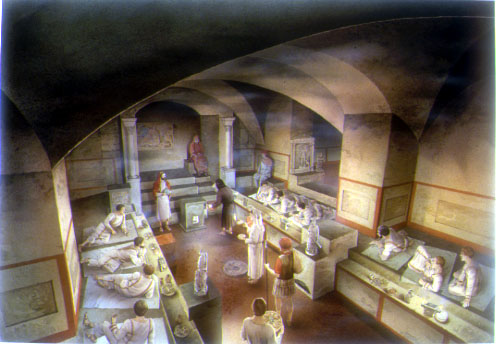
The Mithraeum of the Crypta Balbi was locted in the middle of a densely populated insula near the theatre of Cornelius Balbus.
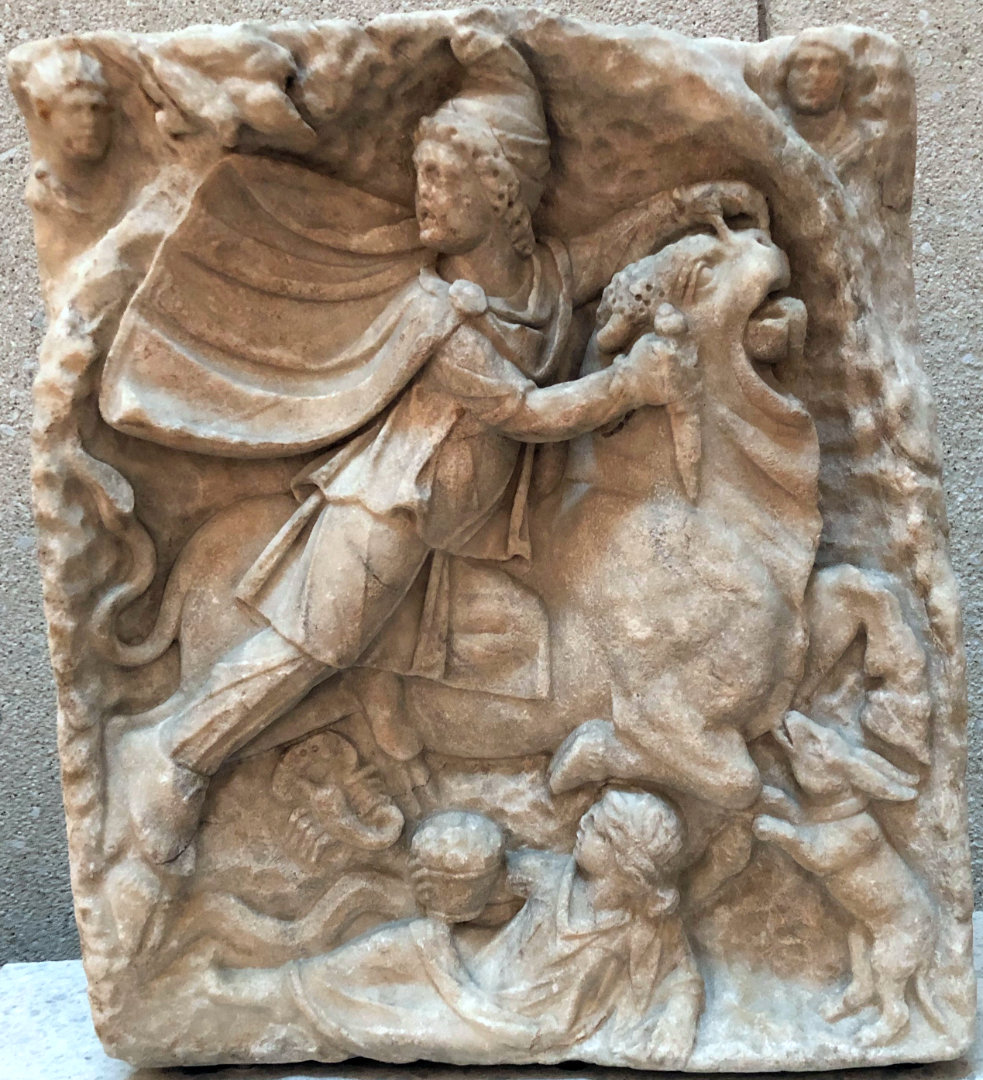
This tauroctony relief is distinguished by the rare depiction of Tellus reclining beneath the bull.
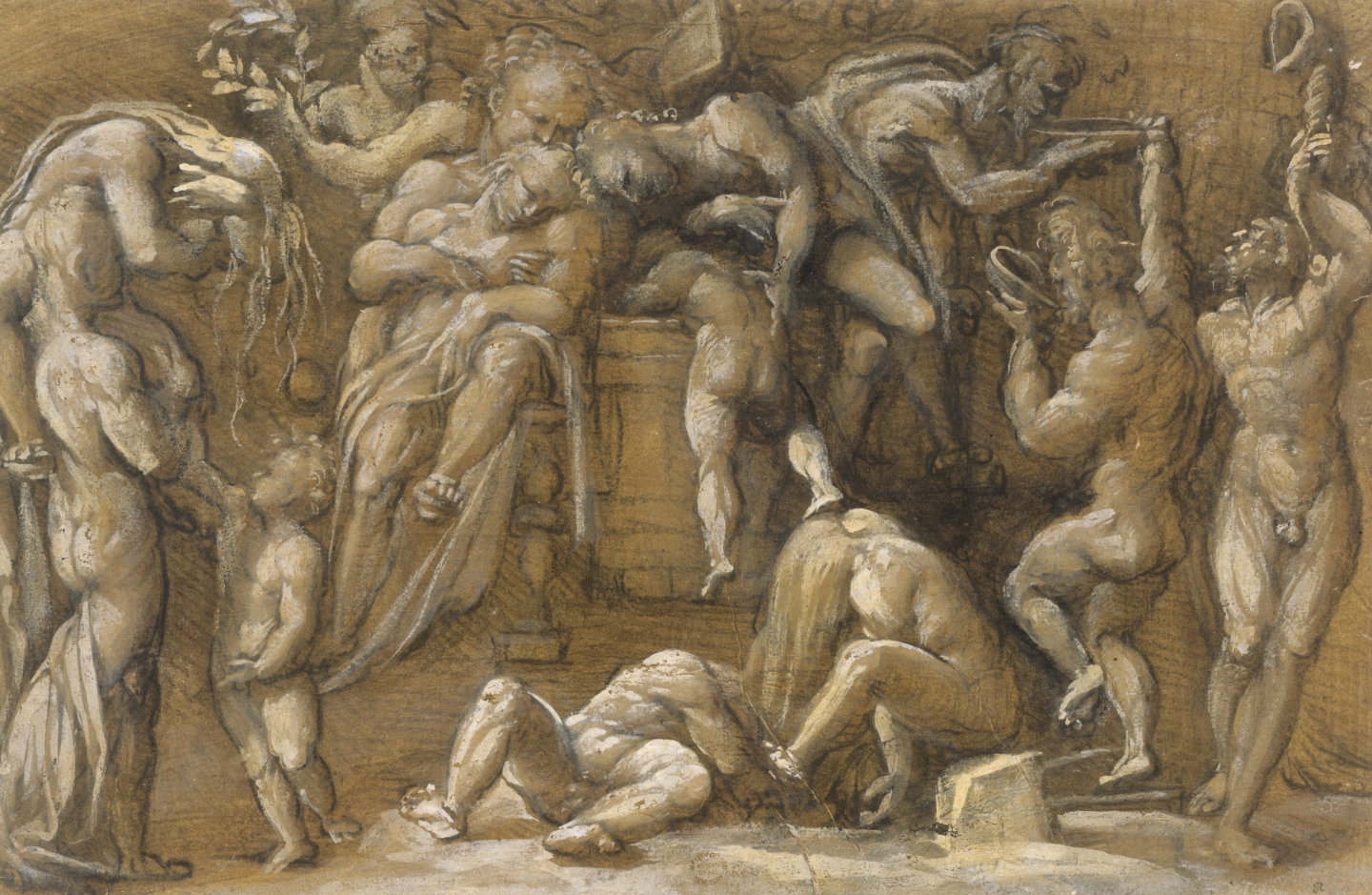
In polemical passages from the late second and early third centuries, Tertullian portrays the cult of Mithras as a demonic imitation of Christian rites and provides rare early references to Mithraic initiation and ritual symbolism.
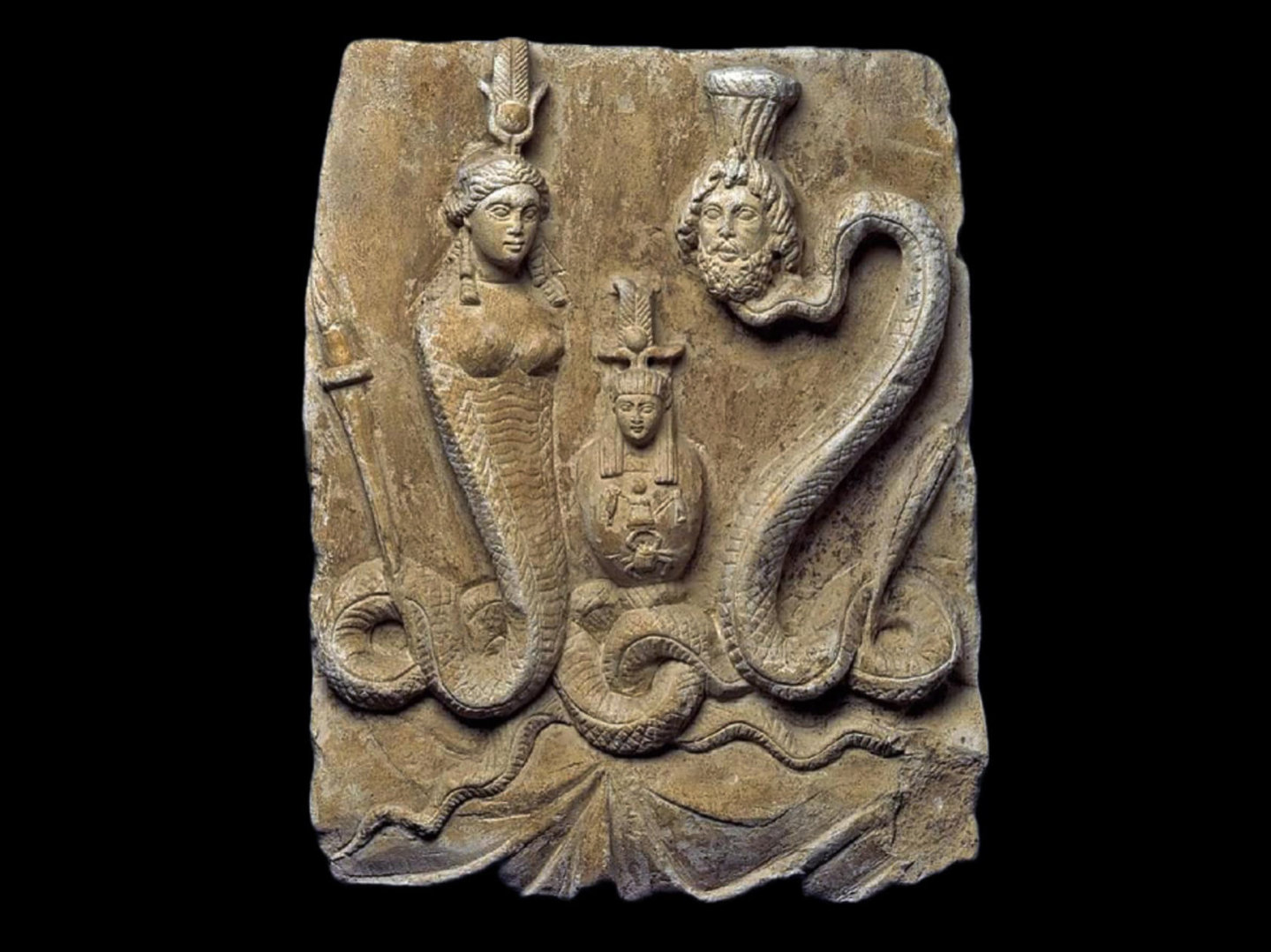
An anonymous late-antique Christian poem, traditionally attributed to Pseudo-Paulinus of Nola (Poema 32, vv. 109–111), that ridicules pagan cults and presents Mithras, Isis, and Serapis as gods of concealment, contradiction, and unstable forms rather than light…
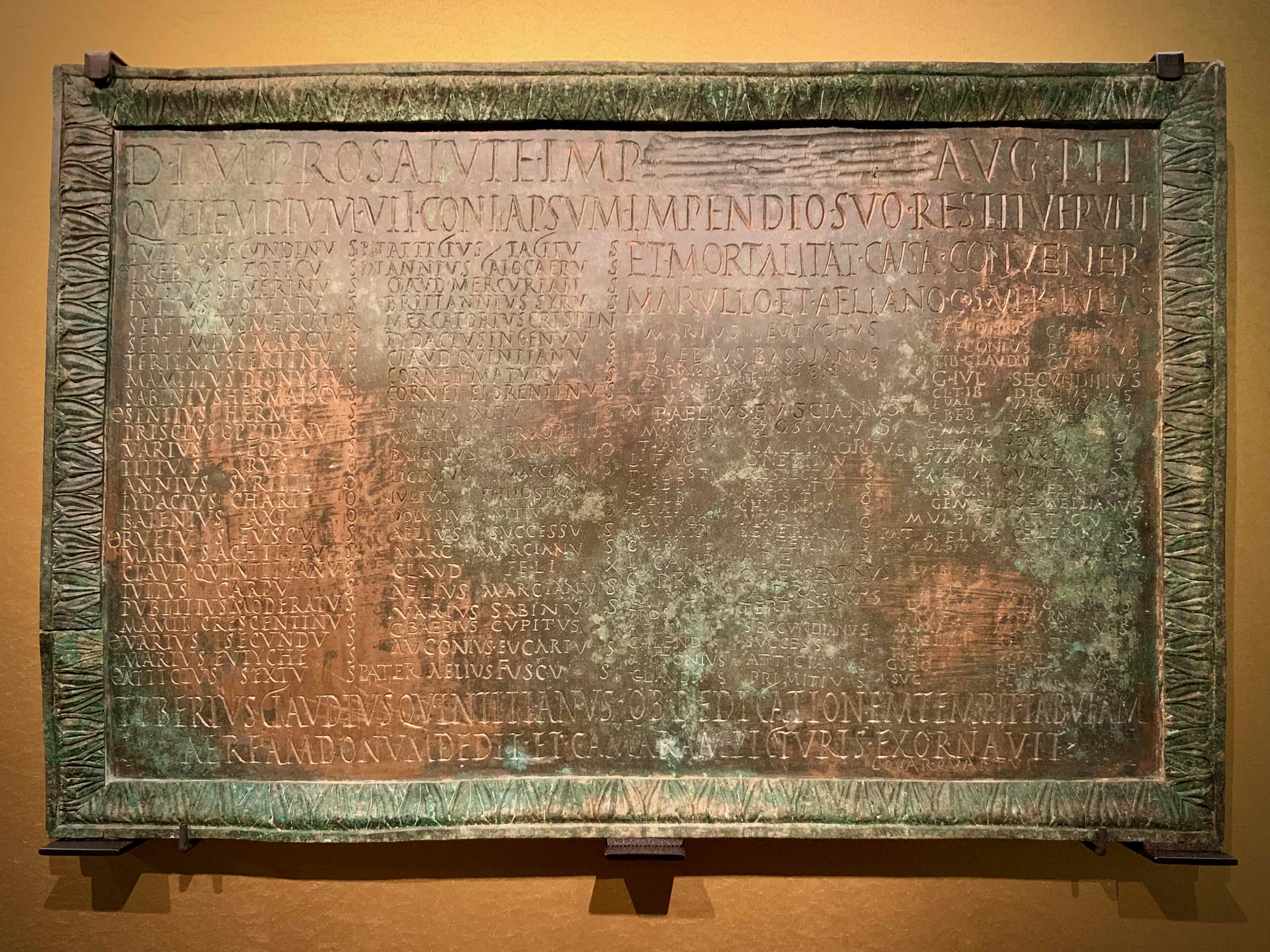
The bronze bears the dedication of a restoration of a Mithraeum carried out in 183.
Standing stone statuette of Cautopates, the downward-torch bearer, found at Bordeaux and kept in the city’s museum of antiquities (musée d’Aquitaine ?).

Radcliffe G. Edmonds III analyses the absence of the moon in the Mithras Liturgy. He argues that this absence reflects a deliberate cosmological framework in which lunar powers linked to genesis are excluded from the ritual of ascent.
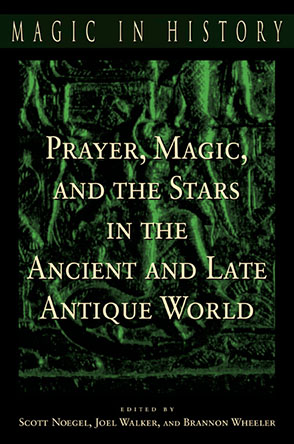
This collective volume explores the ways ancient peoples interacted with divine powers through prayer, magic, and the interpretation of the stars. Drawing on evidence from Mesopotamia to Late Antiquity, it situates these practices within broader religious and cosmological systems…

Jean Suttman’s study trip in Rome turns nightmarish when she discovers a murdered student in the Temple of Mithra and realizes someone is out to harm her.

India, beyond all other countries on the face of the earth, is preeminently the home of the worship of the Phallus—Linga puja. It has been so for ages and remains so still.

Peter Mark Adams’ The Game of Saturn: Decoding the Sola-Busca Tarocchi is the first full length, scholarly study of the enigmatic Renaissance masterwork known as the Sola-Busca tarot.
